Will matcha burn belly fat?
In the health and wellness business, Matcha Powder is being used more and more as an ingredient. A lot of people who buy it and make it aren't sure if it really does help get rid of belly fat. To sum up, if you live a healthy life, matcha can help you lose weight and burn fat. Because it contains so many catechins, especially epigallocatechin gallate (EGCG), it boosts metabolism and helps you burn more fat. If you eat it regularly and work out, it might help get rid of belly fat, but it's not a miracle cure. Those who know about matcha's bioactive profile can make health products that help people burn fat naturally, work well, and sell a lot of them.
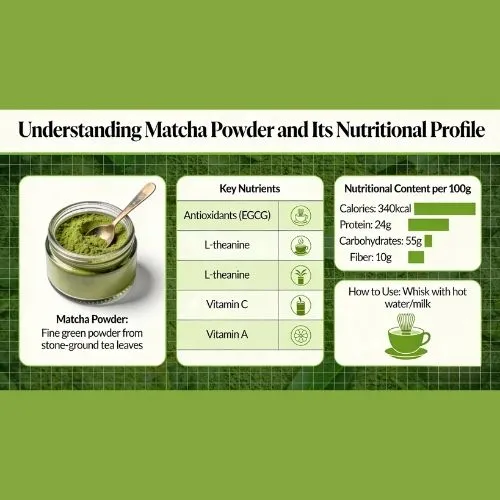
Understanding Matcha Powder and Its Nutritional Profile
It is grown in the shade for twenty to thirty days in Japan before it is picked. This is where matcha comes from. An amino acid called L-theanine can help you calm down and concentrate. It's made by plants more when they get more sun. The leaves are soaked and then thrown away in simple green tea. When Matcha Powder is made, the whole leaf is eaten. This means that you get a lot of nutrients in a short amount of time.
Key Nutritional Components
Because it is good for you in many ways, matcha is not like other green teas. There are 25 to 35 milligrams of caffeine in one gram of good matcha. This keeps you going without making you feel tired like coffee can. About 10 to 18 percent of matcha's weight is made up of catechins, with EGCG being the most important. These polyphenols help cells stay healthy by getting rid of free radicals. Caffeine and L-theanine work together to wake you up and calm you down. This gives it a balanced amount of energy that works well in functional drink recipes.
Ceremonial vs. Culinary Grades
People who work in procurement need to know the difference between ceremonial and culinary grades of matcha when they go shopping for it. It looks like emerald green. It's fine (about 800 to 2000 mesh) and tastes smooth and full of umami. This grade should be used by brands of high-end drinks and supplements that need to look good and taste good. It usually has a milling size of 2000 or 3000 mesh, and the taste is a little sourer. The color is also darker. Mix it with other things to make baked goods, energy bars, and other things. Some recipes don't need a lot of it. The ceremonial grade costs more because it tastes better and is made with more care, but both grades have healthy foods.
Organic and Conventional Sourcing Considerations
Even if a brand is healthy and follows the rules in the EU and the US, it still needs to prove that it is organic. When making organic matcha, no man-made pesticides or fertilizers are used. This fits with the want for "clean labels" and is honest with what people want. Plain matcha is less expensive, but it has to go through a lot of tests to make sure it meets the EU and FDA standards for residue levels. People trust a brand more when they can see how it gets from the farm to their mouth. This also supports stories about sustainability that people today like.
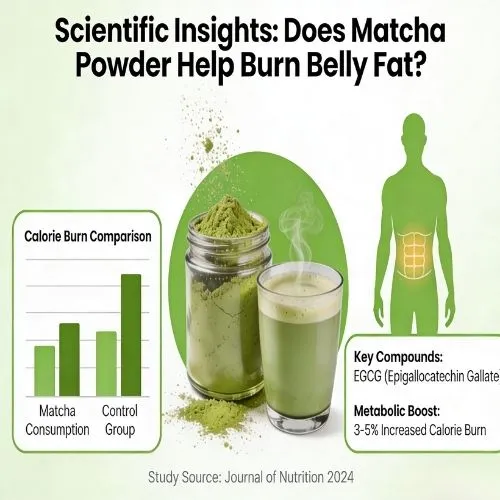
Scientific Insights: Does Matcha Powder Help Burn Belly Fat?
The catechins in green tea help us figure out how Matcha Powder might help burn fat. EGCG speeds up thermogenesis, as shown by more than one study. That's how the body burns calories to make heat, which needs more power.
Mechanisms of Fat Oxidation
But catechol-O-methyltransferase can't do its job because of EGCG. It's a chemical that helps the body burn fat. This enzyme breaks it down. There is a process called lipolysis that happens faster when EGCG is present. It makes norepinephrine work longer, which speeds up this process. When you drink coffee, adrenaline is released. This is a chemical that tells fat cells to break down fat stores. It works better now. These chemicals may help you lose body fat, especially around the middle, if you eat less and work out regularly.
Clinical Evidence and Limitations
A study in the International Journal of Obesity looked at controlled tests that used green tea catechins and caffeine. People in a study who took extracts high in catechins lost less weight and had a smaller drop in waist size than people who took a fake drug. There was a statistically significant difference. But not all of the effects were the same size. The researchers made it clear that catechins work best when taken along with a healthy diet and regular exercise. People who make things should talk about matcha as a healthy way to live, not as a quick way to lose weight.
Comparing Matcha to Other Supplements
Green tea extracts are only made from the leaf, while matcha is made from the whole leaf. L-theanine makes you feel calm, but coffee has more caffeine than tea. It might wake you up and make you weak. Two supplements that help burn fat are capsaicin and green coffee bean extract. They do their jobs in different ways. But matcha can be used in many different products because it has many health benefits and cultural significance. As with most healthy foods, matcha is safe as long as you don't eat too much of it. This is not the same as some thermogenics made by people that are bad for your heart.
Safety and Dosage Recommendations
Adults who drink up to 400 mg of caffeine a day can still drink a lot of matcha without getting sick. Before using anything with matcha in it, people who are sensitive to caffeine or who have certain health problems should talk to their doctor. People should be able to read the labels and easily figure out how much caffeine is in each serving. You should use Good Manufacturing Practices and make sure the labels are correct. They are in charge of making sure this with their suppliers, which is their job. People will be safe, and the brand's good name will be kept.
Practical Usage: How to Prepare Matcha for Optimal Benefits
That which makes matcha taste different and how its healthy parts are taken in by the body are also different. In Japan, people mix Matcha Powder with hot water and whip it until it's foamy and smooth. This keeps the powder spread out evenly and the mild flavors in. In this way, the nutrients can get to more cells.
Traditional Whisking Techniques
The powder is mixed with water that is about 80°C (175°F) hot. A chasen, which is a bamboo whisk, is used for this. This is not done because boiling water gets rid of chlorophyll and catechins. If you whisk something very hard, you can add air to it. This makes foam that is smoother and feels better when you chew it. Making small amounts of foods and drinks this way is a good idea for events where presentation and ceremony are important.
Modern Production Methods
A lot of big businesses use matcha to make protein shakes, healthy foods, and drinks that are ready to drink. When stabilizers like pectin or guar gum are added to liquid mixtures, they keep the mixtures from settling. With these technologies, light and oxygen can't reach the matcha. This keeps its color and antioxidant power while it's in the store. Since heat doesn't change matcha, it can be used to bake and make candy. But the pH levels might need to be changed if the hot Maillard reactions are to keep the green color.
Storage Best Practices
Watch out for water, heat, and light when you store matcha. Vacuum-seal and flush food with nitrogen to keep it fresh for up to two years. Keep it somewhere cool and dark. Not a lot of oxygen gets in. When people buy in bulk, they should make sure that the containers are clear and safe for food, and they should also let the people further down the chain know how to store the goods. If you handle it the right way, it stays bright green, tastes umami, and has functional potency that make it stand out as a high-quality item.
Procurement Insights: Sourcing High-Quality Matcha for Business
To find a good matcha supplier, look into where the matcha comes from, make sure they have the right licenses, and see how well they can get things to you. The land in Uji and Nishio is great for growing Matcha Powder because it has been farmed for a long time. This is why it costs so much.
Verification of Origin and Certifications
You should ask for proof of where the product came from, organic certifications (USDA, EU Organic, JAS), and lab reports from another source to make sure it is real and follows the rules. Certifications like KOSHER and Halal can help a business reach more people who need to eat a certain way. An ISO 22000 and HACCP-certified business has good quality control systems that keep goods clean and make sure that every batch is the same. Providers can see from these credentials that they are serious about following the rules. They are less likely to break the law or do something bad for the business.
Balancing Cost and Quality in Bulk Purchases
How it is made, where it comes from, and the grade all have a big effect on how much matcha costs. When used in ceremonies, matcha from Japan costs more than matcha from China or other places that is used in cooking. People who buy in bulk can save money, but they have to decide if they want to save money or get good quality. R&D teams can get samples to see how the color, taste, solubility, and particle size work before they place large orders. It's less likely that the formula won't work or that customers will be unhappy this way.
Logistics and Compliance
A good supply chain makes sure that goods get to their destination on time and don't get broken on the way. In order to bring goods into the country, it is easier to go through customs if you have the right paperwork. Matcha can be shipped in a way that keeps it fresh even when it gets hot. Flexible suppliers with low minimum order amounts and capacity that can be scaled can work with businesses at all stages of growth. Like when new businesses try out new recipes or when well-known brands add more items to their lines.
At Yangge Biotech, we always have a lot of KOSHER and USP-grade Matcha Powder in stock so that we can meet our tight deadlines for making things. So that the polyphenols stay in the tea, we bake and grind it at low temperatures. The pieces are all the same size at 800, 2000, and 3000 mesh. To cut down on the time it takes to make your drug, we can help with OEM packaging, custom blending with superfoods that work well together, and logo design.
Leveraging Matcha in Health-Focused Product Development
In the US and Europe, you can find Matcha Powder in many health food stores. This is because people want natural ingredients that work. Brands say that when they add matcha to their goods, customers are very interested and the goods stand out from other goods in the same range.
Market Trends and Consumer Preferences
People who care about their health want things that are simpler to open, last longer, and work better. Matcha is an antioxidant that has been proven by scientists. In Japan, it is used as medicine, so it is a good ingredient. Millennials and Gen Zers who would rather get their energy from natural sources and be able to think clearly than from pre-made energy bars, matcha lattes, and dietary supplements.
Case Studies in Successful Product Integration
The fact that matcha looks good and can be used in many ways has helped big drink companies make money. They have added it to functional teas, protein shakes, and sparkling waters. Chocolate, cookies, ice cream, and other treats that are good for you and taste great are made with chef-grade matcha. Supplement companies put matcha extracts in capsules to make them contain a certain amount of EGCG. They can give you the right amount of EGCG to help your brain and health. This shows that matcha can be used in many different types of goods at different price points.
Innovation Opportunities
Plant-based proteins, adaptogens, probiotics, and other things that work well with matcha can be mixed with it. There are many ways that these mixes are good for your health. Good brand stories are more interesting to people who care about the environment when they can work with Japanese farming communities and ship goods without releasing any carbon. When the brand works with wellness influencers and releases seasonal flavors that are only around for a short time, people are eager to try it.
Yangge Biotech's mixed services enable you to blend Matcha Powder with other functional ingredients tailored to your formulation goals. Whether you're developing a cognitive-enhancing beverage or a metabolism-boosting snack, our R&D team collaborates with you to optimize ratios, flavors, and bioavailability, ensuring your product stands out in competitive markets.
Conclusion
Because it boosts metabolism and burns fat, Matcha Powder is a fantastic ingredient for health-conscious product lines. There is natural caffeine and a lot of catechin in this supplement. These can help you lose weight and get rid of belly fat. It's still very important to eat well and work out regularly. The most important things for purchasing managers and research and development teams to think about when they are looking for matcha are quality, authenticity, and the rules and laws that apply to it. They also need to think about how much it will cost. The parts need to stay the same and work well. As the need for natural health solutions that work grows, brands can meet it by working with dependable suppliers and adding matcha to a lot of different foods, drinks, and supplements.
Partner with a Trusted Matcha Powder Manufacturer
Yangge Biotech Co., Ltd. specializes in delivering premium natural plant extracts tailored for the food, beverage, and nutraceutical industries. Our Matcha Powder meets stringent KOSHER, USP, ISO, HACCP, and Halal standards, ensuring regulatory compliance and product excellence. With one ton of inventory readily available, we support both urgent orders and long-term partnerships, offering flexible specifications at 800, 2000, and 3000 mesh to match your formulation requirements.
Beyond raw ingredients, our OEM services include custom blending, personalized packaging design, and logo integration, streamlining your path from concept to market. Our sustainable sourcing model ensures farm-to-table traceability, backed by certifications and environmental recognition in China. Whether you're launching a ready-to-drink matcha beverage, developing a metabolism-focused supplement, or innovating in functional foods, our 24-hour support team and dedicated R&D professionals collaborate closely to bring your vision to life. Contact us at info@yanggebiotech.com to request samples, discuss custom formulations, or explore how Yangge can elevate your product portfolio with authentic, high-quality Matcha Powder for sale.
FAQ
Q: Can we get some samples to test before purchasing?
A: Of course, we can provide free samples of 20 to 100 grams, but the shipping cost is at the customer's expense. The shipping cost can be deducted from the next order, or the samples can be sent through your courier account.
Q: Do your products have relevant certifications?
A: Yes, our products are certified for HALAL, ISO, HACCP, Kosher, and other certifications.
Q: What is the minimum order quantity (MOQ)?
A: Small batches of samples can be customized according to your requirements.
Q: Do you offer OEM and ODM services? Can the formula be customized based on our own?
A: Of course, we provide ODM and OEM services to many customers. Our product range includes softgels, capsules, tablets, sachets, granules, and private label services. Simply contact us and let us know your requirements. Our experienced R&D team can also develop new products with specific formulas.
Please contact us to design your own branded products.
Q: How do you handle quality complaints?
A: First, we have a comprehensive quality control SOP. We provide authoritative third-party inspection reports for almost all products before shipment to minimize the possibility of quality issues. Second, we have a comprehensive return and exchange procedure. If there is a genuine quality dispute, we will strictly follow the SOP.
Q: How do you ship? How long does delivery take?
A: For small orders, we typically use DHL, UPS, EMS, FedEx, or TNT. Delivery typically takes 3-7 days. We also offer air and sea freight services. We have a strong freight forwarding team and can provide you with a one-stop service, including DDP and DDU.
Q: What are your payment terms?
A: 100% prepayment, payable by T/T, Western Union, MoneyGram, or PayPal.
Q: What is the shelf life of your products?
A: 2 years with proper storage.
Q: Is the packaging environmentally friendly?
A: We attach great importance to environmental protection and are constantly improving our product packaging. Some products are packaged in recyclable paper. Packaging materials are carefully selected to ensure product safety during transportation and storage, and to minimize environmental impact. We are committed to achieving a balance between environmental friendliness and practicality in our product packaging, and to contributing to sustainable development.
References
1. Hursel, R., Viechtbauer, W., & Westerterp-Plantenga, M. S. (2009). The effects of green tea on weight loss and weight maintenance: a meta-analysis. International Journal of Obesity, 33(9), 956-961.
2. Dulloo, A. G., Duret, C., Rohrer, D., Girardier, L., Mensi, N., Fathi, M., ... & Vandermander, J. (1999). Efficacy of a green tea extract rich in catechin polyphenols and caffeine in increasing 24-h energy expenditure and fat oxidation in humans. The American Journal of Clinical Nutrition, 70(6), 1040-1045.
3. Nagao, T., Hase, T., & Tokimitsu, I. (2007). A green tea extract high in catechins reduces body fat and cardiovascular risks in humans. Obesity, 15(6), 1473-1483.
4. Diepvens, K., Westerterp, K. R., & Westerterp-Plantenga, M. S. (2007). Obesity and thermogenesis related to the consumption of caffeine, ephedrine, capsaicin, and green tea. American Journal of Physiology-Regulatory, Integrative and Comparative Physiology, 292(1), R77-R85.
5. Rothenberg, D. O., Zhou, C., & Zhang, L. (2018). A review on the weight-loss effects of oxidized tea polyphenols. Molecules, 23(5), 1176.
6. Weiss, D. J., & Anderton, C. R. (2003). Determination of catechins in matcha green tea by micellar electrokinetic chromatography. Journal of Chromatography A, 1011(1-2), 173-180.

Based on your location and order quantity, you will have the opportunity to receive a limited time free shipping promotion!
Who we are
Popular Blogs