Blue spirulina vs green spirulina differences
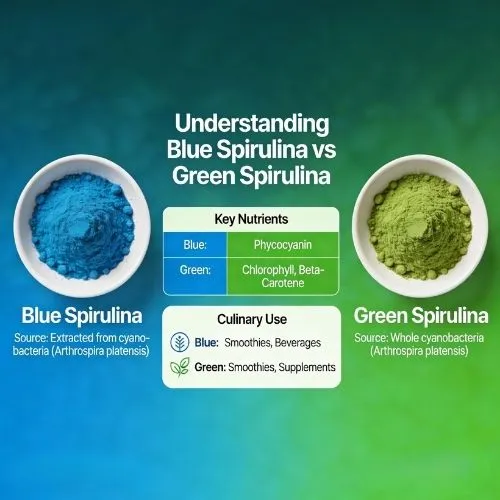
When looking at different kinds of spirulina for formula development, it's important to know what makes blue and green varieties different. Blue Spirulina Powder is made from a very pure phycocyanin extract from Arthrospira platensis. It has a bright blue color and a lot of antioxidant power. This extract goes through complex water processing to separate phycocyanin from chlorophyll. This leaves behind a bright blue pigment that doesn't smell like the ocean. Green spirulina, on the other hand, is made up of whole, dried biomass that contains all of the nutrients you need, like proteins, vitamins, minerals, and chlorophyll. These differences have a direct effect on formulation strategies. Blue Spirulina Powder variants are used as clean-label natural colorants and functional bioactives, while green spirulina provides complete nutritional support. By knowing about these differences in composition, procurement teams can choose the right ingredients to meet the needs of the target market and the product development goals.
Understanding Blue Spirulina vs Green Spirulina
The biochemical difference between these two types of spirulina comes from how they are processed and what they are made of. By extracting and filtering, Blue Spirulina Powder separates C-phycocyanin and allophycocyanin, making a pigment-protein complex that meets two important industry needs: it offers a natural alternative to synthetic FD&C Blue No. 1 and contains bioactive antioxidant properties all in one ingredient.
Extraction Process and Compositional Analysis
To make Blue Spirulina Powder, phycocyanin is separated from the rest of the algae matrix using water-based extraction. At Yangge Biotech, we use controlled solvent extraction in our manufacturing process to keep the integrity of the proteins and get the most color value. The powder that was made has phycocyanobilin attached to apo-protein, as shown by E-value ranges from E6 to E40. Spray-drying the whole biomass of green spirulina keeps all of its naturally occurring nutrients, but it can be hard to make products that don't change taste or color.
Color Value Specifications and Measurement Standards
When choosing phycocyanin extracts, it is important to understand E-values. The E-value shows the absorbance at a wavelength of 618nm, which shows how much phycocyanin is present. Standard commercial grades include E18 (for use in food) and E25 (for high-end formulations that need more potency). The purity ratio (A620/A280) tells the difference between materials that are safe for food (>0.7) and those that are safe for chemicals (>4.0). These technical factors have a direct effect on how much to use, how intense the color is in finished products, and how much the whole formulation costs.
Nutritional Profile Comparison
Green spirulina has B vitamins, iron, and essential fatty acids, and it has about 60 to 70% protein by dry weight. Supplement makers who want to make all-around health products like the complete nutritional matrix. There is a lot of phycocyanin in Blue Spirulina Powder. Standard grades have 15-20% phycocyanin by weight and not much protein, vitamins, or minerals outside of the chromoprotein complex. This concentrated mixture is good for uses that need bright colors and antioxidants without adding extra nutritional parts that could throw off the balance of the mixture.
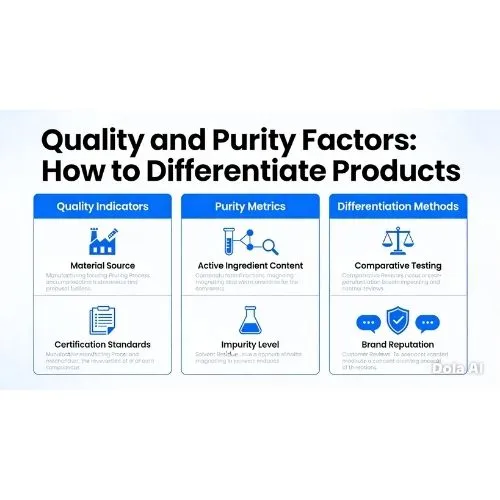
Quality and Purity Factors: How to Differentiate Products
To make sure the quality of the spirulina you buy, you need to carefully look at how it is grown, how it is processed, and the results of the tests. In regulated markets, the difference between high-quality and low-quality materials often determines how well a product does.
Cultivation Standards and Contamination Risks
Growing spirulina needs alkaline water that can get contaminated by microcystins from competing cyanobacteria species. Suppliers of good quality follow strict cultivation protocols that include regular microbial monitoring and controls on when to harvest. Our business uses closed-loop cultivation systems that are constantly inspected to make sure that the heavy metal content stays below the limits set by regulators. To get organic certification, farmers must follow rules that say they can't use synthetic fertilizers or pesticides. However, because spirulina grows in an extremely alkaline environment, it doesn't need much pest control.
Authentication Methods Against Synthetic Alternatives
On the market, there are fake blue pigments that are sold as natural spirulina derivatives. For authentication, spectroscopic analysis is needed to look at patterns of absorption between 600 and 650nm wavelengths. Natural phycocyanin has two distinct peaks at 620nm and secondary absorption around 280nm. Protein content analysis should be done in the lab to make sure the results are correct, since synthetic dyes don't have the protein matrix that real phycocyanin does. Our facility follows strict testing procedures, such as HPLC verification, to make sure that each batch is real before it is shipped.
Certification Requirements for Global Markets
Different places have different rules about how to follow them, which affects how suppliers are chosen. Yangge Biotech keeps its ISO quality management systems up to date, as well as its FDA facility registration and Kosher and Halal certifications. These certifications meet the needs of a wide range of markets, making it possible for products to be easily used in food, drinks, and supplements. Organic certifications and non-GMO verification add extra value for brands that want to position themselves as having clean labels. Testing in an international lab before every shipment adds to the quality assurance by showing that the product meets both customer requirements and regulatory standards.
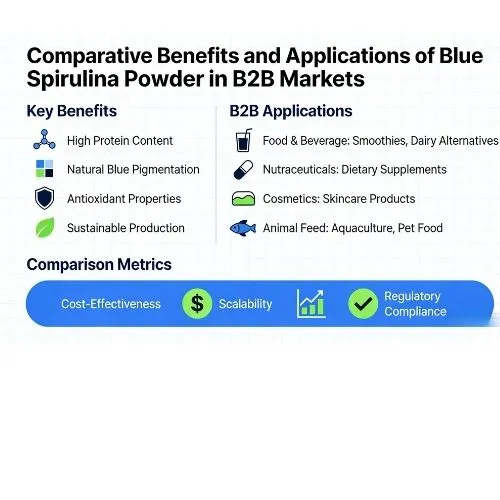
Comparative Benefits and Applications for B2B Markets
Various types of spirulina meet specific functional needs in a wide range of industrial settings. Comparing these benefits to the goals of product development helps choose the best ingredients and make the best formulas.
Antioxidant Capacity and Anti-Inflammatory Properties
Phycocyanin is very good at getting rid of free radicals; studies show that it has more antioxidant power than many common plant extracts. This bioactivity backs up claims that the formulation can protect cells and change the inflammatory response. Cosmetic makers use these properties to make anti-aging skin care products, and nutraceutical makers use phycocyanin in metabolic wellness products. Blue Spirulina Powder has more antioxidants per gram than whole green spirulina because it is more concentrated. This makes dosing in finished products more effective.
Natural Colorant Applications in Food and Beverage
The clean-label movement increases the need for natural colorants instead of synthetic ones. Blue Spirulina Powder meets this need in a number of different product categories. Manufacturers of drinks add phycocyanin to functional drinks, smoothies, and isotonic drinks to make them stand out without using artificial ingredients. For example, gummies, hard candies, and coatings are all used in confectionery, but the formulation needs to be very careful with temperature and pH. It's easier to mix with water-based systems because it dissolves in water, but you need emulsification or encapsulation technologies for oil-based systems.
At Yangge Biotech, our technical specifications include detailed data on how stable our products are across a range of pH levels and temperatures. Phycocyanin is most stable between pH 4.5 and 8.0. It breaks down faster below pH 3.5 or above 60°C. When formulating acidic drinks, buffering strategies like citrate systems or encapsulation can help protect the integrity of the pigments. These technical insights make it possible to make good products that keep their bright colors for a long time.
Protein Supplementation and Detoxification Support
When a complete protein supplement is needed, green spirulina works very well. All essential amino acids are in the amino acid profile, which helps with sports nutrition and meal replacement products. The chlorophyll content helps with detoxification claims that are common in health supplements. Green spirulina's high nutritional value is used in animal nutrition, especially in aquaculture feeds where it helps fish grow and adds color. Because of the different uses, many business-to-business buyers keep both blue and green spirulina in their ingredient inventory and choose the right type based on the needs of the product.
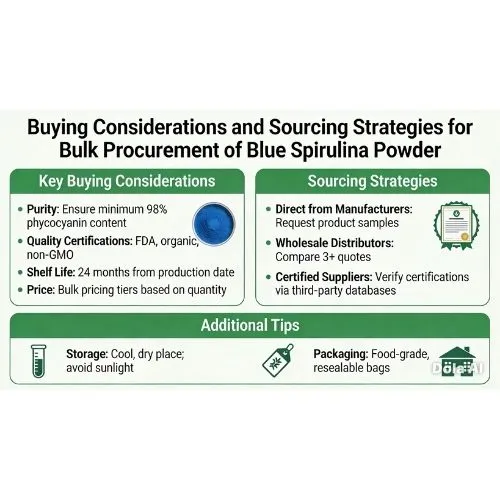
Buying Considerations and Sourcing Strategies for Bulk Procurement
When you do strategic sourcing, you have to balance a lot of things, like cost structures, supplier capabilities, and supply reliability. Because phycocyanin extraction is more complicated than simple biomass drying, there are price differences that procurement teams have to weigh against the benefits of the products.
Pricing Dynamics and Value Analysis
Blue Spirulina Powder is more expensive because it is harder to extract and has lower yield rates. On the market, the price per kilogram is usually three to five times higher than green spirulina. The higher concentration of pigments, on the other hand, means lower inclusion rates in finished products, which partially makes up for the higher cost. Instead of just comparing the costs of ingredients, procurement teams should figure out the cost-per-dose and cost-per-unit-color-value. We set our prices at Yangge Biotech so that they clearly reflect our value. For commitments over one metric ton and long-term partnerships, we offer volume discounts.
Supplier Evaluation Criteria
When looking for reliable partners, you need to think about more than just price. How reliable fulfillment is depends on how much can be made, especially during times of high demand. One-ton stocks of E18, E10, and E25 specifications are kept at our facility so that urgent needs can be met right away. Quality management systems, such as HACCP and ISO certifications, show that production variables are controlled in a planned way. Supplier responsiveness matters significantly our team provides 24-hour technical support addressing formulation questions, stability concerns, and regulatory documentation needs.
Customization and Value-Added Services
In modern procurement, suppliers that can customize their products are valued more and more. Yangge Biotech can blend Blue Spirulina Powder with other ingredients that go well with it based on what the customer wants. This method makes managing the supply chain easier and lets you create your own formulations. Customizing the packaging can meet a range of operational needs, from small R&D batches to bulk powder or capsule formats. Logo design and private labeling services help companies that sell finished consumer goods set their brands apart. With these value-added skills, suppliers go from selling basic goods to becoming strategic development partners.
Logistics and Supply Chain Optimization
Minimum order quantities have an effect on managing inventory and the amount of working capital that is needed. Our standard MOQ is one metric ton, which strikes a good balance between production efficiency and customer flexibility. Smaller amounts can still be ordered for testing purposes. Delivery terms, such as FOB and CIF options, give businesses the freedom to use different business models. Reliable lead times are important for planning production, and our well-established logistics networks make sure that deliveries happen on time every time. Samples are available so that formulations can be tested before bulk orders are made. 10–30g samples are given for R&D evaluation. This approach to reducing risk lowers the uncertainty in procurement while helping people make smart buying decisions.
Safety, Dosage, and Regulatory Compliance
Following the rules and making sure everyone is safe are essential parts of making modern foods and supplements. Blue Spirulina Powder must also be evaluated under these same safety and compliance standards. Protecting market access and brand reputation means knowing the right frameworks to use and putting them in place.
Safety Profile and Contraindications
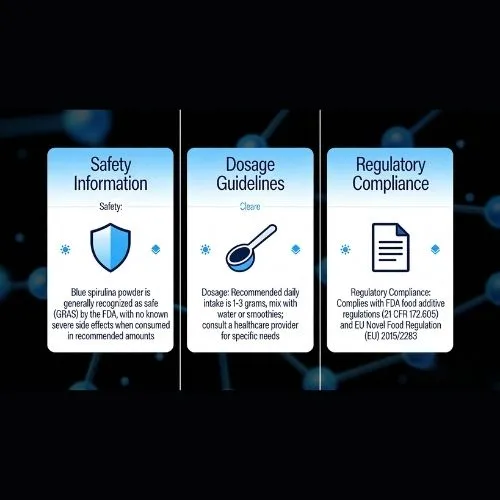
Phycocyanin has great safety profiles according to toxicological studies, with no major side effects seen at normal intake levels. The structure of the protein rarely causes allergic reactions, but people who are sensitive to seafood should be careful with any ingredients that come from algae. Green spirulina that comes from places that aren't controlled is more likely to be contaminated with microcystins or heavy metals. Quality suppliers use strict testing methods. For example, our lab analysis includes heavy metal panels, microbiological testing, and screening for microcystins in every production batch.
Industrial Dosage Guidelines
Different types of applications have different recommended inclusion rates. Phycocyanin levels in beverages are usually between 50 and 200 mg per serving, which strikes a balance between color intensity and cost effectiveness. Supplement capsules usually have between 500 mg and 1000 mg per dose, with the goal of providing anti-inflammatory and antioxidant benefits. Cosmetics use a concentration of 0.1 to 1.0% in the finished product, which is enough for the bioactive and visual effects. These ranges are just starting points; the best way to make things better depends on the product matrix and what the target consumer wants.
Regulatory Frameworks and Market Access
Spirulina is generally recognized as safe (GRAS) in the United States, which means it can be used in regular foods without getting pre-market approval. Spirulina extracts are recognized by EU rules as food colors instead of additives. This makes the labeling and approval processes easier. Kosher and Halal certifications make it easier for products that are aimed at certain groups of people to reach more customers. Yangge Biotech's wide range of certifications meets a wide range of regulatory needs, making it easier to develop products and get them on the market in many places. Certificates of Analysis, allergen statements, and regulatory status letters are all part of documentation packages that help customers meet their compliance obligations.
Traceability and Quality Control Systems
Modern procurement calls for clear visibility of the supply chain. Our farm-to-table traceability system keeps track of where each batch comes from, when it was harvested, and how it was processed. This paperwork backs up the need for due diligence and lets people respond quickly if quality issues come up. You can still get to the results of batch tests through our customer portal, which gives you real-time access to analytical data. Systematic quality controls go above and beyond what is required by law. This shows that we are committed to sustainable practices and building long-term partnerships with clients all over the world.
Conclusion
To choose between blue and green spirulina, you need to carefully think about your functional needs, application parameters, and purchasing priorities. Blue Spirulina Powder has a lot of phycocyanin, which gives it its color and acts as an antioxidant. The green spirulina has a lot of different nutrients. Different levels of quality depend on standards for growing, controls for processing, and analytical confirmation. Certifications are a good way to tell if something is of a certain quality. A good procurement process balances price concerns with the supplier's abilities, such as their ability to manufacture, offer customization services, and provide technical support. Regulatory compliance and safety assurance are still the most important things, which means that there needs to be clear traceability and systematic quality controls. By knowing about these things, you can make smart decisions about where to get things that improve both the performance of the product and the integrity of the supply chain.
Partner with Yangge Biotech for Premium Blue Spirulina Powder Supply
Yangge Biotech is a reliable company that makes Blue Spirulina Powder and sends pharmaceutical-grade phycocyanin extracts to teams around the world that work on formulating medicines. Our requirements include grades E6, E10, E18, E25, and E40, along with Kosher and USP certifications. We also keep a one-ton inventory on hand so we can meet your needs right away. Custom blending, packaging solutions, and OEM support for superfood powders, capsules, tablets, and gummies are all part of the wide range of services offered. Along with FDA approval, our facility maintains ISO, HACCP, Kosher, and Halal certifications. This makes sure that we follow all regulations in all global markets.
Free 10- to 30-gram samples let you test the formula before committing to buying a lot of it, which lowers the risk of the purchase. Contact Us or our technical team at info@yanggebiotech.com about your specific needs, ask for analytical documentation, or set up shipping of samples. Yangge Biotech is your best bet for getting Blue Spirulina Powder and making new products because they use environmentally friendly methods to get their supplies, keep an eye on quality, and help customers right away.
FAQ
Q: Can we get some samples to test before purchasing?
A: Of course, we can provide free samples of 20 to 100 grams, but the shipping cost is at the customer's expense. The shipping cost can be deducted from the next order, or the samples can be sent through your courier account.
Q: Do your products have relevant certifications?
A: Yes, our products are certified for HALAL, ISO, HACCP, Kosher, and other certifications.
Q: What is the minimum order quantity (MOQ)?
A: Small batches of samples can be customized according to your requirements.
Q: Do you offer OEM and ODM services? Can the formula be customized based on our own?
A: Of course, we provide ODM and OEM services to many customers. Our product range includes softgels, capsules, tablets, sachets, granules, and private label services. Simply contact us and let us know your requirements. Our experienced R&D team can also develop new products with specific formulas.
Please contact us to design your own branded products.
Q: How do you handle quality complaints?
A: First, we have a comprehensive quality control SOP. We provide authoritative third-party inspection reports for almost all products before shipment to minimize the possibility of quality issues. Second, we have a comprehensive return and exchange procedure. If there is a genuine quality dispute, we will strictly follow the SOP.
Q: How do you ship? How long does delivery take?
A: For small orders, we typically use DHL, UPS, EMS, FedEx, or TNT. Delivery typically takes 3-7 days. We also offer air and sea freight services. We have a strong freight forwarding team and can provide you with a one-stop service, including DDP and DDU.
Q: What are your payment terms?
A: 100% prepayment, payable by T/T, Western Union, MoneyGram, or PayPal.
Q: What is the shelf life of your products?
A: 2 years with proper storage.
Q: Is the packaging environmentally friendly?
A: We attach great importance to environmental protection and are constantly improving our product packaging. Some products are packaged in recyclable paper. Packaging materials are carefully selected to ensure product safety during transportation and storage, and to minimize environmental impact. We are committed to achieving a balance between environmental friendliness and practicality in our product packaging, and to contributing to sustainable development.
References
1. Eriksen NT. Production of phycocyanin a pigment with applications in biology, biotechnology, foods and medicine. Applied Microbiology and Biotechnology, 2008, Volume 80, Pages 1-14.
2. Sekar S, Chandramohan M. Phycocyanin as a natural food colorant: Properties, stability and applications. Journal of Food Science and Technology, 2021, Volume 58, Issue 4, Pages 1213-1229.
3. Habib MAB, Parvin M, Huntington TC, Hasan MR. A Review on Culture, Production and Use of Spirulina as Food for Humans and Feeds for Domestic Animals. Food and Agriculture Organization of the United Nations Fisheries and Aquaculture Circular, 2008, Report No. 1034.
4. Romay C, González R, Ledón N, Remirez D, Rimbau V. C-phycocyanin: A biliprotein with antioxidant, anti-inflammatory and neuroprotective effects. Current Protein and Peptide Science, 2003, Volume 4, Issue 3, Pages 207-216.
5. Jespersen L, Strømdahl LD, Olsen K, Skibsted LH. Heat and light stability of three natural blue colorants for use in confectionery and beverages. European Food Research and Technology, 2005, Volume 220, Pages 261-266.
6. Çelekli A, Yavuzatmaca M, Bozkurt H. An eco-friendly process: Predictive modeling of copper adsorption from aqueous solution on Spirulina platensis. Journal of Hazardous Materials, 2010, Volume 173, Issues 1-3, Pages 123-129.

Based on your location and order quantity, you will have the opportunity to receive a limited time free shipping promotion!
Who we are
Popular Blogs