Why Sweet Potato Red Is Gaining Attention in Foodservice Supply
Yangge Biotech supplies high-quality Sweet Potato Red Powder, a natural red food color suitable for beverages, gummies, yogurt, jelly, bakery products, and desserts. Contact us for samples, specifications, bulk prices, certifications, and OEM solutions at info@yanggebiotech.com.
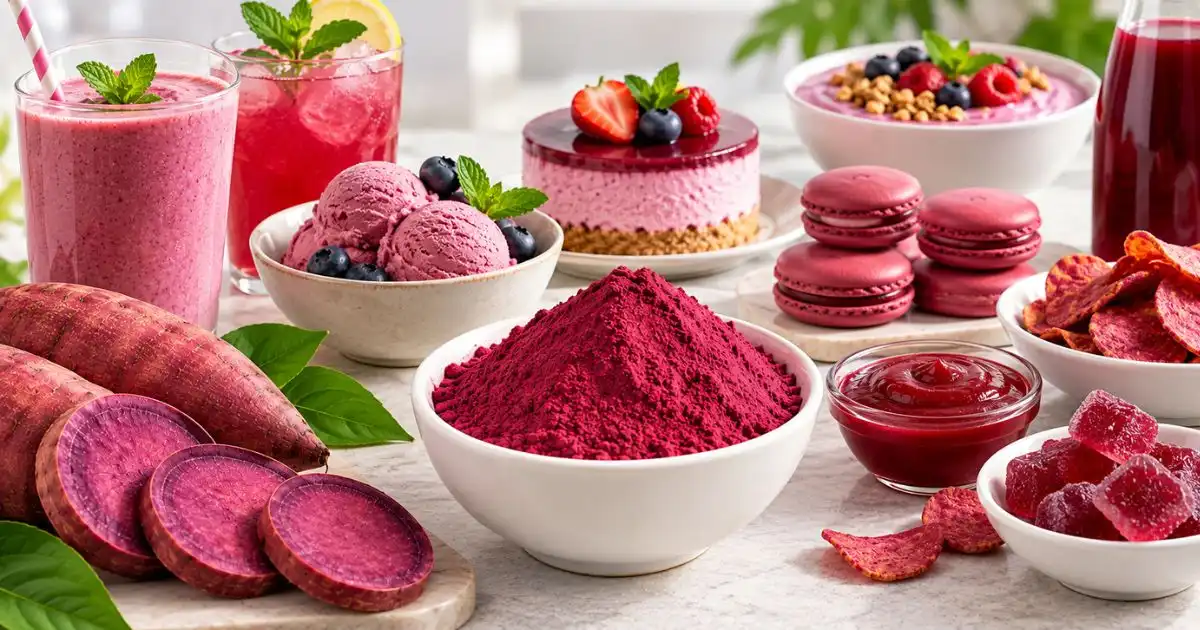
Sweet Potato Red is rapidly gaining traction within the foodservice industry as procurement managers and R&D engineers seek natural, clean-label alternatives to synthetic colorants. Derived from purple sweet potato tubers, this anthocyanin-rich pigment delivers vibrant red-to-violet hues while offering antioxidant benefits that resonate with health-conscious consumers. As beverage manufacturers, confectionery producers, and snack food developers prioritize ingredient transparency, Sweet Potato Red emerges as a practical solution that balances visual appeal with functional performance across diverse pH environments and thermal processing conditions.
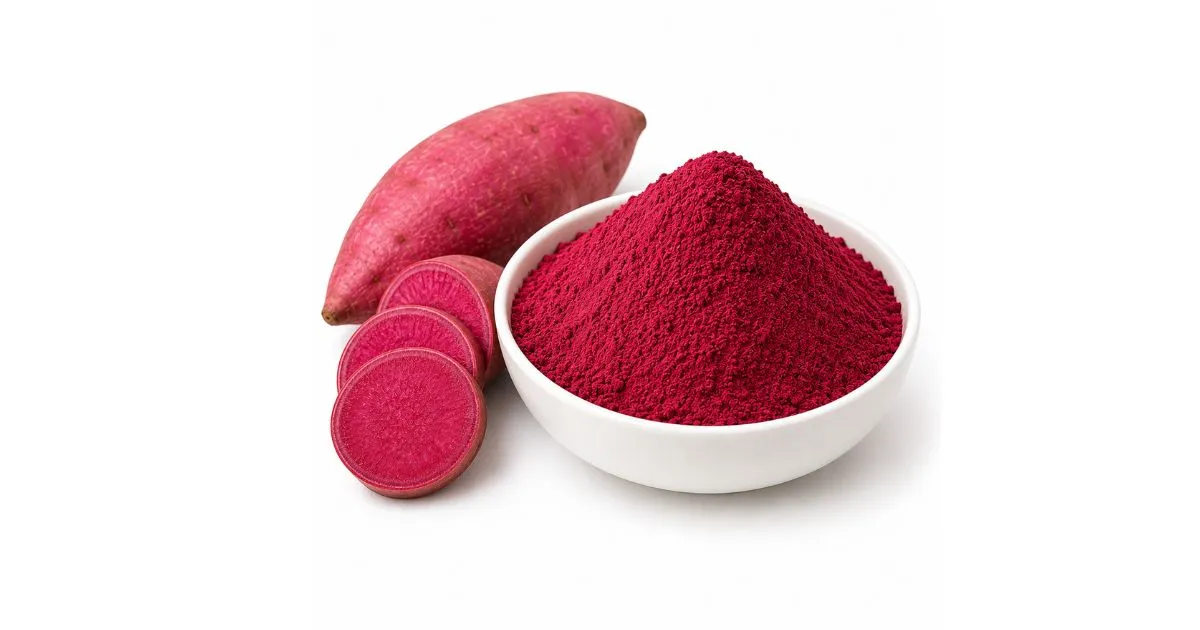
The Rising Trend of Natural Red Colorants in Food Manufacturing
In Asia-Pacific, Latin America, and developing economies, the need for plant-based ingredients has changed how things are bought. Food and drink companies are under more and more pressure to change their recipes and use more recognisable ingredients. This is what has led to a 12% yearly growth in the use of natural colourants since 2020, according to Food Technology Magazine. Pigments that come from sweet potatoes are a great fit for this change because they can be used instead of synthetic dyes like Allura Red AC and help products that say "coloured from natural sources" on their labels.
Market Drivers Behind Natural Color Adoption
As more health-conscious customers look closely at ingredient lists, companies are replacing fake chemicals. Japan, South Korea, and Brazil have all tightened their rules on manufactured colourants, which has sped up the switch to plant extracts. Sweet potato extract stands out because it can be used to colour things and is also good for you. This gives the product more value in competitive markets.
Comparative Advantages Over Other Anthocyanin Sources
Grape skin and red cabbage extracts are sensitive to pH and break down quickly. Purple sweet potato anthocyanins, on the other hand, have acylated structures that make them more stable. The colour stays the same at pasteurisation temperatures up to 95°C, which means it can be used in places like bakeries and beverage processing where heat is present for a long time. This technical advantage cuts down on waste and makes sure that all batches have the same colour.
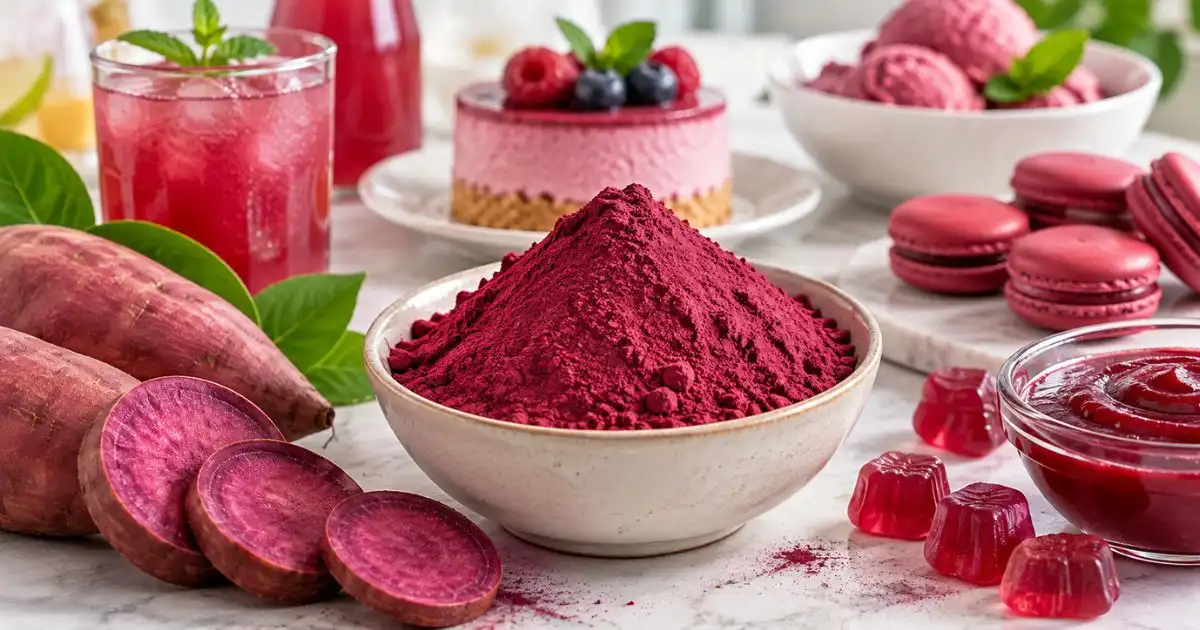
Nutritional and Functional Benefits for Product Development
Purple sweet potato extract is good for more than just looking good. It has a lot of anthocyanin, which can be anywhere from 1% to 25% based on how it was extracted. This gives it antioxidant qualities that functional food developers like. The main compound in this source is cyanidin-3-sophoroside, which is more stable than non-acylated anthocyanins found in berry extracts.
Antioxidant Activity and Health Positioning
According to a study released in the Journal of Agricultural and Food Chemistry in 2022, purple sweet potato anthocyanins are very good at getting rid of free radicals. This supports claims that they can help with anti-aging and heart health. This information can help companies that are making functional drinks or food with added nutrients stand out in busy markets, and incorporating Sweet Potato Red as a natural pigment and functional ingredient can further strengthen their product appeal. This is especially true in Japan and Southeast Asia, where health-conscious consumers make buying decisions.
pH Stability and Application Versatility
The pigment works best in acidic conditions (pH 2.5–4.5), giving bright red tones that are great for carbonated drinks, fruit juices, and gummy candies. When the pH level is normal, it turns purple, which makes it useful for yoghurt drinks and dairy-based sweets. Formulators can get the colour profiles they want without sacrificing stability thanks to this pH-responsive behaviour.
Solubility and Processing Compatibility
Yangge's Powder Sweet Potato extract is 100% water-soluble thanks to advanced spray-drying methods that get rid of the sediment problems that usually come with using raw plant extracts. The fine violet-red powder spreads out evenly in water-based systems, which makes sure that the colour is the same in high-speed drinking lines and cuts down on the need for filters during production.
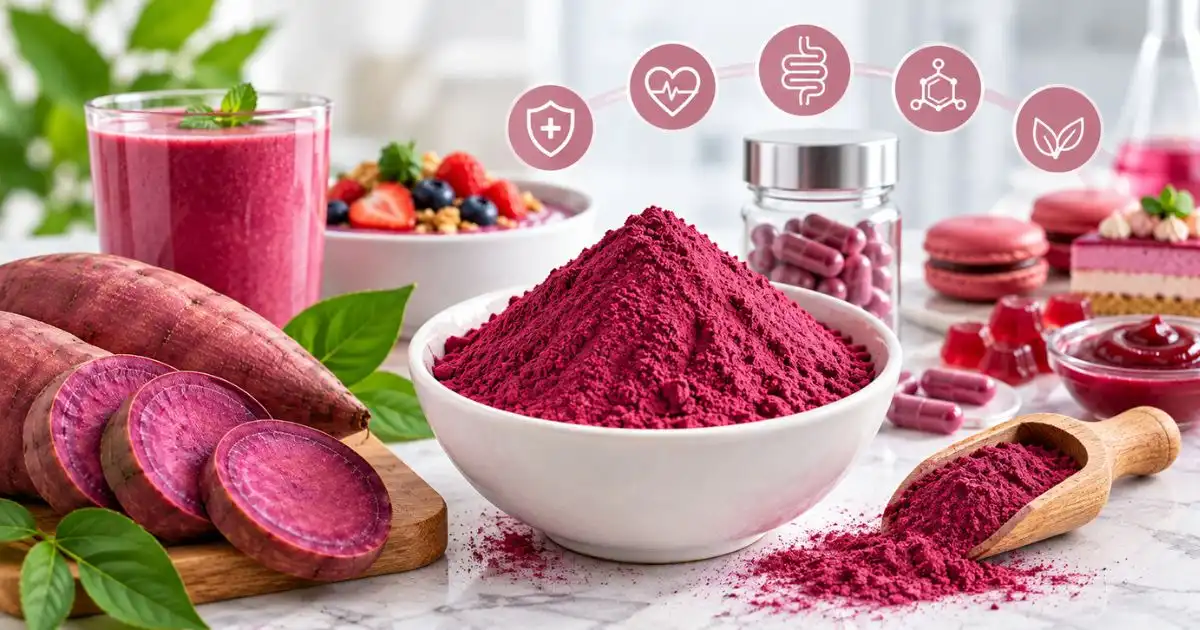
Procurement Considerations for Food Manufacturers
There are a lot of technical and practical things to think about when choosing the right natural colourant source. To meet production goals and clean-label requirements, procurement managers have to find a balance between colour intensity, regulatory compliance, and cost-effectiveness.
Color Value and Tinctorial Strength
Pigment effectiveness is based on colour value, which is measured by UV spectrophotometry as E1% at 530nm. Good purple sweet potato extracts usually have E-values between 30 and 90, which means that smaller amounts are needed to get the colour strength you want. This metric has a direct effect on formulation costs because stronger pigments mean less of them are used per unit. Yangge offers specs ranging from 4:1 to 50:1 extraction ratios, so buyers can choose concentrations that fit their wants and budget.
Certification and Regulatory Compliance
International certificates prove that a product is safe and meets manufacturing standards. Yangge Biotech keeps up with ISO, HACCP, Kosher, and Halal standards to make sure compliance in all major export markets. These qualifications make it easier to get regulatory approvals in Japan (natural colourants need to be reported to the Ministry of Health), South Korea (MFDS registration), and Brazil (ANVISA compliance), which speeds up the time it takes for new products to hit the market.
The following table compares important specifications that are used to make purchasing decisions:
| Specification | Yangge Powder Sweet Potato | Industry Standard Range |
|---|---|---|
| Active Ingredient | Anthocyanins (Cyanidin derivatives) | Anthocyanins |
| Extraction Ratio | 4:1 to 50:1 | 5:1 to 20:1 |
| Solubility | 100% Water Soluble | Varies (70%-100%) |
| Appearance | Violet-red fine powder | Powder or liquid |
| Test Method | UV/TLC | UV/HPLC |
| Sample Availability | 10-20g free | Varies by supplier |
Supply Chain Reliability and Lead Times
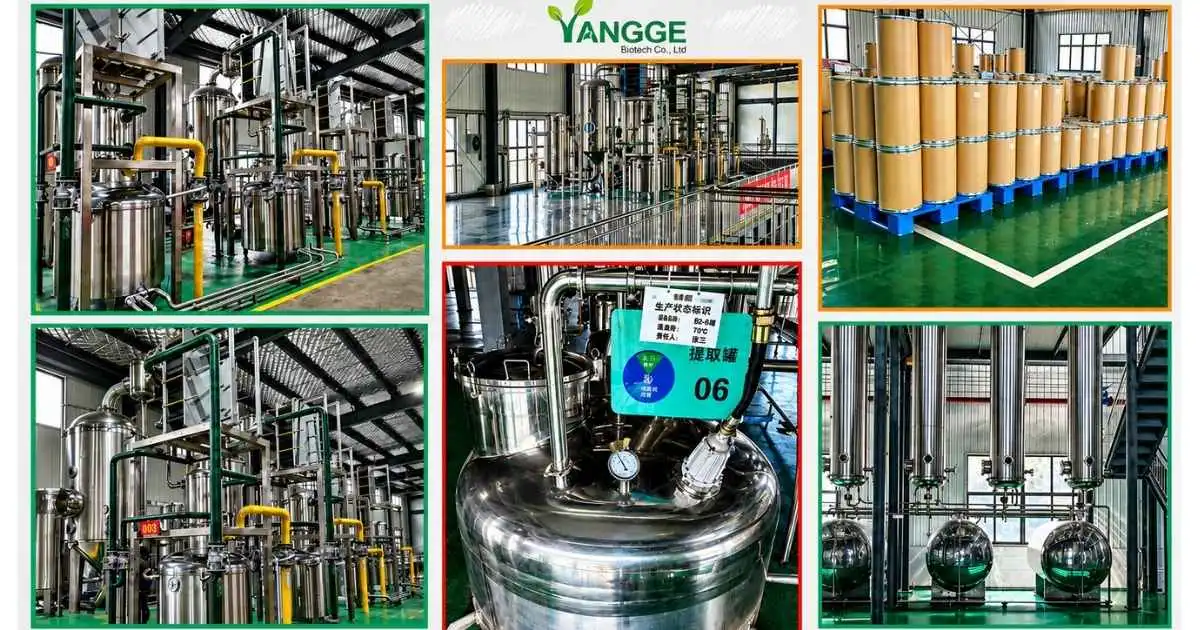
Consistent supply is still the main worry for companies that plan to make things every three months or once a year. Yangge keeps in touch with farming communities to make sure that the products can be tracked from cultivation to extraction. This vertical merger keeps prices and supplies stable, which lowers the risks that come with changes in crop yields.
For ingredients like Sweet Potato Red, this supply-chain reliability is especially critical, as any fluctuation in raw material quality directly affects the final product's color and stability. Competitive pricing is available for bulk orders of 1 tonne or more, and a variety of packaging options, from 1 kg aluminium foil bags to 25 kg paper drums, allow for a wide range of storage needs.
Practical Applications Across Food and Beverage Categories
Because sweet potato colour can be used with a variety of processing methods, it is useful for a wide range of products. Understanding how well a product works in a certain application helps R&D teams make formulations work better and avoid common problems.
Beverage Manufacturing: Acidic Drinks and Functional Waters
When mixed with fizzy soft drinks and vitamin-rich waters (pH 2.5–3.5), the pigment gives bright red colours that don't fade when ascorbic acid is present, which happens with other natural reds. A Thai company that makes drinks was able to successfully change the formula for its line of energy drinks by using Yangge's 25:1 extract. The drinks stayed stable for 18 months without losing their colour in tests that were done at 40°C.
Confectionery: Gummies and Hard Candies
For pectin-based gummies, the colourants need to be able to handle being mixed at high temperatures (80–95°C) without turning brown. Unlike beetroot red (E162), which oxidises when heated, purple sweet potato anthocyanins keep their colour stability during this important phase. Because the pigment doesn't add much flavour, which is important for candy uses, fruit flavours can take over the taste profiles.
Bakery and Snack Foods: Visual Appeal in Shelf-Stable Products
Because they are heated for a long time in the oven, baked goods have special problems. The acylated structure of sweet potato anthocyanins makes them more resistant to heat than non-acylated variants. This means that red tones stay the same in cookies, cakes, and extruded snacks. A Latin American snack company said that cheese-flavored puffs kept 95% of their colour after 12 weeks of storage at room temperature.
The dosage rates that are suggested for popular uses are shown in the table below:
| Application | Recommended Dosage (%) | pH Range | Processing Temperature |
|---|---|---|---|
| Carbonated Beverages | 0.05 - 0.15 | 2.5 - 3.5 | Pasteurization 72-85°C |
| Fruit Preparations | 0.10 - 0.25 | 3.0 - 4.0 | Boiling 95-100°C |
| Gummy Confections | 0.08 - 0.20 | 3.0 - 4.5 | Slurry 80-90°C |
| Bakery Products | 0.15 - 0.30 | 5.5 - 7.0 | Baking 180-200°C |
These guidelines help formulators with their first tests, but they still need to do optimisation testing for certain matrices and the colour intensity they want.
Evaluating and Selecting Sweet Potato Extract Suppliers
The choice of supplier affects the quality of the product, compliance with regulations, and the long-term viability of the partnership. Beyond commodity pricing, procurement teams should put an emphasis on openness, technical support, and services that add value—especially when sourcing functional ingredients like Sweet Potato Red, where consistent purity, stability, and documentation are just as important as cost.
Quality Assurance and Testing Protocols
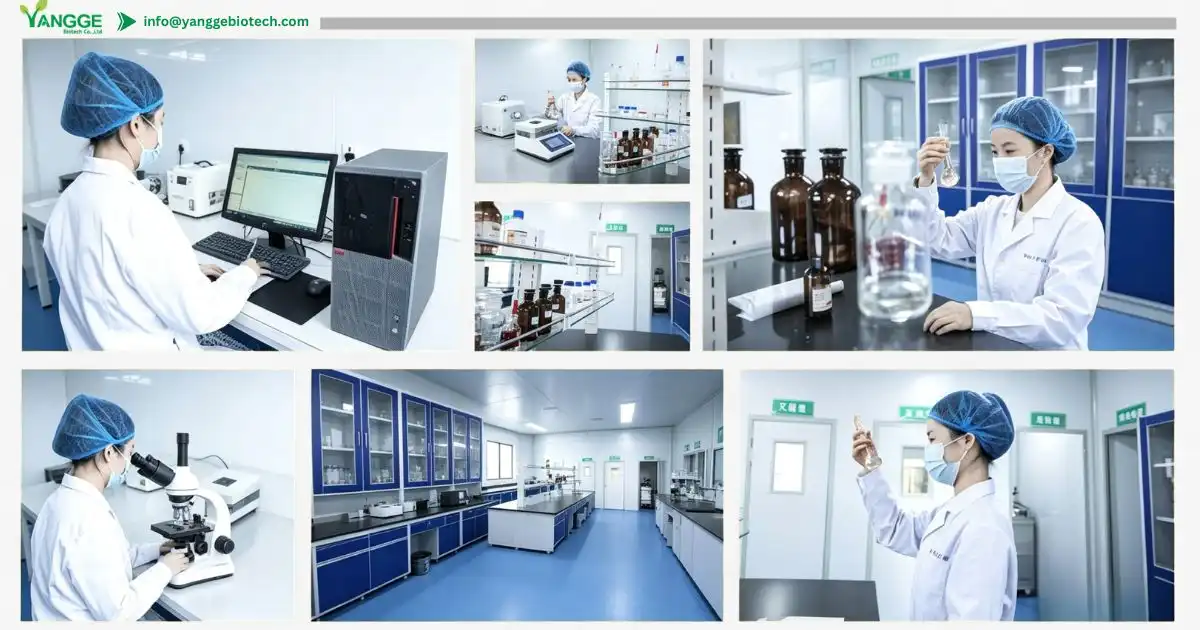
Reliable providers do multiple levels of quality control, such as using HPLC fingerprinting to check the anthocyanin profiles and find any cheap products like black carrot that have been added. Yangge uses UV/TLC testing methods that have been approved by JECFA guidelines to make sure that heavy metal levels (Lead, Arsenic, Mercury, and Cadmium) stay below 1ppm. Testing for microbes shows that the amounts of total plate counts, yeast, and mould are safe for food, which is very important for raw materials going into aseptic processing environments.
Technical Support and Application Development
In addition to providing raw materials, major manufacturers also offer formulation advice that is specific to each type of product. Yangge's research and development team tests stability under different pH and temperature conditions. This helps buyers guess how the product will work over time before it goes into full-scale production. This consultative approach cuts down on the time needed to re-create recipes and speeds up the launch of new products.
Sustainability and Ethical Sourcing
Yangge Biotech's farm-to-table traceability model supports rural communities and ensures sustainable farming practices. Working directly with farming cooperatives cuts out the middleman, which keeps prices fair for farmers and stabilises supply lines. This dedication to caring for the environment fits with the goals of corporate social responsibility that big brands are putting more and more emphasis on.
Flexible Packaging and Logistics
Logistics that work well cut down on wait times and storing costs. Yangge has different types of packaging (1 kg, 5 kg, 10 kg, and 25 kg) to fit different production levels. Keep pigments in cool, dry places away from light and heat to keep them in good shape. If you store them the way the manufacturer suggests, they will last for 24 months. Customers are given clear directions on how to handle the goods, which cuts down on waste caused by bad keeping.
Conclusion
Food and drink companies that are trying to make the switch to clean labels can use Sweet Potato Red as a strategic tool. Its better heat and pH stability solve problems that often happen with natural colourants, and its anthocyanin-rich makeup backs up health claims. Suppliers like Yangge Biotech that put quality assurance, open sourcing, and scientific collaboration at the top of their list of priorities are good for procurement pros. As consumers' need for easily recognisable ingredients grows, it becomes necessary to use reliable natural colours like Sweet Potato Red to stay competitive and follow the rules in all global markets.
FAQ
How does sweet potato extract compare to synthetic red dyes in cost-effectiveness?
The unit cost of natural colours is usually higher than that of manufactured ones, but their value goes beyond price. "No artificial colours" claims are made possible by sweet potato extract, which gives products a higher status and builds consumer trust. Due to high colour values, dose rates had to be lowered, which partly made up for price differences. For companies that want to reach health-conscious people, the investment is worth it because it will build their brand equity over time and lower their regulatory risk.
What storage conditions maximize pigment shelf life in bulk quantities?
Powder extracts should be kept in sealed containers in cool (below 25°C), dry places that are out of direct sunlight. Anthocyanin breaks down faster in humid places, so climate-controlled warehouses are very important in tropical areas. Products that are stored correctly keep 90% of their colour for 24 months. Buyers should ask for a copy of the documents that prove when the goods were made and set up rules for rotating their inventory.
Can sweet potato pigment replace synthetic colors in existing formulations without reformulation?
Because different tinctures have different strengths and are sensitive to pH, they usually need to be partially reformulated. Artificial colours, such as Allura Red AC, work better in acidic situations, while sweet potato extract works best in basic ones. Before increasing production, R&D teams should do small-batch tests to change concentrations and see how they react with other ingredients like stabilisers and preservatives.
Partner with Yangge for Reliable Sweet Potato Red Supply
Yangge Biotech is a recognised producer of Sweet Potato Red that has ISO, HACCP, Kosher, and Halal credentials. They offer consistent quality and full technical support. Our 10–20g free sample program lets research and development teams see how well our products work in specific uses before they commit to bulk sales. We sell powdered sweet potato extract at a reasonable price for businesses at a rate of $1/ton. We also offer a variety of packaging options and clear COA documents to help you with your purchasing needs.
Our farm-to-table traceability model keeps the supply chain stable and meets the sustainability goals that global brands are asking for more and more. The customer service team is available 24 hours a day, 7 days a week to help with application questions, provide stability data, and coordinate operations based on production plans for drinks, sweets, and snacks. Contact our team at info@yanggebiotech.com to talk about your needs for natural colourants and to get product specs that fit your manufacturing needs.
References
1. Food Technology Magazine. (2023). "Natural Food Colors Market Growth and Trends 2020-2023."
2. Journal of Agricultural and Food Chemistry. (2022). "Antioxidant Properties of Purple Sweet Potato Anthocyanins in Functional Foods."
3. Ingredion Incorporated. (2023). "Clean Label Trends in Asia-Pacific Food Manufacturing."
4. Natural Products INSIDER. (2023). "Regulatory Updates on Natural Colorants in Global Markets."
5. Food Navigator Asia. (2022). "Purple Sweet Potato Extract Applications in Beverage Industry."
6. Journal of Food Science and Technology. (2021). "Thermal Stability of Acylated Anthocyanins from Purple Sweet Potato."

Based on your location and order quantity, you will have the opportunity to receive a limited time free shipping promotion!
Who we are
Popular Blogs