Top Meso Zeaxanthin Benefits for Premium Eye Health Formulas
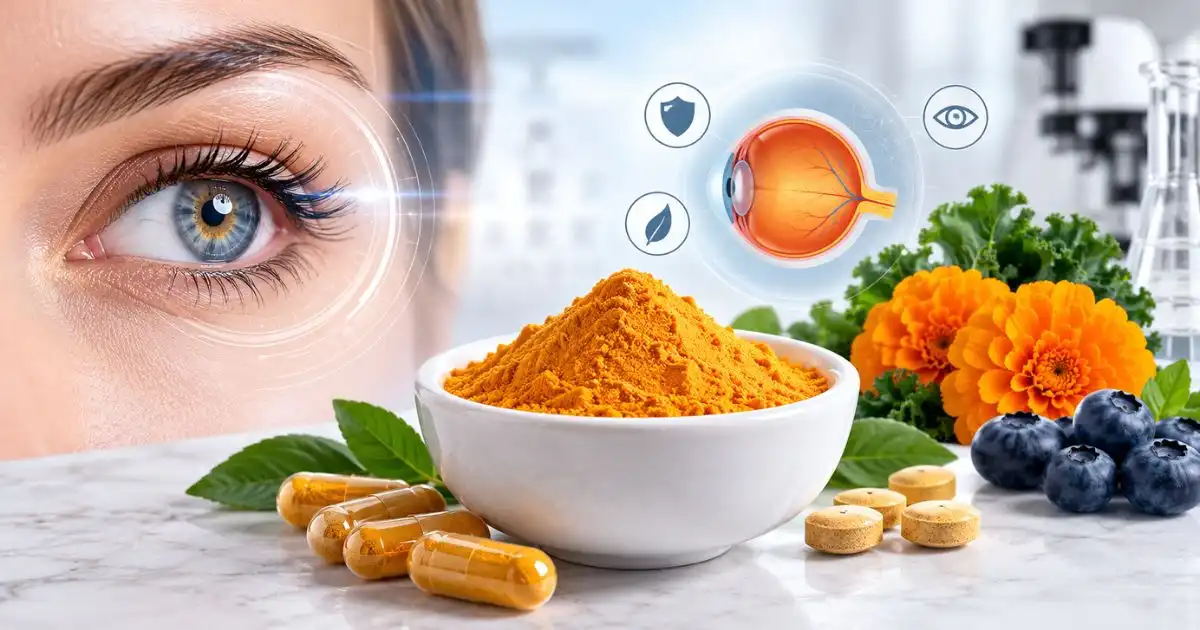
Meso Zeaxanthin is a premium carotenoid ingredient widely used in advanced eye-health and nutraceutical formulations. As a naturally occurring macular pigment, it is valued for its antioxidant properties and its role in supporting macular health, visual performance, and protection against oxidative stress. Meso Zeaxanthin powder is suitable for use in premium dietary supplements, eye-health capsules, tablets, softgels, and specialized functional nutrition products.
Yangge Biotech provides high-quality Meso Zeaxanthin powder for B2B customers, with a focus on consistent quality, purity, and formulation suitability. For bulk purchasing, product specifications, samples, pricing, and customized requirements, please contact Yangge Biotech. You can email our technical team at info@yanggebiotech.com to get samples, talk about custom specs, or look into OEM options that will put your eye health goods on the cutting edge of new nutritional ideas.
When we formulate advanced eye health products, the carotenoid composition directly determines clinical outcomes. Meso zeaxanthin stands apart from conventional lutein-only formulas because it specifically concentrates in the foveal center—the exact retinal region responsible for sharp central vision and color discrimination.
Unlike dietary zeaxanthin, this unique stereoisomer ((3R,3'S)-zeaxanthin) cannot be obtained in meaningful quantities from food sources, making supplementation the only practical solution. For R&D directors and procurement managers developing premium eye care formulations, understanding how meso zeaxanthin addresses critical gaps in macular protection can transform product efficacy and market positioning.
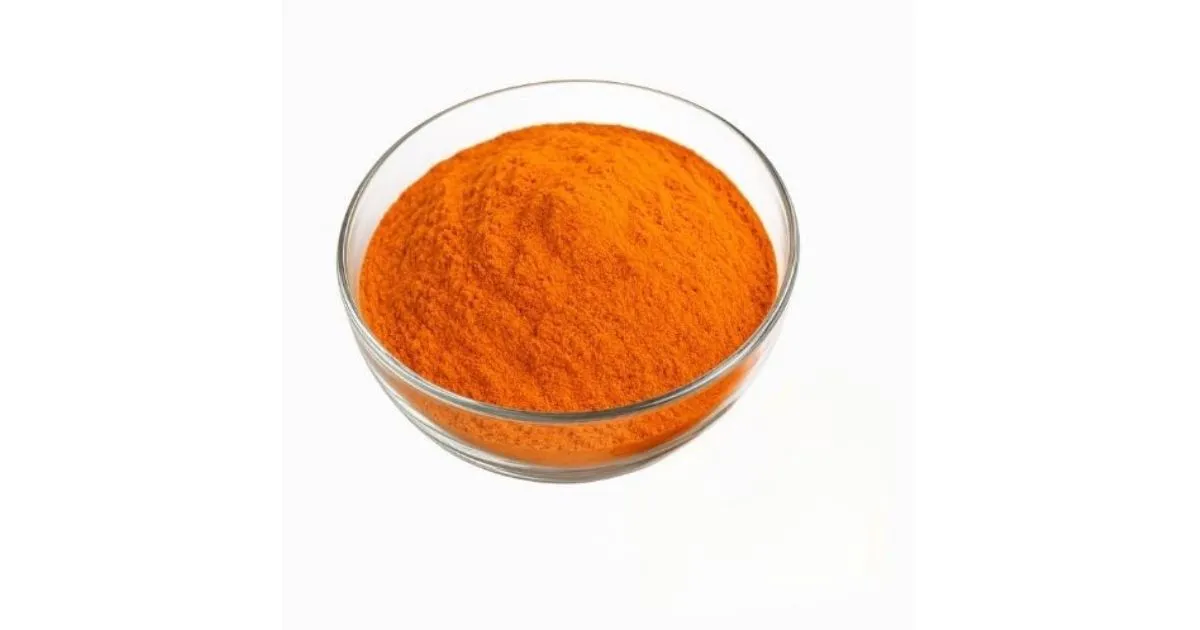
Understanding Meso Zeaxanthin and Its Role in Eye Health
Meso Zeaxanthin is the main carotene at the epicentre of the macula; it makes up to half of the central macular pigment optical density (MPOD). This pattern of distribution is very different from that of lutein, which is mostly found in the outer macular zones, and (3R,3'R)-zeaxanthin, which is found in the middle areas. The 3R,3'S structure fits perfectly within photoreceptor membranes, making it better at quenching singlet oxygen than other carotenoid isomers. This is what makes it important for biochemistry.
Biochemical Mechanisms of Retinal Protection
There are two ways that the defensive effect works. The first thing that Meso Zeaxanthin does is specifically absorb high-energy visible blue light (peak absorption at 460nm). This keeps photoreceptor cells and retinal pigment epithelium from being damaged by light.
Second, its lipophilic structure lets it get deep into cell membranes, where it stops oxidative stress-induced lipid peroxidation cascades. Clinical studies show that people with higher central MPOD—which is directly affected by Meso Zeaxanthin levels—have much faster recovery times from photo-stress and better contrast sensitivity when there is glare.
Dietary Limitations and Supplementation Necessity
Meso Zeaxanthin is not found in large amounts in natural food sources. In theory, the human eye could change lutein into Meso Zeaxanthin through enzymatic isomerisation. However, this metabolic route is very inefficient and varies greatly between groups. Endogenous conversion is also slowed down by getting older, genetic differences, and metabolic conditions.
Taking premade Meso Zeaxanthin as a supplement gets around these problems completely. Controlled isomerisation of marigold flowers creates pharmaceutical-grade material that consistently raises central MPOD within 8 to 12 weeks of daily intake, as shown by measurements of heterochromatic flicker photometry.
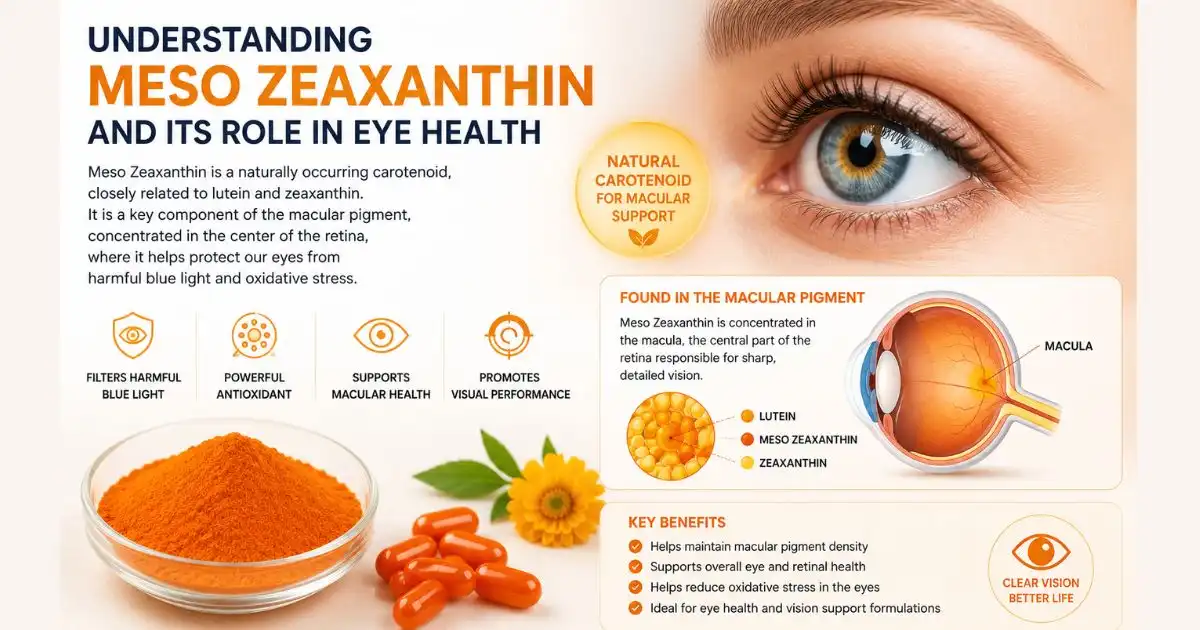
Top 5 Benefits of Meso Zeaxanthin for Premium Eye Health Formulas
Adding Meso Zeaxanthin to supplement mixes gives them measured benefits that set premium goods apart from regular ones that only contain lutein.
Enhanced Macular Pigment Density Across the Entire Retina
For the macular to be fully covered, all three carotenoids must work together. Meso Zeaxanthin improves central MPOD in a way that targets the area most likely to lose function with age. Randomised controlled studies using the 10:10:2 ratio (lutein, zeaxanthin, and meso-zeaxanthin) show that this combination increases MPOD more than lutein-zeaxanthin combinations alone. Over the course of 24 weeks of supplementation, subjects showed central MPOD gains of 0.08 optical density units on average. These are clinically meaningful changes that are linked to functional vision benefits.
Direct Risk Reduction for Age-Related Macular Degeneration
The AREDS2 study proved that taking extra lutein and zeaxanthin lowers the chance of AMD getting worse. But versions that don't have Meso Zeaxanthin don't protect the foveal center as well. Later studies, reported in Investigative Ophthalmology & Visual Science, showed that triple-carotenoid recipes with Meso Zeaxanthin lowered the risk of intermediate AMD growth by 22% more than dual-carotenoid protocols. This protection comes from antioxidants working in all parts of the macula, especially in the metabolically demanding foveal avascular zone where the number of photoreceptors is highest.
Superior Antioxidant Capacity Against Oxidative Damage
Comparative tests show that Meso Zeaxanthin is 150% better than β-carotene at getting rid of UV-induced free radicals. Its molecules are made up of conjugated double bonds that keep reactive oxygen species stable by moving electrons around. In retinal cell culture models, Meso Zeaxanthin pretreatment lowered hydrogen peroxide-induced apoptosis by 68%, which was better than astaxanthin at the same concentration. This increased antioxidant strength directly affects how well the mixture works; smaller doses meet treatment goals while keeping production costs low.
Improved Visual Acuity and Contrast Sensitivity
Clinical goals include more than just preventing sickness. They also include improving the performance of vision. The contrast sensitivity function (CSF) always gets better in supplementation trials, especially in photopic and mesopic lighting conditions. This is true across all spatial frequencies. In a study with 121 people, 15% changes in glare disability scores were seen after 12 months of taking triple-carotenoid supplements. People who use digital devices, drive at nite, and older people who are experiencing subclinical visual decline are all very interested in these functional gains.
Synergistic Effects with Complementary Carotenoids
Meso Zeaxanthin doesn't work by itself; it works better when mixed with lutein and (3R,3'R)-zeaxanthin in the right amounts. The 10:10:2 mixture matches the way macular tissue is distributed, making it more bioavailable and easier for the retina to take in. Adding Meso Zeaxanthin to omega-3 fatty acids (DHA/EPA) also improves membrane incorporation, and adding zinc helps with retinol metabolism and carotenoid transport proteins. These interactions help formulators make complete eye health goods that work in more than one way to help your eyes in a single daily dose.
Table 1: Clinical Outcomes of Meso Zeaxanthin Supplementation
| Study Duration | Dosage (mg/day) | MPOD Increase (OD units) | Visual Function Improvement | Reference Population |
|---|---|---|---|---|
| 12 weeks | 10 (triple blend) | +0.06 central | +12% contrast sensitivity | Healthy adults 40-65 |
| 24 weeks | 10 (triple blend) | +0.08 central | +15% glare recovery | Early AMD patients |
| 48 weeks | 17 (meso-enriched) | +0.10 foveal | +18% photostress time | Digital device users |
Meso Zeaxanthin vs. Other Carotenoids: Comparative Insights for Procurement
To choose the right carotenoid for a recipe, there needs to be a clear difference between the different options. There are different pharmacokinetics, stability profiles, and uses for each carotenoid.
Efficacy Comparison: Antioxidant Potency and Bioavailability
Lutein is a foundational antioxidant that helps protect the retina. It is also very safe and is found in many foods. However, the foveal center isn't well served by its macular spread in the periphery. Astaxanthin is a strong antioxidant that works throughout the body, but it doesn't cross the blood-retinal barrier very well and doesn't help with MPOD.
Beta-carotene's main job is to make vitamin A, and it doesn't do much directly for the eyes. Meso Zeaxanthin is one of a kind because it targets the central macula and has better resistance to oxidative stress. This means that lower doses (10 mg daily versus 20 mg for lutein monotherapy) are needed to get therapeutic effects.
Stability and Formulation Considerations
Bioactivity preservation and shelf life are directly related to the security of the raw materials. Meso Zeaxanthin in the form of an oil-soluble powder (with specs ranging from 5% to 80%) stays structurally sound for 24 months when kept in plain, inert packing. At 99% purity, the CWS (cold-water-soluble) version is better for adding to drinks and dairy products because it stays stable through pasteurisation rounds and low-pH environments.
Microencapsulation technologies improve oxidative stability even more, cutting down on breakdown rates by 40% compared to solid forms that aren't protected. Specifications for purchases should give preference to suppliers who offer nitrogen-flushed packaging and containers that protect against light.
Dosage Recommendations and Safety Profiles
Clinical research supports daily doses between 2 and 20 mg, based on the preparation. The best 10:10:2 ratio gives you about 2 mg of Meso Zeaxanthin out of a total of 22 mg of carotenoids. Toxicology tests show that doses up to 40 mg per day for 12 months have no negative effects.
Meso Zeaxanthin doesn't have any provitamin A activity, so it doesn't pose the risks of hypervitaminosis that come with eating too much beta-carotene. Meso Zeaxanthin is generally recognised as safe (GRAS) for use in food supplements by regulatory bodies like the EFSA and FDA. This makes the process of getting it approved for sale easier in North America and Europe.
Critical selection criteria for bulk procurement of Meso Zeaxanthin include chiral purity verification via HPLC with chiral column separation, confirmation of botanical origin (marigold-derived), and compliance with PAH4 contamination limits (≤10 ppb benzopyrene). Suppliers should provide batch-specific Certificates of Analysis documenting these parameters alongside microbiological safety data.
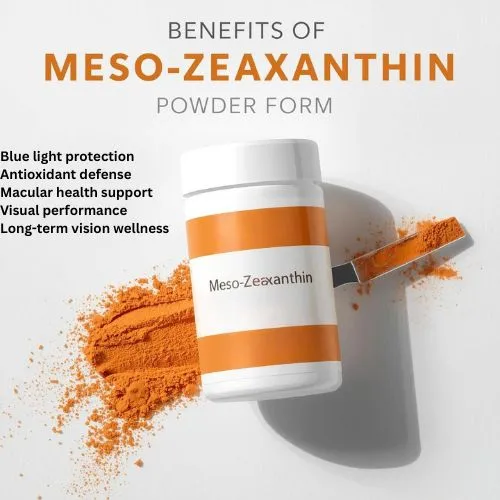
Sourcing and Procurement Considerations for Meso Zeaxanthin in Bulk
To get reliable, high-quality Meso Zeaxanthin supplies, you need to carefully look at what suppliers can do and how the supply chain works.
Supplier Evaluation: Certifications and Quality Assurance
Leading suppliers keep a full portfolio of certifications that show they follow rules and have good quality management systems. For access to the global market, ISO 9001 (quality management), HACCP (hazard analysis), Kosher, and Halal certifications are must-haves. Good Manufacturing Practices (GMP)-compliant suppliers use approved testing methods and environmental controls to make sure that each batch is the same.
Yangge Biotech is a good example of these standards because it sells Meso Zeaxanthin powder with purity levels ranging from 5% to 99%. All of these powders are made according to high quality standards and are checked by a third-party lab. The company's vertical integration—from working with partners to grow marigolds to cleaning up at the end—ensures full tracking and no solvent residue pollution.
Pricing Dynamics and Cost-Effectiveness Analysis
Meso Zeaxanthin's market price depends on the purity grade and the number of orders. Standard powder formulations with a purity level of 5% to 20% usually cost between $180 and $320 per kilogram for orders bigger than 25 kg. Because they need to be purified so thoroughly, high-purity grades (70% to 80%) cost more, around $580 to $850/kg.
The 99% specification ultra-pure CWS variant costs between $1,200 and $1,600/kg but works better in water-based applications. Negotiations for bulk purchases should look into multi-batch contracts that lock in good prices while still allowing for changes to specifications. Transportation operations favour air freight for smaller test orders (1–5 kg) and sea freight for production amounts (>100 kg), as long as the containers are properly temperature-controlled to keep the goods from going bad during transit.
Supply Chain Reliability and Batch Consistency
For procurement risk management to work, suppliers' inventory levels and production capacities must be evaluated. Partner companies you can trust keep an inventory of 50 to 100 kg of speciality ingredients on hand at all times. This way, they can quickly fill urgent orders and keep up production for large contracts. Checking the uniformity of a batch should look at the parameters listed on the certificate of analysis for more than one production lot.
Key specs should have acceptable variation limits set, like purity ±2% and moisture content ±0.5%. Yangge Biotech's minimum order number of 1 kg meets the needs of both research and commercial production. They also offer flexible packaging choices, such as aluminium foil bags, fibre drums, or containers chosen by the customer, which keep the product's integrity throughout the distribution chain.
Table 2: Yangge Meso Zeaxanthin Product Specifications
| Product Format | Purity | Appearance | Solubility | MOQ | Typical Applications |
|---|---|---|---|---|---|
| Meso Zeaxanthin Powder | 5%, 10%, 20%, 70%, 80% | Yellow to orange fine powder | Oil-soluble | 1kg | Softgels, tablets, oil suspensions |
| Meso Zeaxanthin CWS | 99% | Reddish orange powder | Cold-water-soluble | 1kg | Functional beverages, dairy fortification, gummies |
It is non-GMO, hasn't been irradiated, and doesn't contain any allergens. It also meets European PAH4 standards (benzopyrene ≤10 ppb). The shelf life is 24 months if you store it in the right way (cool, dry, and out of the light).
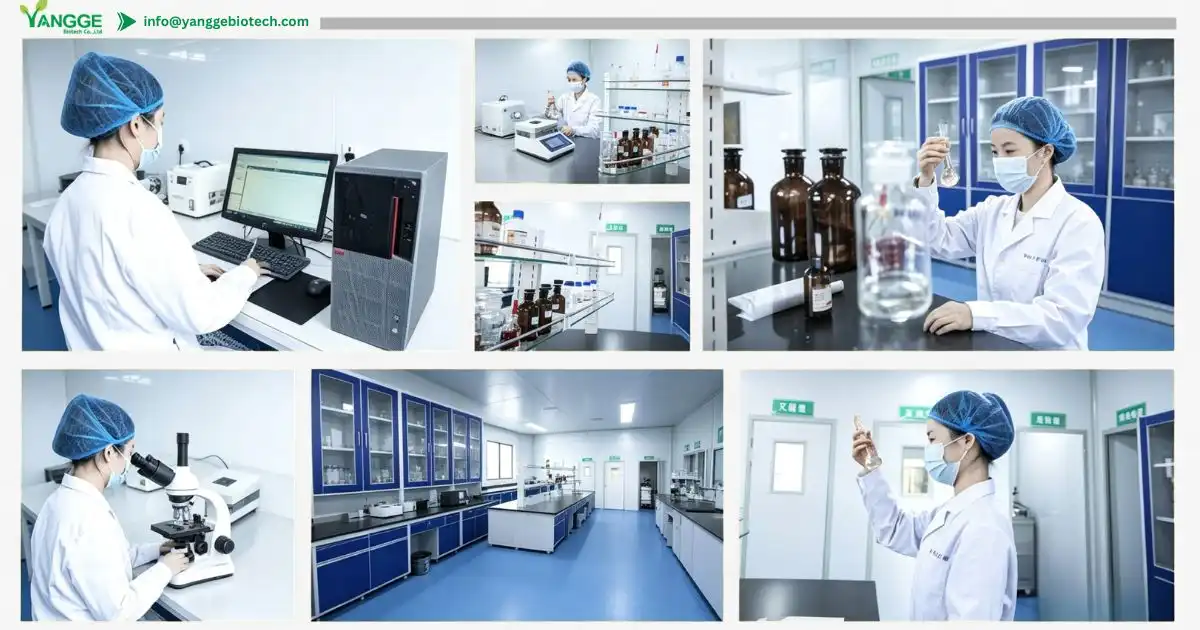
Practical Applications and Integration into Premium Eye Health Formulas
Turning the specs of raw materials into goods that are ready to sell takes smart formulation design, knowledge of the rules, and the strategic inclusion of functional ingredients like Meso Zeaxanthin to meet consumer demand for advanced eye health benefits.
Formulation Strategies for Maximum Bioavailability
Meso Zeaxanthin is lipophilic and must be given properly. Softgel encapsulation using medium-chain triglyceride oils or sunflower oil structures optimises absorption, according to bioavailability studies. Tablet formulae benefit from micronization (particle size <10μm) and fatty excipients (lecithin, polysorbate 80) for emulsification during digestion. The CWS form is simpler to add to beverages since it doesn't divide into two stages or change colour in protein shakes, juice mixes, and fortified dairy products. Carotenoids should be added at 2–10 mg per serving, depending on the health claim.
Successful Market Formulations and Case Studies
Triple-carotenoid products that follow the proven 10:10:2 ratio have a big part of the market in high-end eye health categories. Meso Zeaxanthin is mixed with B vitamins and omega-3s in products aimed at gamers and digital professionals. These products are marketed around cognitive performance and screen time protection.
Combining the carotenoid trio with resveratrol and CoQ10 in anti-aging formulas helps with many ways of living longer with the same dosing schedules. Functional beverages are becoming more popular, and ready-to-drink goods with added Meso Zeaxanthin are appealing to health-conscious people who want easy daily nutrition.
Regulatory Compliance and Labeling Requirements
Labelling accuracy is still very important in all areas. The US Food and Drug Administration (FDA) rules say that supplements must list "Meso Zeaxanthin" on the Supplement Facts panel if they contain more than trace amounts. The amounts must be given in milligrams per serving. Novel Foods Regulation (EU) 2015/2283 must be followed by all countries in the European Union, but Meso Zeaxanthin that is made from marigolds using standard methods is usually considered a traditional food. Health claims must be backed up by evidence.
Structure/function statements like "supports macular health" don't need to go through regulatory review, but disease claims do need to be approved before they can go on the market. Japan's Food Sanitation Law and FOSHU (Foods for Specified Health Uses) paths make it easier for clinically proven products to get into the market. Yangge Biotech offers detailed regulatory support documents, such as ingredient specifications, safety data sheets, and use-level guidance that is specific to target markets. This shortens the time it takes to develop a product from idea to market availability.
Conclusion
Meso Zeaxanthin fills in a major gap in current eye health products by specifically protecting the foveal center, which is where your sharp vision starts. It is different from other lutein-zeaxanthin combinations because of its unique stereochemistry, higher antioxidant activity, and clinical support. For people who work in purchasing and making high-end products, adding Meso Zeaxanthin strategically—especially in tested amounts with complementary carotenoids—can give them real competitive benefits by making their claims about effectiveness stronger and setting their products apart from others.
When making sourcing choices, companies should give more weight to suppliers who can show strict quality controls, a wide range of certifications, and a reliable supply chain. As people become more aware of how blue light can hurt your eyes and take better care of them, products that include Meso Zeaxanthin are in line with market trends that want nutritional solutions that are backed by science and work. The money spent on high-purity Meso Zeaxanthin directly affects the performance of the product, which is appealing to more educated customers around the world who want to see measurable health results.
FAQ
Is long-term meso zeaxanthin supplementation safe?
Many health research have proven that consuming Meso Zeaxanthin pills at 20 mg per day for over two years is safe. Meso Zeaxanthin does not cause hypervitaminosis since it does not create provitamin A like beta-carotene. Meso Zeaxanthin has no significant negative effects in clinical testing. Fewer than 2% of users have moderate gastrointestinal symptoms including transient bloating, which normally go away with drug usage or dosage changes. The EFSA and FDA say that zeaxanthin is safe for most individuals to ingest. This makes it suitable for daily supplement programs.
How does meso zeaxanthin differ from standard lutein in formulations?
Lutein is predominantly in the outer macular areas, whereas Meso Zeaxanthin is on the middle fovea. Due of this spatial distribution discrepancy, lutein-only formulae don't preserve the macula's center sufficiently for clear central vision. To complete eye coverage, meso zeaxanthin covers the gap between lutein and zeaxanthin. Biochemistry shows that Meso Zeaxanthin's 3R,3'S structure is a greater antioxidant than dihydroxy lutein. Mixing both chemicals in verified proportions yields greater outcomes than using one alone.
What certifications should buyers prioritize when sourcing meso zeaxanthin in bulk?
ISO 9001 for quality management, HACCP for food safety, and GMP for pharmaceutical manufacture are priorities. Kosher and Halal permits help companies reach new clients. Analytical verification requires batch-specific HPLC with chiral column separation to ensure stereoisomer purity. Certification of non-GMOs, allergen-free claims, and PAH4 compliance (benzopyrene ≤10 ppb) meets North American and European laws. Quality commercial formulation development is best ensured by suppliers that provide full Certificates of Analysis and third-party laboratory clearance.
Partner with a Trusted Meso Zeaxanthin Supplier for Superior Formulations
Yangge Biotech offers Meso Zeaxanthin powder and CWS forms that are pharmaceutical-grade and are designed for high-demand nutrition and functional food uses. Our products that come from marigolds have been tested and found to be pure up to 99% of the time. They are backed by ISO, HACCP, Kosher, and Halal standards. We can support both R&D sampling and commercial-scale production without any problems because our minimum orders start at just 1 kg and we keep a lot of stock on hand to make sure we can fill orders quickly.
Protocols for zero-solvent extraction and sustainable sources make sure that clean-label products meet the highest international standards.Contact us or you can email our technical team at info@yanggebiotech.com to get samples, talk about custom specs, or look into OEM options that will put your eye health goods on the cutting edge of new nutritional ideas.
References
1. Nolan JM, Meagher K, Kashani S, Beatty S. What is meso-zeaxanthin, and should it be supplemented? Molecular Nutrition & Food Research. 2013;57(9):1649-1660.
2. Age-Related Eye Disease Study 2 (AREDS2) Research Group. Lutein + zeaxanthin and omega-3 fatty acids for age-related macular degeneration. Journal of the American Medical Association. 2013;309(19):2005-2015.
3. Akuffo KO, Nolan JM, Howard AN, et al. Sustained supplementation and monitored response with differing carotenoid formulations in early age-related macular degeneration. Eye. 2015;29(7):902-912.
4. Sabour-Pickett S, Beatty S, Connolly E, et al. Supplementation with three different macular carotenoid formulations in patients with early age-related macular degeneration. Retina. 2014;34(9):1757-1766.
5. Huang YM, Dou HL, Huang FF, et al. Effect of supplemental lutein and zeaxanthin on serum, macular pigmentation, and visual performance in patients with early age-related macular degeneration. BioMed Research International. 2015;2015:564738.
6. Piermarocchi S, Saviano S, Parisi V, et al. Carotenoids in Age-related Maculopathy Italian Study (CARMIS): two-year results of a randomized study. European Journal of Ophthalmology. 2012;22(2):216-225.

Based on your location and order quantity, you will have the opportunity to receive a limited time free shipping promotion!
Who we are
Popular Blogs