Red Beet Betanin: A B2B Guide to Natural Red Food Colorants for Brands
Red Beet Betanin Powder from Yangge Biotech is a natural red colorant derived from red beet (Beta vulgaris), with betanin as the key pigment responsible for its characteristic deep red to reddish-purple color. It is suitable for food, beverages, confectionery, dairy products, nutritional supplements, and other clean-label formulations. Yangge Biotech provides bulk supply, product specifications, COA documentation, samples, and OEM support for B2B customers. For inquiries, samples, pricing, or customized requirements, contact at info@yanggebiotech.com.
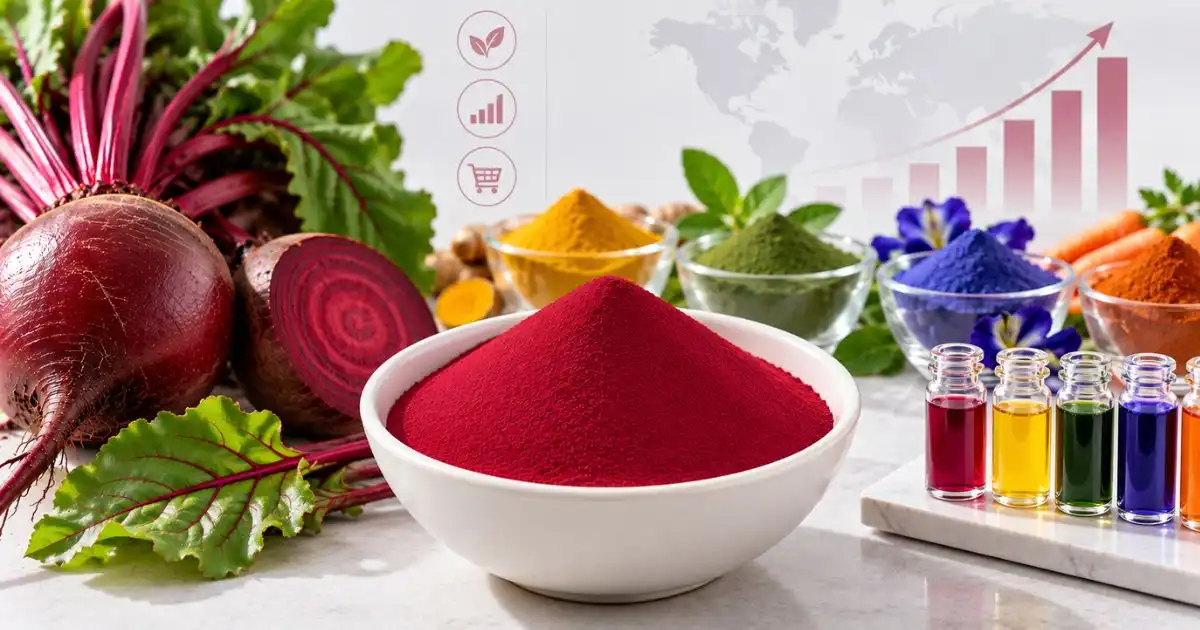
When sourcing natural colorants for food and beverage production, red beet betanin stands out as a clean-label solution that meets both regulatory demands and consumer expectations. Extracted from Beta vulgaris roots, this betalain pigment offers vibrant red-to-purple hues without synthetic additives, making it ideal for brands transitioning toward transparent ingredient lists. As procurement managers and R&D engineers navigate increasing pressure to replace synthetic dyes like erythrosine, understanding betanin's properties, applications, and sourcing criteria becomes essential for competitive product development.
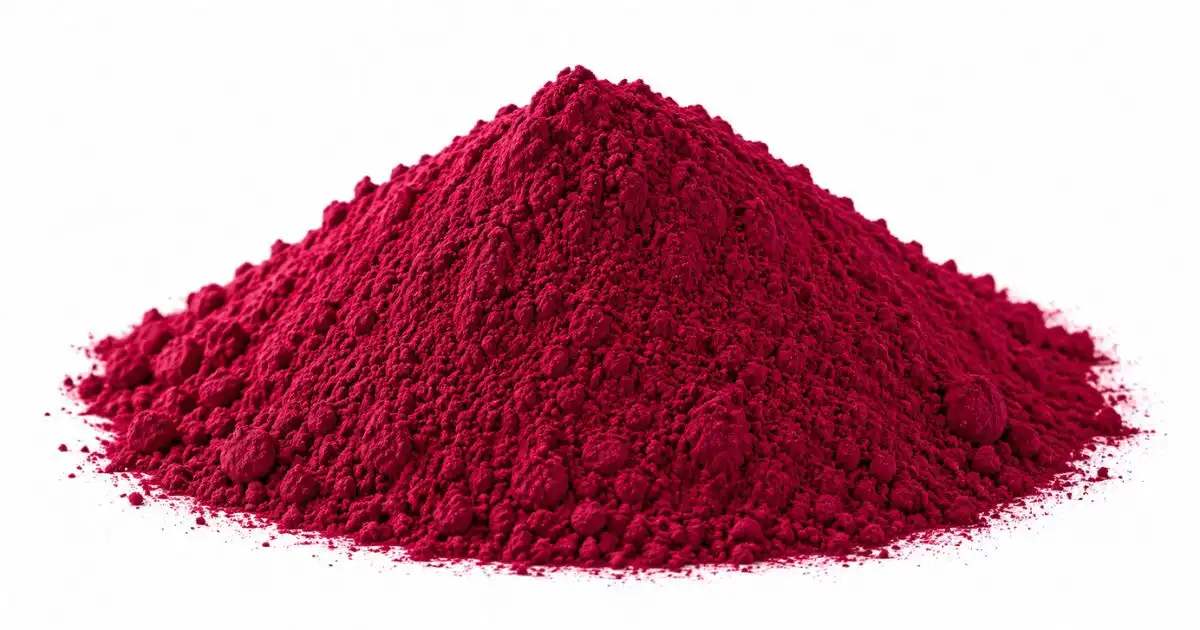
Understanding Red Beet Betanin: Composition, Benefits, and Applications
There is a complex natural colour called red beetroot betanin that comes from beetroot. It is in the same family as isobetanin and vulgaxanthin compounds. Unlike synthetic alternatives, this water-soluble colourant is good for both looks and function because it contains antioxidants that protect cells from oxidative stress, according to a study in the Journal of Agricultural and Food Chemistry.
Chemical Structure and Nutritional Profile
The molecules that make up betanin are mostly betacyanin glycosides, with betanin itself making up 75–95% of the pigment fraction and giving it its characteristic red colour. The pigment's glycosidic structure has a glucose molecule that turns into betanidin aglycone when it is broken down by water. This special arrangement helps betanin change colour depending on the pH level. It goes from a bright bluish-red at pH 4–5 to blue-violet tones at higher pH levels before breaking down in alkaline ones.
Beetroot extract is known as a functional ingredient because it has betaine, minerals, and polyphenols that make it work. Studies back up betanin's safety profile, and approvals from the EFSA and FDA (designated as E162 in European markets) show that it can be used in a wide range of food products without any chemical issues.
Extraction Methods and Stability Factors
High-Performance Liquid Chromatography (HPLC) methods are used in modern extraction methods to concentrate betanin while keeping the pigment's integrity. This precise extraction is used in Yangge's beetroot red E162, which produces 100% standard deep red powder with confirmed betaine content. Irradiation and genetic modification are not used in the extraction process, so the product stays non-GMO and allergen-free, which is important for sensitive formulations.
Procurement decisions are mostly based on stability concerns. Betanin is very stable below 80°C, but it breaks down quickly when exposed to heat, light, and oxygen. It's easy to mix with water because it dissolves easily, but formulators need to be aware that it is sensitive to pH. Betacyanins are most stable between pH 4 and 6, where they keep their structure.
Comparative Advantages Over Synthetic Colorants
Switching from manufactured colours like allura red (E129) or erythrosine (E127) to red beet betanin has real benefits for the market. Studies on consumer attitudes show that 67% of European shoppers actively avoid artificial colours, which increases the need for clean-label alternatives. Betanin comes from nature, which backs up marketing claims about being honest and healthy. This makes products stand out in competitive categories.
Environmental benefits are also very important. Making betonin leaves less of a carbon footprint than making synthetics from petroleum, which fits with sustainability commitments that corporate buyers are looking more closely at. But makers have to weigh these benefits against betanin's thermal sensitivity, which means they have to change how they process the material to keep the colour quality through multiple production runs.
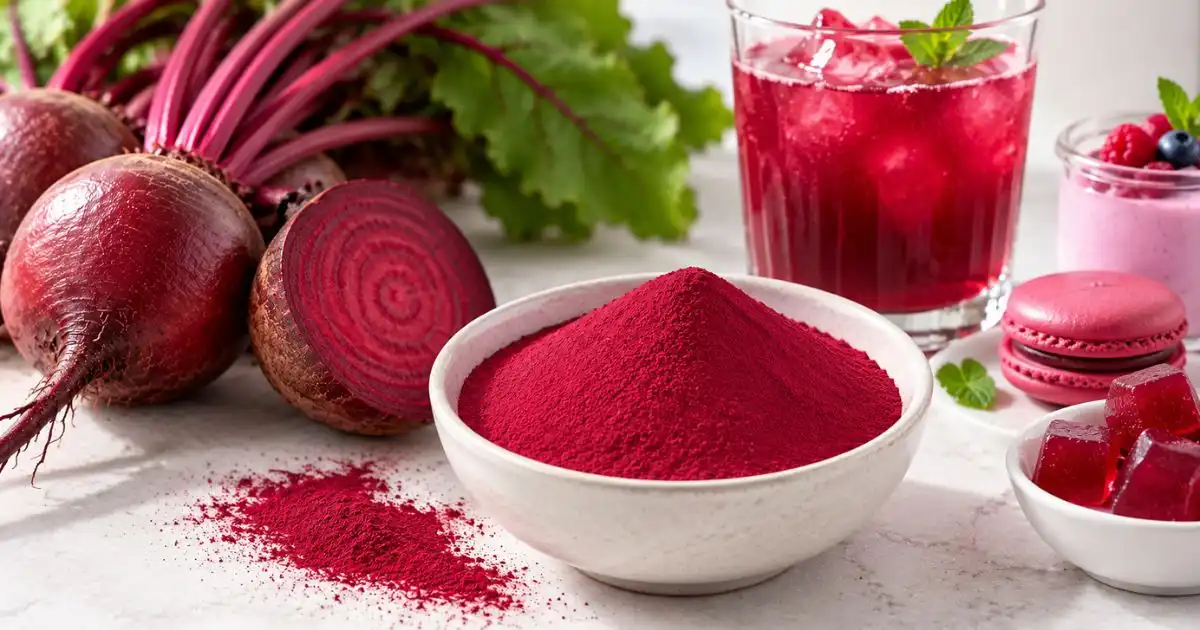
Procurement Decision Support: Choosing the Right Betanin Solution
For buying to work well, it's important to be clear about the different types of products, the qualifications of suppliers, and the business terms that affect both cost structures and risk management.
Product Format Distinctions
Knowing the differences between beetroot red powders, extracts, and juice blends affects how well they work in the application. Key differences are shown in the table below:
| Product Type | Betanin Content | Solubility | Ideal Applications | Shelf Stability |
|---|---|---|---|---|
| Spray-dried extract (E162) | 100% (concentrated) | Excellent in cold water | Beverages, dairy, confectionery | 2 years (light-protected) |
| Beetroot powder | 5–15% (whole root) | Moderate | Bakery, seasonings, dry mixes | 18 months |
| Juice concentrate | 0.3–1% (liquid) | Complete | Direct beverage incorporation | 6–12 months (refrigerated) |
Yangge's E162 betanin powder has the highest concentration for formulators who want the brightest colour with the least amount of powder. Compared to juice concentrates, it also requires less storage space and lower shipping costs. Spray-drying makes sure that the colour value stays the same across production batches, which solves a common problem where natural pigments vary from batch to batch.
Supplier Evaluation Criteria
There are more factors than just price that need to be taken into account when choosing reliable partners. It is important to make sure that you follow the rules in each area. Yangge has ISO, HACCP, Kosher, and Halal licenses, which let them sell their products in North America, Europe, and the Middle East. Meeting European PAH4 standards (Benzopyrene ≤10 ppb) takes care of stricter rules about contaminants that affect natural colourants.
Quality assurance procedures set professional sellers apart. Yangge works with outside labs to do retesting, which provides third-party proof and lowers the chance of specification deviations. Major food companies need systems that can track ingredients from the farm to the finished product so they can pass audits. At the same time, sustainability partnerships with farming communities make sure that ingredients are sourced in a fair way that fits with their CSR goals.
Commercial Terms and Logistics
Minimum order quantities (MOQs) change how inventory is managed. With minimum order quantities of 1 kg and current stock levels of 50–100 kg, Yangge can handle both test formulations and large-scale production orders without asking for too much up front. Flexible packing choices, such as 1 kg aluminium foil bags and custom designs, meet the needs of both small speciality makers and large manufacturers. Red beet betanin fits seamlessly into this flexible system, as its stable supply and natural profile align with the low-MOQ model, allowing customers to trial it in small batches before scaling up.
Having samples available speeds up the decision-making process. Before making a business pledge, complementary samples let you test for pH stability, thermal decline, and sensory evaluations. This method shortens the usual procurement cycle of two to four weeks by getting rid of the delays that come with sample procurement negotiations.
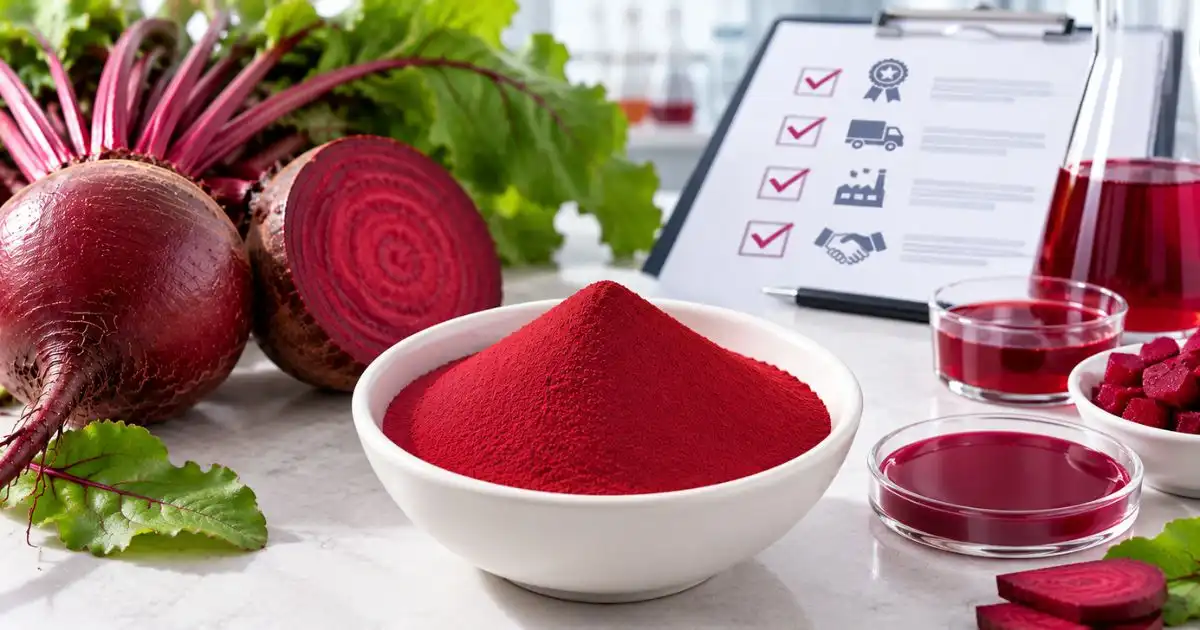
Application Insights: Integrating Red Beet Betanin into Your Product Line
To formulate something well, you need to know how betanin acts in different working settings and product matrices.
Optimal Use Cases and Formulation Strategies
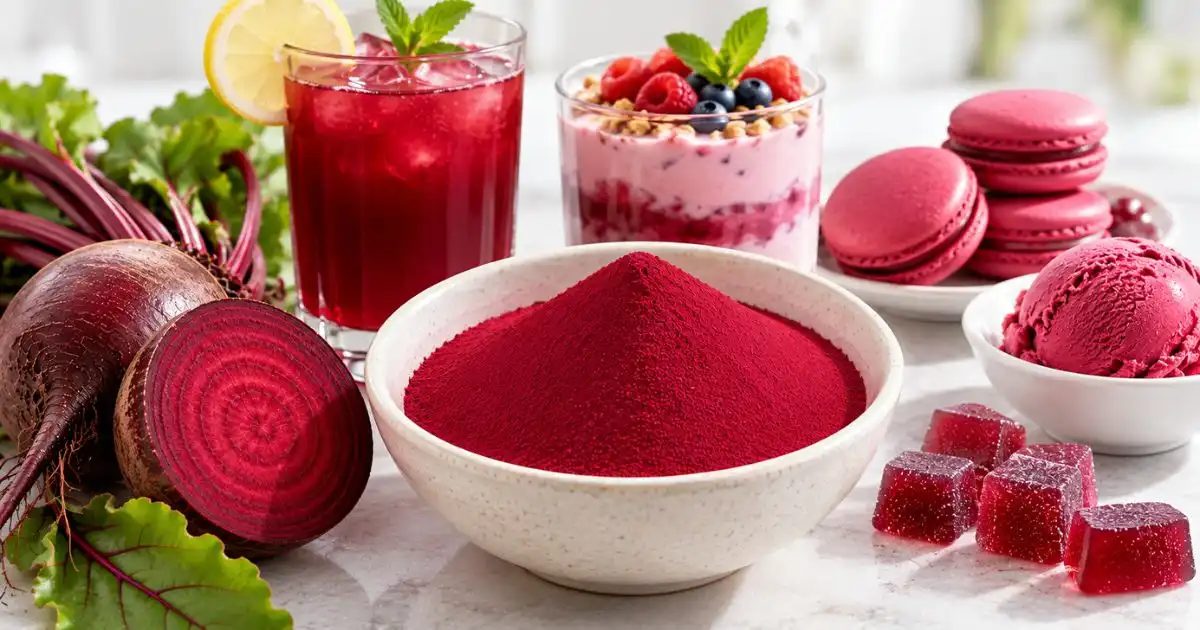
Betanin works especially well in situations where bright reds make things look better without taking away from their natural placement. Betanin is used to make fruit drinks, plant-based milk replacements, and cocktail mixers where the pH level is generally stable between 4 and 6. Some dairy products that use cold processing to keep the colour intense are strawberry yoghurts, berry-flavored ice creams, and desserts.
Betanin is used in gummies, fruit chews, and marshmallows, but producers have to add colourant during the last steps of cooling to keep it from breaking down too quickly. When used in certain ways, betanin can make the natural red colour of salted foods stand out even more. This is especially true for summer sausages and meat replacements that want to make clean-label claims.
Dosage Guidelines and Processing Considerations
Rates of use are usually between 0.01% and 0.5%, depending on how intense you want it to be and the format of the product. The table below shows some suggestions for where to start:
| Application Category | Recommended Dosage Range | Addition Point | Stability Notes |
|---|---|---|---|
| Clear beverages | 0.01–0.05% | Post-pasteurization | Light-protective packaging essential |
| Dairy desserts | 0.05–0.15% | During mixing phase | pH adjustment may enhance stability |
| Confectionery | 0.1–0.3% | Final cooling stage | Avoid prolonged heat exposure |
| Meat products | 0.05–0.2% | With brine injection | Acidic pH extends color retention |
After heat treatments, late-stage additions should be given the most attention in processing procedures. If you can't avoid thermal processing, quickly cooling the material right after adding betanin keeps degradation to a minimum. Light-resistant packaging makes food last a lot longer on the shelf. Amber glass or dark PET containers work better than clear packaging because they stop photodegradation, which fades colours over time.
Regulatory Compliance and Labeling Requirements
Different global legal systems have different rules about how to use natural colourants. Betanin is recognised by European laws under the number E162, which means it can be used in all types of food as long as it follows Good Manufacturing Practice (GMP) guidelines. There are no set maximum amounts for betanin. In the United States, beetroot extract is considered a colour additive that does not need to be certified. This means that it can be listed on ingredient panels as "beetroot juice" or "vegetable juice" for colour.
Halal and Kosher certifications meet the dietary needs of religious groups, which is becoming more and more important for companies that want to sell their goods abroad. Yangge's approved red beet betanin (E162) meets these requirements, making it easier to make goods for Muslim and Jewish customers. Yangge's water-based extraction method meets the requirement for organic formulas that extraction processes don't use solvents that aren't allowed.
Comparisons and Market Trends: Red Beet Betanin Among Natural Pigments
Putting betanin in the context of other natural colourants shows its strategic benefits and areas where it works better than others.
Competitive Analysis Against Other Natural Pigments
Anthocyanins from berries or purple sweet potatoes have the same reddish-purple colour, but they are even more sensitive to pH, which means they can only be used in neutral to basic goods. Carmine (E120) is more stable, but people don't like it because it comes from insects, which opens up markets for plant-based options like betanin. Paprika extracts give off reddish-orange tones but not the true red intensity that betanin does. This makes them less useful for berry-flavored products.
Lycopene and other carotenoids give foods a red colour that doesn't change when heated, but they need to be mixed with oil, which means they can't be used in water-based systems, where betanin's ability to dissolve in water makes handling easier. Because they work well together, strategic ingredient portfolios might include a number of natural colourants that can be used to meet the needs of different products instead of trying to find one solution that works for all.
Market Dynamics and Consumer Preferences
The natural colourant market is expected to grow at a compound annual growth rate (CAGR) of 7.2% through 2028, thanks to consumer demand for "clean labels." Eighty-three percent of food manufacturers surveyed in Europe say they are replacing synthetic colours in new recipes. Similar trends can be seen in North American markets, which are sped up by actions taken by stores like Whole Foods that ban ingredients that don't contain artificial colours.
Sustainability concerns are becoming more and more important in purchasing choices, going beyond the usefulness of ingredients. As ways to stand out from the competition, brands stress regenerative farm relationships, carbon-neutral transportation, and less wasteful packaging. Yangge's efforts to track food from the farm to the table and use green energy make the company a good choice for buyers who include environmental factors in their seller scorecards along with quality and price.
Innovation Trajectories and Future Outlook
New technologies use microencapsulation to get around betanin's stability problems. This keeps pigment molecules safe from air and light while allowing controlled release during processing. Enzymatic modification study looks into changing the structure of substances in ways that make them more resistant to heat without changing their regulatory status. This could lead to more uses for betanin in baked goods and high-temperature processed foods, where synthetic options are currently the norm.
Concerns about the resilience of the supply chain, made worse by recent global problems, have sparked interest in sourcing and inventory strategies that are spread out geographically. Manufacturers look for sources with strong farming partnerships and buffers for production capacity. Yangge keeps an inventory of 50–100 kg and gets it directly from the plant. This helps with buying continuity and makes it less likely that production plans will be thrown off by reliance on a single source.
Conclusion
Researchers have found that red beet betanin can help food and drink companies find natural colourants that meet the needs of customers, government rules, and their own business needs. Even though it needs to be formulated differently because it is sensitive to heat and light, its clean-label standing, regulatory acceptance, and bright colour give it a competitive edge in markets that are rejecting synthetic options more and more.
For procurement to go well, partnerships with suppliers that offer certified quality, application expertise, and commercial flexibility that can adapt to changing production needs are key. Brands can meet the growing demand for naturally coloured, clear products that appeal to health-conscious customers by learning about betanin's properties, systematically evaluating suppliers, and following best practices for formulation.
FAQ
What shelf life can we expect from beetroot red E162 under standard storage conditions?
If you store betanin correctly, it will keep its colour for 24 months if you keep it in cases that are tightly covered, out of the light, and at temperatures below 25°C. Yangge's aluminium foil packing blocks light effectively, and nitrogen washing during packaging keeps oxidation to a minimum. Refrigerated storage keeps food stable longer than the date on the label, especially for containers that have already been opened.
Does betanin impart noticeable beet flavor to finished products?
When used at the recommended rates, concentrated E162 extracts don't have many earthy notes. This is especially true in flavoured products like berry drinks or dairy desserts where other ingredients dominate the sensory profile. Sensory testing is done during formulation development to find the right cutoff levels for each product matrix. However, most makers say that below a 0.2% dose, there isn't much of an effect on flavour.
Can betanin be used in organic and allergen-free formulations?
Yangge's beetroot red E162 can be used in organic formulations because it is extracted using water instead of solvents, which are not allowed. The non-GMO and non-allergen certification addresses major allergen concerns, so it can be used for products that are sold to people who are sensitive. Kosher and Halal certifications make the use even broader across religious dietary needs without changing the formulation.
Partner with Yangge for Premium Beetroot Red E162 Supply
Yangge Biotech is an expert at providing approved beetroot red E162 betanin that meets the strict requirements of food and drink producers all over the world. We are a reliable betanin supplier because we have ISO, HACCP, Kosher, and Halal certifications, as well as environmentally friendly sourcing methods and quick expert help. Through bulk quotes that are suited to production-scale needs, our direct factory supply model makes sure that prices are low for orders starting at 1 kg.
Procurement managers, formulators, and product makers are welcome to ask for free samples to test for compatibility in their own applications. Our dedication to quality is shown by the fact that our products are checked by a third-party laboratory and work the same way every time. We also offer 24-hour customer service to answer any technical questions you may have during your formulation trip.
Get in touch with us at info@yanggebiotech.com to talk about your natural colourant needs and find out how our red beetroot betanin for sale can help you improve your product line while meeting your customers' clean label requirements.
References
1. EFSA Panel on Food Additives and Nutrient Sources. (2015). Scientific Opinion on the re-evaluation of beetroot red (E 162) as a food additive. EFSA Journal, 13(12), 4318.
2. Food Manufacture. (2021). Clean label trends driving natural color adoption across Europe. Food Manufacture UK.
3. Kanner, J., Harel, S., & Granit, R. (2001). Betalains—A new class of dietary cationized antioxidants. Journal of Agricultural and Food Chemistry, 49(11), 5178-5185.
4. Mintel Group Ltd. (2022). Global food and drink trends: Natural ingredients demand. Mintel Reports.
5. Stintzing, F. C., & Carle, R. (2004). Functional properties of anthocyanins and betalains in plants, food, and in human nutrition. Trends in Food Science & Technology, 15(1), 19-38.
6. Wrolstad, R. E. (2004). Anthocyanin pigments—Bioactivity and coloring properties. Journal of Food Science, 69(5), C419-C425. https://ift.onlinelibrary.wiley.com/doi/abs/10.1111/j.1365-2621.2004.tb10709.

Based on your location and order quantity, you will have the opportunity to receive a limited time free shipping promotion!
Who we are
Popular Blogs