Top Astaxanthin Uses for Beauty and Joint Health Supplement Brands
Astaxanthin stands as one of nature's most powerful antioxidant compounds, delivering transformative benefits for beauty and joint health supplement formulations. Derived primarily from Haematococcus pluvialis microalgae, this keto-carotenoid has become a cornerstone ingredient for mid-sized supplement brands and functional cosmetics manufacturers seeking to differentiate premium product lines.
With antioxidant capacity surpassing vitamin C by approximately 6,000 times and vitamin E by 550 times, this natural compound addresses critical consumer demands for anti-aging solutions and joint mobility support. Understanding the strategic applications and sourcing considerations enables procurement professionals to capitalize on growing market opportunities in North America, Europe, and Asia-Pacific regions.
Understanding Astaxanthin and Its Core Benefits
The molecular structure and biological origin of natural carotenoids are the first things that make them work better. This extract from Haematococcus pluvialis has the 3S,3'S stereoisomer configuration, which makes it much more bioavailable than synthetic alternatives. Because of this shape, the molecule can completely cross over the membranes of cells, protecting them from oxidative stress from both inside and outside of cells.
Natural vs. Synthetic: Critical Distinctions for Product Development
The biological activity of natural variants that come from growing microalgae is much better. The left-handed (levorotatory) molecular structure in Haematococcus pluvialis works better with human metabolic pathways than forms made from petrochemicals. The conjugated double bonds that neutralise reactive oxygen species are kept intact by HPLC extraction methods. The esterified forms, which make the molecules more stable during production processes, are also kept.
The best way to get pharmaceutical-grade material is to use supercritical CO2 extraction technology. This method gets rid of solvent leftovers and concentrates active chemicals to levels of purity between 1% and 10%. Microencapsulation methods protect the dark red powder against photodegradation and thermal stress during product production, so it keeps its potency.
Cellular Mechanisms Driving Therapeutic Effects
The substance works in a number of different ways to deal with oxidative harm and inflammatory reactions. It stops lipid breakdown in cell membranes by absorbing free radicals and quenching singlet oxygen. This mechanism works especially well in skin tissues, where UV light causes constant oxidative stress, and in synovial joints, where inflammatory mediators make cartilage break down. Marine Drugs released research that showed taking supplements every day lowered inflammation markers like C-reactive protein and interleukin-6 after eight weeks of regular use.
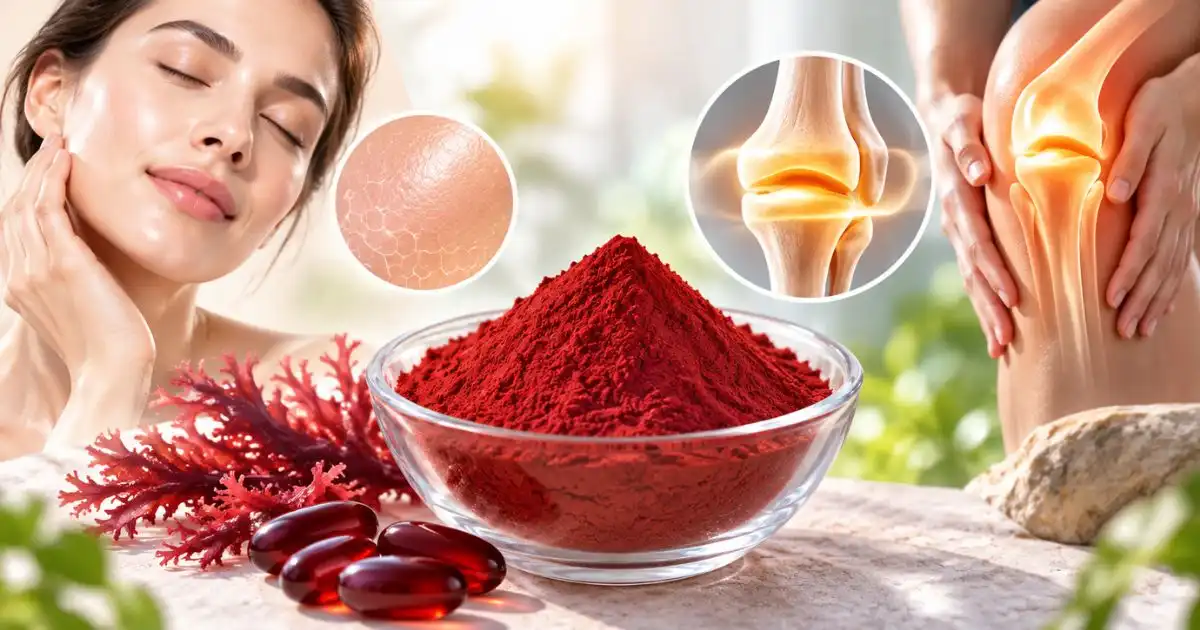
Top Astaxanthin Uses in Beauty and Joint Health Supplements
Because this pigment is so flexible, it can be used in a lot of different health areas. Brand makers use its many uses to make complete formulas that deal with all the aspects of getting older and moving around that are linked.
Skin Health: Clinical Evidence for Anti-Aging Benefits
This ingredient's use in dermatology is the fastest-growing market segment. The Journal of Clinical Biochemistry and Nutrition reported that taking 6 mg every day for 12 weeks lowered the level of crow's feet by 28% and increased skin moisture by 35%. In order for this to work, matrix metalloproteinase enzymes that break down skin structure proteins are stopped from working.
Topical formulations that include this compound in high-end anti-wrinkle serums provide extra benefits. Because it is lipophilic, it can get into the stratum corneum layers and neutralise free radicals that are caused by smog and UV rays from the sun. Brands that make goods that can be taken by mouth or put on the skin say that their customers are happier and that their products stand out in competitive markets.
Joint Mobility: Inflammation Reduction and Pain Management
Musculoskeletal applications help with the chronic inflammation that millions of older people suffer from. A study published in Phytotherapy Research (2020) with 120 people who had knee osteoarthritis found that taking 12 mg of supplement every day cut pain scores by 40% and increased walking distance by 25% compared to groups that were given a placebo. The anti-inflammatory effects come from blocking the NF-κB signalling pathways that make pro-inflammatory cytokines.
This carotenoid is more bioavailable than common ingredients like curcumin and glucosamine, and it doesn't need piperine boosters or special delivery methods. The naturally esterified forms in Haematococcus pluvialis stay stable in stomach environments and reach their highest bloodstream amounts within three hours of being eaten. This makes it a good choice for managing acute inflammation.
Additional Health Applications Expanding Market Reach
In addition to its beauty and joint benefits, this ingredient is good for your eyes and brain. Astaxanthin can cross the blood-retina barrier, making it useful for macular health formulas that are aimed at older people who want to keep their vision. Neuroprotective effects found in the Nutrients magazine in 2023 show that cognitive vitality supplements might be useful, especially when mixed with omega-3 fatty acids and phosphatidylserine.
Brand strategists can use these secondary uses to create complete anti-aging protocols that address a wide range of consumer concerns within a single product ecosystem. These methods increase the lifetime value of customers and make brands known as wellness experts who offer more than one benefit.
Choosing the Right Astaxanthin Supplement for Your Brand
Formulation choices have a big effect on how well a product works, how efficiently it is made, and where it stands in the market. Professionals in procurement have to look at more than just the specifications of an ingredient to make sure it fits with the brand's goals and the tastes of its target customers.
Format Selection: Powder, Oleoresin, and Beadlet Technologies
The physical form chosen determines how well it can be manufactured and what the final product will be like. Yangge Biotech provides a range of specs to meet different business needs:
| Format | Concentration Range | Optimal Applications | Key Advantages |
|---|---|---|---|
| Powder (Microencapsulated) | 1% - 10% | Hard capsules, tablets, dry blends | Extended shelf life, precise dosing, heat stability up to 120°C |
| Oleoresin (CO2 Extract) | 5% - 20% | Soft gels, oil-based supplements | Maximum bioavailability, lipid-soluble delivery |
| Water-Dispersible Beadlets | 1% - 2.5% | Functional beverages, gummies | Cold-water solubility, neutral taste profile |
When making traditional supplements, where tablet compression or capsule filling equipment is already in place, powder formats work best. The microencapsulation matrix, which is usually modified starch or gum arabic, keeps the active substance safe during high-shear mixing and lets it be released slowly in stomach environments. When maximum absorption rates are important, higher material costs are justified by using oleoresin preparations in premium soft gel formulas. Water-dispersible beadlets help beverage makers come up with new ways to add antioxidants to their drinks without changing the taste or causing sedimentation problems.
Certification Requirements and Regulatory Compliance
Access to international markets depends on having a wide range of certifications. Yangge Biotech has ISO 22000, HACCP, Kosher, and Halal certifications, which make it easier to sell its products in North America, Europe, and the Middle East. More and more people want approved organic supplements, and the USDA Organic certification meets that need. The USP grade specs make sure that clinical-grade formulations always meet pharmaceutical-quality standards.
Regulatory frameworks are very different from one place to another. In the United States, the Food and Drug Administration (FDA) sets rules for maximum daily doses and quality levels that are different from those in Europe. Japan's Ministry of Health, Labour, and Welfare requires strict tests for synthetic pollution. To get into the market, you need to prove that the source is natural using HPLC stereoisomer analysis. Teams in charge of buying things should make sure that suppliers can give them batch-specific Certificates of Analysis that show 3S,3'S isomer ratios higher than 95% of the total content.
Supplier Evaluation: Quality Indicators and Red Flags
Systematic due research is needed to tell the difference between trustworthy makers and traders looking to make quick money. Controlling the growth of Haematococcus pluvialis biomass, having in-house extraction facilities, and using tested stability testing protocols are all important factors in the evaluation process. Vertically integrated suppliers, who grow algae and package them all the way through, have more consistent quality than middlemen who get their materials from different places.
Ask for full proof, such as tests for heavy metals like lead, arsenic, cadmium, and mercury, confirmation of microbial limits, and oxidation stability data showing that ORAC values stayed above 50,000 µmol TE/g throughout the shelf life.
Astaxanthin formulation incompatibilities that could hurt product performance can be avoided by being clear about encapsulation technologies and carrier materials. Yangge Biotech's 1-ton inventory capacity makes sure that brands can keep getting what they need even as they increase production, and it also keeps GMP-compliant records from cultivation to finished goods.
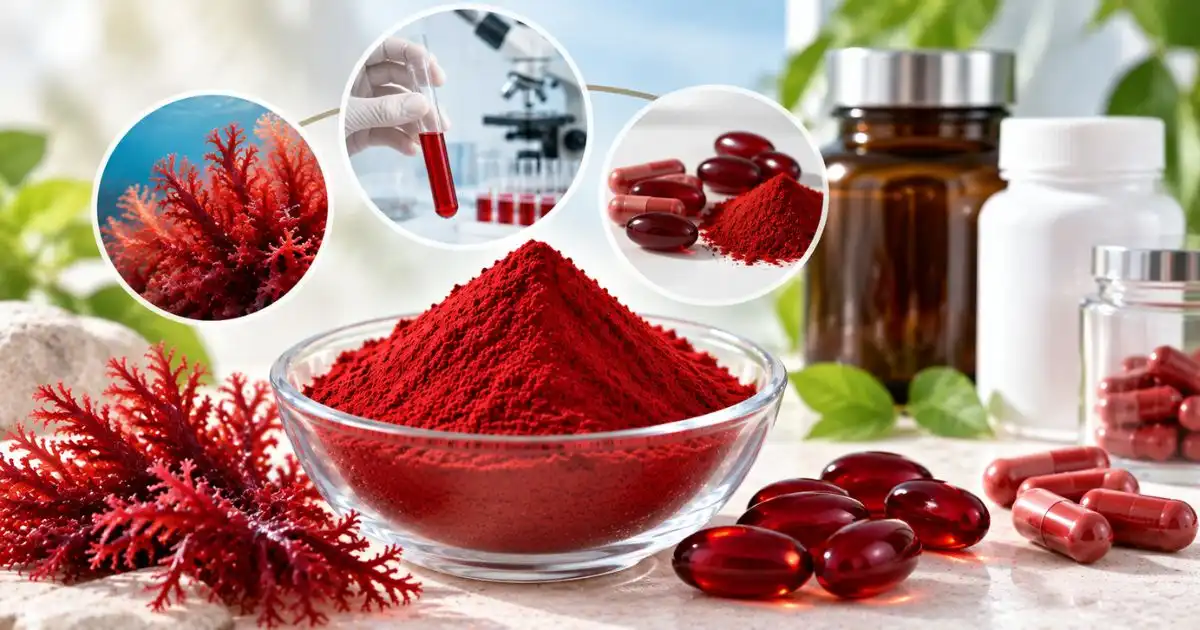
Integrating Astaxanthin Into Your Product Line: Strategic Insights
The best merger plans are based on how the market changes and how people usually act. When brands understand these factors, they can position their products more effectively while still meeting their legal obligations and taking operational factors into account.
Market Trends Driving Demand Growth
Grand View Research says the world market was worth $1.8 billion in 2023 and will continue to grow at a rate of 8.2% per year until 2030. This growth is because more and more people are learning about how cells age and prefer ingredients that have been clinically proven to work. Wellness advocates and dermatologists talking about "internal skincare" on social media have sped up the adoption rate among millennials and Gen Xers who are willing to spend more on high-quality preventative health solutions.
Different parts of the world offer different possibilities. In North America, people prefer convenient forms like soft gels and gummies. In Europe, on the other hand, people prefer powder-based pills because they think they contain fewer fillers. Asian markets, especially Japan and South Korea, are very good at understanding dosing guidelines and are willing to use combination products that combine this carotenoid with hyaluronic acid, collagen peptides, or ceramides to make them work better together for beauty benefits.
Product Differentiation Strategies and Positioning
Differentiation strategies based on target customer groups are shown in the table below:
| Target Segment | Optimal Dosage | Complementary Ingredients | Positioning Strategy |
|---|---|---|---|
| Active Aging (50+) | 8-12mg daily | Glucosamine, chondroitin, MSM | Joint mobility + anti-aging dual benefit |
| Beauty-Focused (25-45) | 4-8mg daily | Collagen, vitamin C, biotin | "Beauty from within" comprehensive skin support |
| Athletes & Active Lifestyle | 12-16mg daily | CoQ10, omega-3, vitamin E | Recovery support + inflammation management |
| Preventive Health (30-50) | 4-6mg daily | Lutein, zeaxanthin, resveratrol | Comprehensive antioxidant protection |
Premium positioning uses the compound's better antioxidant properties as a main ingredient to support higher prices. Innovative delivery methods like delayed-release pills or effervescent tablets that boost perceived value help mid-tier brands stand out. Private label makers who are trying to appeal to people who are price careful can use lower concentration requirements (1-2%) while still making claims of effectiveness that are backed up by dosage research that shows benefits at 4 mg daily thresholds.
Regulatory Compliance and Marketing Claim Guidelines
To keep from getting in trouble with the law, structure-function claims must be in line with area regulatory standards. In the US, claims can talk about improving "skin health" or "joint comfort" without getting FDA approval as long as they include disclaimers and don't use language that sounds like it treats diseases. Regulation (EC) No 1924/2006 of the European Union says that health claims that haven't been backed up by the EFSA are illegal. The only health claims that are allowed are general antioxidant benefits.
Positioning should be careful in areas like pregnancy and breastfeeding. Even though studies on animals haven't found any bad effects, standard precautionary labelling is needed because there haven't been any controlled human trials in pregnant populations. Brands that want to reach women of childbearing age should talk to legal experts to make sure that the copy on the labels meets local rules while still appealing to the market.
Packaging technology is very important for keeping products stable and giving customers confidence in them. When compared to HDPE bottles, blister packing with aluminium backing is better at blocking air, which means that under controlled conditions, it can last up to 36 months longer. Photosensitive chemicals are kept safe in amber glass containers that have been flushed with nitrogen. Labels that stress natural Haematococcus pluvialis sources, third-party testing confirmation, and clinical study references build credibility with smart shoppers who are researching products to buy.
Procurement Best Practices for Astaxanthin Supplements
Strategic choices about where to get products affect the quality of the products, the reliability of the supply chain, and finally the image of the business. Astaxanthin using systematic procurement protocols can help solve common problems in the industry and make cost structures more efficient.
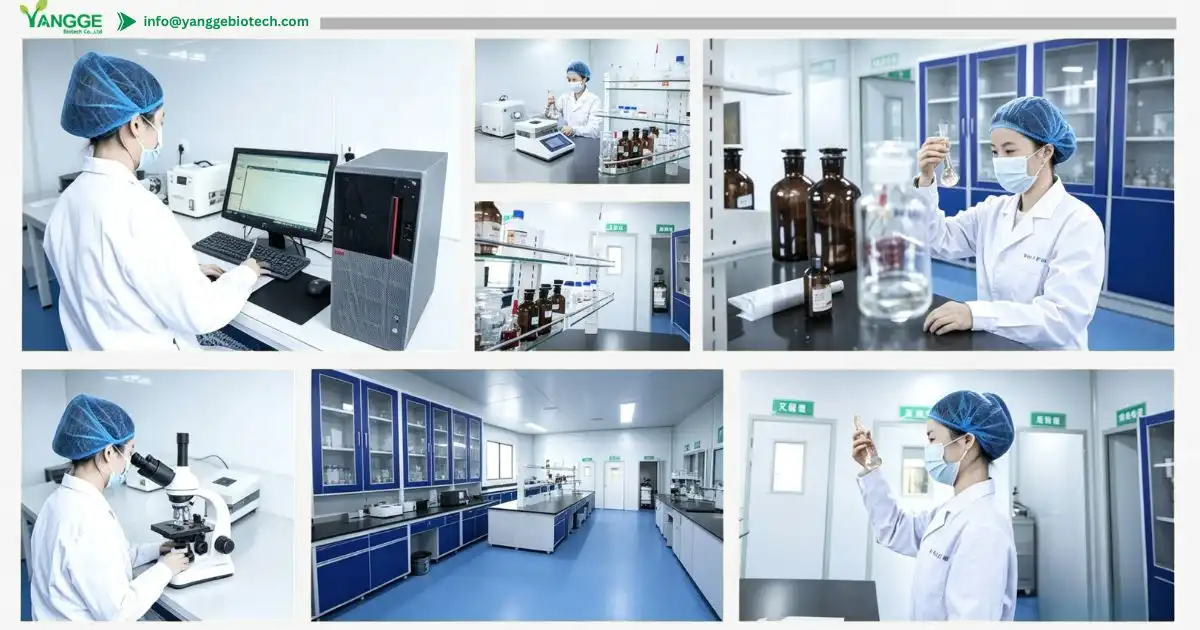
Setting up reliable supply partnerships starts with thorough audits of the suppliers that look at how they grow crops, how they extract materials, and how they handle quality control. Site visits to production sites give information about how things work that can't be found in documents alone. Check areas where algae are grown for ways to keep them from getting contaminated, make sure that the repair schedules for extraction tools are followed, and look over batch record systems that show how to track materials from raw biomass to finished powder specifications.
Quality Assurance and Testing Protocols
Using procedures for testing incoming materials guards against getting goods that aren't up to par. Some important test parameters are HPLC stereoisomer analysis to make sure that the natural 3S,3'S configuration makes up more than 95% of the total content, oxidation markers like measuring the peroxide value and the anisidine value, and particle size distribution for powder formats to make sure they can be used in manufacturing. Independent third-party lab testing through Eurofins or SGS provides unbiased proof that is different from Certificates of Analysis given by the provider.
Real-life shelf life performance can be predicted by testing stability under accelerated conditions (40°C, 75% relative humidity). If a material shows less than 10% degradation after six months of accelerated testing, it should last for 24 months when stored at room temperature. This information is very important for brands that sell their products in stores, where the conditions are very different from those in a controlled production setting.
Strategic Purchasing and Cost Optimization
To balance volume commitments against the costs of keeping inventory, you need to do a lot of financial modelling. The spot market price for this ingredient changes based on crop times and demand around the world. For 10% powder specs, the price usually falls between $2,800 and $4,500 per kilogram. Annual contracts with price protection terms protect against price changes, and minimum order amounts of 25 to 50 kilograms make it cheaper per unit than buying less.
Diversification strategies lower the risks of being dependent on a single supplier. By approving secondary sources for 20 to 30 percent of the yearly amount, backup plans can be made in case main sellers experience problems with production. This strategy worked well during COVID-19 supply chain disruptions, when brands with a variety of supplier relationships avoided stockouts that happened to competitors who only used one source.
The total landed costs are affected by the terms of payment and the planning of services. Negotiating net-60 payment terms is better for cash flow than the usual prepayment requirements that come with getting a new supplier. Combining multiple packages of ingredients into one shipment lowers freight costs and makes sure that temperature-controlled transport keeps materials' quality while they're in transit.
Conclusion
Adding natural carotenoid chemicals to joint and beauty supplements is a smart way to meet the growing demand from customers for anti-aging products that are backed by science. With a deep understanding of sourcing issues, quality control protocols, and market positioning strategies, procurement workers can use this ingredient to create unique goods that sell for a higher price. Natural Haematococcus pluvialis extraction is more bioavailable than synthetic alternatives, which is why investing in certified supply partnerships is a good idea.
To get into a market successfully, you need to pay attention to regulations, do stability tests, and build strategic relationships with suppliers that ensure consistent quality throughout the lifecycle of a product. Astaxanthin brands that put these factors first will be able to compete in global markets that are expected to grow and reach more than $2.8 billion by 2030.
FAQ
What is the recommended daily dosage for beauty and joint health applications?
Based on therapeutic goals, clinical research supports daily doses of 4 mg to 12 mg. Formulations aimed at beauty usually use 4 to 8 mg per day, which is enough to see a difference in skin hydration and flexibility within 8 to 12 weeks. For joint health applications, 8–12 mg daily works best, and some athletic recovery protocols go up to 16 mg. Higher doses are very safe; no major side effects were seen in clinical studies using up to 40 mg per day. However, cost-benefit analysis usually suggests modest dosing ranges.
How does natural astaxanthin compare to synthetic versions for supplement manufacturing?
Natural forms of Haematococcus pluvialis only have 3S,3'S stereoisomers, which are 20–50% more powerful as antioxidants than manufactured mixes that contain racemic stereoisomer combinations. Studies on consumer preferences show that when given the choice, 73% of well-informed consumers choose natural sourcing. In European markets, using the word "natural" makes it easier to get marketing approval, while fake copies have to go through more testing and have to be labelled differently.
What certifications should procurement teams prioritize when selecting suppliers?
The ISO 22000 and HACCP certifications show basic systems for managing food safety. Organic certification from the USDA is for people who are ready to pay 30–40% more for approved organic ingredients. Kosher and Halal certifications make it easier to reach new customers in places where there are large Jewish and Muslim populations. USP grade standards make sure that pharmaceutical-quality uniformity is maintained, which is very important for clinical-grade formulas and therapeutic claims that need thorough quality paperwork.
Partner with Yangge Biotech for Premium Astaxanthin Powder Supply
Yangge Biotech provides pharmaceutical-grade Haematococcus pluvialis extract that has been tested and found to be 10% pure. This helps OEMs make soft gels, pills, capsules, and healthy drinks. Our KOSHER and USP-certified material is always in stock at a 1-ton level, so brands can get what they need quickly as their production schedules grow. As a well-known Astaxanthin manufacturer with ISO 22000, HACCP, Kosher, and Halal certifications, we offer full technical support for formulating new products, managing the supply chain, and following the rules for food safety.
Our GMP-compliant production centers and environmentally friendly farming methods ensure that the quality of our products meets international standards for markets in North America, Europe, and Asia.Contact us or you can email our team at info@yanggebiotech.com to ask for Certificates of Analysis, talk about custom specifications, or set up sample shipments to help with your product development.
References
1. Tominaga, K., Hongo, N., Karato, M., & Yamashita, E. (2012). Cosmetic benefits of astaxanthin on humans subjects. Acta Biochimica Polonica, 59(1), 43-47.
2. Nishida, Y., Nawaz, A., Hecht, K., & Tobe, K. (2022). Astaxanthin as a marine-derived carotenoid for therapeutic applications. Marine Drugs, 20(5), 316.
3. Fassett, R.G., & Coombes, J.S. (2020). Astaxanthin in cardiovascular health and disease. Molecules, 25(19), 4378.
4. Brendler, T., Williamson, E.M. (2019). Astaxanthin: How much is too much? A safety review. Phytotherapy Research, 33(12), 3090-3111.
5. Nakagawa, K., Kiko, T., Miyazawa, T., Carpentero Burdeos, G., Kimura, F., Satoh, A., & Miyazawa, T. (2011). Antioxidant effect of astaxanthin on phospholipid peroxidation in human erythrocytes. British Journal of Nutrition, 105(11), 1563-1571.
6. Kiani, A.K., Dhuli, K., Donato, K., Aquilanti, B., Velluti, V., Matera, G., Iaconelli, A., Connelly, S.T., Bellinato, F., Gisondi, P., & Bertelli, M. (2023). Main applications of astaxanthin supplements for human health: A systematic review. Nutrients, 15(19), 4310.

Based on your location and order quantity, you will have the opportunity to receive a limited time free shipping promotion!
Who we are
Popular Blogs