Why Red Beet Extract Powder Suits Modern Natural Food Color
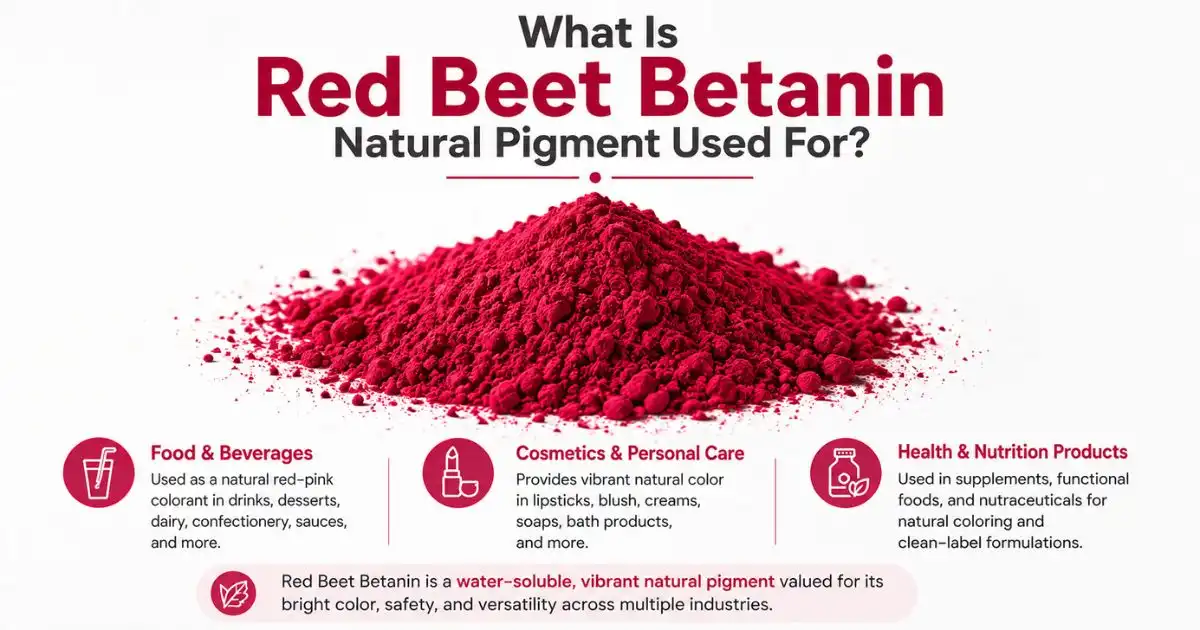
Red beet extract powder has become one of the most practical natural coloring options for food manufacturers today. Derived from Beta vulgaris roots, it delivers concentrated betalain pigments mainly betanin in a stable, water-soluble powder form. Unlike generic beetroot powder, this extract offers standardized color strength, tighter microbial control, and better batch-to-batch consistency. For formulators working on solid beverages, meal replacements, baked goods, or supplements, it provides both vivid red-to-purple hues and clean-label compliance without the baggage of synthetic dyes.For our beet red E162 supply program, you can email our team at info@yanggebiotech.com or go to blog.yanggebiotech.com to ask for a sample or get a price.
Understanding Red Beet Extract Powder as a Natural Food Color
What Makes It Different From Other Beet-Derived Ingredients
Both beet juice powder and dehydrated beet powder have a lot of sugar left over and different amounts of pigment. Red beet extract powder undergoes a targeted extraction and spray-drying process, which concentrates the active betalain compounds while getting rid of extra fiber and sugar. The end result is a dark red powder with a standard amount of betanin, which was confirmed by HPLC, which is the same analytical method used to test ingredients for pharmaceutical use.
The Science Behind Betalain Pigments
Beets are the most widely available source of betalains, which are nitrogen-based colors that are only found in a small group of plants. Betanin is the main betacyanin in beet. It gives the vegetable shades of red to purple from pH 3.0 to 7.0. Betanin is most stable at pH 4.0–5.0 and temperatures below 60°C, according to a study published in Food Chemistry. This makes it a good choice for cold-processed uses and adding at the end of hot systems.
Key Nutritional Properties That Add Label Value
Besides giving things their color, betanin is an antioxidant. Studies have shown that it can remove free radicals and stop lipid peroxidation, which is another claim that can be made on product labels. Red beet extract powder, beet juice powder, synthetic red dye (Red 40), and other ingredients can be used to support two marketing strategies at once.
| Property | Red Beet Extract Powder | Beet Juice Powder | Synthetic Red Dye (Red 40) |
|---|---|---|---|
| Pigment Standardization | Yes (HPLC-verified) | Variable | Fixed concentration |
| Clean Label Status | Yes | Yes | No |
| Sugar Content | Low | High | None |
| Antioxidant Activity | Yes (betanin) | Low | None |
| Regulatory Status (EU/US) | E162 / FDA-approved | Approved | Under scrutiny |

Why Modern Food Producers Are Switching to Beetroot Red E162
Regulatory Pressure on Synthetic Dyes
Over the past ten years, the FDA and EFSA have paid more attention to manmade dyes like Red 40 and Allura Red. This is especially true after studies showed that these colors can change the way kids behave. Products in the EU that have these dyes in them must have a warning sign on them. A lot of stores in the US have also started taking fake colors off their shelves on their own. There are no such limits on red beet extract (E162), and it is legal in all major markets around the world.
Performance Across Multiple Processing Conditions
A common worry for people who make powders is whether red beet extract powder, a natural colorant will be able to handle their process. In water-based devices, beet red E162 stays stable below 80°C. Adding the extract at the end of the blending process protects the color when it will be exposed to heat. The water solution turns red to purple-red when the pH is neutral or acidic. This makes it perfect for solid drink mixes, protein powders, and flavored supplements.
Clean-Label Demand Is Growing
The 2023 FMCG Gurus Global Survey found that 68% of consumers check ingredient labels and more than half say they stay away from artificial colors. Beet red is a "from nature" color that works well for brands in the US, EU, and Southeast Asia that want to reach health-conscious customers. It's easy to include in clean-label claims because it is non-GMO, allergen-free, and irradiation-free.

Procurement Considerations for Red Beet Extract Powder in B2B Markets
Certifications and Compliance Standards That Matter
When looking for suppliers for business production, the qualifications of the suppliers have a direct effect on your ability to sell in regulated markets. At the very least, you should look for ISO, HACCP, and GMP certification. Kosher and Halal licenses let you enter specific markets in the Middle East and around the world. For EU exports, meeting PAH4 standards is a must, and this includes having Benzopyrene levels below 10 parts per billion.
Before making an order, most B2B buyers in the food production industry should make sure that the following standards are met:
- ISO & HACCP certification — confirms food-safety management systems are in place at the manufacturing level
- GMP production standards — ensures consistent quality and traceability from raw material to finished powder
- PAH4 / Benzopyrene compliance (≤10 ppb) — required for EU market entry; often verified through third-party retesting
- Non-GMO, Non-Allergen, No Irradiation — directly supports clean-label product declarations
Non-GMO, non-allergen, and no irradiation—supports clean-label product claims directly
Powder-Specific Quality Parameters
All of these requirements lower your chance of not following the rules in the US, the EU, and foreign markets for red beet extract powder. Confirming them up front cuts down on the time it takes to get approval by a lot.
| Powder Parameter | Target Specification | Why It Matters |
|---|---|---|
| Moisture Content | < 5.0% | Prevents clumping and microbial growth |
| Particle Size | 80–100 mesh | Supports flowability in powder blending |
| Water Dispersibility | Complete dissolution | Critical for solid drink and sachets |
| Betanin Content | Standardized (HPLC) | Ensures consistent batch color output |
| Shelf Life | 24 months | Supports long procurement cycles |
MOQ, Packaging, and Lead Time
It can be hard for small to medium-sized manufacturers to meet the MOQ. A lot of suppliers have minimum orders of 25 kg, which can tie up a company's working capital while they test new recipes. Yangge's beet red E162 starts at 1 kg, and they currently have 50–100 kg in stock that can be shipped right away. The packaging comes in 1 kg aluminum foil bags or custom formats that keep moisture out during shipping and storage.

Practical Applications: Using Betanin Powder in Food Products
Solid Beverages and Meal Replacement Powders
Beet red E162 works well with systems that make solid drinks and meal substitutes. It mixes easily in water and doesn't settle, giving it a constant red-to-pink color at amounts usually between 0.1% and 0.5% by weight. Keep the end product's pH between 3.5 and 5.0 for the best results and to make sure the color stays in place while it's being stored.
Baked Goods and Confectionery
Getting things to react to heat is the hardest part of baking. Betalains break down over 60°C when exposed to air for a long time, so adding beet red at the very end of the mixing process, right before depositing, keeps the color from running. In frostings, coatings, and no-bake bars, the powder's color stays stable longer, and at standard dosage levels, it blends smoothly without having an earthy taste that you can taste.
Dietary Supplements and Capsule Filling
The extract's fine particles (80–100 mesh) and low moisture content make red beet extract powder easy to fill capsules with encapsulated goods. Along with its color function, its antioxidant profile makes it possible to use it as a label claim. Standardized beet red is also used by sports nutrition brands as an extra ingredient in nitrate-based pre-workout drinks.

Quality and Performance Indicators: What to Verify Before You Order
Color Strength and Batch Consistency
Most of the time, absorbance at 535 nm is used to show color value. High-quality beet red E162 should have stable readings across batches, which can be shown by betanin content that has been confirmed by HPLC. One of the biggest complaints from powder formulators is that the color output can vary from batch to batch. Before approving a supplier, always ask for a Certificate of Analysis for each lot.
Microbial and Moisture Control
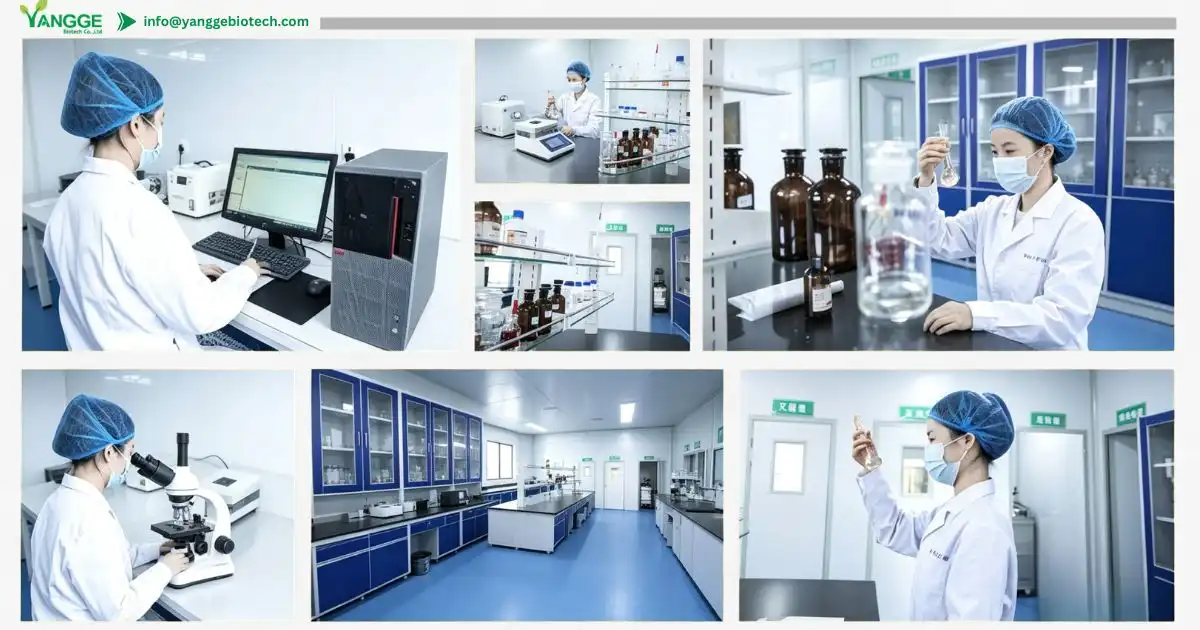
The two most common reasons why beet-based powders break down quickly are microbes getting into them and having too much water in them. On each COA, a dependable supplier will list the total number of plates, information about yeast and mold, and the percentage of moisture. Yangge works with outside labs to do third-party testing, which is an extra level of quality control on top of the in-house QC.
Flavor Profile at Working Doses
When added in small amounts (less than 0.5%), betanin powder doesn't usually give finished goods a noticeable earthy or beet flavor. At higher amounts, a slight earthiness may come through, which is sometimes hidden by citrus or berry flavorings. The best way to make sure the flavors will work with your individual matrix is to ask for a 50–100 g taste before placing a full order.
Conclusion
In current formulations of natural food colors, red beet extract powder has a clear place. It gives consistent color output, clean label compliance, and physical properties that can be used in all powder-based manufacturing processes. When purchasing teams look at colorants made from beet, they only need to follow a few simple steps: make sure the pigments are standardized, check the supplier's certifications, and test a sample in your real matrix. When chosen and treated properly, the ingredient works reliably, and the regulatory path is well-established in the US, the EU, and foreign markets.
FAQ
What is the difference between beetroot powder and red beet extract powder?
Beetroot powder is simply dried and ground whole root. Red beet extract powder is processed to concentrate active compounds — primarily betanin — at a standardized level. This means higher pigment output per gram, lower sugar content, and more predictable batch performance for industrial formulations.
Can it replace synthetic dyes like Red 40?
Yes, in many applications. Beetroot red E162 produces comparable red-to-pink hues without synthetic dye restrictions. It works best at pH 3.5–5.0 and in products with minimal heat exposure. For baked goods, end-stage addition or encapsulated forms are recommended.
How should I store beetroot red E162 powder?
Store in a tightly closed original container, protected from light, in a cool, dry location below 25°C. Humidity above 40% RH significantly accelerates clumping. Aluminum foil packaging with a desiccant insert is the standard format for maintaining quality over a 24-month shelf life.
What is the minimum order quantity?
Yangge's beetroot red E162 starts at 1 kg, which is suitable for lab-scale testing and formulation development. Current inventory stands at 50–100 kg, available for immediate dispatch.
Partner With Yangge for Reliable Beetroot Red Supply
Yangge Biotech Co., Ltd. sells red beet extract powder that is certified by ISO, HACCP, Kosher, and Halal. The powder comes straight from our GMP-compliant facility. Small to medium-sized powder formulators can work with us from confirming specs to trial production. We offer free samples, a MOQ of 1 kg, and OEM packing. For our beet red E162 supply program, you can email our team at info@yanggebiotech.com or go to blog.yanggebiotech.com to ask for a sample or get a price.
References
1. Stintzing, F.C., & Carle, R. (2004). Functional properties of anthocyanins and betalains in plants, food, and in human nutrition. Trends in Food Science & Technology, 15(1), 19–38.
2. Clifford, T., et al. (2015). The potential benefits of red beetroot supplementation in health and disease. Nutrients, 7(4), 2801–2822.
3. European Food Safety Authority (EFSA). (2015). Re-evaluation of beetroot red (E 162) as a food additive. EFSA Journal, 13(6), 4132.
4. Georgiev, V.G., et al. (2010). Antioxidant activity and phenolic content of betalain extracts from intact plants and hairy root cultures of the red beetroot. Plant Foods for Human Nutrition, 65(2), 105–111.
5. FMCG Gurus. (2023). Clean Label Trends: Global Consumer Survey Report. FMCG Gurus Ltd.
6. U.S. Food and Drug Administration (FDA). (2022). Color Additives Permitted for Direct Addition to Food for Human Consumption. Code of Federal Regulations, Title 21, Part 73.

Based on your location and order quantity, you will have the opportunity to receive a limited time free shipping promotion!
Who we are
Popular Blogs