Why Gardenia Yellow Pigment Fits Modern Clean-Label Baked Snacks
Gardenia yellow pigment is quickly becoming the go-to natural colorant for food manufacturers who want to move away from synthetic dyes. Derived from the fruit of Gardenia jasminoides, this orange-yellow powder gets its color from crocin, a water-soluble carotenoid compound. It delivers a bright, stable yellow tone that holds up well under baking temperatures, making it a practical and compliant choice for clean-label baked snack formulations. For procurement teams and product developers alike, understanding what this pigment offers—and where it fits can make sourcing decisions significantly easier.
Understanding Gardenia Yellow Pigment and Its Relevance to Clean-Label Foods
What Makes It a Natural Colorant
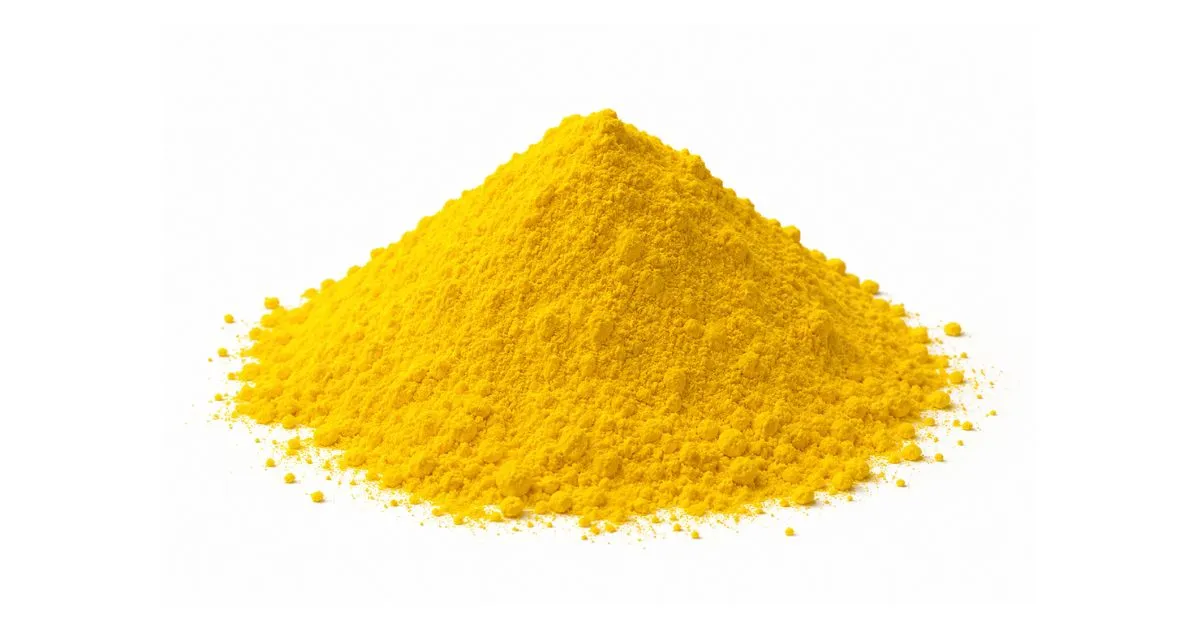
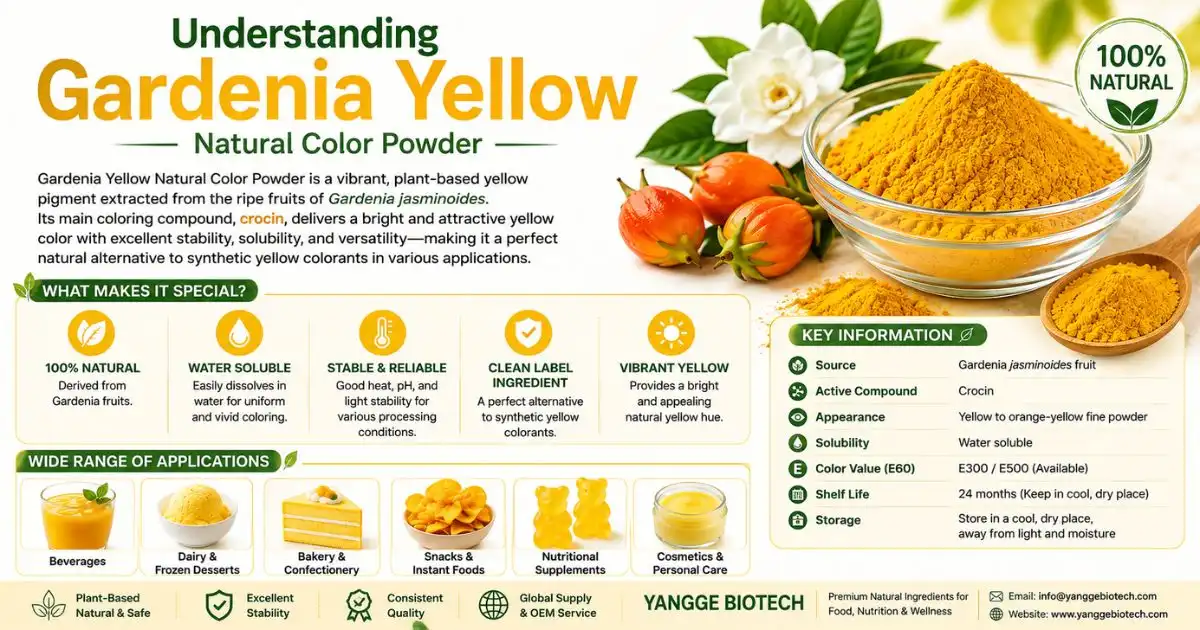
The dried fruit of the plant Gardenia jasminoides is where Gardenia yellow pigment is found. Asians have eaten and used this fruit as medicine for a very long time. Crocin is the main part of it. It is a carotene from the carotenoid family. It sets the color for the orange-yellow color. Crocin breaks down quickly in water but needs a long time to break down in fat. This is a good trait for food systems that use water.
Regulatory Standing and Safety Profile
Many rules say it's okay to use the color, such as EU food color rules and a number of Asian nationalstandards. The JECFA, which is made up of experts from both FAO and WHO, agrees with it. At normal eating amounts, it is known to be safe and has not been linked to any problems with toxicity. Because the government has allowed it, it is a better choice for businesses that sell their goods in more than one place.
From Traditional Use to Modern Formulation
Kitchens in East Asia were the first to use gardenia yellow to color bread, noodles, and rice. More and more people want natural dyes instead of man-made ones like tartrazine (FD&C Yellow No. 5), so it is now used to color food. A study from 2022 by Innova Market Insights found that over 65% of people around the world read labels to see what's in food. This is why it's important to pick things with clean names.
| Property | Gardenia Yellow Powder E60 | Tartrazine (FD&C Yellow 5) |
|---|---|---|
| Source | Gardenia fruit (natural) | Synthetic azo dye |
| Solubility | Water-soluble | Water-soluble |
| Heat Stability | Up to 120°C | Stable, but synthetic |
| Label Declaration | "Gardenia Yellow" (natural) | "Yellow 5" (synthetic) |
| Clean-Label Eligible | Yes | No |
Comparing Gardenia Yellow Pigment with Alternative Natural Yellow Colorants
Gardenia Yellow vs. Turmeric
Yellow food coloring that comes from turmeric is something most people have heard of. But it has a strong, earthy, bitter taste that can make baked snacks taste bad. But gardenia yellow pigment, gardenia yellow color, doesn't taste very good. It gives things color without flavor, so the people who make them can dress them up and add flavor in a lot of different ways.
Gardenia Yellow vs. Annatto
The colors can change a lot when you bake something at a high heat. It has bright orange-yellow tones from the annatto. If it gets really hot, gardenia yellow doesn't change color as much; it can handle up to 120°C. This works great for baked goods since annatto doesn't always work well when it gets hot.
Clean-Label Perception and Market Fit
For the most part, people like item names that sound natural and are easy to remember. For careful people, labels like "Gardenia Yellow" or "Gardenia fruit extract" are more important than chemical names or E-numbers on their own. It helps a brand's clean-label image because it changes how people see the product without changing any of the ingredients.

Application of Gardenia Yellow Pigment in Modern Baked Snacks
Performance During Baking
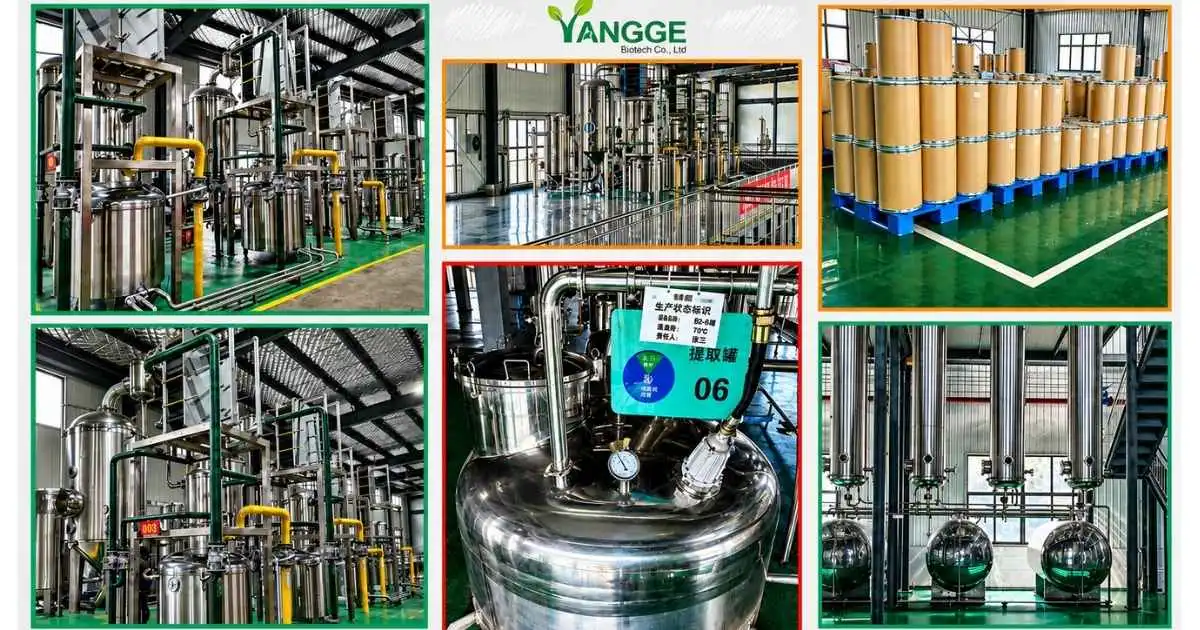
It takes cutting edge technology and careful picking of gardenia fruit to get the powder out of Yangge Biotech's Gardenia Yellow Powder E60. The fruit is then sprayed dry. Making this orange-yellow powder makes batter and dough mix evenly, giving baked goods a deep color that is the same all over. The color doesn't change when you bake crackers, cookies, or snack foods stacked on top of each other. The top doesn't change or get spots on it.
These are the most important things to look for in cooked snacks:
- Thermal resistance: Stable at temperatures up to 120°C for extended bake cycles, confirmed by controlled laboratory testing.
- pH tolerance: Color remains consistent across pH 3.0–10.0, covering the range of most baked goods and fillings.
- Water solubility: Excellent dissolution in aqueous-phase systems, enabling even distribution before baking without additional processing aids.
- Geniposide management: Yangge's E60 grade controls residual geniposide content, reducing the risk of blue-green discoloration when the pigment contacts amino acids in protein-containing doughs.
This is what people who make new products hear most often when they use natural dyes in baked goods for the first time.
Dosage and Formulation Guidance
It is important to carefully measure out the right amount of gardenia yellow pigment for baked snacks to turn out well. Having a color value of E1%1cm at 440nm and a brightness of 60 is good for most tasks that need a yellow tone. The E300 and E500 grades, on the other hand, let you use more color and fewer spots. This helps you keep the cost of your formulations low.
| Specification | Color Value (440nm) | Recommended Use Case |
|---|---|---|
| E60 | ≥ 60 | Standard yellow baked snacks, cookies |
| E300 | ≥ 300 | High-intensity applications, reduced dosage |
| E500 | ≥ 500 | Premium concentrated formulations |
Beyond Baked Goods
Many drinks, sweets, dairy desserts, and useful foods look good with the same color. Green tones are made when it is mixed with gardenia blue. This makes it possible for buying teams to get all the natural colors they need from a single source. This makes it easy to work with providers.

Procurement Insights for Gardenia Yellow Pigment in B2B Supply Chains
Evaluating Supplier Quality Standards
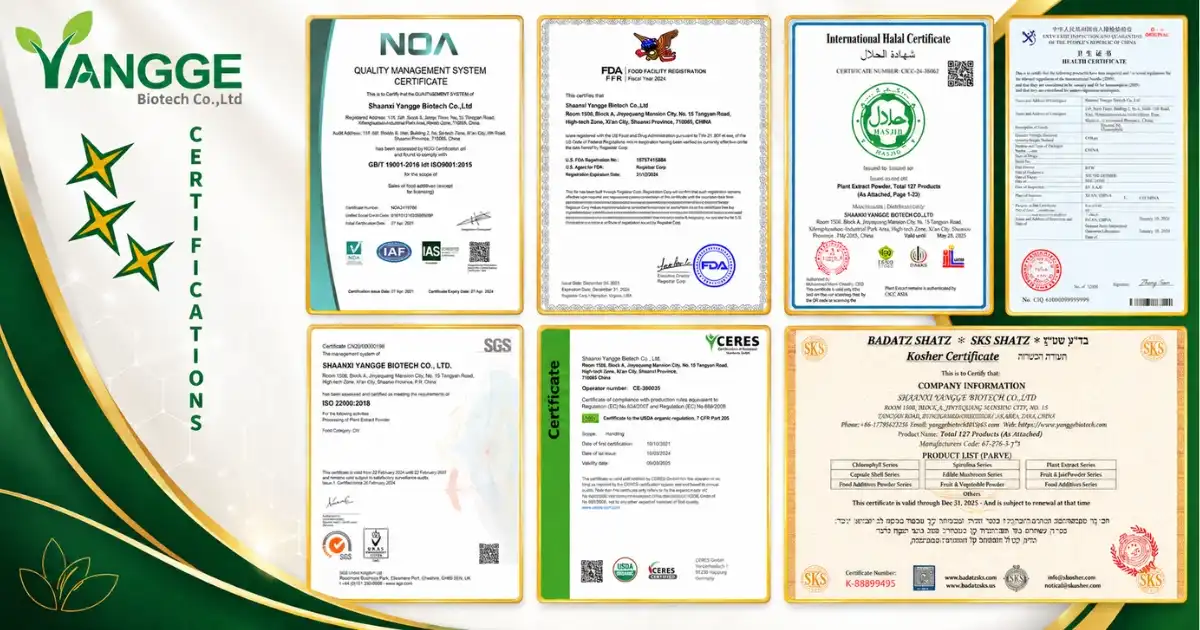
Sourcing decisions for gardenia yellow colorant should prioritize suppliers holding ISO, HACCP, Kosher, and Halal certifications. These credentials signal process discipline and support export compliance across the US, EU, and Middle Eastern markets. Yangge Biotech holds all four certifications and operates under GMP-standard production conditions, with full farm-to-factory traceability for raw gardenia fruit.
Quality Control Parameters to Verify
Professional procurement teams should verify five measurable parameters before approving any batch:
- Color value at 440nm — determines potency and cost efficiency per unit weight.
- Geniposide content — high levels cause blue-green discoloration in protein-rich formulations; low-geniposide grades are preferable.
- Heavy metals — Lead (Pb) should be below 2.0 mg/kg; Arsenic (As) below 1.0 mg/kg per standard food safety limits.
- Residual solvents — ethanol levels must meet food-grade specifications.
- Microbiological counts — total plate count, yeast, and mold testing confirm product safety.
Reviewing these parameters with documented COA (Certificate of Analysis) data for each batch protects against supply inconsistency and regulatory risk.
Lead Times and Bulk Pricing Structures
Standard procurement cycles for gardenia yellow pigment (gardenia yellow powder) run 4–8 weeks from sample approval to volume delivery. Pricing scales with order volume and specification grade. Buyers sourcing E300 or E500 grades at volume typically achieve a lower effective cost-per-color-unit compared to E60, making it worthwhile to discuss grade options during initial sourcing conversations.
Future Outlook and Strategic Benefits for Baked Snack Manufacturers
Alignment with Clean-Label Market Trends
Around 7% of the world's natural food color market will grow every year until 2030, according to Grand View Research. There was about USD 2.1 billion worth of it in 2023. Things need to follow the rules, meet customer needs, and work technically well in order to be successful in the long run. Colorants made from gardenia are in the middle of these three groups.
Sustainability and Traceability Advantage
To get gardenia fruit, Yangge Biotech works with a group of farms that can be tracked. That is a green way for the business to work with farming areas. In order to sell clean-label goods in the US and EU, it's becoming more and more important for stores and brands to be able to track food from the farm to the table.
Expanding Application Potential
It's becoming easier to keep natural colors stable, which means that gardenia yellow can be used in more ways. Clear packages protect goods from UV light and use antioxidant co-formulation methods, such as mixing with Vitamin C, to keep them fresh longer. If companies learn more about gardenia yellow now, they will be able to quickly make changes when the government makes it easier for more people to use it.
Conclusion
Plant-derived gardenia yellow pigment doesn't taste bad, doesn't melt in water, and stays stable at high temperatures. Bakeries that make clean-label snacks need these most. Yange Biotech makes Gardenia Yellow Powder E60 in E60, E300, and E500 strengths. It gives buyers and drugmakers a technically sound, approved, fully tracked, and consistent batch quality option. The brand should invest in plant-based yellow dyes like gardenia yellow instead of man-made ones. More people want labels that describe what's inside.
FAQ
Does gardenia yellow pigment work in protein-rich baked goods?
Yes, but the geniposide content of your grade matters. High residual geniposide reacts with amino groups in proteins and amino acids, causing blue-green discoloration. Yangge's low-geniposide E60 grade is specifically suitable for doughs containing eggs, dairy, or soy protein.
How does light stability affect shelf life in packaged snacks?
Gardenia yellow, like most crocin-based colorants, shows moderate sensitivity to direct UV exposure. For shelf-stable packaged snacks, UV-protective or opaque packaging is recommended. Adding antioxidants such as Vitamin C to the formula also helps maintain color integrity throughout the product's shelf life.
Is gardenia yellow approved for use in the United States?
Gardenia yellow is recognized under JECFA specifications and is used globally. For the US market, procurement teams should consult the specific application and confirm current FDA guidance with their regulatory team, as approval pathways can vary by product category.
What is the minimum order quantity for Yangge's Gardenia Yellow Powder?
Yangge Biotech accommodates both sample requests and bulk orders. Contact info@yanggebiotech.com to discuss MOQ, available specifications, and pricing for your production volume.
Partner with Yangge for Premium Gardenia Yellow Pigment Supply
Yangge Biotech has gardenia yellow color that you can get. They also sell Gardenia Yellow Powder E60 in three different types: E60, E300, and E500. They have business licenses for ISO, HACCP, Kosher, and Halal. Our skilled staff helps you with your recipe from making a taste to making the whole thing. We promise that the quality will stay the same from batch to batch, and we give you COA paperwork that has been checked. Talk to us right now at info@yanggebiotech.com or blog.yanggebiotech.com to find out how much a sample or a lot of them will cost.
References
1. Grand View Research. Natural Food Colors Market Size, Share & Trends Analysis Report. 2023.
2. Innova Market Insights. Top Trends in Food & Beverages. 2022.
3. JECFA (Joint FAO/WHO Expert Committee on Food Additives). Monograph on Gardenia Yellow. FAO/WHO, 2019.
4. Scotter, M. J. The chemistry and analysis of annatto food colouring: a review. Food Additives & Contaminants, 2009.
5. Pfister, M. K.-H., et al. Stability of natural colorants in food systems under thermal and light stress conditions. Journal of Food Science, 2018.
6. Martins, N., et al. Food colorants: challenges, opportunities and current desires of agro-industries to ensure consumer expectations and regulatory practices. Trends in Food Science & Technology, 2016.

Based on your location and order quantity, you will have the opportunity to receive a limited time free shipping promotion!
Who we are
Popular Blogs