Why Choose Natural Gardenia Extract for Clean-Label Products?
Natural gardenia extract, derived from the fruit of Gardenia jasminoides, gives food and cosmetic brands a plant-based blue colorant that is genuinely traceable from field to finished product. As consumer pressure on synthetic dyes like Blue #1 intensifies, Yangge's Gardenia Blue Powder offers a verified, non-GMO, pH-stable alternative that supports clean-label narratives without sacrificing color performance. For brands building transparent ingredient stories, this botanical pigment bridges the gap between regulatory compliance and authentic natural positioning.To get samples, prices, or technical data sheets, email us at info@yanggebiotech.com. Find out why natural product companies choose Yangge as their long-term partner for ingredients.
Understanding Natural Gardenia Extract and Its Benefits
Origin and Production Process
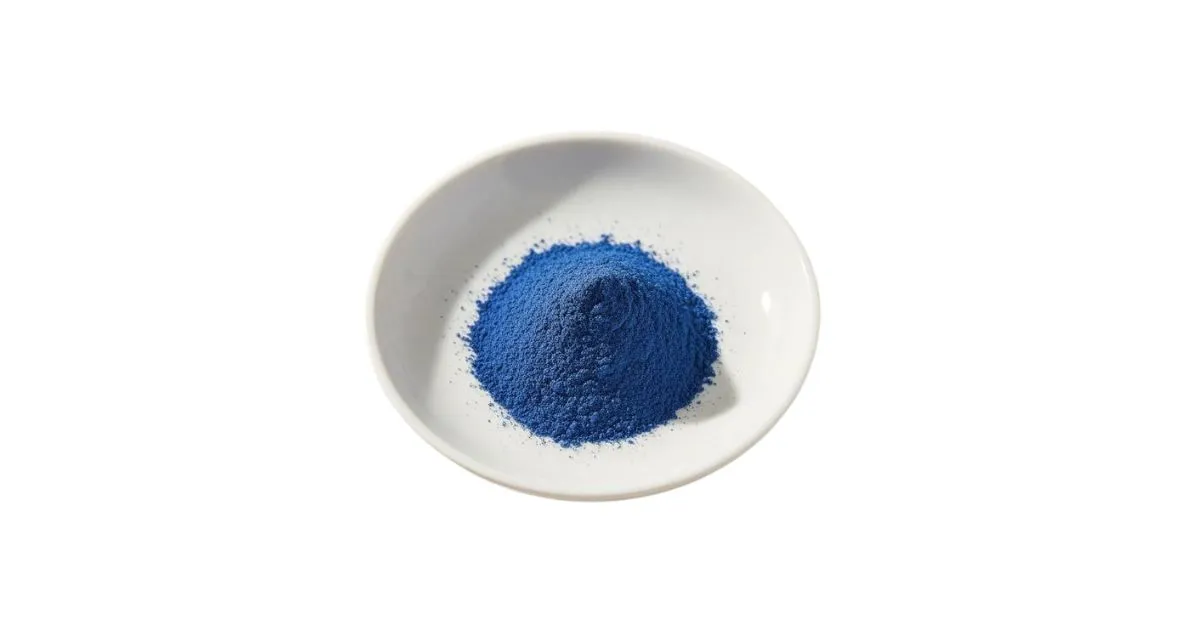
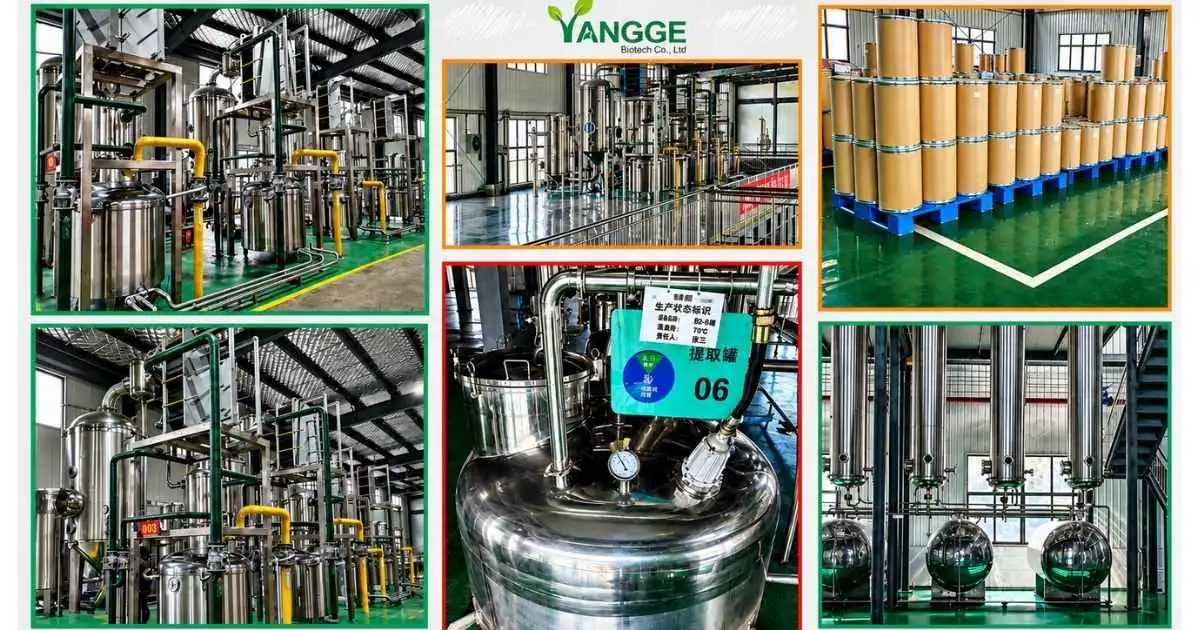
Gardenia jasminoides is a plant in the rose family that is used to make Gardenia Blue Powder. Geniposide is a type of iridoid glycoside that is found in fruit. To make the blue chromophore, food-grade beta-glucosidase is used to mix it with amino acids in a way that looks like fermentation. Yangge uses HPLC to make sure the quality of his extraction, which leaves behind a fine blue powder that doesn't have any organic solvents left over. The end result is a product that can be tracked from farms that were hired to paperwork for each batch.
Key Functional Benefits
Water and ethanol can be mixed with Gardenia Blue Powder without any problems. It can handle high temperatures and keeps about 90–95% of its color value after being introduced to UHT-level short-term heat. Its color tone stays the same across a wide pH range. This color can be used in plant-based, vegan, or allergy-friendly recipes because it doesn't have any artificial ingredients, gluten, or GMOs.
Safety and Application Profile
When used at the right amounts, natural gardenia extract is not thought to be harmful. A lot of people use it in drinks, sweets, jams, and desserts. It comes in six different grades, which are E30, E60, E80, E100, and E200. A lot of people like the E80 class. There is proof that each batch is Kosher, Halal, and ISO approved with it. This helps the legal and research and development teams approve the recipe.
Comparing Natural Gardenia Extract with Synthetic and Other Floral Extracts
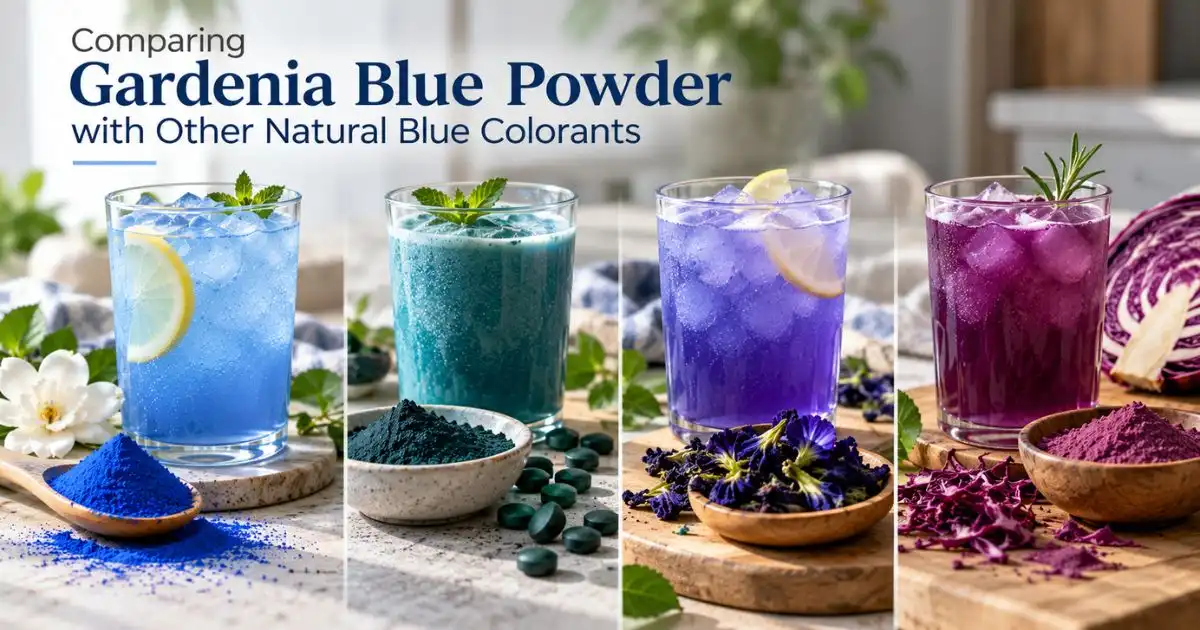
To choose the best blue colorant, you need to think about how it works technically as well as how it will affect the label and the rules. The table below shows how gardenia blue stacks up against some other popular colors.
| Property | Gardenia Blue | Spirulina Blue | Synthetic Blue #1 |
|---|---|---|---|
| Source | Plant fruit (enzymatic) | Algae | Petroleum-derived |
| pH Stability | High | Moderate | High |
| Heat Stability | High | Low | High |
| Clean-Label Compatible | Yes | Yes | No |
| Water Solubility | High | Moderate | High |
| EU/US Regulatory Status | Market-specific | Approved (some uses) | Restricted labeling |
Gardenia Blue vs. Spirulina Blue
Spirulina's phycocyanin breaks down quickly above 65°C and is sensitive to changes in pH below 4.0. In other words, it can't be used in sour sweets or hot drinks. Gardenia Blue keeps its color in those situations, which lets formulators use it in more ways without having to change the formula.
Gardenia Blue vs. Synthetic Blue #1
In the EU, FD&C Blue #1 must have labels that say "may have negative effects on activity and attention in children." More and more Americans are reading the labels on foods to see what they contain. A study of brand sentiment found that labels with synthetic dyes make people less likely to trust healthy products. It's safer to use a blue color that comes from plants, and it also helps build your green brand story.
Powder vs. Liquid Format Considerations
Gardenia Blue from Yangge is sold as a powder, which stays fresh longer, ships more easily, and lets you give the right amount than liquid forms. natural gardenia extract in powder version also cuts down on waste from liquid concentrate that isn't used, which is good for small and medium-sized brands with flexible production plans.
Procurement Insights for B2B Buyers: Sourcing Natural Gardenia Extract
Certifications to Verify Before Ordering
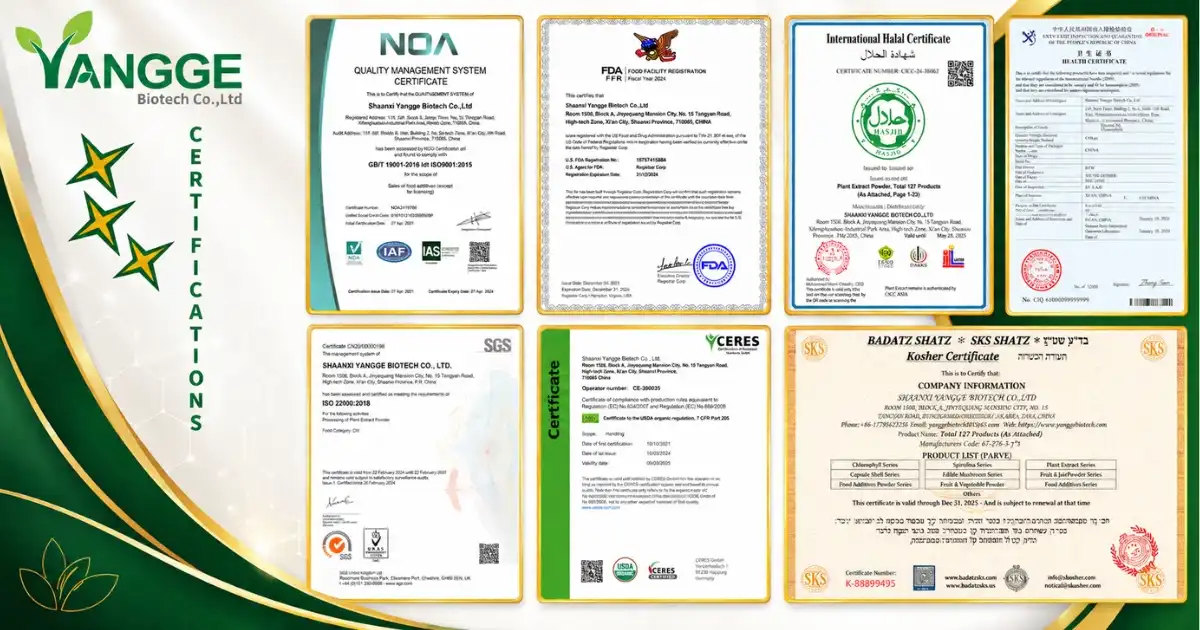
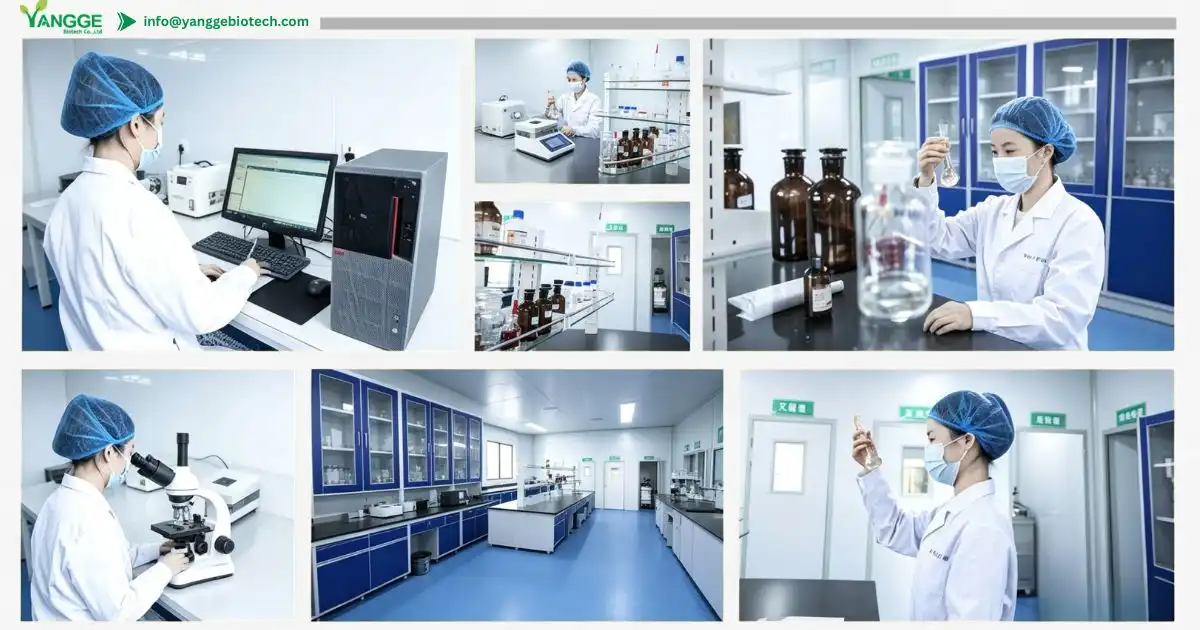
Whenever you decide to source cleanly, the first thing you should check is the certification paperwork. The Yangge company is approved by ISO, HACCP, Kosher, and Halal, and they follow GMP guidelines when they make their goods. Before asking for samples, buyers should make sure that the seller has up-to-date certificates, Certificates of Analysis (CoA) that are special to the batch, and reports from third-party tests. These papers can also be used to make the formal papers that people who want to join the EU and US markets may need.
For the most part, clean-label B2B buying needs the following licenses and paperwork:
- ISO & HACCP certification: Confirms systematic quality management and food safety controls at the production facility level.
- Kosher & Halal certification: Broadens the addressable consumer base and is required by several US and EU retail channel buyers before listing.
- Non-GMO declaration and CoA: Validates that the raw gardenia fruit and enzymatic processing inputs meet non-GMO standards expected by natural food brands.
- Batch traceability records: Ties each production lot to specific agricultural origin, processing dates, and quality test results, which is indispensable for clean-label brand audits.
This set of papers works together to make sure that your brand stays safe during audits by stores and shopper due diligence questions.
Minimum Order Quantities and Pricing Models
Many bigger ingredient providers have high MOQs that make it impossible for smaller natural brands to work with them. Yangge has flexible order amounts that work for brands that are just starting to make more. They also have price levels for buying in bulk for bigger orders. By setting it up this way, companies can test Gardenia Blue Powder in real recipes before buying a lot of it. Natural gardenia extract suppliers that offer tiered MOQs solve a real problem for early-stage brands, since the cost of a failed formulation trial is much lower when the entry quantity is small.
Supply Chain Transparency and Traceability
Yangge stays in touch with Chinese farming groups through a plan that lets them follow goods from the farm to the customer. In other words, each bunch of gardenia fruit can be tracked back to the farm where it came from. Brands that say their products are "plant-based" or "100% natural" need to be able to track them all the way down to the supplier.
Why Natural Gardenia Extract Is Ideal for Clean-Label Product Development?
| Application | Gardenia Blue Grade | Key Formulation Benefit |
|---|---|---|
| Confectionery & Hard Candy | E80, E100 | pH-stable color through cooking process |
| Alcoholic Beverages | E60, E80 | Stable in ethanol-water matrix |
| Desserts & Frozen Products | E30, E60 | Consistent hue under freeze-thaw cycles |
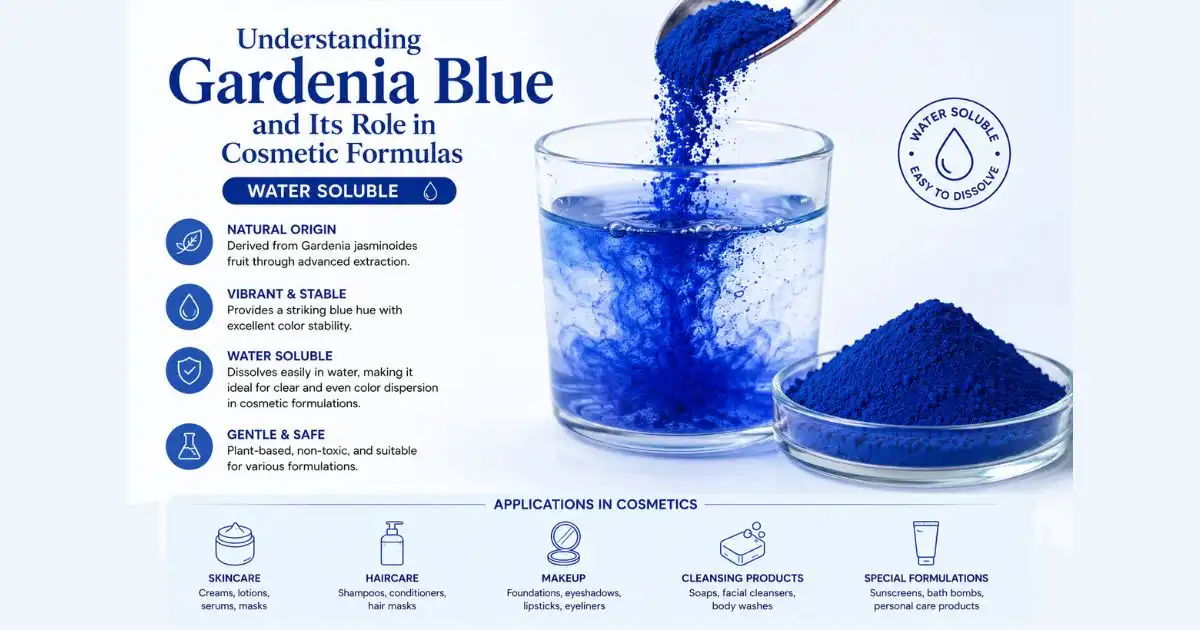
| Cosmetic Formulations | E80, E100 | Non-toxic, skin-compatible coloring |
| Jams & Fruit Preparations | E60, E80 | Holds color at low pH and high sugar content |
Consumer Demand and Market Signals
It has been shown over and over again by Nielsen and SPINS that in the natural and specialty channel, products whose labels list chemicals that can be spoken out loud sell better than those whose labels list synthetic additives. People who are careful about what they eat will believe brands that call the colorant "gardenia extract" on the ingredient panel when they use Gardenia Blue.
Regulatory Alignment in Key Markets
In East Asia, gardenia colors can be used in a lot of food in China, Japan, and South Korea, among other places. Brands that want to sell cosmetics or dietary supplements in the US should check with the FDA to see what the current rules are and if a New Dietary Ingredient (NDI) route works for their product type. In order to help with governmental review, Yangge's team can back up their claims with technical documents.
Antioxidant and Bioactive Properties
The crocin and crocetin compounds in gardenia fruit give it its color. Peer-reviewed studies have also shown that these compounds are antioxidants. This gives us a second way to talk about things besides just nutrition. A story about a useful ingredient can help tell the story about the product.
Making the Right Choice: Selecting the Best Natural Gardenia Extract Supplier
Traceability and R&D Capability
A good person to work with for a long time will be able to tell you exactly where the gardenia fruit comes from, how the chemical conversion is handled, and how stable the color is from one batch to the next. The research and development team at Yangge can help with making custom specifications. They can also provide OEM and ODM services for brands that need their own formulations or private-label solutions.
Balancing Cost with Quality
While Gardenia Blue Powder does cost more per kilogram than man-made options, that is a fair price to pay. But the money spent is worth it because clean labels take away brand risk, stores can charge more for them, and customer trust data from natural product categories backs it up. Gardenia Yellow and Gardenia Blue are both made by Yangge from the same raw material, which saves buyers a lot of money.
Long-Term Partnership Value
A real ingredient partner is not the same as a transactional seller; they offer consistent batch color, quick technical help, and the most up-to-date information on regulations. Yangge's customer help is open online seven days a week, 24 hours a day. They work with clients from the first idea to business scale-up. This cuts down on the time it takes to test a formula and get it on the market.
Conclusion
It is made from plants and is a blue colorant that works well in real-world processing settings. Clean-label brands can use it. If the procurement and research teams want to switch from synthetic dyes to natural ones, they are worried about how stable the natural dyes are at different temperatures and pH levels, as well as their non-GMO status and full range of certifications. All of these things are in this natural gardenia extract, plus more. Products from brands that are known for being open and honest need to have proven farm-to-batch tracking. It's not just a nice-to-have; it's a must-do to protect their brand.
FAQ
What is gardenia blue powder made from?
Gardenia Blue Powder is produced from the dried fruit of Gardenia jasminoides. Geniposide extracted from the fruit undergoes enzymatic reaction with amino acids to form the blue pigment. The process does not use synthetic chemicals, and the final product contains no artificial additives or preservatives.
Is gardenia blue extract stable in acidic food applications?
Yes. Gardenia Blue is notable for its stability across a wide pH range, which makes it suitable for acidic applications like jams, fruit beverages, and alcoholic drinks where other natural blue pigments tend to shift hue or degrade.
What certifications does Yangge's Gardenia Blue Powder carry?
Yangge's Gardenia Blue Powder is produced under ISO and HACCP-certified conditions and carries Kosher and Halal certifications. Each batch includes a Certificate of Analysis and traceability documentation linking it to its agricultural origin.
What are the available specifications?
Yangge supplies Gardenia Blue Powder in E30, E60, E80, E100, and E200 grades. E80 is one of the most widely requested specifications for food and beverage applications.
Can gardenia blue be used in cosmetic formulations?
Yes. Gardenia Blue Powder is non-toxic and skin-compatible, and it is used in cosmetic product coloring where a plant-sourced, clean-ingredient positioning is required.
Partner with Yangge for Trusted Gardenia Blue Extract Supply
Yangge Biotech is a real business that sells natural gardenia extract to clean-label food, drink, and cosmetic brands in Asia, Europe, and North America. We can ship Gardenia Blue Powder in a range of order sizes, and we can help with approval, keep track of batches, and work with OEMs. To get samples, prices, or technical data sheets, email us at info@yanggebiotech.com. Find out why natural product companies choose Yangge as their long-term partner for ingredients.
References
1. Brisibe, E. A., et al. "Nutritional characterisation and antioxidant capacity of different tissues of Gardenia jasminoides Ellis." Food Chemistry, 2009.
2. Chattopadhyay, P., et al. "Synthetic colorants in food: safety concerns and natural alternatives." Journal of Food Science and Technology, 2015.
3. European Food Safety Authority (EFSA). "Re-evaluation of natural colorants derived from botanical sources." EFSA Journal, 2020.
4. Havlíková, L., et al. "Stability of natural food colorants under processing conditions." LWT – Food Science and Technology, 2017.
5. Li, J., et al. "Genipin and crocin from Gardenia jasminoides: bioactivity and application in food systems." Food Research International, 2021.
6. Martins, N., et al. "Labeling, regulation, and consumer perception of natural colorants in functional foods." Trends in Food Science & Technology, 2016.

Based on your location and order quantity, you will have the opportunity to receive a limited time free shipping promotion!
Who we are
Popular Blogs