Black Carrot Powder vs. Blackcurrant: Which Is Best for Color in Foods
If you need a natural colorant for powdered formulations, then black carrot powder is the better alternative. It’s a darker reddish-purple color, improved heat and pH stability, and a cleaner taste profile that won’t interfere with your base formula.” Blackcurrant has a good antioxidant profile and a nice berry flavor, however the non-acylated anthocyanins are more heat sensitive during processing. Black carrot powder provides the coloring power and functional appeal in one ingredient for solid beverage mixes, meal replacements or nutraceutical blends.

Understanding the Core Characteristics of Black Carrot Powder and Blackcurrant
What Is Black Carrot Powder?
To make black carrot powder, the roots of Daucus carota L. ssp. sativus var. atrorubens are picked and then dried. A lot of the anthocyanins in it are acylated, which means they are chemically connected to organic acids. They are much better able to handle light, heat, and changes in pH because of this. This makes a dark reddish-purple powder that works well for dry-blend jobs where color and wetness levels need to be kept low.
What Is Blackcurrant Extract?
Whats that Blackberry? This little fruit contains numerous types of anthocyanins, but the primary ones are cyanidin and delphinidin glycosides. It is high in vitamin C. Many of these hues lack acyl groups, and hence are less stable to heat or air. It’s used in plenty of desserts and beverages since it’s sour and full of wonderful stuff. In dry powder systems, there is no way to predict how the color will react to variations in temperature or to long term storage.
Key Differences at a Glance
| Property | Black Carrot Powder | Blackcurrant Extract |
|---|---|---|
| Anthocyanin Type | Acylated (stable) | Non-acylated (less stable) |
| Hue at Acidic pH | Deep ruby red | Light red-purple |
| Flavor Impact | Negligible at <0.1% | Noticeable berry flavor |
| Heat Stability | High | Moderate |
| Solubility in Water | Good | Good |

Color Quality and Stability Comparison
Color Intensity and pH Behavior
Black carrot powder turns bright red when the pH level drops to 4.5. As the pH level goes up, it gets a deep purple color. This method works well with sports drink mixes or fruit-flavored pouches that stay the same. If the pH is right, or alkaline, it turns a lighter shade of purple-red. It turns dark more often if the pH goes up. If the pH level is between 6.0 and 7.0, this can go wrong with protein shakes and other high-protein foods.
Stability Under Processing Conditions
A 2021 research published in the journal Food Chemistry showed that acylated anthocyanins from black carrots were able to maintain over 80% of their initial color after 30 minutes of cooking at 85°C. It was better than most berry shades. If everything else is equal, the anthocyanins in blackcurrants break down more rapidly. If you are mixing products with a lot of movement or if you operate in a damp manufacturing location, you will want to be mindful of this stability gap.
Storage Performance in Dry Systems
| Condition | Black Carrot Powder | Blackcurrant Powder |
|---|---|---|
| Storage Temp | <20°C recommended | <20°C recommended |
| Shelf Life | Up to 24 months | 12–18 months typical |
| Moisture Sensitivity | Low (controlled drying) | Moderate to High |
| Color Fade Risk | Low | Moderate |

Functional Benefits Beyond Color: Nutrition and Health Aspects
Antioxidant and Nutritional Profile
Per 100 grams, black carrot offers 35 calories, 8.2 grams of carbohydrates, 2.9 grams of fiber, and 334% of the RDI for vitamin A. It also provides 7% of the RDI for potassium and 6% of the RDI for vitamin C (USDA). It's full of color and beta carotene, so you may use it to color things and to add vitamins to them. Oranges don't have a lot of vitamin C but certain species of blackcurrants have four times as much. That makes them a fantastic option for health aid.
Health Function Comparison
The blend has diverse substances that may reduce oxidative stress in different ways. Black carrots provide you beta carotene and anthocyanins. Here are some helpful information to know about black carrot color before making claims about a product.
- Eye and skin health: Beta-carotene and anthocyanins in black carrot support visual system function and may reduce rough skin conditions associated with vitamin A deficiency.
- Liver cell protection: Research suggests black carrot pigment may help protect liver cells from damage caused by certain chemical stressors.
- Free radical defense: Black carrot anthocyanins demonstrate strong ORAC activity, relevant for antioxidant-positioned formulations.
- Anti-carcinogenic potential: Preliminary evidence indicates protective effects at the cellular level against oxidative DNA damage.
Because of this, black carrot extract is a good choice for businesses that want to use color well and also tell a real health story.
Regulatory and Label Positioning
There is nothing bad in either of these dyes. Yangge's Black carrot powder doesn't have any GMOs, toxins, or radiation in it. HPLC also showed that it meets EU PAH4 standards for benzopyrene at 10 ppb. This way, teams in the EU or North America that buy things don't have to fill out extra forms to make sure they follow the rules.
Procurement Insights: Choosing Between the Two
Specifications That Matter for Powder Formulators
When technologists purchase items for dry-blend systems, they need to consider more than color value. What happens next depends on the degree of mixing, the wetness of the particles and their movement. Yangge's fine dark red-purple powder will do nicely mixed with water. If you want it you may get it in 1 kilogram bundles of aluminum foil. This protects it against harm from light and water during shipping and storage.
Certification and Compliance
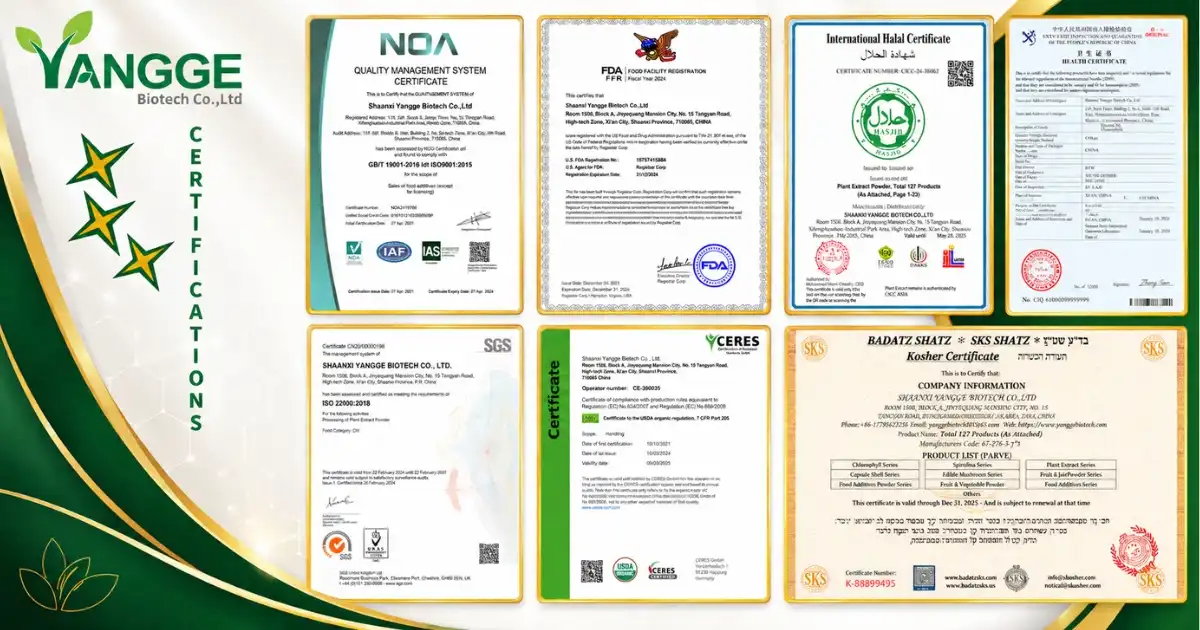
They are a food and supplement company in the US, EU and Southeast Asia and adhere to the most relevant regulations. Some of these regulations include ISO, HACCP, Kosher, Halal. Yangge Biotech is also doing this. Blackcurrant suppliers provide you a selection of a variety of various OKs. Before you purchase blackcurrants get a complete C.O.A. from every shop you want to buy from. This would demonstrate that the level of anthocyanin in each batch was monitored using HPLC.
Practical Applications in Food Formulations
Recommended Use Cases
If you know where each ingredient works best, you won't have to spend as much money making the recipe again. Black carrot powder works especially well in these situations.
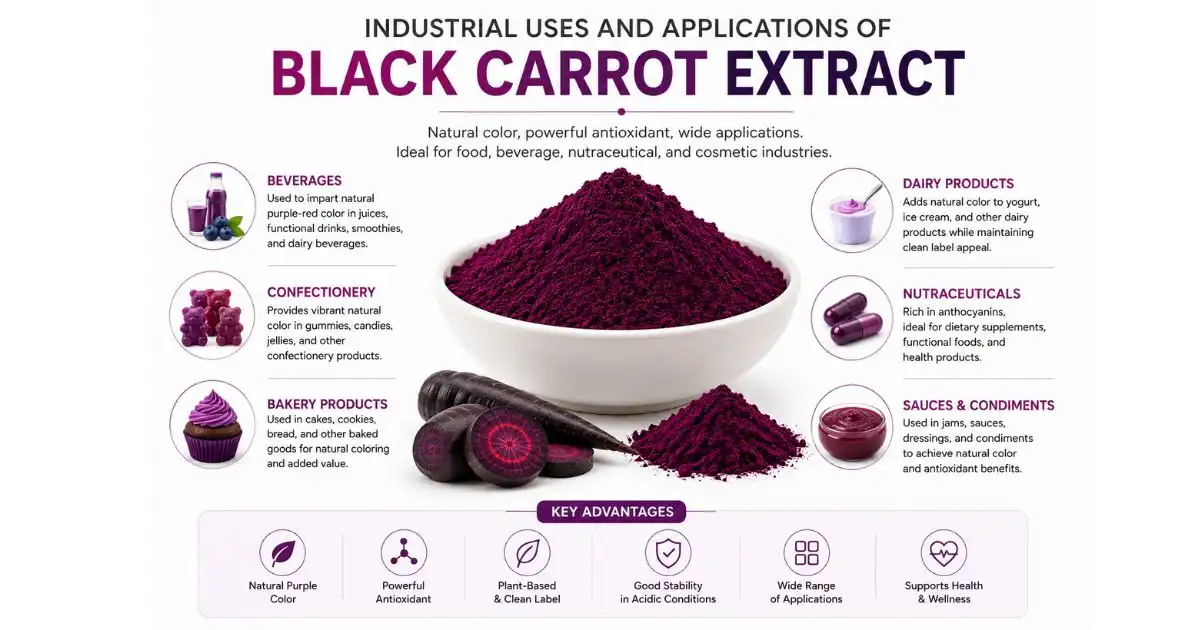
- Solid beverage mixes and sachets: At 0.01%–0.1% dosage, color impact is strong and flavor interference is minimal, even in fruit-forward or neutral bases.
- Meal replacement and protein powders: Stable at typical acidic-buffered pH ranges; low hygroscopicity reduces clumping during bulk blending.
- Nutraceutical capsules and drink powders: Standardized anthocyanin content (5%, 10%, 25% by HPLC) supports label claims and batch consistency.
When blackcurrant powder is added to drinks like functional teas or flavored water mixes, the berries taste better. The way this tastes might not be good for people who don't like bland foods.
Formulation Tips for Black Carrot Powder
If it's less than 40% RH outside, you should mix your black carrot extract with some dry ingredients. That's what you should do if the RH is more than 40%. And static electricity doesn't spread as much this way. The color can move across the blend grid more easily this way.
Making the Right Choice for Your Business
If you need to hit a certain pH level or work in a certain setting, you should decide whether to use black carrot powder or blackcurrant powder. From a scientific point of view, black carrot extract is better if your food needs to be heated, has an acidic pH, or needs a clean taste with a lot of color. This is a unique thing that tastes like berries or has a lot of vitamin C. You could call it strawberry. There are more labels that can be put on with black carrot extract, and it works better. When food companies in the US, EU, and Southeast Asia compare it to blackcurrant extract, they think this is true.
Conclusion
Black carrot powder and blackberry are natural food dyes that are good for you. The best black carrot extract is the one that gives the darkest color, works best with dry mixes, and stays stable while being processed. These are the most important things for people who make powders. When it gets hot or the pH changes, berries lose most of their color. On the other hand, these acylated anthocyanins can stay strong. Anyway, this fruit is still a good pick if you care about taste and C.
FAQ
Is black carrot powder gluten-free and allergen-free?
Yes. Yangge's black carrot extract is certified Non-Allergen and Non-GMO, with no gluten-containing ingredients in its production chain. It is suitable for formulations targeting clean-label, allergen-sensitive consumer groups.
How does black carrot powder compare to blackcurrant in antioxidant strength?
Both are rich in anthocyanins, but black carrot's acylated structure provides greater oxidative stability over time. Its ORAC value remains consistent through standard processing, while blackcurrant anthocyanins degrade faster under heat or alkaline conditions.
What particle size is available for dry-blend applications?
Yangge offers customizable specifications to suit mixing and flow requirements. Contact info@yanggebiotech.com to request technical data sheets with particle size distribution details for your specific formulation needs.
What is the standard dosage for coloring applications?
Typical usage for coloring runs between 0.01% and 0.1% of the total formulation weight. At these levels, flavor impact is negligible, and color performance remains strong in acidic to mildly neutral pH systems.
Can black carrot extract be used in dairy-based powder blends?
Yes, though color will shift toward purple at dairy pH (6.5–6.8). For a redder tone, mild pH adjustment is recommended. Request a sample to test performance in your specific matrix before full-scale production.
Request Samples from Yangge Your Trusted Black Carrot Powder Supplier
It is true that Yangge's black carrot extract is free of GMOs and allergens. Gluten-free products are also not used in the making of it. It can be used on goods for people with allergies and who like clean labels. You can email us at info@yanggebiotech.com
References
1. Stintzing, F. C., & Carle, R. (2004). Functional properties of anthocyanins and betalains in plants, food, and in human nutrition. Trends in Food Science & Technology, 15(1), 19–38.
2. Castañeda-Ovando, A., et al. (2009). Chemical studies of anthocyanins: A review. Food Chemistry, 113(4), 859–871.
3. Ahmadiani, N., et al. (2014). Anthocyanins contents, profiles, and color characteristics of red cabbage and black carrot extracts. Journal of Agricultural and Food Chemistry, 62(30), 7524–7531.
4. McDougall, G. J., et al. (2005). Different polyphenolic components of soft fruits inhibit starch digestion and absorption. Journal of Agricultural and Food Chemistry, 53(7), 2760–2766.
5. Mateus, N., & de Freitas, V. (2008). Anthocyanins as food colorants. Natural Food Colorants, Springer, pp. 284–304.
6. Aschoff, J. K., et al. (2021). Stability of anthocyanins from black carrot, elderberry, and red cabbage under model food processing conditions. Food Chemistry, 345, 128812.

Based on your location and order quantity, you will have the opportunity to receive a limited time free shipping promotion!
Who we are
Popular Blogs