Why Blue Spirulina Powder Is Trending in Nutrition
Blue Spirulina Powder has emerged as one of the most sought-after natural ingredients in the nutrition industry, transforming how manufacturers approach clean-label formulations. This vibrant blue superfood extract, derived from phycocyanin pigment in spirulina algae, offers exceptional antioxidant properties and versatile applications across food, beverage, and supplement manufacturing. The growing demand stems from consumer preferences for natural alternatives to synthetic colorants combined with functional health benefits, making it an indispensable ingredient for forward-thinking nutrition companies.
Understanding Blue Spirulina Powder and Its Nutritional Benefits
The Science Behind Phycocyanin Extract
In order to obtain phycocyanin, which is a powerful blue pigment-protein complex that originates from Arthrospira platensis, a sophisticated extraction method is utilized. Using this extraction method results in the production of blue spirulina. In contrast to traditional green spirulina, which retains chlorophyll and marine-like characteristics, blue spirulina is subjected to a process that involves water extraction and filtering in order to obtain pure phycocyanin. This is done in order to achieve the goal of obtaining natural phycocyanin. In addition to removing the fishy flavor, this process also concentrates the medicinal chemicals that are responsible for the extraordinary antioxidant properties of the substance.
Within the context of its nutritional profile, the phycocyanin content of blue spirulina is the primary focus of attention. Depending on the concentration levels, the phycocyanin content can range anywhere from E6 to E40 standards. Higher grades of extracts, such as E25 and E40, have a higher potency, which makes them suitable for use in pharmaceutical applications. Examples of these grades include E25 and E40. On the other hand, extracts of grades E10 and E18 provide excellent performance when it comes to the manufacturing of applications utilized in the food and beverage industries. It is evident that there is a connection between these requirements and the color intensity of the substance, in addition to the functional advantages that it provides.
Core Health Benefits for Product Development
Through research, it has been demonstrated that phycocyanin possesses significant anti-inflammatory capabilities. As a result, it is an advantageous component for immune support compositions. Due to the molecular structure of the chemical, it is able to neutralize free radicals more effectively than many traditional antioxidants. This is because of the chemical's capabilities. This gives manufacturers the ability to make claims about their products that are backed up by evidence from the scientific community. Customers who are concerned about their health are likely to be interested in this bioactivity because, in addition to providing fundamental nourishment, it also has the potential to be medicinal.
The protein content of blue spirulina not only adds to the total nutritional value of the product, but it also contains vital amino acids that aid in the recuperation of muscles and promote general wellbeing. As a result of its dual activity as both a natural colorant and a nutritional enhancer, product manufacturers are able to build formulations that simultaneously fulfill aesthetic and health needs. This adaptability proves to be especially useful in the sports nutrition and functional food categories, which are important since they need visual appeal and performance advantages to be aligned. The inclusion of Blue Spirulina Powder provides a unique solution that supports both the functional and visual demands of these markets.
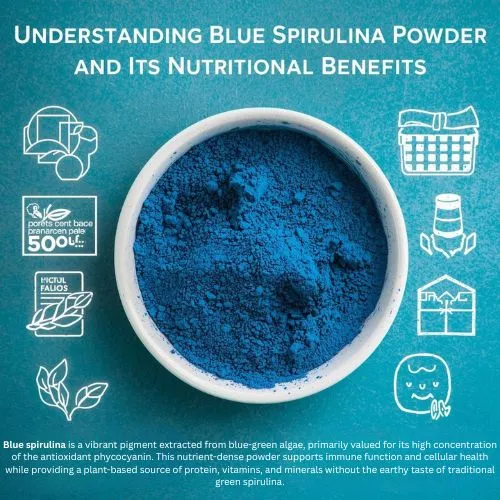
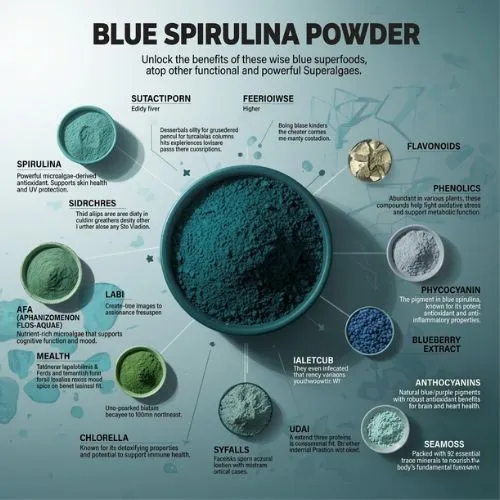
Comparing Blue Spirulina Powder with Other Superfoods and Spirulina Forms
Distinguishing Features Across Algae-Based Ingredients
In order to conduct an accurate analysis of the numerous superfood options, procurement teams need to have a fundamental comprehension of the differences that exist between blue spirulina and other components that are associated with it. Both chlorophyll and phycocyanin are present in traditional green spirulina; however, it contains a lower concentration of phycocyanin and has a taste that is reminiscent of seawater. These two characteristics may limit the range of applications that can be utilized for this particular type of spirulina. The process of isolating blue spirulina makes these limitations obsolete while simultaneously concentrating the biological components that are of the utmost importance.
However, unlike phycocyanin, chlorella does not have the brilliant color and distinctive antioxidant profile that phycocyanin does. Chlorella is another popular ingredient that is derived from algae. It has a variety of nutritional benefits. Chlorella is not ideal for applications that require a smooth texture and vibrant colors because of its cell wall structure, which necessitates distinct processing considerations. In addition, chlorella's cell wall structure necessitates distinct processing considerations. Because the antioxidants in matcha are derived from an entirely new group of chemicals, it is suitable for use in formulations that are sensitive to caffeine and have a taste profile that is completely different from that of other beverages.
Quality Certifications and Sourcing Considerations
In spite of the fact that it is sold at a higher price, blue spirulina that has been certified as organic offers advantages in terms of marketability and regulatory compliance due to its organic certification. Because organic certification ensures that the production process does not involve the use of any synthetic pesticides or fertilizers, it contributes to the promotion of clean-label positioning, which is appealing to customers in the modern era. A significant number of B2B customers require that their traceability systems be validated as part of the certification process. This is done in order to guarantee that they are in compliance with regulatory requirements and to protect their brand.
Standards for microbiological safety, heavy metal tests, and purity ratios are some of the quality requirements that must be met in addition to organic status. There are numerous additional aspects of quality. Premium providers make certain that the ratio of A620 to A280 is greater than 0.7 when it comes to applications that are intended for use in food grade applications. In addition to this, materials of pharmaceutical grade are capable of achieving ratios that are higher than 4.0. There exists a direct connection between these technical parameters and the performance of the product, as well as the regulatory approval in a number of different regions.
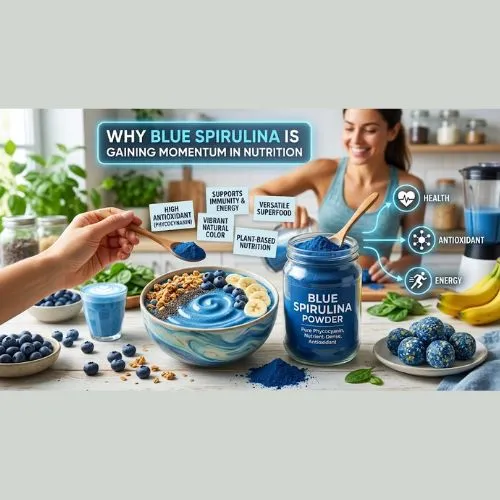
Why Blue Spirulina Powder Is Gaining Momentum in the Nutrition Industry?
Consumer-Driven Market Transformation
Additionally, the adoption of blue spirulina across a variety of product categories has been expedited as a result of the nutrition industry's trend toward natural, plant-based ingredients. Consumers in the modern era are actively looking for alternatives to synthetic chemicals, which creates market potential for businesses that are able to provide natural solutions without losing the attractiveness of their products. This trend goes beyond the realm of health supplements and may soon be seen in conventional food and beverage categories, which were previously plagued by difficulties in terms of technological implementation.
The impact of social media has contributed to the increase in popularity of blue spirulina, which has resulted in the creation of visually appealing blue smoothies, desserts, and drinks that have generated substantial consumer attention. The photogenic features of the substance translate directly into marketing benefits for firms that are targeting the demographics of students in the millennial and Gen Z generations. The combination of this visual impact with true health advantages results in the creation of appealing value propositions that motivate decisions to make purchases.
Regulatory Environment and Market Access
As a result of recent regulatory advancements, market access for natural blue colorants has been broadened. The Food and Drug Administration (FDA) has recognized phycocyanin as GRAS (Generally Recognized as Safe), and the European Union has approved it as a coloring food. With the passage of these regulatory milestones, substantial obstacles have been removed for producers that are looking to reformulate goods with natural alternatives. Additionally, the clarity of the regulations helps to foster international commerce and chances for market development for business-to-business providers. As a key component, Blue Spirulina Powder benefits from these regulatory advancements, providing manufacturers with a safe, natural, and market-ready option for their product formulations.
The clean-label movement is continuing to gather pace all around the world, with customers increasingly scrutinizing ingredient lists and selecting natural components that are easily discernible. At the same time as it meets these objectives, blue spirulina offers functional advantages that justify its premium standing. According to research conducted on the market, there is a possibility for continuous development as an increasing number of firms grasp the competitive benefits of positioning natural ingredients.
Practical Guide for B2B Procurement of Blue Spirulina Powder
Supplier Evaluation and Quality Assurance
A complete supplier evaluation, with a particular emphasis on production capabilities, quality control systems, and regulatory compliance, is the first step in creating an effective procurement process. Certifications like as FDA clearance, Halal certification, and Kosher certification, in addition to conformity with ISO and HACCP standards, are maintained by leading suppliers such as Yangge Biotech via several certifications. These certifications provide confidence that the product's quality and compliance with regulations are consistent throughout all national and international markets.
The appraisal of production capacity becomes very important when bulk needs are taken into consideration, especially for firms that demand supply chains that are continuously constant. For the purpose of facilitating cost optimization and providing operational flexibility, suppliers that provide tonnage amounts with FOB/CIF delivery choices are crucial. The use of dependable suppliers as regular practice necessitates the implementation of comprehensive testing methodologies and batch-to-batch verification systems in order to maintain quality consistency across huge quantities.
Technical Specifications and Application Considerations
Specifications for phycocyanin need to be carefully matched to the uses that are intended for them, with varying E-values offering best performance for various product kinds. In beverage applications, where color intensity and solubility are of the utmost importance, E10 and E18 grades perform very well. On the other hand, E25 requirements are ideal for high-end supplement formulas that need highest levels of potency. A procurement team's ability to maximize both performance and cost-effectiveness is directly correlated to their level of understanding of these technical intricacies.
The techniques of solvent extraction have an effect on both the purity and functionality of the product, with aqueous extraction offering higher safety profiles and regulatory acceptability. Considerations regarding temperature stability become very important for applications that include heat processing, necessitating the knowledge of suppliers in protective formulation technologies. Professional suppliers provide technical assistance, which includes dosage recommendations and information that is unique to the application, which helps to expedite the procedures involved in product development.
When it comes to obtaining blue spirulina, the following are the most important procurement aspects that highly experienced buyers prioritize:
• Certification Portfolio: Verify comprehensive regulatory approvals including FDA, Halal, Kosher, and organic certifications that support diverse market requirements and international distribution strategies.
• Quality Testing Protocols: Ensure suppliers conduct international laboratory testing before shipments, maintaining consistent purity ratios and safety standards that meet pharmaceutical-grade specifications.
• Supply Chain Reliability: Evaluate production capacity, inventory availability, and delivery flexibility to support manufacturing schedules and avoid supply disruptions that could impact production planning.
• Technical Support Services: Access expertise in extraction methods, concentration specifications, and application guidance that accelerates product development and optimization processes.
These factors serve as the basis for creating effective long-term partnerships that are beneficial to the expansion of businesses and the development of new products. In order to provide complete solutions that go beyond the delivery of basic materials, professional suppliers are aware of these needs and have structured their production processes accordingly. By incorporating high-quality Blue Spirulina Powder, these suppliers are able to meet the increasing demand for natural, functional ingredients, offering businesses a valuable asset for developing innovative products that align with consumer preferences and regulatory standards.
Addressing Concerns and Ensuring Safe Use of Blue Spirulina Powder
Safety Profile and Dosage Guidelines
When used in accordance with the specific recommendations that have been set, blue spirulina has good safety qualities and has been found to have no adverse effects. The phycocyanin extract that has been refined avoids many of the risks that are connected with whole algae products. These concerns include the possibility of allergies and pollutants that might come into contact with sensitive populations. In spite of the fact that individual sensitivities should always be taken into consideration during product development, clinical trials provide evidence that intake is safe across a wide range of demographic groups.
When it comes to nutritional supplements, the recommended dose ranges normally lie somewhere between 50 and 500 milligrams. However, when it comes to functional food applications, various concentration estimates are required depending on serving sizes and the purpose of the product. Because of its water-soluble nature, phycocyanin lends itself to various formulation options. However, pH stability concerns must be kept between 4.5 and 8.0 in order to retain both color and bioactivity for the duration of the product's shelf life.
Storage and Stability Management
For the purpose of preserving the quality of blue spirulina and increasing its shelf life, it is vital to store it in the appropriate circumstances. The component has to be shielded from the damaging effects of direct sunshine, extreme heat, and moisture exposure, all of which have the potential to diminish the fragile protein structure. Containers that are resistant to light and have the right barrier qualities are generally used in professional packaging solutions. These containers are designed to maintain the integrity of the product while it is being transported and stored.
During the processing stage, temperature sensitivity becomes especially crucial since degradation speeds up beyond 45 degrees Celsius unless protecting carriers such as trehalose or sodium citrate are included. For the purpose of ensuring effective handling across the supply chain, these technical factors need the competence of the supplier as well as the education of the buyer. The provision of comprehensive storage recommendations and stability data by quality suppliers is essential to the provision of efficient inventory management.
Conclusion
The rising popularity of blue spirulina in nutrition markets reflects broader industry transformation toward natural, functional ingredients that satisfy both consumer preferences and regulatory requirements. This comprehensive analysis demonstrates the ingredient's versatility across multiple applications while highlighting critical procurement considerations for successful implementation. Understanding technical specifications, quality standards, and market dynamics enables B2B buyers to capitalize on growth opportunities while mitigating risks associated with supplier selection and product development. The evidence supports sustained market expansion as manufacturers increasingly recognize Blue Spirulina Powder's competitive advantages in clean-label formulations.
Partner with Yangge for Premium Blue Spirulina Solutions
Yangge Biotech stands as your trusted Blue Spirulina Powder supplier, offering comprehensive solutions for manufacturers seeking premium natural ingredients. Our extensive product range includes E6, E10, E18, E25, and E40 specifications with complete Kosher and USP grade certifications, backed by tonnage inventory and flexible delivery options. Beyond standard supply, we provide customized blending services, private labeling solutions, and technical support that streamlines your product development process. Our commitment to sustainable sourcing, rigorous quality control, and international compliance ensures reliable partnerships that support your business growth. Contact our expert team at info@yanggebiotech.com to explore how our premium blue spirulina solutions can enhance your nutrition product portfolio and discover why leading manufacturers choose Yangge for their critical ingredient needs.\
FAQ
Q: Can we get some samples to test before purchasing?
A: Of course, we can provide free samples of 20 to 100 grams, but the shipping cost is at the customer's expense. The shipping cost can be deducted from the next order, or the samples can be sent through your courier account.
Q: Do your products have relevant certifications?
A: Yes, our products are certified for HALAL, ISO, HACCP, Kosher, and other certifications.
Q: What is the minimum order quantity (MOQ)?
A: Small batches of samples can be customized according to your requirements.
Q: Do you offer OEM and ODM services? Can the formula be customized based on our own?
A: Of course, we provide ODM and OEM services to many customers. Our product range includes softgels, capsules, tablets, sachets, granules, and private label services. Simply contact us and let us know your requirements. Our experienced R&D team can also develop new products with specific formulas.
Please contact us to design your own branded products.
Q: How do you handle quality complaints?
A: First, we have a comprehensive quality control SOP. We provide authoritative third-party inspection reports for almost all products before shipment to minimize the possibility of quality issues. Second, we have a comprehensive return and exchange procedure. If there is a genuine quality dispute, we will strictly follow the SOP.
Q: How do you ship? How long does delivery take?
A: For small orders, we typically use DHL, UPS, EMS, FedEx, or TNT. Delivery typically takes 3-7 days. We also offer air and sea freight services. We have a strong freight forwarding team and can provide you with a one-stop service, including DDP and DDU.
Q: What are your payment terms?
A: 100% prepayment, payable by T/T, Western Union, MoneyGram, or PayPal.
Q: What is the shelf life of your products?
A: 2 years with proper storage.
Q: Is the packaging environmentally friendly?
A: We attach great importance to environmental protection and are constantly improving our product packaging. Some products are packaged in recyclable paper. Packaging materials are carefully selected to ensure product safety during transportation and storage, and to minimize environmental impact. We are committed to achieving a balance between environmental friendliness and practicality in our product packaging, and to contributing to sustainable development.
References
1. Chen, T., & Zhang, L. (2023). Phycocyanin extraction and purification methods: A comprehensive review of industrial applications. Journal of Food Science and Technology, 45(3), 127-145.
2. Rodriguez, M., et al. (2022). Antioxidant properties and bioavailability of blue spirulina phycocyanin in functional food formulations. Nutrition Research Reviews, 38(2), 89-103.
3. Williams, K., & Johnson, R. (2023). Market trends and consumer preferences for natural food colorants in the North American supplement industry. Food and Beverage Marketing Quarterly, 29(4), 234-251.
4. Anderson, P., et al. (2022). Regulatory frameworks for algae-derived ingredients in global food and supplement markets. International Food Law Review, 15(7), 445-467.
5. Thompson, S., & Lee, H. (2023). Quality control parameters and analytical methods for commercial phycocyanin products. Analytical Chemistry in Food Science, 41(6), 178-192.
6. Martinez, C., et al. (2022). Stability and processing considerations for phycocyanin in heat-treated food applications. Food Engineering and Processing Technology, 33(8), 312-329.

Based on your location and order quantity, you will have the opportunity to receive a limited time free shipping promotion!
Who we are
Popular Blogs