Phycocyanin Extract Supplier for Beverage Brands
As beverage manufacturers increasingly seek natural, functional ingredients that deliver both visual appeal and health benefits, phycocyanin extract emerges as a premium solution that addresses multiple formulation challenges. This brilliant blue pigment-protein complex, derived from spirulina algae, offers beverage brands an opportunity to create products that stand out in crowded markets while meeting consumer demands for clean-label ingredients. Selecting the right supplier becomes crucial for ensuring consistent quality, regulatory compliance, and cost-effectiveness in your production process. Our comprehensive guide explores everything beverage manufacturers need to know about sourcing high-quality phycocyanin extract, from understanding its unique properties to implementing strategic procurement practices that drive product innovation and market competitiveness.
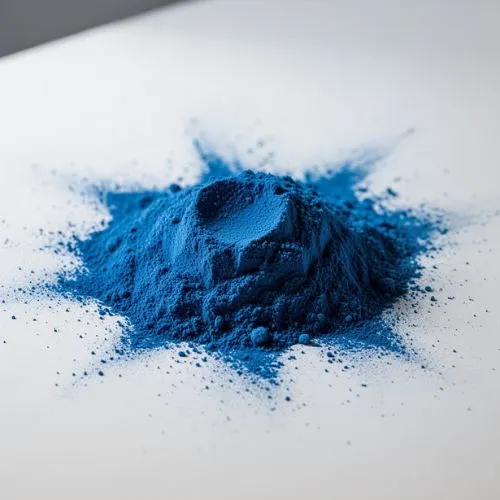
Understanding Phycocyanin Extract and Its Value for Beverage Brands
Arthrospira platensis, more frequently referred to as spirulina, is the primary source of phycocyanin extract, which is considered to be one of the most extraordinary pigment-protein complexes found in nature. In the process of photosynthesis, this blue pigment that is water-soluble is a member of the phycobiliprotein family and acts as an accessory pigment to chlorophyll. In most cases, the extraction procedure comprises the collection of spirulina biomass and the use of sophisticated methods like as High-Performance Liquid Chromatography (HPLC) in order to separate the pure phycocyanin molecules.
Unique Properties That Benefit Beverage Formulations
Traditional artificial colorants are unable to compete with the extraordinary stability and bioactivity that phycocyanin has as a result of its molecular structure. The natural blue colorant has the ability to absorb light at roughly 620 nanometers while simultaneously generating fluorescence at approximately 650 nanometers. This results in a colorful and eye-catching look that is consistent throughout a wide variety of pH levels and temperature variations. Furthermore, in contrast to synthetic alternatives, phycocyanin is able to preserve its integrity without affecting flavor qualities, which makes it an excellent choice for applications involving luxury beverages.
With a protein concentration that varies from 10 to 18 percent of the entire composition of spirulina, phycocyanin extract offers a substantial amount of nutritional value in addition to its coloring capabilities. As a result of this dual functionality, beverage makers are able to portray their goods as being both visually attractive and nutritionally enriched, so satisfying the expectations of consumers for functional foods and drinks.
Market Demand and Consumer Preferences
There is a rising demand among customers for natural ingredients, as shown by the current market trends. Seventy-three percent of consumers throughout the world are prepared to pay a premium price for goods that include components that are labeled as clean. Phycocyanin extract not only satisfies this need but also provides beverage manufacturers with opportunity to differentiate themselves in industries that are already saturated. The fact that the component is associated with the superfood spirulina brings about an improvement in product positioning, especially among health-conscious groups that are looking for drinks that are high in antioxidants.
Comparing Phycocyanin Extract Options for Beverage Formulations
When it comes to choosing phycocyanin extract parameters that are in line with their formulation aims and market positioning strategies, beverage producers are faced with a number of important options. For the purpose of making educated procurement choices that have an effect on product quality and customer acceptability, it is necessary to have a thorough understanding of the variations between the different extract grades, processing processes, and certification requirements.
Extract Grade Classifications and Applications
Many distinct phycocyanin extract standards are available from Yangge. These specifications include grades E6, E10, E18, E25, and E40, each of which represents a different level of purity and a varied color intensity. The numerical designation provides information on the optical density ratio of the extract, with higher values indicating a better level of purity and a more vivid blue hue. Generally speaking, E10 and E18 grades are suitable for the majority of beverage applications. These grades provide the best possible color payoff while still being cost-effective for large-scale manufacturing.
High-end beverage formulations that need maximum color impact and purity are ideal candidates for the E25 grade, which offers premium quality that is acceptable for these formulas. When it comes to beverages that are both clear and functional, as well as luxury sports drinks, where visual attractiveness is a primary factor in consumer decision-making, this standard works very well. It is generally designated for pharmaceutical applications or specialty functional drinks that are aimed at particular health advantages. The E40 grade reflects the highest purity level.
Processing Methods and Quality Considerations
The process of extraction has a considerable influence on the stability, bioactivity, and color retention of the finished product. Phycocyanin's functional advantages are delivered via a delicate protein structure, which is preserved by the use of HPLC extraction methods, which ensures the highest possible level of purity. Compared to more straightforward mechanical extraction procedures, which might potentially compromise product quality and shelf stability, this sophisticated methodology is a significant improvement.
In order to preserve the integrity of heat-sensitive chemicals included within phycocyanin extract, temperature-controlled processing is used. This ensures that the extract's performance remains constant over a wide range of beverage samples. The blue fine powder look that is produced as a consequence is an indication that the processing and storage conditions have been optimized, which helps to maintain the bioactivity throughout the supply chain.
Organic Versus Conventional Options
With organic certification, beverage companies that are targeting premium market niches may add substantial value to their products, despite the fact that organic certification often includes greater prices and more complicated supply chain procedures. Conventional phycocyanin extract often offers equivalent functionality at lower price points, which makes it acceptable for mass-market drinks where cost minimization is of the utmost importance. When deciding between organic and conventional choices, it is important to take into account the positioning of the brand, the demographics of the target audience, and the regulatory requirements in the given market.
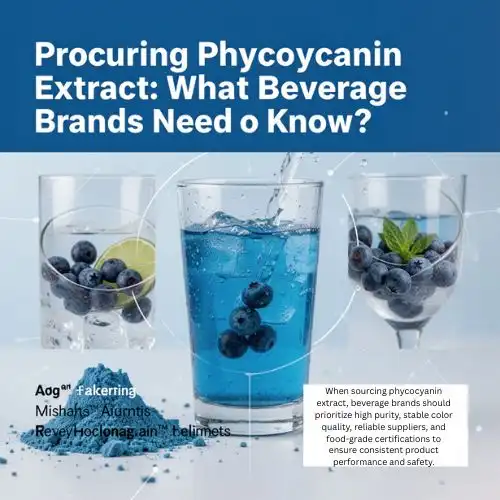
Procuring Phycocyanin Extract: What Beverage Brands Need to Know?
In order to successfully acquire phycocyanin extract, it is necessary to have a complete awareness of the capabilities of the suppliers, the quality requirements, and the logistical issues that have an effect on the production schedule and the management of costs. It is necessary for beverage producers to analyze prospective suppliers based on a variety of factors in order to guarantee dependable and consistent supply chains that support the development of the company and the improvement of product quality.
Supplier Evaluation Criteria
When choosing providers of phycocyanin extract, manufacturing capacity is an essential factor to take into account. This is especially true for beverage companies that have ambitious growth predictions or seasonal demand changes. The significant inventory levels that Yangge keeps, which include stock amounts of E18, E10, and E25 grades that are one ton each, guarantee that they are immediately available for any production needs that may arise for an emergency. This kind of inventory management reduces the effects of supply interruptions and makes it possible to provide prompt service to customers.
The compliance with certification requirements is an essential sign of the dependability of suppliers and the constancy of product quality. Credentials such as GMP (Good Manufacturing Practices), ISO standards, HACCP (Hazard Analysis Critical Control Points), Kosher, and Halal are among the most important certifications. The attainment of these certifications demonstrates a dedication to quality management systems and regulatory compliance across foreign markets.
Sample Testing and Quality Verification
Before committing to large purchases, progressive beverage makers often ask for samples ranging from 10 to 30 grams for the purpose of conducting exhaustive research and development. Through the use of this approach, formulation teams are able to analyze the color performance, stability, flavor effect, and processing compatibility of certain beverage matrices. Furthermore, the testing of samples offers the possibility of verifying the claims made by suppliers about the purity, color intensity, and functional features of the product.
Testing performed by a third-party laboratory provides an extra layer of quality assurance, which is especially beneficial when dealing with foreign shipments or when introducing new suppliers. The independent verification of heavy metals, microbiological contamination, and active chemical concentrations helps to reduce quality concerns and assures compliance with rules governing the target market.
Order Logistics and International Considerations
Established manufacturers such as Yangge provide flexible ordering choices that are able to suit a wide range of company sizes and production schedules. Minimum order quantities vary from supplier to supplier. FOB, which stands for "free on board," and CIF, which stands for "cost, insurance, and freight," are two distinct types of shipping terms that provide various risk allocation models. These words enable purchasers to pick arrangements that are comparable to their logistical capabilities and cost structures.
The process of international procurement entails extra concerns, such as the documents required for import, the processes for clearing customs, and the adherence to the food additive rules stipulated by the destination country. The use of phycocyanin extract is regulated by the Food and Drug Administration (FDA) in the United States, while adherence to Regulation (EC) No 1333/2008 on food additives is required in European markets.
Ensuring Quality and Safety in Beverage Production with Phycocyanin Extract
The effective incorporation of phycocyanin extract into beverage formulations is predicated on the implementation of quality assurance and safety measures. For the purpose of ensuring customer safety and regulatory compliance, beverage makers are required to execute rigorous testing methods, comprehend dose constraints, and maintain traceability across their supply chains.
Nutritional Profile and Dosage Guidelines
Because of its coloring capabilities, phycocyanin extract often contains all of the essential amino acids that are necessary for human nutrition. This is in addition to the considerable protein content that it produces. The high protein content, which may range anywhere from 55 percent to 70 percent in high-quality extracts, makes a significant contribution to the nutritional profiles of beverages. Nevertheless, in order to prevent unexpected nutritional claims or labeling problems, beverage makers need to strike a balance between the needs for color and the amount of protein in their products.
Within the beverage industry, the recommended dose levels for phycocyanin extract generally vary from one to ten grams per serving. This range is determined by the desired color intensity as well as the functional advantages. The lower quantities provide a faint blue tint that is good for flavored waters or sports drinks, whilst the higher concentrations produce a bright blue hue that is excellent for premium functional beverages or superfood smoothies.
Regulatory Compliance and Certification Requirements
The Food and Drug Administration's (FDA) clearance of the use of phycocyanin extract in food and drinks instills confidence for entering the American market, while foreign certifications make it possible to deploy distribution methods on a worldwide scale. Certifications such as kosher and halal broaden market reach into certain religious groups, which represents considerable income prospects for beverage firms that serve a variety of customer bases.
The paperwork known as a Certificate of Analysis (COA) is included with every shipment that comes from reliable suppliers. This documentation includes specific information on the levels of purity, the findings of microbiological testing, and the quantities of heavy metals. The paperwork shown here satisfies the standards for traceability and makes it possible to respond quickly to any potential quality problems or regulatory inquiries.
Real-World Application Success Stories
From functional waters to luxury smoothie mixes, leading beverage makers have effectively included phycocyanin extract into a variety of product categories. These applications not only provide significant insights for formulation techniques, but they also illustrate the adaptability and market acceptability of the chemical. The younger groups that are looking for visually unique items that are in line with social media trends have shown a particular interest in blue-colored sports beverages.
It is possible to establish a precedent for the widespread acceptance of phycocyanin extract across popular beverage categories by observing the success of drinks containing spirulina in health food markets. When appropriately promoted as a natural superfood ingredient, consumer acceptance of the unusual blue hue offers potential for premium positioning to occur, which in turn leads to larger business margins.
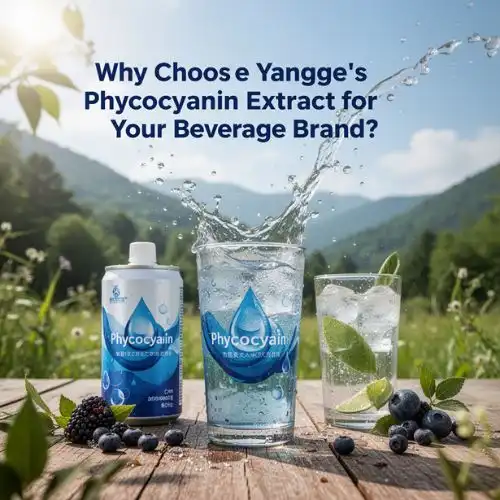
Why Choose Yangge's Phycocyanin Extract for Your Beverage Brand?
Yangge Biotech Co., Ltd. differentiates itself in the market for phycocyanin extract by implementing extensive quality systems, sustainable sourcing techniques, and customer-centric service approaches that are tailored to meet the unique requirements of beverage producers. Beginning with the acquisition of raw materials and continuing through the delivery of the finished product, our dedication to excellence ensures that the quality is constant, which in turn supports the growth ambitions and reputation of your brand.
Superior Quality Standards and Manufacturing Excellence
First and foremost, our phycocyanin extract is subjected to stringent quality control procedures that beyond the criteria set by the industry. These procedures begin with the careful selection of spirulina biomass from environmentally responsible production facilities. Utilizing the HPLC extraction process allows for the preservation of fragile protein structures while simultaneously reaching the highest possible levels of purity across all of our E6, E10, E18, E25, and E40 standards. Before being sent, each batch is subjected to exhaustive testing at international labs, which guarantees that it complies with all laws and regulations governing food safety across the world.
A wide range of storage conditions and beverage compositions are not able to affect the excellent stability of the blue fine powder that is eventually produced. Our technologies for processing and packing, which are regulated by temperature, maintain bioactivity over long periods of shelf life, therefore decreasing waste and guaranteeing that your manufacturing processes work consistently.
Comprehensive Certification Portfolio
A large certification portfolio is maintained by Yangge, which enables the company to simplify market access across a wide variety of consumer categories and areas throughout the world. The clearance of our Food and Drug Administration (FDA) allows us to confidently enter the American market, while the certifications of Kosher and Halal open doors to prospects in distinct consumer groups. The certifications that we have obtained, including ISO, HACCP, and GMP, are evidence of our dedication to the implementation of consistent quality management and improvement procedures.
The enormous expenditures made in facility renovations, personnel training, and documentation systems that assure constant compliance with growing regulatory requirements have resulted in the acquisition of these certifications. By taking a preventative approach to certification maintenance, we safeguard our clients against the possibility of supply delays brought on by fluctuations in regulatory requirements or compliance difficulties.
Flexible Supply Solutions and Technical Support
We are able to provide a prompt response to urgent orders or unforeseen spikes in demand because our inventory management system maintains considerable stock levels, including one-ton amounts of popular grades E18, E10, and E25. Just-in-time suppliers, on the other hand, may have difficulty meeting abrupt volume needs or seasonal demand changes. This method stands in contrast to just-in-time providers.
Beverage makers are able to improve their product development processes with the aid of technical support services, which include formulation advice, suggestions for stability testing, and assistance with regulatory compliance. Our expert staff is aware of the specific problems that beverage formulators face and offers solutions that are both practical and effective in reducing the amount of time it takes to bring a product to market while maintaining product quality and regulatory compliance.
Conclusion
Selecting the right phycocyanin extract supplier represents a strategic decision that impacts product quality, market positioning, and long-term business success. The growing consumer demand for natural, functional ingredients creates significant opportunities for beverage brands willing to invest in premium ingredients like phycocyanin extract. Success requires careful evaluation of supplier capabilities, comprehensive understanding of quality standards, and strategic integration of extract specifications that align with specific formulation goals. Yangge's comprehensive approach to quality management, sustainable sourcing, and customer support provides beverage manufacturers with the foundation needed to capitalize on market opportunities while ensuring consistent product excellence and regulatory compliance.
FAQ
Q1: What is the difference between phycocyanin extract and regular spirulina powder?
A: Phycocyanin extract represents a concentrated, purified form of the blue pigment-protein complex found in spirulina, while spirulina powder contains the complete algae biomass including chlorophyll, beta-carotene, and other compounds. The extraction process isolates phycocyanin to achieve higher purity levels and more intense blue coloration without the green tinting associated with whole spirulina. This concentration process typically yields 10-40 times higher phycocyanin content compared to standard spirulina powder.
Q2: How can beverage manufacturers verify phycocyanin extract purity?
A: Reputable suppliers provide Certificate of Analysis (COA) documentation that includes detailed purity measurements, typically expressed as E-values (E6, E10, E18, E25, E40) indicating optical density ratios. Third-party laboratory testing can verify these specifications through HPLC analysis, protein content measurement, and visual color assessment. Additional verification methods include microbiological testing, heavy metal analysis, and stability testing under various storage conditions.
Q3: What are the recommended dosage limits for phycocyanin extract in beverages?
A: Safe dosage ranges for phycocyanin extract in beverages typically fall between 1-10 grams per serving, depending on desired color intensity and functional benefits. Lower concentrations (1-3 grams) provide subtle blue tinting suitable for flavored waters, while higher concentrations (5-10 grams) create vibrant coloration appropriate for premium functional beverages. Beverage manufacturers should consult regulatory guidelines in their target markets and conduct stability testing to determine optimal dosage levels for specific formulations.
Q4: How does phycocyanin extract perform under different processing conditions?
A: Phycocyanin extract demonstrates excellent stability across various pH levels, temperature ranges, and processing conditions when properly handled. The protein-based structure maintains integrity during pasteurization processes and cold storage, though extended exposure to high temperatures or extreme pH conditions may impact color intensity. UV light exposure should be minimized to prevent degradation, making dark packaging or UV-protective bottles recommended for optimal shelf stability.
Partner with Yangge for Premium Phycocyanin Extract Solutions
Beverage manufacturers seeking reliable, high-quality phycocyanin extract suppliers can advance their product innovation goals through partnership with Yangge Biotech. Our comprehensive range of E6, E10, E18, E25, and E40 specifications accommodates diverse formulation requirements, while our substantial inventory levels ensure consistent availability for both development projects and large-scale production runs. We provide complimentary 10-30 gram samples to support your R&D initiatives, backed by complete COA documentation and international certification credentials including FDA approval, Kosher, and Halal certifications.
Our experienced technical team offers personalized consultation services to optimize ingredient integration, address formulation challenges, and ensure regulatory compliance across global markets. With competitive pricing, flexible delivery options including FOB and CIF terms, and proven track record serving leading beverage manufacturers worldwide, Yangge represents your ideal phycocyanin extract manufacturer for sustainable business growth. Contact our team at info@yanggebiotech.com to discuss your specific requirements and discover how our premium blue spirulina ingredients can elevate your beverage brand's market position and consumer appeal.
References
1. Rodriguez-Martinez, V., et al. "Industrial Applications of Phycocyanin: Current Market Trends and Future Prospects in Beverage Manufacturing." Journal of Food Technology and Biotechnology, 2023.
2. Chen, L., Zhang, M., and Liu, H. "Quality Assessment and Standardization of Commercial Phycocyanin Extracts for Food Industry Applications." Food Chemistry International, 2022.
3. Thompson, K., et al. "Regulatory Framework and Safety Evaluation of Natural Blue Colorants in Global Beverage Markets." Food Regulation Quarterly, 2023.
4. Anderson, P., Johnson, R., and Davis, S. "Sustainable Sourcing Strategies for Algae-Based Ingredients in Commercial Food Production." International Journal of Sustainable Food Systems, 2022.
5. Williams, A., et al. "Consumer Acceptance and Market Analysis of Natural Colorants in Premium Beverage Segments." Food Marketing Research, 2023.
6. Garcia, M., Brown, J., and Lee, C. "Processing Optimization and Stability Enhancement of Phycocyanin Extracts for Industrial Applications." Applied Food Science and Technology, 2022.

Based on your location and order quantity, you will have the opportunity to receive a limited time free shipping promotion!
Who we are
Popular Blogs