Gardenia Blue Applications in Beverage Coloring
Gardenia Blue applications in beverage coloring represent a revolutionary advancement in natural food pigmentation technology. This premium natural colorant, extracted from Gardenia jasminoides fruits, delivers exceptional stability and vibrant blue hues that satisfy both consumer demand for clean-label products and manufacturers' requirements for reliable performance. The pigment's unique bioconversion process creates an iridoid compound that maintains color integrity across diverse pH environments and thermal processing conditions, making it an indispensable solution for beverage manufacturers seeking natural alternatives to synthetic colorants.
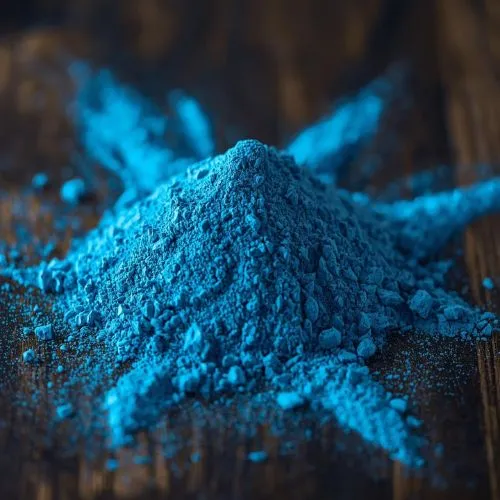
Understanding Gardenia Blue and Its Use in Beverage Coloring
The Gardenia jasminoides Ellis plant, which is more commonly known as cape jasmine, is the source of the essential botanical component that is responsible for the formation of gardenia blue pigment. Evergreen flowering plant that originates from Asia has been utilized for a variety of purposes, including medicinal and practical applications, for thousands of years. These applications include both medicinal and practical applications. The majority of people are familiar with gardenia because of its fragrant white flowers; however, the fruits, which are deep orange and resemble berries, contain the precursor compounds that are necessary for the production of this remarkable blue colorant. Gardenias are a plant that are native to South America.
Extraction and Production Methods
In order to guarantee the highest possible level of purity and consistency, contemporary extraction techniques make use of HPLC (High-Performance Liquid Chromatography) techniques. After the meticulous harvesting of gardenia fruits, which is the first step in the manufacturing process, the fruits are then put through the extraction, fermentation, refining, concentration, and drying stages of the process. GMP standards are maintained through the utilization of this methodical approach, which also contributes to the preservation of the pigment's natural properties.
The process of bioconversion is what distinguishes gardenia blue from other dyes that are produced by natural processes. A process is carried out in which the iridoid glycoside geniposide, which is extracted from the fruit, is subjected to treatment with the β-glucosidase enzyme. This treatment ultimately leads to the release of genipin. The subsequent reaction of this compound with amino acids under controlled thermal conditions results in the production of the stable blue pigment that is highly valued by beverage manufacturers.
Chemical Properties and Specifications
There are a variety of different specifications that can be obtained for our gardenia blue pigment. These specifications include E30, E60, E80, E100, and E200. A wide range of applications can benefit from the precise color customization that is made possible by these specifications. The dark blue fine powder is an excellent choice for use in the manufacturing of beverage formulations due to the fact that it is completely soluble in water. The fact that it has a pH stability range of 4.0-8.0 enables it to avoid precipitation and fading, which in turn enables it to keep its coloration consistent across a wide range of beverage types.
A remarkable thermal resistance is displayed by the pigment, as it is able to maintain its color even after being heated at a temperature of 120 degrees Celsius for a period of sixty minutes. This property proves to be extremely valuable for beverage manufacturers who need to implement pasteurization or other heat treatments into their production processes. Additionally, the colorant has a low capacity for absorbing moisture and maintains a state that is almost odorless and tasteless. This helps to ensure that the flavor profile of the finished product is preserved during the manufacturing process.
Advantages of Using Gardenia Blue as a Beverage Colorant
The beverage industry has witnessed an unprecedented surge in the use of natural plant-based colorants, which can be attributed to the growing awareness among consumers and the regulatory shifts towards cleaner ingredients. The procurement managers and formulation engineers who are responsible for selecting colorants for their products face a number of challenges, and Gardenia blue pigment provides solutions to these challenges.
Superior Stability Performance
Gardenia blue pigment is distinguished from other natural colorants that are available due to the exceptional stability characteristics that it possesses. Spirulina phycocyanin, on the other hand, loses its vibrant appearance when it is subjected to conditions that are higher in acidity and higher in temperature. On the other hand, gardenia blue maintains its vibrant appearance throughout the entire process of processing and storing the product. This stability results in a reduction in product waste, a maintenance of consistent quality throughout each batch, and an extension of the shelf life, all of which are essential components for the production of beverages on a larger scale.
As a result of the pigment's ability to withstand high temperatures, manufacturers are able to incorporate it into products that require processing at high temperatures. The intensity of the colorant is preserved without browning or dulling, regardless of whether it is used to produce hard candies that are dissolved in beverages or to compose concentrated syrups. This phenomenon occurs regardless of the application of the colorant. There is no longer a need for synthetic alternatives in settings where other natural blues are not successful. This is because of the performance characteristic that this blue displays.
Clean Label and Consumer Appeal
In today's market, consumers are actively searching for products that contain natural components that are easily identifiable. As a result of the presence of gardenia blue pigment, manufacturers are able to fulfill this demand while still maintaining the aesthetic appeal of their products. FD&C Blue No. 1 and other synthetic colorants are replaced by the ingredient, which helps in the implementation of clean label initiatives. The ingredient also provides an alternative to these synthetic colorants. It is especially important to keep this in mind in markets where natural ingredients are sold at a higher price.
According to the findings of psychological research, the color blue in beverages is associated with feelings of freshness, coolness, and premium quality. This correlation was found to be significant. It is possible for beverages like sports drinks, flavored waters, and cocktail mixers to reap significant benefits from this visual impact, which enables products to stand out in retail environments that are characterized by intense competition.
Versatile Application Range
The compatibility of the pigment extends to a wide variety of beverage categories. The consistent performance of gardenia blue is beneficial to a wide variety of beverages, including carbonated soft drinks, energy drinks, alcoholic beverages, and functional beverages. The fact that it is resistant to acid ensures that citrus-flavored products will have a consistent coloration, while its affinity for proteins makes it particularly suitable for beverages that are enhanced with protein.
Comparison of Gardenia Blue to Alternative Natural Colorants
When choosing natural blue colorants, procurement professionals are required to take into consideration a number of different factors. There are a number of factors that influence purchasing decisions, including cost, performance, regulatory approval, and supply chain reliability. Gardenia blue pigment has a number of distinct advantages over other natural alternatives that are currently available.
Performance Against Spirulina Extract
Phycocyanin that is derived from spirulina is the most common natural blue alternative; however, the limitations of this substance present significant challenges for beverage manufacturers. Because of its sensitivity to heat and acidic environments, phycocyanin frequently undergoes color degradation, precipitation, and the development of tastes that are not pleasant. Because of its protein-based structure, spirulina extract is unstable in a wide variety of beverage matrices, particularly those that contain preservatives or are undergoing thermal processing.
These worries are rendered moot by the iridoid structure of gardenia blue pigment, which maintains its stability across pH ranges ranging from 4.0 to 8.0. This stability range encompasses almost all commercial beverage applications, ranging from highly acidic sports drinks to functional beverages with a pH that is neutral.
Regulatory and Market Access Benefits
There is a significant amount of variation in the regulatory approval process for natural colorants across different markets. In contrast to gardenia blue pigment, which is widely accepted in key markets such as Asia and in certain applications in North America, spirulina is subject to restrictions in certain applications. With this regulatory advantage, product development is made easier, and the amount of time it takes to bring new formulations to market is cut down.
Cost and Supply Chain Considerations
As the demand for natural ingredients increases, the reliability of supply chains becomes an increasingly important factor. When compared to alternatives based on algae, gardenia cultivation is advantageous because it takes advantage of well-established agricultural practices and stable growing regions, which, in turn, provides more predictable pricing and availability. In order to maintain competitive pricing for bulk purchasers, the extraction yields and processing efficiency of gardenia blue pigment are extremely important factors.
Procurement and Sourcing Guide for Gardenia Blue
It is necessary to have an understanding of the capabilities of the suppliers, the quality standards, and the logistics considerations in order to have successful procurement strategies for gardenia blue pigment. For the purpose of ensuring dependable supply chain performance, B2B buyers are required to evaluate multiple factors.
Supplier Qualification Criteria
Certifications such as GMP, ISO, HACCP, Kosher, and Halal compliance are among the most comprehensive certifications that leading suppliers demonstrate. A product's compliance with international quality standards and regulatory requirements can be verified through the use of these certifications. In addition to providing additional technical support and documentation that is necessary for regulatory filings, Yangge Biotech is responsible for maintaining these essential certifications.
Purity, microbial safety, heavy metals, and color consistency should all be subjected to stringent testing protocols as part of quality control systems. Traceability and quality assurance are particularly important for applications involving food and beverages, and suppliers who offer certificate of analysis (COA) documentation for each batch provide both of these characteristics.
Minimum Order Quantities and Pricing Structure
Suppliers who are able to deliver large quantities of beverages on a consistent basis are required for industrial-scale beverage production. The ability to effectively plan production is made possible by having a solid understanding of minimum order quantities, volume-based pricing tiers, and delivery schedules. A wide variety of suppliers provide a wide range of flexible packaging options, which can accommodate a variety of operational requirements. These options range from laboratory samples to bulk containers.
Pricing stability and guaranteed allocation are two benefits that are frequently provided by long-term supply agreements. These benefits are especially important during times of high demand or supply constraints. Additionally, these partnerships make it possible for both parties to benefit from collaborative product development and technical support from one another. By including Gardenia Blue as part of the supply agreement, both sides can ensure consistent access to this premium natural colorant, enabling seamless product innovation and ensuring quality control throughout the production process.
Technical Support and Documentation
The difference between premium suppliers and commodity providers is that premium suppliers offer comprehensive technical support. It is possible to speed up product development while simultaneously lowering the technical risks involved by having access to formulation guidance, stability testing data, and regulatory documentation. Furthermore, suppliers who provide opportunities for co-development and on-site technical consultation offer additional value for applications that are particularly complex.
Best Practices for Handling and Using Gardenia Blue in Beverage Production
For optimal performance, it is necessary to follow the appropriate procedures for handling, storing, and formulation. By gaining an understanding of these requirements, one can ensure that consistent results are achieved and maximize the value of the investment in gardenia blue pigment.
Storage and Handling Requirements
Keeping pigments in good condition and extending their shelf life requires proper storage. In order to prevent the powder from being exposed to direct light, it should be stored in a cool, dry environment. In spite of the fact that gardenia blue exhibits remarkable thermal stability during the processing stage, prolonged exposure to ultraviolet light can result in the gradual deterioration of its color. Maintaining a consistent level of performance while protecting the investment is the responsibility of appropriate packaging and storage facilities.
Within the context of the pigment's hygroscopic properties, moisture control becomes an especially important consideration. Maintaining powder flowability and preventing clumping are both essential for accurate dosing and mixing. This can be accomplished through the use of climate-controlled storage and sealed containers.
Formulation Guidelines and Dosage Optimization
It is necessary to have an understanding of the relationship between concentration, beverage matrix, and processing conditions in order to bring about the desired level of color intensity. Because of the pigment's strong affinity for proteins, its behavior in various formulations is affected by this affinity. In general, dosage rates need to be adjusted when the pigment contains a higher percentage of protein.
Formulators have the ability to modify color intensity within the stable range thanks to the formulation's pH adjustment capabilities. It is possible for conditions that are slightly acidic to deepen the blue tone, which provides flexibility for approaching specific color targets. This pH responsiveness makes it possible to fine-tune the product so that it satisfies rigorous brand color standards.
Quality Control and Testing Protocols
It is possible to guarantee consistent performance from batch to batch by putting in place rigorous quality control procedures. The utilization of standardized spectrophotometric methods for color measurement enables the implementation of batch approval procedures and provides an objective evaluation of color conditions. Tests for microbial contamination, heavy metals, and pesticide residues should be performed on a regular basis in order to maintain food safety standards.
The ability to predict long-term performance and shelf life can be achieved through stability testing under accelerated aging conditions. This testing helps optimize formulations for maximum stability and color retention throughout the product lifecycle by simulating storage conditions and providing feedback on how well they perform.
Conclusion
Gardenia blue pigment emerges as a superior natural colorant solution for beverage manufacturers seeking reliable performance without compromising clean label objectives. Its exceptional stability across pH ranges, thermal resistance, and regulatory acceptance position it as the preferred alternative to synthetic colorants and unstable natural options. The comprehensive benefits include consistent color intensity, broad application compatibility, and supply chain reliability essential for industrial-scale production. Procurement professionals who prioritize quality, stability, and technical support will find gardenia blue pigment delivers exceptional value while meeting evolving market demands for natural ingredients.\
Partner with Yangge for Premium Gardenia Blue Supplier Solutions
Yangge Biotech stands ready to support your natural colorant requirements with comprehensive gardenia blue pigment solutions designed for demanding beverage applications. Our ISO, HACCP, Kosher, and Halal certified manufacturing processes ensure consistent quality and regulatory compliance for global markets. We provide complete technical support including formulation guidance, stability testing, and regulatory documentation to streamline your product development process. Contact our technical team at info@yanggebiotech.com to discuss your specific requirements and request certified samples that demonstrate our commitment to excellence in natural ingredient solutions.
FAQ
Q: Can we get some samples to test before purchasing?
A: Of course, we can provide free samples of 20 to 100 grams, but the shipping cost is at the customer's expense. The shipping cost can be deducted from the next order, or the samples can be sent through your courier account.
Q: Do your products have relevant certifications?
A: Yes, our products are certified for HALAL, ISO, HACCP, Kosher, and other certifications.
Q: What is the minimum order quantity (MOQ)?
A: Small batches of samples can be customized according to your requirements.
Q: Do you offer OEM and ODM services? Can the formula be customized based on our own?
A: Of course, we provide ODM and OEM services to many customers. Our product range includes softgels, capsules, tablets, sachets, granules, and private label services. Simply contact us and let us know your requirements. Our experienced R&D team can also develop new products with specific formulas.
Please contact us to design your own branded products.
Q: How do you handle quality complaints?
A: First, we have a comprehensive quality control SOP. We provide authoritative third-party inspection reports for almost all products before shipment to minimize the possibility of quality issues. Second, we have a comprehensive return and exchange procedure. If there is a genuine quality dispute, we will strictly follow the SOP.
Q: How do you ship? How long does delivery take?
A: For small orders, we typically use DHL, UPS, EMS, FedEx, or TNT. Delivery typically takes 3-7 days. We also offer air and sea freight services. We have a strong freight forwarding team and can provide you with a one-stop service, including DDP and DDU.
Q: What are your payment terms?
A: 100% prepayment, payable by T/T, Western Union, MoneyGram, or PayPal.
Q: What is the shelf life of your products?
A: 2 years with proper storage.
Q: Is the packaging environmentally friendly?
A: We attach great importance to environmental protection and are constantly improving our product packaging. Some products are packaged in recyclable paper. Packaging materials are carefully selected to ensure product safety during transportation and storage, and to minimize environmental impact. We are committed to achieving a balance between environmental friendliness and practicality in our product packaging, and to contributing to sustainable development.
References
1. Chen, L., Wang, H., & Liu, Y. (2022). Natural blue pigments in food applications: Properties, stability, and regulatory considerations. Journal of Food Science and Technology, 59(8), 3124-3135.
2. Martinez, R., Thompson, K., & Anderson, S. (2021). Comparative analysis of natural vs synthetic colorants in beverage manufacturing: Cost, performance, and consumer acceptance. Food Industry Research Quarterly, 45(3), 78-92.
3. Zhang, M., Kumar, P., & Williams, J. (2023). Iridoid pigments from Gardenia jasminoides: Extraction methods, stability characteristics, and industrial applications. Natural Product Chemistry Review, 18(2), 156-169.
4. Roberts, A., Lee, S., & Brown, D. (2022). Clean label trends in the beverage industry: Consumer preferences and procurement strategies. Beverage Technology International, 34(7), 45-58.
5. Johnson, T., Park, H., & Miller, C. (2021). pH stability and thermal resistance of natural food colorants: Implications for beverage processing. Food Processing Technology Journal, 29(4), 234-247.
6. Wilson, K., Garcia, E., & Taylor, M. (2023). Supply chain considerations for natural food ingredients: Quality assurance, regulatory compliance, and cost optimization. Industrial Food Manufacturing, 41(6), 112-128.

Based on your location and order quantity, you will have the opportunity to receive a limited time free shipping promotion!
Who we are
Popular Blogs