Which Industries Use Ergothioneine as an Ingredient?
Ergothioneine Powder from Yangge Biotech is a premium-quality ingredient designed for use in dietary supplements, functional foods, nutraceuticals, cosmetics, skincare, and other health and wellness formulations. Known for its antioxidant properties, Ergothioneine is increasingly used in innovative products focused on cellular protection, healthy aging, and skin health. Yangge Biotech provides reliable bulk supply, professional technical support, flexible packaging, and OEM/ODM solutions to meet different formulation and manufacturing requirements. For product specifications, COA, samples, pricing, MOQ, or bulk orders, please contact Yangge Biotech through our official website or email our sales team at info@yanggebiotech.com for more information.
What is Ergothioneine?
Ergothioneine serves as a premium ingredient across nutraceutical, cosmetic, pharmaceutical, food and beverage, and animal nutrition sectors. This rare amino acid derivative demonstrates exceptional cellular uptake through the specialized OCTN1 transporter, accumulating in mitochondria and nuclei where oxidative stress protection matters most. Unlike conventional antioxidants that degrade rapidly, ergothioneine maintains stability under thermal and UV exposure, addressing formulation challenges in multiple applications.
Its designation as a potential "longevity vitamin" drives adoption among premium brands seeking scientifically-backed differentiation. Growing research into photoaging protection, cognitive health, and cellular senescence mitigation continues expanding commercial interest across diverse industry segments.
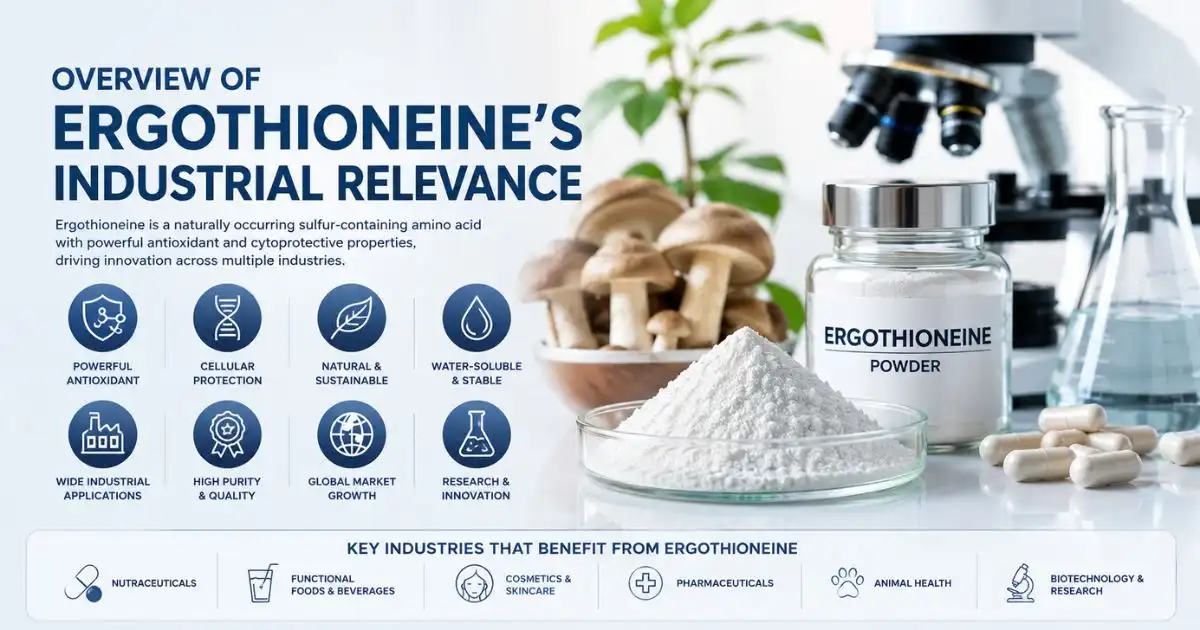
Overview of Ergothioneine's Industrial Relevance
By understanding how Ergothioneine works biologically, you can see why sourcing workers in many fields value this ingredient so highly. It is different from other antioxidant molecules because of how it is structured and how it moves.
What Makes Ergothioneine Unique in Industrial Applications
The sulfur-containing histidine betaine structure of the molecule makes it very stable across a wide range of pH levels and temperature changes that happen a lot in industrial processes. Ergothioneine has a significant advantage over ascorbic acid or glutathione in that it keeps its antioxidant power even after being exposed to heat for a long time, according to research published in biochemical journals.
The OCTN1 transporter system actively concentrates this compound in organs that are under a lot of oxidative stress, like the liver, kidneys, eyes, and skin. This makes it very useful for specific health purposes. This active transport mechanism solves the bioavailability problems that many antioxidant ingredients have. This makes sure that formulated products give measurable physiological benefits instead of just going thru the skin or digestive system.
Market Drivers Shaping Ergothioneine Demand
People's knowledge of how cells age and the health of mitochondria has increased the demand for chemicals that are backed by science. Researchers studying longevity who have written about Ergothioneine's role in communities of centenarians have caught the attention of R&D teams working on the next generation of anti-aging products. Regulatory support is still growing. In the US, GRAS status gives users trust in food and supplement uses.
As new food dossiers move thru the approval process, European markets become more interested. B2B procurement managers know that Ergothioneine meets the market's needs for naturally-derived ingredients with clean labels while also providing performance benefits that support a premium price point. When scientific evidence, clear rules, and customer desire all come together, it's good for the market to keep growing.
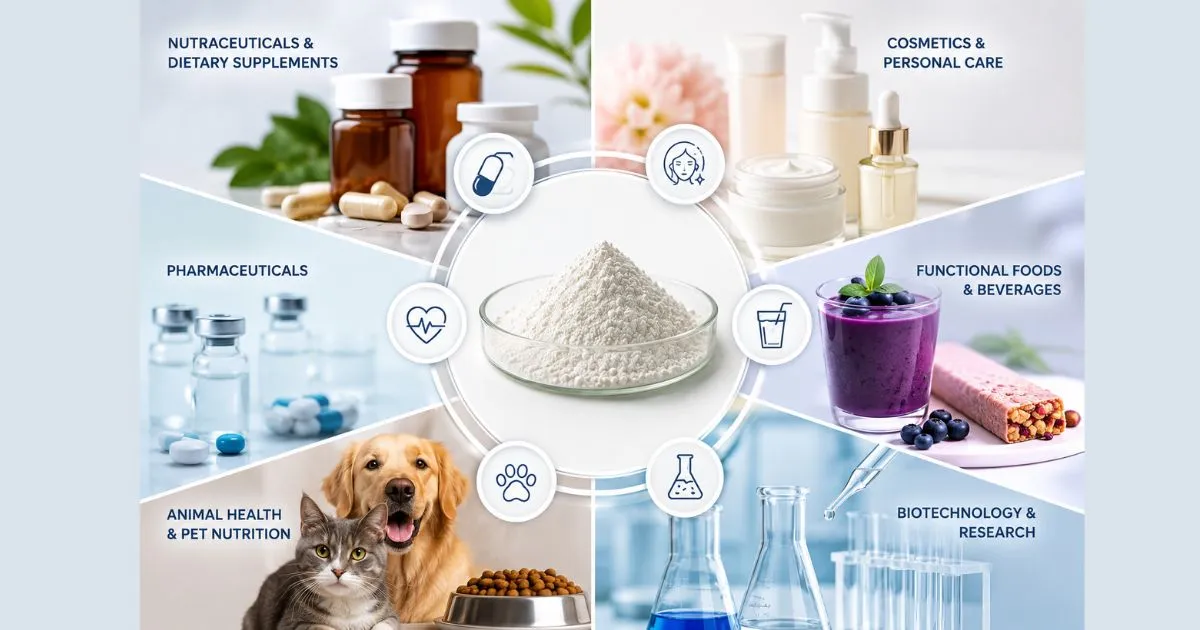
Key Industries Using Ergothioneine as an Ingredient
Ergothioneine can be used in many different areas because it is very flexible. Each area uses different qualities to meet its own formulation needs and customer standards.
Nutraceutical and Dietary Supplement Applications
Ergothioneine has strong study backing for its use in cognitive health supplements, among other applications. Neuroprotective effects have shown potential in clinical tests for keeping the mind sharp as people age. Formulations for athletic performance use this ingredient to help mitochondria work better during intense physical stress, which may lower the damage caused by exercise. Ergothioneine is included in longevity-focused products along with NAD+ precursors and senolytics as part of full cellular health protocols.
When buying something, the main things to think about are the purity requirements and the extraction methods. Brands that want to sell to high-end customers need products that are at least 99% pure, which can be proven by HPLC tests and records of analysis that show there are no contaminants. Because they have a clean name, sources of fungal fermentation usually fetch more money than manufactured production. Ergothioneine's hygroscopic nature necessitates special handling methods during manufacturing, so OEM partners need technical help for encapsulation optimization.
Cosmetic and Personal Care Formulations
The fastest-growing use of Ergothioneine in cosmetics is in anti-aging skin care. Dermatological research shows that photoprotection can slow down the aging process, and in vitro studies show that cells are more resistant to UV harm. Formulation chemists combine Ergothioneine with antioxidants that work well together, like vitamin C derivatives, CoQ10, and ferulic acid, to make protection systems that work better together and fight more than one way of aging at the same time.
The ingredient is stable in water, which makes formulating it easier than with compounds like L-ascorbic acid that are known to be unstable. Ergothioneine is usually found in concentrations between 0.5% and 2% in serums, eye creams, and high-end moisturizers. In their marketing materials, cosmetic brands stress the scientific support and cellular mechanism of action, which appeals to educated shoppers who want skincare that is based on facts. Regulatory compliance varies by market. Safety ratings of makeup ingredients in review databases make it easier to sell products around the world.
Pharmaceutical and Clinical Applications
The promise of Ergothioneine in neuroprotective therapies and the control of chronic diseases is being investigated in pharmaceutical research. Dopaminergic neurons may be protected by preclinical studies of Parkinson's disease models, but clinical translation is still going on. Because the substance is naturally found in high levels in retinal tissue, it is being studied in the field of ophthalmology for possible uses in age-related macular degeneration.
Bulk pharmaceutical-grade material has to meet strict quality standards that go above and beyond what is required for supplements. In this field, purchasing managers give more weight to sellers who have well-established quality management systems, a lot of data on stability, and regulatory support materials. Pharmaceutical uses need long-term supplier relationships based on uniform quality and reliable supply chains because the development process takes a long time and there are a lot of rules to follow.
Food and Beverage Industry Integration
Ergothioneine is added to functional foods and drinks to improve their nutritional profiles and back up health claims. Manufacturers of nutrition bars, fortified drinks, and meal replacement products that aim to help people live longer are aware of this ingredient's clean-label appeal and scientific credibility. Ergothioneine from mushrooms fits with trends in whole-food nutrition better than manmade chemicals that people are trying to stay away from.
When it comes to food, processing stability is very important when goods go thru heat treatments or long-term keeping. Stability studies show that Ergothioneine keeps its antioxidant power even after being pasteurized and sterilized in retorts, which are common methods used in the production of beverages. Formulators have to think about how well the flavors will go together because some sources may add minor umami notes that need to be tested during product development. The EU's standards for food ingredients and Eurofins' testing protocols set quality standards that global brands expect from suppliers.
Animal Nutrition and Pet Health Products
Certain high-end pet food makers use Ergothioneine in their recipes to help pets live longer and healthier lives. Veterinary study shows that managing oxidative stress may be helpful for older pets, especially large breed dogs that are more likely to lose their intelligence. The safety rating of the ingredient and the fact that dogs can easily eat mushrooms in their natural form make it a good choice for pet foods.
Soft chews, useful treats, and premium food fortification are all types of products. Pet nutrition purchases are usually smaller than human supplement purchases, but the industry is growing steadily because pet owners want health ingredients that are backed by science. Quality standards are the same for both humans and pets. To make sure their products are safe and effective, pet brands often use the same pharmaceutical-grade ingredients that are used in dietary supplements.
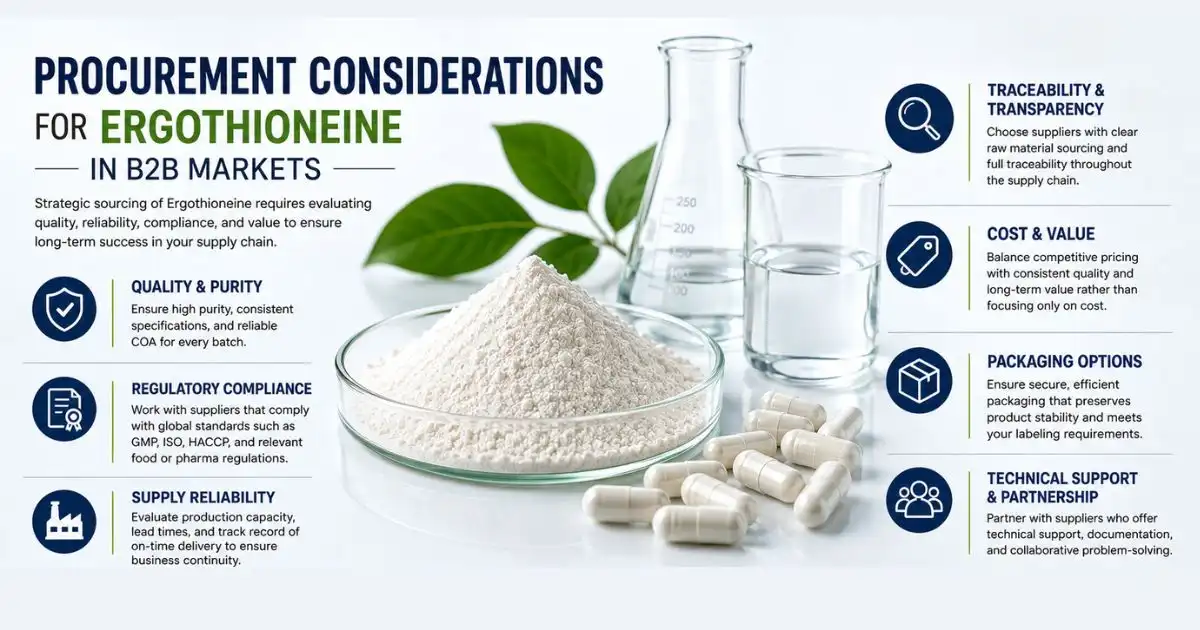
Procurement Considerations for Ergothioneine in B2B Markets
Understanding the technical requirements, certification needs, and supply chain factors that affect formulation success and regulatory compliance are necessary for sourcing high-quality Ergothioneine.
Quality Assurance and Analytical Verification
Checking for purity with HPLC analysis is the basic quality standard that is used in all situations. Yangge's standard of ≥99.9% pure means that the material is pharmaceutical-grade and can be used in the toughest situations. Laboratories like Eurofins offer third-party testing that gives procurement managers the independent proof they need to evaluate new suppliers. Certificates of analysis should show not only the amount of Ergothioneine present, but also any liquids, heavy metals, microbes, or pesticides that are still present and meet EU standards.
The molecular formula C9H15N3O2S and molecular weight of 229.3 make it possible to accurately identify Ergothioneine and tell it apart from possible fakes. Suppliers who offer full impurity testing show dedication to quality, which lowers manufacturing risks further down the line. When purchasing managers want to build long-term relationships with suppliers, they look for ones that offer proof of batch-to-batch consistency and prompt contact about any changes in production.
Certification and Regulatory Compliance
Having more than one license meets the needs of different markets and meets customer standards. Here's how important certifications help people in all fields get into markets:
Halal and Kosher Certification: These religious licenses help businesses reach more customers in places where there are a lot of Muslims and Jews. International brands need these certifications to get into markets in the Middle East, Southeast Asia, and parts of North America where customers are looking for products that are in line with the law.
FDA Registration and GRAS Status: To get into the U.S. market, you have to follow the rules set by the FDA. GRAS status makes the rules for food and supplement applications clearer. Suppliers who keep their FDA registration show they are committed to U.S. regulatory standards and have to go thru regular facility inspections.
ISO9001 and GMP Compliance: Quality management system certifications like ISO9001 and GMP Compliance let buyers know that suppliers follow written procedures, have systems for tracking products, and are always looking for ways to improve. GMP certification focuses on the specific production standards for supplements and drugs that stop cross-contamination and make sure products are always the same.
Non-GMO Verification: Promoting clean labels calls for non-GMO certification more and more, especially in North America and Europe, where people actively avoid genetically modified ingredients. When cultivation substrates don't use GMOs, fungal fermentation sources easily meet non-GMO standards.
Packaging, Handling, and Logistics
Ergothioneine's protective power is kept intact during shipping and keeping if it is packaged properly. Aluminum foil bags that are flushed with nitrogen keep things from absorbing water and breaking down due to oxygen. Standard packaging for 1 kg is good for research and small-batch production. Custom packaging options are better for automated manufacturing processes and needs for larger volumes.
Handling instructions must take into account the fact that Ergothioneine powder absorbs water. Keeping things in climate-controlled storage stops them from absorbing water, which can make them clump together and make dosing correctly during formulation harder. Managers in charge of buying things should make sure that sellers store goods in the right way and keep track of temperature and humidity levels all along the supply chain.
For international operations to work, there needs to be paperwork to help with customs clearance and following the rules in the target markets. Suppliers who have experience with exporting can give you the certificates you need, take care of your export license needs, and work with freight forwarders to make sure you get your goods on time. Lead times are usually between two and four weeks if there is a history of stock available. However, if you have specific needs or a lot of orders, the production schedule may need to be stretched.
Table 1: Ergothioneine Powder Specifications and Quality Parameters
| Parameter | Specification | Testing Method | Significance |
|---|---|---|---|
| Goodness | ≦99.9% | HPLC | Makes sure there are no toxins and maximum effectiveness |
| How they look | Powder that is off-white to white | Examination by eye | Shows how to handle and store it correctly |
| Molecular Formula | C9H15N3O2S | Spectrometry for mass | Verifies the name of molecules |
| A lot of metal | <10 ppm | ICP-MS | Meets safety guidelines to be eaten |
| Pesticide Left Overs | Meets EU standards | GC-MS and LC-MS | Important for European and organic markets |
| Count of Microbes | <1000 cfu/g | Tests for USP | Protects the product and keeps it stable on the shelf |
Pricing Dynamics and Supplier Evaluation
Pricing for Ergothioneine is influenced by the difficulty of production, the purity of the product, and the market. When compared to regular antioxidants, high-purity material costs more, but brands that target the anti-aging and life markets don't seem to care much about price as long as the effectiveness of the ingredients supports the costs of the formulation. A promise to buy in bulk usually gets better price, and yearly contracts make it easier to plan purchases by giving you a better idea of how much things will cost.
Price isn't the only thing that goes into evaluating a supplier; technical help, legal knowledge, and relationship management are also important. The best supply relationships help with formulation, share new research, and take the initiative to deal with changes in regulations that affect market access. When purchasing managers are making premium product lines, they need suppliers who know how to place their products and can suggest the best specs to back up marketing claims.
Case Studies: Successful Ergothioneine Integration Across Industries
Examining how things are implemented in the real world gives us useful information about sourcing strategies, formulation approaches, and market outcomes that help us make decisions about procurement of Ergothioneine.
Nutraceutical Brand Cognitive Health Launch
A medium-sized European supplement company created a high-end recipe for brain health that includes Ergothioneine, citicoline, and phosphatidylserine. The research and development team focused on fungal-derived Ergothioneine to back the clean-label positioning and did stability tests to prove that the ingredients would still work together after 24 months. Working together with suppliers was very important during the formulation development process.
Technical help was needed to solve problems with encapsulation caused by hygroscopic properties. The product did well when it came out in Switzerland and France, and the high price was deserved because the ingredients were backed by science. Analysis done after the start showed that customers aged 50 to 70 made repeat purchases at high rates, which supported the market positioning approach.
Cosmetic Line Anti-Aging Serum Development
An anti-aging lotion with 1.5% Ergothioneine, vitamin C variants, and hyaluronic acid was developed by a North American cosmetics company. During the development process, a lot of compatibility testing was needed because the team initially ran into pH stability issues when mixing different active ingredients. Formulators worked closely with the technical team of their Ergothioneine supplier to find the best pH range and add stabilizing ingredients that kept all of the active ingredients working well.
Photoprotective benefits were proven by rigorous third-party testing that measured cellular protection against oxidative stress caused by UV light. Beauty industry publications gave the product good reviews, focusing on the science mode of action. This led educated customers looking for evidence-based skincare to buy the product.
Functional Beverage Market Entry
A Japanese company that makes functional drinks added Ergothioneine to a drink that is intended to help people live longer and is aimed at health-conscious people aged 40 to 65. The development team did a lot of testing to make sure that Ergothioneine stayed stable after being heated to 72°C for 15 seconds, which is what is needed to make drinks that can last on the shelf.
Sensory review groups looked at how Ergothioneine affected flavors and found that at the recommended dose of 5 mg per serving, it didn't add any unpleasant tastes. With a lot of safety information and quality certificates from the ingredient source, regulatory approval went quickly. The product came out in high-end stores and online direct-to-consumer sites. Within six months, marketing goals were met, and the groundwork was laid for line extensions.
Table 2: Industry-Specific Application Parameters for Ergothioneine
| Sector of Industry | Most Common Dosage Range | Formats for Common Products | Important Quality Goals | The main benefits were stressed |
|---|---|---|---|---|
| Medicinal foods | 0.5 to 30 mg per dose | Softgels, capsules, and pills | ≥99% purity, no GMOs, and GMP approval | Cellular health, helping people live longer, and brain function |
| Cosmetics | 0.5% to 2% concentration | Eye medicines like serums, creams | Stability and purity for cosmetics | Anti-aging, anti-inflammatory, and antioxidant |
| Prescription drugs | Depending on the use | Grade for research, API | Documentation for pharmaceuticals and regulations | Neuroprotection and the possibility of therapy |
| Food and Drink | 3.0 to 10 mg per dose | Drinks, bars, and healthy foods | Stable processing and a clean label | Antioxidant support and functional nutrition |
| Food for pets | 2.2 to 10 mg per dose | Chews, treats, and adding vitamins | Quality for humans, safety rating | Vitality and good age in pet animals |
Future Outlook and Emerging Opportunities with Ergothioneine
New ways of making things, more study, and changing market conditions all open up new strategic buying positioning possibilities for Ergothioneine.
Production Technology Advances
Improvements to biosynthesis promise to lower costs while keeping quality levels high. Improvements in optimizing fungal fermentation lead to higher yields per production cycle, which could lower price pressure over a longer period of time. Sustainable sourcing options that appeal to environmentally aware brands include genetic techniques that increase the production of Ergothioneine in mushroom farming. These technological advances help procurement managers by making supplies more reliable and possibly saving them money, while still upholding the claims of natural sourcing that customers value.
Expanding Application Research
Ergothioneine's role in sports recovery is being studied in clinical trials, and several university research programs are looking into muscle recovery and oxidative stress caused by exercise. People are interested in mental health apps, especially those that help with mood and stress resistance thru cellular defense mechanisms. Veterinary medicine study is expanding beyond studies on pets to include work with horses and other livestock, which could lead to new market niches. By keeping up with new research, procurement teams can predict formulation trends and build relationships with suppliers before the market's demand picks up.
Personalized Nutrition Integration
Ergothioneine is being looked at as a possible measure in the growing field of personalized nutrition. Some testing services check people's Ergothioneine amounts to see how healthy their cells are and how much antioxidant protection they have. As personalized suggestion engines offer supplements based on each person's assessment results, this new development could make more people aware of ingredients and increase demand for them. When brands are positioning themselves for the personalized nutrition market, they should work with high-quality suppliers that can help them grow as the market matures.
Sustainability and Ethical Sourcing Considerations
More and more, environmental traits are being emphasized along with quality requirements in procurement strategies. Suppliers who use sustainable farming methods, green energy, and community development projects are in line with business responsibility goals. Forward-thinking procurement teams look for qualities in suppliers like Yangge Biotech's dedication to sustainable farming agreements and farm-to-table tracking. Transparent discussions about the supply chain can help brands stand out, especially among customers who care about the environment.
Conclusion
Ergothioneine is useful in many areas, such as nutraceuticals, cosmetics, pharmaceuticals, food, and pet nutrition, because of the way it enters cells and how stable it is. To make procurement go smoothly, you need to make sure that the purity is checked using HPLC analysis, that the certification portfolio covers a wide range of market needs, and that the supplier partnerships offer technical support during formulation development.
The compound's reputation as a possible vitamin for long life drives its use in the premium market, where brands aiming at educated customers don't care much about price. New uses in personalized nutrition, sports recovery, and mental health support point to a market that will continue to grow. The best way for procurement workers to take advantage of growing market possibilities is to build relationships with quality-focused suppliers that can support innovation and growth.
FAQ
How much of a dose should be used for each application?
Nutraceutical formulations usually have between 5 and 30 mg per dose. Based on study methods, brain health products tend to use the higher end of this range. In cosmetics, amounts of 0.5 to 2% are used, which equals 5 to 20 mg per gram of mixture. Food and drinks usually aim for 3–10 mg per serve to find a good mix between effectiveness and cost. When choosing a dosage, it's important to think about the rules in the markets you want to reach, the research that backs up certain health outcomes, and how you want to position your product in the market.
How does ergothioneine compare to other antioxidant ingredients?
Ergothioneine is more stable than vitamin C or glutathione when it comes to thermal and oxidative stress, which can happen during production and storage. The OCTN1 transporter pathway makes antioxidants more bioavailable to cells than general antioxidants, which depend on passive diffusion and often break down before they reach their targets. This compound works with other antioxidants, not instead of them. For full defense against oxidative stress, formulation methods often combine more than one process. The scientific mechanism of action gives marketers compelling stories that set premium products apart.
What certifications are essential when selecting a supplier?
GMP certification and proof of testing by a third party are the basic requirements for all applications to qualify suppliers. Getting a Halal or Kosher license lets you sell your goods in places where religious rules are important to people. ISO9001 shows that a quality management system is mature and that processes are consistent. Non-GMO verification supports the "clean label" stance that customers in North America and Europe are asking for more and more. Registration with the FDA gives you trust to sell your products in the U.S. market, and compliance with EU standards for pesticide residues meets European legal requirements. Suppliers with full sets of certifications lower the risk of buying and make regulatory reports easier.
Partner with Yangge for Premium Ergothioneine Supply
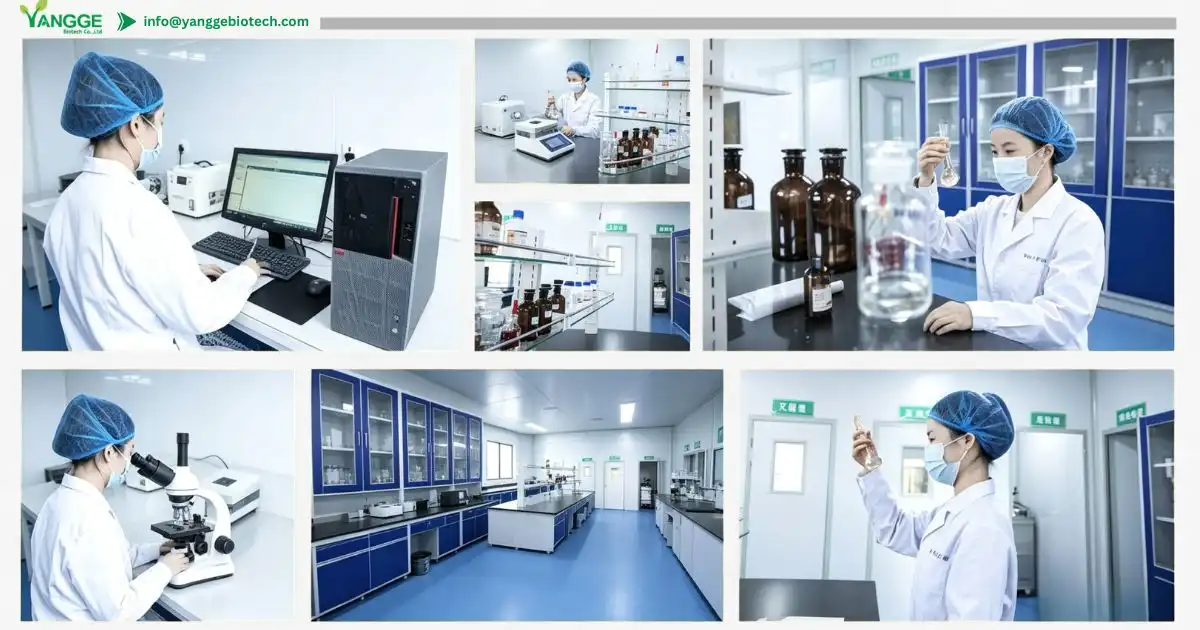
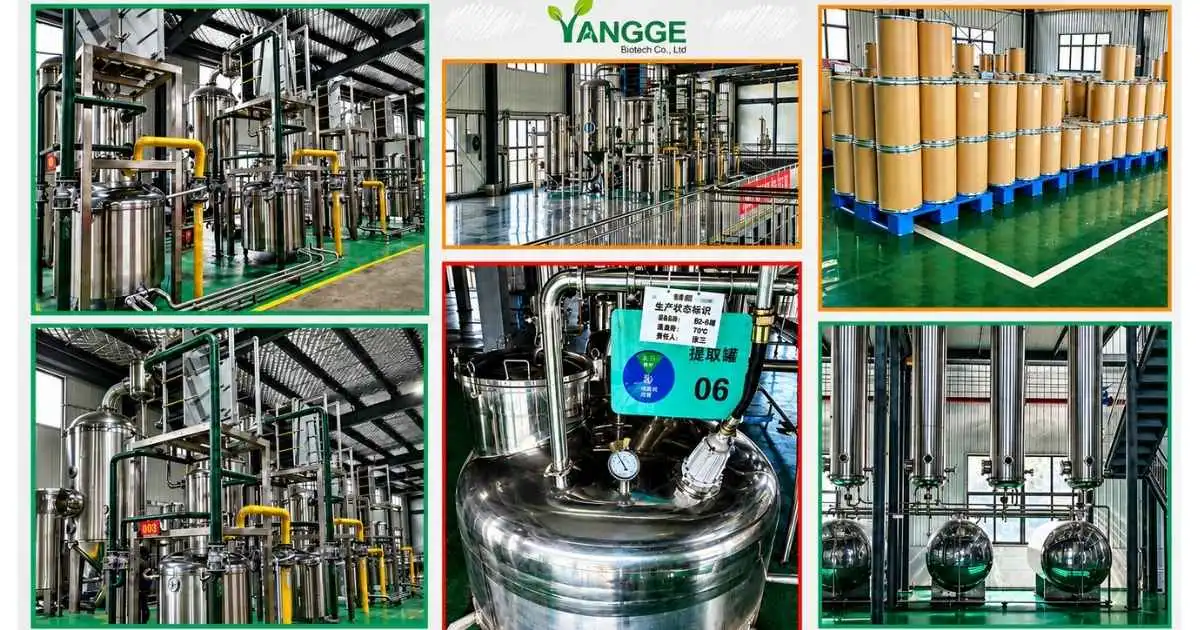
Yangge Biotech is an expert in providing pharmaceutical-grade Ergothioneine powder that is ≥99.9% pure, as proven by HPLC testing and backed up by a full Eurofins analysis that meets EU standards. Our ingredient comes from fungi and has been certified as Halal, Kosher, FDA, ISO9001, and Non-GMO. It meets the needs of a wide range of markets for uses in nutraceuticals, cosmetics, food, and pet nutrition. We have strict quality control throughout the whole production process. There are very few pesticide residues, and we can track everything from the planting of the seeds to the final packing.
As a seller of Ergothioneine with a lot of experience, we know how hard it can be to work with hygroscopic antioxidants and can help you with your application throughout the creation process. Our farm-to-table traceability and sustainable buying methods are in line with our business responsibility goals and make sure that the standard is always the same. Custom packaging choices can be used for study quantities all the way up to business production volumes.
Contact us or email our technical team at info@yanggebiotech.com to talk about your specific formulation needs, get certificates of analysis, or set up an evaluation of a sample. We give you full product specifications, data on stability, and regulatory support documents that make the buying process easier and speed up the time it takes to build a product. Let's talk about how our premium Ergothioneine can make your next product launch stand out.
References
1. Cheah, I.K., and Halliwell, B. (2021). "Ergothioneine: Recent Advances in Understanding its Biological Significance and Antioxidant Properties." Antioxidants, exploring cellular uptake mechanisms and physiological roles in human health and longevity.
2. Ames, B.N. (2018). "Prolonging Healthy Aging: Longevity Vitamins and Proteins." Proceedings of the National Academy of Sciences, discussing ergothioneine's classification as a longevity vitamin based on evolutionary and biochemical evidence.
3. Hseu, Y.C., et al. (2020). "Dermato-Protective Properties of Ergothioneine: Anti-photoaging Effects in Human Dermal Fibroblasts." Journal of Dermatological Science, examining cosmetic applications and UV protection mechanisms at the cellular level.
4. Schauss, A.G., et al. (2019). "Bioavailability and Pharmacokinetics of Ergothioneine in Humans Following Oral Supplementation." Journal of Nutritional Science, documenting absorption, distribution, and tissue accumulation in clinical subjects.
5. Paul, B.D., and Snyder, S.H. (2019). "Therapeutic Applications of Cytoprotective Amino Acids in Neurodegenerative Disease." Trends in Pharmacological Sciences, reviewing neuroprotective research and pharmaceutical development potential.
6. Song, T.Y., et al. (2022). "Functional Food Applications of Mushroom-Derived Bioactive Compounds: Ergothioneine as a Novel Ingredient." Food Chemistry, discussing food industry integration, processing stability, and formulation considerations.

Based on your location and order quantity, you will have the opportunity to receive a limited time free shipping promotion!
Who we are
Popular Blogs