What is the best source of natural beta carotene?
Beta Carotene Powder from Yangge Biotech is a high-quality natural ingredient known for its vibrant orange-yellow color and provitamin A activity, making it ideal for use in dietary supplements, functional foods, beverages, gummies, capsules, cosmetics, and natural food coloring formulations. Our Beta Carotene Powder is produced under strict quality-control standards to provide reliable purity, stability, and consistent performance for B2B applications. Yangge Biotech supports global customers with bulk supply, competitive factory pricing, customized specifications, samples, and OEM/ODM services. For product specifications, COA, samples, quotations, and bulk orders, please contact Yangge Biotech at info@yanggebiotech.com.
When sourcing natural provitamin A for supplement formulation or functional food development, Beta Carotene derived from microalgae specifically Dunaliella salina stands out as the premier choice. This microalga naturally accumulates carotenoid concentrations reaching up to 14% of its dry biomass, far exceeding the 0.1%–0.2% found in most plant sources. For procurement professionals evaluating suppliers, algal-derived provitamin A delivers superior purity, bioavailability, and regulatory compliance compared to synthetic alternatives or conventional vegetable extracts.
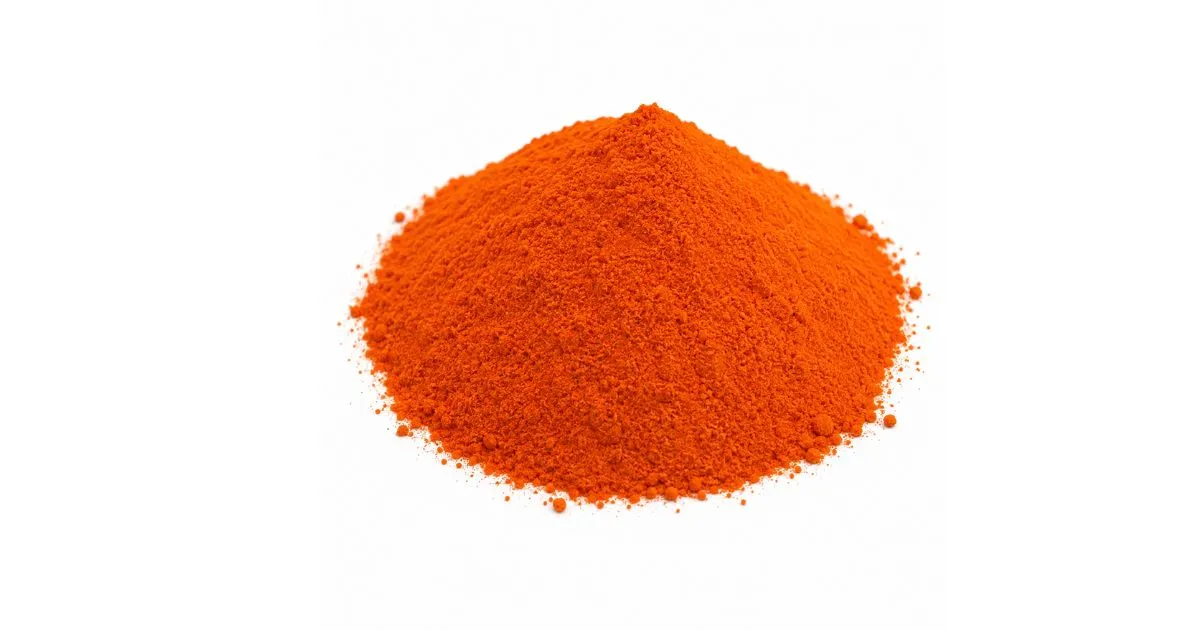
Understanding Beta Carotene: Properties and Benefits
This molecule has two jobs to do in human nutrition as a provitamin A pigment. Because intestinal enzymes break down the molecule into two vitamin A units, it is the main food source of retinol. In contrast to preformed vitamin A supplements, which can be harmful in large amounts, the body safely extracts only what it needs from carotenoids and either stores or gets rid of any extra. Because of this, it is very useful for fortification programs and market health goods.
Biological Functions and Health Impact
Carotenoids protect cell structures from reactive damage because they are antioxidants. Researchers have confirmed that they also protect eye health, especially by lowering the chance of age-related macular degeneration. Improved T-cell proliferation and antibody production lead to better immune function. Dermatological uses take advantage of its photoprotective properties. Studies have shown that regular use over eight weeks makes skin more resistant to damage from UV rays.
Natural Versus Synthetic Forms
Synthetic versions are almost always in the trans-isomer form, while natural food sources have about 10% cis isomers. When algae are extracted, they give off a balanced mix of all-trans and 9-cis forms that are almost equal in amount. This variety of isomers affects absorption; some studies show that cis forms are better absorbed by some groups. Natural sourcing helps B2B clients who want to use clean labels because it meets customer preferences in North American and European markets where "plant-based" and "naturally derived" claims are what make people buy.
Top Natural Sources of Beta Carotene: A Comparative Analysis
When procurement teams look at different sources of raw materials, they need to know how they stack up against key success measures. Natural sources of vitamin A include orange and dark green veggies, tropical fruits, and certain microorganisms. However, the amounts and handling requirements of these sources are very different.
Plant-Based Extraction Sources
Carrots are still the most common source, with 8,285 micrograms per 100 grams of fresh weight. However, extraction yields vary a lot depending on the cultivar, the soil, and how the carrots are handled after they are picked. There are 11,509 micrograms in 100 grams of sweet potatoes, but they are only available during certain times of the year.
Leafy greens like kale have 9,226 micrograms, but they need to be processed in a lot of different ways to get rid of chlorophyll influence. Monitoring pesticide residues, harvest time issues that affect potency, and temperature factors in different areas that make the supply chain vulnerable are some of the problems that these farming sources have to deal with.
| Source Type | Concentration (μg/100g) | Primary Advantages | Procurement Challenges |
|---|---|---|---|
| Carrots | 8,285 | Well-established supply lines and buyer trust | Seasonal differences and lower extraction efficiency |
| Sweet Potatoes | 11,509 | A lot of standard information | Geographical limitations on sourcing and moisture control |
| Kale | 9,226 | Organic food availability | Chlorophyll separation costs money and has a shorter shelf life. |
| Dunaliella Algae | 140,000 (dry biomass) | Controlled farming for the highest quantity | More expensive at first and more complicated to process |
Microalgae as Premium Source Material
Dunaliella salina is grown in controlled hypersaline settings where food stress causes a lot of carotenoids to build up as a defense mechanism. Australia, Israel, and India all use two-stage cultivation: first, the biomass grows in small ponds with lots of nutrients, and then it is moved to larger production ponds with high-salinity media that doesn't have much nitrogen.
During this stress-inducing phase, carotenoids reach 10–14% of the dry weight, which is about 100 times higher than in normal veggies. The closed-system production approach gets rid of worries about pesticides, lets harvesting happen all year, and ensures stability from batch to batch, which is important for controlled industries.
Fermentation-Derived Alternatives
Engineered microorganisms are being used in new biotech processes to make carotenoids thru controlled fermentation. Even tho these methods seem like they could be used on a larger scale, the way they are regulated now in the US and EU means that some fermentation products are not the same as traditional plant or algae extracts. Professionals in procurement need to check the regulatory state of the products they want to sell in their target markets. This is especially important for new food uses that need pre-market clearance.
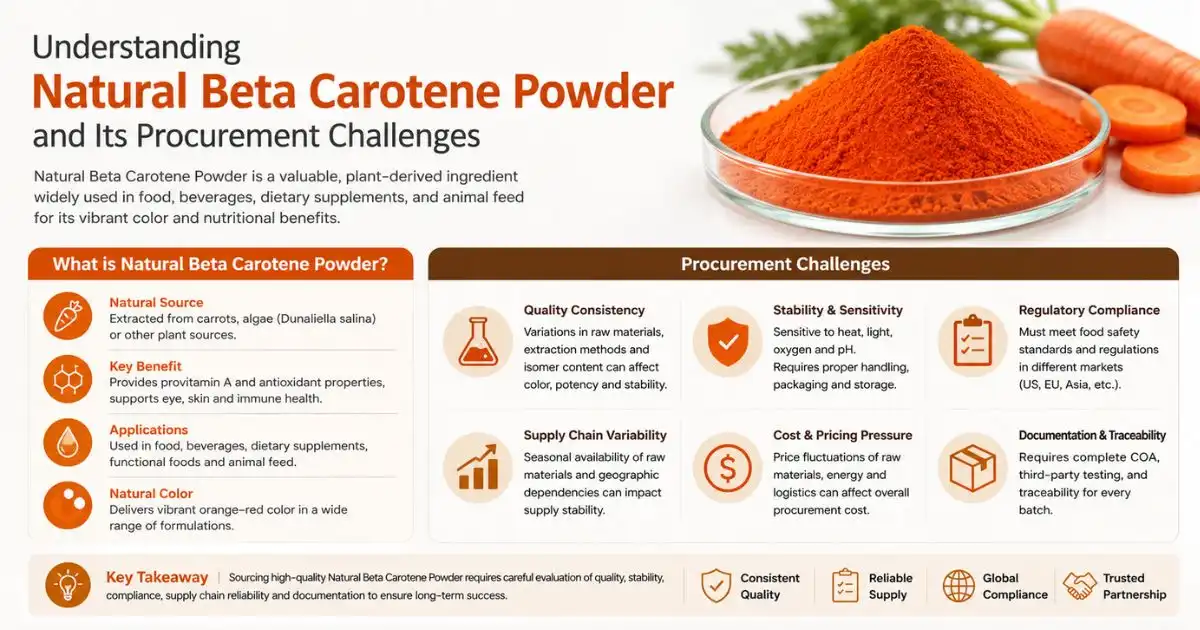
How to Choose the Best Natural Beta Carotene Source: Procurement Criteria
To find the best provider, you need to compare technical specs to business needs. Instead of just looking at unit price, decision-makers weigh purity, certification level, production skills, and the total cost of ownership, Beta Carotene being a key ingredient where these factors directly impact both regulatory compliance and final product quality.
Purity and Analytical Verification
HPLC analysis is still the best way to measure the amount of carotenoids in a sample because it is more accurate than UV spectrophotometry. Suppliers you can trust give you Certificates of Analysis that show heavy metal screening results (for example, lead, arsenic, mercury, and cadmium) and bacterial tests.
For nutraceutical uses, purity standards usually call for 95% or more of total carotenoids with few oxidation byproducts. Yangge Biotech sells standardized extracts at 1%, 3%, 10%, and 20% concentrations that have been tested and proven to work using HPLC. This gives formulators the freedom to reach their goal potencies without having to go thru the trouble of reformulating.
Certification Requirements and Regulatory Compliance
Supplement makers in North America need suppliers who are registered with the FDA, while clients in Europe put a high value on Novel Food compliance and organic certifications. With Halal and Kosher licenses, you can reach niche markets that are growing quickly. The smartest suppliers keep multiple certifications at the same time.
For example, Yangge Biotech has FDA approval, as well as Halal, Kosher, and ISO credentials. They pay for third-party audits by international laboratories before every shipment. By making sure that products meet a wide range of legal standards, this level of certification lowers procurement risk without the need for multiple providers for different markets around the world.
OEM Capabilities and Formulation Support
Modern procurement goes beyond buying basic goods and includes strategic partnerships that make it possible to come up with new products. Time-to-market for new SKUs is sped up by suppliers who offer custom formulation services for softgels, tablets, and powder blends.
In order to make gummies, which are a supplement type that is growing by double digits, you need to know more about production than just simple extraction. When looking at different providers, make sure they have case studies of past successful OEM projects that are similar to your product idea, and confirm that their formulation capabilities include stable incorporation of Beta Carotene, especially if your gummy targets color or nutritional fortification. Also, make sure that their minimum order numbers match your market testing plans before you commit to full-scale production.
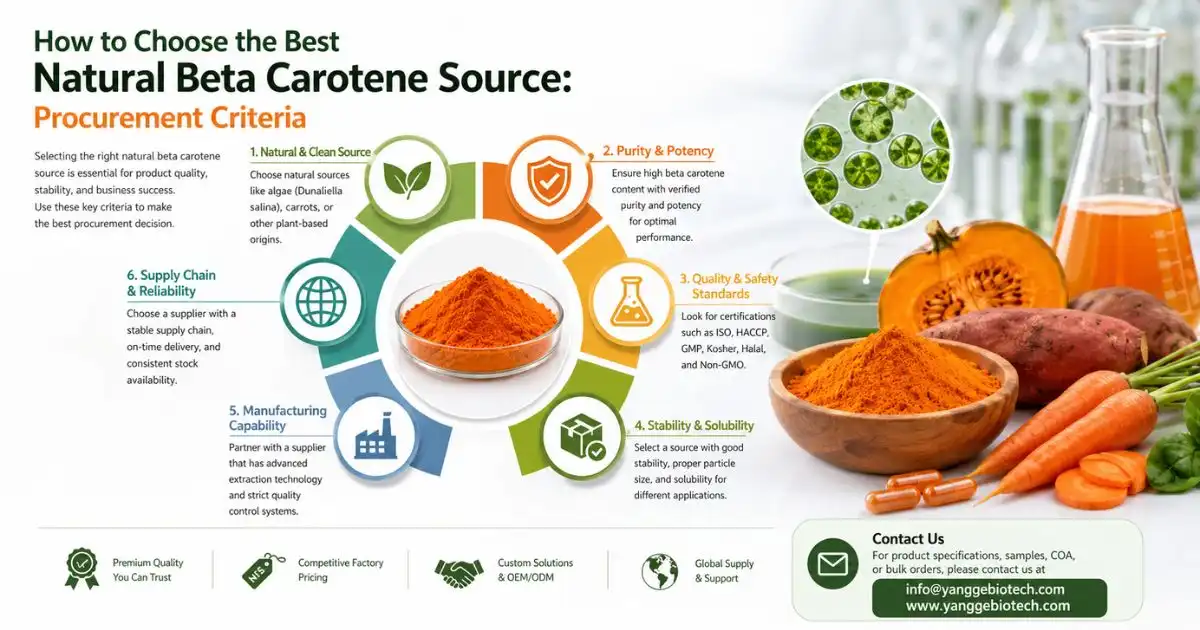
Practical Applications and Market Trends of Natural Beta Carotene in B2B
Knowing how the products will be used in the end helps procurement teams guess what formulation needs and legal issues will come up in different industries. Beta Carotene chemicals are used in many different areas, each with its own performance standards and legal requirements.
Nutraceutical Formulations
Dietary supplement companies add vitamin A to antioxidant mixes, multivitamin complexes, and products that are just for eye health. Light-sensitive compounds are kept safe inside softgels, and oil-based delivery systems make absorption better. To keep tablets from going bad during storage, they need special ingredients called excipients.
Microencapsulation technologies solve this problem, but they raise the costs of the ingredients by 15–30%. Powder forms are flexible for adding to protein shakes and superfood mixes, but they need to be stored in opaque, oxygen-barrier containers to keep their effectiveness. 68% of supplement buyers in the US specifically seek "naturally sourced" vitamins instead of manufactured options. This gives truly natural ingredients more price power, even tho they cost more to make.
Food and Beverage Applications
Along with being a source of nutrients, carotenoids are also natural colorants that give drinks, baked goods, and dairy alternatives their orange to red hues. The rules that allow carotenoids in natural products change from place to place. For example, the EU allows them under E160a(ii) rules, while the US FDA does so under 21 CFR 73.95.
Scientists who make drinks like how algal extracts mix better with water than carrot-based alternatives. Functional drink brands use two types of positioning: color and health benefits on the same ingredient list. The world market for natural food colorants is growing at a rate of 8.2% per year. This is because people don't like manmade dyes like Red 40 and Yellow 5.
| Application Segment | Typical Dosage Range | Key Performance Requirements | Regulatory Considerations |
|---|---|---|---|
| Dietary Supplements | 5,000 to 25,000 IU per serving | Bioavailability and stability thru shelf life | GMP compliance and proof of label claims |
| Functional Beverages | 0.5 to 2 mg/100 ml | Spreading water and keeping heat stable | Natural color additives are okay. |
| Cosmetic Formulations | 0.1% to 0.5% w/w | Stability with oxidation, skin entry | Declaration of INCI, compliance with preservation systems |
Cosmetic and Skincare Integration
Antioxidant traits are used in dermatological recipes to make anti-aging creams, sunscreens, and brightening serums. Some problems that come up during incorporation are controlling the strong orange color in finished products and making sure that emulsion systems are stable. Cosmetic-grade materials need to be tested more to make sure they don't irritate the skin and are compatible with preservatives. The clean beauty movement increases the need for active ingredients that come from plants. Adding carotenoids supports marketing claims about "botanical antioxidants" and "vitamin-rich formulas."
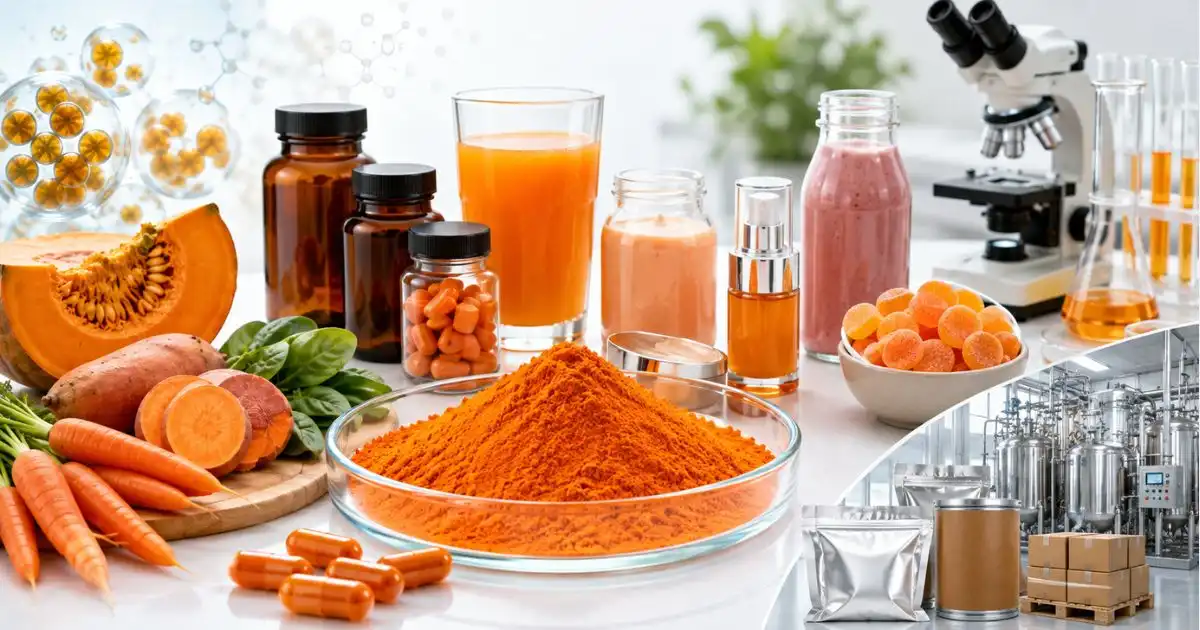
Addressing Challenges and Risk Factors in Beta Carotene Procurement
Even if procurement professionals find the perfect seller, they still need to follow risk management rules to protect product quality and supply consistency. Knowing where problems might happen lets you come up with proactive ways to fix them, and for ingredients like Beta Carotene, this means verifying each supplier’s testing protocols and batch traceability to avoid contamination or potency loss.
Quality Control and Adulteration Prevention
Because synthetic and natural carotenoids are not priced the same, there is an economic reason to mix cheap synthetic material into goods that are sold as naturally produced. Stable isotope ratio analysis, which shows carbon-14 signatures that are unique to synthetics made from petroleum versus photosynthetic organisms, is used in complex testing methods to tell the difference between sources.
Make sure that sellers give you third-party identification certificates, especially if their prices are much lower than the market average. To ease these worries, Yangge Biotech has an international lab check each shipment before it leaves, and there is full documentation that shows how the products were grown and how they were packaged at the end.
Oxidative Stability and Shelf Life Management
Carotenoids lose half of their effectiveness in just a few weeks if they are stored in a way that lets oxygen, light, and heat reach them. Effective providers use nitrogen cleaning during packing, opaque packages with oxygen scavengers, and cold storage. The contracts for buying things should say what the highest temperatures can be for delivery and how they should be stored. To figure out how long your finished products will last in the real world, ask for accelerated stability data that shows how well they keep their potency under ICH Q1A(R2) conditions (40°C/75% RH for three months).
Supply Chain Resilience Planning
Dependence on a single source makes you vulnerable to problems with output, bad weather that affects farming, or changes in regulations in the countries that supply you. Diversifying between two qualified sources in different parts of the world protects against supply gaps. During busy times, make sure you have enough strategic supplies to cover 60 to 90 days of production needs. Some procurement teams negotiate supply contracts that last a year and have price reviews every three months. This way, they can balance price stability with the risk of market changes.
It's important to pay close attention to the different vitamin A rules in each market because they are very complicated. For example, some places have upper limits on fortification levels while others require minimum amounts. A medium-sized European supplement brand recently had to recall some products because the claims on the labels were 12% higher than the actual tested values.
This was because they hadn't taken into account the degradation of the raw materials when figuring out the shelf life. To account for natural breakdown, adding 10 to 15 percent more to recipes is one way to do it, but this method needs to be clearly documented for regulatory checks.
Conclusion
To find the best natural source of vitamin A, you have to weigh a lot of things, such as how well it works biologically, how well it meets regulations, how reliable the supply chain is, and the total cost of ownership. Dunaliella salina algae is the best choice for B2B buying teams that care most about purity, concentration, and stability, and it is one of the richest natural sources of Beta Carotene.
Even though they cost more at first than other plant extracts, the lower processing needs and high potency make them more cost-effective in the long run. Successful sourcing partnerships are more than just buying things from each other. They also involve working together, with suppliers giving advice on formulation, regulatory issues, and market information. Clean-label, naturally derived products are becoming more and more popular among consumers. Buying decisions made today will give brands a competitive edge in health-focused markets that are growing steadily.
FAQ
How can I verify natural versus synthetic origin in bulk powder?
Stable carbon isotope ratio mass spectrometry (IRMS) is used in analytical laboratories to tell the difference between synthetic materials made from fuel and natural chemicals made by photosynthesis. Natural sources have certain C13/C12 ratios that show how CO2 is fixed in the atmosphere, while manufactured forms made from acetylene feedstocks have different isotopic signatures. Ask providers to provide both normal HPLC analysis and IRMS verification. Also, look at the all-trans to cis-isomer ratios. Synthetic products have less than 1% cis forms, while natural extracts have 10–50% cis isomers, depending on the source organism.
What certifications matter most for nutraceutical manufacturing?
To get into the US market, you need to get FDA center registration, GMP compliance, and finished product testing approvals. EU suppliers should have either ISO 22000 or FSSC 22000 certifications for food safety. Organic approval from the USDA, EU, or JAS adds a premium image but raises prices by 20 to 40 percent. Halal and Kosher certifications are important for some groups of customers, but they require ongoing facility audits after the initial approval. Always check certifications directly with the groups that issued them instead of depending on what the seller says.
Does bioavailability differ significantly between sources?
Studies on human absorption show that the makeup of the matrix has a bigger effect on uptake efficiency than the source location alone. It is better for fat-soluble carotenoids to be taken with dietary lipids; supplements that come in oil-filled softgels are 30–40% more bioavailable than dry tablet forms. Some people may be able to absorb more because cis isomers help micellar components mix better during digestion. Microencapsulation technologies can make water-dispersible forms work as well as oil-based ones at delivering drugs.
Partner with a Trusted Beta Carotene Supplier
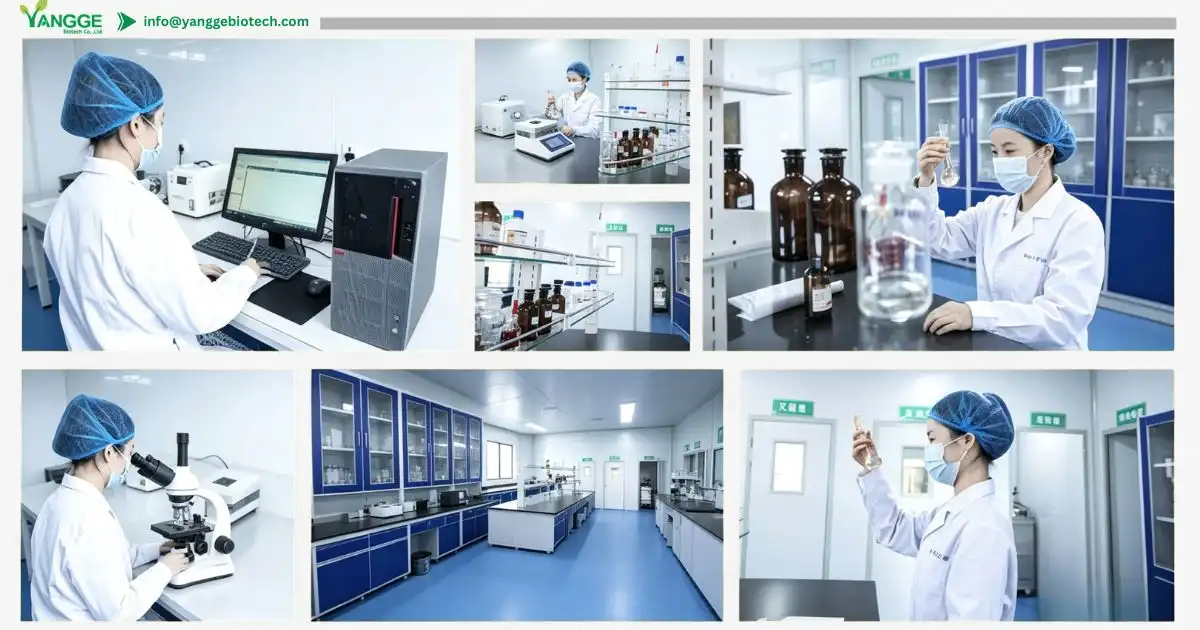
Yangge Biotech is an expert in high-quality natural Beta Carotene powder that is extracted from Dunaliella salina. They offer USP and Kosher-certified grades, and you can get 1 ton right away for your production needs. Our extracts have been checked by HPLC and come in different strengths of 1%, 3%, 10%, and 20%. They can be used to make softgels, pills, powders, and chews, and we offer full OEM services to meet all of your needs. Before it is shipped, each batch goes thru testing that meets FDA standards and is checked by an international lab.
This makes sure that the purity and potency that your brand's reputation requires. For research and development, we offer free samples weighing 10 to 30 grams, which gives you peace of mind before placing a full-scale order. We offer both FOB and CIF shipping choices, and our products are certified as Halal, Kosher, and ISO. This means that there are no problems with procurement, and our prices stay competitive.Contact us or email our technical team at info@yanggebiotech.com to talk about your specific needs and get detailed COA documentation that can be used right away.
References
1. Britton, G., Liaaen-Jensen, S., & Pfander, H. (2008). Carotenoids Volume 4: Natural Functions. Basel: Birkhäuser Verlag.
2. Fraser, P. D., & Bramley, P. M. (2004). The biosynthesis and nutritional uses of carotenoids. Progress in Lipid Research, 43(3), 228-265.
3. Lamers, P. P., van de Laak, C. C., & Kaasenbrood, P. S. (2010). Carotenoid and fatty acid metabolism in nitrogen-starved Dunaliella salina, a unicellular green microalga. Journal of Applied Phycology, 22(1), 21-30.
4. Rao, A. V., & Rao, L. G. (2007). Carotenoids and human health. Pharmacological Research, 55(3), 207-216.
5. Rodriguez-Concepcion, M., & Stange, C. (2013). Biosynthesis of carotenoids in carrot: An underground story comes to light. Archives of Biochemistry and Biophysics, 539(2), 110-116.
6. Stahl, W., & Sies, H. (2012). β-Carotene and other carotenoids in protection from sunlight. American Journal of Clinical Nutrition, 96(5), 1179S-1184S.

Based on your location and order quantity, you will have the opportunity to receive a limited time free shipping promotion!
Who we are
Popular Blogs