What Is Red Beet Betanin Natural Pigment Used For?
Red Beet Betanin Powder from Yangge Biotech is a natural red pigment derived from high-quality beetroot, providing vibrant red to pink coloration for food, beverage, nutraceutical, and cosmetic formulations. With excellent natural coloring properties and versatile applications, it is suitable for manufacturers looking for a plant-based alternative to synthetic colorants. Yangge Biotech provides professional bulk supply, customized specifications, OEM/ODM support, and international shipping services. For product specifications, COA, samples, bulk pricing, or purchasing inquiries, please contact Yangge Biotech through the official website or email the sales team at info@yanggebiotech.com.
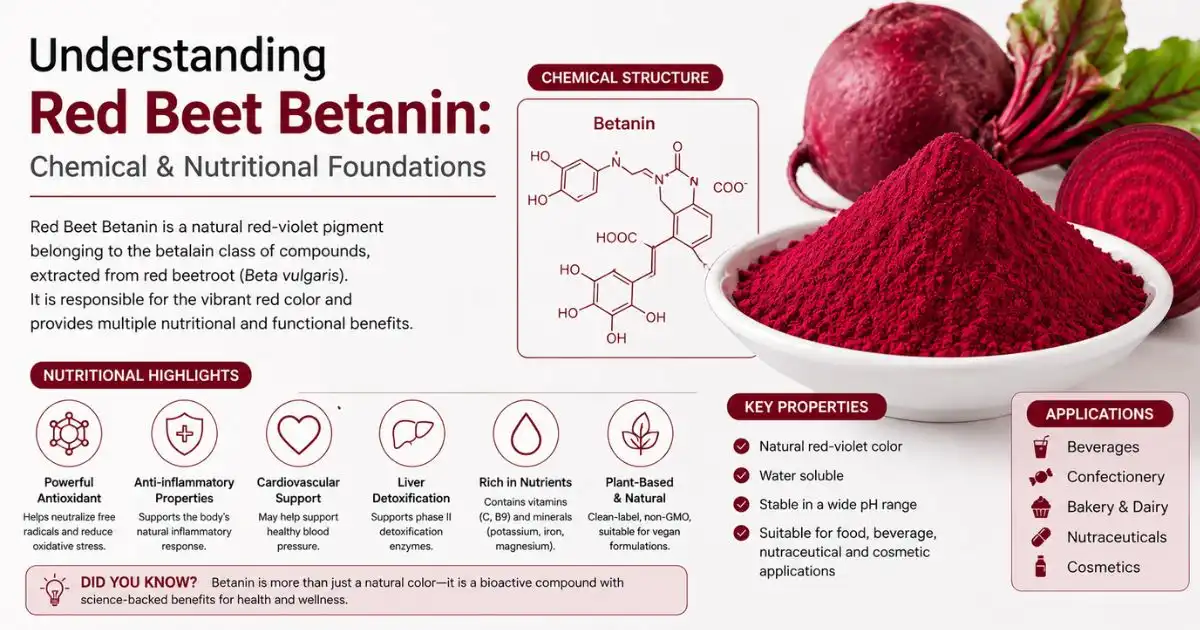
Red beet betanin, classified as E162 in regulatory frameworks, is a water-soluble betalain pigment extracted from Beta vulgaris (red beet) roots. This natural colorant delivers vibrant red-to-purple hues across diverse food and beverage formulations. Unlike synthetic dyes such as Allura Red AC, betanin supports clean-label initiatives demanded by health-conscious consumers.
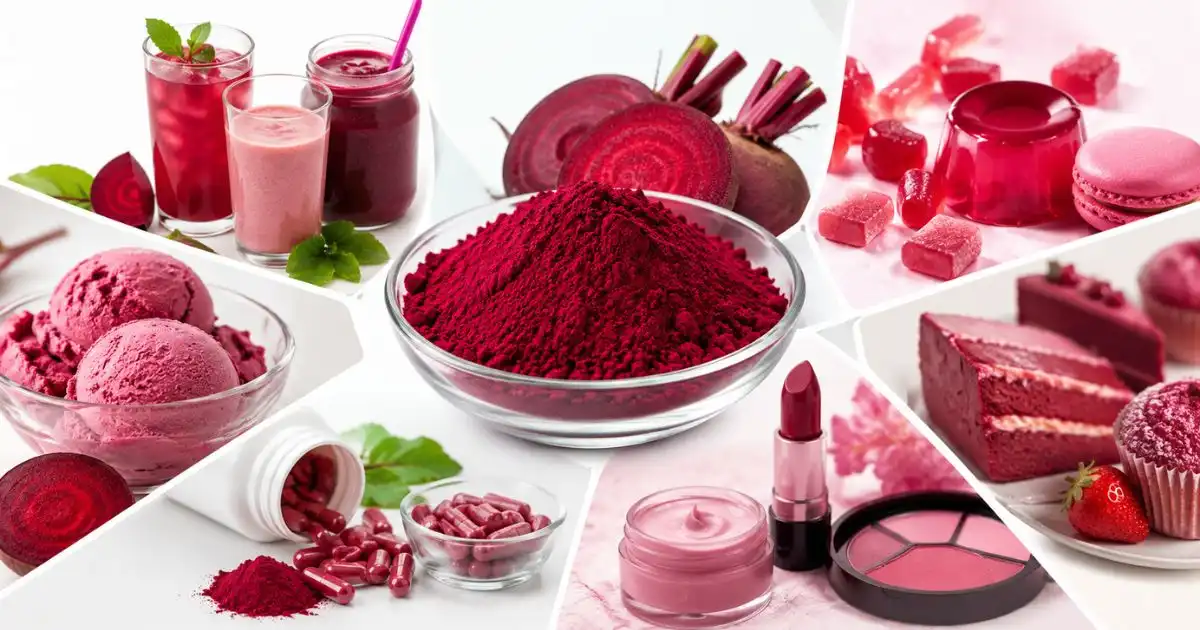
Its application spans beverages, dairy products, meat analogs, confectionery, and condiments where natural color declaration enhances market positioning. Understanding betanin's technical characteristics, stability parameters, and sourcing considerations enables procurement professionals to make strategic decisions that align with regulatory compliance, consumer preferences, and product performance requirements.
Understanding Red Beet Betanin: Chemical & Nutritional Foundations
There are several types of betacyanins, but the main one is Red Beet Betanin. Betanidin 5-O-β-D-glucoside is its scientific name. This molecule structure makes up between 75% and 95% of the red color in good extracts. The pigment is very concentrated, so very little of it is needed to make a big difference in the color. This makes it cheaper per use than pigments that aren't as concentrated.
Red Beet Betanin is pleasant to look at and is an antioxidant that helps foods stay fresh longer and be more useful. It may help with inflammation and the heart, but for now, most people only use it for looks and not for health reasons. In the industrial extraction process, exact methods like chromatographic separation are used to get specific color values that are written down as E1% 1cm standards.
Red Beet Betanin is healthy because it doesn't have any allergenic parts and can be labeled as vegan, vegetarian, halal, or kosher if it is processed correctly. Since the color dissolves in water, it can be used in water-based systems without emulsifiers. This makes it easier to make the formula. Red Beet Betanin is not the same as annatto or other oil-soluble carotenoids because of this. It is useful in the dairy and beverage industries.
When teams are looking to buy Red Beet Betanin, they should give more weight to buyers who can show analysis papers that show how much Betacyanin was used, the microbe limits, the heavy metals that were screened, and PAH4 compliance. European rules say that there should be no more than 10 parts per billion of benzopyrene. Good makers always meet this standard by following strict rules for where to get their materials and how to process them.
Key Uses of Red Beet Betanin Natural Pigment in Industry
Beverage Manufacturing Applications
If a drink's pH level is between 4 and 6, Red Beet Betanin works best. It keeps fruit juices, sports drinks, and flavored waters stable the best. The pigment will keep its color strength for as long as it stays cool, which is as long as it is kept out of direct light. When companies use standard extracts instead of raw beet powder, Red Beet Betanin makes it easy to make sure that colors are the same from one batch to the next.
Because Red Beet Betanin is stable, it works best in drinks that have been handled cold. The color can handle short bursts of steaming at temperatures around 72°C, but heat processing that lasts for a long time above 80°C speeds up the fading process. This issue is solved by adding Red Beet Betanin after the heat process or selecting forms that can withstand high temperatures for use in UHT.
Dairy and Fermented Product Integration
If you want yogurt, ice cream, or cultured dairy products to look like strawberries, raspberries, or cherries, you can add Red Beet Betanin to them. How well the color works in dairy systems depends on how strong the pH is and how much protein is there. Milk and cheese with a pH level between 4.2 and 4.8 have the brightest red Red Beet Betanin tones. Milk and cheese with a pH level of 4.8 or less have purple-red tones.
Because it doesn't ferment, Red Beet Betanin can be used in recipes for probiotic drinks and kefir. The product will stay helpful and look good for a long time since the color doesn't change the activity of germs or enzymes.
Meat Alternatives and Plant-Based Proteins
Red Beet Betanin is being used more and more by companies that make plant-based meat to make it look like animal meat. Naturally colored foods like burger patties and sausages look like they are "bleeding" when Red Beet Betanin is mixed with annatto or lycopene. Based on how people want their veggie and vegan protein foods to look, this app talks about what people want.
One of the problems with formulating is making sure that Red Beet Betanin is safe while it is being cooked at high temperatures. Manufacturers often use protective systems, such as antioxidant mixes (ascorbic acid, tocopherols), to make sure that little to no color loss happens when the product is being prepared for sale. Because of new technologies that make them even more resistant to heat, Red Beet Betanin can be used in more frozen comfort foods that need to be warmed up in the oven or microwave.
Confectionery and Bakery Solutions
Red Beet Betanin adds color to frostings, sauces, sweets, and gum that doesn't need to be labeled. It's good for sugar sweets that Red Beet Betanin stays stable in places with a lot of sugar. But it's still important to keep wetness in check to stop Maillard reactions that make colors less bright. You can get great color depth and clarity in gummy formulas when the pH and Red Beet Betanin levels are just right.
With baking at high temperatures, there are more tech issues that bakery apps have to deal with. Red Beet Betanin works best in dips, sauces, and baked goods that don't need to be baked. It doesn't work as well in hot cake batters or cookie doughs. When people make things, they get creative and put Red Beet Betanin in stacked treats to keep the colored parts from getting too hot.
Comparing Red Beet Betanin with Alternative Colorants
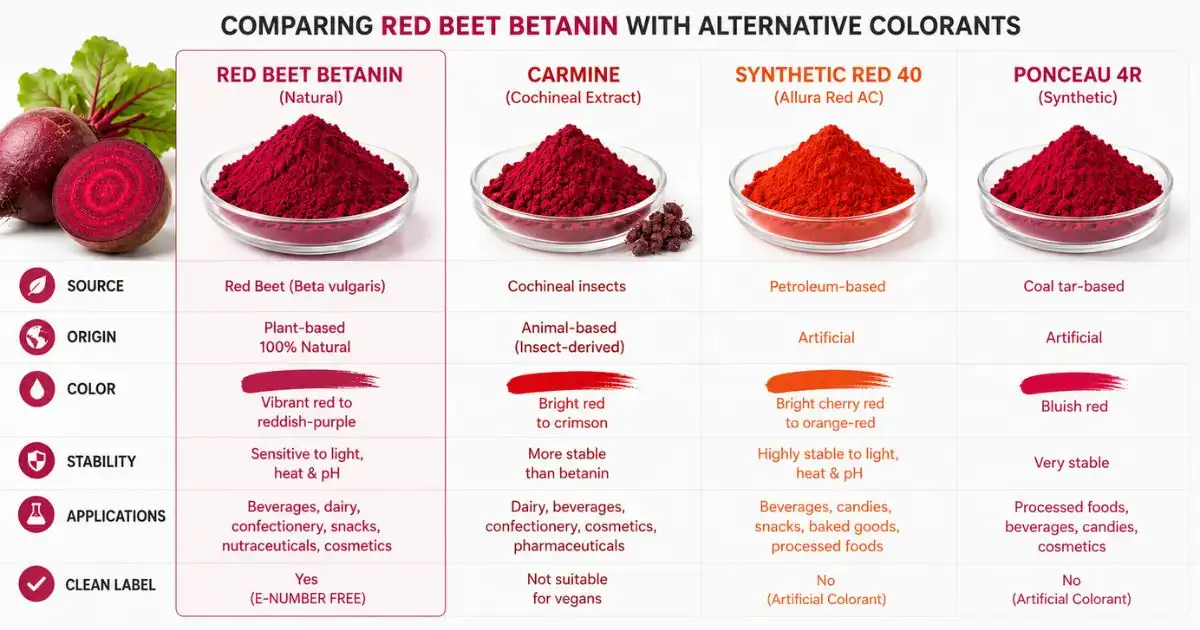
It is important to know how Red Beet Betanin works compared to both man-made and natural colorants in order to pick the right ones. People who buy things can use this study to find pigments that fit the needs of a product and help the company reach its market positioning goals.
Allura Red AC (Red 40) and Ponceau 4R are better than Red Beet Betanin when it comes to how well they hold up in heat and light. Because they are man-made, these colorants can stand up to rough processing and give cheap, bright color that doesn't change. More and more rules, mostly in North America and Europe, are making it harder to use synthetic colors. This is because people believe they are dangerous and need to have warning labels. These issues aren't caused by Red Beet Betanin because it comes from plants and has a good label statement.
Carmine (E120), which comes from cochineal insects, stays solid at high temperatures and makes colors that are very similar to Red Beet Betanin. Carmine is having a hard time selling to people who are vegan or don't want to use things that are made from bugs. It is also hard to use carmine because of worries that it might cause allergies. On the other hand, Red Beet Betanin almost never causes allergies. Red Beet Betanin is usually less expensive than carmine, especially when you take into account the extra costs of getting it from ethical sources, like growing insects.
| Colorant Type | Heat Stability | Light Stability | pH Sensitivity | Clean Label Status | Regulatory Approvals |
|---|---|---|---|---|---|
| Red Beet Betanin (E162) | Not too hot (80°C) | Moderate | High (pH 4-6 best) | Good | EU, US, Global |
| Allura Red (E129) | Good | Good | Low | Bad | EU users restricted |
| Carmine (E120) | Good | Good | Low | Not vegan | EU, US, Global |
| Anthocyanins (E163) | Moderate | Low | High | Good | EU, US, Global |
In the market for natural colorants, Red Beet Betanin and anthocyanins from berries, grapes, or purple veggies are right up against each other. Both kinds of dyes work well for clean labels and change color in the same way when the pH level changes. Anthocyanins work better in acidic environments because they keep light more stable, but you have to use more of them to get the same color strength. When you look at how much different tinctures cost, Red Beet Betanin usually comes out on top. In particular, this is true when normal extracts are used instead of fruit juices.
Turmeric and annatto range in color from yellow to orange, but Red Beet Betanin ranges from red to purple. When these other chemicals are mixed with Red Beet Betanin, they give the color pink, peach, or red. Knowing how stable each pigment is helps make sure that formulations don't go wrong. Like, you have to be very careful with the pH when you mix Red Beet Betanin and carotenoids so that both of the colorants stay intact.
Procurement Considerations for Red Beet Betanin Natural Pigment
Supplier Certification and Quality Standards
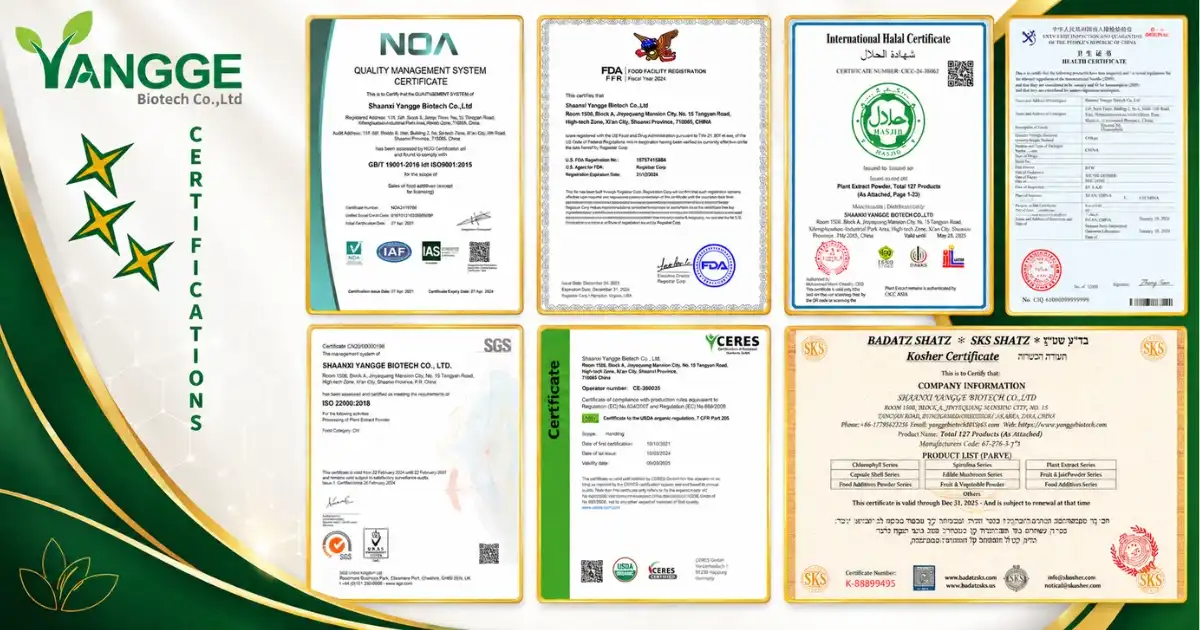
The first thing you need to do to get reliable Red Beet Betanin is to find manufacturers who follow the right quality standards. One that is certified by ISO 22000 or FSSC 22000 is sure to follow all the rules for food safety. If a food has an organic approval, like USDA Organic or EU Organic, it means that it was grown without using pesticides or GMOs. Getting kosher or halal approval makes it easier for foods that need to be eaten by religious people to reach stores.
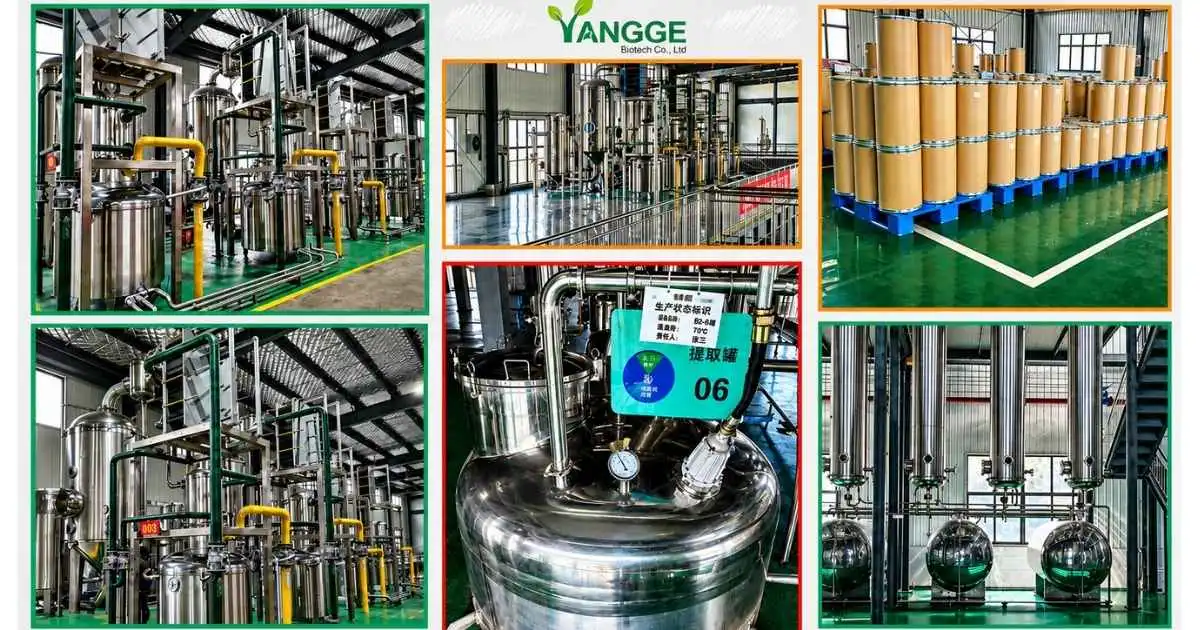
A third-party lab checks the specifications to make sure they are correct. Trustworthy suppliers work with different testing labs to do retests on each batch to make sure the Betacyanin level is right, to make sure the product is safe for microbes, and to look for contaminants. These are very strict rules for PAH4 in Europe. Red Beet Betanin that meets these rules usually meets the needs of officials all over the world.
Technical Specifications and Product Formats
To find out how much Betacyanin is needed for the purchase, standardized spectrophotometric methods should be used. When you look at the color value given as E1% 1cm at certain wavelengths (usually 536-538 nm), you can see right away how well each supplier does their job. Standardized extracts with Betacyanin levels between 0.5% and 10% can be used for different reasons and in different amounts.
How the product is treated and made is affected by the physical means. Spray-dried powder is simple to use and will last longer if you keep it in the right way. It's easier to add liquid concentrates directly to drinking systems, but they need to be kept in the fridge and can only be used for a shorter time. When pigments are heated, encapsulated forms keep them safe, but they cost more because they are more stable.
Red Beet Betanin that is of good quality and can be used in tough settings has these traits:
Information Sheet for Red Yangge Beets E162
- Active Ingredient: Betacyanin (primary component: Red Beet Betanin)
- Concentration: Standardized to specification (available in multiple grades)
- Extraction Method: HPLC-verified chromatographic separation
- Physical Form: Deep red powder
- Solubility: Water-soluble (complete dispersion in aqueous systems)
- Shelf Life: 24 months under proper storage conditions
- Certifications: Non-GMO, Non-Irradiated, Non-Allergen, Kosher, Halal
- Regulatory Compliance: EU E162 approval, PAH4 compliant (Benzopyrene ≤10 ppb)
- Quality Assurance: Cooperation with accredited labs for independent verification
- Minimum Order Quantity: 1 kg (sample availability supports formulation trials)
- Storage Requirements: Sealed containers, protected from light and moisture
- Packaging Options: Aluminum foil bags (1 kg standard) or customized formats
Supply Chain Logistics and Inventory Management
Red Beet Betanin is steady, so the way it is shipped needs to be carefully thought out. Light breaks down colors faster during shipping and storage, which is why stores need to control light and use opaque packing. Changes in temperature should be kept to a minimum. Items will stay fresh for as long as they are stored at room temperature or below 25°C.
It takes two to four weeks to get something from a well-known source that keeps stock on hand. It takes an extra 6 to 8 weeks to get what you need when you need custom formulas or specialized encapsulations. Procurement professionals should work with sellers who are clear about how much stock they have and when they can start making things so that formulation delays don't happen.
| Procurement Factor | Evaluation Criteria | Impact on Decision |
|---|---|---|
| Betacyanin Content | <0.5% for standard; >2% for high-intensity | Dosage rates and cost-effectiveness |
| Batch Consistency | COA variation ≤5% between production lots | Color reproducibility across runs |
| Certification Portfolio | ISO, Organic, Kosher, Halal documentation | Audience eligibility expansion |
| Minimum Order Quantity | 1–25 kg enables trial; 100+ kg optimizes price | Balances testing with cost efficiency |
| Sample Availability | Free samples support R&D testing | Reduces formulation development risk |
| Lead Time | 2-4 weeks standard; custom formats longer | Production and inventory planning |
When people decide what to buy, sustainability is becoming more and more important. Companies can meet their social responsibility goals if their suppliers use sustainable farming methods, clean energy, and partnerships for community development. Showing proof of how a product got from the farm to the store shelf makes the brand's story better and meets the needs of a store's environmental check.
Maximizing Value from Red Beet Betanin: Best Practices and Future Outlook
Formulation Optimization Strategies
To get the most out of Red Beet Betanin, it needs to be prepared in a way that takes into account the problems it naturally has with staying stable. This keeps the mixtures in the pH range of 4-6, which is the best range for Red Beet Betanin stability. This keeps the color bright. Phosphate buffers or citric acid can be used to do this without adding any bad tastes.
Co-additives that are antioxidants make Red Beet Betanin last longer. Ascorbic acid, a type of vitamin C, gets rid of free radicals that damage the structure of pigments. Natural tocopherols keep the lipid phase in emulsion systems safe. Chelating agents, like EDTA, hold on to small metals that help oxidative breakdown happen faster. This is very important when using public water sources that have iron or copper in them.
To keep light out, you can use thick packing materials that block UV rays. Amber glass, metalized films, and dark plastic bottles all break down much more slowly than clear containers. You should think about how bright the lighting is when you put things in shops. Traditional fluorescent lamps give off more heat and UV light than LED devices.
Setting up protocols that can control temperature during processing takes a lot of thought. Adding Red Beet Betanin after the food has been heated up to kill any germs keeps the color strong. As long as contact time is short and heating and cooling cycles are quick, damage can be kept to a minimum when pre-thermal addition is needed. You lose less color when you flash pasteurize at 72°C for 15 seconds instead of batch pasteurizing.
Emerging Innovations and Market Trends
Technology that encapsulates Red Beet Betanin is the next big thing that will make it more stable. Maltodextrin, gum arabic, or modified starches can be used to spray-dry Red Beet Betanin and make microcapsules that protect pigments from things in the world that are bad for them. Newer ways of encapsulating, like coacervation and liposomal trapping, protect Red Beet Betanin better, which means it can be used in high-heat settings where it wasn't possible before.
In the future, fermentation could be used to make Red Beet Betanin instead of extracting it from plants. Bioengineered yeast or bacteria that make biosynthesis routes for Betalain could provide consistency all year, even when foods change. You can still study these bioengineering methods, but one day they might be used along with the old ways of farming beets.
The rules are still being changed so that natural colorants can be used. More than once, both the FDA and the EFSA have said that Red Beet Betanin is safe. This is different from made choices, which are still being closely looked at. There will be 8–10% growth in the clean label market every year until 2028. This makes Red Beet Betanin a good choice for companies that want to change their recipes and use fewer fake chemicals.
Because customers want things to be open, suppliers have to come up with new ways to track goods. With blockchain-based supply chain tracking, brands can back up their claims that their products come from sustainable sources and give customers a lot of information about how their goods got to them. Working with providers who are on the cutting edge of technology gives you an edge over other companies that aren't just meeting your needs.
Conclusion
Red Beet Betanin is a natural colorant that can be used by companies that make drinks, dairy goods, plant-based nutrients, and sweets. It helps them follow clean label rules. Because it is made of Betalain, it stays in the right pH levels and helps antioxidants do their job. Red Beet Betanin needs to be carefully made because it isn't very stable. But Red Beet Betanin is always getting better because of new ways to process it and package it.
For buying to go well, you need to pick qualified providers who offer standard extracts, high-quality paperwork, and help from experts. Red Beet Betanin is doing better in the market compared to manmade options because more and more laws support natural ingredients and customers want to know where the products they buy come from. Because of this, it will be an important factor in the future.
FAQ
What is the difference between betanin extract and beetroot powder?
What is Red Beet Betanin extract and beetroot powder different from each other? The colors in Red Beet Betanin extract are 5–20 times stronger than in whole beetroot powder because they go through exact chromatographic separation. Color values are always the same because of this uniformity; they can be measured as E1% 1cm. This lets you figure out doses correctly and make batches over and over again.
The amount of color in beetroot powder changes based on the type, how it was grown, and when it was picked. This makes it hard to match colors. Powders that are whole have earthy tastes and bits of wood that can make the flavors dirty. This is important for drinks and sweets. Workers who buy things choose standardized Red Beet Betanin extracts over regular beets powders because they care more about quality control and following the rules.
How stable is betanin under different processing conditions?
When Red Beet Betanin is changed in different ways, how stable is it? When the temperature is below 80°C and the pH is between 4 and 6, Red Beet Betanin stays very steady. It keeps its color strength through the normal steps used to pasteurize drinks. When the pH level is above 7, the colors turn blue-violet before they fully bleach out. This is called hydrolytic breakdown.
As long as the temperature stays above 90°C, the material will break down faster, no matter what the pH is. Photodegradation is caused by light, especially UV wavelengths. Using opaque packaging can slow this down. When used in retorts, encapsulated Red Beet Betanin formats can handle rougher processing and short exposure to 120°C. Stability testing helps figure out when to add ingredients and the right kind of protection for each product matrix while a mixture is being made.
How do I source certified betanin suppliers?
How can I best find sources of Red Beet Betanin that are safe? Red Beet Betanin providers with a good name keep their ISO 22000 or FSSC 22000 food safety certifications and records for organic, kosher, and halal use. Ask for lab results that show how much Betacyanin was found, as well as bacterial tests, heavy metal screening, and PAH4 compliance that meets European standards. If a seller gives you free samples, you can try out different mixes before you buy a lot of them.
Being open about where the farming materials come from, how they are taken out of the ground, and the rules for quality control shows that the company is adult. Good companies keep a stock that can handle orders as small as 1 kg and charge low prices for bigger orders. When a third-party lab works with a producer, there is independent proof that helps global markets follow the rules.
Partner with Yangge for Premium Beetroot Red E162 Betanin Supply
The best place to get good Red Beet Betanin is in Yangge. If you want to buy factory-direct beetroot red E162, you can trust Yangge Biotech Co., Ltd. to give you the best product in the world. HPLC extraction methods have shown that our deep red Red Beet Betanin powder has the right amount of Betacyanin. Making this change makes sure that the powder always works the same way during production. Our products are certified by many groups, including ISO, HACCP, Kosher, and Halal. They also follow strict rules about not having GMOs or being irradiated, so they can be sold in Europe, North America, and the Middle East. This is what we keep in stock: 50–100 kg. You can order as little as 1 kg.
We also give away free samples so that you can fully test the recipe. Because of our deal with PAH4, the amount of benzopyrene will be well below 10 ppb, which is in line with strict safety rules in Europe. The way we do things is based on sustainability, and we keep track of everything from the farm to the table. Contact our expert team right away at info@yanggebiotech.com to talk about your specific color value needs and get tailored Red Beet Betanin solutions that will help your new clean-label products.
References
1. Delgado-Vargas, F., Jiménez, A.R., and Paredes-López, O. (2000). "Natural Pigments: Carotenoids, Anthocyanins, and Betalains - Characteristics, Biosynthesis, Processing, and Stability." Critical Reviews in Food Science and Nutrition, 40(3), 173-289.
2. Azeredo, H.M.C. (2009). "Betalains: Properties, Sources, Applications, and Stability - A Review." International Journal of Food Science & Technology, 44(12), 2365-2376.
3. Stintzing, F.C. and Carle, R. (2004). "Functional Properties of Anthocyanins and Betalains in Plants, Food, and in Human Nutrition." Trends in Food Science & Technology, 15(1), 19-38.
4. Sadilova, E., Carle, R., and Stintzing, F.C. (2007). "Thermal Degradation of Acylated and Nonacylated Betalains." Journal of Food Science, 72(8), C385-C389.
5. Rodriguez-Amaya, D.B. (2016). "Natural Food Pigments and Colorants." Current Opinion in Food Science, 7, 20-26.
6. Herbach, K.M., Stintzing, F.C., and Carle, R. (2006). "Betalain Stability and Degradation - Structural and Chromatic Aspects." Journal of Food Science, 71(4), R41-R50.

Based on your location and order quantity, you will have the opportunity to receive a limited time free shipping promotion!
Who we are
Popular Blogs