Which industries use beta carotene color additives?
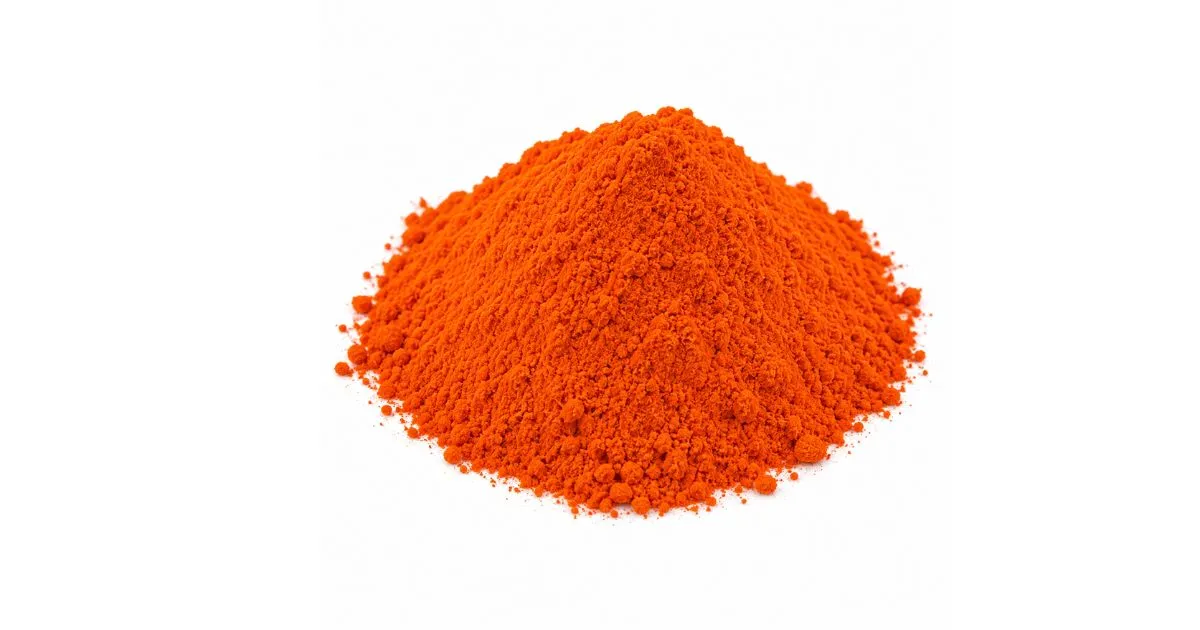
Yangge Biotech Beta Carotene Powder is a high-quality natural carotenoid ingredient designed for food, beverage, dietary supplement, nutraceutical, pharmaceutical, and functional nutrition applications. Beta carotene provides a natural yellow-to-orange color and is widely recognized as a provitamin A source.
Yangge Biotech offers Beta Carotene Powder in multiple specifications, including 1%, 5%, 10%, and high-purity options, helping manufacturers select the right concentration for their formulations. Our products are manufactured under strict quality control and supported by professional technical documentation. Contact us today for specifications, COA, samples, pricing, and bulk order information. Email: info@yanggebiotech.com
What is Beta Carotene powder?
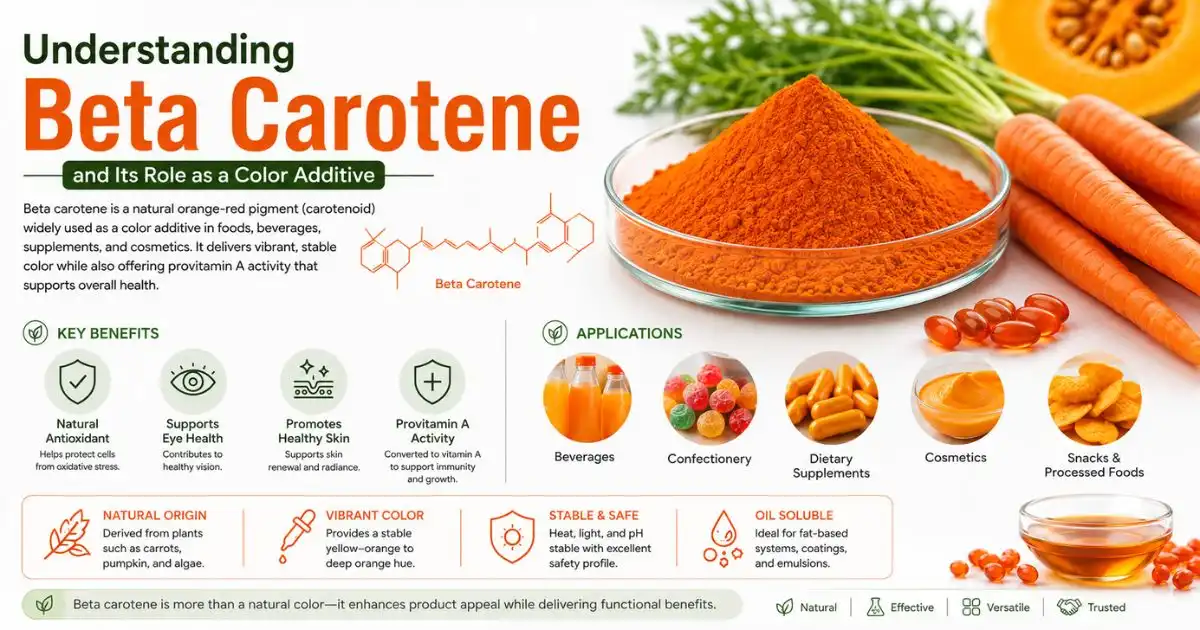
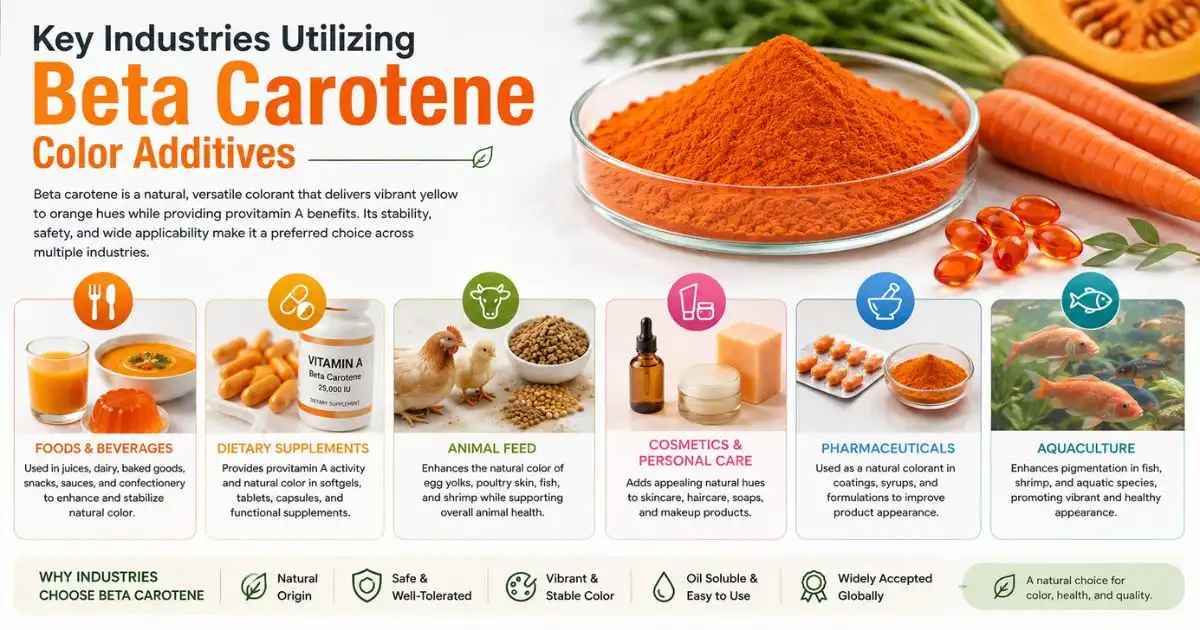
Beta carotene serves as a versatile natural color additive across numerous industries, valued for its vibrant orange-yellow hue and nutritional properties. Food and beverage manufacturers incorporate it into dairy products, juices, and confectionery for both coloring and vitamin A fortification.
The nutraceutical sector extensively uses beta carotene in supplements targeting eye health and immune support. Cosmetic brands favor it for skin care formulations due to its antioxidant capabilities. Pharmaceutical companies rely on its safety profile for tablet and capsule coloring, while animal feed producers enhance poultry and aquaculture products with this carotenoid pigment.
Understanding Beta Carotene and Its Role as a Color Additive
Chemical Structure and Color Mechanism
The carotenoid family includes Beta Carotene, which has a conjugated double-bond system that absorbs blue-violet light and reflects orange-red light. There are two main types of this lipophilic compound: all-trans (made) and mixed isomers, which include 9-cis (natural sources). One molecule of this carotenoid is broken down by the body into two molecules of retinol, which is vitamin A. This makes it nutritionally important in addition to its coloring role.
Our Beta Carotene Powder is made using HPLC extraction methods to get concentrations between 1% and 20%. It looks like an orange-yellow powder. The extraction method keeps the natural isomer profile, which makes the drug more bioavailable than synthetic options.
Stability Challenges in Industrial Formulations
Processing factors significantly affect carotenoid longevity. Oxygen, sunshine, heat, and some pH levels can speed up the breakdown process. When packaging, manufacturers need to think about encapsulation technologies, antioxidants like tocopherols, and nitrogen flushing. Water-dispersible formulations get around problems with solubility in water-based systems, but they need special emulsification methods to work.
The choice between oil-soluble and water-dispersible variants depends on your end product matrix. For beverage uses, water-dispersible forms with modified starch or gum arabic carriers work best, while oil solutions work well with softgel vitamins.
Advantages Over Synthetic Color Additives
Carotene-based colorants are positioned as special because that's how people naturally see them. Beta Carotene is generally recognized as safe (GRAS) by regulatory bodies around the world, which means it can be used without as many restrictions as synthetic dyes like Tartrazine or Allura Red. Concerns about the long-term health of the environment make versions made from algae or fermentation even better than versions made from petroleum.
Market research shows that claims like "naturally colored" can make health-conscious people 18–25% more likely to buy a product. Because people want natural products over synthetic ones, there is a price difference between them, especially in high-end supplement categories.
Key Industries Utilizing Beta Carotene Color Additives
Food and Beverage Manufacturing
Beta Carotene is added to margarine, butter substitutes, and cheese products by dairy processors to bring back the yellow color that was lost when fats were made more uniform. Companies that make fruit drinks, smoothies, and functional waters use water-dispersible versions to get uniform orange colors that run from light peach to deep amber, based on the concentration.
For example, this carotenoid can be used in gummy vitamins, hard sweets, and baked goods that are processed at mild temperatures. Manufacturers of pasta sometimes add it to make golden-colored goods that visually show egg content, even when the pasta is egg-free.
Because it can be used as both a colorant and a precursor to vitamin A, nutrition claims can be made that help marketing tactics. Beta Carotene fits this role perfectly, and this natural coloring method works especially well for kids' food because parents try to avoid adding fake ingredients.
Nutraceutical and Dietary Supplement Sector
This is the biggest business-to-business market for high-purity carotene powders. Supplements for eye health, skin health, and immune function are made by manufacturers and come in softgels, tablets, and powder forms. It is mixed with lutein, zeaxanthin, and vitamin E in combination formulas to make full antioxidant blends.
| Dosage Form | Typical Beta Carotene Content | Primary Application | Stability Consideration |
|---|---|---|---|
| Softgels | Each capsule has 10,000 to 25,000 IU | Taking extra vitamin A | Needs an oil carrier and a nitrogen flush |
| Tablets | 5,000 to 15,000 IU per tablet | Multi-vitamin formulations | It needs a protective coating |
| Powder Blends | concentration of 1% to 10% | Protein drinks and superfood mixes | Packaging that doesn't like moisture |
As long as the active content is between 1% and 20%, Yangge Biotech can help OEMs create products in all of these forms. Our KOSHER and Halal approvals make it easier for a wide range of consumers to buy our products, and our USP-grade quality meets the medicinal standards needed to make supplements.
Cosmetics and Personal Care Industry
Skincare formulators value Beta Carotene for its antioxidant qualities and natural orange tint in sunscreens, anti-aging serums, and colored creams. The compound helps neutralize free radicals produced by UV radiation while offering slight color correction. Self-tanning products sometimes include low concentrations to enhance the bronzed appearance gradually.
Regulations in this field change greatly by region. Beta Carotene (CI 40800, CI 75130) is allowed by the European Union Cosmetics Regulation, but only if it meets certain quality standards. Procurement teams have to make sure that sellers show proof that their products meet regional standards for makeup ingredients.
This carotenoid is sometimes found in hair care items that aim to improve color or skin health. The hard part is keeping light-colored hair from getting stained, which requires exact preparation skills.
Pharmaceutical Applications
Coating tablets and capsules is an important pharmaceutical use case. In both immediate-release and controlled-release dosage forms, Beta Carotene offers an alternative to synthetic colorants. It is easier to get approval from regulators than newer coloring agents because it is GRAS and has a lot of safety data.
Natural colorants are especially good for pediatric recipes because they calm parents' worries about synthetic chemicals. The provitamin A activity also supports nutritional supplementation in areas where vitamin A deficiency remains a public health problem.
According to ICH guidelines, stability testing proves that pharmaceutical products that are properly made keep their color throughout their shelf life. To help with regulatory filing needs, our technical team gives stability protocols and formulation advice.
Animal Feed and Aquaculture
Farmers add carotenoids to layer feed to make egg yolks darker so that they meet consumer expectations for yolks that are a deep yellow-orange color. It is sometimes added to broiler chicken feed to make the skin darker, but xanthophylls are often a better, more cost-effective choice for this purpose.
Supplementing with carotenoids is very important for aquaculture operations that raise salmon, trout, and ornamental fish. Astaxanthin and other pigments are found in fish that eat a lot of crustaceans in their natural environment, but supplements are needed to get fish raised in farms to a marketable color. While astaxanthin is most often used in aquaculture, Beta Carotene can be used in some formulas as a cheaper option or as a precursor.
In order to keep up with the clean-label trend in pet nutrition, companies that make premium pet food use natural colorants. Pet owners think that bright orange kibbles are of higher quality, even though animals don't have a taste for color.
Procurement Considerations for Beta Carotene as a Color Additive
Natural Versus Synthetic Sourcing
Natural Beta Carotene comes from algae (Dunaliella salina), fermentation (Blakeslea trispora), or extracting vegetables (carrot, sweet potato). All-trans isomers are made through chemical synthesis in synthetic production. This difference is important for labeling, pricing, and how customers see the product.
Algae-derived variants command premium pricing but enable "100% natural" claims valued in organic and clean-label markets. Fermentation-produced choices have prices in the middle and come from natural sources. Synthetic versions provide cost advantages for applications where natural claims don't drive purchasing decisions.
Yangge Biotech is an expert in extracting Beta Carotene from fruits and vegetables. They offer natural Beta Carotene powder with mixed isomer profiles that make it more bioavailable. Our specifications include 1%, 3%, 10%, and 20% concentrations to match diverse formulation requirements.
Essential Quality Criteria and Certifications
When evaluating a procurement, these points of verification should come first:
- Purity and Potency: HPLC analysis confirms the correct amount of active ingredient. Request Certificates of Analysis (COA) from independent laboratories showing specification compliance. Our products undergo testing by international laboratories before shipment, ensuring consistency across batches.
- Regulatory Compliance: FDA GRAS status, EU Novel Food approval, and country-specific food ingredient rights range by source and quality. Suppliers should provide regulatory paperwork packages backing market entry in your target areas.
- Quality Certifications: ISO 22000, HACCP, Kosher, and Halal certifications demonstrate systematic quality management. These have to be used when serving people who have special dietary needs or when following certain rules.
- Contaminant Testing: Pharmacopeial standards must be met for heavy metals (lead, arsenic, mercury, cadmium), pesticide residues, and microbiological contamination. Third-party testing offers extra security beyond supplier claims.
Pricing Dynamics and Supplier Selection
Market prices change based on the supply and demand of raw materials and other goods. Most of the time, natural sources cost 30 to 60 percent more than synthetic ones. Tiered pricing systems that work well for established product lines are often unlocked by volume agreements.
| Source Type | Price Range ($/kg) | Lead Time | Best Application |
|---|---|---|---|
| Synthetic | $80-$150 | 4 to 6 weeks | formulations that don't break the bank |
| Fermentation | $150 to $280 | 6 to 8 weeks | Priority for natural claims |
| Algae Extract | $250 to $450 | 8 to 12 weeks | Premium organic products |
| Vegetable Extract | $180 to $320 | 6 to 10 weeks | Supplements with clean labels |
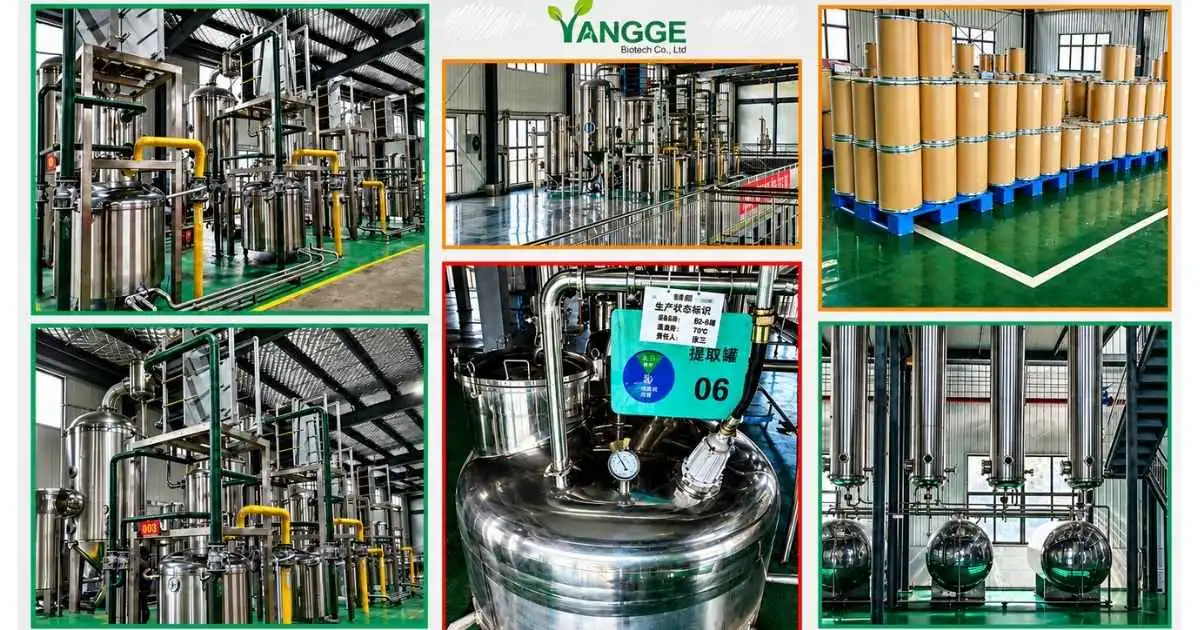
When evaluating suppliers, assess technical support capabilities alongside price. Formulation advice, help with stable tests, and help with regulation paperwork all add value that goes beyond the cost of the raw materials. Long lead times are a common problem that Yangge Biotech solves by keeping a one-ton inventory that can be shipped right away under FOB or CIF terms.
Evaluating Supplier Reliability
Quality that doesn't change and a steady supply are important for long-term partnerships. Ask for samples for research and development (R&D). We give 10–30g samples for free to qualified buyers to test. Evaluate batch-to-batch uniformity through multiple sample runs before agreeing to large-volume contracts.
As rules about traceability get stricter, supply chain transparency becomes more important. Farm-to-table documentation, ethical sourcing verification, and sustainability practices differentiate premium suppliers in crowded markets. Our close links with farming communities allow us to keep track of things and promote environmentally friendly farming methods.
How to Effectively Integrate Beta Carotene Color Additives into Your Production
Formulation Best Practices for Color Stability
Dosage optimization finds the best balance between cost and color intensity. 2 to 10 parts per million are usually needed for beverage uses, while 5,000 to 25,000 IU are in a serving of food supplements. To make sure the product is stable, test it in small batches over its predicted shelf life at high temperatures (40°C/75% RH).
Vitamin E and rosemary extract are antioxidant synergists that make color last a lot longer. Metal-catalyzed oxidation can't happen because of chelating agents like EDTA. What kind of packaging you use—amber glass, aluminum foil laminates, or nitrogen-flushed pouches—has a huge effect on how long colors last.
When it comes to problems, water-based formulations are worse than oil-based ones. The carotenoid is kept safe in water by microencapsulation or complexation with cyclodextrins. Changing the pH to a normal or slightly acidic range makes things more stable compared to when they are alkaline.
Regulatory Compliance Across Markets
According to FDA rules, Beta Carotene can be used as a color additive (21 CFR 73.95) and as an ingredient in dietary supplements (GRAS status). Labels must accurately show where the item came from and what it does. European Food Safety Authority (EFSA) approves it as E160a with specific purity criteria outlined in Commission Regulation (EU) No 231/2012.
Maximum use amounts are different in each market. Japan's Ministry of Health, Labour and Welfare keeps separate specs under its food additive standards. When going after more than one geography, procurement needs to make sure they have the right paperwork for all of their target markets. Our extensive certification collection makes this possible.
Real-World Integration Examples
A North American drink company changed the recipe for its orange juice blend by adding 8 parts per million of water-dispersible Beta Carotene instead of synthetic yellow 6. Consumer testing showed 34% preference improvement with "naturally colored" labeling, justifying a 12% cost increase. The brand was positioned with a clean label, which opened up sales routes in natural retail.
As an eye health supplement, a European nutraceutical company made a softgel with 15 mg of Beta Carotene and 10 mg of lutein. They were able to keep our 10% Beta Carotene powder for 24 months at room temperature by stabilizing it with tocopherol. The KOSHER certification made it possible to enter markets in the Middle East.
An Asian company that makes makeup added 0.5% Beta Carotene to a serum that fights age. The natural orange tint provided visual product differentiation while the antioxidant properties supported marketing claims. When packed in amber glass with nitrogen gas, stability tests showed that the color would stay the same for 18 months.
Addressing Common Production Challenges
The main concern is still degradation during processing. For uses above 80°C, contact times must be short and cooling must happen right away. When spray-drying, the inlet temperature should be less than 180°C, and the particles should be collected quickly.
Color consistency from batch to batch depends on strict requirements for the raw materials and tested analytical methods. Setting accepted color ranges through spectrophotometric measurement (Lab* values) makes it possible to set concrete standards for quality control. In our COAs, we include standard color values to help your QC procedures.
Solubility problems in aqueous systems fix through proper dispersing method. Using water-dispersible forms with emulsifiers or pre-mixing with small amounts of oil can help keep things from sticking together. High-shear mixing, also known as homogenization, makes sure that the product is evenly distributed throughout the matrix.
Conclusion
Food, supplements, cosmetics, medications, and animal nutrition all benefit from Beta Carotene's use as a natural colorant. Knowing the chemical qualities, how it is used in certain industries, and how to buy it can help you make smart choices about where to get it that balance quality, cost, and following the rules. As the demand for "clean label" products grows, naturally derived carotenoids become important ingredients for making products that can compete in the market.
To integrate well, you need to pay attention to formulation stability, the right certifications, and supplier partnerships that offer technical support beyond just providing raw materials. If procurement professionals learn how to think about these things, they can make products that meet both government rules and changing consumer needs.
FAQ
Is beta carotene safe for all product types?
Beta Carotene keeps GRAS status in the United States and allowed food additive classification (E160a) in the European Union. A lot of safety data backs up its use in medicines, supplements, cosmetics, and foods. Normal amounts of use are safe because the body controls the conversion to vitamin A based on its own needs. Too much may temporarily cause carotenoderma, which is an orange discoloration on the skin that goes away when the amount eaten is reduced, but this is still safe. Women who are pregnant and some medical groups should follow their doctors' advice about how much vitamin A to take.
What concentrations achieve effective coloring?
Application needs are very different depending on the type of product. 2 to 10 parts per million are usually used in beverage recipes for pale to medium orange colors. Dietary supplements have between 5,000 and 25,000 IU (3 to 15 mg) of color per dose for health reasons. 5–30 ppm is used in food uses like margarine, based on how strong of an effect is wanted. 0.1 to 1% is used in cosmetic formulas to make creams and serums. Concentrations in animal feed reach 10 to 50 ppm for use in aquaculture and chicken farming. Pilot testing finds the best dose for your unique grid and the look you want to achieve.
How do natural and synthetic variants differ for industrial use?
Synthetic Beta Carotene is mostly made up of all-trans isomers that are made through chemical synthesis, which is cheaper and more pure. Natural sources like algae, fermentation, or plant preparation have a range of isomer profiles, including 9-cis, that make them more bioavailable. Labeling rules tell the difference between these origins, and natural varieties command higher prices that are justified by their "clean label" positioning. Performance differences are still pretty small in pure coloring applications, but natural sources may be better for nutritional supplement applications that want to stand out in the market.
Partner with Yangge for Premium Beta Carotene Solutions
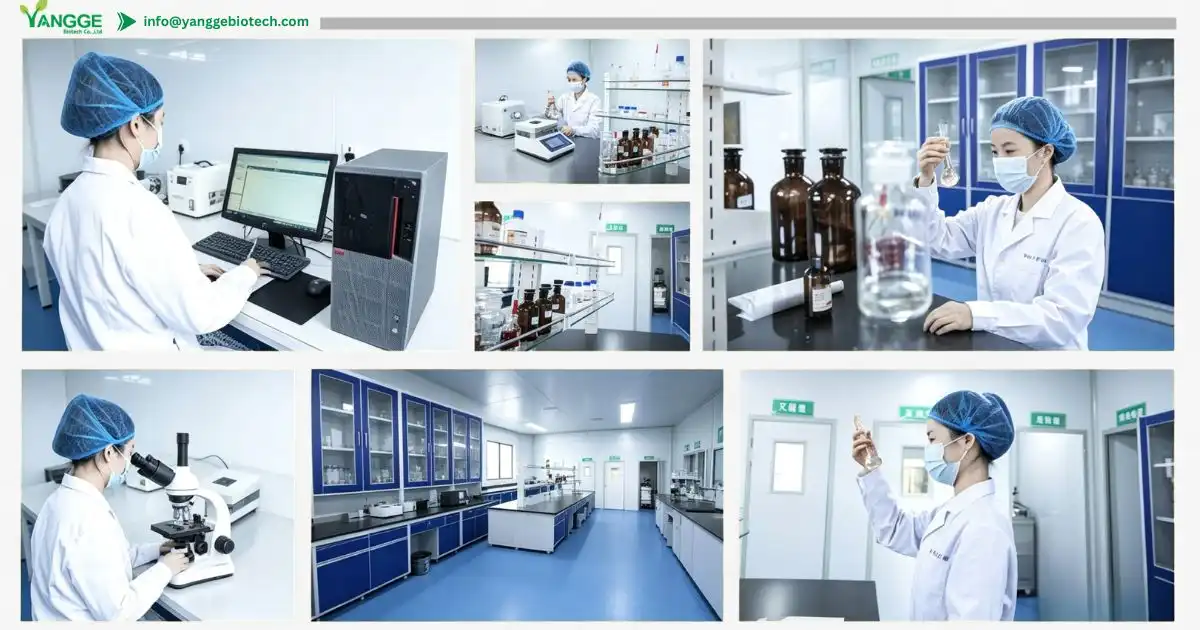
Yangge Biotech is a reliable Beta Carotene supplier that only offers natural carotenoid powders that are KOSHER, halal, and USP-grade. Our facility keeps a one-ton inventory on hand and offers flexible FOB/CIF shipping, which solves the problem of long wait times that mess up production plans when buying things. Each shipment goes through strict tests in a foreign lab, which gives your formulation teams the quality guarantee they need.
We support OEM development across softgels, tablets, capsules, and powder blends with specifications from 1% to 20% concentration. Our R&D team will help you come up with a formula and give you 10–30g samples for free so you can test them. We make it easier for you to follow the rules in North America, Europe, and Asia by giving you ISO, HACCP, and FDA-approved certifications.
Get in touch with our technical staff at info@yanggebiotech.com to talk about your specific Beta Carotene needs. We offer competitive prices on large orders while still giving mid-sized brands the personalized service they need. You can find more detailed information to help you with your ingredient review process at blog.yanggebiotech.com.
References
1. Rodriguez-Concepcion, M., Avalos, J., Bonet, M. L., Boronat, A., Gomez-Gomez, L., Hornero-Mendez, D., ... & Zacarias, L. (2018). A global perspective on carotenoids: Metabolism, biotechnology, and benefits for nutrition and health. Progress in Lipid Research, 70, 62-93.
2. Stahl, W., & Sies, H. (2012). β-Carotene and other carotenoids in protection from sunlight. American Journal of Clinical Nutrition, 96(5), 1179S-1184S.
3. Grune, T., Lietz, G., Palou, A., Ross, A. C., Stahl, W., Tang, G., ... & Biesalski, H. K. (2010). Beta-carotene is an important vitamin A source for humans. Journal of Nutrition, 140(12), 2268S-2285S.
4. Delgado-Vargas, F., Jiménez, A. R., & Paredes-López, O. (2000). Natural pigments: carotenoids, anthocyanins, and betalains—characteristics, biosynthesis, processing, and stability. Critical Reviews in Food Science and Nutrition, 40(3), 173-289.
5. Mortensen, A. (2006). Carotenoids and other pigments as natural colorants. Pure and Applied Chemistry, 78(8), 1477-1491.
6. Borowitzka, M. A. (2013). High-value products from microalgae—their development and commercialisation. Journal of Applied Phycology, 25(3), 743-756.

Based on your location and order quantity, you will have the opportunity to receive a limited time free shipping promotion!
Who we are
Popular Blogs