What is lutein extract used for in supplements?
Yangge Biotech supplies high-quality Lutein Extract, a natural carotenoid commonly derived from marigold flowers (Tagetes erecta). Rich in lutein, this extract is widely used in dietary supplements, functional foods, beverages, eye-health formulations, and nutritional products. Yangge Biotech provides Lutein Extract in different specifications to meet various formulation and manufacturing requirements, with strict quality control and reliable batch consistency. For bulk orders, samples, specifications, COA, third-party test reports, OEM/private-label services, or pricing information, contact Yangge Biotech today or email us at info@yanggebiotech.com for professional product support and a quotation.
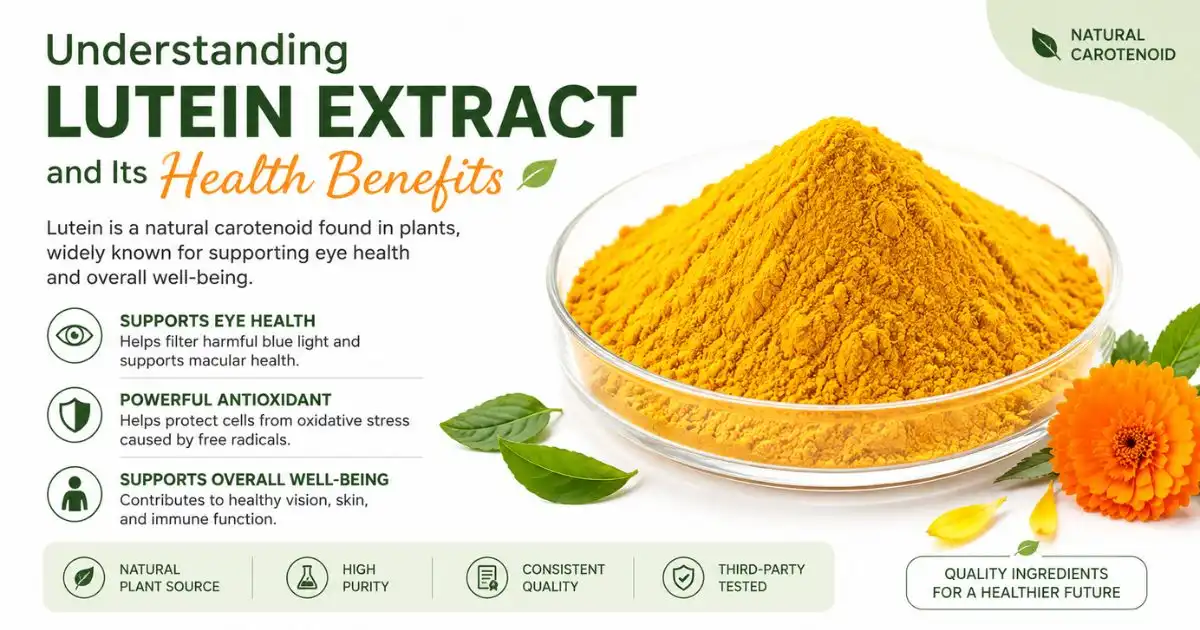
Lutein extract serves as a critical ingredient in dietary supplements, primarily targeting eye health and macular protection. Derived from marigold flowers, this xanthophyll carotenoid acts as a powerful antioxidant that accumulates in the retina, filtering harmful blue light and protecting against age-related macular degeneration. Beyond ocular benefits, lutein supports cognitive function, cardiovascular health, and skin protection against UV damage. As a fat-soluble nutrient that our bodies cannot synthesize, supplementation becomes essential for individuals with limited dietary intake of leafy greens and colorful vegetables.
Understanding Lutein Extract and Its Health Benefits
What Exactly Is Marigold Extract Lutein?
Lutein is a color that comes from plants and is in the carotenoid family. Carotenoids are what make plants bright orange, yellow, and red. This xanthophyll with oxygen stands out because it is a strong antioxidant that cells can easily take in. Because they have a lot of lutein, marigold flowers are the main commercial source for extraction. The powder that is made is a safe, fine orange powder that won't hurt you. It can naturally color things and is good for you.
How Lutein Protects Your Eyes
The way lutein builds up in the body is linked to good eye health. More of this carotene builds up in the macula, the part of the retina in the middle that lets you see very clearly and with great clarity. Macular pigment is made up of lutein and zeaxanthin, two different xanthophylls. This color does two very important things: it blocks blue light and lowers reactive stress.
AREDS2 was a very important study that found that products with lutein and zeaxanthin slowed the progress of advanced macular degeneration by 25% over five years in people who already had early signs of the disease. When scientists found out that smokers are more likely to get lung cancer, they switched from beta-carotene to these two carotenoids. There were no changes to the health benefits for the eyes. By reducing inflammation at the cellular level, lutein's antioxidant qualities may also help avoid myopia and diabetic retinopathy.
Beyond Vision: Cardiovascular and Cognitive Support
New research shows that lutein is good for more than just the eyes. Better heart health has been linked to higher levels of lutein in the blood and in the food we eat. In a clinical trial, taking 20 mg of a supplement every day for three months improved the function of the arteries. This was most likely because it reduced inflammation. The carotenoid can get into brain cell membranes from both the inside and the outside. It protects against oxidative damage and keeps the structure stable, which may help cognitive function throughout life.
Essential for Infant Development
Lutein is naturally found in human breast milk, demonstrating how crucial it is for developing infant brains and eyes. More research needs to be done on the best way to dose pregnant women, but getting enough lutein during pregnancy helps the developing visual system of the baby. Lutein is a nutrient that kids need, so adding it to infant formula can help them grow when they can't be fed breast milk.
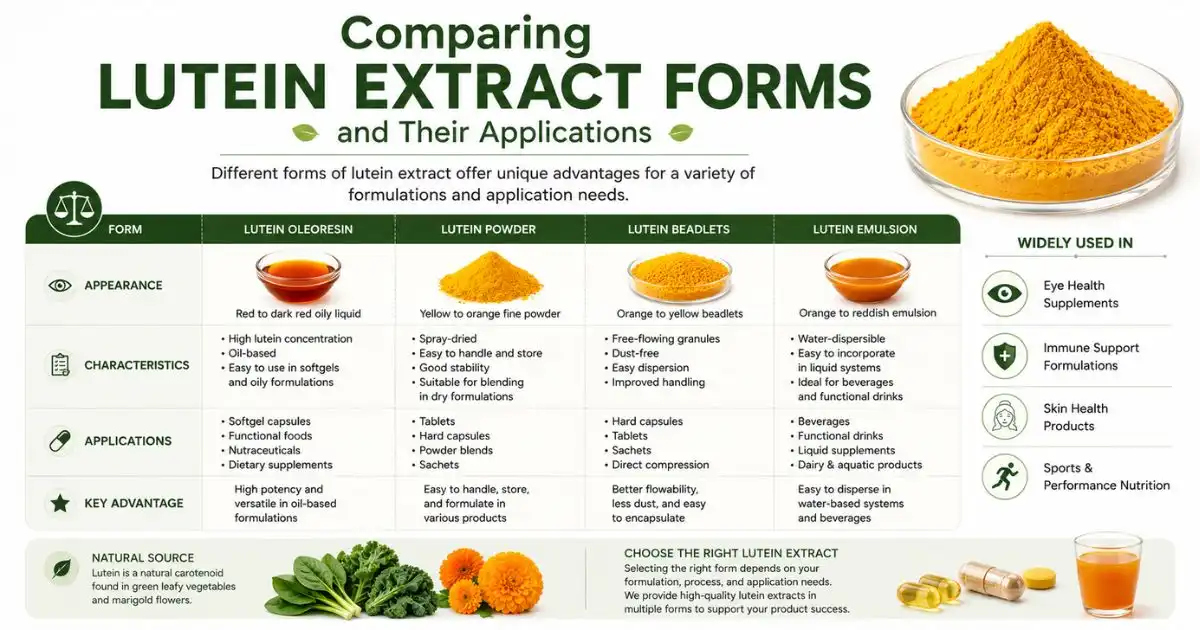
Comparing Lutein Extract Forms and Their Applications
Free Lutein vs. Lutein Esters: Understanding the Chemistry
There are two main kinds used in supplements: free lutein and lutein esters. Free lutein is the bioactive form that our bodies directly absorb and has hydroxyl groups at both ends of its molecular structure. Lutein esters have fatty acid molecules linked to one or both of their hydroxyl groups. These acids are usually lauric, myristic, or palmitic acids. Naturally, marigold flowers make lutein esters. These are then turned into free lutein by manufacturers using saponification, a chemical process that gets rid of the fatty acid chains.
Both types are good for your health, but they are used in different ways. Lutein esters make some mixtures more stable, especially while they are being stored or processed. Due to its direct bioavailability, free lutein does not require any enzymatic modifications during digestion. Dosage suggestions for eye health are based on free lutein equivalents, which makes sure that the therapeutic effects are the same for all product types.
Available Supplement Formats and Their Advantages
Supplement makers can pick from a number of different delivery formats, each of which is best for a different purpose or customer preference:
Powder Form: Powders give you the most formulation options because they can contain anywhere from 5% to 80% lutein. Manufacturers combine them into capsules, tablets, or healthy drinks. The orange fine powder look comes from lutein's natural coloring. Powders need to be handled carefully because lutein oxidizes in light and oxygen, so they need to be kept in cases that are tightly sealed and out of the way of direct sunlight.
Softgels: Lutein in oil-suspended gelatin or vegetarian shells is found in softgels, a common form. Because lutein is fat-soluble, the lipid environment enhances uptake. Softgels make it easy to take the medicine because they already know how much to give you. They're good for people who want something simple that won't change for a long time.
Microencapsulation Technology: With microencapsulation technology, advanced processing creates shapes or beads that dissolve in water or cold water. Microencapsulation, which typically involves the use of carbohydrates and antioxidants like vitamin E, keeps lutein particles secure. This technology lets you use drinks and stops them from going bad from oxidation while they're in the store. Formats that dissolve in water open up new market opportunities for functional drinks, gummies, and powder mixes.
The format to use depends on what it will be used for, how stable it needs to be, and the bioavailability profile that is wanted. When making infant formula, product developers prefer microencapsulated versions because they are more stable and distribute the formula evenly.
Synergistic Formulations That Enhance Efficacy
Lutein and supplemental nutrients work together to improve health. Zeaxanthin and lutein naturally work together in macular tissue, and studies show that taking them together is better for your eyes than taking either one alone. A normal ratio of 5:1 (lutein to zeaxanthin) matches the amounts found in food and in clinical trials.
Omega-3 fatty acids, especially DHA, help keep the eye healthy and make it easier for the body to absorb carotenoids. Vitamin E does two things: it protects lutein from oxidation in supplement materials and acts as an antioxidant. Zinc and copper, which are found in AREDS2 versions, help enzymes do important work for eyes. These combinations work well together, so brands can make complete eye health products that are backed by science.
Recommended Dosages Across Demographics
A range of doses is tried in clinical tests to make sure it is safe and useful. Most adults get between 6 and 20 mg a day from food and supplements. In the AREDS2 study, 10 mg of lutein and 2 mg of zeaxanthin were used together. This showed real effects for people who already had eye problems. Adults who are healthy and want to stay healthy often take 6 to 10 mg every day.
Safety tests show that taking up to 20 mg a day does not pose any health risks. If you take higher amounts, you might get benign carotenemia, which is short skin redness that goes away when you stop taking the drug. To get close to breast milk concentrations in medical uses, especially baby formula, careful math is needed. Usually, 200 to 500 mcg per liter of reconstituted formula is what is reached.
Market Overview and Procurement Considerations for B2B Buyers
Quality Certifications That Matter
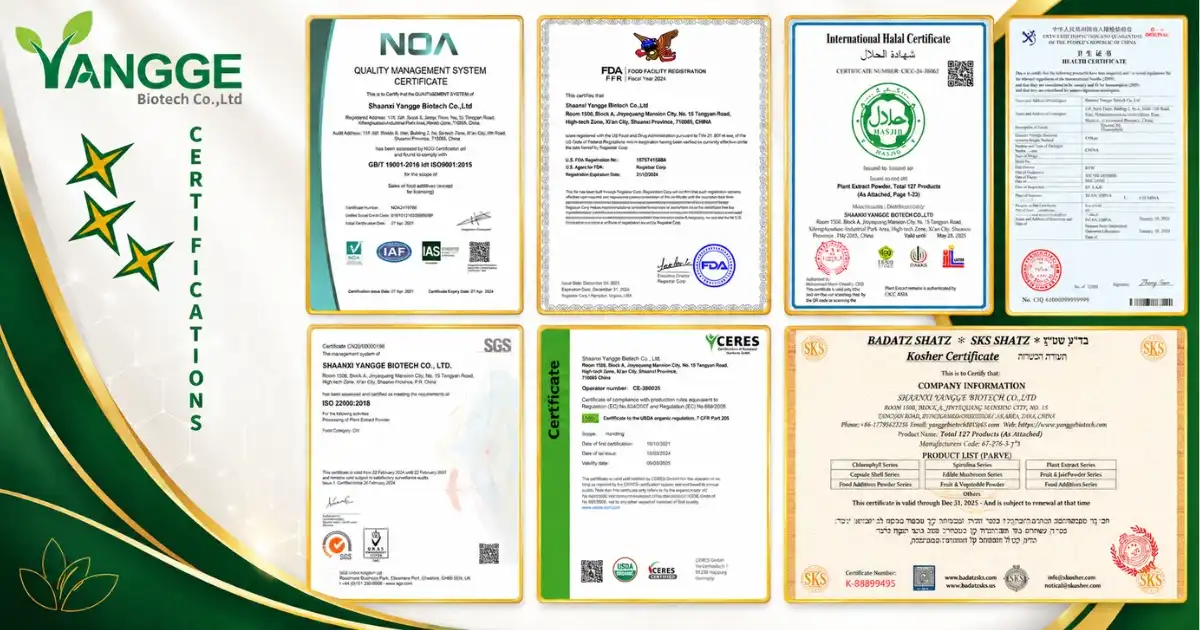
Professionals in procurement give more weight to suppliers who have widely known certifications that show they are good at making things and follow the rules. ISO 9001 certifies methods for controlling quality, and ISO 22000 and HACCP certifies rules for keeping food safe. Kosher and Halal licenses make it easy for certain types of customers to buy things. Even though organic approval costs more, brands that want to attract people who like green products like it.
Good Manufacturing Practices (GMP) are an important part of the North American market, and providers should show that they follow FDA rules. There are strict rules about contaminants like benzopyrene (≤10 ppb) and polycyclic aromatic hydrocarbons (PAH4) that can be found in plant products. Businesses in Europe are expected to follow these rules. Clear information is what more and more people want, and non-GMO approval and allergen-free records can help achieve that.
Evaluating Raw Material Quality and Purity
The safety and efficiency of the final product depend on the quality of the marigold source. From the farm to the finished product, trustworthy providers keep track of the ingredients. They make sure that the right growing methods and gathering times are used to get the most lutein out of the ingredients. The listed concentrations should be backed up by tests done by a different lab. It will make sure that the goods on the label do what they say they will do and don't have any extras that make it hard to use formulas.
Buyers should ask for Certificates of Analysis (CoA) that show how much lutein is in the item. Most of the time, HPLC (High-Performance Liquid Chromatography) is used to find out. More tests should be done to look for heavy metals, herbicide residues, and microbial pollution. It shows that sellers care about quality control and being open when they work with well-known third-party labs.
Navigating Pricing Dynamics and Bulk Purchasing
Lutein extract prices depend on many factors, such as the sort of raw materials used, how hard the extraction process is, how concentrated the extract is, and how many orders are placed. More concentrated powders (60–80%) cost more, but they are easier to mix and need less freight. Because they have to be made in more steps, microencapsulated powders cost more than regular powders. However, they are more stable and can be used in more situations.
| Specification | Typical Concentration | Best Applications | Stability Profile |
|---|---|---|---|
| Standard Powder | 5-20% | Cost-effective recipes | Moderate (needs antioxidants) |
| High-Concentration Powder | 60-80% | A lot of vitamins | Good (not as much surface area to rust) |
| Microencapsulated Beadlets | 5-20% | things like candy, drinks, and baby formula | Excellent (coating for protection) |
| Oil Suspension | 5-10% | Vitamins in liquid and softgel form | Good for the surroundings of the lipids |
If you work with the same providers for a long time, you can often save money and get more flexible payment terms. Contracts that renew every three months help keep cash flow under control and make sure there is a steady supply. Brands can make their goods stand out with private labeling, and manufacturers can use their information to help them make the best products.
Direct Manufacturer vs. Distributor Engagement
There are many reasons to buy directly from makers, such as cheaper prices, the ability to make changes, and getting expert help with formulation issues. As an OEM or ODM service provider, Yangge Biotech can make softgels, pills, tablets, or powder bags that exactly match your needs. Direct involvement also makes it easier to do quality checks and building inspections, which boosts trust in the supply chain's honesty.
Distributors are helpful when you want to buy less or try new items before placing a large order. That way, they can make supplies faster, but the unit costs go up because they keep stock on hand. Which channel you choose will rely on how many things you want to buy, how much customization you need, and how well you can check your own work.
Practical Applications and Case Studies of Lutein in Supplements
Eye Health Formulations Dominate the Market
Most of the market is made up of eye health products. The biggest use is in vision aids, which are needed because people of all ages are living longer and spending more time in front of screens. Most forms that work have between 10 and 20 mg of lutein and 2 to 4 mg of zeaxanthin. For full eye nutrition, bilberry extract, vitamin A, and zinc are often added as well. People still like softgels because they are simple to understand and carotenoids are better taken when they dissolve in fat.
Brands targeting digital eye strain a growing concern among younger demographics position lutein as protection against blue light emitted by screens. These products often include additional ingredients like astaxanthin and omega-3 fatty acids, marketed with modern packaging and digital-first branding strategies that resonate with tech-savvy consumers.
Infant Nutrition Applications
To make infant formula more similar to breast milk, manufacturers use microencapsulated lutein. Making sure that powder formulations are spread out properly and stay stable during processing, packing, and keeping is the hard part. Small particles made with microencapsulation technology can dissolve in water and stay whole after being sprayed dry and then put back together.
Regulatory compliance becomes paramount in pediatric applications. Formulas must meet strict compositional standards set by authorities like the FDA and European Food Safety Authority (EFSA). Suppliers supporting this market segment provide extensive documentation, including safety studies and manufacturing certifications specific to infant nutrition.
Functional Beverages and Novel Delivery Systems
Innovation in supplement delivery has expanded beyond traditional pills. Ready-to-drink beverages, powdered drink mixes, and gummy supplements capture consumers seeking convenient, enjoyable supplementation experiences. Water-soluble lutein beadlets enable clear or translucent beverages without sedimentation, while natural orange coloring from lutein can enhance product appeal.
Gummy formulations present unique challenges since heat processing during manufacturing can degrade lutein. Microencapsulation with heat-stable coatings protects the active ingredient, allowing manufacturers to create appealing products for both children and adults who struggle with swallowing pills. These formats command premium pricing but address significant market segments.
Cosmeceutical and Dermatological Applications
Emerging research on lutein's skin benefits drives interest from beauty-from-within supplement brands. Clinical studies demonstrate that oral lutein supplementation improves skin hydration, elasticity, and lipid content while reducing oxidative damage from UV exposure. Products combining lutein with collagen peptides, vitamin C, and hyaluronic acid target consumers seeking comprehensive beauty support.
Topical skincare formulations also incorporate lutein for its antioxidant properties, though absorption challenges require specialized delivery systems. The growing interest in ingestible beauty creates opportunities for brands to develop products addressing skin health through internal nutrition rather than external application alone.
Ensuring Quality and Performance: Best Practices for B2B Buyers
Supplier Verification and Audit Procedures
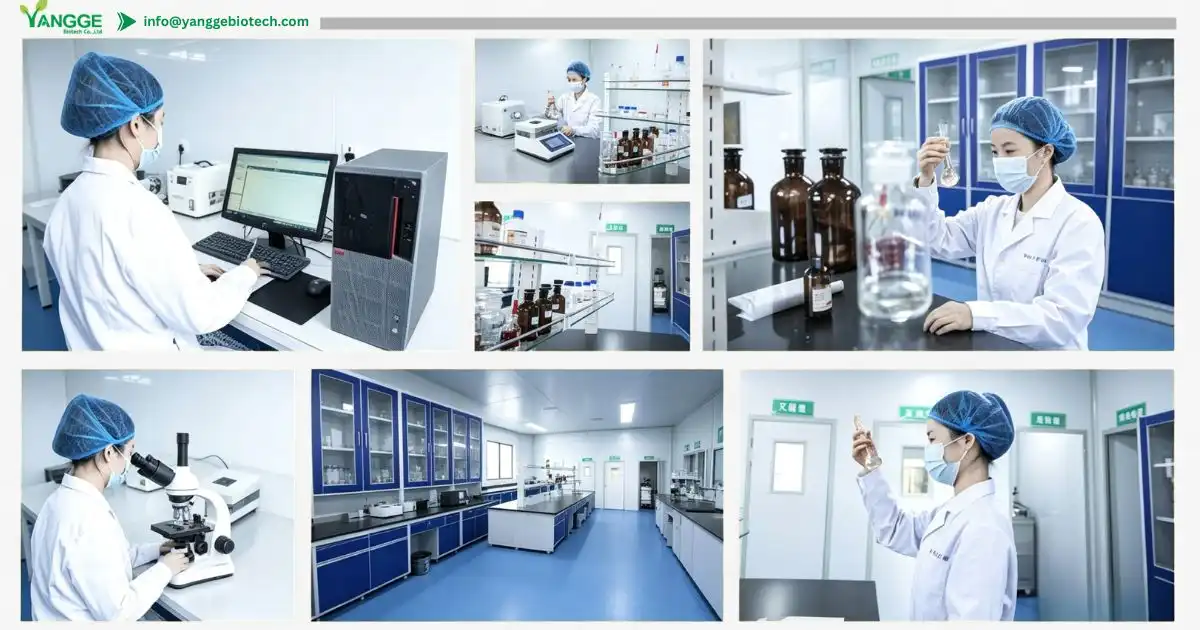
The first step in doing your due diligence is to carefully evaluate the supplier. Ask for detailed company profiles that include information about how much they can make, their quality control systems, and client references. Site visits or checks by a third party are ways to make sure that facilities can do what they say they can do and keep clean enough to make food-grade ingredients.
For important steps like extraction, purification, testing, and packaging, look over the supplier's quality manuals and standard operating procedures. Suppliers should show that they have strong batch record systems that make it possible to track the whole process, from the raw marigold flowers to the finished product that has been packed. This paperwork is very important if there are problems with the quality or if regulators ask for information about the supply chain.
Implementing Rigorous Testing Protocols
Before a material is accepted into inventory, it should be inspected to ensure that it contains the proper amount of lutein, is pure, and is free of contaminants. A lot of buyers split samples in half, checking one part themselves and sending the other half to separate labs for proof. This two-testing method finds differences between seller COAs and the quality of the real materials.
Stability testing during product development identifies optimal storage conditions and establishes expiration dating. Accelerated stability studies expose samples to elevated temperature and humidity, simulating extended storage periods. Real-time stability programs monitor products under normal conditions throughout their intended shelf life, confirming that lutein content remains within specifications until the expiration date.
| Quality Parameter | Testing Method | Acceptance Criteria | Testing Frequency |
|---|---|---|---|
| Lutein Content | HPLC | 95-105% of label claim | Every batch |
| Heavy Metals (Pb, Cd, Hg, As) | ICP-MS | USP/EP limits | Quarterly |
| Pesticide Residues | GC-MS/LC-MS | EU/US limits | Quarterly or per batch |
| Microbial Quality | USP methods | <1000 cfu/g total plate count | Every batch |
| PAH4 | GC-MS | <10 µg/kg | Semi-annually |
Storage and Handling Best Practices
Because lutein's susceptibility to oxidation demands careful storage management, warehouses should maintain temperatures below 25°C and controlled humidity levels. Original packaging—typically aluminum foil bags or fiber drums with inner liners—provides light and oxygen barriers essential for preserving potency.
Inventory management using first-in, first-out (FIFO) principles prevents aging stock from exceeding shelf life. Clear labeling with manufacturing dates and retest/expiration dates facilitates rotation. Temperature monitoring systems with alarm capabilities alert staff to deviations that could compromise material quality.
Building Strategic Supplier Partnerships
Transactional purchasing relationships limit opportunities for innovation and problem-solving collaboration. Strategic partnerships with key suppliers unlock benefits including priority allocation during supply constraints, advance notice of price changes, and joint development of novel formulations.
Regular business reviews create forums for discussing market trends, regulatory updates, and technical challenges. Suppliers like Yangge Biotech invest in R&D capabilities that benefit partnership clients through improved extraction efficiency, enhanced stability technologies, or new delivery format options. These collaborations drive competitive differentiation in crowded supplement markets.
Conclusion
Supplement makers who want to make goods for eye health, feeding babies, and new exercise categories should use lutein extract as an important ingredient. Knowing the differences between free lutein and ester forms, as well as the benefits of each delivery format, helps product makers make recipes that meet customer needs and regulatory requirements. When you're sourcing quality, you need to pay attention to certifications, testing methods, and the skills of the provider to make sure that the consistency of purity and potency.
As the market moves toward functional drinks and beauty-from-within uses, new delivery systems like microencapsulation open up more options while keeping the stability of the ingredients. When B2B buyers put a high value on thorough supplier review and smart relationships, they set their brands up for success in the highly competitive nutraceutical market.
FAQ
What is the difference between lutein powder concentrations?
Lutein powder specifications ranging from 5% to 80% concentration indicate the percentage of active lutein per total weight. Lower numbers (5–20%) have carriers and protective matrices, which can save money in recipes where bigger powder amounts work well. It takes less to hit goal doses when concentrations are higher (60–80%). This means that pill size and freight costs are lower. The choice relies on your formulation needs, cost structure, and desired product claims.
How should I store bulk lutein extract?
Store lutein extract in its original sealed aluminum foil package within a cool, dark environment ideally below 25°C with relative humidity under 60%. Light, heat, and air all speed up the breakdown process. Once the container is open, put the lid back on right away and use the contents within the time limits given. Monitor storage areas with temperature logging to ensure conditions stay stable throughout the ingredient's shelf life, usually 24 months when properly kept.
Can lutein be used in infant formula applications?
Yes, microencapsulated lutein made for use in baby formula meets the strict technical and legal standards of pediatric nutrition. The format that breaks down in water mixes evenly with powders and doesn't break down while they're being processed. Suppliers of baby formula should show that they follow FDA and EFSA rules by showing relevant safety studies and allergen-free approval.
Partner with Yangge for Premium Lutein Extract Solutions
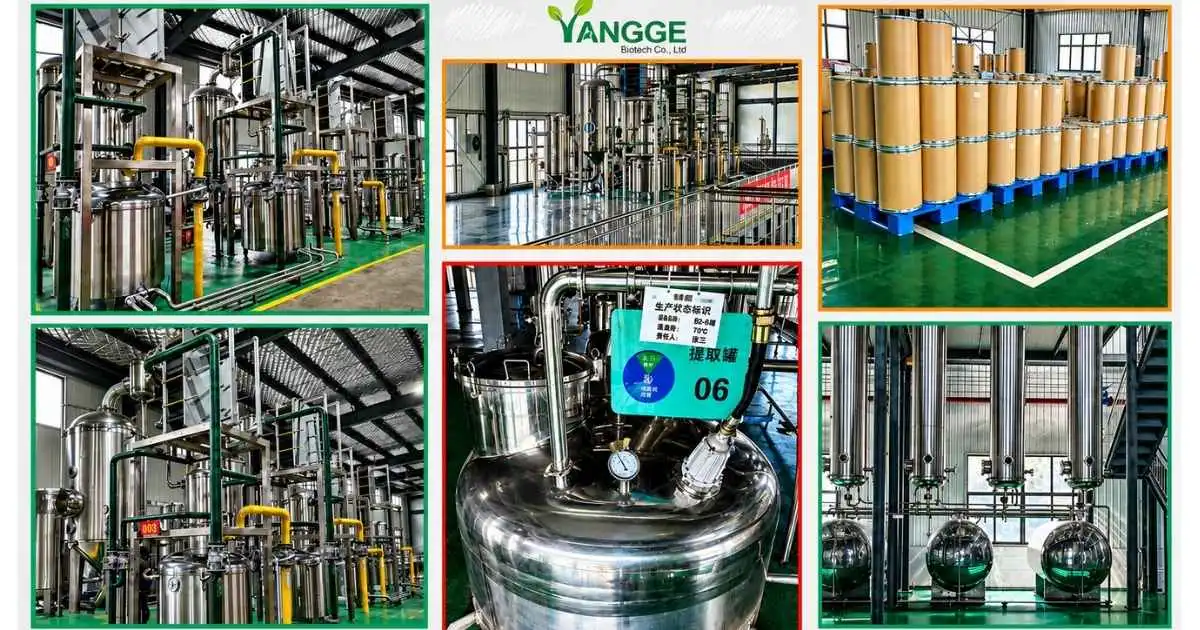
Yangge Biotech stands ready to support your product creation with pharmaceutical-grade marigold extract lutein powder available in amounts from 5% to 80%. Our recipes are not made with GMOs and have not been sterilized. Some of the certifications they have are ISO, HACCP, Kosher, and Halal. They also meet European PAH4 standards. We stay in touch with the best independent labs so that each batch can be tested over and over to make sure it meets your standards for purity and strength.
As a reliable lutein supplier, we offer OEM and ODM customization for softgels, capsules, powders, and beverage uses. Our dedicated R&D team is available 24 hours a day to help with any technical questions. Our commitment to buying in a way that is good for the environment and keeping track of food from the farm to the table fits with your brand's values and gives your customers what they expect. Contact our team at info@yanggebiotech.com to discuss your project requirements and request samples that demonstrate why leading brands trust Yangge for their lutein extract needs.
References
1. Sommerburg O, Keunen JEE, Bird AC, van Kuijk FJGM. "Fruits and vegetables that are sources for lutein and zeaxanthin: the macular pigment in human eyes." British Journal of Ophthalmology, 1998; 82(8):907-910.
2. Age-Related Eye Disease Study 2 Research Group. "Lutein + zeaxanthin and omega-3 fatty acids for age-related macular degeneration: the Age-Related Eye Disease Study 2 (AREDS2) randomized clinical trial." Journal of the American Medical Association, 2013; 309(19):2005-2015.
3. Seddon JM, Ajani UA, Sperduto RD, et al. "Dietary carotenoids, vitamins A, C, and E, and advanced age-related macular degeneration." Journal of the American Medical Association, 1994; 272(18):1413-1420.
4. Richer S, Stiles W, Statkute L, et al. "Double-masked, placebo-controlled, randomized trial of lutein and antioxidant supplementation in the intervention of atrophic age-related macular degeneration: the Veterans LAST study." Optometry, 2004; 75(4):216-230.
5. Stringham JM, Hammond BR. "The glare hypothesis of macular pigment function." Optometry and Vision Science, 2007; 84(9):859-864.
6. Rubin LP, Chan GM, Barrett-Reis BM, et al. "Effect of carotenoid supplementation on plasma carotenoids, inflammation and visual development in preterm infants." Journal of Perinatology, 2012; 32(6):418-424.

Based on your location and order quantity, you will have the opportunity to receive a limited time free shipping promotion!
Who we are
Popular Blogs