Where to Buy Gardenia Yellow Food Color: Supplier Guide 2026
If you're a food manufacturer looking to replace synthetic yellow dyes with a clean-label alternative, gardenia yellow food color is worth serious consideration. Sourced from Gardenia jasminoides fruit, this natural pigment delivers a clear, bright yellow tone across beverages, confectionery, dairy, and bakery applications. This guide walks procurement managers and formulation engineers through what to look for in a supplier, how to evaluate product quality, and where to buy in 2026 — with a close look at Yangge Biotech's Gardenia Yellow Powder E60.
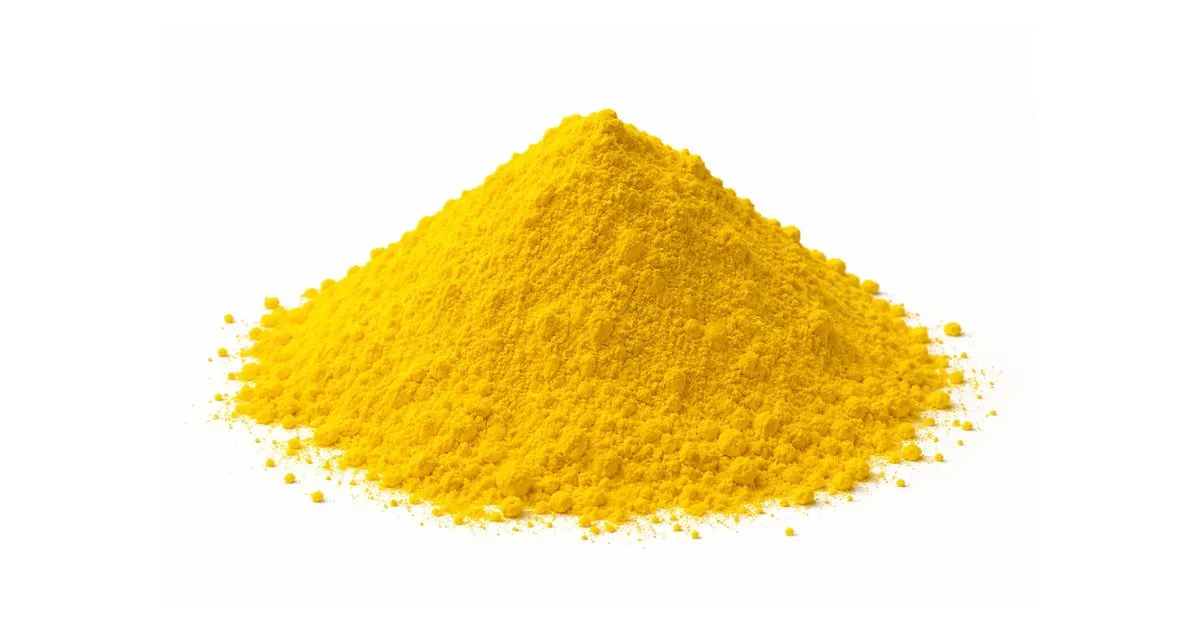
Understanding Gardenia Yellow Food Color: Key Attributes for Procurement
Chemical Composition and Coloring Mechanism
Crocin and crocetin are the main colored parts of yellow pigment that comes from gardenias. Carotenoids are what give water-based processes their golden-yellow color. For curcumin to mix with liquids, it needs to be emulsified first. But gardenia yellow food color dissolves completely in water, making a clear yellow solution that soaks up light best at 440 nm. Because of this, it works great for drinks that need to be clear, like fruit juices and dairy drinks.
Safety Profile and Allergen Considerations
Because it is what it is, gardenia yellow food color is naturally free of allergens, vegan, and GMO. People don't have to worry about cross-reactivity. A color value of E1%, 1 cm at 440 nm, is usually between E60 and E500. It depends on how pure the color is. The OD ratio is used to check how pure something is; a higher ratio means there are fewer iridoids left over, such as geniposide, which can make amino acids turn green when cooked.
Stability Compared to Alternatives
Gardenia Yellow, Turmeric (Curcumin), and Annatto are the names of the properties. When mixed with water, it ranges from "Excellent" to "Poor" (needs emulsifier) to "Moderate." It stays stable between 4.0 and 8.0 pH, 3.0 to 7.0 pH, and 3.5 to 7.5 pH. This material can keep heat in, lose some of it, or keep it all. From High to Low (turbid) to Moderate, the clarity of drinks ranges.
If you heat gardenia yellow food color water to normal temperatures, it won't change color, and it works well in weak acid to weak alkaline environments. The UV light hurts it the most. Goods need to be packed in ways that block light or have vitamins like ascorbic acid added so that their color stays the same over time.
Criteria for Selecting Gardenia Yellow Food Color Suppliers
Certifications and Regulatory Compliance
For food companies that sell in more than one market, regulations must be in sync with each other. Providers should have at least ISO and HACCP certifications. For sales in the Middle East and Southeast Asia, you also need Kosher and Halal approval. You should ask the seller if they can give you an MSDS, a Certificate of Analysis (CoA), and compliance documents for the foreign markets you want to sell in. For example, the EU (E163 doesn't apply; check local rules), the US FDA, and ASEAN food additive standards.
Minimum Order Quantity and Sample Policy
Mid-sized food makers often have to meet MOQ limits set by big sellers of goods, which makes their jobs hard. The right supplier should offer trial samples so that you can test different formulations and flexible MOQ options. For example, the MOQ for sampling can be as low as 1 kg, and it can go up to full production runs. You will have to wait a lot longer to get a replacement if your seller doesn't want to help with the sample-to-trial process. It usually takes three to eight weeks from the time you ask for a model to the time you get your first order for production.
Application Support Capability
Strong ingredient sellers offer technical help, which is one thing that sets them apart from weak ones. Your provider should tell you how much to use based on the gardenia yellow food color matrix, help you fix greening issues that are caused by reactions between geniposide and protein, and tell you how to make sure the equipment works with the food. This is very important for processing settings made of stainless steel (304/316) that are sensitive to iron ions. Making a new recipe takes less time, and the first lot you make is less likely to go wrong.
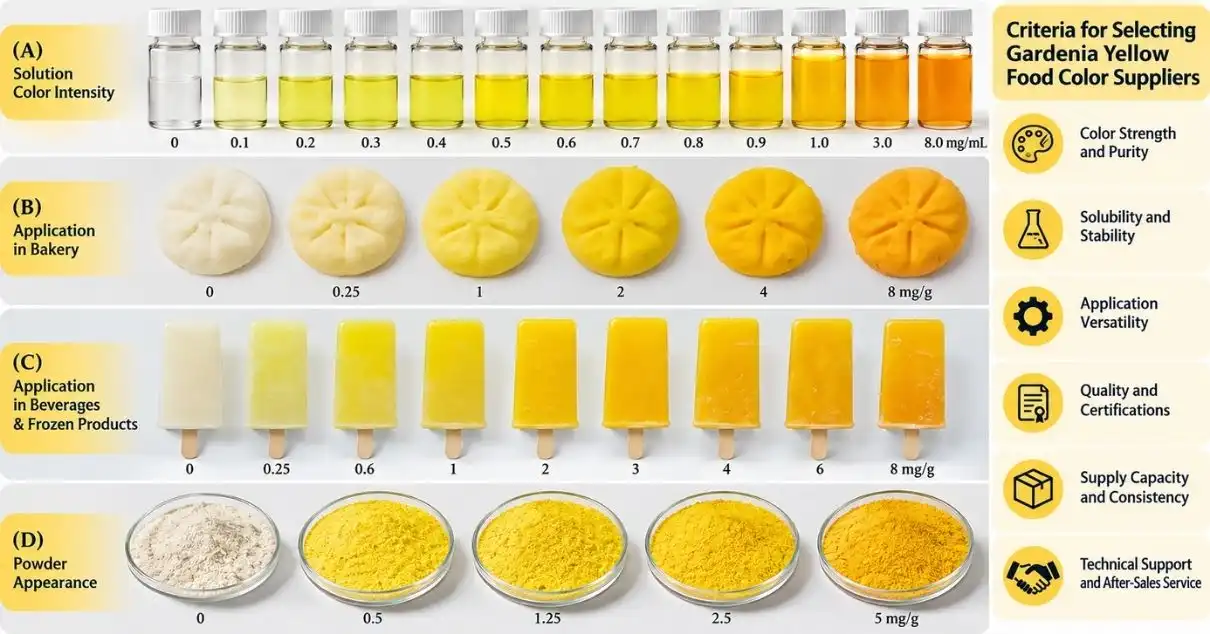
Comparison of Leading Gardenia Yellow Food Color Suppliers in 2026
There are suppliers from all over the world in this group. Using these criteria to compare them:
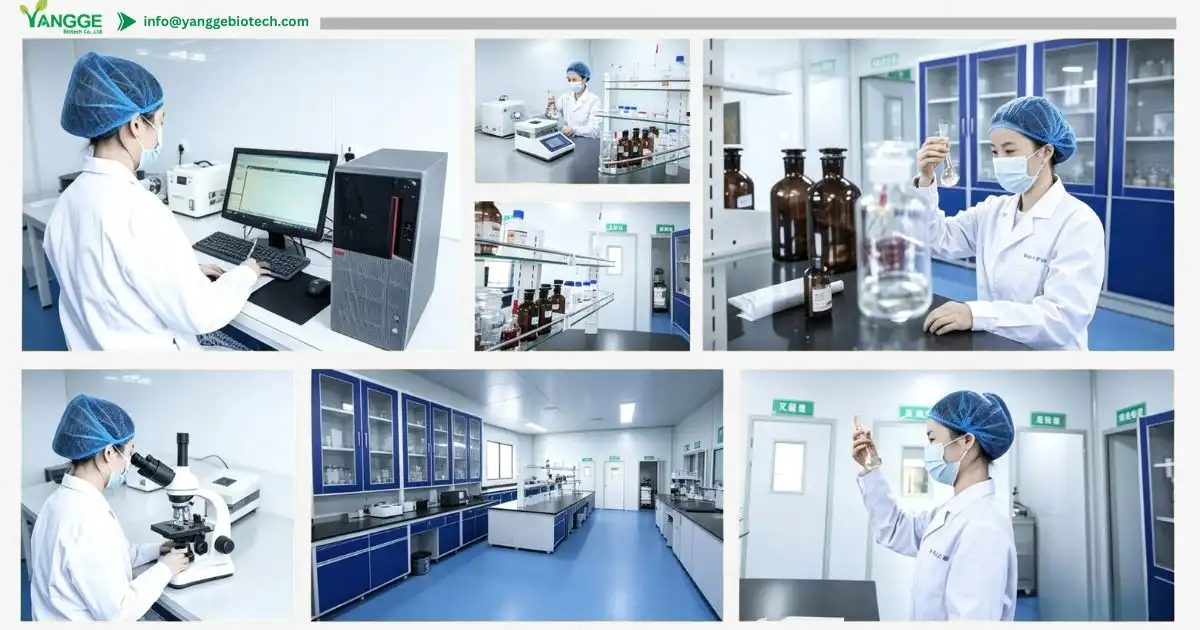
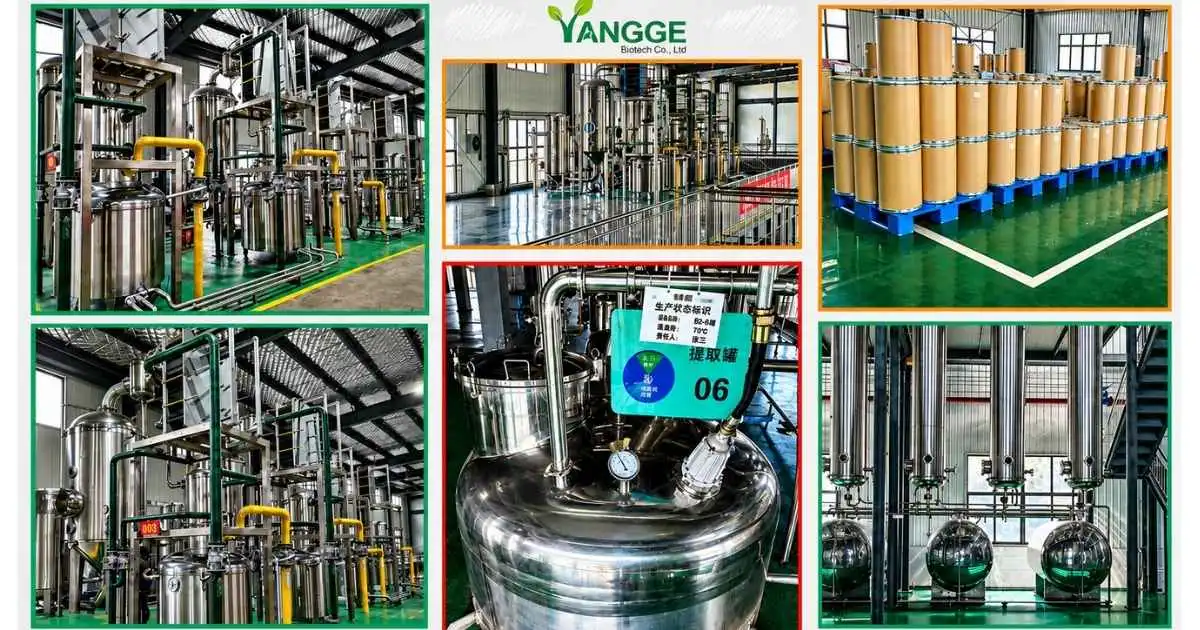
For Yangge Biotech's Gardenia Yellow Powder E60, they use cutting edge technology to carefully pick out the gardenia fruit and spray dry it. There are three levels of it: E60, E300, and E500. The powder is orange-yellow and mixes well with water. It can be used in drinks, baked goods, snacks, dairy products, and other useful foods. Yangge's products are made in a way that meets GMP standards, and the company works closely with farming communities to make sure that products can be tracked from farm to table. In this way, the business meets both its quality assurance and environmental goals.
One thing that sets Yangge apart from broker-type providers is that it has its own research and development team and technical service that is open 24 hours a day. This means that people who want to switch from gardenia yellow food color dyes can get their goods made faster.
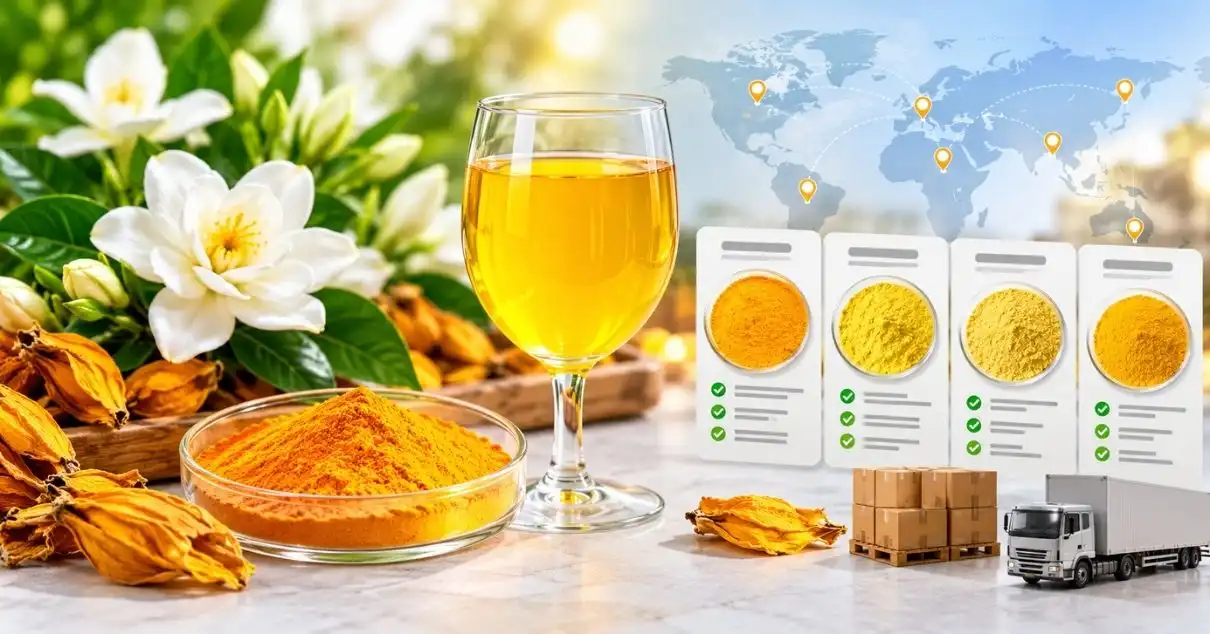
How to Buy Gardenia Yellow Food Color Online and Offline?
Online Procurement Channels
A lot of business-to-business buyers start their search for suppliers on Google, Alibaba, and trade magazines for their field. On-line tools make it quick and simple to look at different prices, but be careful when checking the suppliers' credentials. When you look at items for sale online, you should always ask for a third-party COA and check to see if the seller shows HPLC as a way to confirm extraction. This shows that they are very careful about quality. If someone wants to learn more about Yangge Biotech's products before calling the company, they can look at a list of them on its blog, blog.yanggebiotech.com.
Trade Shows and Distributor Networks
Sometimes, procurement managers need to meet a lot of sellers in person. Shows like Fi Asia, SIAL, and IFT FIRST are great places to find these sellers. There is a good chance that gardenia yellow food color pigment will be on hand because of fast shipping in Southeast Asia, the Middle East, and Latin America. It may be harder to find product grade, though, than if you got it straight from the manufacturer.
Negotiating Terms for Mid-Sized Buyers
People who spend between $20,000 and $300,000 a year should agree to these terms:
- Sample policy: For the first round of tests, 50–200 g samples will be sent for free or at a low cost, along with a copy of the certificate of analysis (CoA).
- Volume pricing tiers: Ask for prices per kg at 5 kg, 25 kg, and 100 kg levels to see how your costs will change as you make more.
- Lead time commitments: Do you know how long it will take to get specialty grades (E300, E500)? Make sure you have normal grades here.
- Package of documentation: As usual, the offer should come with all the paperwork needed to ship, like heavy metal test results and phytosanitary certificates.
These agreed-upon points lower the risk of buying, which is especially helpful for people who have to deal with a lot of different SKUs in a lot of different regional markets.
Future Trends in Gardenia Yellow Food Color Procurement and Usage
Clean-Label Demand Is Reshaping Ingredient Sourcing
Food companies are being pushed by more and more people to get rid of fake colors. The market for natural food colors was worth about $2.5 billion around the world in 2023. From now until 2028, it's supposed to grow at a rate of over 7% per year. This is the growing path for gardenia yellow food colors, especially in sweets and drinks, where synthetic tartrazine replacement works best.
Stability Innovation and Processing Advances
Microencapsulation and better spray-drying methods are being worked on by suppliers to make goods less sensitive to UV light and to keep colors fixed for longer in cold and warm storage. If buyers want to make baked goods or snacks that will last a long time, they should ask sellers about enclosed gardenia yellow grades before making a decision.
Digital Procurement Tools Are Changing Supplier Discovery
Procurement teams are using digital sourcing platforms more and more to narrow down the list of suppliers they want to work with before they make their first contact. Providers who give organized product data, like spectral data, stability graphs, and dosage tables that are unique to a matrix, are more likely to get business. When looking at a supplier's online presence, technical documentation that is easy to find is a sign of practical transparency.
Conclusion
It is becoming more and more likely that food companies that want to sell clean labels will switch from using yellow colorants made in a lab to using natural ones that come from gardenias. When deciding what to buy, there are more things to think about than just price. Among these are grade standards, stability data, legal paperwork, and the provider's technical support skills. Yangge Biotech's gardenia yellow food color powder E60 meets these needs because it is made in a way that follows good manufacturing practices (GMPs), comes in different grades (E60–E500), and comes with expert help at the application level. If mid-sized manufacturers choose a seller with a wide range of services, it will take them less time to get new goods on the market.
FAQ
What is the difference between E60 and E300 grades of gardenia yellow?
The number (E1%, 1cm at 440 nm) tells you the value of the color. It's standard for E60 to tint food and drinks, so it works well for most uses. It takes less of the pigments in E300 and E500 to get the same color depth. This is because they are more concentrated. Higher grades work best when only a small amount needs to be added so that flavors don't mix.
Will gardenia yellow turn green in my product?
This could happen if there is some geniposide left over from batches that aren't very pure and it heats up and mixes with proteins or amino acids. A high OD ratio (above 0.4) and HPLC tests to check the geniposide level will help you avoid this. If you use high-purity types like Yangge's E60 or E300, this risk is a lot lower.
Is gardenia yellow approved for use in the United States?
Gardenia yellow food color is not currently on the FDA's list of allowed food colorings for use in the US. It might, however, be one of those colorants that don't need to be certified because they come from plants. People who want to sell their goods in the US market should talk to a regulatory expert before they finalize their formulations.
What packaging is recommended for storage?
Store below 25°C in a cool, dry place in plastic bags that are covered and can't let light in. Ions can hurt containers made of iron or copper, so stay away from them. Almost everything will stay good for 24 months if you store it the right way.
Request a Sample of Yangge's Gardenia Yellow Food Color Supplier E60 Powder
Gardenia yellow food color powder E60 from Yangge Biotech is safe to use in food. We have low minimum order amounts (MOQs) and all the paperwork you need to send your goods. You can also get direct technical help from our formulation team. We can help you with tests on a small or large scale, whether you need to change fake yellow in a drinking line or check for stability in a bakery setting. Send us an email at info@yanggebiotech.com to get your free sample right away.
References
1. Marmion, D. M. Handbook of U.S. Colorants: Foods, Drugs, Cosmetics, and Medical Devices. Wiley-Interscience, 2021.
2. Hendry, G. A. F., & Houghton, J. D. Natural Food Colorants. Springer Science & Business Media, 2020.
3. Downham, A., & Collins, P. "Colouring our foods in the last and next millennium." International Journal of Food Science & Technology, 2000.
4. Grand View Research. Natural Food Colors Market Size, Share & Trends Analysis Report. Grand View Research, 2023.
5. Schwartz, S. J., Cooperstone, J. L., Cichon, M. J., & von Elbe, J. H. "Colorants." Fennema's Food Chemistry, 5th ed. CRC Press, 2017.
6. European Food Safety Authority (EFSA). "Scientific Opinion on the re-evaluation of gardenia yellow (E 163) as a food additive." EFSA Journal, 2015.

Based on your location and order quantity, you will have the opportunity to receive a limited time free shipping promotion!
Who we are
Popular Blogs