Why Choose Gardenia Blue Extract? Benefits for Food Manufacturers
If you source natural colorants at scale, gardenia blue extract deserves a close look. Derived from the fruit of Gardenia jasminoides, this plant-based blue pigment powder delivers consistent color intensity, strong thermal and pH stability, and broad regulatory acceptance across East Asian markets. Unlike many natural colorants that fade under processing conditions, gardenia blue holds its hue through heat and pH shifts a quality that matters enormously when you supply multiple downstream customers who depend on batch-to-batch consistency.
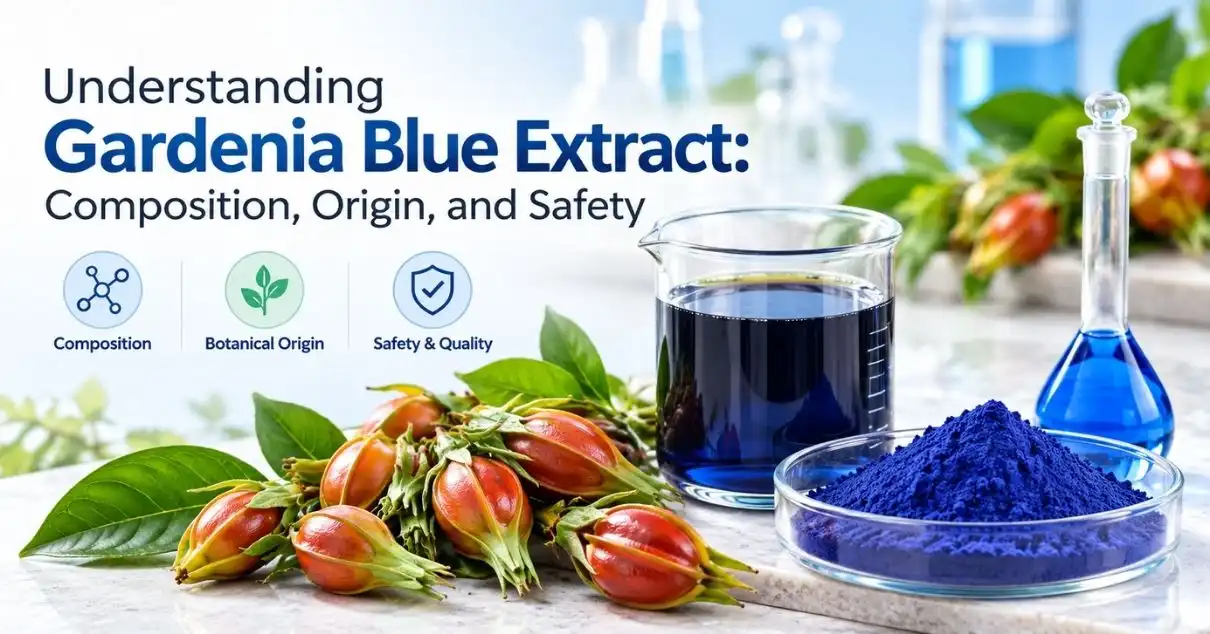
Understanding Gardenia Blue Extract: Composition, Origin, and Safety
What Is Gardenia Blue and Where Does It Come From?
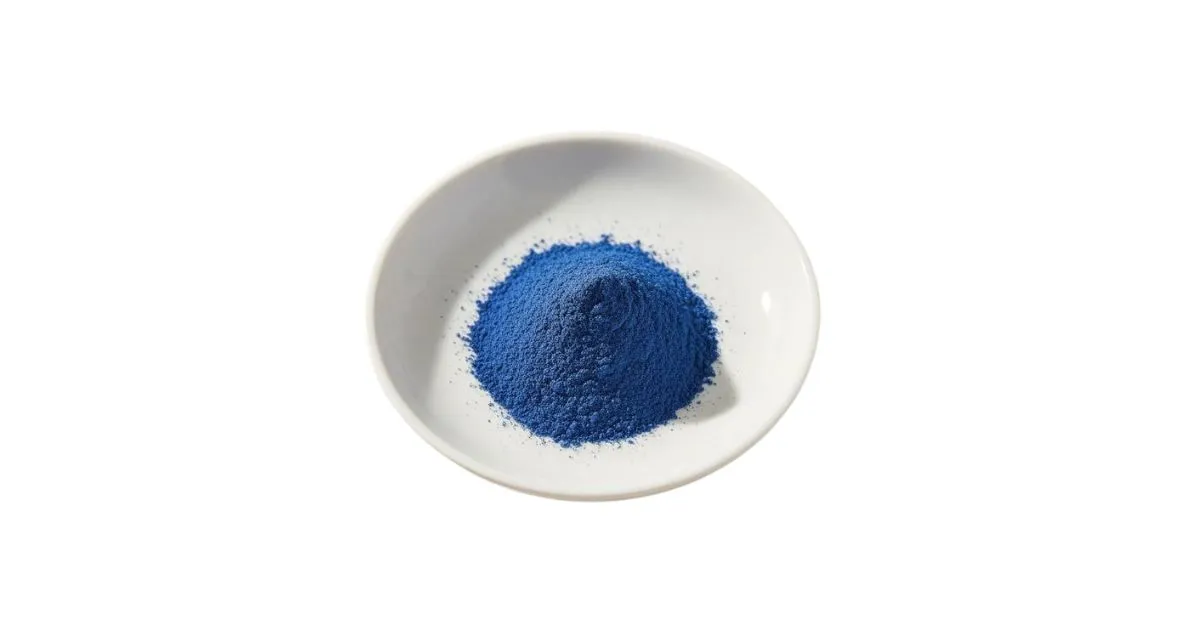
People in China, Japan, and Korea grow a plant called Gardenia jasminoides Ellis, which is used to make gardenia blue extract. The powder comes from the dried fruit of this plant. The blue color comes from chemical conversion of geniposide, an iridoid glycoside that is naturally found in fruit, with a food-grade amino acid source. This is done in a way that is similar to fermentation but more controlled. It turns into a fine powder that is easy to dissolve in water and varies in color from light gray to deep blue. It works great in both water-based and ethanol-based solutions.
Key Bioactive Components
The main chromophores in the extract are blue pigment precursors that are made from crocin when geniposide is changed. The final powder doesn't have any iridoid sharpness left over because it was removed after HPLC was used to clean it. It is known that this can happen with items that come from gardenias and make them taste bad. Prices for Yangge's goods start at E30 and go up to E200. This way, procurement teams can change the strength of the colorant to fit the job without having to pay for re-formulation.
Safety Profile and Regulatory Standing
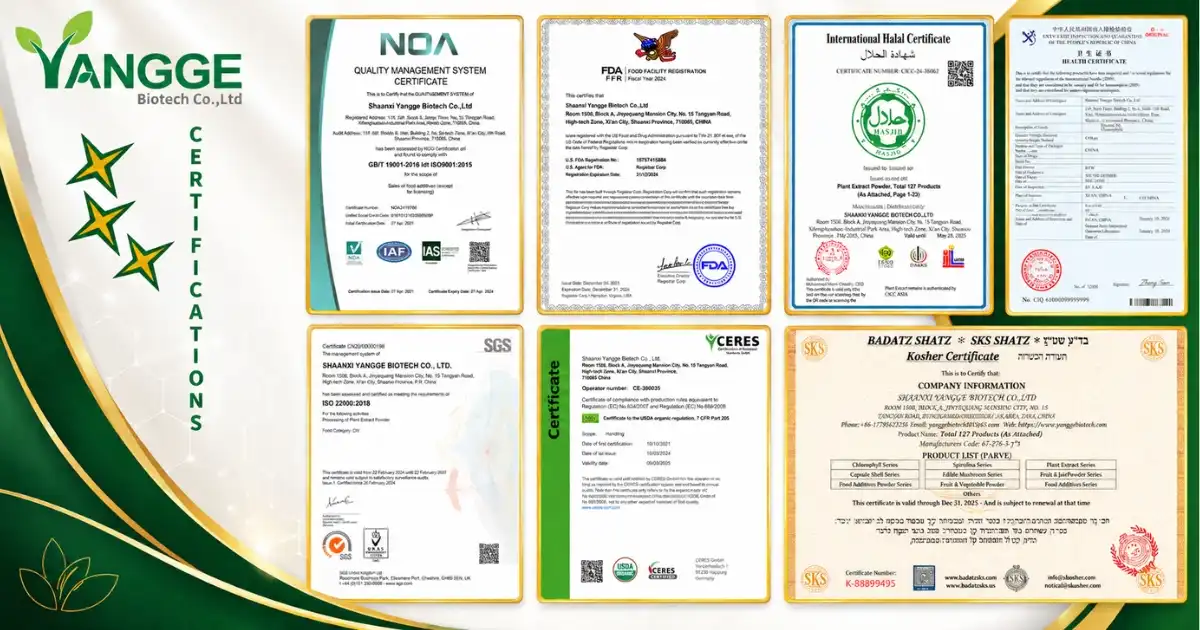
The fact that gardenia blue pigment is safe for use as a food colorant in China, Japan, and South Korea means that it is safe. There are no GMOs or gluten in it, and no chemicals have been added. Each batch of food that Yangge makes comes with a Certificate of Analysis (COA). They are certified in ISO, HACCP, Kosher, and Halal. Buyers who want to sell in controlled markets need this stack of papers to get through customs and give to their customers so that they can be checked later.
Benefits of Using Gardenia Blue Extract in Food Manufacturing
Thermal and pH Stability That Holds Up in Real Processing
One of the best things about this natural blue colorant is that it doesn't change over time. It's not always possible to use natural alternatives in factories that heat pigments above 80°C and keep the pH level between 3.5 and 7.5 to do things like make jam and cook candies. When these things happen, gardenia blue extract doesn't lose its color, so your customers who buy it from you are less likely to worry about color fade.
The following table summarizes comparative stability performance relevant to typical food processing conditions:
| Condition | Gardenia Blue | Spirulina Blue | Butterfly Pea Blue |
|---|---|---|---|
| Heat (>80°C, 30 min) | Stable | Significant fade | Moderate fade |
| pH Range (3.5–7.5) | Stable | Unstable below pH 5 | Color shifts blue→purple→pink |
| Light Exposure | Good | Poor | Moderate |
| Flavor Interference | None | Mild seaweed note | Minimal |
Clean-Label Compatibility and Consumer Demand
More than 60% of people in the U.S. who buy food regularly check ingredient labels to see if they say that the food is free of artificial dyes, according to a study by Mintel in 2023. Gardenia blue items with labels that say "gardenia extract" make it clear that the color comes from plants, which is good for shoppers who care about their health. Because of this, the element is more than just a technical input for wholesalers who sell private-label or clean-label brands.
Versatile Application Across Product Categories
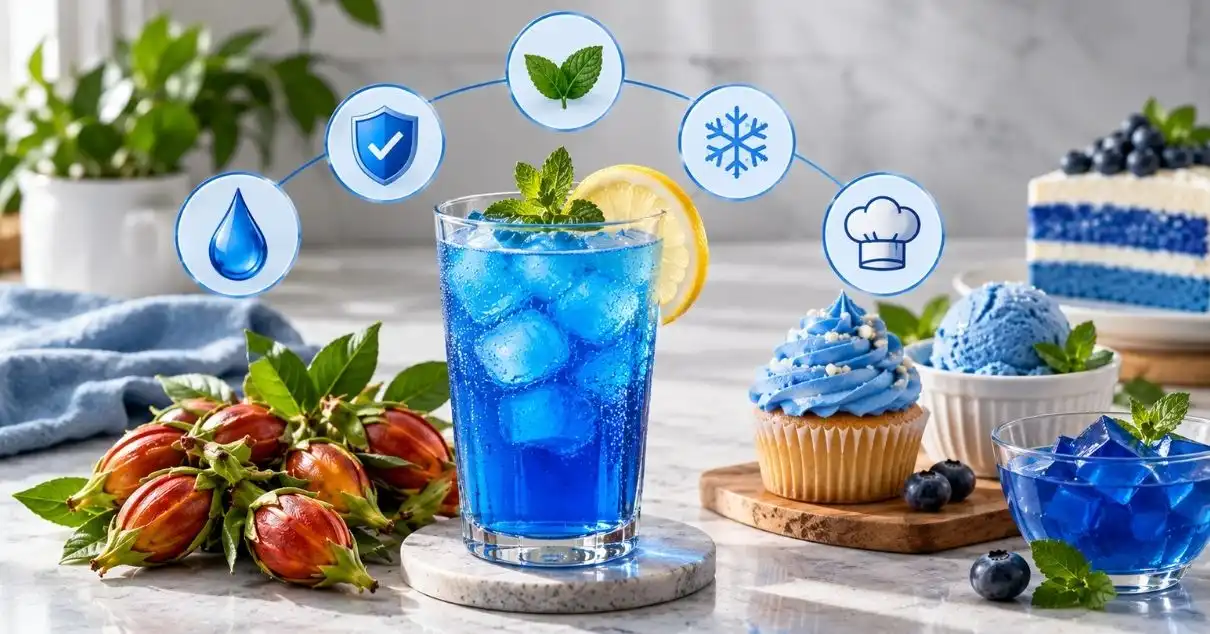
There are many easy ways to add gardenia blue powder to things like alcoholic drinks, fruit jams, baked goods, dairy products, makeup, and candy coatings. It is easy to add to liquid recipes because it melts quickly in water. The powdered form also mixes well in regular mixing machines without clumping.
Gardenia Blue Extract vs. Other Blue Colorants: Making the Right Choice
How It Compares to Spirulina and Butterfly Pea Extract
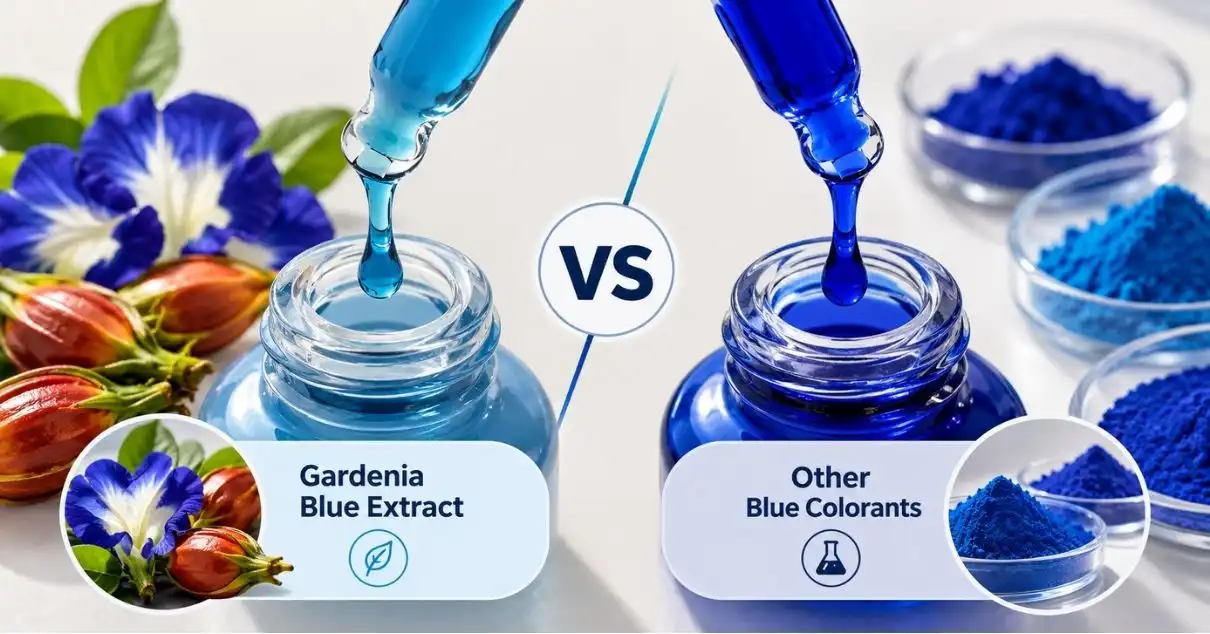
Phycocyanin is the blue color of spirulina, but it is unstable below pH 5 and sensitive to heat above 60°C. In other words, it can't be used in hot foods or drinks that are acidic. The color of butterfly pea flower extract changes based on the pH level, shifting from blue to pink when the pH level moves from neutral to acidic. In situations where the pH of the formula changes, this makes it less stable. With a pH range covering both acidic and neutral environments, gardenia blue extract stays the same color. This makes it a better choice for mass production.
Gardenia Blue vs. Synthetic Blue Dyes
| Attribute | Gardenia Blue | FD&C Blue No. 1 | FD&C Blue No. 2 |
|---|---|---|---|
| Origin | Plant-derived | Petroleum-derived | Petroleum-derived |
| Clean-Label | Yes | No | No |
| Regulatory Pressure | Low | Increasing | Increasing |
| Antioxidant Properties | Present | None | None |
| Label Declaration | "Gardenia extract" | "Blue 1" | "Indigo Carmine" |
A lot more attention is being paid to synthetic food dyes in the U.S. From 2023 to 2025, the FDA planned to review some petroleum-based colorants in stages. People who make things are already moving to plant-based choices so they don't have to pay more in the future.
Specification Flexibility for B2B Buyers
From E30 to E200, Yangge sells gardenia blue powder in five different E-value ranges. With a higher E-value grade, the color is darker and the usage rate is lower. This can help people who buy a lot figure out their cost-in-use better. Wholesalers who buy both cheap and expensive goods from the same source will find this range of specs very helpful.
Procurement Guide for B2B Clients: How to Buy Gardenia Blue Extract
Certifications and Documentation to Require
When buying things to bring into the U.S. or sell to EU-regulated customers, the following should be in a full paperwork package: there is an MSDS, a COA for each batch, a TDS report (Yangge provides a TDS-Gardenia Blue E80.pdf report), heavy metal test reports, microbial test reports, and allergen statements. If asked, Yangge can give Kosher and Halal certification letters, which will come in handy for distributors who work with a range of markets in the future.
Evaluating Supplier Production Capacity
| Evaluation Factor | What to Ask | Why It Matters |
|---|---|---|
| Annual Production Capacity | Metric tons per year | Prevents supply interruptions for multi-factory customers |
| Batch Consistency | ΔE color deviation per batch | Controls color variance complaints from downstream buyers |
| Lead Time | Standard and urgent order lead times | Supports inventory planning and customer SLAs |
| Customization | Available E-value grades and packaging | Matches product specifications without extra processing |
| Sample Policy | Sample availability and cost | Enables pre-qualification before volume commitment |
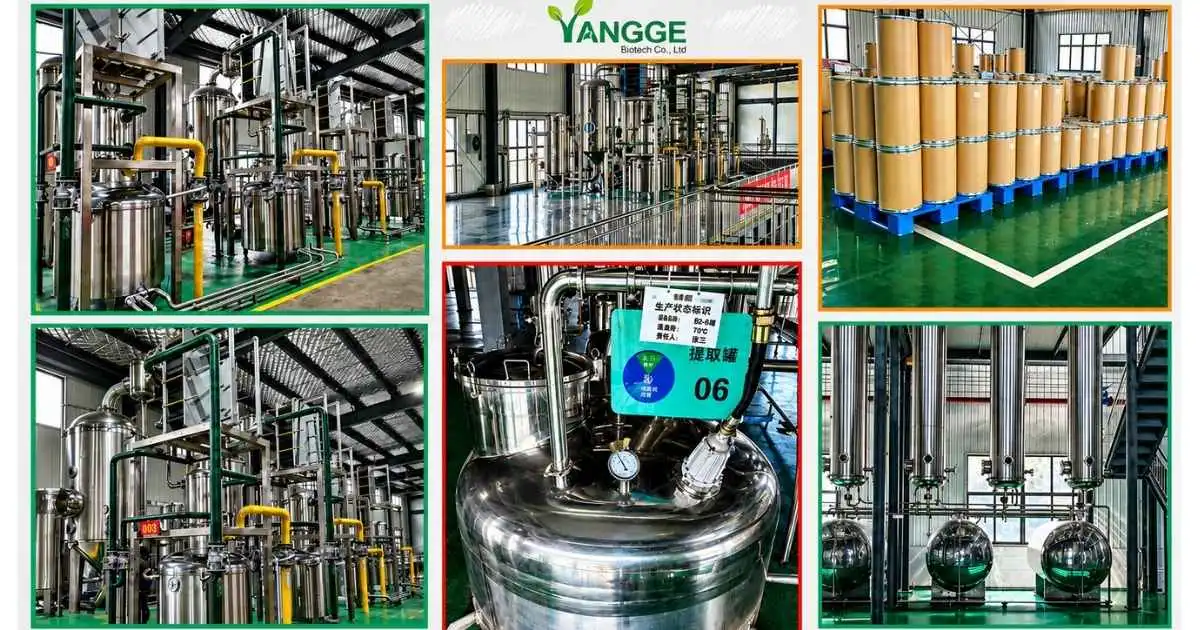
There are separate R&D and production teams at Yangge, and customer service is open 24 hours a day, which supports buyers who work in different time zones. While the typical cycle takes 4–8 weeks, this responsive communication is essential for large-scale procurement.
Pricing Structure and Volume Negotiation
How much a kilogram of gardenia blue extract costs depends on the grade and quantity purchased. People who agree to framework deals or buy amounts every three months can get better unit prices and more time to pay. Yangge is ready to talk about supply agreements that are specific to a certain area in exchange for volume commitments from regional distributors who want to make deals that can't be found anywhere else.
Why Leading Food Manufacturers Prefer Gardenia Blue Extract?
Industry Adoption Trends
The global natural food colors market will grow at a rate of about 6.8% per year, according to Grand View Research. It will reach USD 3.5 billion by 2030, up from USD 2.1 billion in 2022. This change is happening faster because of new rules on synthetic colors, rising consumer preference for plant-derived ingredients, and private-label names being repositioned. Manufacturers who make sure they have a steady supply of gardenia blue extract are now ahead of the demand rise.
Co-Production Cost Advantage
The raw fruit that gardenia blue and gardenia yellow come from is the same. This means that businesses like Yangge that use combined production lines can keep their prices more stable than businesses that only make one color. This way of co-producing cuts down on the waste of raw materials and helps long-term buyers better predict prices, which is an advantage that providers of only one color can't match.
Traceability and Supply Chain Transparency
Yangge works closely with farming groups to make sure that goods can be tracked from the farm to the warehouse. They use safe farming methods. This chain of traceability can be an advantage for buyers whose clients need proof of where ingredients came from for marketing further down the line.
Conclusion
Gardenia blue extract is a natural blue colorant that is stable, useful, and well-studied. It can be used on a large scale by food manufacturers and ingredient distributors. Other big brands aren't as stable at high temperatures and low pH levels as this one is. Because it comes in five grades, it can be used in a lot of different situations. Also, the clean-label placement is right where the market is going. Procurement teams should give Yangge serious thought as a long-term supplier partner because of its large production capacity, wide range of certifications, and flexible business terms.
FAQ
What specifications of gardenia blue powder does Yangge offer?
Yangge sells five types of E-value gardenia blue extract powder. These are E30, E60, E80, E100, and E200. When used in high volumes, higher types provide more color strength per gram, which can cut down on usage rates and the cost-per-use.
Is gardenia blue extract suitable for acidic food and beverage products?
Yes. Gardenia blue stays the same color from about 3.5 on the pH scale to 7.5 on the acid scale, whereas butterfly pea extract changes color in acidic conditions. This implies that it can be used in a range of acidic drinks, jams, and sweets.
What documentation can Yangge provide for import compliance?
Yangge sends a COA, TDS, MSDS, heavy metal and microbial test reports, and allergen statements with every batch. If you ask for them, you can get Kosher and Halal certificates. ISO and HACCP inspections have been done on the building where the things are made.
Can Yangge support OEM or custom packaging requirements?
Yes. Yangge can handle both large sales and unique packaging designs. If a buyer wants custom labels or changes that are made to their specifications, they should talk to the sales team first.
How long does the typical procurement cycle take?
The whole process takes 4–8 weeks for most B2B buyers. This includes going over specifications, samples, prices, and running a small-batch trial.
Partner with Yangge Your Gardenia Blue Extract Supplier for Bulk Orders
Gardenia blue extract powder from Yangge Biotech Co., Ltd. is safe for food and comes in grades E30 to E200. It is certified as ISO, HACCP, Kosher, and Halal. We make sure that the colors are the same from one batch to the next, and our paperwork package helps with following the rules in all of the major trade markets. Our staff gets back to you in 24 hours, whether you want to try a sample or talk about a long-term plan for supplying you. Feel free to email us at info@yanggebiotech.com right away to get your sample and specification sheet.
References
1. Grand View Research. Natural Food Colors Market Size, Share & Trends Analysis Report. 2023.
2. Mintel Group Ltd. Clean Label Trends in U.S. Food & Beverage. 2023.
3. Jiang, Y., & Barrow, C.J. Stability of Natural Pigments in Food Processing Applications. Food Chemistry, 2021.
4. Ozgen, S., & Aksu, Z. Regulatory Overview of Natural Colorants in Global Food Markets. Trends in Food Science & Technology, 2022.
5. Zhang, L., et al. Geniposide-Derived Blue Pigment: Production, Properties and Food Applications. Food Research International, 2020.
6. U.S. Food and Drug Administration. Color Additives Permitted for Direct Addition to Food for Human Consumption. FDA Regulatory Reference, 2023.

Based on your location and order quantity, you will have the opportunity to receive a limited time free shipping promotion!
Who we are
Popular Blogs