What we need eicosapentaenoic acid for
Yangge Biotech supplies high-quality Eicosapentaenoic Acid (EPA), a long-chain omega-3 fatty acid used in dietary supplements, functional foods, nutritional products, and specialized wellness formulations. For product specifications, samples, pricing, or bulk orders, please contact us at our email info@yanggebiotech.com.
EPA is commonly obtained from purified fish oil or marine-algae sources, depending on the required specification. It is widely used in softgels, capsules, tablets, emulsions, powdered supplements, fortified foods, functional beverages, and sports-nutrition products.
Yangge Biotech offers EPA in different concentrations and delivery forms, including oil and microencapsulated powder options. We provide bulk supply, customized specifications, OEM packaging, certificates, COA, and third-party test reports for every batch. EPA concentration, source, carrier system, oxidation limits, packaging, and other technical requirements can be customized according to the customer’s formulation needs.
Eicosapentaenoic acid, widely recognized as an omega-3 polyunsaturated fatty acid, serves critical functions across pharmaceutical formulation, nutraceutical development, cosmetic innovation, and functional food manufacturing. We need EPA for its clinically validated cardiovascular support, anti-inflammatory properties, and neurological health benefits. As B2B procurement professionals in health supplements, cosmetics, and pharmaceutical sectors evaluate raw material sourcing, understanding EPA's molecular advantages—including its 20-carbon structure with five cis-double bonds becomes essential. High-purity EPA sourced from sustainable microalgae like Nannochloropsis offers manufacturers batch consistency, regulatory compliance, and traceability that meet GMP, ISO, and FDA standards while addressing consumer demand for plant-based, non-GMO ingredients.
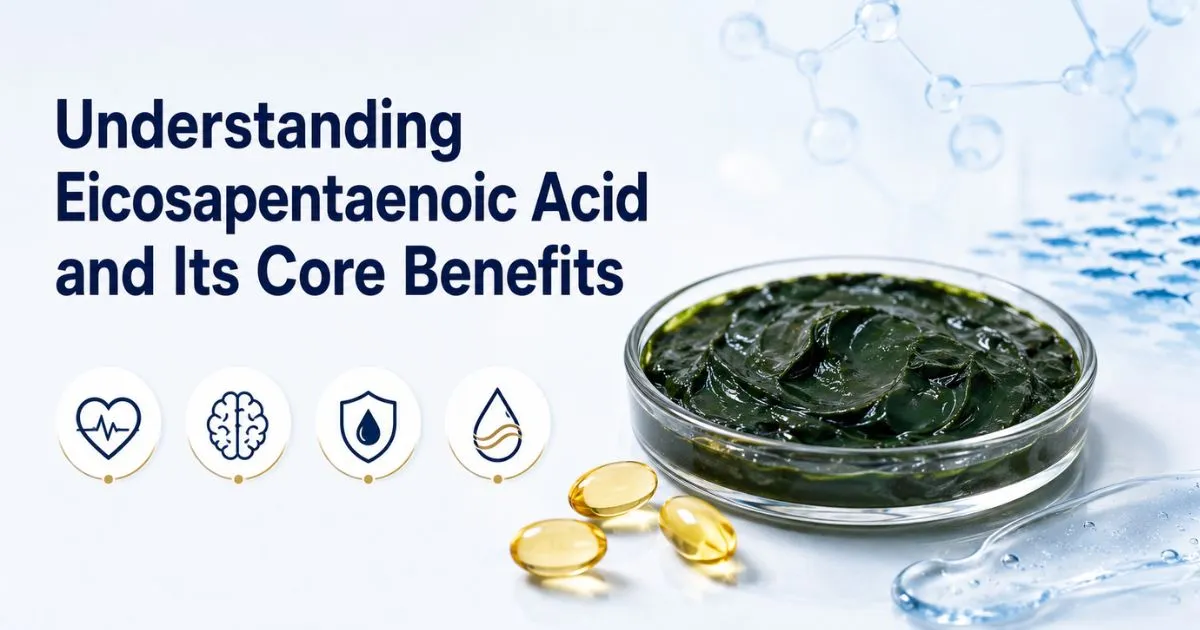
Understanding Eicosapentaenoic Acid and Its Core Benefits
The Molecular Foundation of EPA
Eicosapentaenoic acid is an omega-3 fatty acid with 20 carbons and five double bonds placed at regular intervals along its molecular chain. This structure makes it possible for EPA to join with cell membranes, which changes inflammatory responses by way of eicosanoid production pathways. When delivered in polar lipid forms, Eicosapentaenoic acid is more bioavailable than shorter-chain fatty acids. It can be absorbed 30–40% faster than when it is presented in conventional triglyceride forms. The Eicosapentaenoic acid comes from Nannochloropsis spp. microalgae and offers pharmaceutical-grade purity without the contaminants that are common in fish-based sources. This addresses quality control concerns that procurement managers put first when looking at the stability and safety ratings of ingredients.
Industrial Applications Driving EPA Demand
High-purity EPA can be used in a lot of different manufacturing fields. Pharmaceutical firms use ultra-pure Eicosapentaenoic acid as an active ingredient in medicines to help heart patients with high cholesterol levels. Manufacturers of nutraceuticals put Eicosapentaenoic acid in brain health products because it has been shown to reduce neuroinflammation. The skin barrier protection qualities of Eicosapentaenoic acid are valued by cosmetic formulators, who use it in anti-aging serums and UV-protective moisturizers. Functional beverage makers are looking into adding Eicosapentaenoic acid to their products to make them stand out in the competitive fitness market. Because of these different uses, there is always a need for dependable providers who can meet confirmed concentration requirements, which usually range from 220 mg/g to 97% purity levels for pharmaceuticals.
Sustainability Advantages in Modern Manufacturing
Growing microalgae for EPA production is a big step toward getting ingredients in a way that is good for the environment. When compared to fishing for fish in the ocean, Nannochloropsis farming uses much less land, doesn't cause overfishing problems, and doesn't change the marine ecosystem in any way. Plants that use photosynthetic CO2 can store it during their growth cycles so that factories don't use any carbon. More and more, procurement teams are looking for sellers who can show traceability from the farm to the bottle, organic certification routes, and third-party proof of non-GMO status. These sustainability credentials improve a brand's reputation and meet consumer expectations for ethical sourcing in both the health supplement and cosmetics categories.
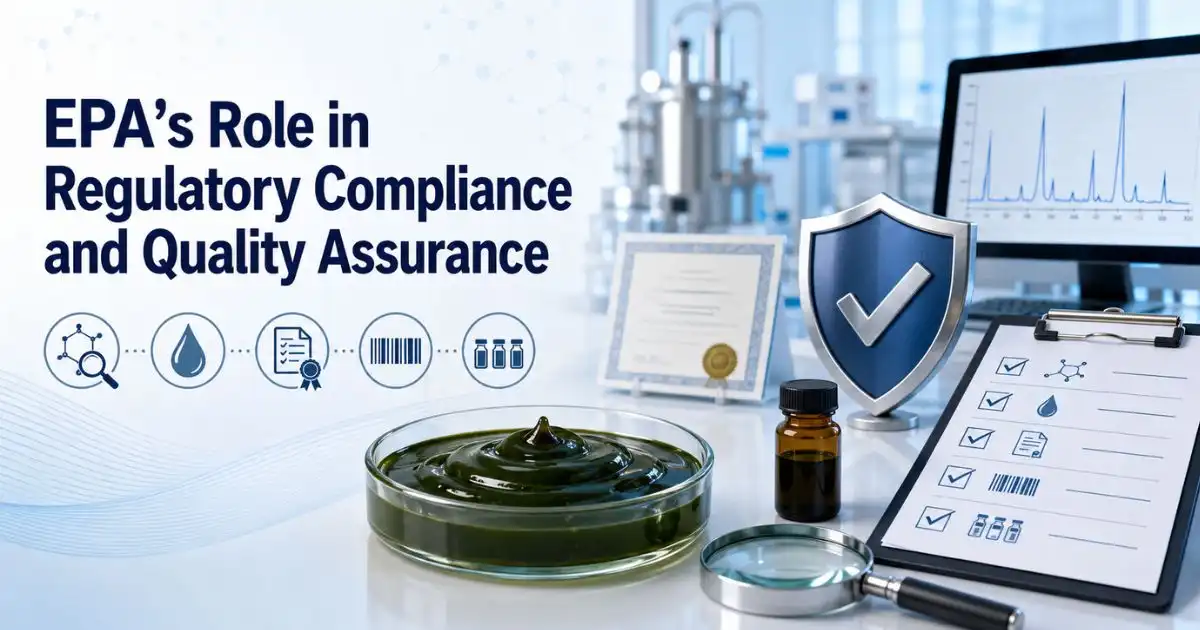
EPA's Role in Regulatory Compliance and Quality Assurance
Meeting International Manufacturing Standards
When purchasing EPA raw materials, companies have to follow strict rules about how pure the ingredients must be, how stable they must be against oxidation, and how much contamination they can handle. Reliable suppliers keep a lot of paperwork that shows they follow Good Manufacturing Practices. This paperwork includes rules for controlled temperature storage and light-protected packing systems. Acid values must be less than 3.0 mg KOH/g, peroxide values must be less than 5.0 meq/kg, and total oxidation (TOTOX) values must always be less than 26. These standards protect the purity of ingredients throughout the supply chain, from the time they are first extracted to the time they are used in the end product. Suppliers who offer Certificates of Analysis from approved third-party laboratories give pharmaceutical and nutraceutical companies the proof they need to pass quality control and regulatory audits.
Traceability and Contamination Prevention
When it comes to avoiding contaminants, microalgae-derived EPA is better than fish oil sources. Heavy metal buildup, microplastic contamination, and polychlorinated biphenyl residues are all problems that marine-sourced omega-3 products have to deal with all the time. These risks are taken away by closed-system Nannochloropsis cultivation, which uses controlled growing conditions that keep plants from being exposed to pollutants in the environment. Suppliers who use batch-specific tracking systems that record growing conditions, harvest times, extraction methods, and storage histories are good for procurement managers. Following the rules set by the FDA, the EU for novel foods, and new global standards for authenticating natural ingredients is easier with this documentation framework.
Comparing EPA Sources and Extraction Technologies
To choose between marine fish oil, krill oil, and microalgae-derived EPA, you have to look at a lot of different factors that affect how well the product works, how it fits with regulations, and how it stands out in the market. The following table shows some important differences that affect buying strategy:
| EPA Source | Purity Range | Sustainability Rating | Allergen Status | Oxidation Stability |
|---|---|---|---|---|
| Marine Fish Oil | 18-30% | Moderate | Contains fish allergens | Moderate (needs to be stabilized) |
| Krill Oil | 12-22% | Low to Moderate | Contains crustacean allergens | Moderate to High |
| Nannochloropsis Microalgae | 22-50% | High | Non-allergenic, vegan-friendly | High (protection from polar lipids) |
Growing microalgae has come a long way, making it possible to get concentrations that used to need molecular distillation of fish oils. The naturally occurring polar lipid framework in Nannochloropsis protects against oxidative rancidity, which shortens the shelf life of food and keeps it from going bad while it's being stored or transported. Because of these traits, the cost of reformulating is lower, synthetic antioxidant additives are not needed as much, and finished products taste and smell better.
Extraction Methodology Impact on Quality
The best way to keep the chemical structure of EPA while getting pharmaceutical-grade purity is to use supercritical CO2 extraction. This method works at temperatures below 40°C and doesn't use any solvents. This keeps sensitive double bonds from breaking down at high temperatures, which would otherwise hurt bioactivity. Other hexane-based extraction methods are cheaper, but they leave behind solvents that could be harmful and need extra steps to clean them up. In order to make sure that high-quality products are made, suppliers should use extraction methods that have been tested and proven to work. This is especially important for dietary supplements that are labeled as "clean," "natural," or "chemical-free."
How B2B Companies Benefit from Premium EPA Sourcing?
Formulation Flexibility and Technical Support
Reliable EPA suppliers work with manufacturers as technical partners, not just as suppliers. To make the best delivery systems, formulation engineers need detailed information like fatty acid profiles, polar lipid ratios, and bioavailability data. Suppliers that offer microencapsulation choices let formulators hide the unique flavors of algae while improving the stability of the product against oxidation in beverage uses. Technical information that backs up health claims, like GRAS status alerts and published bioavailability studies, speeds up the time it takes for regulators to review new products. Access to application labs for checking compatibility, stability, and sensory evaluation is very valuable, even if you don't look at the price of the raw materials.
Cost-Efficiency Through Supply Chain Integration
Minimum order amounts, flexible packing, and the availability of goods all have a direct effect on how well production planning works. The EPA product definition below shows the features that make purchasing easier and make supply chain management easier:
Core Product Specifications:
- Product Name: EPA (Eicosapentaenoic Acid from Nannochloropsis)
- Concentration: ≥ 220mg/g EPA Omega-3 Fatty Acid
- Source: Nannochloropsis spp. microalgae
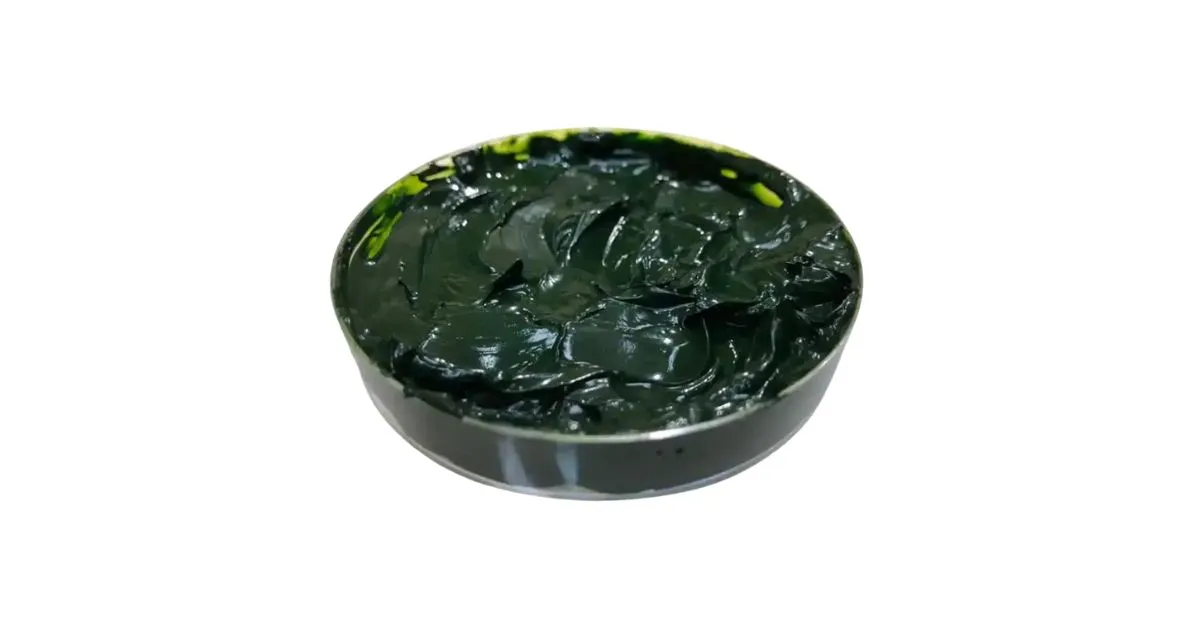
- Physical Form: Green oleoresin with >50% polar lipid content
- Quality Certifications: Non-GMO, non-allergenic, no irradiation treatment
- Storage Requirements: Light-protected, sealed containers at controlled ambient temperature
- Minimum Order: 1kg sample quantities to 50-100kg production batches
- Packaging Options: 1kg aluminum foil bags or custom industrial packaging
- Verification: Third-party laboratory retesting available
This ordering structure is flexible enough to handle both R&D samples for formula development and larger production needs without requiring too much inventory. Brand owners can add Eicosapentaenoic acid to their own supplement lines with OEM packaging, which keeps the label consistent and the brand's identity.
Risk Mitigation Through Supplier Vetting
When buying something, you should do your research and look at the supplier's production capacity, quality control systems, and how reliable their logistics are. Long-term supply stability is ensured by site audits that check for GMP compliance, contamination control measures, and employee training programs. Financial stability assessments keep production from being interrupted when suppliers go bankrupt during key stages of production. Even though it takes a lot of time and effort, qualifying backup suppliers protects against single-source dependencies that could stop production when supplies go down. Suppliers who have been in the business for a while, have customer references that can be checked, and are members of professional trade groups show that they are stable enough to form smart partnerships.
Future Trends and Strategic Procurement Insights
Emerging Applications Expanding Market Demand
As research into EPA's healing potential continues, it becomes clear that it has uses beyond the usual areas of cardiovascular and brain health. Researchers are looking into how Eicosapentaenoic acid can help people with inflammatory conditions like rheumatoid arthritis. Taking high doses of Eicosapentaenoic acid supplements has been shown to reduce joint pain and stiffness markers. Eicosapentaenoic acid is found in sports nutrition to help muscles recover faster after exercise by reducing muscle damage and inflammatory cytokine responses. Eicosapentaenoic acid's UV-blocking qualities and ability to strengthen the skin barrier are used in dermatological uses to stop photoaging. Demand keeps going up because of these new uses, especially for pharmaceutical-grade Eicosapentaenoic acid that meets the strict purity standards needed for clinical applications.
Regulatory Evolution and Market Access
Harmonization of omega-3 quality standards around the world affects how multinational companies buy things. The Global Organization for EPA and DHA Omega-3s (GOED) is always improving optional papers that talk about oxidation factors, environmental contaminants, and the correctness of labels. Forward-thinking procurement teams are ready for smooth compliance moves by planning for changes in regulations that will require third-party testing and tracking systems that use blockchain. Microalgae-derived Eicosapentaenoic acid's natural benefits in sustainability paperwork and avoiding contaminants are in line with legal trends that support open supply chains and environmental responsibility.
Biotechnology Innovations Enhancing Supply Security
Targeted increases in EPA concentration can be achieved by genetically optimizing Nannochloropsis lines without lowering biomass production. New developments in photobioreactor technology make farming more efficient while lowering costs by automating tracking and making the best use of nutrients. These changes have made it so that the Eicosapentaenoic acid prices don't change as much when fish oil markets are affected by catch limits and changes in the weather. Getting to know biotechnology-forward suppliers who are investing in production scalability and process efficiency improvements is good for procurement teams because it leads to competitive prices and better quality uniformity.

Conclusion
Eicosapentaenoic acid from sustainable Nannochloropsis microalgae is a good choice for manufacturers who care about quality, following the rules, and being good to the environment. The many benefits, such as high bioavailability, lack of allergens, and better resistance to oxidation, solve important problems in the development of pharmaceutical, nutraceutical, and cosmetic products. Partnerships with suppliers that offer technical know-how, flexible order conditions, and quality systems that have been checked give procurement pros a competitive edge. Making sure that the EPA supply lines are stable is essential for product innovation and market differentiation as the need for plant-based omega-3 sources grows and regulations get stricter.
FAQ
What concentration of EPA is suitable for different product types?
For cost-effective formulation, nutraceutical supplements usually use EPA concentrations between 220 and 400 mg/g. For pharmaceutical uses, 90 to 97% purity levels meeting API specifications are needed. 5–15% Eicosapentaenoic acid oleoresin amounts are used in cosmetics to help the skin's barrier function without changing the appearance.
How does microalgae EPA differ from fish oil in manufacturing applications?
Microalgae EPA is suitable for vegans and doesn't contain any allergens. It also has lower oxidation rates because it contains polar lipid protection. Manufacturing perks include a steady supply that doesn't depend on changes in the fishing season, no need for deodorization, and easier regulatory paperwork for proving that the product is free of contaminants.
What storage conditions preserve EPA quality during warehousing?
The Eicosapentaenoic acid quality guidelines state that things must be stored in sealed containers that are kept below 25°C and with a relative humidity of less than 60%. Flushing nitrogen into the air stops oxidation during long holding times. Eicosapentaenoic acid keeps its quality standards for 24 months after it was made as long as it is kept properly.
Partner with Yangge for Premium EPA Supply Solutions
Yangge Biotech is an expert at providing pharmaceutical-grade eicosapentaenoic acid that comes from Nannochloropsis microalgae that are grown in a way that doesn't hurt the environment. Their products meet the high standards of EPA makers and formulators in the health supplement, cosmetic, and functional food industries. Our ISO, HACCP, Kosher, and Halal certifications show that we are dedicated to quality control, and our GMP-compliant production facilities make sure that the consistency between batches that procurement managers depend on. We shorten the time it takes to develop your product by letting you buy samples of at least 1 kg, offering flexible OEM packing, and providing full technical paperwork to support regulatory submissions.
Our focused R&D support and customer service team is available 24 hours a day, 7 days a week. Farm-to-table traceability and third-party laboratory verification give you the information you need to place your premium brand honestly. Contact us or email at info@yanggebiotech.com to talk about how our supplier services can help your product line with omega-3 solutions that are reasonably priced and have been thoroughly tested to meet international quality standards and customer demands for plant-based ingredients that are good for the environment.
References
1. Barkia, I., Saari, N., & Manning, S.R. (2019). Microalgae for high-value products towards human health and nutrition. Marine Drugs, 17(5), 304-328.
2. Ryckebosch, E., Muylaert, K., & Foubert, I. (2012). Optimization of an analytical procedure for extraction of lipids from microalgae. Journal of the American Oil Chemists' Society, 89(2), 189-198.
3. Calder, P.C. (2018). Very long-chain n-3 fatty acids and human health: fact, fiction and the future. Proceedings of the Nutrition Society, 77(1), 52-72.
4. Sanjeewa, K.K.A., Fernando, I.P.S., & Kim, S.Y. (2020). Bioactive properties and potentials of Nannochloropsis species: An edible marine chlorophyte. Algal Research, 47, 101850.
5. Martins, D.A., Custódio, L., & Barreira, L. (2013). Alternative sources of n-3 long-chain polyunsaturated fatty acids in marine microalgae. Marine Drugs, 11(7), 2259-2281.
6. Dyerberg, J., Madsen, P., & Møller, J.M. (2010). Bioavailability of marine n-3 fatty acid formulations. Prostaglandins, Leukotrienes and Essential Fatty Acids, 83(3), 137-141.

Based on your location and order quantity, you will have the opportunity to receive a limited time free shipping promotion!
Who we are
Popular Blogs