What is the difference between glutamine and glutathione
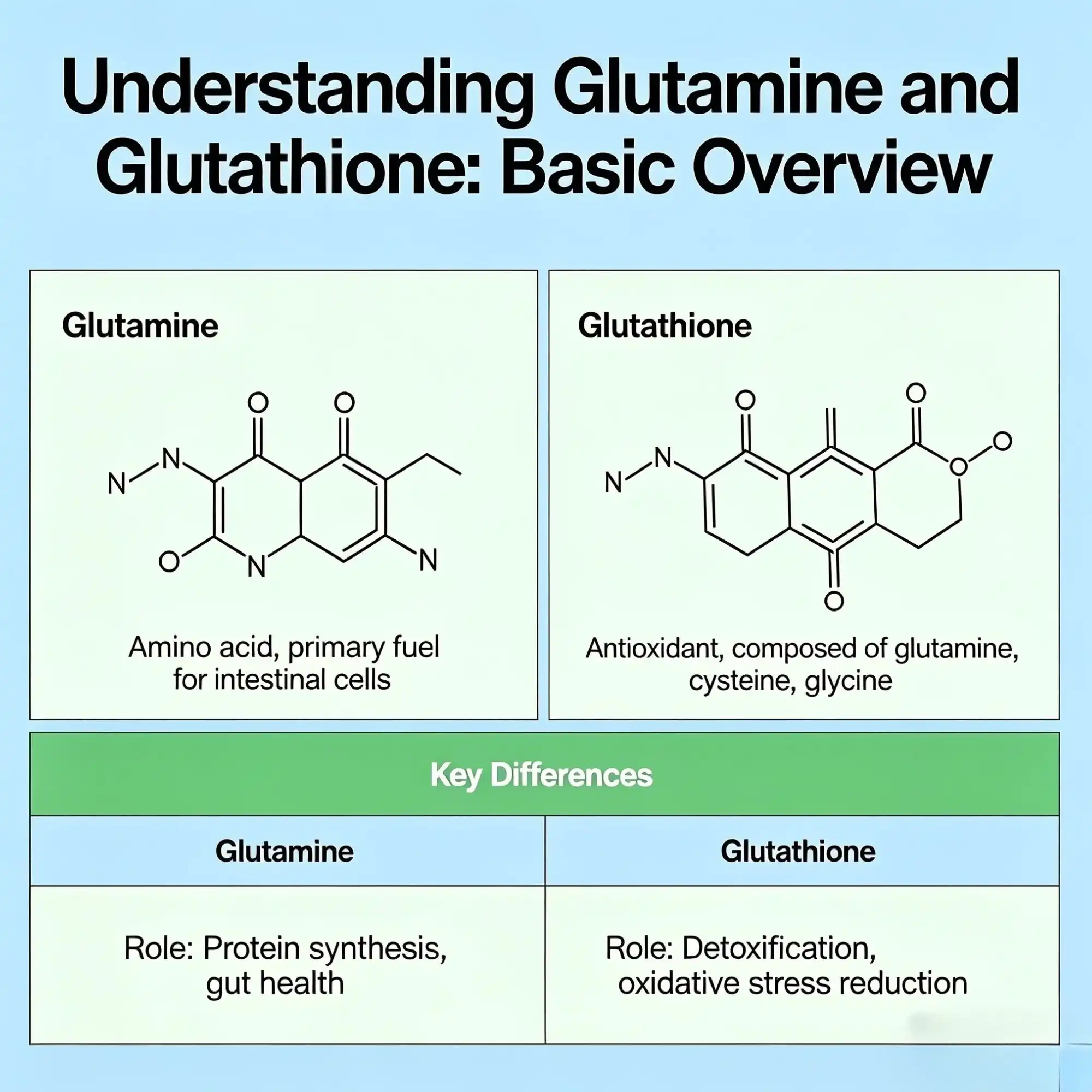
Glutamine and glutathione sound the same, but they are used for very different things in health and business. Glutamine is an amino acid that is found in a lot of sports nutrition and medicine goods. It helps make proteins, keep the immune system healthy, and speed up the metabolism. Glutathione, on the other hand, is an antioxidant that is made up of three amino acids: glycine, cysteine, and glutamic acid. People know that it cleans the body and keeps cells healthy. As long as buying managers, formulation engineers, and R&D teams are aware of these differences, they can choose smart suppliers that will help them reach their product development goals.
Understanding Glutamine and Glutathione: Basic Overview
Chemical Structure and Composition
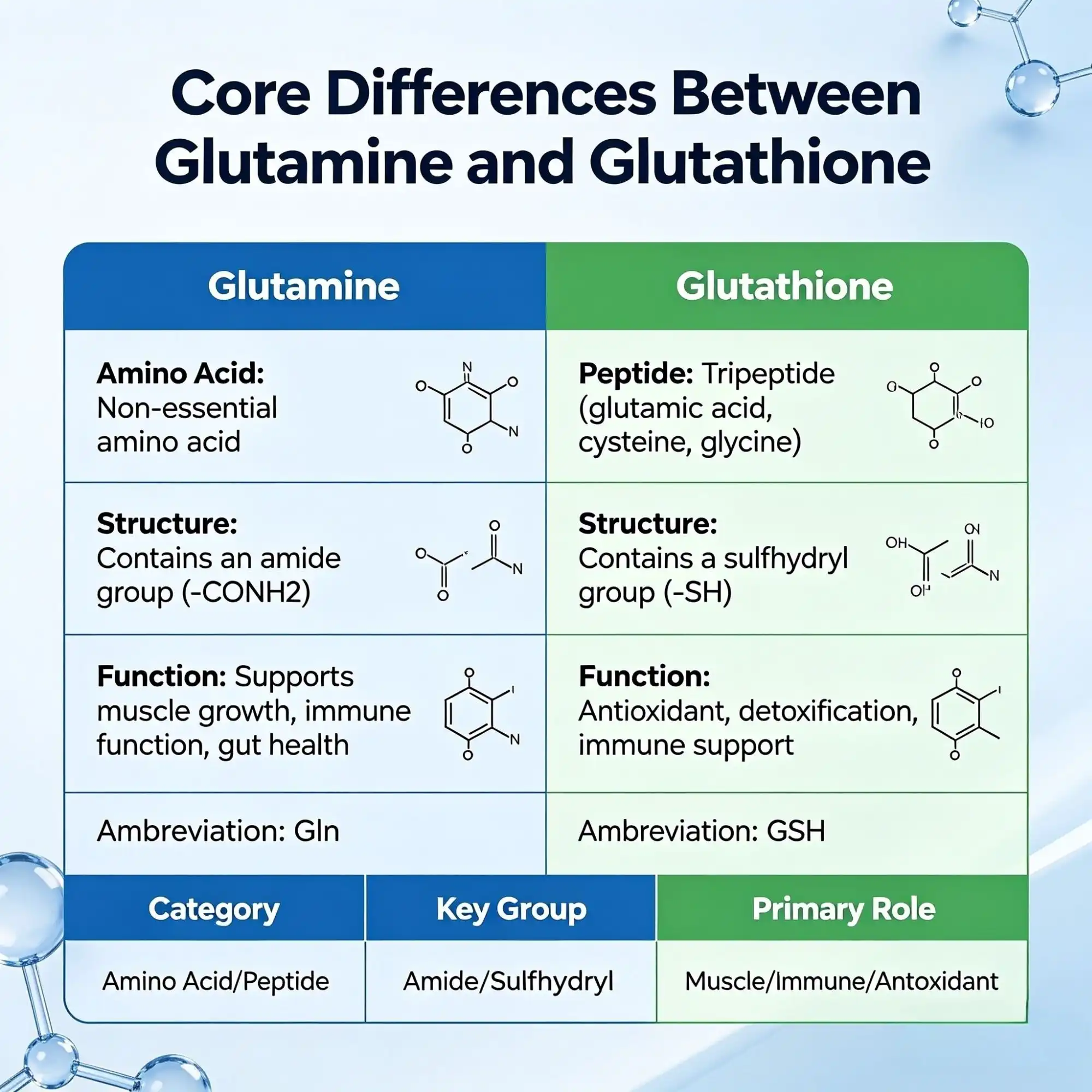
Glutamine is a conditionally required amino acid that is made up of a single molecule with the formula C5H10N2O3. Glutamine is something your body makes on its own, but it may need more when you're sick, stressed out, or working out hard. This amino acid helps move nitrogen around the body and is a building block for proteins all over the body. The structure of glutathione is fundamentally different. This trio is made up of three amino acids: glutamic acid, cysteine, and glycine. Because of the sulfhydryl group (-SH) in the cysteine part, glutathione is a potent antioxidant. Both reduced (GSH) and oxidized (GSSG) forms of glutathione exist. It is oxidized GSSG that your body recycles back to its active state after it has been used up and fights free radicals.
Physiological Roles in the Body
Glutamine is the main source of energy for enterocytes, which are cells that line your gut tract. This is good for your gut. It also helps immune cells grow, especially macrophages and lymphocytes. This means it can be used in professional food plans. Glutamine is added to sports vitamins to help muscles heal and to counteract the effect of exercise on the immune system. The primary antioxidant in the body is glutathione. It helps the liver clean itself out and saves cells from toxic stress. Because the molecule sticks to them, it is easier to get rid of heavy metals, toxins, and reactive oxygen species. According to studies, glutathione is necessary for the production of DNA, the activation of enzymes, and the regulation of the immune system. It is used in hospitals to treat nonalcoholic fatty liver disease, help cancer patients, and take care of illnesses connected to reactive stress.
Industrial Applications Across Sectors
Most glutamine is sold in supplement form, mostly sports nutrition products that help muscles heal and boost performance. Pharmaceutical companies add glutamine to foods that people with cancer, stomach problems, or other major illnesses eat. Glutamine is added to animal feed to help fish and animals grow faster and keep their guts healthy. In a number of different businesses, glutathione has formed distinct market groups. To help with pimples and slow down the aging process, makeup companies add glutathione to their products. In the health supplement market, glutathione pills are offered to support the liver, strengthen the immune system, and enhance general health. Glutathione is used in medicine in intravenous preparations for clinical detoxification treatments. Beverage makers are also thinking about adding it to functional drinks.
Core Differences Between Glutamine and Glutathione
Molecular Structure and Biological Functions
The biggest change is how their molecules are put together. As a single amino acid, glutamine is something that your body either builds proteins with or breaks down for energy. It keeps the acid-base balance by making ammonia in the kidneys and giving nitrogen to the body's systems. Because it is made up of three amino acids, glutathione can protect cells in ways that single amino acids can't. By giving up electrons, cysteine's thiol group gets rid of free radicals. This turns GSH to GSSG. Over and over again, oxidation and reduction work together to keep cells safe from damage caused by oxidants.
Metabolism and Immunity Roles
The body breaks down glutamine very quickly. The liver, kidneys, and immunity cells are the main places where it is used. That's when the body needs a lot more glutamine, like after surgery, an accident, or being sick. It's important to keep yourself from getting too low on nutrients, which could weaken your immune system or the layer that covers your gut. Glutathione is a component of the redox signaling pathways that regulate the function of immune cells and the onset of inflammation. It changes the way T cells work, helps natural killer cells do their job, and changes how cytokines are made. In contrast to glutamine, which provides building blocks and fuel, glutathione protects existing cell structures from oxidant damage.
Cell Protection Mechanisms
Glutamine protects cells without doing anything by making sure the gut barrier stays strong. This stops the spread of bacteria and lowers inflammation all over the body. It also helps make other chemicals that protect cells, like nucleotides and vitamins. Glutathione can directly protect cells through a number of different routes. It joins with molecules that are electrophilic to help the body get rid of waste. Besides that, it fixes damage that oxidation did to proteins and lipids and brings back antioxidants like vitamins C and E. Oxidative stress is brought on by waste products from making energy, but this molecule shields mitochondrial function from these harmful effects.
Industrial Application Contrasts
Teams in charge of buying things usually look for glutamine for uses that need extra amino acids, like adding it to animal feed, making enteral nutrition solutions, or making sports recovery products. Quality standards put a lot of weight on how pure something is, how many germs it can have, and how stable it is while being handled and stored. A variety of areas are served by glutathione production. Glutathione is found in serums and creams that take away dark spots and fight aging. Users of nutraceuticals need vitamins that are easily absorbed by the body when taken by mouth. Buyers of pharmaceuticals want materials that are safe for injection and follow strict rules set by the government. In the case of oral goods, endotoxin levels are important, while particle size is important for external recipes.
Regulatory and Quality Control Considerations
It is watched by the government on both sites, but the rules change based on what is being done and where it is. The FDA sets rules for glutamine that is offered as a dietary supplement. These rules are spelled out in the Dietary Supplement Health and Education Act. Pharmaceutical-grade glutamine, on the other hand, needs to be in line with current Good Manufacturing Practices and have paperwork from the drug master file. Legal problems with glutathione are more complex. The FDA has issued warnings about injectable glutathione products used to lighten skin because they are concerned about their safety. This is why it's important to keep careful records of industrial methods, run scientific tests, and keep an eye on bad things that happen. If a supplier wants to do business with a pharmaceutical company, they need to show that they follow agreed standards like USP or EP papers.
Glutathione In-depth: Benefits, Usage, and Market Trends
Health Benefits: Liver Support and Beyond
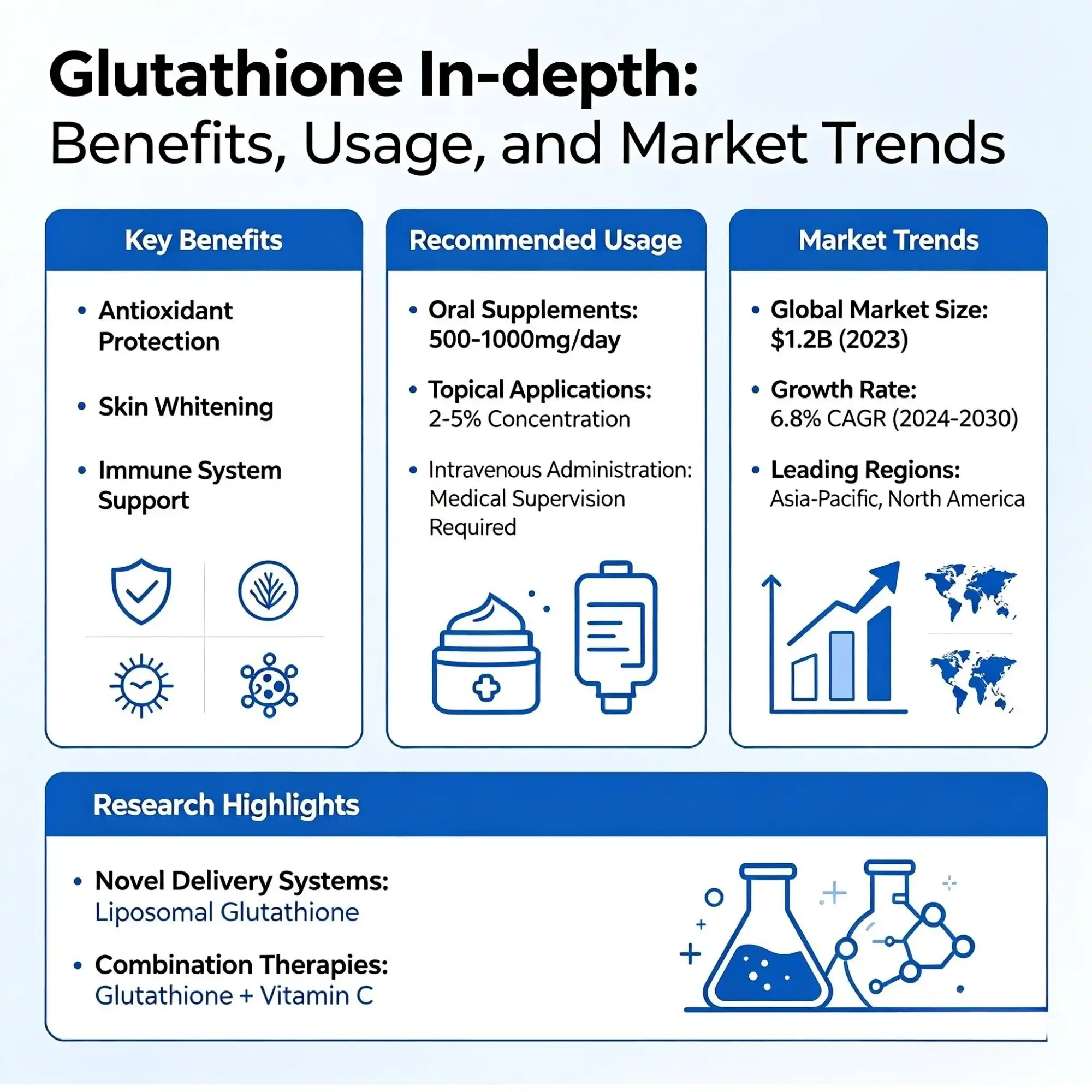
Clinical studies have demonstrated that Glutathione helps the liver in a variety of ways. The liver keeps glutathione levels high so that it can get rid of xenobiotics, drugs, and cell waste. Studies with people who have nonalcoholic fatty liver disease show that adding glutathione helps liver enzyme markers, which means less hepatic damage. People with cirrhosis whose liver function tests got a lot better after getting glutathione through an IV. Glutathione helps more than just the liver. It also keeps cells working well, which is good for the defense system. Age and the presence of chronic diseases cause glutathione levels to drop, which may speed up the immune system's decline. Glutathione levels need to be raised again so that the body's defense system can work better.
Skin Health Applications
The makeup industry is interested in glutathione because it might have an effect on the production of melanin. Glutathione may change melanin from eumelanin (a darker pigment) to pheomelanin (a lighter pigment), but the exact steps are still being studied. Some external products may not work as well as they should because the tripeptide structure may not be able to get through the stratum corneum well. Because of this problem, new ways to move things have been made, like encasing nanoparticles in bubbles and using boosts to help them go deeper. Glutathione's antioxidant power helps fight damage from the sun and the surroundings that comes with getting older. By lowering reactive oxygen species produced by UV light and smog, glutathione may help keep collagen strong and slow down the effects of aging.
Product Forms and Bioavailability Comparison
In the science community, taking glutathione by mouth is still up for debate. The digestive system makes enzymes, which separate the tripeptide into its amino acids before it is processed by the body. New study shows that taking glutathione supplements by mouth can raise blood glutathione levels, especially if they are taken daily for a few weeks. This is true even though there is a problem with the enzymes. It is easier for the body to receive liposomal glutathione through the cell membranes of the gut because it has phospholipid pockets that protect it while it is being broken down. Those who make supplements and want to improve absorption without dosing are interested in this delivery method. When the two types of glutathione were tested in humans, liposomal glutathione was found to have higher plasma amounts.
Sublingual glutathione bypasses the liver's initial processing step and enters the bloodstream through the mouth instead. This way of giving medicine works better for people whose digestive system isn't working well or who want to take it quickly. Glutathione that is injected has the highest absorption, but it must be used correctly and under the supervision of a doctor. Anytime a drug company buys injected goods, they need to make sure they are clean, don't contain any pyrogens, and have stable data to back up the shelf life claim.
Market Trends and Strategic Sourcing
The glutathione market has been slowly rising because it is being used more and more in medicine, skin care, and nutrition. The ingredient Setria Glutathione is a brand name that is made by fermenting food. A lot of people buy it because businesses that make finished goods get help with marketing and getting it approved for use in humans. Glutathione made from fermentation is becoming more common because people want chemicals that are made naturally from plants. Yeasts, particularly Saccharomyces cerevisiae, use enzyme-based processes to produce glutathione in this way. Fermentation is better than chemical synthesis in some ways, like being able to mark ingredients more accurately and putting natural products in the right place.
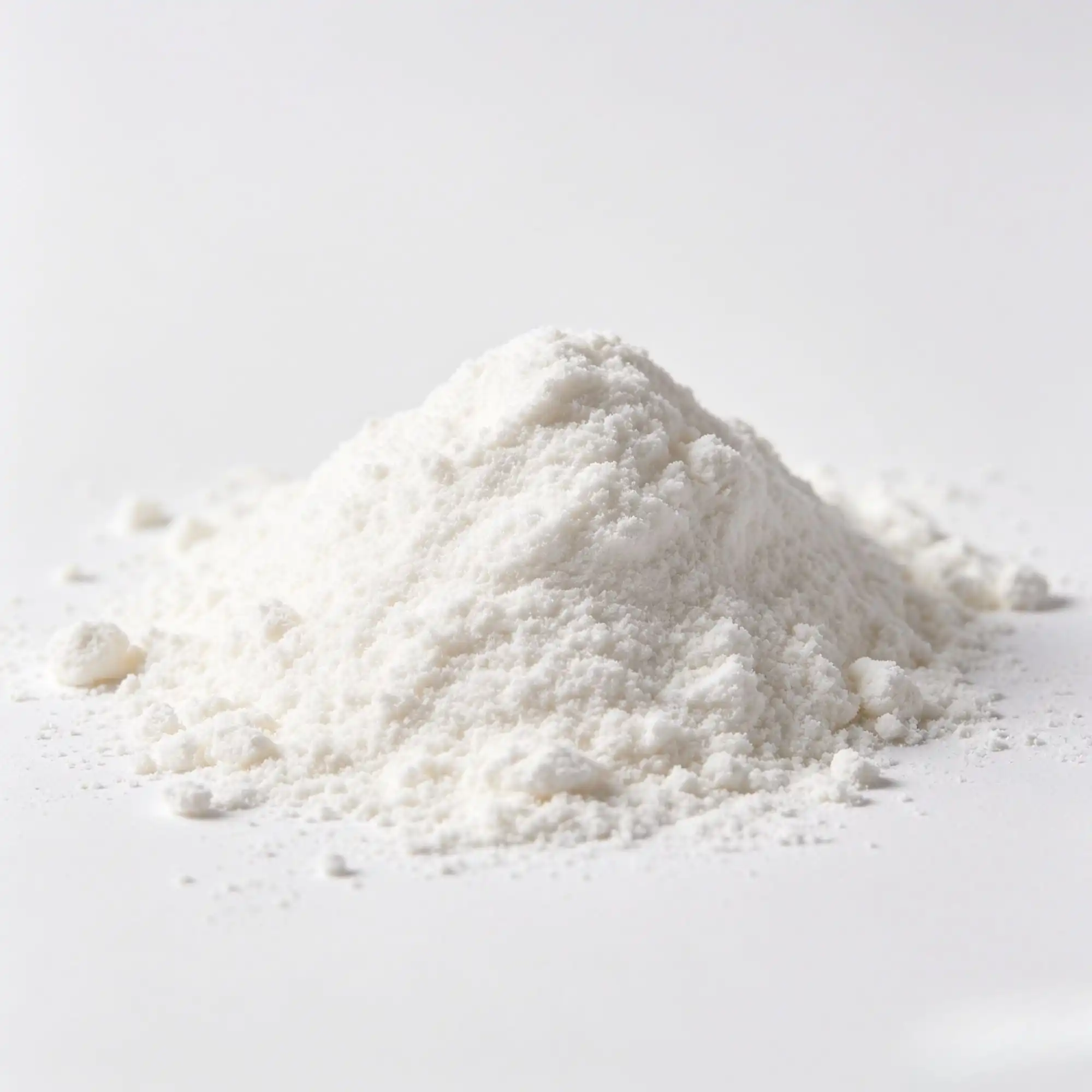
It's important to carefully check out the sellers when you buy glutathione in bulk. So that there is a steady supply, buying teams should find out how much a plant can make, especially when a lot of it needs to be bought. The analysis report should show that the amount of glutathione has gone down, and the quality should generally be 98% or higher. Data on how stable a product is in storage helps warehouse managers figure out how long a product will last in different situations. Yangge Biotech maintains a one-ton stock of 98% pure yeast-based glutathione powder. HPLC tests are used during production to make sure the specs are met, and each batch is checked by a foreign lab before it is sent out. It can be used in many things, from food supplements to makeup, because it is very clean and looks like white powder.
Conclusion
Glutamine and glutathione are used in different ways in supplements, medicines, and cosmetics because they have different biological functions and are made to achieve different goals. Glutamine is great for medical and sports nutrition products because it helps the body make proteins, keeps the gut healthy, and makes the immune system stronger. Glutathione, a potent antioxidant, aids in the elimination of waste from the body, maintains the health of the skin, and guards against oxidative stress in cells. Which materials to buy should depend on the goals of the product, the people it's meant for, and the high standards it has. Choosing the right suppliers, trying them thoroughly, following the right rules for storage, and following the rules set by lawmakers are all important parts of good buying strategies. As long as businesses know these basic differences and have strict quality systems in place, they can make goods that meet customer needs and safety and effectiveness standards.
Partner with Yangge for Premium Glutathione Solutions
Yangge Biotech can help you get glutathione. They can give you a 98% pure powder made from yeast that has been fermented using tried-and-true HPLC extraction methods. Our factory regularly makes high-quality ingredients that can be used in health supplements, OEM superfood mixes, and unique recipes that come in powder, pill, tablet, or gummy form. It is Kosher, Halal, and FDA-approved. Each package is carefully checked by international labs to make sure you get materials that are approved as safe for use and come with all the paperwork you need to keep track of them.
As far as we know, reliable glutathione suppliers give you more than just raw materials. They also offer expert help to make your recipes work. Our team offers personalized customer service that takes into account the specific needs of your application, a variety of shipping options that fit your production plans, and prices that are fair and won't break the bank. We always have a one-ton amount on hand, so don't worry about running out and having to delay your production plans. If you email info@yanggebiotech.com, you can talk to our team about what glutathione you need and ask for samples for testing on preparation.
FAQ
Q: Can we get some samples to test before purchasing?
A: Of course, we can provide free samples of 20 to 100 grams, but the shipping cost is at the customer's expense. The shipping cost can be deducted from the next order, or the samples can be sent through your courier account.
Q: Do your products have relevant certifications?
A: Yes, our products are certified for HALAL, ISO, HACCP, Kosher, and other certifications.
Q: What is the minimum order quantity (MOQ)?
A: Small batches of samples can be customized according to your requirements.
Q: Do you offer OEM and ODM services? Can the formula be customized based on our own?
A: Of course, we provide ODM and OEM services to many customers. Our product range includes softgels, capsules, tablets, sachets, granules, and private label services. Simply contact us and let us know your requirements. Our experienced R&D team can also develop new products with specific formulas.
Please contact us to design your own branded products.
Q: How do you handle quality complaints?
A: First, we have a comprehensive quality control SOP. We provide authoritative third-party inspection reports for almost all products before shipment to minimize the possibility of quality issues. Second, we have a comprehensive return and exchange procedure. If there is a genuine quality dispute, we will strictly follow the SOP.
Q: How do you ship? How long does delivery take?
A: For small orders, we typically use DHL, UPS, EMS, FedEx, or TNT. Delivery typically takes 3-7 days. We also offer air and sea freight services. We have a strong freight forwarding team and can provide you with a one-stop service, including DDP and DDU.
Q: What are your payment terms?
A: 100% prepayment, payable by T/T, Western Union, MoneyGram, or PayPal.
Q: What is the shelf life of your products?
A: 2 years with proper storage.
References
1. Parcell, S. (2002). Sulfur in human nutrition and applications in medicine. Alternative Medicine Review, 7(1), 22-44.
2. Minich, D.M. & Brown, B.I. (2019). A review of dietary (phyto)nutrients for glutathione support. Nutrients, 11(9), 2073.
3. Richie, J.P., et al. (2015). Randomized controlled trial of oral glutathione supplementation on body stores of glutathione. European Journal of Nutrition, 54(2), 251-263.
4. Witschi, A., et al. (1992). The systemic availability of oral glutathione. European Journal of Clinical Pharmacology, 43(6), 667-669.
5. Pizzorno, J. (2014). Glutathione! Integrative Medicine: A Clinician's Journal, 13(1), 8-12.
6. Sinha, R., et al. (2018). Oral supplementation with liposomal glutathione elevates body stores of glutathione and markers of immune function. European Journal of Clinical Nutrition, 72(1), 105-111.

Based on your location and order quantity, you will have the opportunity to receive a limited time free shipping promotion!
Who we are
Popular Blogs