Natural Astaxanthin vs Synthetic: Which One to Source?
When acquiring astaxanthin products for health supplements, cosmetic products, or functional foods, choosing amongst natural and synthetic variations has a substantial influence on product efficacy, adherence to regulations, and market positioning. Natural s, principally obtained from The bacterium Ha pluvialis microalgae, has better bioavailability due to its unique (3S, 3'S) stereoisomer structure. While synthetic astaxanthin is less expensive, it comprises a racemic mixture of just 25% physiologically active form. This fundamental distinction guides procurement managers' purchasing choices, with ingredient potency and customer trust taking precedence.
Understanding Astaxanthin Powder: Natural vs Synthetic
Astaxanthin belongs to the carotenoid family and functions as one of nature's most potent antioxidants. Its applications span dietary supplements, sports nutrition, skincare formulations, and beverage additives. Understanding the source distinction between natural and synthetic forms becomes essential for R&D teams developing products with specific performance targets.
The Natural Source: Microalgae Excellence
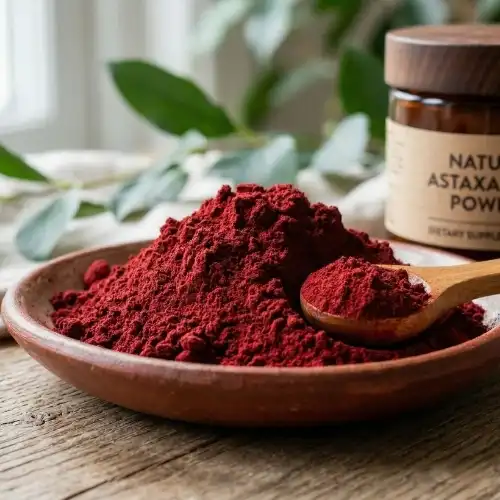
Astaxanthin is naturally extracted by the freshwater microalgae Haematococcus pluvialis. The algae store this carotene as a defence against stress. In our cultivation process, we use controlled photobioreactors that optimize astaxanthin concentration while maintaining organic certification standards. Molecular integrity is maintained without chemical residues during the extraction process, which usually uses supercritical CO2 technology. When Yangge's natural astaxanthin powder achieves 10% purity, it looks dark red and has a high carotenoid density. This botanical source aligns with clean-label trends and meets USDA Organic, Non-GMO, and allergen-free certifications that American consumers increasingly demand.
The Synthetic Alternative: Petrochemical Production
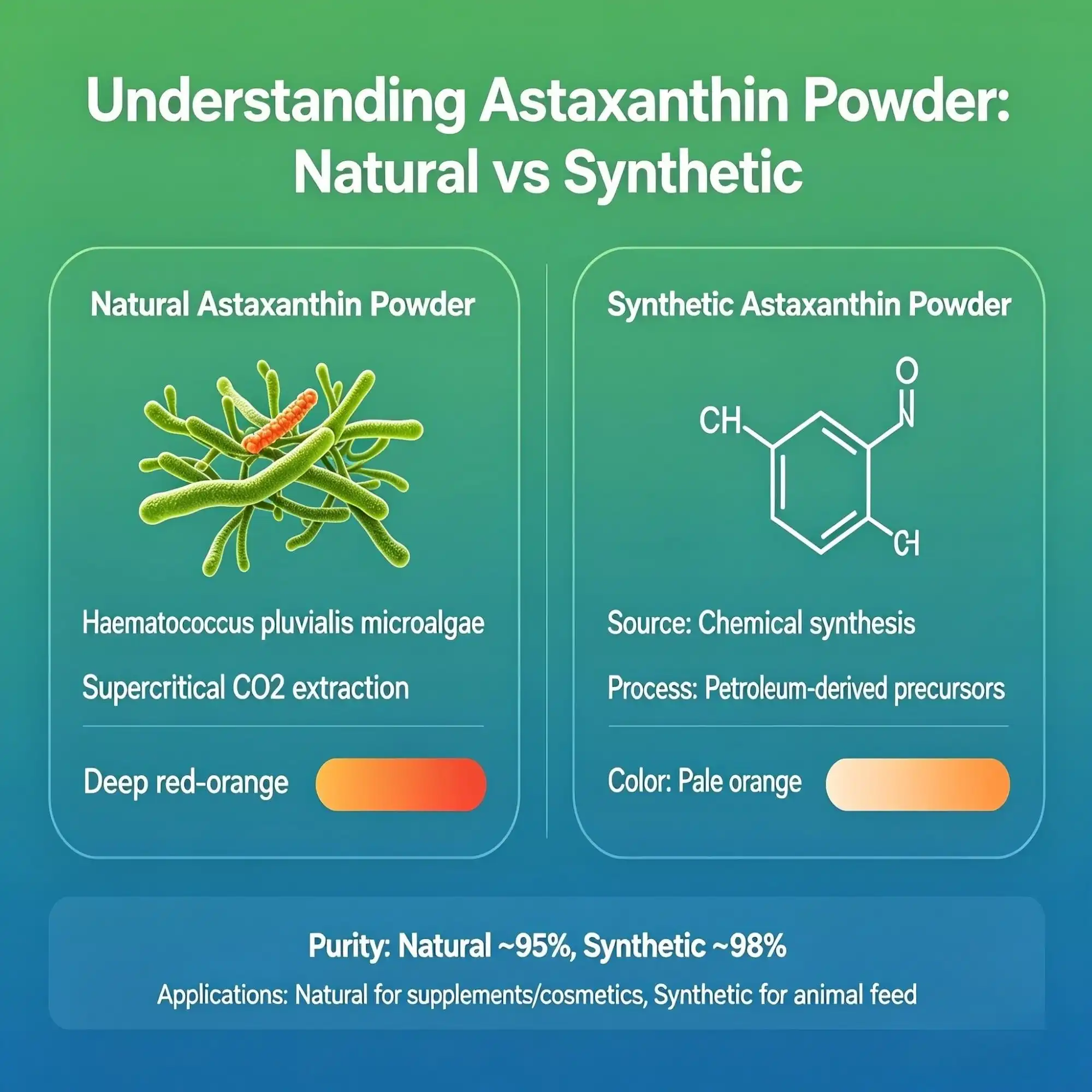
Chemical processes are employed to convert petroleum raw materials into synthetic astaxanthin. This version is manufactured in facilities with stable batch compositions and lower manufacturing costs. The resulting product contains three stereoisomers in roughly equal amounts: (3S, 3'S), (3R, (3'S), and (3R, 3'R). Although synthetic versions fulfil the colouring standards for aquaculture feed, their use for for human consumption is regulated differently in each nation. For procurement professionals aiming for an American market, the FDA's acceptance of synthetic astaxanthin (AS) in animal feed but not nutritional supplements poses substantial compliance hurdles.
Regulatory Landscape and Compliance
Source verification is important for navigating regulatory frameworks. In the United States, natural astaxanthin from microalgae carries Generally Recognized As Safe (GRAS) status, while synthetic forms face restrictions. European Union regulations similarly favor natural sources for human nutrition applications. Our manufacturing facility maintains GMP, ISO22000, Halal, and Kosher certifications, ensuring that every batch meets international quality standards. Third-party laboratory partnerships with Eurofins and SGS provide independent verification, addressing the compliance documentation needs of pharmaceutical and nutraceutical buyers.
Key Differences Between Natural and Synthetic Astaxanthin Powder
Procurement decisions hinge on understanding how structural differences translate into practical advantages. The stereochemistry of astaxanthin molecules directly influences their antioxidant capacity and biological activity.
Chemical Structure and Bioavailability
Because the (3S, 3'S) isomeric form of astaxanthin occurs naturally, and investigations have shown this it has up to 20 times the antioxidant activity of produced blends. In human metabolism, structural purity improves absorption rates. Clinical studies show that natural forms form more efficiently in target tissues such as skin, muscles, and eyes, resulting in measurable effects at lower dosages. Because only 25% of pure astaxanthin is the medically desirable isomer, its racemic composition limits its efficacy. Chiral HPLC analysis is an analytical method that is required by quality control teams to substantiate supplier claims since it can definitively identify their origin.
Efficacy in Target Applications
Because of improved cellular absorption, formulation engineers creating anti-aging skincare products find that natural astaxanthin performs better. Studies show that daily doses of 4–12 mg increase skin suppleness and moisture retention. Natural astaxanthin's ability to lower exercise-induced oxidative stress and speed up muscle recovery is advantageous for sports nutrition applications. Higher concentrations are needed for synthetic versions to get outcomes that are equivalent, which might affect cost benefits. In order to support marketing claims and meet customer expectations for plant-based ingredients, cosmetic firms that target luxury market segments often cite natural sources.
Cost-Benefit Analysis for Procurement
Synthetic astaxanthin typically costs 30–50% less per kilogram than natural alternatives, making it attractive for price-sensitive applications. However, calculating true value requires considering dosage requirements and market positioning. Natural astaxanthin commands premium pricing in finished products, offsetting higher raw material costs. Brand owners emphasizing sustainability and clean labels find that natural sourcing supports differentiation strategies worth the investment. Bulk purchasing agreements and long-term supplier relationships can optimize natural Astaxanthin Powder pricing. Yangge's flexible minimum order quantity of 1 kg allows formulation testing before committing to larger volumes, reducing procurement risk during product development.
How to Evaluate and Source the Right Astaxanthin Powder for Your Business
Selecting a supplier involves assessing multiple criteria beyond price quotations. Quality assurance systems, technical support capabilities, and supply chain reliability all influence long-term partnership success.
Quality Verification and Certification Standards
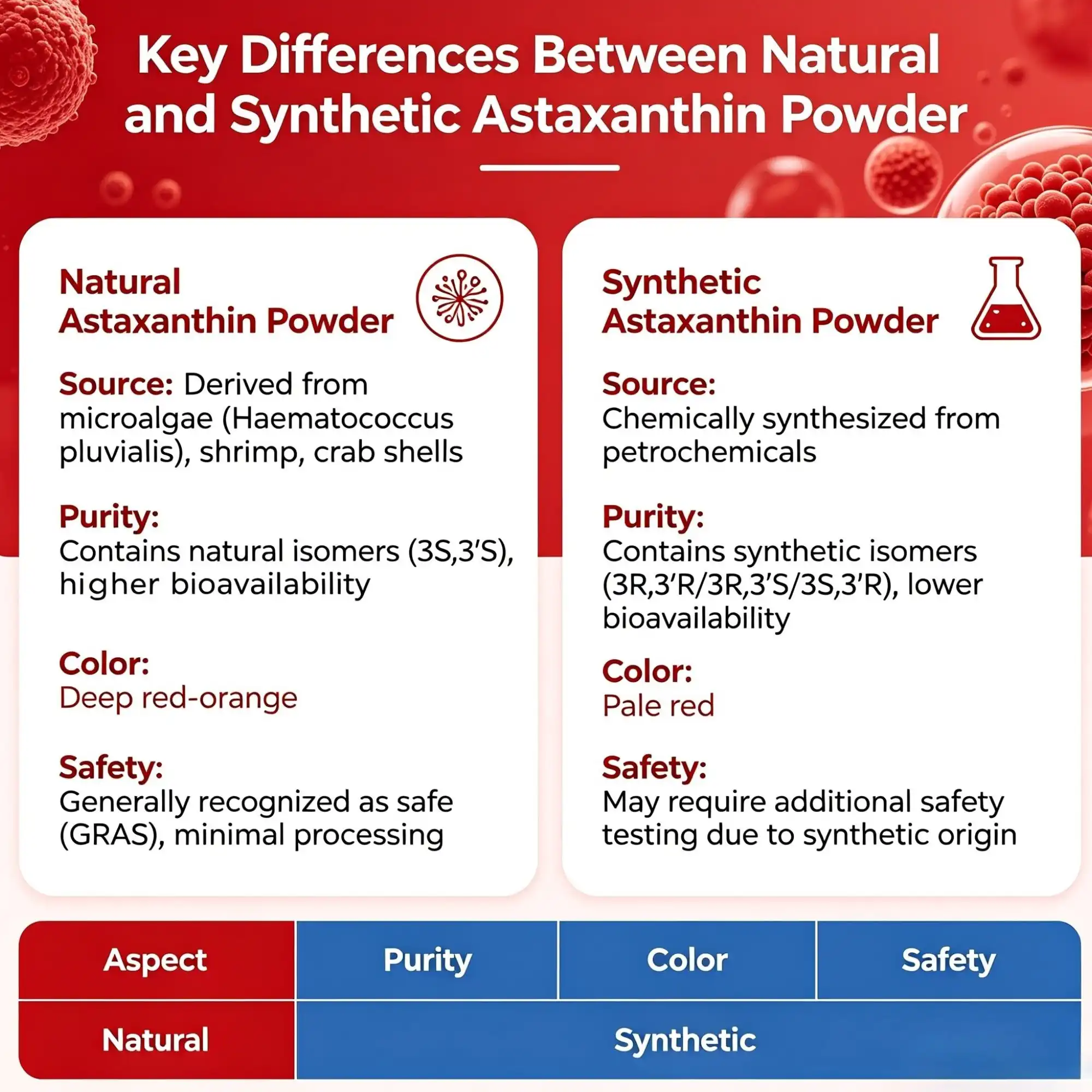
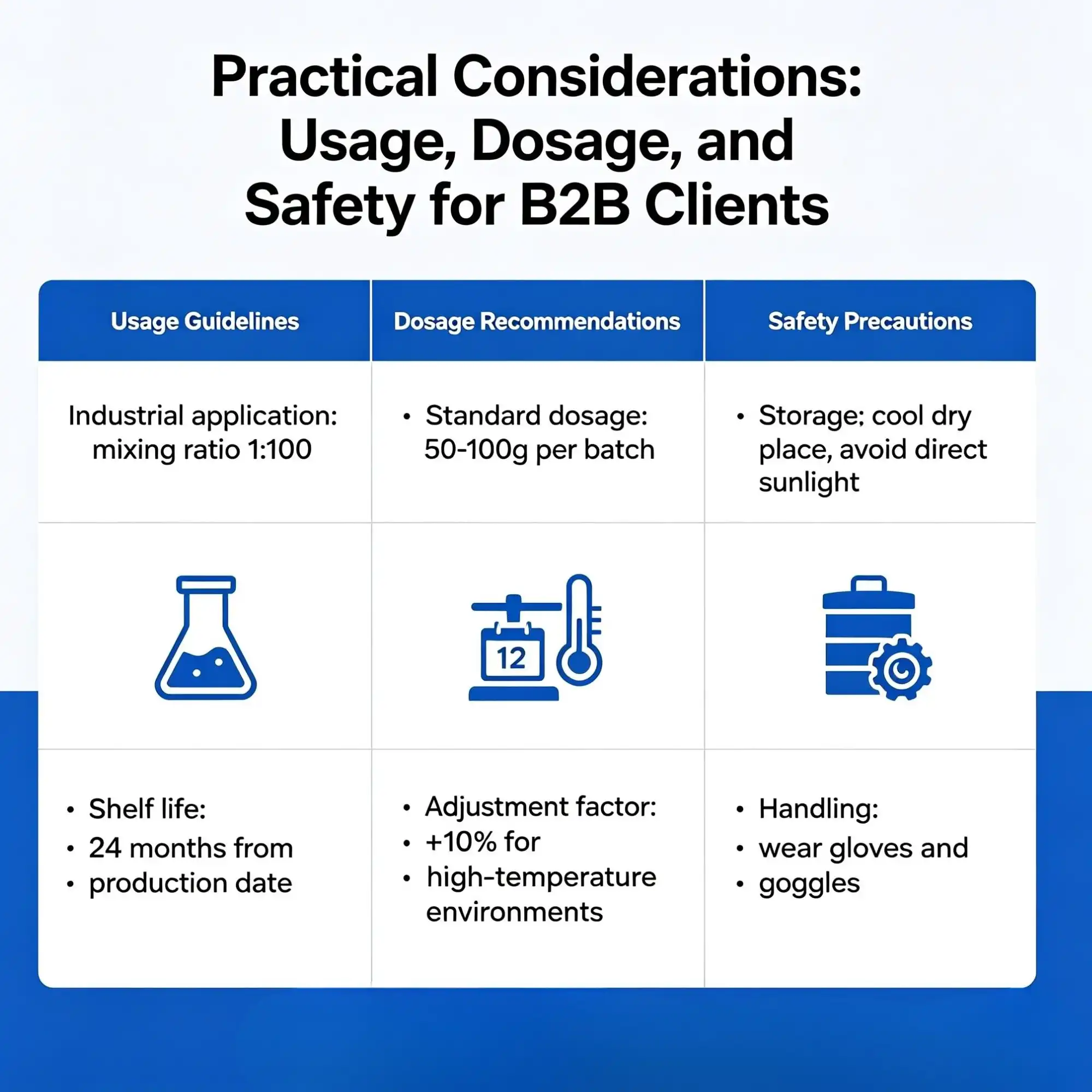
Each Certificate if Analysis (CoA) shall include HPLC testing findings verifying astaxanthin content, heavy metal screens (lead, arsenic, mercury), bacterial testing, and pesticide residuals analysis. We manage pre-shipment samples for customers' approved labs, allowing for independent testing before bulk orders are sent. Our current inventory contains 50-100 kg of 10% standard Astaxanthin Powder, wrapped in light-protective aluminium foil pouches to ensure stability. Storage techniques demand sealed containers that are shielded from light and heat, resulting in a 24-36 months shelf life under ideal circumstances.
Supplier Credentials and Manufacturing Capabilities
Inspections of manufacturing facilities uncover operational requirements that are not adequately captured by paper certificates. With state-of-the-art extraction machinery and cleanroom settings, our 1,500 square metre manufacturing facility follows GMP guidelines. Technical versatility that is beneficial for OEM collaborations is shown by the ability to customise requirements, such as modifying concentration levels, altering package forms, or adding more ingredients via our blending services. In order to support market differentiation objectives, private label capabilities enable brand owners to create unique formulas with personalised packaging and logo placement.
Logistics and Supply Chain Considerations
Delivery timeliness is just as important as product quality. For just-in-time manufacturing processes, responsive inventory management is made possible by typical lead times of one to three days after payment receipt. Experience with international shipping guarantees that delicate carotenoid compounds are handled correctly via temperature-controlled logistics.
The trust required for long-term supplier partnerships is developed via open lines of communication, such as our 24-hour customer support, which answers to technical questions and order status updates. Suppliers that comprehend export paperwork needs, customs clearance processes, and compliance with destination country legislation are advantageous to procurement teams.
Practical Considerations: Usage, Dosage, and Safety for B2B Clients
Product developers must translate raw material specifications into finished product formulations that meet both regulatory requirements and performance expectations.
Application-Specific Dosage Recommendations
Dietary supplement formulations typically incorporate 4–12 mg of active astaxanthin per serving, calculated based on the Astaxanthin Powder's concentration percentage. A 2% powder requires 200 mg to deliver 4 mg active ingredient, while our 10% specification needs only 40 mg for equivalent dosing. This concentration advantage reduces capsule size requirements and improves cost-efficiency in finished products. Beverage applications face solubility challenges since native astaxanthin is lipophilic, though microencapsulation technologies can create cold-water dispersible formats. Cosmetic formulations generally use 0.01–0.1% concentrations in creams and serums, where the compound's red pigmentation requires careful color balancing.
Safety Profile and Clinical Evidence
Numerous toxicology analyses have shown that astaxanthin, too, is safe for a wide spectrum of people. At very high dosages of more than 40 mg per day, effects are still uncommon and minor, with most affecting skin pigmentation just slightly. Natural phytoplankton sources are safer than synthetic substances since they are free of petroleum pollutants. Our non-irradiated techniques minimise concerns about free radical production caused by traditional gamma radiation exposure. Even though our alpha-derived product has no marine animal components, astaxanthin is linked to shellfish, therefore allergen-free certification is essential for formulators looking to appeal to sensitive consumer populations.
Format Selection and Stability Management
Raw powder offers maximum formulation flexibility but requires proper handling to prevent oxidation. Vacuum-sealed packaging with nitrogen flushing protects carotenoid stability during storage and transport. Encapsulated formats—softgels, tablets, or beadlets—improve consumer convenience while protecting the active ingredient from environmental degradation.
Oil suspensions suit certain applications but complicate standardization compared to powder specifications. Shelf life testing under accelerated conditions helps predict real-world stability, guiding packaging choices and expiration dating. Temperature excursions during shipping can degrade potency, making cold chain logistics important for maintaining quality from factory to final formulation.
Final Decision-Making: Which Astaxanthin Powder Should Your Business Source?
Strategic sourcing decisions balance multiple factors including target market positioning, regulatory requirements, budget constraints, and sustainability commitments.
Matching Product Strategy to Source Selection
Premium nutraceutical companies that value clinical performance and organic components should prioritise microalgae-derived astaxanthin, despite the increased cost. The marketing benefit of "naturally produced" claims and improved bioavailability justifies higher prices in competitive marketplaces. Mass-market items competing largely on price may pursue synthetic alternatives where rules allow, but reputational concerns and effectiveness restrictions need careful consideration. Natural sourcing matches with clean beauty trends, which benefits cosmetic applications aimed at premium sectors. Functional food and beverage manufacturers must determine if native Astaxanthin Powder's performance benefits outweigh formulation limitations such as solubility and colour stability.
Sustainability and Traceability Requirements
Environmental concerns are increasingly impacting purchasing decisions in the B2B sector. We grow microalgae in closed-loop photobioreactors, which saves water and eliminates agricultural runoff issues. Farm-to-table transparency via batch coding guarantees entire supply chain integrity and complies with organic certification documentation requirements.
Incorporating green power into industrial plants demonstrates environmental commitment, which corporate sustainability executives respect. The petrochemical antecedents of synthetic astaxanthin create concerns about its impact on the environment, which goes against many firms' environmental aims. In addition to the usual quality documentation, procurement teams are now asking environmental impact assessments.
Building Long-Term Supplier Partnerships
Collaborative connections are equally important for efficient ingredient procurement and commercial purchases. In addition to offering raw materials, suppliers who provide technical assistance, such as advice on extraction techniques, concentration optimisation, and application direction, provide value. Yangge's R&D team collaborates closely with formula engineers from customers to address application issues and increase product quality.
Volume discount programmes and transparent pricing structures aid financial planning for developing businesses. Uniform quality throughout batches allows for the preservation of product integrity that customers expect, as well as the removal of reformulation concerns. To minimise work disruptions, proactive customer service responds quickly to urgent enquiries and addresses problems.
Conclusion
The decision between natural and artificial astaxanthin significantly influences product performance, complying with regulations, and market competitiveness. Real Astaxanthin Powder from the bacteria Haematococcus pluvialis provides higher bioavailability, clearer labelling, and more efficacy critical benefits for health products and luxury cosmetics aimed at the US market. While synthetic alternatives are less expensive, their use in dietary applications is limited by regulatory limitations and inferior biological activity.
Instead of pricing, procurement experts should assess suppliers based on certifications level, qua
lity verification methods, technical assistance, and supply chain stability. Product performance in increasingly competitive natural goods markets depends on strategic sourcing choices matched with positioning a brand and regulatory constraints.
Partner with Yangge for Premium Astaxanthin Powder Supply
Yangge Biotech, a natural astaxanthin powder provider, offers pharmaceutical-grade products with comprehensive certifications and stringent quality assurance. Our 10% standard astaxanthin, derived from Haematococcus pluvialis, meets GMP, ISO22000, Halal, and Kosher criteria while being non-GMO , allergen-free, which is critical for success in the United States market.
Independent verification is assured prior to bulk shipments via collaborations with Eurofins and SGS, as well as pre-shipment sample - cooperation with client-appointed laboratories. Flexible one kg minimum order quantities assist formulation research, while 50-100 kilogram stockpiles allow for speedy fulfilment. Customisation services, such as private label capabilities, packaging changes, and specification revisions, help to boost brand differentiation strategies. Contact our technical team at info@yanggebiotech.com to request Certificates of Analysis, discuss application-specific requirements, and receive competitive quotations that optimize your ingredient sourcing strategy.
FAQ
Q: Can we get some samples to test before purchasing?
A: Of course, we can provide free samples of 20 to 100 grams, but the shipping cost is at the customer's expense. The shipping cost can be deducted from the next order, or the samples can be sent through your courier account.
Q: Do your products have relevant certifications?
A: Yes, our products are certified for HALAL, ISO, HACCP, Kosher, and other certifications.
Q: What is the minimum order quantity (MOQ)?
A: Small batches of samples can be customized according to your requirements.
Q: Do you offer OEM and ODM services? Can the formula be customized based on our own?
A: Of course, we provide ODM and OEM services to many customers. Our product range includes softgels, capsules, tablets, sachets, granules, and private label services. Simply contact us and let us know your requirements. Our experienced R&D team can also develop new products with specific formulas.
Please contact us to design your own branded products.
Q: How do you handle quality complaints?
A: First, we have a comprehensive quality control SOP. We provide authoritative third-party inspection reports for almost all products before shipment to minimize the possibility of quality issues. Second, we have a comprehensive return and exchange procedure. If there is a genuine quality dispute, we will strictly follow the SOP.
Q: How do you ship? How long does delivery take?
A: For small orders, we typically use DHL, UPS, EMS, FedEx, or TNT. Delivery typically takes 3-7 days. We also offer air and sea freight services. We have a strong freight forwarding team and can provide you with a one-stop service, including DDP and DDU.
Q: What are your payment terms?
A: 100% prepayment, payable by T/T, Western Union, MoneyGram, or PayPal.
Q: What is the shelf life of your products?
A: 2 years with proper storage.
References
1. Ambati, R.R., Phang, S.M., Ravi Singh, S., along with Aswathanarayana, R.G. (2014). A Review of Astaxanthin and its Sources, Mining, Stability, Biological Activities, and Commercial Applications. Marine Drugs 12(1):128-152.
2. B. Capelli, D. Bagchi, & G.R. Cysewski (2013). As an antioxidant, synthetic Astaxanthin is inferior to algal Astaxanthin and may not be recommended for human nutrient and cosmetic use. Nutrafoods 12(4):145-152.
3. Guerin, M., are among Huntley, I., M.E., and Olaizola, M. Haematococcus Astaxanthin Applied to Health for Humans and Nutrition. Trends in Biotechnology 21(5):210-216.
4. Higuera-Ciapara, Felix-Valenzuela, & Goycoolea (2006). Review on Astaxanthin Chemistry and Applications. Critical Reviews from Food and Nutrition Science 46(2):185-196.
5. Shah, B.M.R., Liang, Y., Cheng, a J.J., & Daroch, M. (2016). Astaxanthin-Producing Green Microalga H. pluvialis: Single Cell to High-Value Products. Plant Science Frontiers, 7:531.
6. Yuan, J.P., Fig, J., Yin, in K., & Wang's, J.H. (2011). Astaxanthin A High-Value Carotenoid from Microalgae May Improve Health. Molecular Nutrition coupled with Food Research 55(1):150-165.

Based on your location and order quantity, you will have the opportunity to receive a limited time free shipping promotion!
Who we are
Popular Blogs