What is the best time to take kombucha?
When it comes to the best time to consume something, the best time to take kombucha powder relies on your health goals and digestion. To get the most out of the probiotics and get your metabolism going, most experts say to drink kombucha powder first thing in the morning, when you don't have anything else in your stomach. But taking it 30 minutes before a meal can also help your body handle food better and absorb nutrients better. Because kombucha powder is concentrated, it can be used at different times than liquid forms. This makes it a great addition for useful drink recipes and supplement products that are aimed at people with busy lives.
Understanding Kombucha Powder and Its Benefits
What Makes Kombucha Powder a Superior Functional Ingredient?
Making traditional fermented tea into a powder that can be stored for a long time is a big step forward for companies that make food and drinks. Spray-drying and freeze-drying are advanced technologies that keep the SCOBY (Symbiotic Culture of Bacteria and Yeast) fermentation leftovers in a concentrated form.
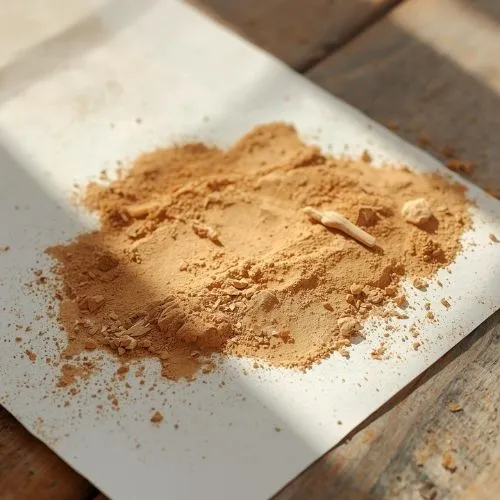
Yangge's kombucha powder keeps the beneficial makeup of organic acids like acetic, gluconic, and glucuronic acids, as well as the postbiotic metabolites and tea polyphenols. This brown-yellow powder has the unique earthy, fermented smell and real kombucha taste that people know and love, but it doesn't have the logistical problems that come with shipping liquid goods that need to be kept cold.
Nutritional Profile Driving B2B Market Demand
Fermented tea powder's nutritional makeup tackles a number of health trends at the same time. Organic acids in each dose are good for you and help keep the pH level in your gut balanced. Antioxidants in Camellia sinensis leaves protect cells from oxidative stress. Standardized powder specs make sure that formulators can get accurate dosing across production runs, unlike homebrews that don't always have the same strength.
This item is very good for making healthy products because it doesn't have any fat, cholesterol, or high salt levels. Trace minerals and B vitamins that are made during fermentation add useful value without going against the clean label standards that procurement managers look for when they buy raw materials.
Comparing Format Advantages for Procurement Decisions
When manufacturers are looking at different ingredient choices, it's helpful to know the key differences between forms. Liquid kombucha needs to be kept cold during the whole delivery process, which raises the cost of shipping and makes managing supplies more difficult. Capsules are convenient, but they make it harder to come up with new recipes and cost more to make each unit.
Yangge's 100% water-soluble powder, on the other hand, can be used to make a wide range of products, from ready-to-mix drinks to functional food bars and dietary supplements. When kept in cool, dry places out of direct sunlight for 12 months, the shelf life is much longer than that of liquid goods, which only last for a few weeks. This advantage of steadiness directly leads to higher product turnover rates and lower spoilage costs for wholesalers.
Safety Standards and Regulatory Compliance
Quality guarantee procedures are very important when buying ingredients. The factory that Yangge uses has to follow tight GMP rules and has a lot of different certifications, such as Halal, Non-GMO, and Kosher. These licenses make it easier to get into markets in a lot of different legal areas, such as those supervised by the FDA in the US and the EU in other countries.
Microbes are kept safe during processing by using UV extraction, which also keeps medicinal chemicals safe. When R&D managers are making goods for sensitive groups, proof of farm-to-table traceability gives them the clear information about where their products come from that customers are demanding more and more. The 25KG sealed container package keeps the product's integrity during bulk transport and helps warehouse operations run smoothly.
When is the Best Time to Take Kombucha Powder? Insights for Optimal Usage
Morning Consumption for Metabolic Activation
According to scientific research, eating in the morning has clear benefits for energy regulation and metabolic performance. When you wake up, your stomach acid levels are usually higher, so drinking fermented tea extract may make organic acids more bioavailable and make it easier for probiotics to colonize. The mild acidity encourages the production of stomach enzymes, which gets the digestive system ready for the day's nutrients.
Tea leaves contain reasonable amounts of caffeine, which makes you awake without giving you the jitters that come with coffee. This makes the morning a great time for people who want to stay energized. Product development teams that are making breakfast replacement shakes or health shots for the morning can use fermented tea powder as a scientifically proven ingredient that helps the metabolism.
Pre-Meal Timing for Digestive Support
Taking kombucha powder about 30 minutes before a meal makes its gut benefits even better. Because the mixture contains organic acids, it sets the stomach up to break down proteins and absorb minerals. This planning approach works especially well for people who sometimes have stomach problems or who want to get the most nutrients out of whole foods.
Manufacturers of pre-meal functional drinks can use this pattern of use to make goods that are marketed as stomach aids. Yangge's powder dissolves quickly in cold or room-temperature beverages because it is water-soluble. This makes it easy to eat before a meal without having to wait for preparation, which might make you less likely to use it regularly.
Evening Intake Considerations and Gut Microbiota Balance
A lot of attention is paid to eating in the morning, but eating in the evening has its own benefits for gut bacteria healing. During the overnight fasting time, good compounds can interact with intestinal bacteria without being slowed down by new nutrients. Some study suggests that probiotics and postbiotic molecules may help colonization work better when the digestive system has longer breaks.
But caffeine sensitivity needs to be thought about—people who have trouble sleeping when they drink drugs should not drink caffeine in the evening. Product placement strategies can target both types of customers: formulations that are exciting during the day and formulations that are caffeine-free in the evening to support gut health while you sleep.
Tailored Recommendations for Consumer Segments
For new users, it's often best to start with half doses in the middle of the morning. This way, they can slowly get used to the fermented taste and keep an eye on their own tolerance. People with sensitive digestive systems may do better taking it with light meals instead of when they are fully hungry, because food neutralizes the acidity.
Athletes and other busy people may want to increase their diet after a workout, when the body needs to absorb nutrients the most and restore glycogen stores the most. These split usage guidelines help B2B clients make marketing messages and usage directions that speak to specific end-user groups. This increases customer happiness and repeat purchases across a wide range of market niches.

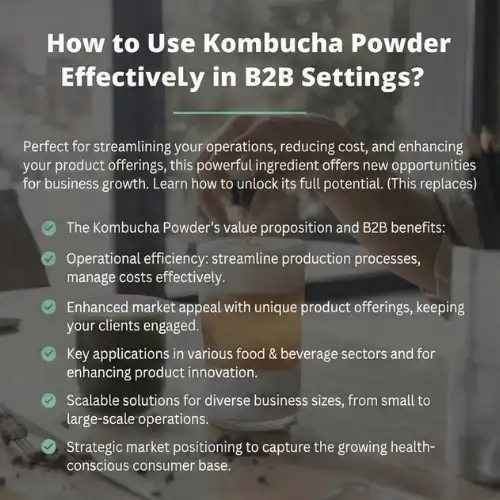
How to Use Kombucha Powder Effectively in B2B Settings?
Dosage Guidelines for Formulation Development
Setting up standard dose methods makes sure that all production batches of a product work the same way. Serving sizes usually run from 2 to 5 grams of powder, but this depends on how strong you want it to be and what kind of product you want to make. Yangge's statement that it is 100% water-soluble makes it easier to mix with water-based systems without worrying about leaving behind any waste.
To make sure that compounds stay stable over time, formulation engineers should try them in a variety of storage settings and pH levels. The unique flavor can be changed or improved by adding fruit extracts, plant mixes, or natural sweeteners. This allows for more creative options while still keeping the real fermented taste that people know and trust.
Integration Strategies Across Product Categories
Kombucha powder can be used in a wide range of different useful food and drink uses, each of which has its own set of technical challenges. The ingredient quickly dissolves and delivers a true taste to beverages, whether they come in ready-to-drink forms or powder packets for customers to mix themselves. Dietary supplement makers like the concentrated bioactive profile because it gives them useful amounts of antioxidants and organic acids in standard pill or tablet sizes.
Functional food makers have successfully added fermented tea powder to protein snacks, nutrition bars, and even baked goods where heat-stable ingredients can handle being processed. The main benefit is that it makes formulations more flexible—using a single raw material lets you make different kinds of products without having to manage a lot of different kinds of ingredients.
Storage and Handling Best Practices
Following the right handling procedures is important for keeping chemical potency throughout supply lines. Yangge says that covered packages should be kept in cool, dry places that are out of direct sunlight and away from water. When containers are opened, quickly closing them again stops rust and keeps the earthy, fermented smell that is typical of good products. When storing and transporting powder, it's best to keep the temperature stable.
If the temperature changes, condensation can form, which makes the powder less able to move and could lead to microbial exposure. First-in, first-out inventory rotation that is in line with the 12-month shelf life specification is good for distribution centers that handle large amounts. This makes sure that the best quality product gets to downstream makers and then to end customers who rely on consistent effectiveness.
Comparing Kombucha Powder Options for Procurement Managers
Format Analysis: Powder Versus Liquid Concentrate
Cost-effectiveness studies show that powder forms are much better for business-to-business situations. Getting rid of water weight lowers shipping costs by up to 85% compared to liquid goods of the same strength, which directly improves landed cost structures. The amount of warehouse room needed goes down proportionally, which lets procurement managers keep a buffer stock to keep production going while minimizing the costs of keeping goods.
Because there are no cold-chain requirements, there are no costs for specialized transportation infrastructure and less carbon emissions from transporting goods that need to be kept cool. This is becoming a more important factor as sustainability measures affect buying choices. When looking at the total cost of ownership over the lifespan of an ingredient, powder formats always do better from an economic point of view for large producers.
Organic Certification and Market Positioning
Organic and standard kombucha powder are different in more ways than just how they are grown. They also have different supply chains that have been checked thoroughly. Organic licenses accepted in the US and Europe require proof of tracking from growing the leaves to packaging them, making sure they meet USDA or EU organic standards. While organic varieties usually come with higher prices, they give you access to markets where approval is a must rather than a nice-to-have feature.
Conventional powder that meets Non-GMO proof standards is in the middle. It gives you the peace of mind that comes from knowing the source without the full organic price. Procurement managers should make sure that the products they choose are in line with the brand's positioning strategy and the tastes of the people they want to buy from. They should also know that investing in certification leads to different marketing claims that affect customers' buying habits and support the retail price positioning.
Evaluating Supplier Capabilities and Reliability
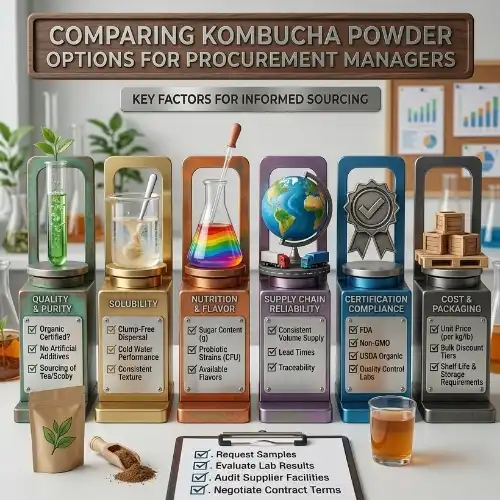
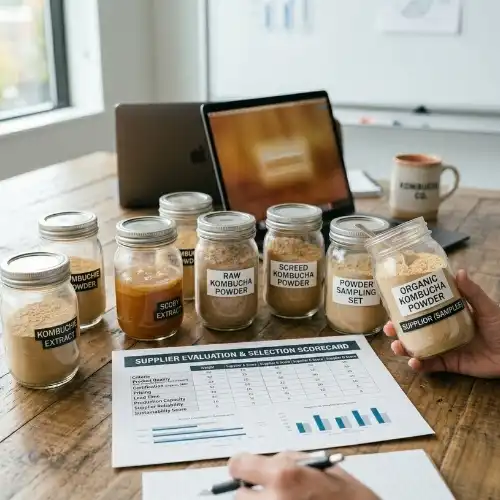
In addition to basic price comparisons, choosing the right supplier partners requires looking at a number of different operating aspects. Production capacity decides whether suppliers can handle volume scaling as product lines become more popular. For example, Yangge keeps a 1-ton stock on hand so that it can fill big orders without missing delivery dates. ISO and HACCP licenses show that quality control systems are committed to meeting the same standards across batches, which lowers the risk of formulation difference.
Technical help is very important during the development stages of a product. Suppliers who offer advice on extraction methods and how to use the product quickly bring new recipes to market. Potential for a long-term relationship depends on clear communication, quick customer service shown by being available 24 hours a day, and agreement on sustainability practices that meet rising standards for corporate responsibility.
Procurement Strategies and Supplier Selection for Kombucha Powder
Quality Assurance and Certification Standards
Checking the quality control systems is the first step in setting standards for qualifying suppliers. Companies that make health supplements and functional foods should look for partners who follow current GMP rules and make sure that their production areas are clean and controlled in a way that meets pharmaceutical standards. Certification packages that include Halal, Kosher, Non-GMO, and organic labels show that money was spent on building a compliance system that can meet the needs of a wide range of markets.
Proof from a third party test that there are no heavy metals, microbial contaminants, or chemical leftovers is an important way to lower the risk. Yangge's dedication to thorough certification and clear quality paperwork is a great example of the kind of supplier character that lowers regulatory risks and lets the market grow in places where compliance standards are different.
Bulk Purchasing Economics and Inventory Optimization
Volume-based price systems encourage smart planning for purchases. Bulk orders in multiples of 25 kg containers usually get tiered discounts that make the cost per kilogram much lower than when buying in smaller amounts. Costs of keeping supplies and operating capital must be weighed against savings per unit, though. The 12-month shelf life gives procurement managers a good amount of time to plan, so they can figure out the best order numbers based on production estimates without having to worry too much about items going out of date.
Setting up supply deals with delivery plans every three or six months or every two years locks in stable prices and spreads the cost of inventory over several fiscal years. These agreements usually include good payment terms and giving things to the right people first when the market is busy or there aren't enough raw materials.
Global Sourcing and Regulatory Compliance
To get ingredients from other countries, you have to pay attention to the rules, labels, and paperwork that are specific to the places you want to reach. US importers must make sure that the products they bring into the US follow FDA licensing and FSMA safety controls. Canadian buyers must make sure that the products they buy follow Health Canada's rules on natural health products. European markets have strict rules about testing new foods and marking them with allergens.
Thanks to Yangge's experience shipping to many countries around the world, procurement managers can get expert help with customs clearance and regulatory filing. The company has built logistics agreements that make it easier for packages to arrive on time, even when they're going across international borders. This makes the supply chain simpler, which could discourage people from buying things overseas. This global operating footprint is especially helpful for procurement teams working on launches of international products that need ingredients to be available at the same time in all areas.
Building Strategic Supplier Relationships
Transactional ways of buying are giving way more and more to relationships that work together to create value for both sides that goes beyond simple buy-sell transactions. When you involve suppliers in the creation of a product, you get access to their technical knowledge and formulation ideas, which speed up the innovation cycle. Going to industry shows together that focus on plant extracts, health supplements, and makeup raw materials makes relationships stronger and makes it easier to share information about market trends.
Regular technical exchange meetings help everyone agree on what the quality standards are and give people a place to talk about production problems before they happen. Being open about demand predictions helps producers find the best raw materials and plan their production schedules, which leads to better service levels and lower costs. These strategic partnerships build dependability and quickness of response, which are very useful when there are problems with supplies or when businesses need to grow quickly and need help from a fast partner.
Conclusion
To find the best time to drink kombucha powder, you have to weigh science findings with personal health goals and product marketing strategies. Taking it in the morning gets the most metabolic effects and probiotic absorption, and taking it before a meal makes digestion better. The concentrated powder version has many great benefits for procurement managers, such as a longer shelf life, no need for cold-chain operations, more formulation options, and cheaper shipping costs.
A good source pick depends on having a lot of different quality certifications, showing that they can produce what you need, and being committed to following all the rules in all of your target markets. As the demand for functional foods keeps growing, fermented tea extracts are a scientifically-backed ingredient that addresses gut health trends and gives producers practical benefits over liquid alternatives.
FAQ
Should kombucha powder be taken with or without food?
Depending on the results you want, both methods have their pros. When you eat on an empty stomach, your body absorbs probiotics and organic acids better, which makes this the best way to support your metabolism. New users may be less sensitive to stomach upset if they take it with light meals, but it still works. When and how a product is supposed to be used should be reflected in the directions.
How does powder effectiveness compare to capsule formats?
When compared to encapsulated goods, which need to be broken down in the stomach, powder forms offer more dose options and faster dissolution rates. When the same amounts of active substances are given, the bioavailability patterns stay the same. Powders are cheaper for producers and can be used in creative ways with drinks that capsules can't.
Are there safety considerations for sensitive consumers?
There aren't many safety issues with high-quality kombucha powder that is made according to GMP guidelines. People whose immune systems aren't working well should talk to their doctors before eating anything with probiotics in it. People who have gastric reflux may need to limit the normally occurring acidity. Starting with smaller portions lets you slowly figure out your tolerance.
Partner with Yangge for Premium Kombucha Powder Supply
Yangge Biotech has KOSHER/USP grade kombucha powder that is designed to work in food and drinks and is ready to help you with your product creation projects. Our 1-ton stock supply means that manufacturers with tight production plans can quickly fill orders. As a seller of kombucha powder with a lot of experience, we offer ISO, HACCP, Kosher, and Halal approved ingredients that come with full quality paperwork and can be tracked from farm to table. Our focused R&D team helps with technical preparation, and our 24-hour customer service makes sure that your questions are answered quickly. Contact info@yanggebiotech.com to talk about bulk prices, ask for samples to test, or look into private label relationship options that can help your product line with this popular functional ingredient.
FAQ
Q: Can we get some samples to test before purchasing?
A: Of course, we can provide free samples of 20 to 100 grams, but the shipping cost is at the customer's expense. The shipping cost can be deducted from the next order, or the samples can be sent through your courier account.
Q: Do your products have relevant certifications?
A: Yes, our products are certified for HALAL, ISO, HACCP, Kosher, and other certifications.
Q: What is the minimum order quantity (MOQ)?
A: Small batches of samples can be customized according to your requirements.
Q: Do you offer OEM and ODM services? Can the formula be customized based on our own?
A: Of course, we provide ODM and OEM services to many customers. Our product range includes softgels, capsules, tablets, sachets, granules, and private label services. Simply contact us and let us know your requirements. Our experienced R&D team can also develop new products with specific formulas.
Please contact us to design your own branded products.
Q: How do you handle quality complaints?
A: First, we have a comprehensive quality control SOP. We provide authoritative third-party inspection reports for almost all products before shipment to minimize the possibility of quality issues. Second, we have a comprehensive return and exchange procedure. If there is a genuine quality dispute, we will strictly follow the SOP.
Q: How do you ship? How long does delivery take?
A: For small orders, we typically use DHL, UPS, EMS, FedEx, or TNT. Delivery typically takes 3-7 days. We also offer air and sea freight services. We have a strong freight forwarding team and can provide you with a one-stop service, including DDP and DDU.
Q: What are your payment terms?
A: 100% prepayment, payable by T/T, Western Union, MoneyGram, or PayPal.
Q: What is the shelf life of your products?
A: 2 years with proper storage.
Q: Is the packaging environmentally friendly?
A: We attach great importance to environmental protection and are constantly improving our product packaging. Some products are packaged in recyclable paper. Packaging materials are carefully selected to ensure product safety during transportation and storage, and to minimize environmental impact. We are committed to achieving a balance between environmental friendliness and practicality in our product packaging, and to contributing to sustainable development.
References
1. Dufresne, C., & Farnworth, E. (2020). "Tea, Kombucha, and Health: A Review." Food Research International, examining fermented tea compounds and bioactivity.
2. Villarreal-Soto, S. A., et al. (2018). "Understanding Kombucha Tea Fermentation: A Review." Journal of Food Science, analyzing SCOBY metabolism and compound formation.
3. Jayabalan, R., et al. (2014). "A Review on Kombucha Tea—Microbiology, Composition, Fermentation, Beneficial Effects, Toxicity, and Tea Fungus." Comprehensive Reviews in Food Science and Food Safety.
4. Kapp, J. M., & Sumner, W. (2019). "Kombucha: A Systematic Review of the Empirical Evidence of Human Health Benefit." Annals of Epidemiology, evaluating clinical research.
5. Nummer, B. A. (2013). "Kombucha Brewing Under the Food and Drug Administration Model Food Code: Risk Analysis and Processing Guidance." Journal of Environmental Health.
6. Martínez Leal, J., et al. (2018). "A Review on Health Benefits of Kombucha Nutritional Compounds and Metabolites." CyTA - Journal of Food, examining nutritional profiles and timing strategies.

Based on your location and order quantity, you will have the opportunity to receive a limited time free shipping promotion!
Who we are
Popular Blogs