How to take shiitake extract?
How to take shiitake mushroom extract properly depends on the form of the product and the health goals. Most dietary supplement formulations provide 500mg to 1,500mg per serving, standardized to 10%-40% polysaccharides, typically consumed once or twice daily with meals to enhance absorption. Powder extracts can be added to smoothies or healthy drinks, and pills are easy to use and give the right amount of medicine. Extracts that are liquid can be watered down with juice or water. Consistent daily intake for 8 to 12 weeks usually leads to visible immune support benefits, though individual reactions vary depending on health status at the start and the quality of the formulation.
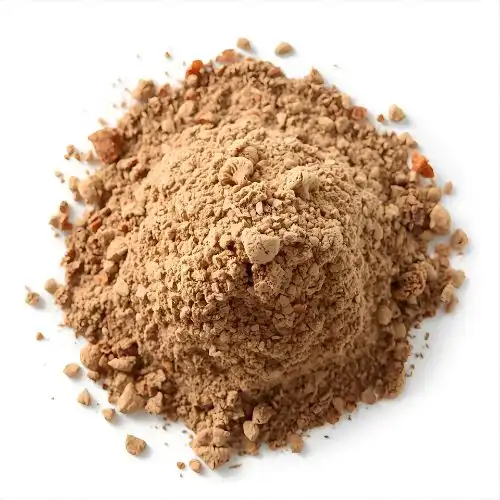
What Is Shiitake Mushroom Extract and Why Is It Used?
Botanical Origin and Extraction Process
Shiitake mushroom extract comes from the growing bodies of Lentinus edodes, a fungus grown in East Asia and more and more places around the world for its medical and culinary uses. Professional-grade extracts are different from simple dried mushroom powders because they go through hot water or dual water-ethanol extraction methods that concentrate bioactive polysaccharides and remove chitin cell walls that the body can't handle. This change solves a major problem in the industry: raw mushroom material isn't bioavailable and the strength of different amounts isn't always the same.
The way the ingredients are extracted has a direct effect on how well they work. Beta-glucans and lentinan (a beta-1,3/1,6-D-glucan) are more likely to be separated by hot water extraction, while triterpenes and eritadenine are more likely to be separated by alcohol extraction. Good providers keep an eye on extraction factors like temperature profiles, extraction time, and solvent ratios to make sure that consistency from batch to batch. This is very important for makers who need to know how their formulations will behave and keep the costs of the supply chain stable.
Key Bioactive Compounds
Three types of compounds make up the medicinal makeup of shiitake mushroom extract. Lentinan is a high-molecular-weight protein that changes the immune system by activating macrophages and controlling cytokines. Eritadenine is a special form of adenosine that helps heart health by changing how cholesterol is used. Besides that, ergothioneine is a powerful antioxidant that can help protect against oxidative stress and photoaging. This makes it a good ingredient for beauty uses.
Commercial Applications Across Industries
Shiitake mushroom extract is used in a number of different B2B industries, each with its own specific manufacturing needs. When made into food supplements, the extract is the main active ingredient in immune support pills. It is often mixed with vitamin C, zinc, or other medicinal mushroom extracts to work better together. Functional beverage makers like that it dissolves easily in water and doesn't change flavor when heated. This means that it can be added to ready-to-drink coffees, protein shakes, and health teas without causing them to solidify or changing the taste.
The cosmetics industry uses shiitake mushroom extract because it can lighten skin and reduce inflammation. It works well with complicated skin care formulas because it stays stable in oil-in-water emulsions, and its natural look fits with the clean beauty style. Standardized extracts are used in liver support and immunotherapy programs by pharmaceutical and traditional medicine makers. This requires strict quality paperwork and tracking systems.
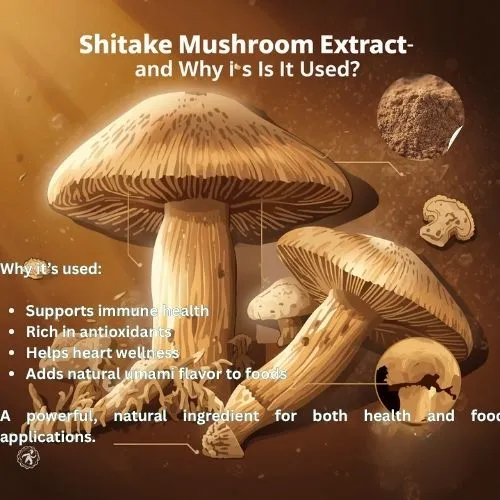
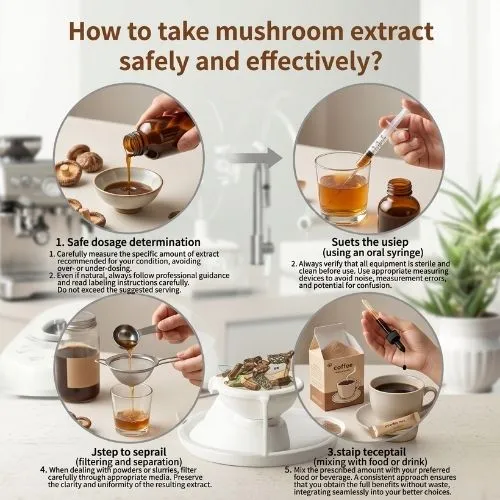
How to Take Shiitake Mushroom Extract Safely and Effectively?
Dosage Guidelines by Product Form
Dosing correctly depends a lot on the strength of the shiitake mushroom extract and how it is delivered. Capsules usually have between 500 mg and 1,000 mg per serving, and are defined to have 30% to 40% polysaccharides. This means that each dose has between 150 mg and 400 mg of active substances. In clinical research that support immune function, this dose level is usually used twice a day, for a total daily intake of 1,000 mg to 2,000 mg.
Powder extracts give formulators more options, but they need to be measured carefully. A normal dose is between 1 and 3 grams of extract powder that has been standardized to a known polysaccharide content. Manufacturers of functional foods and drinks need to think about processing losses and matrix interactions that might change absorption. Liquid extracts concentrate bioactives in alcohol or glycerin bases. A normal dose size of 1-2ml is equal to 500mg to 1000mg of dry extract in terms of strength.
Optimal Timing and Absorption Factors
How well food is absorbed depends on when it is eaten and how it interacts with other foods. Taking shiitake mushroom extract with food makes it more bioavailable, especially for substances that dissolve in fat, such as ergothioneine. Foods that are high in fat make digestion easier, and foods that are high in protein may provide complementary amino acids that help build defense cells. When compared to single-dose regimens, splitting the daily dose into two servings—morning and evening—keeps blood levels of active compounds more stable.
The length of use has a big effect on the results. While some users say they feel like they have more energy after just one or two weeks, immunity markers usually need to be supplemented consistently for six to twelve weeks. This timeline is used to make product claims and customer education materials. It helps B2B clients set reasonable goals and lower the number of returns.
Safety Considerations for Sensitive Populations
In clinical studies, shiitake mushroom extract has been shown to be very safe, but there are some groups that need more research. People who are allergic to mushrooms should not eat any of these items at all. Women who are pregnant or breastfeeding should talk to their doctors before using because there isn't a lot of clinical data on these groups yet. Because the extract boosts the immune system, people with autoimmune conditions may need to be closely watched by a doctor.
Immunosuppressants and blood thinners are the main drugs that can mix with each other. It is possible that the immunomodulatory effects could work against immunosuppressant drugs, and the circulatory effects could make anticoagulant drugs work better. When buying things for places where a lot of people take medications, procurement teams should make sure the labels have the right warnings and maybe even do interaction studies to back up claims and reduce liability.
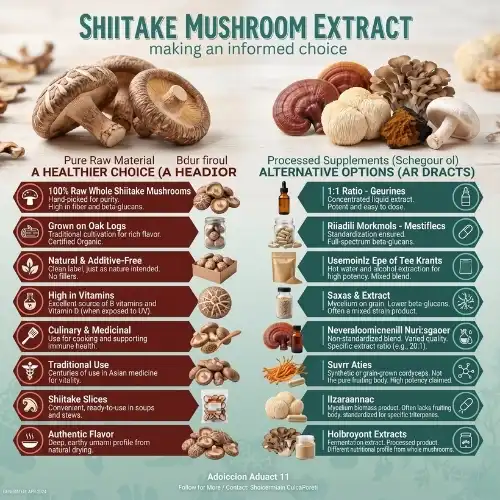
Shiitake Mushroom Extract vs Other Mushroom Extracts: Making an Informed Choice
Comparative Bioactive Profiles
When it comes to therapeutic mushrooms, shiitake mushroom extract is in a class by itself. Reishi (Ganoderma lucidum) focuses on adaptogenic stress response and sleep quality through triterpene chemicals, while shiitake focuses on immune activity and heart health through polysaccharides and eritadenine. Maitake (Grifola frondosa) has D-fraction beta-glucans that have been shown to change blood sugar levels, which makes it a good ingredient for metabolic health products.
Product marketing tactics are based on these biochemical differences. People who are making supplements to help the immune system during cold and flu seasons might choose shiitake mushroom extract because it has strong data on activating macrophages, while people who are making supplements to help with stress might choose reishi. Multi-mushroom mixes use mutual effects, but they need to be carefully balanced to avoid having bioactivities that work twice or that don't work together.
Quality Differentiation: Organic vs Conventional
A choice about whether to use organic or conventional sources affects more than just farming methods. For organic approval (USDA Organic, EU Organic), farming methods must be checked by a third party. This gives buying teams better tracking and lower pesticide residue risk. This certification comes with a 15% to 30% price premium, but it helps with selling natural products and supports stories about sustainability that customers are becoming more interested in.
If conventional extracts meet EU guidelines for PAH4 and pesticide residues (like benzopyrene ≤10 ppb), they offer quality guarantee without the extra cost of organic products. Advanced providers like Yangge use strict testing methods that are carried out by independent labs like Eurofins. These labs provide full residue analyses that meet regulatory standards in all major markets. This testing infrastructure is especially important when shipping to areas with strict import rules or selling pharmaceutical companies.
Bioavailability and Potency Evaluation
To do good buying, you need to know the difference between beneficial beta-glucan fractions and total polysaccharide content. Many sellers say that starch contamination makes the percentages of polysaccharides higher, which helps with scientific measures but doesn't help with therapy. Manufacturers with a good reputation use specific beta-glucan quantification methods, like Megazyme enzymatic tests, that properly measure immune-active components.
The way particles are sized affects how fast they dissolve and how quickly they are absorbed. Extracts milled to 80 mesh (95% pass rate) dissolve more fully in water than larger grades, which improves both bioavailability and interaction with formulations. To get more accurate cost-effectiveness estimates based on given bioactivity rather than raw ingredient weight, when comparing what different suppliers have to offer, it's best to ask for particle size specs along with potency data.
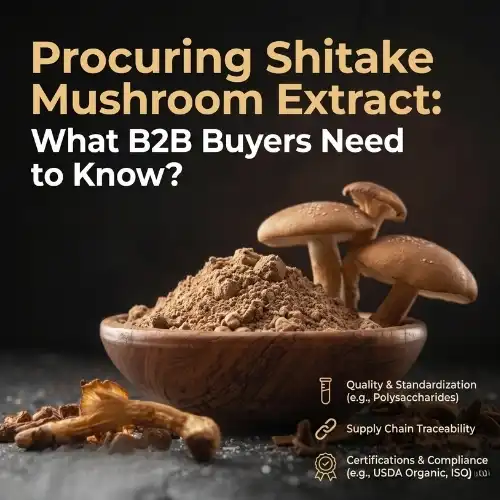
Procuring Shiitake Mushroom Extract: What B2B Buyers Need to Know?
Supplier Qualification Criteria
When looking for trusted shiitake mushroom extract providers, you need to look at more than just price quotes. Certifications for manufacturing, like ISO 9001, HACCP, and GMP, provide basic quality system guarantee. Kosher and Halal approvals make it easier for more products to reach more markets, especially in North America and the Middle East. These licenses can be checked through a direct audit or proof from a third-party registrar. This keeps document scam, which happens sometimes in commodity ingredient markets, at bay.
The technical skill review looks at the R&D infrastructure and the ability to do analytical tests. Suppliers who have their own labs with HPLC, UV-Vis spectrophotometry, and microbial testing tools show that they care about quality control and can quickly solve problems when formulation problems appear. Working with independent testing labs like Eurofins for verification testing adds another level of validation. This is especially helpful when finding new suppliers or entering markets for controlled medicinal goods.
Regulatory Compliance and Documentation
For plant extracts to be traded internationally, a lot of legal paperwork needs to be filled out. Certificates of Analysis should list the amount of heavy metals, herbicide traces, PAH compounds, active chemicals, and microbiological factors. When sellers are looking for goods to sell in the US, they have to check the status of dietary supplement ingredients and list any allergens. For some types of mushrooms to be sold in the EU, they need to be approved as Novel Foods and meet PAH4 standards.
Traceability paperwork shows how materials move from being grown to being extracted and then packaged. This includes records for each batch that show where the mushrooms came from, when they were picked, and how they were processed. This kind of paperwork is needed during regulatory inspections or investigations into customer safety. Also, more and more advanced brands use "farm-to-table" stories as marketing differentiators, which makes clear traceability a business asset that goes beyond being a compliance requirement.
Price Benchmarking and Bulk Purchasing Strategy
Shiitake mushroom extract prices on the market depend on the amount of polysaccharides, whether it is organic, and the size of the order. Standardized conventional extracts with 30% polysaccharides usually cost $25 to $45 per kilogram at industrial amounts of 25 kg or more, while organic equivalents cost $40 to $70 per kilogram. Higher concentration extracts (40%) or beta-glucan-specific standardization add 20% to 40% more, which is because the process is more complicated and needs more starting materials.
When you make a volume promise, you can get better prices and more security. Minimum order numbers usually start at 1 kg for testing samples and go up to 25 kg for business orders. By negotiating yearly contracts with deliveries every three months, you can control your cash flow while also making sure that prices stay stable and that you have enough capacity during peak demand times of the year. Building strategic relationships with suppliers that include formulation support and custom specs can give you a competitive edge that you can't get from just buying on the spot.
Customization and Private Label Opportunities
Advanced suppliers let you change more than just the extraction process when it comes to the recipe. Custom polysaccharide concentrations that target specific health claims, particle size optimization for specific delivery systems, or unique extraction methods that improve specific compound classes can help a supplement stand out in a market that is already very crowded. With these services, sellers stop selling goods and become growth partners.
Private label and white label programs make it easy to get into new markets quickly with little money. Product launch times are cut from months to weeks with turnkey solutions that include formula development, regulatory paperwork preparation, and package design. When looking at these services, check out the supplier's current product line to see how good their work is, ask for customer examples from related industries, and make sure you know who owns the intellectual property to avoid problems with commercialization in the future.
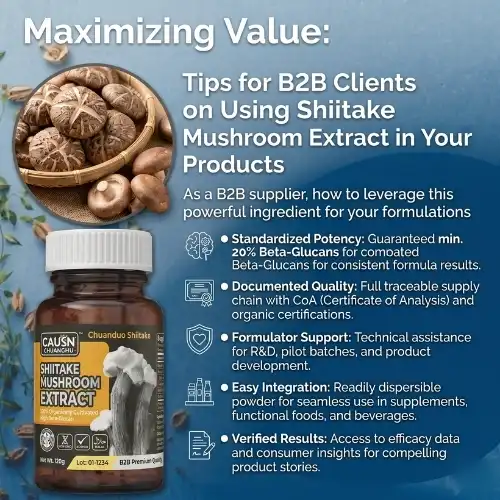
Maximizing Value: Tips for B2B Clients on Using Shiitake Mushroom Extract in Your Products
Aligning with Consumer Health Trends
As of now, functional ingredients that use shiitake mushroom extract and have both a history of traditional use and modern clinical proof are very popular in the health world. Immune resistance is still a top concern for consumers, especially after global health events that made people more aware of ways to stay healthy. The large body of study for Lentinus edodes supports marketing goods around immune system support, which works well with all age groups.
The eritadenine content in shiitake mushroom extract gives it a scientifically sound place in the growing field of cardiovascular health. Heart disease is still the biggest health problem in the world, so natural ingredients that help lower cholesterol are popular with both consumers and doctors. Combining the extract with omega-3 fatty acids, plant sterols, or CoQ10 in goods makes them more valuable, which is why they are sold at higher prices.
Regulatory Compliance for Claims and Labeling
To get around the complicated rules that guide health claims, you need to know about the rules in your unique area. In the US, structure-function promises about immune system support don't need to be pre-approved, but they do need to include the right warnings and proof. The FDA has said that mushroom extracts can be used as food products as long as they are "Generally Recognized as Safe." This makes useful food uses easier, but therapeutic claims require that the extracts be classified as drugs.
The European Food Safety Authority (EFSA) has tougher rules about health claims. Marketing wording can only come from pre-approved lists of claims. There are a lot of different regulatory settings in Asian markets. Some are very lax, while others need a lot of clinical evidence for therapeutic positioning. When you sell ingredients to businesses, you need to teach your customers about the rules for proving claims and give them expert literature to back up what you say. This makes it easier for them to follow the rules.
Marketing Strategies That Build Brand Trust
Conscious consumers make decisions about what to buy based on how clear the ingredients are. Putting emphasis on the extraction method, standardization practices, and third-party testing builds trust in a way that a simple sign reading "mushroom extract" can't. Giving batch-specific QR codes that link to Certificates of Analysis turns technical paperwork into trust signs for customers. This works especially well with health-conscious millennials and Gen Z buyers who are always looking into where ingredients come from.
Storytelling that connects communities that grow mushrooms with people who use them makes people feel something in addition to the practical benefits. Narratives about sustainability that talk about farming methods, using green energy for processing, and community development projects set apart generic ingredients from named assets. These methods change deals that are based on price into partnerships that are based on value, where ethics and quality explain charging more.
Conclusion
To successfully add shiitake mushroom extract to market products, it is important to pay equal attention to how well the extract works scientifically, how well it follows the rules, and how reliable the supply chain is. The extract can be used in a lot of different ways, such as in cosmetics, functional foods, and dietary supplements. This opens up a lot of different market possibilities, and its strong clinical background helps it make a believable health claim. When making a procurement choice, the long-term value of a relationship and the ability to customize must be weighed against standardization requirements, seller certifications, and price structures.
As the need for natural ingredients backed by proof grows around the world, shiitake mushroom extract is a good example of a financially viable, scientifically proven ingredient that can help with a number of health issues. Strategic relationships with qualified providers guarantee consistent quality, adherence to regulations, and the technical support needed for product development to go smoothly and for the business to stand out in the market.
Partner with Yangge for Premium Shiitake Mushroom Extract Supply
Yangge Biotech stands ready to support your formulation success with pharmaceutical-grade shiitake mushroom extract from Lentinus edodes that is standardized to 10% to 40% carbohydrates. Our factory has ISO, HACCP, Kosher, and Halal certifications and follows strict GMP rules to make sure that the quality of each batch is the same. Each batch goes through a lot of tests at Eurofins' labs to make sure it meets EU PAH4 standards, which include benzopyrene levels of 10 ppb or less, as well as full herbicide residue panels that meet the strictest international standards.
Our expert team provides full support, including advice on extraction methods, concentration specifications, and application suggestions that are specifically made for your product. You can talk to our team about your project needs, ask for samples, or get detailed technical paperwork to back up your regulatory applications and quality assurance processes by emailing info@yanggebiotech.com.
FAQ
Q: Can we get some samples to test before purchasing?
A: Of course, we can provide free samples of 20 to 100 grams, but the shipping cost is at the customer's expense. The shipping cost can be deducted from the next order, or the samples can be sent through your courier account.
Q: Do your products have relevant certifications?
A: Yes, our products are certified for HALAL, ISO, HACCP, Kosher, and other certifications.
Q: What is the minimum order quantity (MOQ)?
A: Small batches of samples can be customized according to your requirements.
Q: Do you offer OEM and ODM services? Can the formula be customized based on our own?
A: Of course, we provide ODM and OEM services to many customers. Our product range includes softgels, capsules, tablets, sachets, granules, and private label services. Simply contact us and let us know your requirements. Our experienced R&D team can also develop new products with specific formulas.
Please contact us to design your own branded products.
Q: How do you handle quality complaints?
A: First, we have a comprehensive quality control SOP. We provide authoritative third-party inspection reports for almost all products before shipment to minimize the possibility of quality issues. Second, we have a comprehensive return and exchange procedure. If there is a genuine quality dispute, we will strictly follow the SOP.
A: For small orders, we typically use DHL, UPS, EMQ: How do you ship? How long does delivery take?S, FedEx, or TNT. Delivery typically takes 3-7 days. We also offer air and sea freight services. We have a strong freight forwarding team and can provide you with a one-stop service, including DDP and DDU.
Q: What are your payment terms?
A: 100% prepayment, payable by T/T, Western Union, MoneyGram, or PayPal.
Q: What is the shelf life of your products?
A: 2 years with proper storage.
Q: Is the packaging environmentally friendly?
A: We attach great importance to environmental protection and are constantly improving our product packaging. Some products are packaged in recyclable paper. Packaging materials are carefully selected to ensure product safety during transportation and storage, and to minimize environmental impact. We are committed to achieving a balance between environmental friendliness and practicality in our product packaging, and to contributing to sustainable development.
References
1. Bisen PS, Baig RY, Prasad GB. "Bioactive Compounds from Lentinula edodes: Isolation, Purification and Biological Activities." Journal of Herbal Medicine and Toxicology, 2010.
2. Finimundy TC, Dillon AJP, Henriques JAP, Ely MR. "A Review on General Nutritional Compounds and Pharmacological Properties of the Lentinula edodes Mushroom." Food and Nutrition Sciences, 2014.
3. Komura DL, Ruthes AC, Carbonero ER, Gorin PAJ, Iacomini M. "Water-Soluble Polysaccharides from Pleurotus ostreatus var. Florida Mycelial Biomass." International Journal of Biological Macromolecules, 2010.
4. Rathore H, Prasad S, Sharma S. "Mushroom Nutraceuticals for Improved Nutrition and Better Human Health: A Review." PharmaNutrition, 2017.
5. Zhang Y, Mills GL, Nair MG. "Cyclooxygenase Inhibitory and Antioxidant Compounds from the Mycelia of the Edible Mushroom Grifola frondosa." Journal of Agricultural and Food Chemistry, 2002.
6. Zhu KX, Nie SP, Li C, Lin S, Xing GH, Li WJ, Gong DM, Xie MY. "A Newly Identified Polysaccharide from Ganoderma atrum Attenuates Hyperglycemia and Hyperlipidemia." International Journal of Biological Macromolecules, 2013.

Based on your location and order quantity, you will have the opportunity to receive a limited time free shipping promotion!
Who we are
Popular Blogs