What is red radish powder good for
Red Radish Powder is primarily valued as a natural anthocyanin-based colorant and functional ingredient, delivering vibrant red-to-pink hues in clean-label food and beverage formulations. Beyond coloring, it offers antioxidant properties derived from pelargonidin derivatives, supporting product differentiation in dietary supplements, cosmetics, and functional foods. This standardized extract addresses critical industry demands for heat-stable, pH-resilient alternatives to synthetic dyes like Red 40, while aligning with consumer preferences for plant-derived, traceable ingredients in modern formulations.
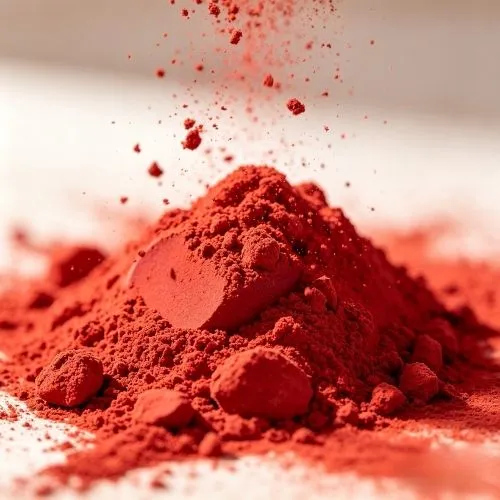
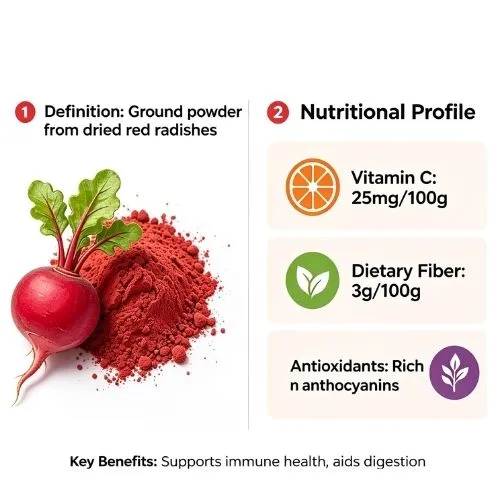
Understanding Red Radish Powder: Definition and Nutritional Profile
What Makes This Ingredient Unique in Industrial Applications
Red radish extract used in industry is an advanced natural colorant that comes from Raphanus sativus L. controlled methods of extraction, filter, and spray-drying are used to get the seeds. Instead of just ground vegetables, this uniform powder contains more of the anthocyanin pigments—specifically pelargonidin glycosides—that give it its unique coloring power. The method of processing keeps bioactive substances safe while ensuring uniform strength across production batches, which is a must for companies following GMP guidelines. Yangge Biotech's red radish extract comes in a number of standardization grades, including E30, E50, E80, and E163. This lets formulators choose the right concentration levels for each application. With its high water solubility and color stability in acidic settings (pH 2.0–6.0), the material gives off a steady salmon-pink color that works better than many fruit-based anthocyanins when heated.
Nutritional and Functional Components Driving Market Adoption
It's not just for coloring that the bioactive outline covers. The anthocyanins in this extract have been shown to be antioxidants, which help keep finished goods stable against oxidation. Trace minerals, like potassium and selenium, are still present, but in different amounts based on how much the material was processed. Even though the ingredient doesn't hold as much vitamin C as fresh radish, it still helps make health-focused products more nutritious. There is scientific evidence that anthocyanins play a part in protecting cells. A lot of research has shown that eating foods high in anthocyanins is linked to better heart health and fewer inflammation reactions. These known qualities make radish anthocyanin extracts useful as multipurpose ingredients that can help make nutraceutical products look better and work better.
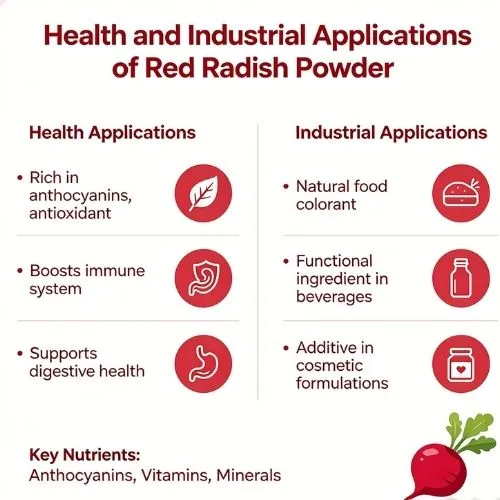
Health and Industrial Applications of Red Radish Powder
Strategic Uses Across Food and Beverage Manufacturing
Manufacturers who are under pressure to change their recipes to get rid of fake colors find this ingredient especially useful in fruit preparations, acidified dairy products, candy coatings, and fizzy drinks. The structure of anthocyanin can withstand the high temperatures used to pasteurize juice and milk, keeping the color solid when natural options fade or shift in ways that aren't desirable. This heat resistance directly addresses formulation problems in shelf-stable goods that need longer delivery times.
Red Radish Powder is used to make ready-to-drink healthy drinks, flavored water systems, and sports nutrition items. The ingredient dissolves quickly in water and doesn't settle, which makes the production process easier. Dosage levels are usually between 0.05% and 0.3%, but this depends on how intense of a color you want and how the matrix interacts with the color. It is still important to do specific formulation testing because of how pH and proteins interact in complex systems. The powder works well with sugar-based structures, which is useful for candy uses. Bright red tones can be achieved in hard sweets, gummies, and coating systems without the legal problems that come with using carmine or manufactured lake colors. More and more stores want products to have clean labels, and this ingredient helps products stand out in high-end markets.
Nutraceutical and Dietary Supplement Integration
This type of anthocyanin is used by supplement companies to make capsules, powder mixes, and functional stick packs. The bioactive ingredients work well with formulas that aim to support antioxidants, heart health, and overall vigor. When mixed with plant extracts that go well with it, the ingredient gives final products both useful benefits and good looks. Formulation engineers should know that the safety of anthocyanin depends on how it is packaged and stored. Microencapsulation technologies can make applications more stable when they are sensitive to wetness, which can extend the shelf life of pill and capsule forms. Dosage suggestions for functional benefit usually fall between 50 mg and 200 mg of anthocyanin content per dose. However, for certain health claims to be clinically validated, they need to be designed by an independent study and reviewed by the regulatory body.
Emerging Opportunities in Cosmetic Product Lines
More and more, the cosmetics industry is using polyphenols from plants in their skin products. In dermatological studies, anthocyanins have been shown to protect against UV-induced oxidative stress. This opens up new possibilities in anti-aging skin care, sun care supplements, and color makeup. Because it dissolves in water, it can be easily added to serums, toners, and gel-based products without the need for complicated emulsification systems. This extract is used in lip products, cream blushes, and colored moisturizers by people who make natural color makeup. The ingredient gives color that can be built up and backs up the brand's claims that natural ingredients are used. It is still important to do stability tests because the breakdown of anthocyanin in cosmetics relies on pH buffering, preservative systems, and how well the packing protects against light.
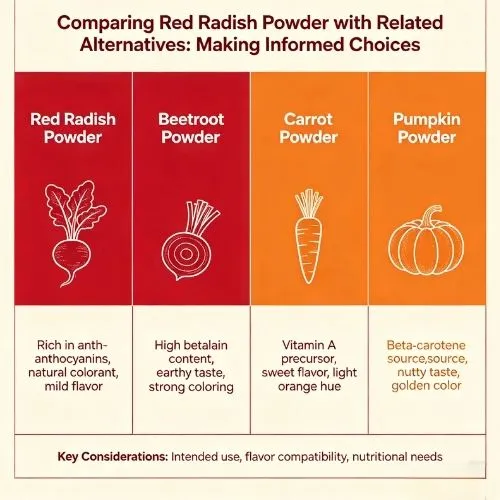
Comparing Red Radish Powder with Related Alternatives: Making Informed Choices
Red Radish Extract Versus Beetroot Powder
When procurement teams look at natural red colorants, they often compare betalains from beets to anthocyanins from radishes. Both offer plant-based colors, but their chemical structures give them different performance traits. Because betalains are more stable in neutral pH settings, beetroot is better for making plant-based meat substitutes and dairy replacements that don't change the pH. On the other hand, radish anthocyanins work best in acidic environments and produce brighter reds in fruit and fizzy drinks. Cost is another factor that affects choice. Because of established farming supply lines and higher crop yields, beetroot extracts usually sell for less per kilogram. But radish anthocyanins give better color results in certain pH ranges, which could lower total usage rates and make up for differences in the starting cost. Full application testing finds out how cost-effective something really is in certain design situations.
Organic Certification Implications for Global Supply Chains
Organic-certified radish extract is for customers who want to be sure that the product comes from a healthy source. Certification makes sure that crops are grown without using synthetic chemicals or genetically modified organisms. This meets the marking standards for organic products in North A
merica and Europe. However, organic materials usually cost 20 to 40 percent more than regular materials, and the quantity may change depending on how the crops are growing. Buyers need to decide if the costs of organic approval are worth it for the target market groups. Premium brands that want to attract health-conscious customers often find that being organic builds brand value and allows them to charge more at retail. On the other hand, uses that need to save money may be able to get away with using normal extracts that pass strict residue testing standards. No matter what the organic state is, traceability documents and third-party verification are still necessary to support compliance with changing transparency laws.
Fresh Material Versus Standardized Powder Formats
When used in industrial production, fresh radishes pose a lot of logistical problems, such as limited supply during certain seasons, high transportation costs, and changes in how they are processed. Standardized powder forms like Red Radish Powder get rid of these problems and keep the concentrations of anthocyanin the same from one buying cycle to the next. When kept properly, the shelf life can last anywhere from a few days to 24 months, making inventory management easier and cutting down on waste. Radish seed powder is a completely different type of product because it has glucosinolates and isothiocyanates instead of anthocyanins. This substance has certain nutritional uses linked to helping the body detoxify, but it does not work as a colorant. To avoid buying mistakes, procurement requirements must clearly distinguish between radish root extract (colorant/antioxidant) and radish seed powder (glucosinolate source).
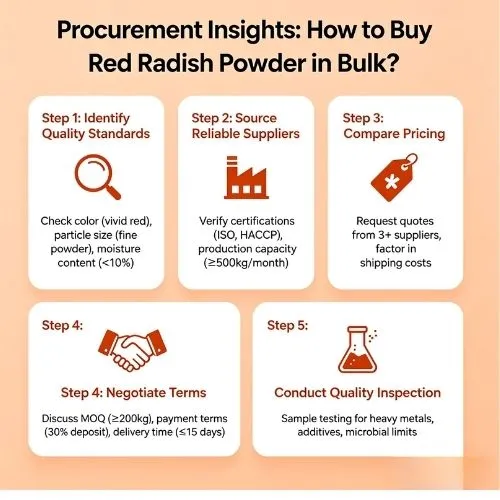
Procurement Insights: How to Buy Red Radish Powder in Bulk?
Evaluating Supplier Capabilities and Quality Systems
A thorough evaluation of the provider is the first step to reliable buying. Manufacturers should check that their products are certified with GMP, have ISO 22000 food safety management systems, and follow HACCP, which covers important control points during extraction and processing. As part of the review of the documentation, there should be batch analysis papers that list the anthocyanin content, microbial limits, heavy metal screening, and pesticide residue tests in line with international standards.
An review of production capacity makes sure that providers can meet the needs for scaling as product lines grow. Yangge Biotech keeps its stock levels between 50 and 100 kg, and its production facilities can handle bigger orders. The company's farm-to-table traceability system keeps track of where its raw materials come from, meeting the growing demands for openness from stores and government agencies. Better providers stand out because they offer better technical help. Having access to formulation guidelines, stability data, and application methods speeds up the process of making new products. Suppliers who give customizable standardization levels and particle size specs can help you get the best results in a wide range of application settings. Yangge Biotech's research and development (R&D) team is available 24 hours a day to help clients around the world, even during busy times in the creation process.
Understanding Pricing Structures and Value Factors
The price of red radish extract depends on a number of factors, such as the amount of anthocyanins present, whether the product is organically certified, the size of the order, and the package requirements. Standardization levels from E30 to E163 are linked to proportional price, since higher amounts need more raw materials and more processes. The price of standard E50 specifications on the market right now is usually between $44 and $55 per kilogram for bulk sales over 25 kg.
Tiered price benefits can be unlocked by making volume promises. Sample testing and trial production can be done with orders as little as 1 kg, and orders of 100 kg or more are eligible for better prices. Costs are more stable with long-term supply deals because they protect against changes in seasonal raw materials and the value of the dollar, which can affect foreign transactions. The total arrival prices depend on the type of packaging chosen. Standard aluminum foil bags protect well in most situations, and special package options can meet the needs of private labels. When reviewing quotes from different suppliers, buyers should look at the total cost of ownership, which should include the costs of packaging, shipping, import taxes, and quality testing.
Navigating International Logistics and Sampling Protocols
To keep the quality of a product while it's in process, international shipping needs to be carefully coordinated. Temperature-controlled operations may help formulations that are sensitive, but Red Radish Powder that is properly handled stays stable under normal shipping conditions. Lead times for ocean freight from Asian sources to North American ports are usually between 15 and 25 days. For urgent needs, you can get faster air freight. Requesting samples is an important step before buying something. Reliable sellers give out samples that are representative of the whole and meet the requirements for business production. These samples come with certificates of analysis. Yangge Biotech gives sample sizes starting at 1 kg, which lets you test the product thoroughly before committing to buy in bulk. Under rapid aging conditions, evaluation methods should check how the color develops, how stable the pH is, how well it dissolves, and how well it works with other ingredients in the formulation.
Potential Considerations and Side Effects of Using Red Radish Powder
Safety Profile and Contraindication Awareness
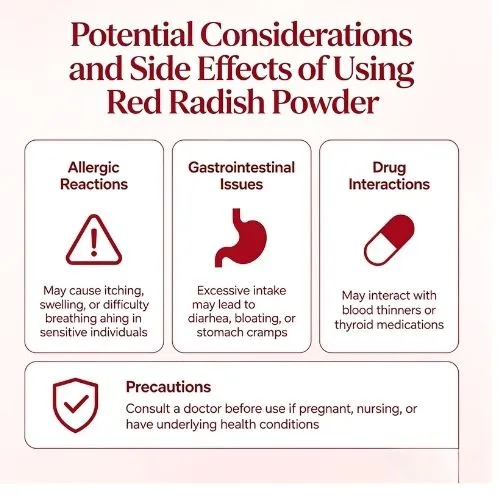
The safety rating of red radish anthocyanin extracts is very good, and they are generally recognized as safe for use in food in the places that allow it. Clinical literature shows that normal amounts of drinking have few negative effects. But people who are known to be sensitive to green vegetables may have mild allergic reactions. Formulators who are making goods for sensitive groups should put the right warnings on the labels. The chance of a drug interaction is still very low compared to concentrated plant products that have pharmacological activity. The ingredient doesn't have a big effect on the cytochrome P450 enzyme systems that break down drugs. Still, companies that want to make therapeutic placement should do contact screening as part of full safety checks.
Quality Control Standards and Testing Protocols
Strict quality assurance programs keep brands honest and keep customers safe. Anthocyanin content should be checked using HPLC analysis, as well as total plate count, yeast, mold, and virus screening, and heavy metals like lead, cadmium, mercury, and arsenic should be checked against legal limits. Using multi-residue screening methods for pesticide residue tests makes sure that farming chemicals are used correctly. Verification by a third-party agency gives you independent proof of quality. Laboratories that are ISO/IEC 17025 certified can provide unbiased testing to support government filings and customer checks. Yangge Biotech works with testing centers that are known all over the world to make sure that the paperwork they give to clients is approved and meets all global legal standards.
How a product is stored has a big effect on how long it lasts. Light, wetness, and high temperatures must be kept away from the material. Anthocyanin stays stable for 24 months in sealed aluminum foil storage kept in cool, dry buildings. To get the best color performance, packages that have been opened should be quickly sealed again and used within six months. For long-term keeping, manufacturers should use first-in, first-out inventory turnover and check the quality of their products on a regular basis.
Conclusion
Red radish anthocyanin extract is a natural colorant and useful ingredient that can be used to make products that are safer for consumers in the food, drink, nutrition, and cosmetics industries. Red Radish Powder is a better option to synthetic dyes because it is more stable in acidic pH settings, doesn't melt when it's processed, and meets changing regulatory standards. For buying to go well, seller quality systems need to be carefully looked at, the right standardization needs to be chosen, and the whole application needs to be tested thoroughly. Because the element can be used in many different ways and has been shown to be safe, it is an important part for companies that want to place their natural products in the global market, which is very competitive.
Partner with Yangge for Premium Red Radish Powder Supply
Yangge Biotech stands as a trusted Red Radish Powder manufacturer delivering standardized anthocyanin extracts meeting the exacting requirements of global food, nutraceutical, and cosmetic industries. Our GMP-certified facilities produce consistent-quality material with full traceability from farm to finished product, supporting your clean-label positioning and regulatory compliance objectives. We offer flexible specifications from E30 to E163 standardization levels, accommodating diverse application needs with minimum order quantities starting at just 1kg for formulation development.
Our technical team provides comprehensive support including formulation guidance, stability data, and application protocols, accelerating your product development timelines. With maintained inventory levels ensuring reliable supply continuity and OEM packaging services supporting private label requirements, we deliver complete sourcing solutions tailored to your business model. Contact us today at info@yanggebiotech.com to request samples, discuss custom specifications, or receive detailed quotations for your Red Radish Powder supplier needs. Let us help you transform natural innovation into market-leading products.
FAQ
Q: Can we get some samples to test before purchasing?
A: Of course, we can provide free samples of 20 to 100 grams, but the shipping cost is at the customer's expense. The shipping cost can be deducted from the next order, or the samples can be sent through your courier account.
Q: Do your products have relevant certifications?
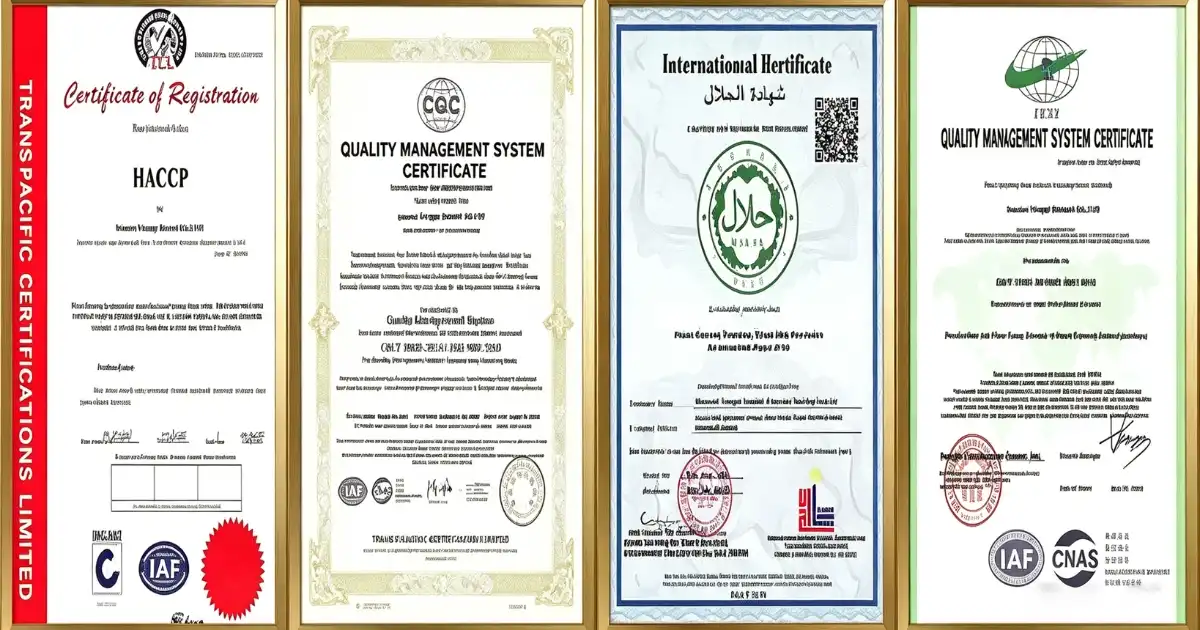
A: Yes, our products are certified for HALAL, ISO, HACCP, Kosher, and other certifications.
Q: What is the minimum order quantity (MOQ)?
A: Small batches of samples can be customized according to your requirements.
Q: Do you offer OEM and ODM services? Can the formula be customized based on our own?
A: Of course, we provide ODM and OEM services to many customers. Our product range includes softgels, capsules, tablets, sachets, granules, and private label services. Simply contact us and let us know your requirements. Our experienced R&D team can also develop new products with specific formulas.
Please contact us to design your own branded products.
Q: How do you handle quality complaints?
A: First, we have a comprehensive quality control SOP. We provide authoritative third-party inspection reports for almost all products before shipment to minimize the possibility of quality issues. Second, we have a comprehensive return and exchange procedure. If there is a genuine quality dispute, we will strictly follow the SOP.
Q: How do you ship? How long does delivery take?
A: For small orders, we typically use DHL, UPS, EMS, FedEx, or TNT. Delivery typically takes 3-7 days. We also offer air and sea freight services. We have a strong freight forwarding team and can provide you with a one-stop service, including DDP and DDU.
Q: What are your payment terms?
A: 100% prepayment, payable by T/T, Western Union, MoneyGram, or PayPal.
Q: What is the shelf life of your products?
A: 2 years with proper storage.
References
1. Wallace, T.C., and Giusti, M.M. (2015). Anthocyanins in Health and Disease. CRC Press, Boca Raton.
2. Rodriguez-Amaya, D.B. (2016). Natural Food Pigments and Colorants. Current Opinion in Food Science, 7, 20-26.
3. Sigurdson, G.T., Tang, P., and Giusti, M.M. (2017). Natural Colorants: Food Colorants from Natural Sources. Annual Review of Food Science and Technology, 8, 261-280.
4. Delgado-Vargas, F., Jiménez, A.R., and Paredes-López, O. (2000). Natural Pigments: Carotenoids, Anthocyanins, and Betalains—Characteristics, Biosynthesis, Processing, and Stability. Critical Reviews in Food Science and Nutrition, 40(3), 173-289.
5. Stintzing, F.C., and Carle, R. (2004). Functional Properties of Anthocyanins and Betalains in Plants, Food, and in Human Nutrition. Trends in Food Science & Technology, 15(1), 19-38.
6. Wrolstad, R.E., and Culver, C.A. (2012). Alternatives to Artificial Food Colorants. In Annual Review of Food Science and Technology, Vol. 3, 59-77.

Based on your location and order quantity, you will have the opportunity to receive a limited time free shipping promotion!
Who we are
Popular Blogs