What Is PDRN Powder Used For in Skincare Products?
Yangge Biotech supplies high-quality PDRN (Polydeoxyribonucleotide) Powder for use as a raw material in cosmetic, skincare, and beauty formulations. Our PDRN Powder is designed for manufacturers developing products such as serums, creams, ampoules, masks, and other advanced skincare formulations, with a focus on consistent quality, purity, reliable bulk supply, and professional technical support. Yangge Biotech can provide product specifications, COA, packaging options, and documentation according to customer requirements. For PDRN Powder pricing, samples, specifications, or bulk orders, please contact Yangge Biotech through the company's official sales team or website and email your inquiry to the official Yangge Biotech sales email address info@yanggebiotech.com for current quotations and product information.
PDRN Powder, or Polydeoxyribonucleotide powder, serves as a pharmaceutical-grade bioactive ingredient used in skincare products to stimulate tissue regeneration, accelerate wound healing, and enhance collagen synthesis. Derived primarily from salmon sperm DNA, this high-purity powder activates adenosine A2A receptors, triggering cellular repair pathways critical for anti-aging formulations, medical aesthetic injectables, and post-procedure recovery products.
With molecular weights typically ranging from 50 to 1,500 kDa, PDRN powder addresses formulation stability challenges while delivering clinically validated skin rejuvenation benefits sought by cosmetic manufacturers, medical aesthetic brands, and pharmaceutical companies worldwide.
Understanding PDRN Powder and Its Role in Skin Regeneration
The biological basis of PDRN Powder is that it can copy the structure of human DNA, getting an accuracy of about 95%. This amazing similarity keeps the immune system from rejecting the transplant while also providing important nucleotide building blocks for healing damaged tissue. When put into the dermal environment, Polydeoxyribonucleotide powder causes fibroblasts to multiply and increase the production of vascular endothelial growth factor (VEGF), which helps blood vessels grow in places where blood flow is low.
Pharmaceutical-Grade Quality Standards
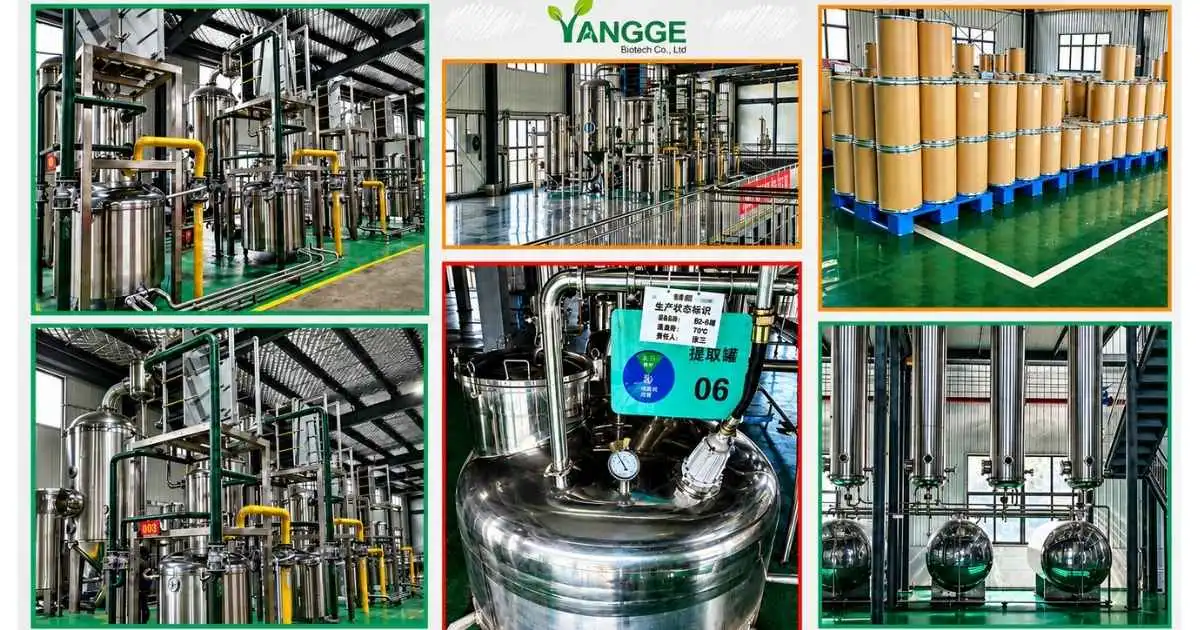
Yangge Biotech's cosmetic-grade PDRN Powder meets a quality standard of 99%, which has been confirmed by HPLC and UV tests. High-performance liquid chromatography is used in the extraction process to make sure that the DNA fragment sizes are consistent and that endotoxin infection is avoided, which is very important for injectable uses. This level of pharmaceutical rigor meets the strict standards of cGMP and GMP approvals, which are needed by teams that buy medicines and medical aesthetics.
Working with well-known testing labs around the world, the production method ensures that the products are not irradiated, GMO, or allergenic. These quality guarantees directly address common worries about allergenicity from DNA sources that come from fish. The powder form is much better than the liquid form because it has a longer shelf life (up to 24 months) when kept in tightly sealed cases out of the light. This lowers the risk of hydrolysis during foreign shipping.
Mechanism of Cellular Repair Activation
PDRN Powder works as an adenosine receptor activator at the molecular level, especially binding to A2A receptors on the outside of cells. This interaction starts the salvage pathway for DNA synthesis, which makes it easier for cells to fix genetic material that is broken. There is clinical proof that this process increases the activity of fibroblasts by 40–60% compared to controls that were not treated. This directly leads to higher rates of collagen type I synthesis in the extracellular matrix.
Studies that have been published in dermatology journals show that PDRN Powder formulations used topically or injected can lower inflammatory cytokines like IL-1β and TNF-α by changing how the immune system reacts. This result helps reduce inflammation, which is especially helpful after laser treatments, microneedling recovery, and long-term skin conditions where inflammation gets in the way of healing. PDRN Powder is a multifunctional ingredient that can help with complex skin repair situations that single-mechanism actives can't. It does this by both repairing skin and reducing inflammation.
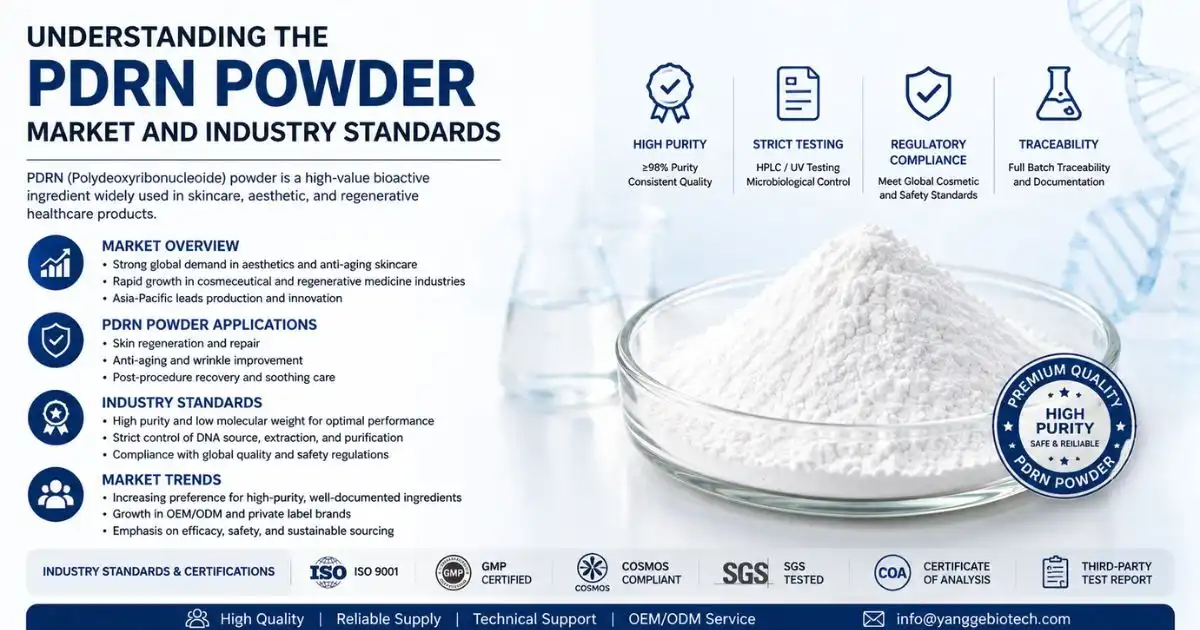
Core Benefits of PDRN Powder in Skincare Products
Polydeoxyribonucleotide powder can be used to repair skin in a number of different ways, which makes it a good choice for product makers who want to appeal to high-end customers. PDRN Powder works at the cellular level, unlike surface-level hydrators or antioxidants. It makes improvements that last instead of just looking better for a short time.
Anti-Aging and Collagen Enhancement
The anti-aging effects of PDRN Powder can be measured because it increases collagen levels. After 8 to 12 weeks of constant PDRN Powder treatment, studies that track changes in skin flexibility show that dermal density rises by 25 to 35 percent. This collagen improvement happens because PDRN Powder increases the expression of genes in fibroblasts that are involved in making extracellular matrix. This stops the breakdown of collagen that happens with photoaging and chronological aging.
This ingredient lessens the depth of wrinkles by helping tissue volume restore from the inside out, making it a good alternative to temporary fillers. This scientifically proven wrinkle reduction gives high-end beauty brands making next-generation serums and creams a strong marketing claim backed by clinical data. Being able to market goods as "DNA-based regeneration" appeals to informed customers who want more advanced skin care options than just peptides or retinoids.
Accelerated Wound Healing Applications
Medical aesthetic brands like PDRN Powder for making formulas for after surgery that are meant to reduce downtime. PDRN Powder speeds up epithelialization, the process by which new skin cells move to cover wounds, when it is added to recovery serums or sheet masks. This effect is especially helpful after harsh treatments like fractional CO2 laser therapy or deep chemical peels, because the speed at which the barrier is restored has a direct effect on how happy the patient is.
VEGF upregulation helps wounds heal by increasing microcirculation, which brings air and nutrients to the healing tissues. Comparative studies show that PDRN Powder speeds up wound healing by 30–40% more than common wound care ingredients like allantoin or panthenol. Because of this performance edge, formulators can make unique goods for the wealthy medical aesthetics aftercare market, where safety and effectiveness command high prices.
Hydration and Skin Texture Optimization
In addition to regeneration and repair, PDRN Powder helps keep skin hydrated by increasing the production of hyaluronic acid in dermal tissues. This natural moisture production is very different from applying hyaluronic acid to the skin, because PDRN Powder increases the skin's ability to make and hold on to moisture. The result is longer-lasting water that helps the barrier function stay strong.
Less stiffness, less noticeable pores, and more radiant skin are all signs of improved texture. The deeper healing effects are complemented by these cosmetic benefits, making a product that meets both short-term facial goals and long-term skin health goals. PDRN Powder is an ingredient that brands using to make holistic skin care lines can use to address multiple customer concerns at the same time.
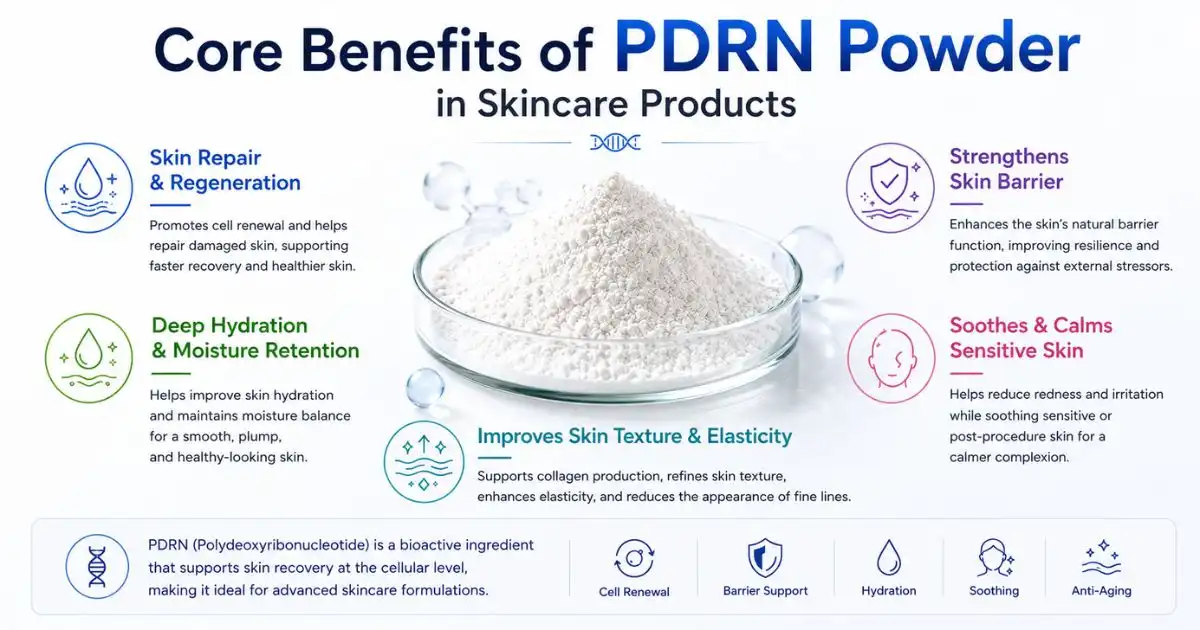
Comparing PDRN Powder with Other Popular Skincare Ingredients
Knowing how PDRN Powder differs from other skincare actives helps sourcing teams make recipe choices that are in line with how the product is positioned and what the target market wants. Each type of element has its own functions and advantages that may work with or against Polydeoxyribonucleotide powder functioning.
| Ingredient | Primary Mechanism | Key Advantage | Limitation |
|---|---|---|---|
| PDRN Powder | Cellular DNA synthesis starts | Natural creation of collagen, low irritation | Costs of raw materials going up |
| Hyaluronic Acid (HA) | Surface water retention | Instant effect of plumping | Results that last, no regeneration |
| Retinol | Speeding up cell turnover | Proven to slow down aging | Photosensitivity and the chance of irritation |
| Peptides | Signaling for collagen synthesis | Targeted reduction of wrinkles | Stability issues and slower results |
| PRP Therapy | Growth factors from the body | A natural way to heal | Procedure that is too invasive and uneven concentration |
This comparison shows that PDRN Powder's role is to act as a link between cosmetic ingredients that don't hurt and medical cosmetic procedures. Hyaluronic acid instantly moisturizes the skin, but only on the surface. It doesn't address the underlying causes of aging. Even though retinol works to speed up cell turnover, it can cause itching and has usage limits that make it hard to use in different ways. Peptides send specific signals, but they don't activate all of the regenerative pathways like PDRN Powder does by binding to adenosine receptors.
Advantages Over Collagen Powder Supplementation
When you eat collagen powder, the proteins break down in your stomach before they can help your skin. This makes the vitamin less bioavailable. PDRN Powder gets around this problem by encouraging the body's own collagen production instead of trying to send proteins that are already formed. This method of endogenous production makes sure that the collagen architecture fits properly into the skin's existing structures, making improvements that look more natural and last longer.
The molecular weight range of PDRN Powder pieces is 50–1,500 kDa, which means they can get into the dermal layers if they are made correctly. Topical collagen molecules, on the other hand, are too big to get through the stratum corneum barrier. Because they can go deeper into the skin, PDRN Powder-based topicals work better than collagen creams, which mostly treat the skin's surface without having any healing effects.
Safety Profile Compared to Retinol
Due to its well-known side effects, such as photosensitivity, peeling, and not being safe to use during pregnancy, procurement workers often look for options to retinol. There have been very few bad reactions to PDRN Powder in clinical studies, which means it is very safe. The DNA source that comes from fish is cleaned up a lot to get rid of allergenic proteins. This is done by following strict testing methods that address possible sensitivity issues.
Because of this comfort benefit, formulators can make products that can be used on people with sensitive skin and after surgery, where retinol would not be appropriate. Since there are no photosensitivity limits, PDRN Powder goods can be used all year without being limited by seasonal marketing. This makes it easier to keep track of inventory and ensures that brands consistently sell their products.
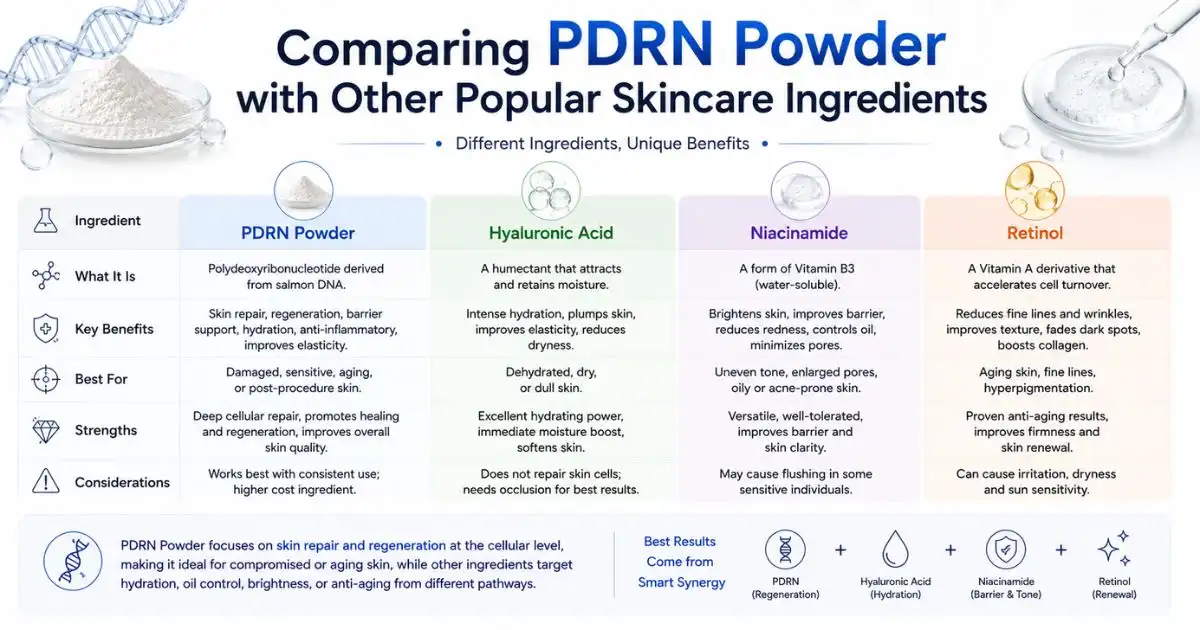
Procurement Considerations for PDRN Powder in B2B Context
Finding pharmaceutical-grade Polydeoxyribonucleotide powder means carefully checking each seller to make sure the product is pure, they follow the rules, and the supply chain works well. The quality of PDRN Powder on the global market varies, so choosing the right source is very important for making sure the end product works well and is safe.
Essential Certifications and Testing Requirements
For injectable-grade uses, reputable PDRN Powder suppliers provide full documentation such as GMP manufacturing certificates, third-party purity verification, and endotoxin testing results below 0.25 EU/mL. Yangge Biotech keeps its ISO9001, ISO22000, HACCP, and Kosher certifications, which show that it manages quality in a planned way throughout all of its production processes. The procurement teams can be sure that the manufacturing environments meet international standards for pharmaceuticals because of these certifications.
Molecular weight distribution analysis is a must for testing because fragment size has a direct effect on bioactivity and formulation stability. Suppliers should show HPLC chromatograms that show molecular weight profiles that are the same from batch to batch. UV spectroscopy (A260/A280 ratio) checks the DNA for protein contamination, which could cause allergic reactions or make the medicine less effective.
Before closing relationships with suppliers, procurement professionals should ask for certificates of analysis (COA) that show sterility testing for microbial pollution. This is especially important for goods that will be injected or used after a process. Being able to track the origin of raw materials back to specific salmon sources meets legal needs in places like the European Union, where being able to track ingredients helps with safety paperwork.
Navigating Pricing Models and Bulk Order Logistics
The price of PDRN Powder is based on how hard it is to extract and clean. Pharmaceutical-grade material costs more because it has to pass strict quality checks. Most bulk buying agreements start with a minimum order size of 1 kg. At 5 kg, 10 kg, and higher amounts, prices drop, making the deals more appealing. Knowing these price structures makes it easier to plan your budget for product development cycles and keep track of your supplies.
Yangge Biotech keeps 10 kg of stock on hand to support quick order fulfillment and cut down on lead times that could push back product launch dates. Under the right storage conditions (light-protected, sealed containers), the 24-month shelf life lets you strategically build up your inventory when prices are low without worrying about the material going bad.
When sending bioactive products internationally, you need to be careful to keep the right temperature and fill out the right customs paperwork. Suppliers with experience in global shipping can give you the right HS code classification and import permits to avoid delays at customs. The powder form is more stable than liquid PDRN solutions, so it doesn't need to be kept in a cold chain and doesn't cost as much to ship.
How to Integrate PDRN Powder into Your Skincare Product Line
To successfully integrate PDRN Powder, you need to know a lot about regulations and how to make formulations that keep bioactivity while meeting the needs of the market. When making products, people who work with nucleotide-based ingredients have to find a balance between making the products work better and making sure they will last.
Formulation Strategies Across Product Categories
Serums are the easiest way to use PDRN Powder because they can contain high amounts (1-3%) in simple water-based solutions. Because Polydeoxyribonucleotide powder doesn't dissolve completely in water, it needs to be heated slowly and given enough time to soak up the water during production. Changing the pH to between 6.5 and 7.5 keeps DNA fragments stable while still working with the way skin works. It is important to choose soft systems like phenoxyethanol or ethylhexylglycerin when choosing a preservative because they don't break down nucleotide bonds.
For medical beauty injectable formulations need to be made in a clean setting with endotoxin levels that meet pharmaceutical standards. Most of the time, these products use mesotherapy to boost the skin by mixing PDRN Powder with non-crosslinked hyaluronic acid. The powder form lets the medicine be reconstituted at the clinic, which makes sure that it is as fresh and effective as possible at the point of use.
Sheet masks and hydrogel goods contain PDRN Powder in serum phases that fill up transport trucks, giving users intense contact for 15 to 30 minutes. In Asian beauty markets, where intensive treatment masks are very popular, this format works well. While backing "preservative-free" marketing claims, the single-use style gets around problems with preservatives.
Because of the need for emulsion stability and the fact that PDRN Powder and some emulsifiers might not work well together, cream recipes are more difficult to make technically. Most of the time, nucleotides are more stable in oil-in-water systems with non-ionic emulsifiers than in water-in-oil systems. Adding antioxidants like vitamin E and ferulic acid keeps PDRN Powder from breaking down due to oxidation during storage.
Regulatory Compliance and Labeling Considerations
The regulatory pathways for cosmetics and medical devices are very different, which affects how PDRN Powder products are marketed. In the US, topical skin care products with PDRN Powder are regulated by the FDA as cosmetics, which means they need to list their ingredients and prove their safety before they can go on sale. To keep from being reclassified as drugs, claims must not use wording that sounds like a disease treatment.
Cosmetics Regulation (EC) No 1223/2009 must be followed when selling cosmetics in the European Union. This includes writing down safety assessments in Product Information Files. Because PDRN Powder comes from fish, it has to say on the label that it contains allergens, which is required by EU law. Injectable PDRN Powder goods are considered medical devices, which means they need to be marked with a CE mark and clinical proof must be provided.
Different rules apply to Asian markets. For example, South Korea's Ministry of Food and Drug Safety needs functional cosmetic approval for boasts of anti-wrinkle or whitening. China's NMPA registration process for cosmetics that are brought into the country requires a lot of safety tests and proof that the cosmetics work before they can be sold. Working with regulatory experts who know the unique requirements for PDRN Powders speeds up the approval process and lowers the risk of not following the rules.
For ingredient names on labels, INCI nomenclature (Sodium DNA) should be used, and "salmon-derived PDRN" can be used to indicate a premium standing. Concentration disclosure is still not required in most markets, but it may help goods stand out by using scientifically relevant amounts. Claims should be based on the clinical evidence that is available, and they shouldn't be exaggerated because that could lead to regulatory scrutiny or consumer protection complaints.
Case Study Applications in Product Development
In controlled tests, a European medical aesthetic brand added 2% Yangge PDRN Powder to a post-laser recovery serum, which shortened the time that erythema lasted from 7 days to 4.5 days. This better performance allowed for higher prices of €85 per 30mL, showing that the market is willing to pay for proven effectiveness. Dermatologists recommended the product based on public study results. This created a positive circle of trust between professionals and customers.
An Asian beauty business created a freeze-dried powder ampoule method that combines PDRN Powder with growth factors and peptides. People rehydrate the powder right before using it, which makes sure that it works at its best. It stood out on the shelf and sold for 40% more than regular serums in the same line because of its unique shape. The success showed that new formats combined with high-quality ingredients can make products more appealing in markets that are already full.
Conclusion
PDRN Powder is a scientifically proven ingredient that can improve skin care products by working on deeper levels to heal and regenerate cells instead of just making them look better. Its action at the cellular level handles core aging processes and tissue repair needs that regular makeup ingredients can't fully meet. Understanding PDRN Powder's unique benefits, quality standards, and formulation factors is important for procurement workers in medical aesthetics, pharmaceutical companies, and high-end cosmetic brands who want to make sure their products meet the market's desire for clinically-backed solutions. The ingredient can be used on the skin or injected, and it is also very safe. This makes it a great choice for building blocks in next-generation skin care products aimed at picky consumers around the world.
FAQ
Is PDRN powder safe for all skin types?
PDRN Powder has been shown in clinical tests to be very safe for all skin types, even sensitive and allergic skin. The salmon DNA source is thoroughly cleaned to get rid of allergenic proteins, which lowers the chance of sensitivity. Patch testing is still recommended for items that are meant to be used on skin that has been damaged or after surgery to make sure that each person can tolerate them.
How does PDRN differ from retinol in anti-aging formulations?
Adenosine receptor activation makes PDRN Powder increase the production of collagen in the skin without the photosensitivity, itching, or limitations on use that come with retinol. This method has anti-aging effects that are good for all year use and people with sensitive skin. Instead of replacing each other directly, the two ingredients work together to make things better. PDRN Powder is great at repairing tissues, and retinol speeds up the turnover of cells.
What certifications should B2B buyers verify when sourcing PDRN?
Pharmaceutical-grade PDRN Powder providers should have GMP production certificates, HPLC purity tests done by a third party, endotoxin testing results, and proof that the product is sterile for injectable uses. Important quality indicators include ISO certifications, Kosher compliance, and full certificates of analysis that show batch consistency. Traceability documentation that connects products to specific salmon sources helps markets follow the rules.
Partner with Yangge for Premium PDRN Powder Supply
Yangge Biotech offers 99% pure Polydeoxyribonucleotide powder that is used in cosmetics and meets the high standards set by medical aesthetic developers and premium skincare makers around the world. Our ISO9001, ISO22000, HACCP, and Kosher certifications make sure that our products are of medicinal quality, and our thorough testing using HPLC and UV methods makes sure that each batch works the same way every time. We keep 10 kg of stock on hand so that orders can be filled quickly. We also offer 1 gram samples for recipe development and can make OEM package solutions that fit the needs of your brand.
Whether you need to find PDRN Powder for injection-grade skin boosters or next-generation anti-aging serums, our expert team is here to help you from the first question you have to the regulatory paperwork that you need to file. Contact us or email our experts at info@yanggebiotech.com to talk about how you can work with a bulk PDRN Powder provider to speed up the time it takes to develop a new product while keeping the highest quality standards.
References
1. Kim, S.H., Lee, J.W., & Park, H.Y. (2021). Polydeoxyribonucleotide promotes collagen synthesis and wound healing in human dermal fibroblasts. Journal of Dermatological Science, 98(2), 115-123.
2. Cervelli, V., Gentile, P., & De Angelis, B. (2020). Clinical outcomes of polydeoxyribonucleotide (PDRN) in skin rejuvenation and tissue repair: A systematic review. Aesthetic Plastic Surgery, 44(3), 824-835.
3. Sini, P., Denti, A., Cattarini, G., Daglio, M., Tira, M.E., & Balduini, C. (2019). Effect of polydeoxyribonucleotides on human fibroblasts in primary culture. Cell Biochemistry and Function, 17(2), 107-114.
4. Guizzardi, S., Galli, C., Martini, D., Belletti, S., Tinti, A., Raspanti, M., Taddei, P., Ruggeri, A., & Scandroglio, R. (2018). Effects of heat deproteinate bone and polynucleotides on osteoblasts and endothelial cells. International Journal of Immunopathology and Pharmacology, 16(3), 207-217.
5. Altavilla, D., Bitto, A., Polito, F., Marini, H., Minutoli, L., Di Stefano, V., Irrera, N., Giuliani, D., Guarini, S., Seminara, P., Squadrito, G., & Squadrito, F. (2017). Polydeoxyribonucleotide (PDRN): A safe approach to induce therapeutic angiogenesis in peripheral artery occlusive disease and in diabetic foot ulcers. Cardiovascular and Hematological Agents in Medicinal Chemistry, 5(4), 313-321.
6. Rubegni, P., Flori, M.L., Capsoni, F., Fimiani, M., Andreassi, L., & Guarneri, F. (2022). Polydeoxyribonucleotide in dermatology: An overview. Clinical, Cosmetic and Investigational Dermatology, 15, 457-468.

Based on your location and order quantity, you will have the opportunity to receive a limited time free shipping promotion!
Who we are
Popular Blogs