Lion’s Mane vs Other Functional Mushroom Extracts
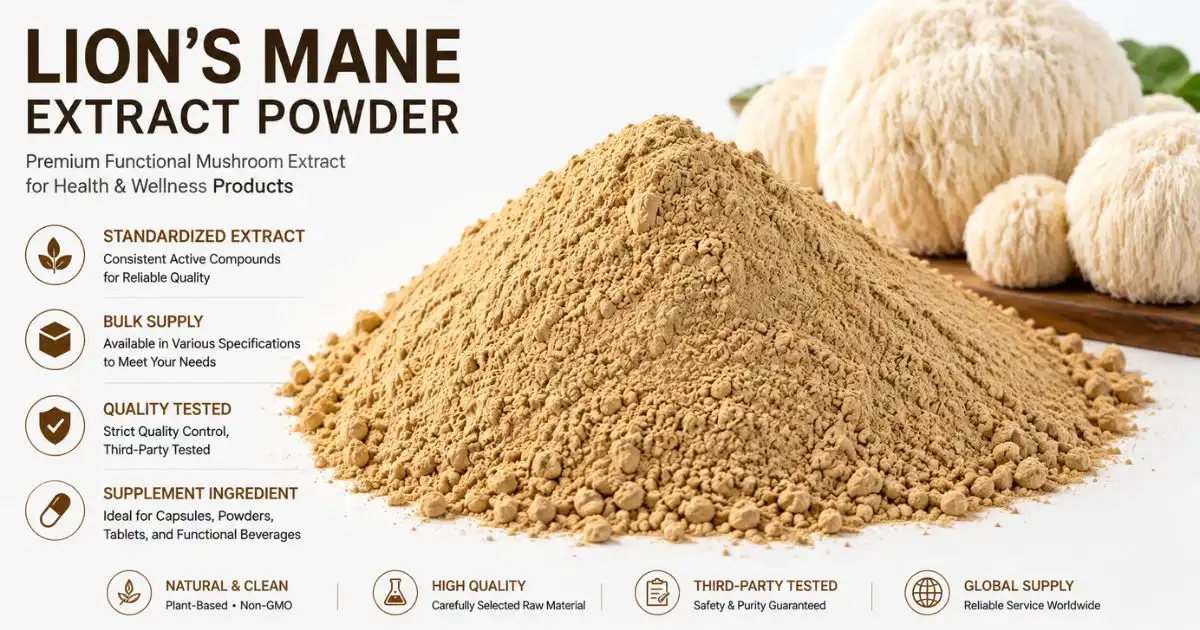
Lion's Mane Extract Powder from Yangge Biotech is a premium functional mushroom ingredient produced from carefully selected Hericium erinaceus using advanced extraction technology. The extract is available in specifications containing approximately 10%–50% polysaccharides and 10%–50% beta-glucans, depending on product requirements. Its fine yellow-brown powder form is suitable for dietary supplements, capsules, tablets, functional beverages, coffee blends, gummies, powdered drink mixes, and wellness formulations. Yangge Biotech provides bulk supply, customized specifications, OEM/ODM services, COA, MSDS, specification sheets, test reports, and samples to support product development and commercial manufacturing.
For Lion’s Mane Extract Powder samples, specifications, COA, bulk pricing, or OEM/ODM inquiries, contact Yangge Biotech Co., Ltd. at info@yanggebiotech.com
When evaluating functional mushroom extracts for superfood formulations, Lion's Mane (Hericium erinaceus) distinguishes itself through specific cognitive health benefits driven by hericenones and erinacines—compounds that stimulate nerve growth factor synthesis. Unlike Reishi's immune modulation or Cordyceps' energy enhancement, Lion's Mane targets neuroprotection and mental clarity, making it particularly valuable for brain health product positioning. This cognitive specialization, combined with favorable sensory properties including mild sweetness and excellent solubility, positions Lion's Mane as a strategic ingredient for brands entering the mushroom coffee and nootropic supplement markets where differentiation matters.
Understanding Lion's Mane and Its Unique Benefits
Botanical Background and Traditional Use
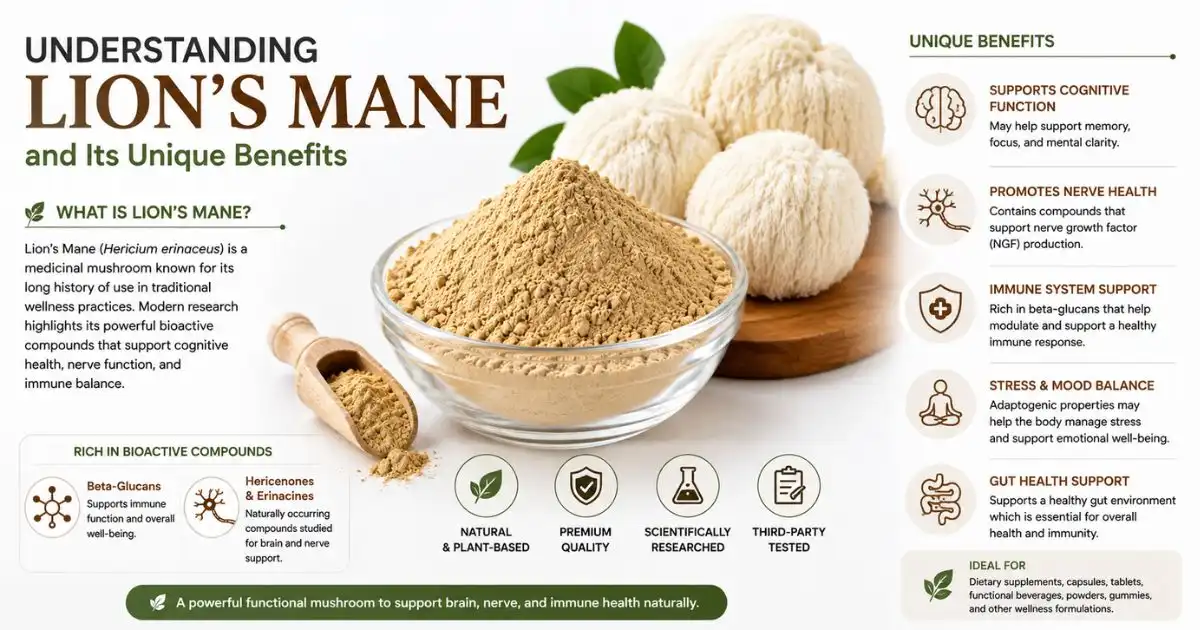
The Lion's Mane mushroom gets its name from the way its spines fall down, making it look like a lion's mane. This mushroom can be eaten. It grows in temperate forests in Asia, Europe, and North America. People in ancient China have used it for hundreds of years to improve health, mostly in the gut and all over. Extracts of this plant can now be regularly gathered and of high quality. This has turned it from a folk remedy into an ingredient that has been shown to work.
Cognitive Function and Neuroprotection
That which makes Lion's Mane unique is that it has medicinal substances known as hericenones and erinacines that help the body make nerve growth factor (NGF). Researchers say that these chemicals might be able to get into the brain from the blood and help brain cells and synapses grow. Because of this, Lion's Mane is great for formulas that aim to boost memory, attention, and the mental loss that comes with getting older. All of these claims really hit home with customers who care about their health and are looking for alternatives to standard nootropics.
Nutritional Profile and Active Compounds
Professional-grade Lion's Mane Extract Powder generally has more beta-glucans than carbohydrates, with amounts between 10% and 50%. Even though these carbohydrates help the defense system, the main benefit of Lion's Mane is still that it makes you smarter. The extract tastes a little sweet and looks like a fine, yellow-brown powder. Coffee, cocoa, and protein powder all go well with it, and it doesn't add any earthy or bitter notes like some other medicinal mushrooms do.
Comparing Lion's Mane with Other Popular Functional Mushrooms
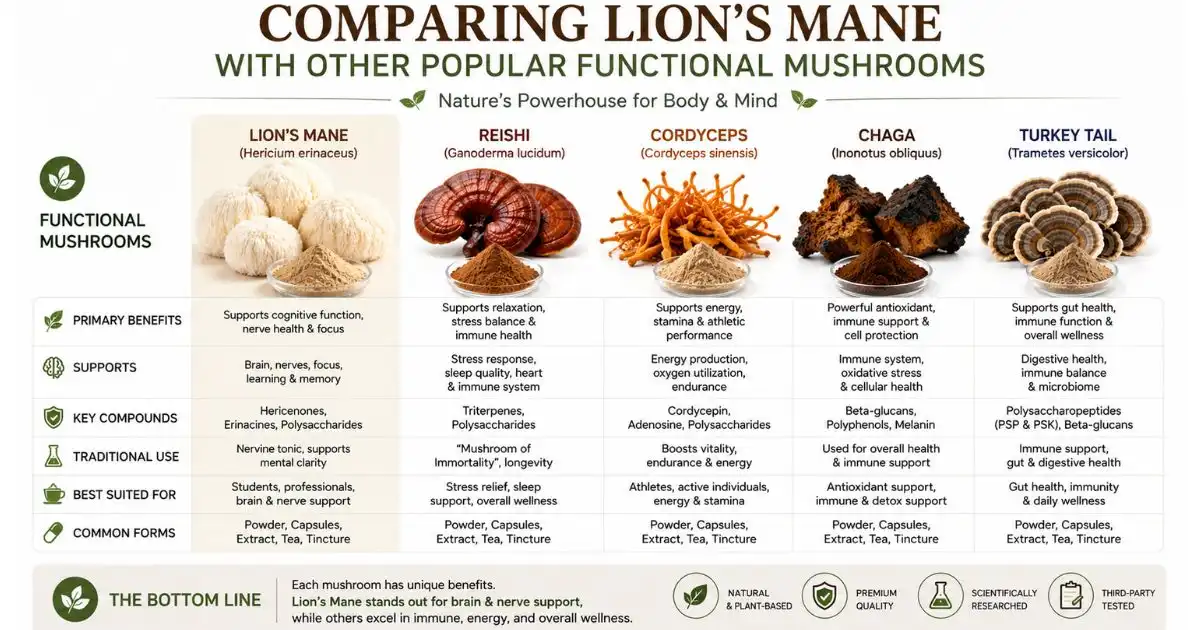
Teams in charge of buying things can make decisions that are in line with product positioning goals when they know how Lion's Mane mushrooms stack up against other useful mushrooms. Different kinds of mushrooms are liked by different groups of people because they have different chemical profiles and health benefits.
Lion's Mane vs Reishi
People call Reishi (Ganoderma lucidum) the "mushroom of immortality" because it can help people deal with stress and change their immune systems. Both Reishi and Lion's Mane mushrooms have polysaccharides that are good for you, but the triterpenes in Reishi are more specific in how they work to control the immune system and reduce inflammation. To help the immune system or make mixes that help the body adapt, Reishi is often the first element. But Lion's Mane is a better choice for businesses that want to focus on brain power and cognitive ability. It also tastes very different. Reishi is very sour and needs to be hidden in recipes. Lion's Mane, on the other hand, mixes better.
Lion's Mane vs Cordyceps
Companies that want to save money on energy and materials like to use Cordyceps militaris. It's often found in pre-workout and endurance products because it helps the body use air better and make more ATP. The herb Lion's Mane helps with mental fatigue and function, and the herb Cordyceps helps with breathing and physical endurance. When purchasing managers make full mushroom mixes, they often mix the two to help with energy levels both mentally and physically. A clear benefit claim can help things with only one ingredient, though.
Lion's Mane vs Chaga
Chaga (Inonotus obliquus) is the best useful herb when it comes to antioxidants. Because it has melanin colors and superoxide dismutase, its ORAC scores are very high. Chaga mushrooms are often the main ingredient in goods that say they protect cells, slow down aging, and lower reaction stress. Lion's Mane has some antioxidants, but not as many as Chaga's specialty. But Chaga doesn't have the special chemicals that protect neurons that make Lion's Mane good for brain health. This makes it clear that these two ingredients don't sell in the same market.
Lion's Mane vs Ginkgo Biloba
Ginkgo Biloba isn't a plant, but it is often found in goods that help your brain, so it's important to compare prices before you buy. It is thought that Ginkgo makes blood vessels wider, which sends more blood to the brain. Lion's Mane does the same thing, but in a different way. Other than that, the plants taste different. It's possible for Ginkgo to add grassy or slightly astringent notes, but Lion's Mane keeps the flavors more neutral. Different places have different rules about Ginkgo. In some places, the highest amount is less than what is allowed for mushroom extracts, which are generally safe to use in food.
| Mushroom Type | Primary Benefits | Key Active Compounds | Ideal Product Applications |
|---|---|---|---|
| Lion's Mane | Brain health and the ability to think clearly | Beta-glucans, hericenones, and erinacines | Nootropics, mushroom coffee, and brain health supplements mixed together |
| Reishi | Changing the immune system and getting used to stress | Triterpenes and polysaccharides | Formulas that help the defense system and mixes that help the body adapt |
| Cordyceps | Energy and doing well in sports | Adenosine and cordycepin | Supplements for endurance and before a workout |
| Chaga | Antioxidants and keeping cells safe | Melanin and superoxide dismutase | Formulas that fight age and help with reactive stress |
These differences let buying teams pick products that fit with how the brand is positioned and what the target customers want. This way, they don't have to try to make one mushroom seem better than the others.
Lion's Mane Supplement Forms and Procurement Considerations
Product Formats and Industrial Applications
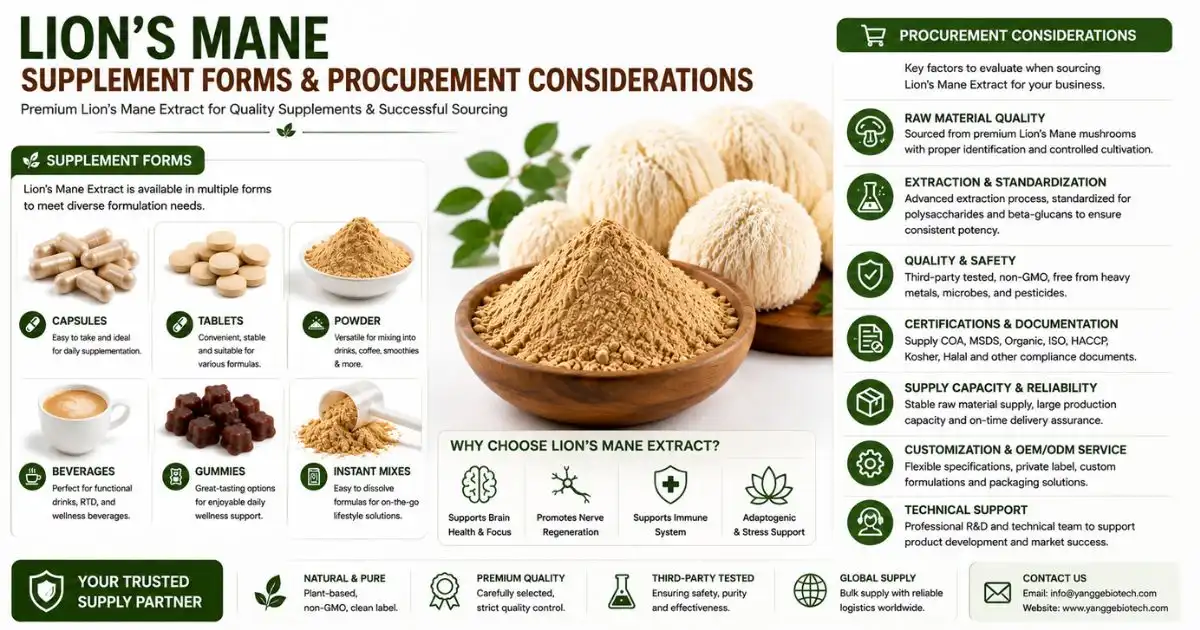
For business-to-business sales, Lion's Mane Mushroom Extract Powder is the most adaptable. It saves you money and gives you more ways to make the product. The powder form is useful for many things because it comes in different strengths, from 10% to 50% polysaccharides (with 50% polysaccharide being the standard for Hericium erinaceus). Because it's easy to dissolve in water, the substance is good for making quick drink mixes. Since most of the particles are less than 80 mesh, they are spread out evenly in pills and protein powder blends.
The bulk density is between 0.45 and 0.65 g/ml, which is great for high-speed packaging machines that are often used to make supplements. If you buy it from a reputable seller, the tan to dark brown color will stay the same from batch to batch. This fixes one of the main issues that people in charge of superfood brands have with changes in the way things look. You can use 1 kg aluminum foil bags for samples and coming up with new recipes. For large amounts, you can use 25 kg fiber drums. If you keep these in a cool, dry place for 24 months, the active ingredient should stay stable in both sizes.
Quality Standards and Certification Requirements
A lot of tests are done on real Lion's Mane products that come from mycelium or growing bodies to make sure they are the right species and have the right amount of active chemicals. You can trust suppliers who give you certificates of analysis that show the carbohydrate content was estimated using tried and true methods. For example, the Megazyme method is used to check the amount of beta-glucan instead of UV spectroscopy alone, which is not as accurate. Lead levels must be below 2ppm and arsenic levels must be below 1ppm. Heavy metal levels must stay below 10ppm overall. This is in line with USP rules about how safe supplement ingredients should be.
There are different certification needs in each market, but all sellers who work with foreign superfood brands must now have ISO, HACCP, Kosher, or Halal licenses. Organic certification can help a more expensive product stand out, but brands that care more about polysaccharide concentration than organic claims will often find that regular extracts that meet purity standards are a better deal. Some labels need to say that the food was processed without irradiation and does not contain any allergens if the brand wants to reach sensitive customers or shops with strict ingredient policies.
Bulk Purchasing Logistics and Supplier Relations
For well-known suppliers, the lowest amount you can buy is usually between 25 kg and 100 kg. As deals for more polysaccharides and higher volumes are made, prices go down. When it comes to dosage and claims about how well the end product works, the concentration has a direct effect on how much you need to take and how much it costs. A procurement manager should ask for samples of a product and look at its color consistency, flavor profile, and how it dissolves in target formulation matrices before committing to large orders.
Lead times range from 3 to 6 weeks from when the sample is approved to when the bulk order is delivered. This is about how long it usually takes for the owners of a superfood business to decide what to do. Instead of just looking at price, it's better to build relationships with providers who can help you improve formulations and follow regulatory rules. This is especially important for brands that are buying Lion's Mane extract for the first time or that are expanding into new markets where the rules for compliance are different from what they are used to.
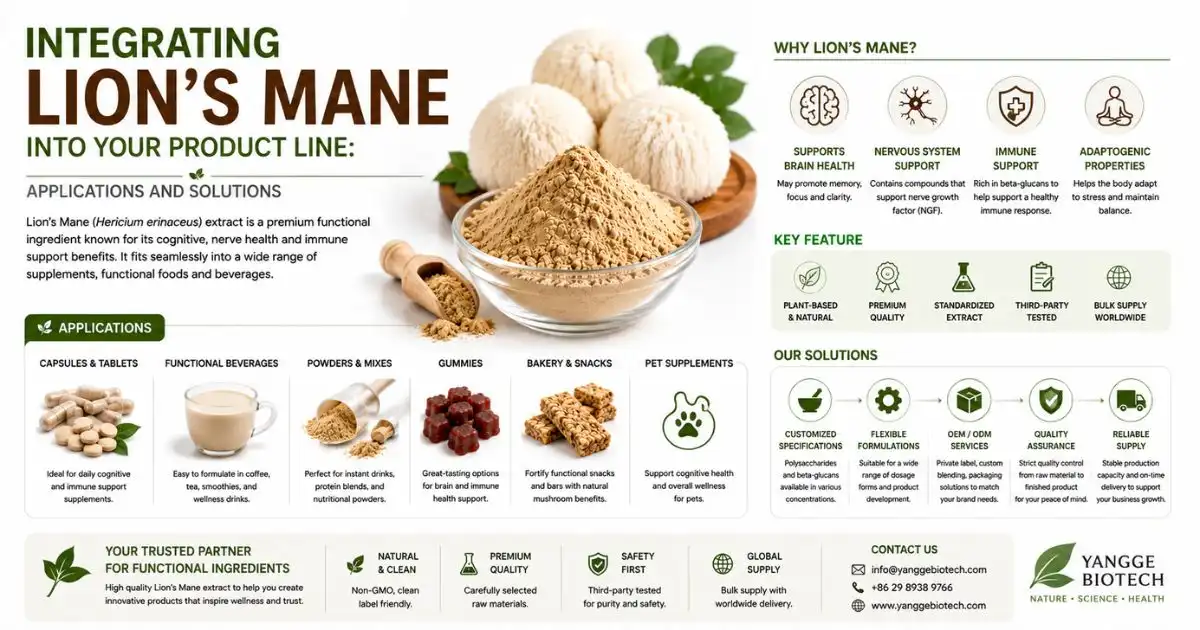
Integrating Lion's Mane into Your Product Line: Applications and Solutions
Nutraceutical and Functional Beverage Formulations
Lion's Mane Mushroom Extract Powder is easy to put into coffee blends that have mushrooms in them. It pairs well with roasted coffee tastes because it's not too sweet. It also doesn't add the earthy bitterness that some medical mushrooms do. Polysaccharides are usually added at a rate of 500 mg to 1500 mg per serving, which keeps the food's good taste while adding useful amounts. Folks often don't like mushroom-based drink mixes because they are tough, but the high solubility of the extract in quick drink forms gets rid of that issue.
Functional beverage developers have successfully incorporated Lion's Mane into ready-to-drink lattes, focus-enhancing energy drinks, and adaptogenic wellness shots. The ingredient's neutral color impact allows for creative formulation without the dark appearance that Chaga or Reishi might introduce, important for products emphasizing visual appeal. When combined with complementary ingredients like L-theanine, MCT oil, or adaptogenic herbs, Lion's Mane contributes to synergistic cognitive support claims that resonate with productivity-focused consumers and biohacking communities.
Dietary Supplement Applications
Capsules and pills are good ways to take Lion's Mane extract because it is safe and compressible. The main ingredient in most cognitive health products is 1000 mg to 3000 mg of Lion's Mane. It is possible to make these supplements with just Lion's Mane or with other nootropics such as Rhodiola rosea or Bacopa monnieri. Because the extract is food-grade, it is easier to get it approved by the government than new ingredients that need a lot of safety paperwork. This speeds up the process of putting new goods on the market.
Protein powder manufacturers have begun incorporating Lion's Mane into recovery and performance formulas, targeting consumers seeking both physical and mental performance support. The addition differentiates otherwise commodity-like protein products in crowded markets, justifying premium pricing through brain health positioning. Formulation challenges remain minimal, as Lion's Mane doesn't interfere with protein solubility or create flavor conflicts with common protein powder ingredients like cocoa or vanilla.
Market Trends and Future Demand
Podcasts, social media health leaders, and more studies that have been made public have made a lot more people aware of mushroom-based cognitive support. A market study found that the category of beneficial mushroom supplements grows by more than 10% each year. Lion's Mane in particular is getting more searches and selling faster. Brands that are new to this category can now learn more about their customers in a way that wasn't possible five years ago. It's now easier for marketers to talk about how their goods help people.
The convergence of several trends—declining stigma around mental health, increased remote work driving demand for focus-enhancing products, and growing preference for plant-based wellness solutions creates favorable conditions for Lion's Mane product development. Procurement managers securing reliable supply relationships now position their brands to capitalize on sustained category growth rather than chasing short-term trends with uncertain longevity.
Making the Right Choice: Key Factors for Procurement and Usage
Evaluating Product Quality Through Testing
It's most important to make sure that the Lion's Mane you buy is of the right species. The DNA barcoding or morphological analysis shows that the given material is from Hericium erinaceus and not from another species or mycelium that is growing on grain substrates that have smaller amounts of active chemicals. Total polysaccharide readings may include starches that don't add any useful benefits. Enzymes are a more accurate way to measure beta-glucan content and get a better idea of how strong something is.
Sensory evaluation during sample assessment reveals batch consistency issues before they affect production. Color variations from tan to dark brown may indicate oxidation or processing inconsistencies, while clumping or poor dissolution suggests inadequate spray-drying or moisture exposure during storage. Flavor testing in target formulation matrices prevents unpleasant surprises during scale-up, as even "mild" flavor notes can become pronounced at higher inclusion rates or in certain beverage systems.
Cost Considerations and Bulk Purchasing Strategy
You need to know how extraction methods, levels of standardization, and price points work together in order to find the best balance between price and quality. Single-extraction methods don't always make as many active compounds as dual-extraction methods that use both water and alcohol. They cost more, though, and depending on the formulation, they may or may not help the customer. For brands that say they are good for brain health, the best products are those that have known amounts of hericenone and erinacine. But brands that use Lion's Mane as part of a bigger superfood mix might be fine with mid-level extracts.
| Quality Tier | Polysaccharide Range | Beta-Glucan Content | Typical Application | Price Position |
|---|---|---|---|---|
| Standard | 10–20% | >10% | Superfood mixes and goods in general that need to be cheap | Budget-friendly |
| Premium | 30–40% | >20% | Vitamins and drinks that are good for you and your brain | Mid-range |
| Pharmaceutical Grade | 40–50% | >30% | Formulations for specific nootropics and medical uses | Extra charges |
Strategic procurement involves securing multiple supplier relationships to mitigate supply chain disruptions while maintaining quality standards across sources. Volume commitments spanning 6 to 12 months often unlock preferential pricing without excessive inventory risk, particularly when coordinated with product launch timelines and sales forecasts.
Regulatory Compliance Across Key Markets
Lion's Mane is usually okay with officials in big markets because it is a traditional food ingredient and not a new food that needs to be approved before it can be sold. It is a part of dietary additives that are controlled by the FDA in the US. If you can back up your claims about its structure and place in brain support, you can say what you want. But you still can't say that it causes disease. EU markets are not all the same from one country to the next. They either need Novel Food approval or let traditional foods be classified based on how long they have been used.
A study shows that people should take between 500 mg and 3000 mg of extract every day that has been standardized to the right polysaccharide amounts. There are no government standards for dosage. Brands have to think about how useful they want their goods to be along with how many pills they need and how much they cost. People may be less likely to take medicine that requires them to take more than one pill every day, even if it has more benefits. Labeling rules say it should be clear what part of the fungi was used (fruiting body vs. mycelium), how much was extracted (if any), and how it was standardized. This makes sure that the products follow the rules and builds trust with customers.

Conclusion
When it comes to useful mushrooms, Lion's Mane is the only one like it. It helps your brain in ways that are different from how Reishi, Cordyceps, and Chaga help your immune system, give you energy, and fight free radicals. Lion's Mane's neuroprotective chemicals and tasty flavor will be very helpful for buying managers who are making brain health products, nootropic mixes, or mushroom coffee blends.
As part of quality control, beta-glucan levels are checked, species identification is done, and the taste and smell are evaluated. This makes sure that every batch of goods is the same and that each market's needs are met by the right approvals. As more people learn about mushroom-based brain support, brands can make the most of the category's steady growth by making scientifically sound, one-of-a-kind products. This is possible by building trusted supply chains.
FAQ
What makes Lion's Mane different from other medicinal mushrooms?
There are chemicals in Lion's Mane called hericenones and erinacines that help nerve growth factors get made. These chemicals help the brain work and keep neurons safe. Triterpenes do the same thing to other medical mushrooms, like Reishi. On the other hand, Cordyceps gives you more energy by helping your body use air better. It is best to use Lion's Mane for brain health claims rather than general wellness claims because it is so specific.
How can I verify the authenticity and quality of bulk Lion's Mane extracts?
Ask for records of analysis that show the beta-glucan level was checked with enzymes as well as UV spectroscopy. A DNA test confirms the species, and a heavy metal test makes sure the level of contamination is below USP standards. Samples should be checked for even color (tan to rusty brown), good dissolving power, and a mild taste before buying in bulk. Also, look for sellers who sell fruiting body liquids instead of mycelium-on-grain goods because they have more active compounds.
Are there any side effects or contraindications for Lion's Mane?
Animal tests have shown that Lion's Mane is very safe. Even at doses many times higher than what people usually take in, it doesn't have any bad effects. Lion's Mane has been linked to skin and breathing problems, so people who are allergic to mushrooms should stay away from it. Though Lion's Mane contains psilocybin, it does not get you high and can be bought in places where it is sold as a food or supplement.
Partner with Yangge for Premium Lion's Mane Supply
Yangge Biotech Co., Ltd. sells Lion's Mane Mushroom Extract Powder that is safe for food and medicine to supplement and superfood brands all over the world. Because we only get our extracts from fruiting bodies, we know they have the most hericenone and erinacine. They have been checked for beta-glucan content and are all the same, with 50% polysaccharides. Our ISO, HACCP, Kosher, and Halal certifications show that we are committed to quality control. Our farm-to-table tracking model makes sure that the species is real and that each batch is the same, which are the main things that procurement managers look for in functional mushroom ingredients.
We know it's not as easy as just getting the mushrooms to make mushroom-based goods. In order to cut down on the time it takes to make a new product, our expert team helps you with manufacturing, sensory tuning, and legal problems. For samples, we can package mushrooms in 1 kg bags, and for full production runs, we can package mushrooms in 25 kg bags. Our prices are fair for well-known Lion's Mane mushroom suppliers. We can work with brands at any point in their growth because of this.
You can get samples, talk about your specific recipe needs, or find out how our Lion's Mane ingredients can help your brain health products stand out in the growing market by emailing us at info@yanggebiotech.com. You can find our library of resources for procurement workers at blog.yanggebiotech.com. There you'll find full product information and papers for certification.
References
1. Friedman, M. (2015). Chemistry, Nutrition, and Health-Promoting Properties of Hericium erinaceus (Lion's Mane) Mushroom Fruiting Bodies and Mycelia and Their Bioactive Compounds. Journal of Agricultural and Food Chemistry, 63(32), 7108-7123.
2. Mori, K., Inatomi, S., Ouchi, K., Azumi, Y., & Tuchida, T. (2009). Improving effects of the mushroom Yamabushitake (Hericium erinaceus) on mild cognitive impairment: a double-blind placebo-controlled clinical trial. Phytotherapy Research, 23(3), 367-372.
3. Phan, C. W., David, P., Naidu, M., Wong, K. H., & Sabaratnam, V. (2015). Therapeutic potential of culinary-medicinal mushrooms for the management of neurodegenerative diseases: diversity, metabolite, and mechanism. Critical Reviews in Biotechnology, 35(3), 355-368.
4. Spelman, K., Sutherland, E., & Bagade, A. (2017). Neurological Activity of Lion's Mane (Hericium erinaceus). Journal of Restorative Medicine, 6(1), 19-26.
5. Thongbai, B., Rapior, S., Hyde, K. D., Wittstein, K., & Stadler, M. (2015). Hericium erinaceus, an amazing medicinal mushroom. Mycological Progress, 14(10), 91.
6. Wong, K. H., Naidu, M., David, R. P., Bakar, R., & Sabaratnam, V. (2012). Neuroregenerative potential of lion's mane mushroom, Hericium erinaceus (Bull.: Fr.) Pers. (higher Basidiomycetes), in the treatment of peripheral nerve injury. International Journal of Medicinal Mushrooms, 14(5), 427-446.

Based on your location and order quantity, you will have the opportunity to receive a limited time free shipping promotion!
Who we are
Popular Blogs