What does Ganoderma lucidum do for the body?
The bioactive compounds in Ganoderma lucidum extract, mostly polysaccharides and triterpenoids, make it very good at making the body stronger and more flexible. The important absorption problems that come with raw mushroom materials can be fixed by this phytochemical derivative. Also, it gives consistent therapeutic yields, which are needed for formulation consistency. It changes how the immune system works, fights free radicals, keeps the liver healthy, and makes it easier to handle stress. By using advanced dual extraction methods to separate beta-glucans and ganoderic acids, manufacturers can get a standard ingredient that works the same way every time and can be dosed correctly for use in nutraceuticals, cosmetics, and functional foods.
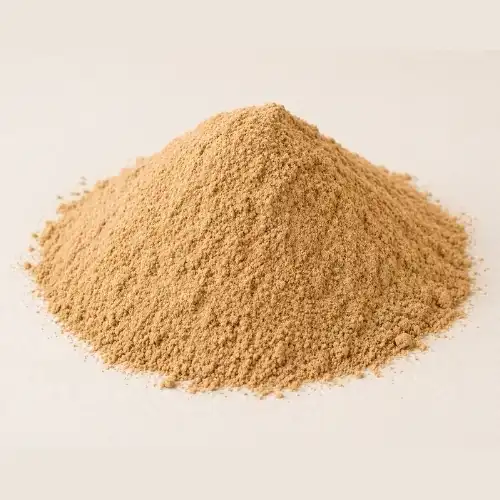
Understanding Ganoderma Lucidum and Its Extract
Origin and Traditional Significance
In traditional East Asian medicine, Ganoderma lucidum extract, which is also called Reishi or Lingzhi, has been used for a very long time now. The fruiting body grows on hardwood trees in humid forests. It has a unique kidney-shaped cap that feels like wood. In the past, it was known to be used as a medicine to make people live longer. Clinical research, on the other hand, has now confirmed many of these traditional uses. For industrial uses, the switch from the old way of preparing to concentrated extracts is a big step forward.
Extraction Methodologies and Their Impact
The bioactive profile and usefulness of the final product depend on how it was extracted today. Hot water extraction is mostly used to get rid of polysaccharides, especially beta-glucans, which can change the immune system. Alcohol extraction is used to separate triterpenoids, like ganoderic acids, which help reduce inflammation. Dual extraction uses both methods one after the other to make a full-spectrum profile that keeps all of the healing properties of the mushroom. The solubility, stability, and ability to work with other formulations are all affected in different ways by each method.
There are two special ways that Yangge Biotech gets the bioactive material out of plants that keep as much of it as possible while still meeting EU purity standards. The GMP rules that our factories follow make sure that the extraction parameters don't change from one production cycle to the next. Controlling the temperature, extraction time, and solvent ratios is very important to get standard polysaccharide concentrations of 30 to 50 percent, which can be proven by HPLC analysis. When we get this technical, our partners in manufacturing can be sure that the formula will work the way they want it to.
Extract Versus Raw Powder
What makes extracts and raw powders different is their concentration. This makes a big difference in how much to use and how well the product works. Because polysaccharides make up only about 2% to 5% of raw Reishi powder, therapeutic doses must be much higher. Standardized extracts with 30–50% polysaccharides offer more bioactivity in smaller amounts. It is now easier for customers to follow the directions, and it costs less to make each effective dose. As well as being more stable in a lot of different ways, from capsules to functional drinks, extracts keep working well over time.
Extracts of good quality go through strict testing steps that raw powders usually don't have to go through. We make sure that our Ganoderma lucidum extract meets strict PAH4 standards. Also, testing by Eurofins shows that the amount of benzopyrene is always less than 10 parts per billion. International markets are getting more attention from rules, mostly in the US and the EU. This makes these quality standards more important.
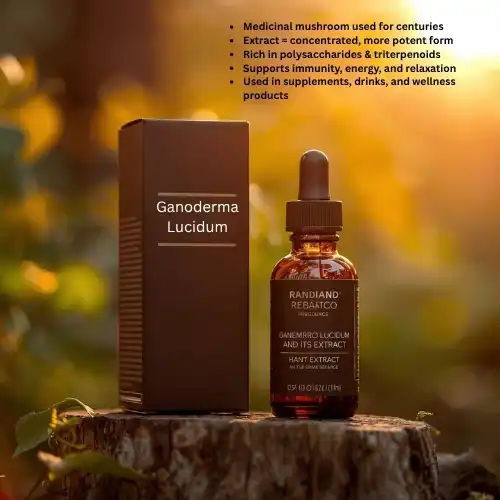
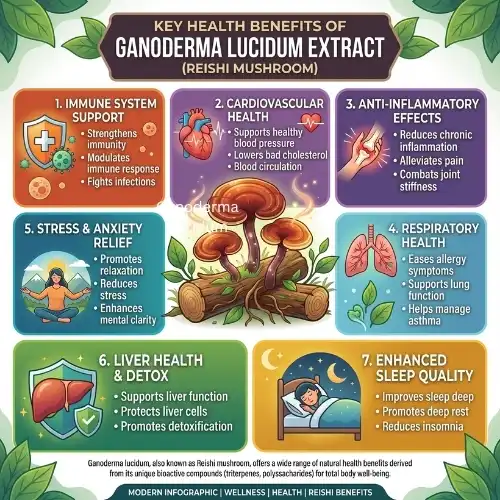
Key Health Benefits of Ganoderma Lucidum Extract for the Body
Immune System Modulation
There are sugars in Ganoderma lucidum extract that work with immune cell receptors, mainly those on natural killer cells and macrophages. This helps them work better without giving them too much to do. It was found that beta-glucans connect to complement receptor 3. This makes the immune system work better, which makes it easier to find and get rid of pathogens. Instead of just boosting the immune system, Reishi polysaccharides can change things both ways. They can speed up immune responses that have been slowed down and calm down reactions that are going too fast, which is common in autoimmune diseases.
Supplements may help keep your immune system healthy, which may lower the number of infections you get and their length. Controlling cytokines, especially interleukin production, is part of the process. Interleukin helps immune cells talk to each other. Since the extract takes a balanced approach, it can be used in formulas that want to boost the immune system slowly rather than quickly.
Anti-Inflammatory and Antioxidant Action
Ganoderic acids are very good at reducing inflammation and do this in more than one way. They stop mast cells from putting out histamine, which makes allergic reactions less strong. Plus, these triterpenoids stop inflammatory enzymes from working. Specifically, they stop cyclooxygenase and lipoxygenase from making chemicals that cause inflammation. Its antioxidant power comes from getting rid of free radicals directly and making antioxidant enzymes in the body work better, like superoxide dismutase and glutathione peroxidase.
A lot of long-term illnesses are caused by oxidative stress, and the cumulative effect takes care of it. Keeps DNA, protein complexes, and cell membranes safe from oxidative damage, which may slow down the loss of function that comes with getting older. The extract is great for anti-aging and wellness products for people who care about their health because it reduces inflammation and protects cells from damage.
Cardiovascular and Metabolic Support
Triterpenoid has been studied in new ways to see how it changes heart markers. Animal tests have shown that lipid profiles get better as HDL levels rise and LDL and triglyceride levels fall. Changing the enzymes in the liver that make and use cholesterol seems to be involved in the process. People who were studied had small drops in blood pressure. This could be because some ganoderic acids work like ACE inhibitors.
Hepatoprotective Properties
Compounds from reishi are especially good for the liver because they help clean out the body and protect hepatocytes from chemical damage. Studies have shown that people whose livers were exposed to hepatotoxic substances have lower levels of liver enzymes after being exposed to the extract. Making more glutathione and better bile flow are likely two of these protective effects. These help the organ do its main job of metabolism and detoxification.
Neurological and Stress Adaptation
Adaptogenic properties help the hypothalamic-pituitary-adrenal axis and other systems that deal with stress. The extract seems to support healthy cortisol rhythms during long-term stress and lower cortisol spikes that happen during short-term stress. Some studies show that it might protect neurons by lowering inflammation and raising the levels of neurotrophic factors, but there isn't a lot of evidence from people yet. Because these products help with mental health and stress management, more and more people are interested in them.
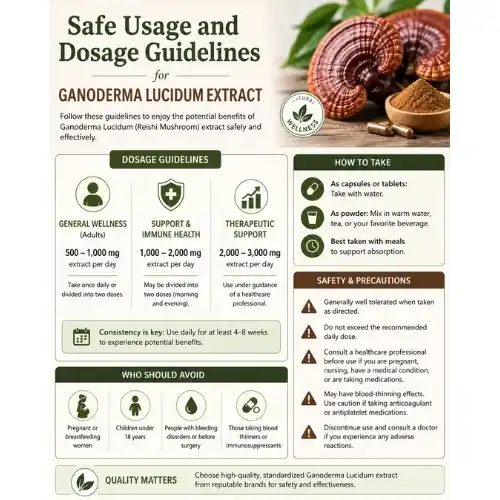
Safe Usage and Dosage Guidelines for Ganoderma Lucidum Extract
Recommended Dosage Parameters
You need to know how Ganoderma lucidum extract is standardized and what it will be used for to know how much to take. To help the immune system, most people need 500 mg to 1500 mg per day of extracts that are standardized to 30% polysaccharides. Extra strong extracts (50% polysaccharides) let daily doses of 300 mg to 1000 mg work. Most of the time, 150 mg to 500 mg of triterpenoid-focused extracts are used because they are so strong. There is more than one active compound that needs to be delivered for the product to work. Formulation engineers need to figure out how to do this.
Because of concerns about taste, applications for drinks have unique issues to solve. Because reishi is naturally bitter, the taste needs to be carefully hidden or the dose needs to be kept low so that it can still be tasted. Between 50 and 200 mg of extract is found in most successful RTDs. They also have flavorings that work with the bitter and earthy notes instead of against them. Concerns about taste don't come up with encapsulated formats, so higher therapeutic doses can be used without having to worry about people not taking them.
Safety Profile and Contraindications
The extract is safe for a lot of different types of people with the right doses. Few and mild side effects have been reported so far. Most of them are digestive issues in sensitive people during the first few weeks of use. A very small number of people have had very rare allergic reactions to Reishi, but not as many as with common food allergens. Our non-GMO and non-allergen certified product lowers these risks by having strict testing and controls in place all along the supply chain.
It's important to be careful when talking to some groups. Some evidence shows that anticoagulant drugs may have mild effects on making blood thinner. People who take these drugs should talk to their doctors about this. People who have problems with bleeding or who are about to have surgery may need to stop taking it for a while. Anyone who is immunosuppressed and taking medicine after a transplant needs to be closely watched by a doctor, as the immune-modulating effects of the medicine could possibly mess up immunosuppressant therapy. Women who are pregnant or nursing shouldn't take supplements because we don't know enough about their safety.
Quality Control Imperatives
Because medicinal mushrooms can get contaminated, they need to be checked very carefully to make sure they are safe to eat. A big problem is that heavy metals like lead, arsenic, cadmium, and mercury can build up on growing substrates. These metals need to be checked against known safety limits. There are times when pathogens or a lot of bacteria can get into a product and make it less safe and less stable on the shelf.
To protect against these risks, Yangge's quality system checks things more than once. When the raw materials get there, they are checked for identity, heavy metals, and microbial loads. In-process controls are used to keep an eye on the parameters of the extraction and the level of purity in the middle. Finally, finished goods are fully analyzed by independent labs like Eurofins, who measure the amount of polysaccharides, look for pesticide residues that meet EU standards, and make sure they meet PAH4 requirements. Through this methodical process, each batch that is shipped meets the high quality standards needed for markets that are sensitive.
Comparing Ganoderma Lucidum Extract with Other Popular Extracts
Extract Versus Whole Mushroom Powder
Because Ganoderma lucidum extract is stronger, it can be used in real life. Every day, you need to eat three to five servings of whole mushroom powder to get the same amount of bioactives as 500 to 1000 mg of good extract. These two types of protocols are very different. Whole powder protocols need 6–10 capsules, while extract protocols only need 1–2 capsules. As expected, when people follow the rules, they take fewer pills, which improves following the rules and, ultimately, outcomes.
Differences in bioavailability make dose differences even worse. In the cell walls of mushrooms, you can find chitin, a fiber that people can't digest. In most cases, it keeps bioactive compounds inside cells, but this can happen during extraction. It is easier to absorb polysaccharides and triterpenoids when they are freed up during extraction to do it right. Whole powders are good for you because they have fiber and some compounds that aren't found in extracts. However, they aren't always reliable for therapy because people digest and absorb them in different ways.
Reishi Versus Cordyceps Extract
They are both good for you because they boost your immune system, but they do it in very different ways and offer other benefits that are very different. Cordyceps militaris extract is often found in sports nutrition and fatigue management products because it speeds up the body's use of oxygen and energy. Bioactives in it, such as cordycepin and adenosine analogs, change how cells use energy. Because reishi has a special mix of polysaccharides and triterpenoids, it works better at changing the immune system and helping the body deal with stress.
Product positioning opportunities arise from these differences. Cordyceps fits with ideas about performance and vitality, which makes it appealing to people who are busy and want to feel more energized. Reishi is good for people who care about their health and want to boost their immune systems, live longer, and deal with stress. Some companies mix the two extracts to make medicines that help with more health problems and work better together. To make sure they work well together, though, these mixes need to be carefully balanced and tried out.
Organic Versus Conventional Production
Chemicals used in farming are making more and more people nervous. Organic certification helps calm those fears. Organic Reishi farming doesn't use synthetic fertilizers and pesticides, which may lower the risk of residues. So, if you do integrated pest management in conventional farming the right way and test it, it can also lead to very low residue levels. A lot of tests are done to make sure that our natural extract always meets or beats the EU's pesticide standards.
Cost considerations become very important. Costs of production are usually 30–50% higher because of the steps needed to get organic certification and the limited input options. This has a direct effect on wholesale prices. When conventional certified extracts are put through a lot of tests, they offer great value without sacrificing safety for formulas that are trying to reach price-conscious markets. It depends on the tastes of the target market and how well the company is positioned in the market. Natural/organic branding and premium positioning strategies may make organic sourcing worth the extra cost.
Capsule Versus Liquid Extract Formats
What format is used depends on the purpose, the need for reliability, and the people who will be reading it. Encapsulated powders stay stable for a long time and protect delicate compounds from light, oxygen, and moisture. They are great for therapeutic-dose protocols because they give accurate doses and don't taste bad. Methods for making things are well known and work well when used on a large scale.
Liquid extracts can be used for many things, but the two most common are functional drinks and systems that are put under the tongue. Since the bioactives are already broken down, they are absorbed faster at first. However, when it comes to bioavailability, they aren't much better than capsules. Things don't stay stable as well in liquid forms, so you need to be very careful when picking preservatives and changing the pH. Tinctures that use alcohol-based solvents stay stable, but they have to deal with rules and consumer tastes that change from market to market. Microbes can't grow in water-based liquid extracts, so they need to be kept cold or in strong storage systems.
Conclusion
Ganoderma lucidum extract is an ingredient that has been shown to work by science to help the immune system, reduce stress, and promote wellness with the goal of living a longer life. Bioactive compounds that are mostly polysaccharides and triterpenoids make up most of it. At doses that work for capsules, tablets, and functional drinks, these bioactives are known to have therapeutic benefits. That is why suppliers need to be carefully looked at, certifications need to be double-checked, and products need to be tested by a third party to make sure they are pure, effective, and in line with rules. The extract can be used in cosmetics, nutraceuticals, and functional foods. This makes it a useful ingredient for companies that want to sell to health-conscious consumers who care about safety, effectiveness, and clear labels.
Partner with Yangge for Premium Ganoderma Lucidum Extract Supply
Quality sourcing decisions have a direct effect on how well a product works, how well it follows the rules, and how well the brand is known. Yangge Biotech specializes in pharmaceutical-grade Ganoderma lucidum extract that is standardized to 30–50% polysaccharides and meets strict EU standards with testing documentation that has been checked by Eurofins. Our ISO, HACCP, GMP, and Kosher-certified facilities make sure that there is consistency from batch to batch, which is important for formulation performance.
As a well-known company that makes ganoderma lucidum extract, we can support both R&D-stage development and commercial-scale production needs. Our flexible MOQs start at 1 kg, and we can track the product from farm to table. Our technical team gives you advice on how to extract, how to use, and how to deal with regulations based on the needs of your market. Contact us and email info@yanggebiotech.com to talk about your specific needs, ask for samples, or get bulk pricing on high-quality Reishi extract that will make your products stand out.
FAQ
Q: Can we get some samples to test before purchasing?
A: Of course, we can provide free samples of 20 to 100 grams, but the shipping cost is at the customer's expense. The shipping cost can be deducted from the next order, or the samples can be sent through your courier account.
Q: Do your products have relevant certifications?
A: Yes, our products are certified for HALAL, ISO, HACCP, Kosher, and other certifications.
Q: What is the minimum order quantity (MOQ)?
A: Small batches of samples can be customized according to your requirements.
Q: Do you offer OEM and ODM services? Can the formula be customized based on our own?
A: Of course, we provide ODM and OEM services to many customers. Our product range includes softgels, capsules, tablets, sachets, granules, and private label services. Simply contact us and let us know your requirements. Our experienced R&D team can also develop new products with specific formulas.
Please contact us to design your own branded products.
Q: How do you handle quality complaints?
A: First, we have a comprehensive quality control SOP. We provide authoritative third-party inspection reports for almost all products before shipment to minimize the possibility of quality issues. Second, we have a comprehensive return and exchange procedure. If there is a genuine quality dispute, we will strictly follow the SOP.
Q: How do you ship? How long does delivery take?
A: For small orders, we typically use DHL, UPS, EMS, FedEx, or TNT. Delivery typically takes 3-7 days. We also offer air and sea freight services. We have a strong freight forwarding team and can provide you with a one-stop service, including DDP and DDU.
Q: What are your payment terms?
A: 100% prepayment, payable by T/T, Western Union, MoneyGram, or PayPal.
Q: What is the shelf life of your products?
A: 2 years with proper storage.
Q: Is the packaging environmentally friendly?
A: We attach great importance to environmental protection and are constantly improving our product packaging. Some products are packaged in recyclable paper. Packaging materials are carefully selected to ensure product safety during transportation and storage, and to minimize environmental impact. We are committed to achieving a balance between environmental friendliness and practicality in our product packaging, and to contributing to sustainable development.
References
1. Batra, P., Sharma, A.K., and Khajuria, R. (2013). "Probing Lingzhi or Reishi medicinal mushroom Ganoderma lucidum: A bitter mushroom with amazing health benefits." International Journal of Medicinal Mushrooms, 15(2), 127-143.
2. Wachtel-Galor, S., Yuen, J., Buswell, J.A., and Benzie, I.F.F. (2011). "Ganoderma lucidum (Lingzhi or Reishi): A medicinal mushroom." In: Herbal Medicine: Biomolecular and Clinical Aspects, 2nd edition, CRC Press.
3. Sanodiya, B.S., Thakur, G.S., Baghel, R.K., Prasad, G.B., and Bisen, P.S. (2009). "Ganoderma lucidum: A potent pharmacological macrofungus." Current Pharmaceutical Biotechnology, 10(8), 717-742.
4. Bishop, K.S., Kao, C.H.J., Xu, Y., Glucina, M.P., Paterson, R.R.M., and Ferguson, L.R. (2015). "From 2000 years of Ganoderma lucidum to recent developments in nutraceuticals." Phytochemistry, 114, 56-65.
5. Jin, X., Ruiz Beguerie, J., Sze, D.M., and Chan, G.C. (2016). "Ganoderma lucidum (Reishi mushroom) for cancer treatment." Cochrane Database of Systematic Reviews, Issue 4, Art. No.: CD007731.
6. Ahmad, M.F. (2018). "Ganoderma lucidum: Persuasive biologically active constituents and their health endorsement." Biomedical and Pharmacology Journal, 11(3), 1717-1727.

Based on your location and order quantity, you will have the opportunity to receive a limited time free shipping promotion!
Who we are
Popular Blogs