What are the food applications of lutein powder?
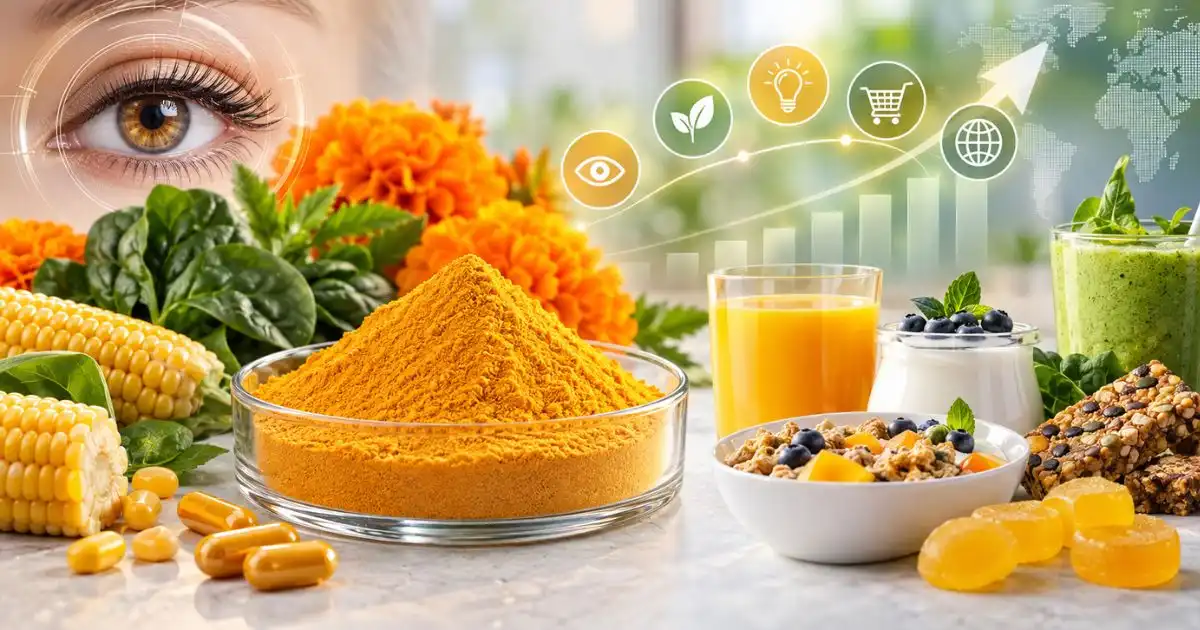
Lutein powder, extracted primarily from marigold flowers, serves multiple food applications ranging from dietary supplements to infant formula and functional beverages. This xanthophyll carotenoid functions as both a natural colorant and a nutritional fortifier, offering eye health benefits while meeting clean label demands. Its antioxidant properties protect against oxidative stress, making it valuable across soft gels, tablets, gummies, and fortified dairy products. For B2B procurement professionals, understanding these applications enables strategic sourcing decisions aligned with consumer wellness trends and regulatory compliance standards. Contact us or email at info@yanggebiotech.com to talk about your needs and get samples that show why top brands trust Yangge as their Lutein source for marigold extract. Visit blog.yanggebiotech.com for additional technical resources supporting your product development initiatives.
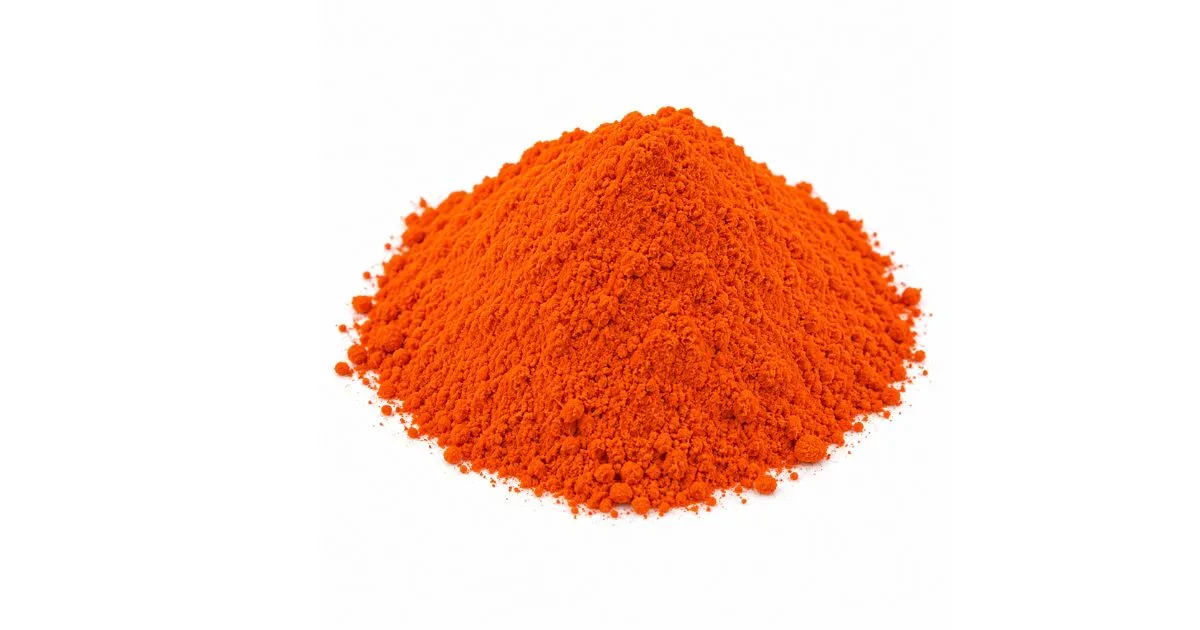
Understanding Lutein Powder and Its Food Industry Relevance
What Makes Marigold Extract Lutein Unique?
Marigold leaves naturally have a lot of xanthophyll carotenoids, which makes them the best industrial source for extraction. The fine orange powder that is made has a concentration range of 5% to 80%, so it can be used for a wide range of manufacturing needs. Unlike synthetic alternatives, material made from marigolds is non-GMO, non-irradiated, and allergen-free. It also passes European PAH4 rules with benzopyrene amounts below 10 ppb. Different from synthetic colorants, this natural pigment is both a strong colorant and a good source of nutrients.
Understanding the chemistry behind this carotenoid shows why it is important for food use. Because of the way its molecules are structured, it can join with fatty cell membranes and protect structures from oxidative damage that comes from inside and outside the cell. This two-way protection is why studies always find a link between what you eat and your macular health. The AREDS II study showed that giving supplements to people at risk slowed the progression of advanced age-related macular degeneration by 25% over five years.
Forms and Bioavailability Considerations
In business, there are two main types of forms: esterified forms and free forms. There are naturally esterified forms in marigold flowers that are linked to fatty acids such as lauric, myristic, and palmitic acids. As a result of saponification, these esters change into their free form, which is found mostly in food and doesn't need to be broken down by enzymes in order to be absorbed. When B2B clients are choosing between forms, they need to keep in mind that esters are more stable during storage and processing, while the free form is immediately bioavailable and doesn't need to be changed by the digestive system.
The problem of fat absorption can be solved with water-dispersible beads and microencapsulated powders. Standard material only breaks in lipid environments, which means it can't be used in low-fat or clear drinks. By spray-drying with protective matrices, new formulation technologies make forms that dissolve in cold water. This makes them more useful in juice drinks, sports drinks, and plant-based milk replacements without changing the taste or clarity.
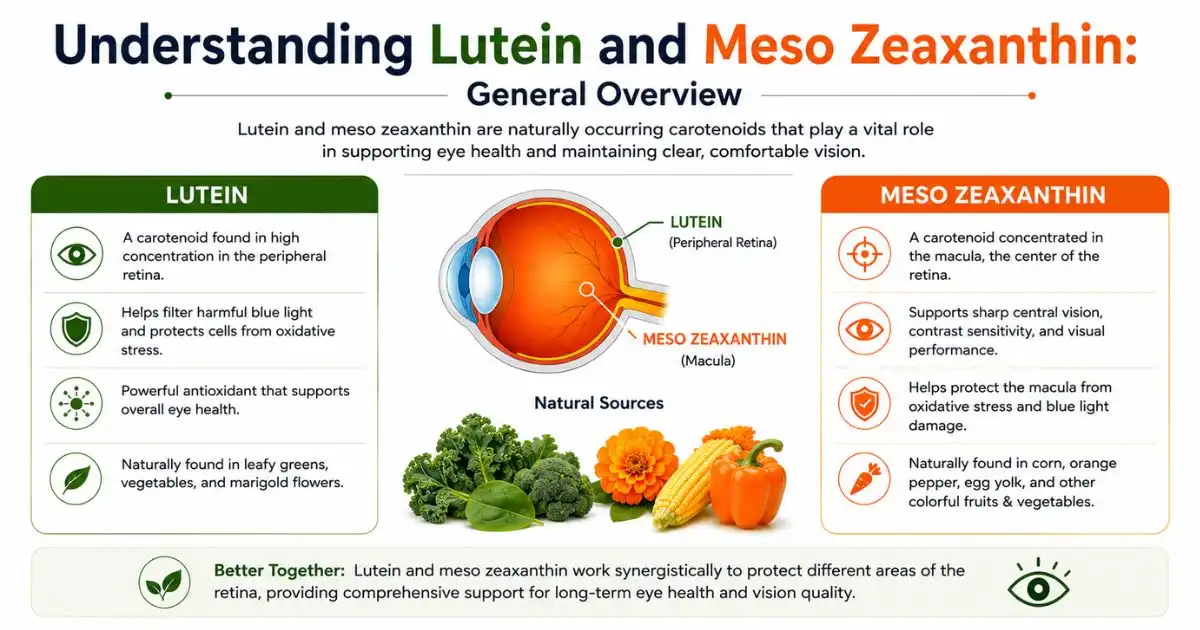
Key Food Applications of Lutein Powder
Eye Health Supplements and Nutraceuticals
Marigold extract is the main ingredient used by companies that make goods to help with eyes. Soft gel capsules usually have 10 to 20 mg of oil-suspended concentrations per serving, which is the same amount that was used in clinical studies. Microencapsulated powders are used to keep hard capsules and tablets stable when they are compressed and exposed to humidity. The protective coating stops potency loss caused by oxidation, which is a big problem for brands that care about quality.
Gummy products are hard to make technically because they are sensitive to changes in temperature. Grades that are water-dispersible can handle the heating processes needed for pectin or gelatin-based materials without breaking down too much, and incorporating Lutein into such formulations is feasible when using these stable grades. This gives brands that are aimed at kids or adults who like chewable forms more options. However, formulation knowledge is still needed to balance sweetness, texture, and active ingredient safety over the 24-month shelf life when stored according to the instructions.
Infant Formula and Early Nutrition Products
This carotenoid is naturally found in human breast milk at levels of about 25 mcg per liter, which shows that it plays a part in babies' visual and mental development. Formula makers all over the world add it to make their products more like breast milk. They usually aim for 100 to 250 mcg per liter in reconstituted goods. Regulatory bodies in North America, Europe, and Asia all agree that it is safe for babies to eat, though the highest amounts that are allowed and the testing methods that are required vary from place to place.
Microencapsulated powders are necessary for this type of application because of strict stability standards and the need for powder mixes to be evenly distributed. The protective matrix keeps the carotenoid from coming into contact with minerals like copper and iron, which speed up the breakdown process through oxidation. Throughout a product's shelf life, quality assurance programs must make sure that the actual content matches what the label says it is. This will address concerns from suppliers about the accuracy of the content during procurement.
Functional Beverages and Dairy Applications
This eye-healthy ingredient is showing up more and more in sports drinks, fitness shots, and soups that have been fortified because people want more than just water. Water-dispersible emulsions make it possible to make beverages that are clear or almost clear without separating or settling during distribution. Fortification amounts usually fall between 2 and 6 mg per 250 ml serving. This makes a big difference in nutrition without changing the taste or needing a lot of changes to the recipe.
Depending on the amount of fat and how they are processed, dairy and plant-based options come in both oil-suspended and water-dispersible forms. Standard oil suspensions work well with whole milk and yogurt, but skim milk and almond milk varieties need emulsified versions. The naturally occurring yellow-orange color makes foods like cheese, butter, and ice cream look better and has health benefits that appeal to people who are looking for extra value in standard categories.
Bakery, Snacks, and Confectionery
Microencapsulated grades are used in bread, cereals, and nutrition bars so they can handle baking temperatures above 180°C without breaking down much. The technology keeps the heat-sensitive molecule safe during the mixing, proofing, and baking cycles. This makes sure that finished products keep the potency that was listed on the label. Natural color from the carotenoids gets rid of the need for artificial dyes and helps with the clean label placement that is becoming more and more important for buying requirements.
Oil-based solutions can be used to coat extruded snacks and breakfast foods after they have been made. This method keeps the item from being exposed to high temperatures and high shear forces during extrusion processes. To keep candy like hard candies and chocolate from crystallizing or fat blooming during storage, it's important to carefully choose carrier systems that work with sugar matrices or cocoa butter environments.
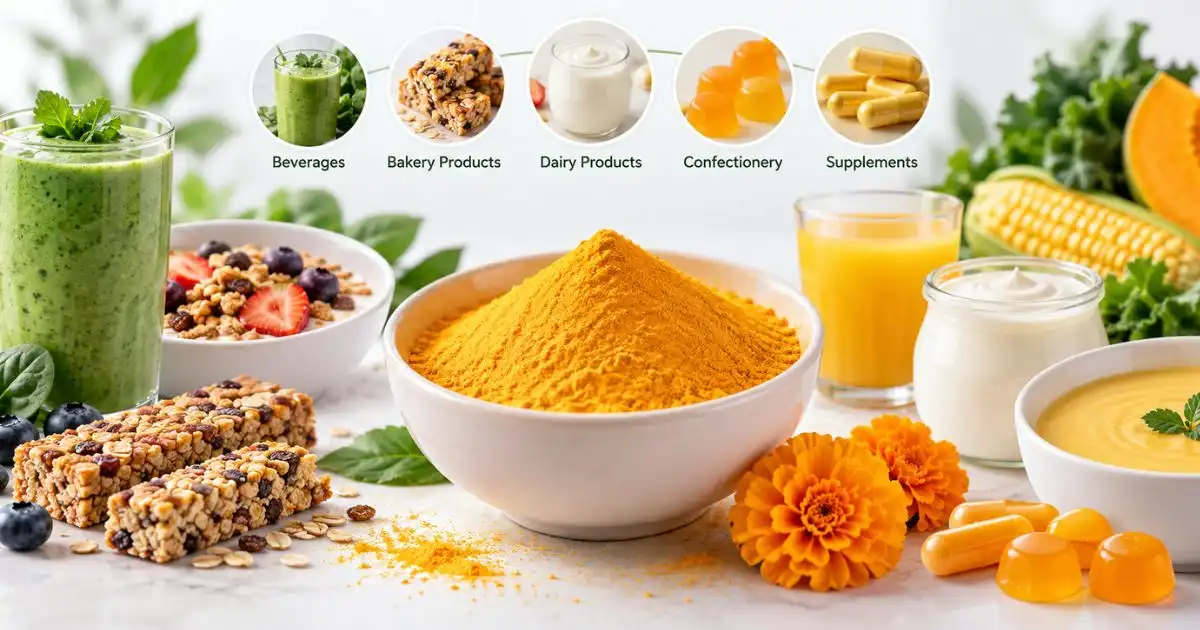
Procurement Considerations for Food-Grade Lutein Powder
Quality Standards and Certification Requirements
Buyers in business-to-business (B2B) must make sure that sellers of Lutein have full certification portfolios that cover food safety, religion needs, and organic claims when they apply. Certifications like ISO 22000, HACCP, and GMP show that quality control is done in a planned way throughout the whole production chain. Kosher and Halal certifications help brands reach more customers in these groups. On the other hand, USDA or EU Organic certifications put brands in a higher category, but supplies are still less plentiful than for regular grades.
For food uses, legal acceptability is set by GRAS status in the US and Novel Food approvals in European markets. Suppliers should show proof that they follow the rules about food additives and the highest amounts that can be used for each type of product. Third-party testing by approved labs makes sure that standards are met for purity, potency, heavy metals, pesticide residues, and bacteria. This builds trust in the ability to track materials and confirm their origins throughout the supply chain.
| Quality Parameter | Standard Specification | Testing Method |
|---|---|---|
| Assay (Free Equivalent) | 5% to 80% depending on the needs | HPLC-UV/DAD |
| Heavy Metals (Pb) | ≤ 2 ppm | ICP-MS |
| Benzopyrene | ≤ 10 ppb | GC-MS |
| Microbiology (TPC) | ≤ 1,000 cfu/g | Plate Count |
| Particle Size (D50) | 40–80 μm (powder) | Laser Diffraction |
Supplier Selection and Due Diligence
When looking at possible partners, you need to look at their production ability, technical help, and past work with clients like yours. Suppliers that offer OEM and ODM services help with composition in ways that are specific to each product format. They do this by solving technical problems with solubility, stability, and sense integration. Site checks or audit reports from a third party show how products are made, how they should be maintained, and how to keep them from getting contaminated. These are all very important for making sure that quality is always delivered.
Traceability systems that connect finished batches to specific marigold blooms show supply chain openness, which is something that brands that talk about sustainability value. Good Agricultural and Collection Practices certifications make sure that the plants used in products come from controlled cultivation, which is better for the environment and helps farming communities through fair trade. As brands become more aware that customers expect more than just good products, these factors are starting to have a bigger impact on their purchasing decisions.
Packaging, Storage, and Logistics
When stored or transported, aluminum foil bags that are flushed with nitrogen keep the goods safe from light and air. Custom packaging choices can be made to fit orders of any size, from 1 kg pieces for testing recipes to 25 kg drums for mass production. For grades that are oil-suspended and water-dispersible emulsions that are sensitive to cold or too much heat that could make them less stable or cause them to separate, temperature-controlled operations become necessary.
The best way to store original containers is in dark, dry places that are tightly sealed and kept below 25°C. If you follow these rules, the material will stay in good shape for the normal 24-month shelf life. Buyers should find out if the shelf life starts from the date of making or the date of shipping, and they should also set up procedures for retesting materials that are getting close to expiration to make sure they are still meeting quality standards before adding them to production runs.
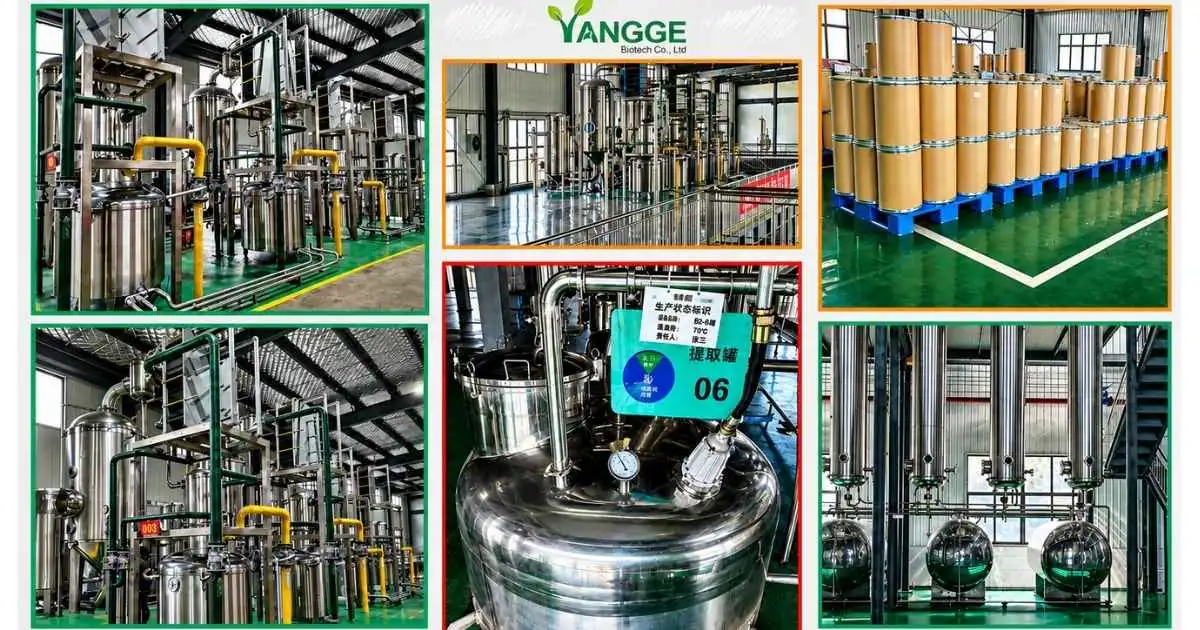
Market Trends and Innovations in Lutein-Enhanced Food Products
Growing Consumer Demand for Eye Health Solutions
As the world's populations age quickly, more people are becoming aware of eye diseases and ways to avoid getting them. Market research shows that the category of eye health supplements is growing at rates that are higher than 7% per year, and this carotenoid is a key ingredient in many of the best-selling products. As people of all ages spend more time on screens, they become more worried about the blue light they are exposed to. This makes protective antioxidants relevant to more than just seniors.
Transparency in sourcing and manufacturing processes affects buying choices because informed customers look into where ingredients come from and how they are made. Companies that talk about where their marigold flowers come from, how they are grown in a way that doesn't harm the environment, and how they are tested by a third party build trust and stand out in crowded markets. Procurement teams know that partnerships with suppliers that go beyond just doing business and include technical work together and market knowledge give them a competitive edge during the product development cycle.
Technological Advances in Formulation and Delivery
Microencapsulation is a big step forward in solving problems with stability and application flexibility. Spray-dried beadlets have protective layers of changed starches, proteins, or gums that keep the carotenoid safe from outside stresses and allow for controlled release. This technology lets oil suspensions be added to products that weren't able to do so before. This gives product makers who are looking for new forms more creative options.
Nanotechnology studies how to make particles smaller to improve bioavailability by making more surface area available for absorption. Nanoemulsions are still new in the business world, but early studies show that they improve uptake efficiency, which could mean that smaller doses are needed to have the same physiological benefits. Business-to-business clients who are keeping an eye on these developments are getting ready to use next-generation ingredients as soon as the rules are clear and production levels are high enough to make the business profitable.
Sustainability and Regulatory Evolution
As brands resolve to reducing their carbon footprint and finding sustainable sources, they change the terms of their purchases to reflect this. Suppliers that use renewable energy in their factories, use as little water as possible, and support regenerative farming practices are in line with the sustainability goals of companies that investors and customers are becoming more interested in. When bidding against other providers, certifications that list these promises set them apart, even if the technical specs look the same.
Regulatory environments are always changing because allowed usage levels, labeling requirements, and health claim substantiation standards are all reviewed on a regular basis. Keeping up with these changes across target markets can save you a lot of money on costly changes to the formula or problems with compliance. Established suppliers keep up-to-date on regulatory affairs so they can help clients navigate the rules in each state, offering paperwork packages that make the process of registering products easier and speed up the time it takes for new products to hit the market.
Real-World Success in Lutein Food Applications
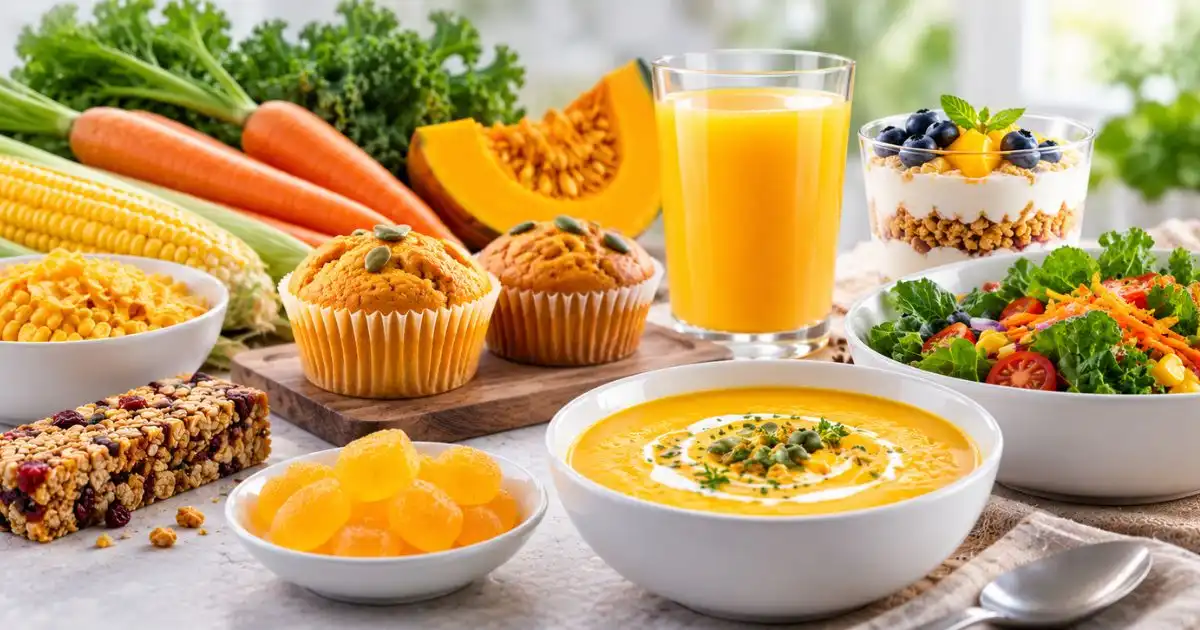
Leading supplement companies have built strong market positions around high-potency Lutein soft gels that deliver 20 mg per serving and are mixed with zeaxanthin and omega-3 fatty acids to help eye health in a synergistic way. These goods use clinical study to show that they work, turning scientific proof into easy-to-understand messages about maintaining macular density and blocking blue light. When brands clearly explain the benefits of preventive nutrition and build trust through open sourcing, sales show that people are willing to spend money on it.
Manufacturers of infant formula were able to get around the technical problems that came up with heat stability during retort sterilization by choosing the right stabilized microencapsulated grades. Working together, ingredient sources and formula makers were able to find the best dosing amounts to match the ranges found in breast milk. They also made sure that there were no color changes or off-flavors during processing or storage. Because of this careful preparation work, goods were made that met nutritional goals without affecting their taste, which is very important for babies to eat.
Functional beverage makers came up with eye health shots for digital workers who are worried about eye strain from their screens. The concentrated amounts of 10-15 mg in these small-volume forms come with extra ingredients like vitamin A and bilberry extract. Water-dispersible technology made it possible to make clear, pleasant formulas that are different from most supplement experiences. The way the product was received by the market showed that it was well-positioned at the point where convenience, effectiveness, and lifestyle fit all came together. This created a unique subcategory within the larger wellness drink trend.
| Application Category | Typical Dosage Range | Common Form Used |
|---|---|---|
| Adult Eye Health Supplements | 10–20 mg per dose | Beadlets and oil suspension |
| Infant Formula | 100–250 mcg/L freshly mixed | Powder in microcapsules |
| Functional Beverages | 2–6 mg/250 ml | mixture that can mix with water |
| Fortified Snacks/Bars | 1-3 mg per serving | Microencapsulated beads |
| Gummy Supplements | 5 to 10 mg/gummy | powder that mixes with water |
Conclusion
Marigold extract powder is used in many different kinds of foods, like functional drinks, fortified foods, dietary supplements, and infant nutrition. Lutein, a key carotenoid derived from marigold, plays a central role in this versatility. It fits with customer trends toward clean labels and mindful wellness because it can be used as both a natural colorant and an eye health ingredient backed by evidence.
To be successful at procurement, you need to know about form variations, stability issues, and quality control protocols. New technologies in microencapsulation and water-dispersibility make formulations more flexible, and environmentally friendly practices are becoming more and more important in choosing a provider. Brands can make unique goods that take advantage of growing market possibilities in the eye health area by working with certified providers that offer full support from formulation to regulatory compliance.
FAQ
What dosage levels are recommended for food fortification?
Clinical study has shown that eye health effects happen at levels between 10 and 20 mg per serving in supplements for adults. Infant formulas try to get the concentrations of 100–250 mcg per liter of reconstituted formula as close as possible to those in breast milk. Most functional foods and drinks contain between 2 and 6 mg per dose, which adds a healthy amount of nutrients without making the food too strong. Regulatory maximum amounts are different in each area, so it's important to check that the product will be legal in target areas while it's being developed.
How does processing affect stability and potency?
When something is being made or stored, heat, light, and air can break it down. Microencapsulation technology protects the carotenoid by using protective matrices that can withstand baking temperatures of up to 200°C and keep their stability for 24 months if they are stored properly. Water-dispersible forms can be used in drinks and low-fat foods while still being effective. By choosing forms that are compatible with working conditions, big loses are avoided between formulation and consumption.
Are there safety concerns or side effects?
A lot of research has shown that taking up to 20 mg of this substance every day through food and supplements is safe. High input has only been linked to one known side effect: mild carotenemia, which turns the skin yellow-orange for a short time and goes away when the intake drops. Regulatory bodies all over the world agree that it is safe for use in food, including infant formula, as long as the maximum amounts set by each state are followed.
Partner with Yangge for Premium Marigold Extract Lutein
Yangge Biotech is an expert in providing food-grade marigold extract powder with a concentration range of 5% to 80%. This powder is made from non-GMO marigold flowers that are grown in sustainable partnerships. This stuff is certified as ISO, HACCP, Kosher, and Halal, and it meets strict European PAH4 standards for benzopyrene levels below 10 ppb. Our technical team can help you with creation whether you are making eye health supplements, adding nutrients to baby formula, or coming up with new functional drinks.
They can do this by adapting to your specific application needs. We can package anything from 1 kg for testing purposes to large sales, and our foreign shipping is always on time.Contact us or Email at info@yanggebiotech.com to talk about your needs and get samples that show why top brands trust Yangge as their Lutein source for marigold extract. Visit blog.yanggebiotech.com for additional technical resources supporting your product development initiatives.
References
1. Sommerburg O, Keunen JE, Bird AC, van Kuijk FJ. Fruits and vegetables that are sources for lutein and zeaxanthin: the macular pigment in human eyes. British Journal of Ophthalmology. 1998;82(8):907-910.
2. Age-Related Eye Disease Study 2 Research Group. Lutein + zeaxanthin and omega-3 fatty acids for age-related macular degeneration: the Age-Related Eye Disease Study 2 randomized clinical trial. JAMA. 2013;309(19):2005-2015.
3. Seddon JM, Ajani UA, Sperduto RD, et al. Dietary carotenoids, vitamins A, C, and E, and advanced age-related macular degeneration. JAMA. 1994;272(18):1413-1420.
4. Stringham JM, Hammond BR. The glare hypothesis of macular pigment function. Optometry and Vision Science. 2007;84(9):859-864.
5. Johnson EJ. Role of lutein and zeaxanthin in visual and cognitive function throughout the lifespan. Nutrition Reviews. 2014;72(9):605-612.
6. Buscemi S, Corleo D, Di Pace F, et al. The effect of lutein on eye and extra-eye health. Nutrients. 2018;10(9):1321.

Based on your location and order quantity, you will have the opportunity to receive a limited time free shipping promotion!
Who we are
Popular Blogs