Which foods use black carrot anthocyanin extract?
Black Carrot Extract has become a go-to ingredient for food and beverage manufacturers seeking natural color solutions paired with functional health benefits. This anthocyanin-rich extract delivers vibrant red-to-purple hues while simultaneously boosting antioxidant content making it ideal for functional beverages, confectionery, dairy alternatives, baked goods, and nutritional supplements. With consumer demand for clean-label products accelerating, this dual-purpose ingredient helps brands replace synthetic dyes while adding marketable wellness positioning. Contact us or you can email info@yanggebiotech.com to get technical specs, application samples, or bulk pricing information that fits your specific manufacturing needs.
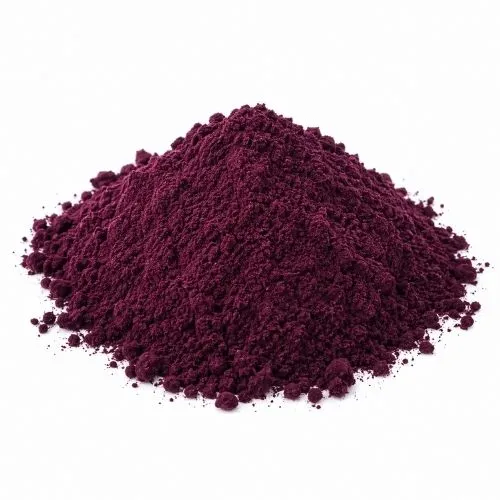
Understanding Black Carrot Anthocyanin Extract and Its Role in Food
What Makes Black Carrot Extract Unique?
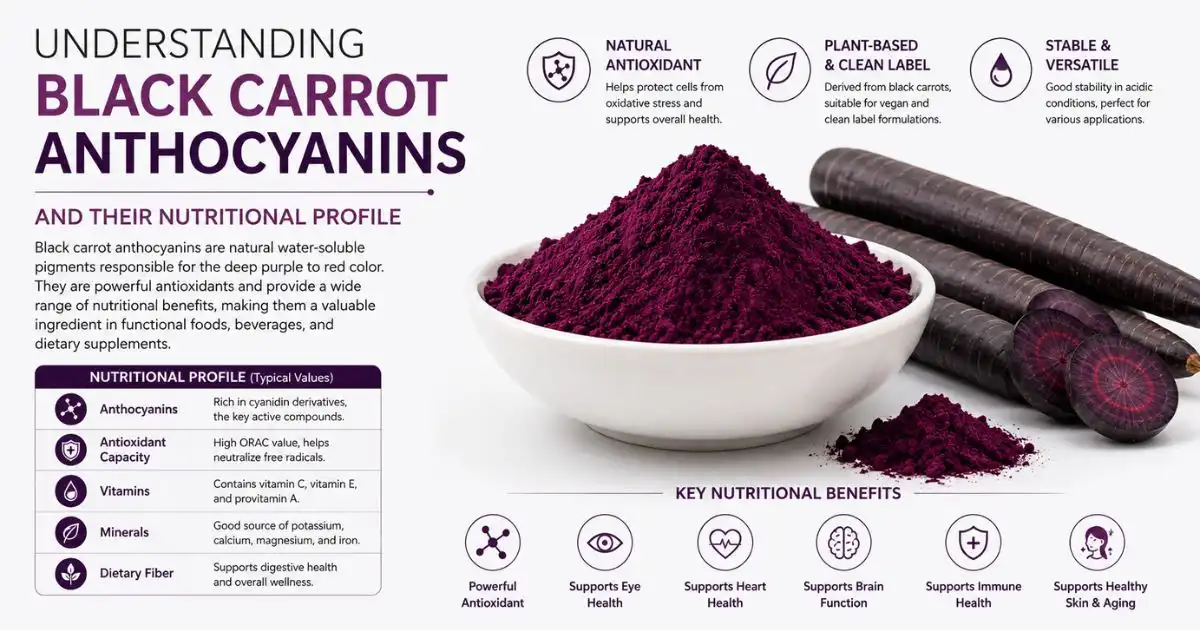
Because they come from the seeds of the Daucus carota subspecies, black carrots have a lot more anthocyanin than orange carrots. These water-soluble pigments not only give things a striking color, but they also protect cells from oxidative stress with their strong antioxidant properties. According to the USDA, 100 grams of black carrots have 334% of the daily recommended amount of Vitamin A. They also have a lot of fiber and potassium, which are nutrients that have useful effects when made into extracts.
Extraction Process and Product Specifications
To get the anthocyanins out of black carrot roots, the extraction process usually uses water-based or solvent-based ways. High-performance liquid chromatography (HPLC) testing checks the purity and amount of anthocyanin, making sure that there is stability from batch to batch, which is very important for industrial production. Quality extracts come in the form of dark red-purple powders that dissolve easily in water, making them easy to add to food systems that use water. Yangge's Black Carrot Extract goes through a lot of tests to make sure it meets European PAH4 standards. The levels of benzopyrene are kept below 10 ppb, which addresses important safety issues in foreign markets.
Clean-Label Advantages Over Synthetic Colorants
More and more people are pushing manufacturers to get rid of artificial dyes like Allura Red and Red 40 from their products. Black Carrot Extract is a natural alternative that people who care about their health will like, and it still keeps colors bright. The extract doesn't contain any GMOs or allergens, which is in line with clean-label positioning strategies. This helps brands adapt to changing customer tastes without lowering the product's visual appeal or shelf presence.
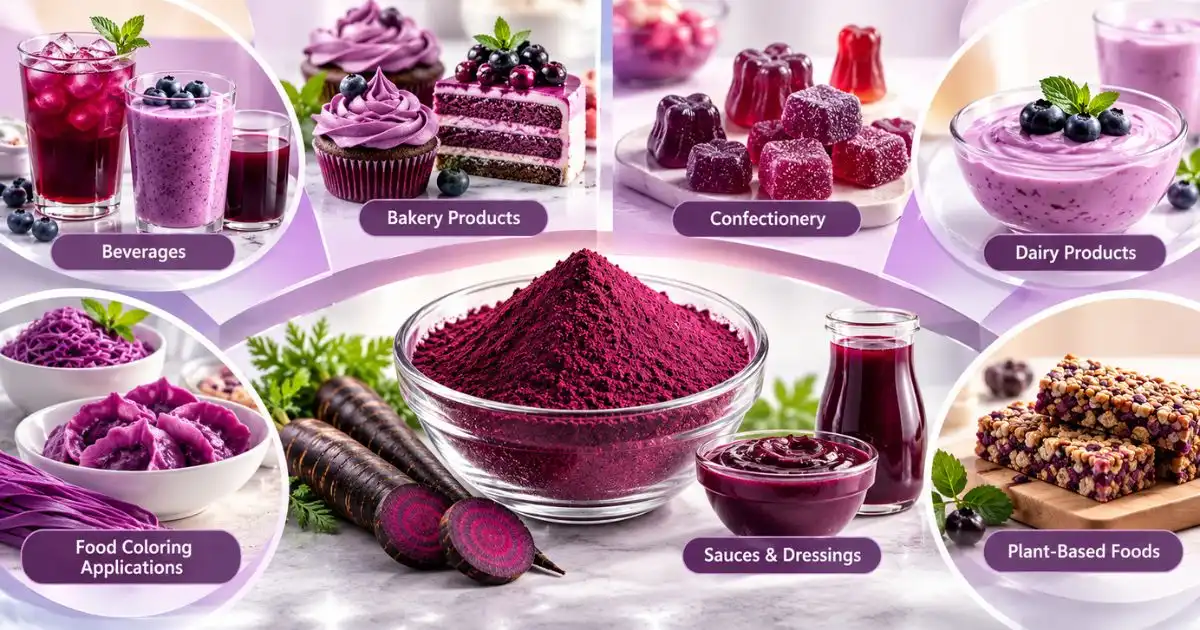
Common Food Categories Using Black Carrot Anthocyanin Extract
Beverages: Functional Drinks and Soft Drinks
One of the main industries that uses anthocyanin-based colorants is the beverage industry. Black Carrot Extract is used in sports drinks, vitamin waters, and functional juice mixes to make the colors pink to purple look good and to back up the antioxidant claims on nutrition labels. The extract is more stable at low pH levels than alternatives made from beetroot, so it keeps its color in acidic beverage systems like those found in carbonated soft drinks.
Manufacturers of functional drinks like the dual benefit natural coloring gets rid of worries about chemical dyes, and the anthocyanin content backs up claims that it lowers oxidative stress, which have been supported by peer-reviewed research. This mix makes it easier for R&D teams to organize ingredient decks while also improving the look and function of the product.
Confectionery: Gummies, Candies, and Chocolates
Black Carrot Extract is quickly being used by gummy companies instead of artificial red dyes in fruit-flavored goods. The anthocyanin dyes can handle the heat and acidity that are used to make gummies, and they keep their color over time. The extract's ability to withstand heat during cooking is useful for making sugar candies like hard candies and lollipops.
Chocolate makers use Black Carrot Extract in filled chocolates, especially fruit cores and ganaches with berry flavors, because the natural color makes the flavors stronger. The antioxidant activity also helps keep fat-based sweets from going bad, which could make the product last longer. This is an added benefit that purchasing teams are becoming more aware of when they look at ingredient value propositions.
Dairy and Plant-Based Alternatives
Black Carrot Extract is used to make strawberry, raspberry, and mixed-berry flavors in yogurt, ice cream, and dairy sweets without adding any fake ingredients. Because the extract doesn't react badly with dairy proteins and calcium, it doesn't cause the precipitation problems that can happen with some other natural colorants. The color consistency and clean label credentials of the extract also help plant-based dairy alternatives like oat milk, almond yogurt, and frozen desserts made from coconut.
It is known that anthocyanin degradation from light is a problem in clear dairy packaging. Quality extracts that have been processed more efficiently show better photostability. However, producers usually mix protective packing strategies with formulation optimization to make sure that the color stays true throughout all lines of distribution.
| Food Category | Typical Application | Primary Benefit | Dosage Range |
|---|---|---|---|
| Functional Beverages | Antioxidant waters and sports drinks | Color and health claims | 0.05% to 0.2% |
| Confectionery | Fruit chews and gummies | No changes in color when heated | 0.1% to 5% |
| Dairy Products | Ice cream and yogurt | Appeal of clean labels | 0.02% to 0.15% |
| Bakery | Fillings and frostings | Colors that come naturally | 0.1% to 3% |
Bakery Products and Snacks
Black Carrot Extract naturally adds pink to purple tones to cake batters, frostings, glazes, and fruit sauces that are used in baked goods. While baking, the anthocyanins are pretty stable at high temperatures. However, the color strength may change a little if the pH of the dough changes. The extract is added to snacks like fruit bars, granola clusters, and covered nuts to make them look better and support the "made with real fruit" message that customers like.
Culinary Applications and Prepared Foods
Black Carrot Extract is used by sauce makers to make berry-based dishes, salad dressings, and marinades. The fact that it dissolves in water makes it easier for it to spread evenly in liquids, and the antioxidant qualities may help keep the product stable. The extract is used in sauces and toppings for prepared meal kits and frozen dishes. This supports clean-label claims, which are becoming more important in the premium prepared food market.
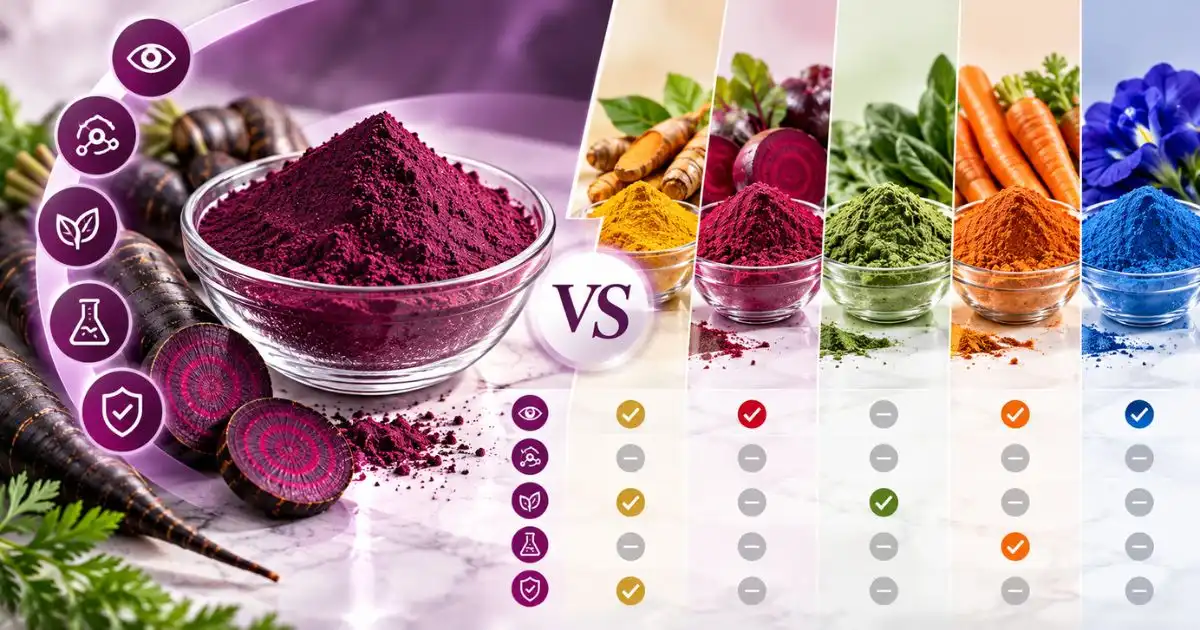
Why Choose Black Carrot Extract Over Other Natural Colorants?
Color Performance and Stability Comparison
There are times when Black Carrot Extract is better than other natural colorants for certain uses. When looking at color stability measures, black carrot works better in acidic pH ranges (3.0-4.5) than beetroot-based colorants, which tend to turn colors brown when the pH level is the same. The anthocyanin profile gives bright red-purple colors that don't change much at normal food processing temperatures up to 85°C. However, color loss may happen over time if the color is exposed to heat above this level for a long time.
Anthocyanin Content and Functional Benefits
The difference in function between coloring and enrichment is a key decision point for procurement teams. Standard preparations of black carrot color focus on the content of the pigment for visual uses, while anthocyanin-standardized extracts aim for specific amounts of active compounds (usually 5-25% anthocyanins by HPLC) to support health-related product positioning. Yangge's Black Carrot Extract has anthocyanin levels that have been tested and confirmed by a third-party lab. This eliminates the problem of different analytical methods that make it hard to compare suppliers.
Research in food science journals shows that anthocyanins from black carrots have antioxidant activity that can be tested with ORAC assays. This helps producers back up their claims that their products work. The bioactive compounds may be good for the health of the visual system and the protection of cells. These are qualities that can turn into marketable product stories when combined with the right regulatory frameworks.
Powder versus Liquid Form Selection
Formulation needs determine the best extract format to use. Powdered extracts are better for dry-mix uses because they can be stored for a long time, ship more cheaply, and be dosed precisely. The powder size works well for baking mixes, drink powders, and supplement pills that need to have very little water in them. Liquid concentrates are better for making drinks and processing liquid foods because they are easier to mix with water-based systems and don't cause dust problems in industrial settings.
Yangge sells Black Carrot Extract as a dark reddish-purple powder that mixes easily with water. It comes in protective metal foil bags that keep the powder from breaking down in light and absorbing wetness. If you store anthocyanin in containers that are tightly sealed and out of direct light, it will stay stable for the typical 24 months.
Quality, Sourcing, and Procurement Considerations
Certification Standards and Quality Assurance
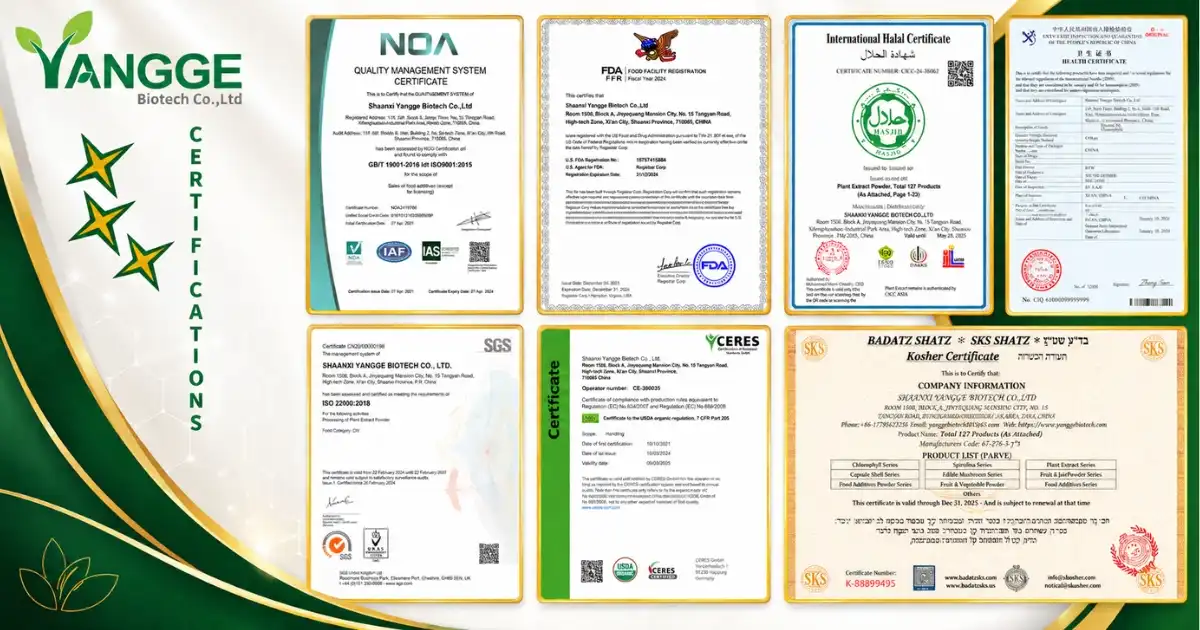
When purchasing managers look at Black Carrot Extract providers, they should focus on those with full certification files that show they follow international standards when making the product. ISO certification shows that quality management is done in a planned way, and HACCP certification shows that production has key control points that keep contamination risks low. Kosher and Halal certifications make it easier for products that are aimed at certain groups of people to reach new customers.
Yangge Biotech keeps all of its production sites certified in ISO, HACCP, Kosher, and Halal. This gives procurement teams the strict paperwork they need when they are looking for new suppliers. Our Black Carrot Extract is non-GMO verified and allergen-free, which solves two of the most common problems that come up when making food around the world. We are committed to going above and beyond basic safety requirements by following European PAH4 standards, especially the strict benzopyrene limit below 10 ppb.
Understanding Bulk Pricing and Supply Logistics
Depending on application volumes and formulation requirements, commercial Black Carrot Extract procurement typically entails yearly purchase commitments between $30,000 and $250,000. The prices depend on a number of factors, such as the amount of anthocyanins, whether the product is organically certified, and how it is packaged. When you commit to buying a lot of bulk powder, the price usually goes down, but during busy harvest times, waiting times for organic materials may grow to 6 to 8 weeks.
Controlling the temperature during international shipping is important because too much heat can speed up the breakdown of anthocyanin. Temperature monitoring systems help with container shipments, while air freight is better for smaller, more urgent orders, even though it costs more to ship. Yangge works with known freight partners who know how to handle plant extracts. This makes sure that all the paperwork is done correctly and that the temperature is managed throughout the supply chain.
OEM and Private Label Opportunities
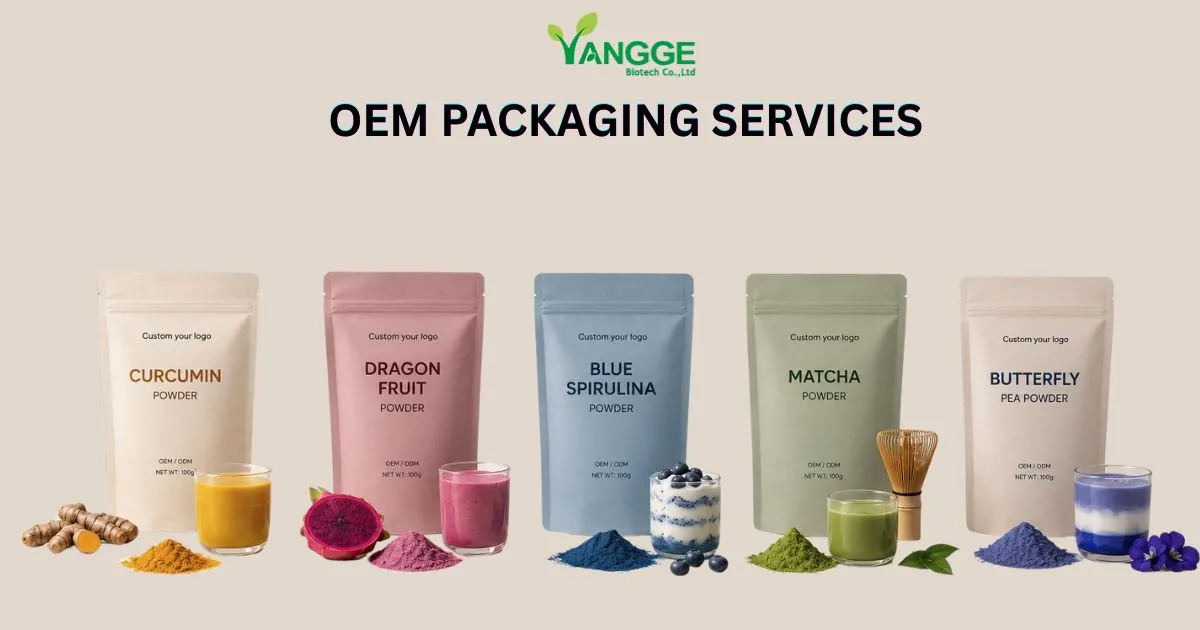
Custom formulation services let brands make their goods stand out by using special anthocyanin blends that mix Black Carrot Extract with plants that work well together. Through OEM partnerships, businesses can create custom color profiles that meet the needs of their brand identities while still having the freedom to make things in a variety of ways. Private label programs are good for new brands that want complete solutions but don't want to spend a lot of money on infrastructure for extraction.
Collaboration in research and development helps solve common formulation problems like color changes in different pH levels, interactions with other formula parts, and making sure that the anthocyanin in finished goods is bioavailable to the body. Technical support during application testing cuts down on the time it takes to get a new product to market, which is especially helpful for categories of fast-moving consumer goods that need to be released quickly for seasonal reasons.
Regulatory Compliance and Safety in Food Applications
Approved Usage Levels and Safety Data
Food safety officials around the world agree that Black Carrot Extract is safe for people to eat as long as it is used according to the rules that have already been set. European Union rules classify black carrot anthocyanins as E163 food colorants that can be used in most types of food without any limits on how much can be used. This shows that the ingredient is safe. The US Food and Drug Administration (FDA) says the ingredient is generally accepted as safe (GRAS) under 21 CFR Part 73. This means it can be used as a vegetable-based color agent in food.
Application rates are usually between 0.02% and 0.5%, but they depend on the color strength you want and the properties of the product matrix. Most beverage formulations use concentrations between 0.05% and 0.2%. On the other hand, higher inclusion rates up to 0.5% may be needed in confectionery to get saturated color tones. Toxicological studies show that eating colored foods in amounts much higher than what is normally ingested does not have any negative effects. This gives people who are concerned about safety peace of mind when making purchases.
Labeling Requirements and Health Claims
Listing as "Black Carrot Extract," "Black Carrot Concentrate," or "vegetable juice for color" is usually what's needed for an accurate ingredient statement, though this depends on the laws and processing method in the area. Because it comes from natural sources, companies don't have to put E-numbers on the front of the package in places where people are worried about how manufactured additives might make them feel. However, in EU countries, a technical statement in the ingredient list may include E163.
Antioxidant content claims must be backed up by lab tests and must follow the rules in each jurisdiction that govern structure-function claims versus disease prevention statements. In the U.S., makers usually talk about the anthocyanin content in terms of qualified health claims that support general wellness. They avoid using remedial language that would lead to drug classification. The European Health Claims Regulation (EC) 1924/2006 sets strict requirements for proof, which means that coordinated technical documentation is a must when a new product is registered.
| Regulatory Framework | Classification | Usage Restrictions | Labeling Requirement |
|---|---|---|---|
| EU (E163) | Color add-on that is allowed | No upper limit (for most types) | "Black Carrot Extract" or E163 |
| U.S. FDA (21 CFR 73) | GRAS color for vegetables | Generally thought to be safe | "Vegetable juice for color" |
| Codex Alimentarius | Colorant from nature | It is a quantum satis principle | Common name that describes |
Anticipating Regulatory Trends
New rules mean that natural colorant purity standards and pollution limits will be looked at more closely. Heavy metal testing methods are still changing, and it's likely that the standards for lead, cadmium, and arsenic in plant products will get tighter. To stay ahead of regulations, proactive suppliers spend money on analytical tools and controls over where they get their raw materials. This keeps customers from having to deal with supply problems when new rules go into effect.
Sustainability documentation increasingly influences procurement decisions as major food brands commit to supply chain transparency efforts, sustainability documentation has a bigger impact on buying choices. Traceability systems that connect finished extracts to specific agricultural sources help companies report their social responsibility while lowering the reputational risks that come with using sketchy methods of sourcing. Yangge has direct links with farming groups that make it possible to track food from the farm to the table. Their documentation systems meet even the strictest business procurement standards.
Conclusion
Black Carrot Extract is useful for many types of food production because it provides natural color solutions and antioxidant benefits. Because the ingredient can be used in a lot of different things, like drinks, candies, dairy products, baked goods, and nutritional supplements, it is a good choice for companies that are switching to clean-label formulas. Quality factors like checking the anthocyanin content, getting safety certifications, and making sure that each batch is the same have a direct effect on the success of the formulation and the reliability of the long-term supply.
Regulatory systems in major markets allow for broad use and allow value-added health positioning when it is properly supported. Partnering with well-known sellers who can show technical know-how, a wide range of certifications, and open sourcing practices can help buying teams deal with common problems like color stability changes and anthocyanin profile differences between production lots.
FAQ
How does Black Carrot Extract compare to synthetic red dyes in cost?
Natural extracts usually cost more per unit than synthetic ones, but Black Carrot Extract is more cost-effective overall when you look at the benefits of clean label marketing and the fact that stores are becoming less likely to use artificial colors. Premium placement made possible by natural ingredients usually explains small increases in the cost of raw materials. This is especially true for health-focused product categories where customers are willing to pay more for what they think is better quality.
What causes anthocyanin color variation between batches?
Changes in the anthocyanin content that happen naturally in agriculture are caused by seasonal growing conditions, differences in the soil, and differences between cultivars. Reliable suppliers use standardization protocols like spectrophotometric analysis and HPLC verification to make sure that color performance stays the same even when raw materials vary naturally. Instead of relying on subjective eye evaluation, objective measurement standards should be used to set acceptable color tolerance ranges in procurement specs.
Can black carrot extract withstand high-temperature processing?
Anthocyanins are pretty heat stable during normal food processing processes below 85°C. However, if they are exposed to high temperatures for a long time, they break down slowly. Short-term high-temperature processes, like pasteurization, keep most of the color intensity. On the other hand, cooking for a long time may need changes to the recipe or higher dose levels to make up for the loss of color intensity due to heat.
Partner with Yangge for Premium Black Carrot Extract Supply
Yangge Biotech specializes in sending pharmaceutical-grade Black Carrot Extract to food companies and supplement brands in North America, Europe, and the Middle East. This extract meets the strict requirements of these places. Our HPLC-verified anthocyanin profiles, full range of certifications (ISO, HACCP, Kosher, and Halal), and dedicated research and development support make us a trustworthy Black Carrot Extract provider dedicated to your product success. We keep strict quality controls, such as checking for benzopyrene levels below 10 parts per billion (ppb), to make sure that our products meet the highest safety standards for foreign shipping.
Our technical team works with procurement managers and research and development engineers to improve the stability of the color, the bioavailability of the anthocyanin, and the integration of the formulation into a wide range of applications.Contact us or you can email info@yanggebiotech.com to get technical specs, application samples, or bulk pricing information that fits your specific manufacturing needs.
References
1. Food and Drug Administration (USDA). (2021). National Nutrient Database for Standard Reference: Nutritional Composition of Black Carrots. United States Department of Agriculture Agricultural Research Service.
2. European Food Safety Authority (EFSA). (2013). Scientific Opinion on the Re-evaluation of Anthocyanins as Food Additives. EFSA Journal, Panel on Food Additives and Nutrient Sources.
3. Montilla, E.C., Arzaba, M.R., Hillebrand, S., & Winterhalter, P. (2011). Anthocyanin Composition of Black Carrot Cultivars and Stability of Their Phenolic Compounds. Food Chemistry Journal, Volume 125, Issue 2.
4. Codex Alimentarius Commission. (2019). General Standard for Food Additives (GSFA): Natural Color Additives of Vegetable Origin. Joint FAO/WHO Food Standards Programme.
5. Kammerer, D., Carle, R., & Schieber, A. (2004). Quantification of Anthocyanins in Black Carrot Extracts and Evaluation of Their Color Properties. European Food Research and Technology, Volume 219, Number 5.
6. International Organization for Standardization. (2018). ISO 22000:2018 Food Safety Management Systems: Requirements for Organizations in the Food Chain. International Standards for Business, Government and Society.

Based on your location and order quantity, you will have the opportunity to receive a limited time free shipping promotion!
Who we are
Popular Blogs