What Are the Applications of Oat Beta Glucan in Beverages?
Oat Beta Glucan has emerged as a transformative ingredient in beverage formulation, addressing multiple functional and nutritional challenges simultaneously. This soluble fiber with its unique (1,3/1,4) β-linkage structure enables beverage manufacturers to create products that deliver clinically validated heart health benefits while enhancing mouthfeel and texture. From cholesterol-management drinks to immune-supporting formulations and satiety-driven weight management beverages, oat beta glucan powder offers versatility that meets regulatory standards and consumer expectations across global markets.
Understanding Oat Beta Glucan and Its Relevance in Beverage Applications
Molecular Structure and Nutritional Profile
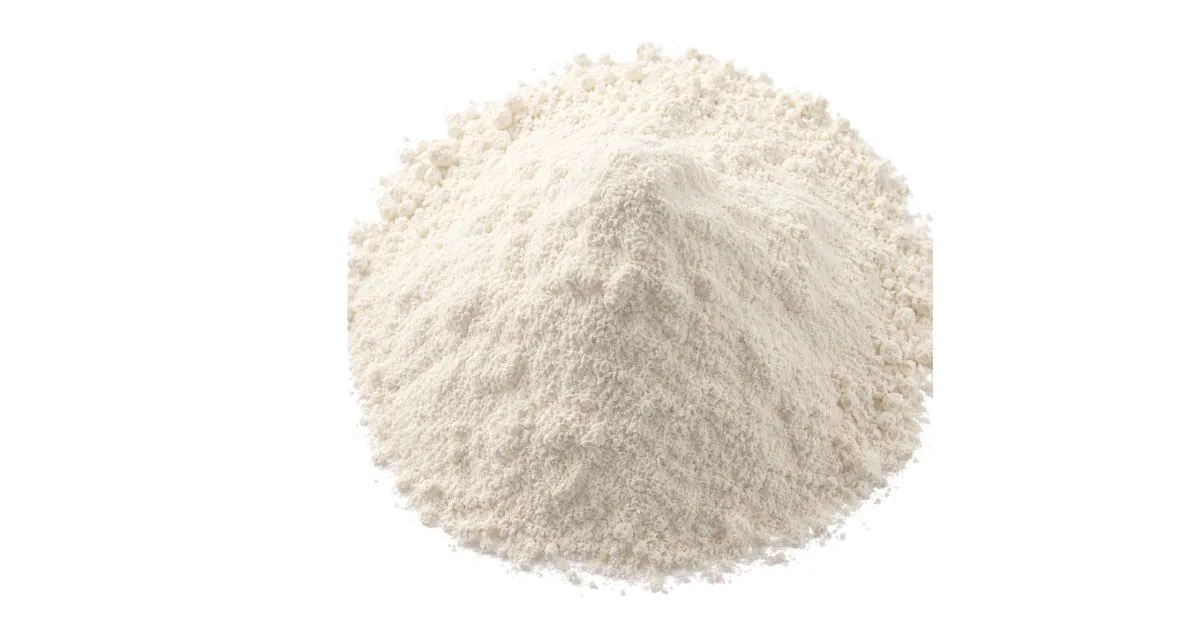
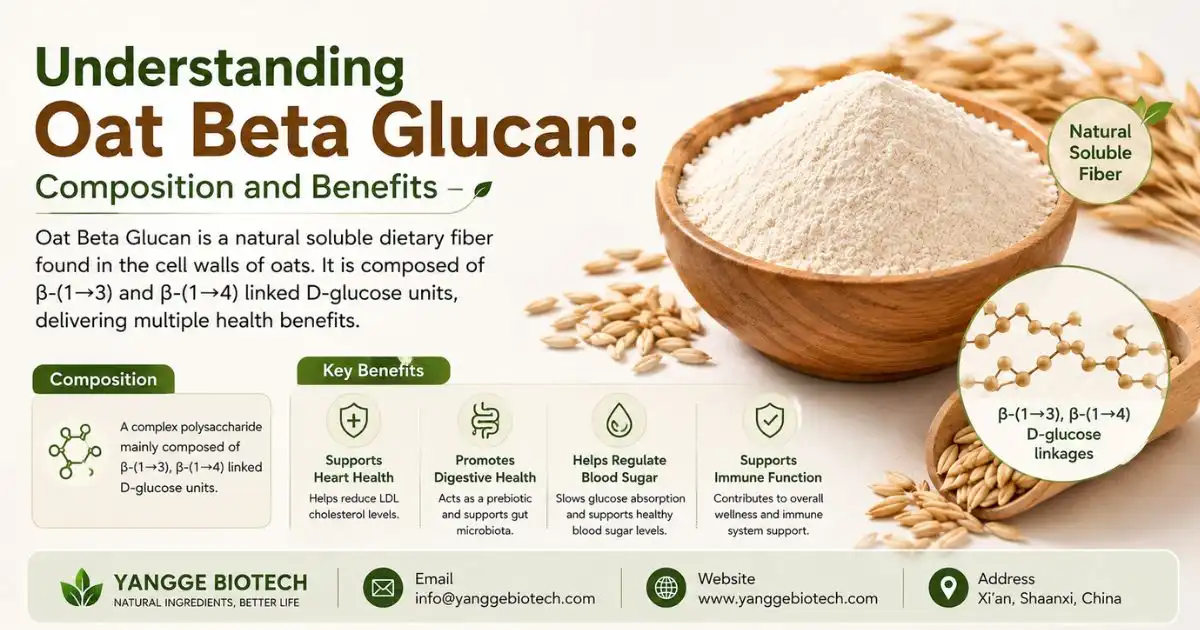
The endosperm cell walls of non-GMO oats (Avena sativa) are used to make oat beta-glucan powder, which is a highly purified, water-soluble dietary fiber. It is fundamentally different from yeast or mushroom glucans because it has a linear polysaccharide structure made up of glucose units connected by β-(1→3) and β-(1→4) glycosidic bonds. This particular structure is what gives the ingredient its great ability to dissolve and form viscosity when mixed with water.
Over thirty years of research, scientists have found that Oat Beta Glucan is a beneficial ingredient that has affects on the heart, metabolism, and immune system. The FDA and EFSA both agree that it can lower cholesterol, so health claims can be made as long as products contain at least 0.75g per serving, which adds up to 3g per day. This approval from the government increases demand among companies that make functional drinks that want to set their products apart by claiming they are good for you.
Comparative Advantages Over Alternative Fibers
Compared to barley beta glucan, psyllium husk, or wheat bran, oat-derived beta glucan is better at dispersing in cold water and has a neutral taste profile. Barley glucan has a similar structure, but it's not as well known to consumers or appealing as a clean label. While psyllium is good for your digestive health, it can make drinks less stable by gelling, and it can cause allergen concerns that aren't present in oat ingredients.
The way Oat Beta Glucan's molecular weight is distributed has a direct effect on its stickiness and physiological effectiveness. High-molecular-weight parts (>1,000 kDa) make the liquid very thick, which is great for drinks that make you feel full and improve the taste of foods. Low-molecular-weight versions keep their bioactivity while making processing easier and making them more compatible with uses that use a lot of acid or heat. This practical freedom lets formulators choose the right ingredients for each type of drink and the way it needs to be processed.
Core Applications of Oat Beta Glucan in Beverage Industry
Heart Health and Cholesterol Management Drinks
A lot of people have been using Oat Beta Glucan in cardiovascular health drinks for a long time. Clinical studies have shown that eating 3g every day can lower LDL cholesterol by 5–10%, which is a big enough drop to lower the risk of heart disease. To get this appropriate dose in multiple daily doses, drink companies make shakes, fortified juices, and functional dairy options that are ready to drink.
Soluble fiber works by binding to bile acids in the digestive tract. This causes the liver to turn more cholesterol into bile acids, which lowers the amount of cholesterol in the blood. This path based on proof gives beverage makers marketing claims that can be backed up by science. This is especially helpful in North American and European markets where people are more concerned about heart health and want to buy higher-end products.
Immune-Boosting Functional Beverages
New study shows that Oat Beta Glucan can change the immune system, but these benefits are not the same as those of yeast-derived (1,3/1,6) glucans. Although oat glucan's effects on the immune system are not as strong as its effects on the cardiovascular system, the soluble fiber in it helps keep the gut microbiome healthy, which indirectly improves immune function. More and more, people who make drinks are mixing Oat Beta Glucan with vitamins C and D, zinc, and elderberry extracts to make drinks that help the immune system and can be used for daily prevention or seasonal health.
The fact that the ingredient works with probiotic strains makes it even more useful in products that focus on gut health and immunity. Prebiotics and probiotics work together to make things better. For example, beta glucan gives good bacteria a place to grow while also keeping the drink stable during pasteurization, which would kill live cultures otherwise.
Satiety Enhancement and Weight Management Formulations
Because it makes things thicker, Oat Beta Glucan is very useful in weight management drinks that are meant to make you feel full and eat fewer calories as a result. When the fiber gets wet, it turns into a gel-like substance that slows down gastric emptying and delays signals of fullness. This feature is used by appetite-controlling drinks, protein smoothies, and meal replacement shakes to help people on low-calorie diets feel full without sacrificing taste or texture.
For satisfaction purposes, the recommended dose is usually between 3 and 5 grams per meal, which is higher than the minimums recommended for heart health. This concentration makes the taste better in a visible way, which formulators have to balance against what consumers want in terms of texture. Beta glucan types that are agglomerated or partially hydrolyzed have lower viscosity while still offering satiety effects. This gives formulators more options for making drinks with different viscosity profiles.
Texture, Mouthfeel, and Stability Improvement
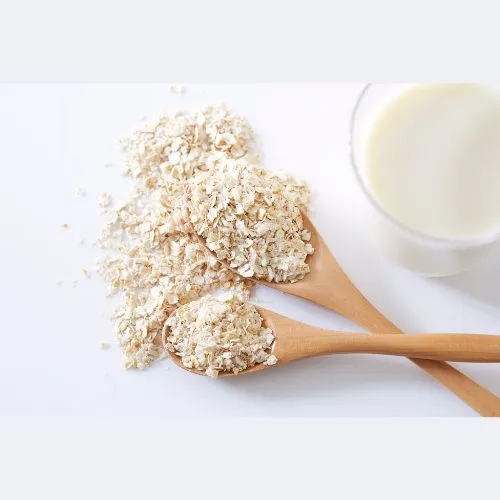
Oat Beta Glucan is good for your health, but it is also very important for the technology in beverage systems. Its hydrocolloid traits keep emulsions stable, keep particles in suspension, and give low-fat or plant-based products a creamy taste. Beta glucan is added to dairy-alternative drinks, like oat milk options, to make them feel fuller and less watery or thin than other plant-based drinks.
The ingredient is very stable at both high and low temperatures and in a wide range of pH levels under normal beverage handling settings. It keeps working even after being pasteurized at high temperatures, processed cold, and stored in acidic (pH 3.5–4.5) conditions that are common in fruit-based drinks. This toughness makes formulating easier and lowers technical risk during scale-up, which is especially helpful for companies that are adding functional categories to their product lines.
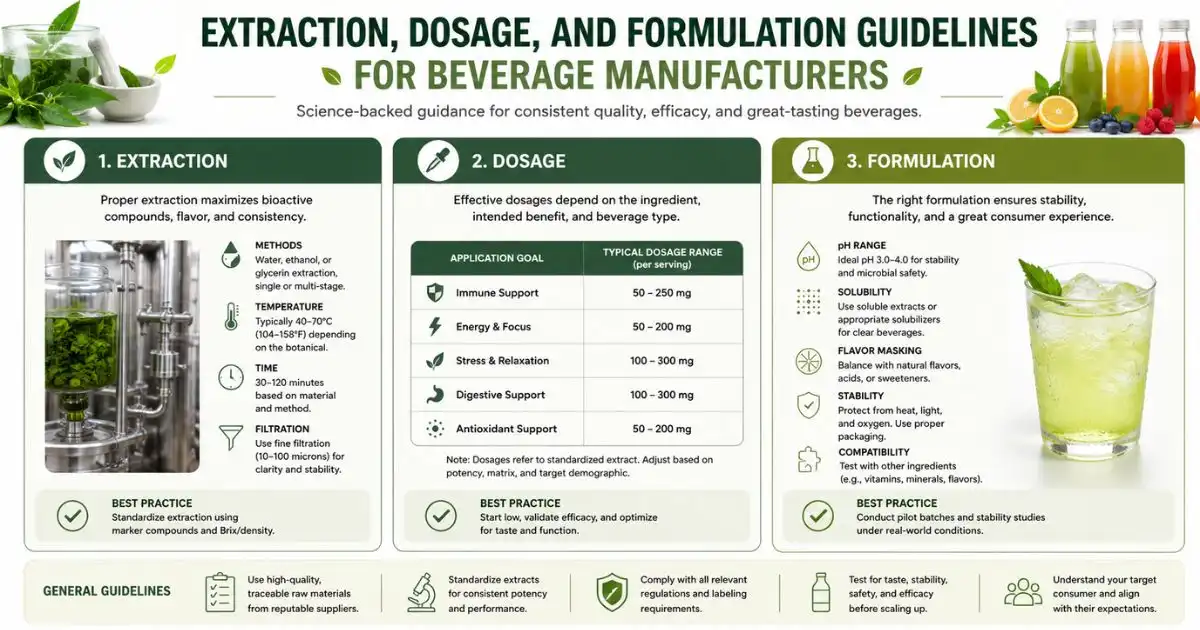
Extraction, Dosage, and Formulation Guidelines for Beverage Manufacturers
Sourcing High-Purity Beta Glucan
The beta glucan percentage of high-quality Oat Beta Glucan Powder for beverage uses must be at least 70%, as determined by enzyme-based methods (AOAC 995.16 or AACC 32-23), which set it apart from starch and other polysaccharides. Premium grades are 90% or more pure, which means they have more bioactivity in smaller doses. Yangge's Oat Beta Glucan powder is a fine, off-white powder that comes from non-GMO oats that have not been irradiated and are fully certified allergen-free.
Functional qualities and shelf life are greatly affected by the extraction process. The molecular weight and structure integrity of substances are better preserved by enzyme-extraction methods than by harsh chemical processes. This leads to better viscosity performance and bioactivity preservation. Manufacturers should ask for certificates of analysis that confirm the amount of beta glucan, the distribution of molecular weight, and the viscosity requirements, which are usually found using Brookfield viscometry on a 0.5% solution.
Recommended Dosage Ranges for Optimal Efficacy
The following table shows dosage suggestions based on evidence for a variety of beverage uses:
| Application Category | Recommended Dosage per Serving | Daily Servings Target | Primary Benefit |
|---|---|---|---|
| Heart Health Beverages | 0.75-1.5g | 2-4 servings | Cholesterol reduction (FDA/EFSA claim-eligible) |
| Satiety/Weight Management | 3-5g | 1-2 servings | Appetite control, gastric retention |
| Immune Support Formulations | 1-2g | 2-3 servings | Microbiome support, indirect immune modulation |
| Texture Enhancement Only | 0.3-0.8g | Variable | Mouthfeel, stability, suspension |
Manufacturers of drinks that want to make health claims that are legal must make sure that their formulations meet minimum standards while still having good sensory qualities. Managing viscosity becomes very important at higher dosage levels. This means picking the right molecular weight grades and maybe using processing methods that lower viscosity.
Compatibility with Common Beverage Ingredients
Although Oat Beta Glucan is generally compatible with different types of beverages, there are some interactions that need extra attention during formulation. It replaces fat and keeps things stable in dairy systems, which lowers syneresis and raises creaminess. Beta glucan makes up for naturally thin textures in plant-based milk replacements, so they benefit in the same way.
When it comes to acidic drinks, you need to be extra careful because low pH can slowly break down glycosidic bonds, which lowers molecular weight and stickiness over time. These effects can be lessened with buffering systems, the right stabilizers, and cold-fill processing. Protein-fortified drinks might have protein-polysaccharide interactions that change the clarity and suspension. These interactions can be controlled by changing the pH and the order in which the ingredients are hydrated.
Common functional ingredients that are compatible are caffeine, vitamins, minerals, and botanical extracts. Beta glucan doesn't get in the way of taste delivery or nutrient bioavailability, so it can be used in complicated functional formulations that aim to provide multiple health benefits. To make sure the product will work for a long time, formulators should try its shelf-life stability in the way it will be stored.
Regulatory Frameworks and Safety Profiles
With set acceptable daily intake amounts and extensive safety paperwork, Oat Beta Glucan is a generally recognized as safe (GRAS) food in the United States and an approved novel food in the European Union. The allergen profile of the ingredient is good, but if manufacturers want to make celiac-safe claims, they need to make sure that the oats they use don't come from sources that could cross-contaminate with gluten.
Yangge's Oat Beta Glucan powder meets European PAH4 standards and keeps benzopyrene amounts below 10 ppb, which is well below what is allowed by law. ICP-MS tests for heavy metals shows that the amount of lead and arsenic is less than 0.5 ppm, which meets strict international safety standards. Tests for microbes make sure that the total plate count is less than 1,000 CFU/g and that Salmonella and E. coli are not present. coli, which is very important for beverage uses where the risk of contamination is higher because of the liquid matrix.
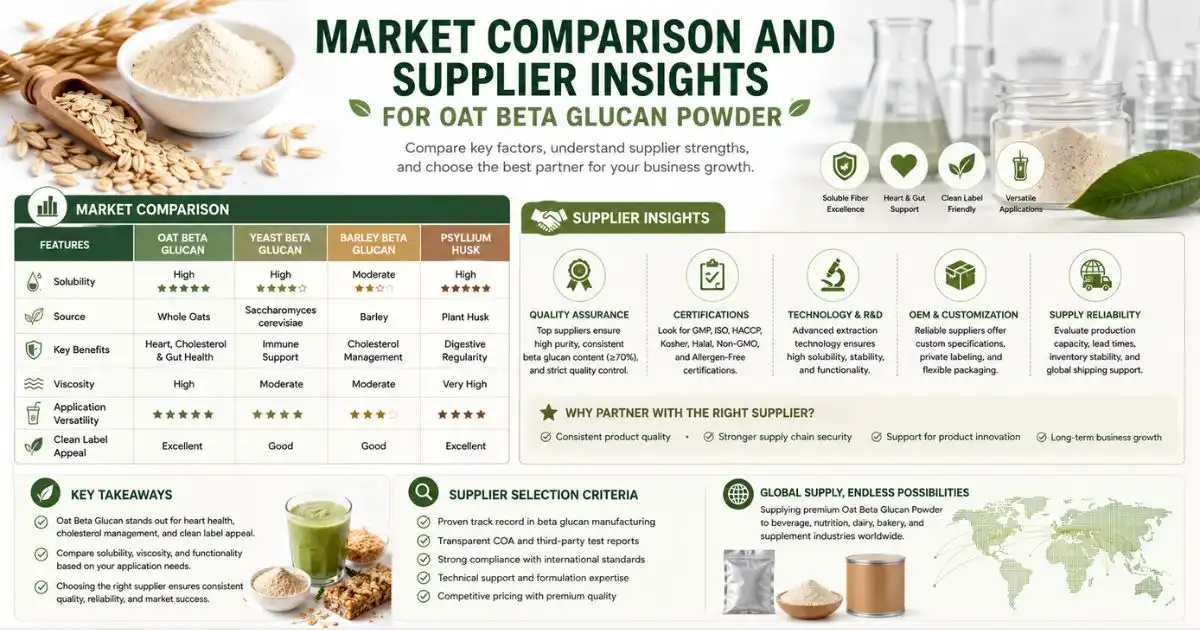
Market Comparison and Supplier Insights for Oat Beta Glucan Powder
Global Supplier Landscape and Capabilities
There are both large ingredient conglomerates and specialized processors that focus on high-purity functional fibers in the Oat Beta Glucan supply market. When purchasing goods, managers look at how consistently the goods are made, how well they can help with technical issues, what kinds of certifications they have (like organic, non-GMO, kosher, and halal), and how reliable their logistics are. Vertical integration, which includes sourcing the oats, extracting them, and cleaning them, makes the supply chain more clear, which is something that quality-conscious brands are asking for more and more.
Yangge Biotech has ISO, HACCP, Kosher, and Halal certifications, which means that they manage quality throughout the whole production process. The company keeps track of food from the farm to the table by building long-term relationships with farming communities. This helps the company meet its social responsibility goals and ensures the quality of its raw materials. Starting at 1 kg, the smallest order quantity can be used for both R&D samples and large-scale purchases, and the inventory is kept at 50–100 kg to ensure quick delivery.
Bulk Purchasing Considerations and Quality Metrics
To help you choose which Oat Beta Glucan powder grade to buy, the table below shows some of the most important issues:
| Quality Parameter | Standard Grade (70-75%) | Premium Grade (80-85%) | Ultra-Pure Grade (90%+) |
|---|---|---|---|
| Beta Glucan Content | 70-75% | 80-85% | ≥90% |
| Typical Price Range* | Baseline | +25-40% premium | +60-90% premium |
| Recommended Application | Cost-sensitive functional foods | Heart health claims, quality beverages | Pharmaceutical-grade, premium supplements |
| Molecular Weight Range | 300-800 kDa | 500-1,200 kDa | 800-2,000 kDa |
| Solubility Profile | Requires heat or shear | Moderate cold-water dispersibility | Instant cold-soluble options available |
*Relative prices are just a guide; real costs depend on sales, market factors, and supplier.
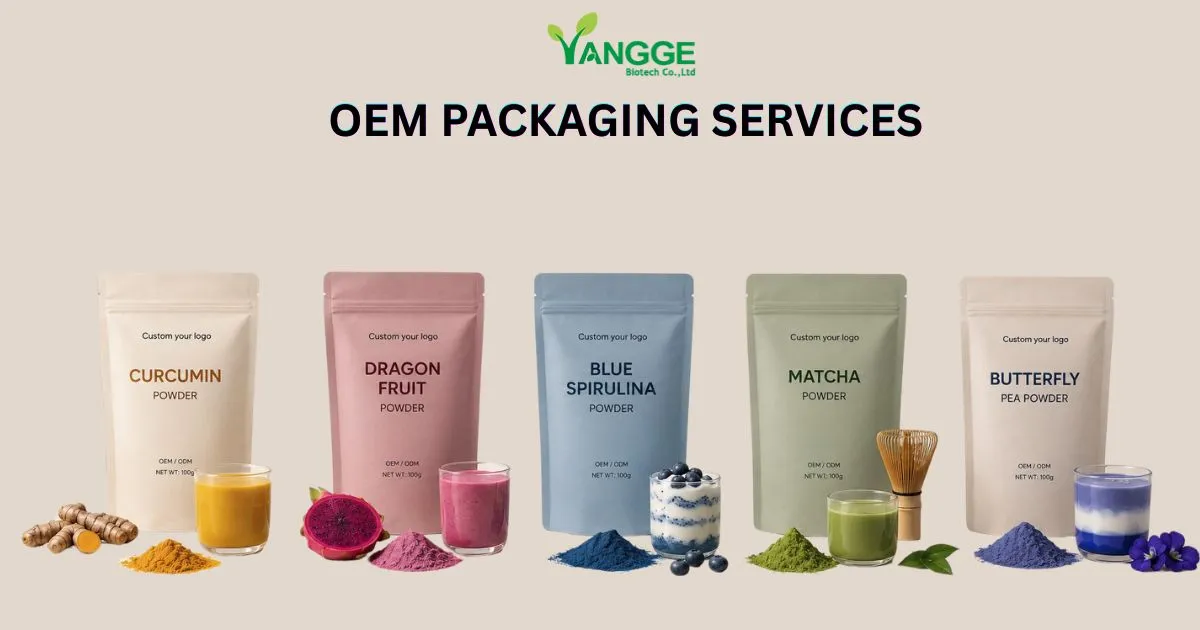
Most of the time, promises to buy in bulk lead to price breaks, with big ones at 500 kg, 1,000 kg, and 5,000 kg yearly levels. The total landed cost is affected by the type of packaging used. For example, bulk bags are cheaper than smaller metal foil boxes that can be used for samples and small-scale production. Yangge can customize OEM packaging to meet the needs of different brands for co-manufacturing and white-label arrangements.
Evaluating Supplier Technical Support and Quality Assurance
Besides having competitive prices, technical support skills set different supplier value propositions apart. Beverage formulators need to know how to use specific tools and techniques, such as how to properly hydrate ingredients, set the right conditions for processing, and fix problems with viscosity and stability. Suppliers who offer help with formulation, bench-scale testing, and access to application labs shorten the time it takes to make a new product and lower the risk of putting it on the market.
Checking the quality of a product goes beyond just getting a certificate of analysis. It also includes checking the stability from batch to batch, using SEC-MALLS to check the molecular weight distribution, and trying the viscosity under controlled conditions. Yangge works with trustworthy third-party labs to do retesting and validation. This makes sure that standards that are important for functional performance and legal compliance are checked by a third party.
Case Studies and Practical Examples of Oat Beta Glucan in Beverage Products
Cardiovascular Health RTD Smoothies
A functional drink company in North America made a line of heart-healthy smoothies with 1g of Oat Beta Glucan in every 300ml serving. They did this to meet the FDA's requirements for a health claim that the smoothies would lower cholesterol. The formula mixed beta glucan with plant sterols, soy protein, and antioxidant-rich berry extracts to make a complete heart health product that was priced higher than usual.
Managing the viscosity to keep the drinkable consistency while still giving the therapeutic dose and making sure the shelf life was stable for nine months of chilled delivery were some of the technical difficulties. The company chose medium-molecular-weight beta glucan (600–800 kDa) and used cold-fill processing with pH buffering to 4.2. This kept the viscosity within the goal range and kept breakdown to less than 5% over the shelf life. The product line grew by 23% from one year to the next, which shows that consumers are responding well to practical claims that have been backed up by clinical evidence.
Immune and Wellness Beverage Innovation
A European company that makes dietary supplements started making functional drinks. One of them had an immune-boosting mix of 2g Oat Beta Glucan, vitamin D3, zinc, and elderberry concentrate in a 250ml bottle. The product met seasonal needs for health and was marketed as daily preventive nutrition instead of short-term immune therapy. Marketing focused on the gut-immune connection working together, using beta glucan's prebiotic properties along with direct immune nutrients.
To make the formula, the bitterness of the plant extract had to be balanced with flavors that people would like, and the ingredients had to stay stable during heat processing. The team used partially hydrolyzed beta glucan to lower the viscosity, which let them add more functional ingredients without going over the tolerance levels for mouthfeel. After the product came out, tests with customers showed that 87% were happy with the taste and texture, and 64% thought it was good for them after three weeks of daily consumption.
OEM and White-Label Opportunities
Businesses that don't have their own research and development departments are increasingly able to get turnkey Oat Beta Glucan beverage options from contract makers. These services include coming up with new formulas, checking their safety, helping with regulatory paperwork, and making more of them. A Southeast Asian OEM recently created a weight management shake platform with 4g beta glucan, whey protein isolate, medium-chain triglycerides, and added micronutrients. This platform can be white-labeled and customized to fit different flavor profiles and regional tastes.
This business model makes it easier for new brands to get into the market and lets established companies quickly add new products without having to spend a lot of money on expensive equipment or technical know-how. Best practices for quality control include checking the beta-glucan content after processing, testing the shelf life under accelerated conditions (40°C/75% RH), and using a sensory panel to make sure that all production batches are the same brand.
Conclusion
Because it can be used in so many different ways, Oat Beta Glucan is becoming an essential ingredient in more and more functional drinks. Its circulatory benefits have been proven in clinical trials. These benefits, along with its ability to improve smoothness and clean label appeal, make it a good choice for many formulation goals at once. Manufacturers of drinks that want to promote heart health, immune system support, weight loss, or high-end sensory experiences can use this ingredient's proven effectiveness and widespread use to set their products apart in crowded markets.
To make implementation work, you need to pay close attention to purity requirements, dosage optimization, processing compatibility, and the quality of your source relationship. Tough quality control, clear supply chains, and the ability to offer technical support are still important for making sure that products work well and do well in the market.
FAQ
What is the effective dosage of oat beta glucan for cholesterol reduction in beverages?
To back cardiovascular health claims linked to cholesterol lowering, the FDA and EFSA require a minimum daily amount of 3g Oat Beta Glucan. Most drink mixes have between 0.75g and 1.5g of THC per serving, so people can reach the therapeutic level by drinking 2 to 4 servings per day. This dosage strategy strikes a balance between bioactive delivery and sensory acceptability. This is because higher concentrations make the liquid thicker, which can make it harder to drink.
Are there any side effects or safety considerations?
With a great safety record built up through a lot of clinical study, Oat Beta Glucan is Generally Accepted as Safe. As the gut microbiota gets used to eating more fiber, mild digestive effects like bloating or gas may happen from time to time. Usually, these affects go away after a few days. When the ingredient comes from specific gluten-free facilities, it is allergen-free and safe for people who are sensitive to gluten. However, producers should check with their suppliers to make sure they have cross-contamination controls in place.
How does oat beta glucan compare to barley beta glucan functionally and economically?
Both have similar molecular structures and health benefits, but Oat Beta Glucan is easier for consumers to recognize and can be put on a clean label. When it comes to functionality, oat-derived material is slightly better at dissolving and has a neutral taste profile when compared to barley options. The economy depends on where you live and how the supply chain works. However, Oat Beta Glucan usually gets small prices because consumers like it and the government has already said what it can be used for. Formulators choose based on the needs of the application, the positioning of the target market, and the preferences of the regional market.
Partner with Yangge for Premium Oat Beta Glucan Solutions
Yangge Biotech specializes in providing pharmaceutical-grade Oat Beta Glucan powder that is custom made to meet the exact needs of beverage manufacturers around the world. Our allergen- and non-GMO ingredient meets European PAH4 standards and comes with full scientific paperwork that has been checked by independent labs. Our technical team can help you with formulation, application support, and quick sampling, and the minimum order size is just 1 kg. This is true whether you need high-viscosity grades for satiety drinks or instant-soluble types for ready-to-mix applications.
We are a well-known Oat Beta Glucan seller with ISO, HACCP, Kosher, and Halal certifications. From the farm to the plant, we keep strict quality control. Our partnerships for sustainable sourcing make sure that the quality of our raw materials stays high while also helping communities grow. We're happy to work with other companies on OEM projects, co-branding efforts, and the creation of custom formulations.Contact us or email our team at info@yanggebiotech.com to get samples and technical data sheets, and to talk about how our knowledge can help you speed up the development of your functional beverage.
References
1. Wolever, T.M.S., Tosh, S.M., Gibbs, A.L., et al. (2010). Physicochemical properties of oat β-glucan influence its ability to reduce serum LDL cholesterol in humans: a randomized clinical trial. American Journal of Clinical Nutrition, 92(4), 723-732.
2. Tiwari, U., & Cummins, E. (2011). Meta-analysis of the effect of β-glucan intake on blood cholesterol and glucose levels. Nutrition, 27(10), 1008-1016.
3. Rebello, C.J., O'Neil, C.E., & Greenway, F.L. (2016). Dietary fiber and satiety: the effects of oats on satiety. Nutrition Reviews, 74(2), 131-147.
4. Zurbau, A., Noronha, J.C., Khan, T.A., et al. (2021). The effect of oat β-glucan on postprandial blood glucose and insulin responses: a systematic review and meta-analysis. European Journal of Clinical Nutrition, 75(11), 1540-1554.
5. Mikkelsen, M.S., Jespersen, B.M., Larsen, F.H., et al. (2014). Comparative spectroscopic and rheological studies on crude and purified soluble barley and oat β-glucan preparations. Food Research International, 66, 291-299.
6. Vetvicka, V., & Vetvickova, J. (2020). Glucan supplementation enhances the immune response against infectious diseases. Annals of Translational Medicine, 8(15), 935.

Based on your location and order quantity, you will have the opportunity to receive a limited time free shipping promotion!
Who we are
Popular Blogs