What Are Black Carrot Extract Benefits for Skin and Food Products?
Black carrot extract delivers a rare dual function that few natural ingredients can match: it acts as both a potent anthocyanin source and a stable natural colorant. Derived from the dark purple roots of Daucus carota L., this extract is rich in acylated cyanidin derivatives, beta-carotene, Vitamin A, and Vitamin C. For food manufacturers and supplement brands, it replaces synthetic red dyes while adding measurable antioxidant activity. For skincare formulators, it offers anti-aging and anti-inflammatory properties backed by growing scientific evidence.For manufacturers looking for a reliable Black Carrot Extract Powder supplier, Yangge Biotech can provide product specifications, COA, samples, and bulk-order solutions for different formulation requirements. Contact us for Black Carrot Extract Powder: Email: http://info@yanggebiotech.com.
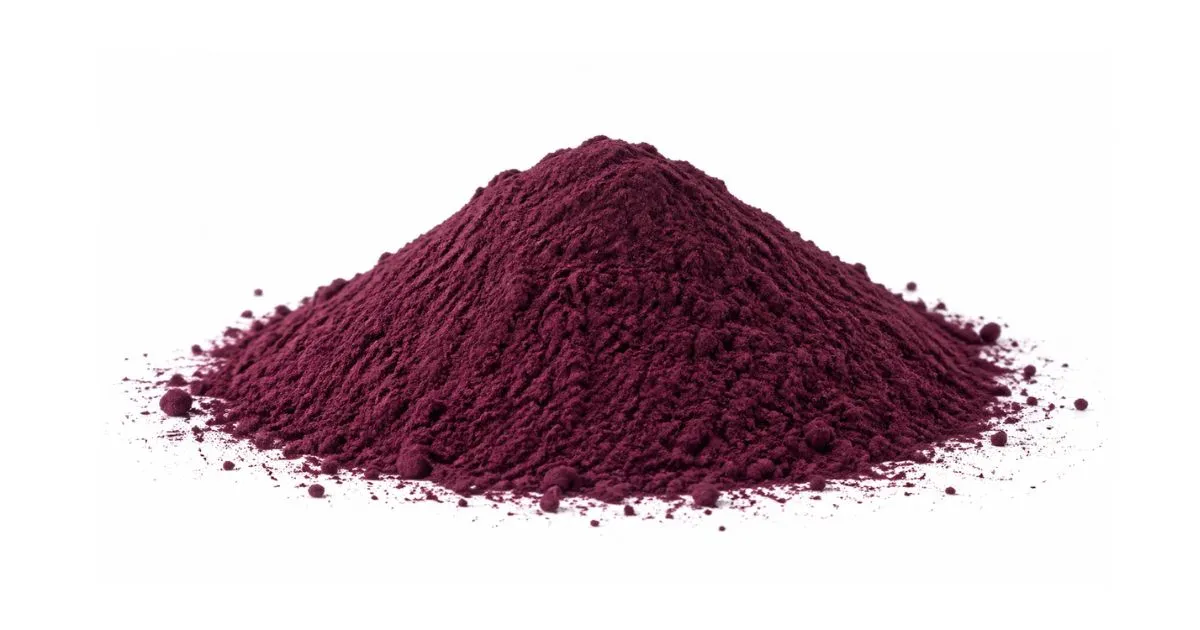
Understanding Black Carrot Extract: Composition and Nutritional Profile
What's Inside the Root?
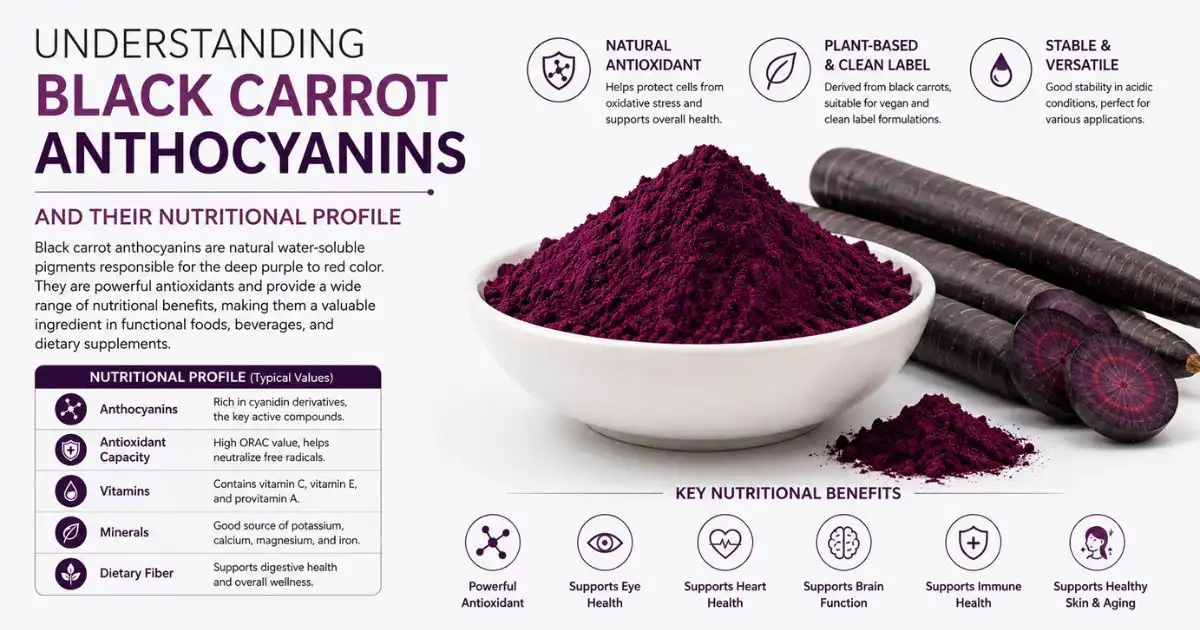
Carrots that are black are very healthy. They give you 35 kcal, 8.2g of carbs, 2.9g of fiber, 1g of protein, 334% of your daily value for vitamin A, 6% of your daily value for vitamin C, and 7% of your daily value for potassium in a 100g serving (USDA/FDA data). Anthocyanins, especially acylated cyanidin-3-glycosides, and beta-carotene are the main bioactives. They both help with antioxidant activity and color strength.
Extraction and Physical Form
Yangge's black carrot extract is made from the root using tried-and-true extraction methods, and its anthocyanin level is checked by HPLC. It is a dark red-purple powder that dissolves easily in water and is free of allergens, GMOs, and radiation. It meets Europe's PAH4 standard, with benzopyrene levels ≤10 ppb, as confirmed by new tests done by a different lab.
| Specification | Detail |
|---|---|
| Appearance | Dark red-purple powder |
| Test Method | HPLC |
| Solubility | Good solubility in water |
| PAH4 Compliance | Benzopyrene ≤10 ppb |
| GMO / Irradiation | Non-GMO, No Irradiation |
| Allergen Status | Non-Allergen |
| Packaging | 1 kg aluminum foil bag or custom |
How It Compares to Other Natural Colorants
The black carrot pigment is more thermally stable than beet extract (betanin). This is because it has intramolecular acylation, which keeps the chromophore from breaking down in heat and light. It is more likely for grape skin and elderberry extracts to fade during UHT processing because they don't have this acylation structure. Black carrot is a better choice for goods that need to last a long time because of its structure.
Black Carrot Extract Benefits for Skin Applications
Antioxidant Defense Against Oxidative Stress
Anthocyanins in black carrot extract fight free radicals that make skin age faster. Collagen and elastin break down because of oxidative stress, which causes fine lines and uneven tone. According to a study published in the journal Nutrients, cyanidin-based anthocyanins lower lipid peroxidation in skin cells. This has an anti-aging effect that can be seen when applied to the skin or taken as a supplement.
Skin Brightening and Anti-Inflammatory Properties
The beta-carotene in the extract is turned into vitamin A by the body. Vitamin A helps skin cells turn over and smooths out rough roughness. Its anthocyanins also stop inflammatory pathways, which makes it useful for skin that is prone to redness or irritation. Because of these qualities, it can be used as an ingredient in serums, moisturizers, and topical antioxidant preparations that want to be labeled "clean."
Eye and Skin Health Maintenance
The black color in carrots helps keep your eyes healthy by keeping the retinal function up, which is linked to getting enough vitamin A. By fixing systemic beta-carotene deficiency, it also helps with conditions like nite blindness and rough skin. This dual backing makes it easier for supplement brands to make labels that stand out for eye-health or skin-health pill lines.
Benefits and Applications in Food and Beverage Products
Natural Colorant for Beverages and Confectionery
When the pH level is between 3.0 and 5.0, black carrot extract works. At low pH levels, it turns ruby red, and at higher pH levels, it turns violet. It works well for fizzy drinks, energy drinks, vitamin waters, gummies, and hard candies because of this. It can handle the high temperatures of the cooking phase without turning brown, which is a typical problem for beet-based colorants.
Here are the main types of food applications where black carrot color always works well:
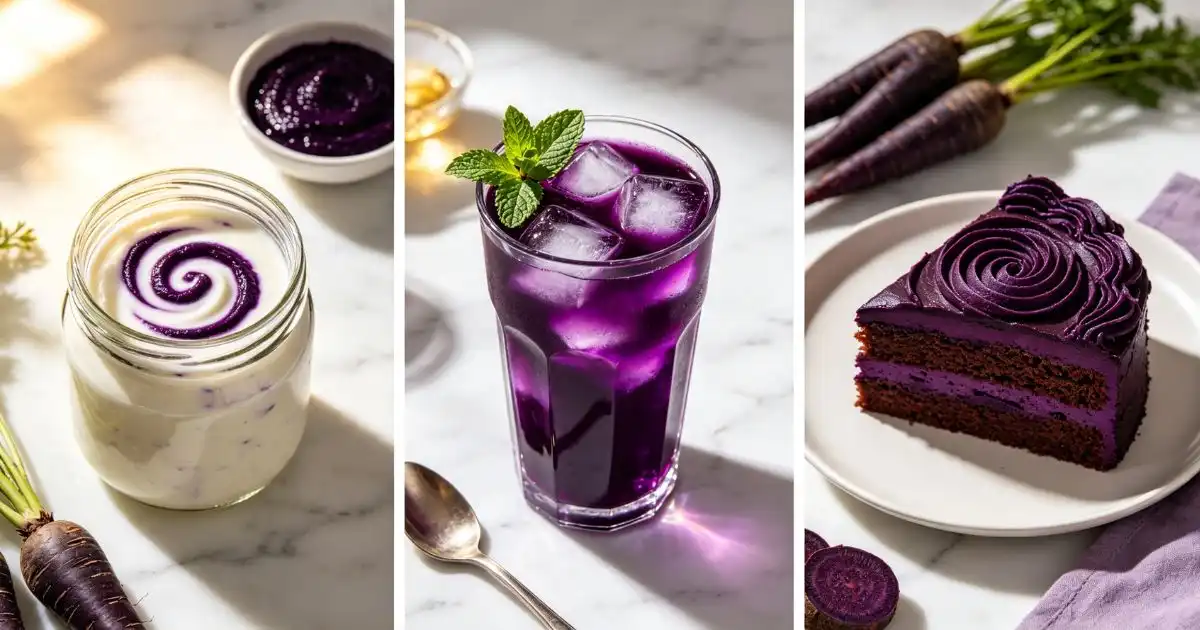
- Carbonated and functional beverages (pH < 3.5): Maintains a stable ruby red hue over 12+ months of shelf life under standard retail lighting conditions, replacing FD&C Red No. 40 in clean-label formulations.
- Confectionery (gummies and hard candies): Resists thermal degradation during high-heat depositing processes, providing stable "berry," "cherry," and "grape" color profiles without off-flavor contributions.
- Dairy and fruit preparations: Applied in acidified fruit bases (pH 3.5) for yogurt swirls and sorbets, where it maintains visual appeal before blending with neutral dairy matrices.
These uses are core demand areas where the security of anthocyanins and the placement of clean labels directly affect how people buy things.
Functional Health Benefits Beyond Color
In addition to looking good, bioactives in black carrot extract have been shown to have health benefits. The extract helps protect against damage from free radicals, keeps liver cells healthy during oxidative stress, and, according to studies done before humans, may lower the risk of cancer. When used in the right amounts, these properties support claims that functional foods and supplements are good for your digestive and metabolic health.
| Application | pH Range | Key Benefit | Stability Challenge |
|---|---|---|---|
| Carbonated beverages | 2.8–3.5 | Ruby red hue, antioxidant | Light exposure |
| Gummies/hard candy | 3.0–4.0 | Berry/cherry color, heat resistant | High-temp processing |
| Yogurt/fruit prep | 3.5–4.5 | Visual appeal in acidified base | pH shift in dairy |
| Dietary supplements | N/A | Anthocyanin delivery, antioxidant | Moisture exposure |
Replacing Synthetic Red Dyes
Synthetic dye alternatives are becoming more popular because of stricter rules in the EU and more doubtful shoppers in the US. FD&C Red No. 40 (Allura Red) and Carmoisine are both replaced by black carrot extract on product labels. Clean label marketing doesn't have to worry about the E-number, which gives brand owners a clear edge when trying to reach health-conscious customers.
Procurement Considerations for B2B Buyers
Certifications and Regulatory Compliance
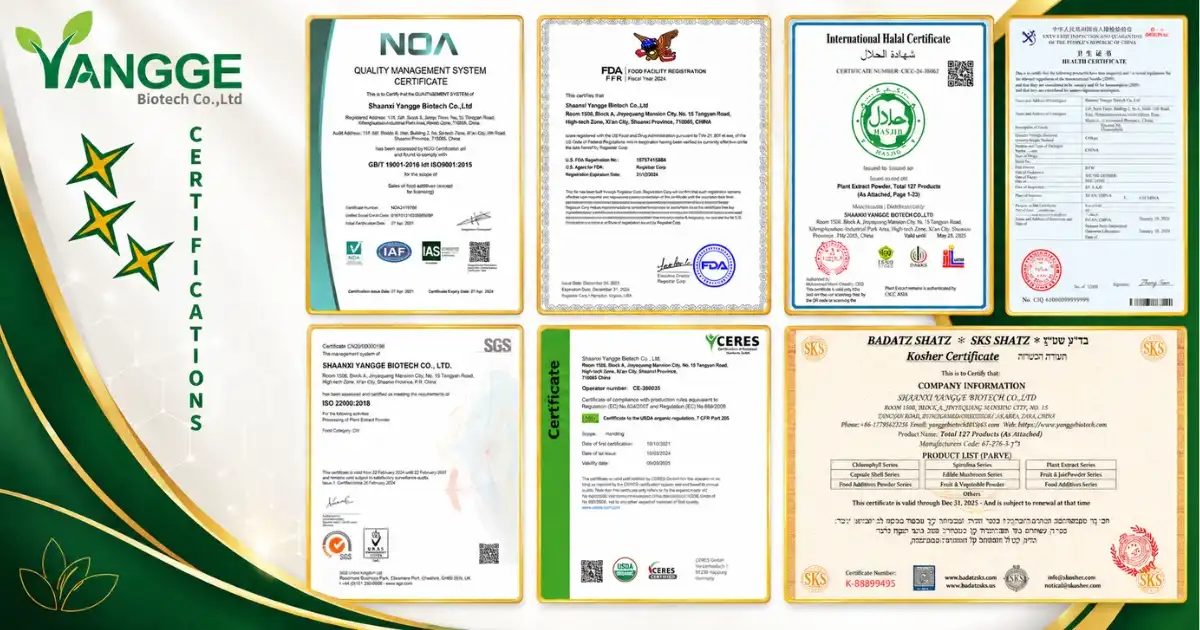
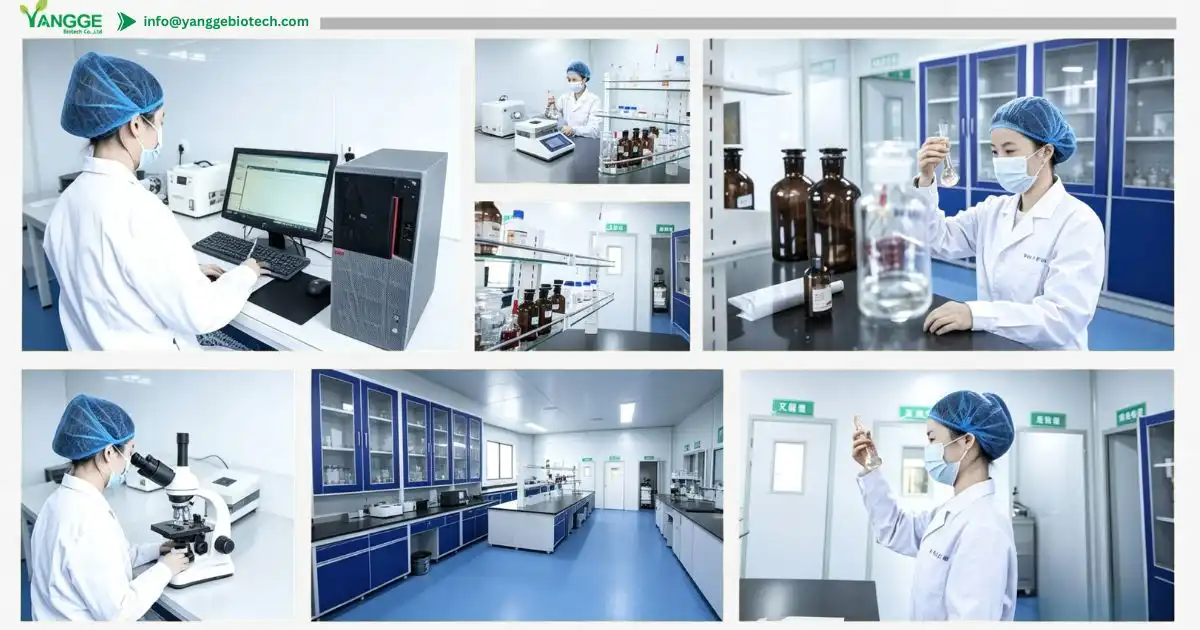
Yangge Biotech has ISO, HACCP, Kosher, and Halal certifications, which meet the most important market requirements for distribution channels in the US, EU, and Middle East. Products are made according to GMP guidelines, and you can follow them from the farm to the table. An independent lab retests the PAH4 to make sure it doesn't have more than 10 parts per billion of benzopyrene. This takes care of one of the most common quality concerns in the business-to-business buying process.
Batch Consistency and Testing Protocols
Changes in the anthocyanin profile between batches are a common source of stress for procurement managers. Yangge deals with this by testing every batch with HPLC and making standard specification sheets available for checking samples. People who are buying something and want to know how much anthocyanin is in it should say whether they are using the pH differential method or HPLC to test it, because the two give different numbers for the same sample.
Packaging, Storage, and MOQ
The extract comes in 1 kg aluminum foil bags, but you can get it packaged in any way you want for larger orders. To keep the pigment stable and the anthocyanin strength high, the original bottle must be tightly shut and kept away from light. Photodegradation, the main reason why color and activity are lost during shipping and storage, can't happen because of these conditions.
Making the Right Choice: Black Carrot Extract Versus Alternatives
Anthocyanin Stability Advantage
When black carrot extract anthocyanins are acylated with cinnamic acids (sinapic, ferulic, and coumaric), they create a molecular protection effect that sources like grape skin and red cabbage that are not acylated can't match. This directly means that the color will stay truer after being pasteurized, processed under high heat, and stored for a longer time. This is a technical point that R&D engineers who are looking at different natural color options can agree with.
Cost-Benefit Positioning Against Beetroot
Beet extract, or betanin, is used a lot, but it can't handle high temperatures and can give foods a bitter taste when mixed with neutral pH foods. Black carrot extract has a higher cost per unit but needs to be applied at lower rates to get the same color intensity, which frequently leads to a similar or lower actual cost per finished unit. The performance difference between premium and useful product lines makes the choice to source make sense.
Where Black Carrot Wins in the Market
Black carrot extract consistently does better than alternatives in three areas: drinks that are good for diabetics, supplements that are high in antioxidants, and candy with clean labels. Its high Vitamin A content (334% RDI per 100g of source vegetable) and high anthocyanin density give formulators a story that links color and health benefits in a way that neither beet nor regular carrot extract can fully deliver.
Conclusion
Black carrot extract is used in a unique way in both food and personal care products. Its acylated anthocyanin structure makes the color last longer. Beta-carotene and Vitamin A in it are good for your skin and eyes. Because it doesn't contain PAH4 and has been HPLC-verified, it can be used in controlled markets. It is a good choice for buying managers and research and development teams looking at natural colorants that can do more than one thing. Yangge's approved and trackable supply chain makes it easy to find what you need for both normal bulk sales and OEM needs.
FAQ
Does black carrot extract cause any side effects?
At standard food-grade and supplement dosages, black carrot extract is generally well-tolerated. It is non-GMO, non-irradiated, and allergen-free. Individuals with carrot family (Apiaceae) sensitivities should consult a healthcare provider before consumption. No significant adverse effects have been reported in published clinical literature at typical application rates in functional foods and beverages.
What dosage is recommended for cosmetic formulations?
Cosmetic application rates vary by product type and desired pigment intensity. For topical antioxidant serums, anthocyanin-standardized extracts are typically used at 0.5%–2.0% w/w. For color-functional formulations, dosage is adjusted based on target pH and color depth. Yangge provides application guidance and formulation support as part of the sample evaluation process.
How do I verify anthocyanin content across different batches?
Specify HPLC as the test method when requesting certificates of analysis. The pH differential method, while common, produces different numerical results from HPLC and can create confusion during supplier comparison. Yangge tests every batch by HPLC and provides batch-specific COAs to support consistent procurement decisions.
Is it suitable for halal and kosher-certified product lines?
Yes. Yangge's black carrot extract holds both Halal and Kosher certifications, making it directly suitable for certified product lines targeting Middle Eastern, North American, and European market segments.
Source Anthocyanin-Rich Black Carrot Extract from Yangge Biotech
Yangge Biotech is a reliable company that sells black carrot extract and natural colorants that have been tested for purity using HPLC and made in a GMP facility. These colors can be used in food, drinks, and supplements. Our extract is certified as meeting EU PAH4 standards and is also ISO, HACCP, Kosher, and Halal. It ships all over the world with full documentation that shows how it was made.
Whether you need normal bulk orders or OEM recipes that are made just for you, our team can help you with the whole development process, from asking for samples to increasing production. To get a sample and specification sheet right away,Contact us or email us at info@yanggebiotech.com or go to blog.yanggebiotech.com.
References
1. Khoo, H.E., et al. "Anthocyanidins and Anthocyanins: Colored Pigments as Food, Pharmaceutical Ingredients, and the Potential Health Benefits." Food & Nutrition Research, 2017.
2. Stintzing, F.C., & Carle, R. "Functional Properties of Anthocyanins and Betalains in Plants, Food, and in Human Nutrition." Trends in Food Science & Technology, 2004.
3. Boo, H.O., et al. "Extraction and Characterization of Anthocyanin Pigments from Black Carrots (Daucus carota L.)." Journal of the Korean Society for Applied Biological Chemistry, 2012.
4. Kammerer, D., et al. "Polyphenol Screening of Pomace from Red and White Grape Varieties (Vitis vinifera L.) by HPLC-DAD-MS/MS." Journal of Agricultural and Food Chemistry, 2004.
5. Wallace, T.C. "Anthocyanins in Cardiovascular Disease." Advances in Nutrition, 2011.
6. Tanaka, Y., Sasaki, N., & Ohmiya, A. "Biosynthesis of Plant Pigments: Anthocyanins, Betalains and Carotenoids." The Plant Journal, 2008.

Based on your location and order quantity, you will have the opportunity to receive a limited time free shipping promotion!
Who we are
Popular Blogs