Top Lion’s Mane Benefits and Uses for Functional Food OEM Buyers
Lion's Mane Mushroom Powder is a premium functional ingredient derived from Hericium erinaceus, valued for its natural nutritional profile and versatility in functional food, beverage, nutraceutical, and wellness formulations. With its fine powder form and easy formulation compatibility, it is suitable for OEM products such as functional drinks, nutrition powders, capsules, gummies, and other health-focused products. Yangge Biotech supplies Lion's Mane Mushroom Powder for bulk and B2B applications, with customized specifications available. Contact us at info@yanggebiotech.com.
Hericium erinaceus, or lion's mane mushroom, has gone from a speciality Asian cuisine ingredient to a popular functional food ingredient, and with good cause. It’s a bulk ingredient that has significant cognitive, immunological and adaptogenic advantages that appeal to today’s wellness-driven customers. For anybody whipping up mushroom coffee, nootropic protein powder, or functional beverages, knowing exactly what this ingredient does and how to obtain it sustainably is key to a successful product launch.
Understanding Lion's Mane Mushroom: Nutrition, Mechanisms, and Cognitive Benefits
What Makes Hericium Erinaceus Bioactively Significant?
The lion's mane generates a kind of medicine called hericenones. Erinacines are mostly found in the mycelium, whereas these are predominantly found in the fruiting body. Brain cells require a protein called Nerve Growth Factor (NGF) to be able to survive and produce new brain cells. Both encourage more of it. A 2009 research published in the journal Phytotherapy Research indicated that those who were given Hericium erinaceus supplements for 16 weeks had a substantial increase in cognition scores compared to those not taking the supplements.
In addition to cognitive function, the mushroom includes important minerals such as zinc, manganese and potassium. It also contains sugars, sterols and beta-glucans. These substances serve to support the gut flora, stimulate the immune system and decrease inflammation. Due of these helpful characteristics, it has many uses than merely nootropics. OEM purchasers should be aware that the ratio of fruiting body to mycelium in a raw extract directly influences the chemical profile. The ideal kind of extract to include in your formulation will rely on the proposed health claim, whether that be immunological, cognitive or adaptogenic.
| Bioactive Compound | Primary Function | Location in Mushroom |
|---|---|---|
| Hericenones | NGF stimulation, neuroprotection | Fruiting body |
| Erinacines | NGF synthesis, neurogenesis | Mycelium |
| Beta-glucans / Polysaccharides | Immune modulation, anti-inflammatory | Fruiting body & mycelium |
Top Benefits of Lion's Mane for Functional Food Products
The ingredient's commercial appeal stems from a convergence of evidence-backed benefits that align precisely with growing consumer interest in brain health, stress resilience, and holistic wellness. Here are the core benefit categories that OEM developers can credibly leverage:
- Cognitive improvement and memory support: Clinical research shows frequent consumption enhances neurogenesis and working memory. This makes Hericium erinaceus extract a compelling ingredient for nootropic blends, mushroom coffee, and brain health supplements—categories that are growing at double-digit rates annually in North America.
- Modulation of the immune system: The high amount of polysaccharides, especially beta-glucans, enhances the activity of macrophages and natural killer cells. This correlates well with the immune-boosting functional foods and drinks that consumers want in a post-pandemic world.
- Mood regulation and stress adaptation: Preliminary research indicates that lion's mane may reduce anxiety and mild depressive symptoms by supporting the gut-brain axis, making it a versatile addition to adaptogenic formulations targeting mental wellness.
These advantages can directly differentiate your product line in a crowded superfood market by anchoring claims to published science rather than trend-driven marketing language.
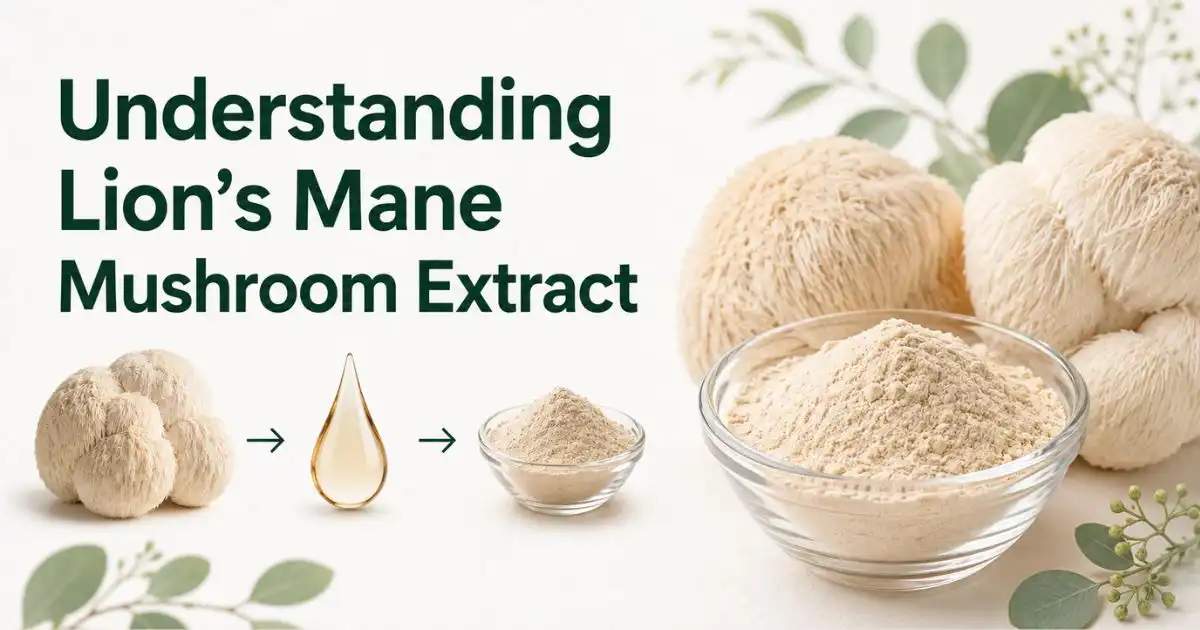
Product Forms and Usage: Choosing the Right Format for OEM Functional Foods
Powder vs. Capsule: What OEM Manufacturers Need to Know?
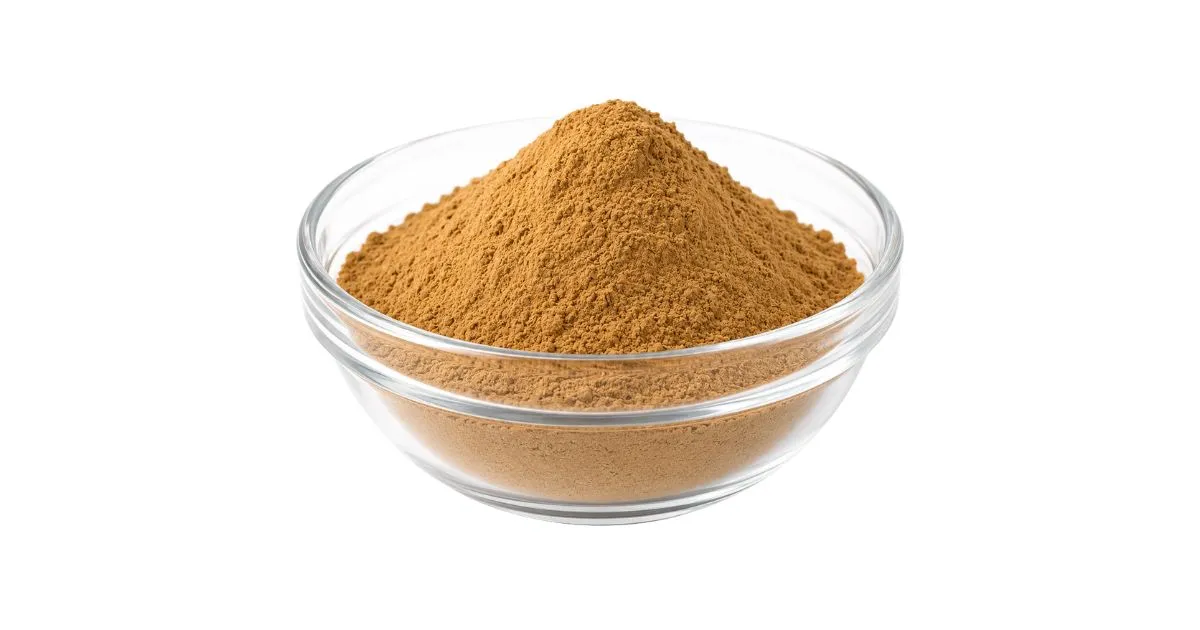
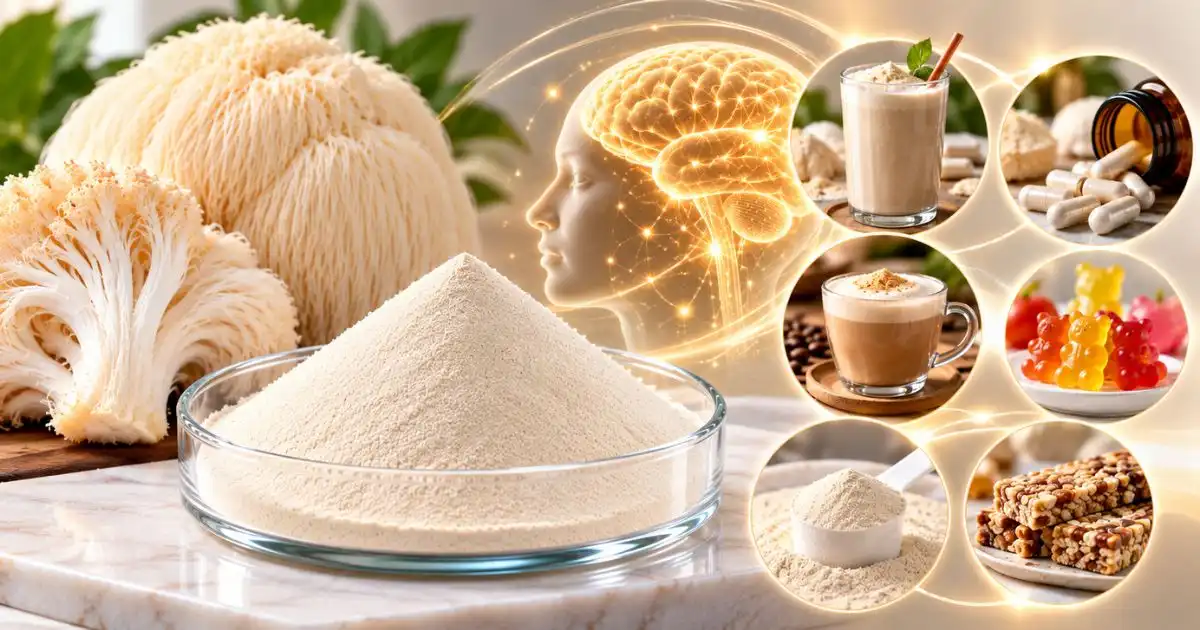
Extract powder is the most versatile and cost-efficient format. It can be used to make a variety of functional foods, including mushroom coffee, protein blends, and ready-to-mix beverages. Yangge's lion's mane mushroom extract powder is produced from 100% dried Hericium erinaceus, available in specifications ranging from 10% to 50% polysaccharides. The product carries a mildly sweet flavor profile with a tan-to-rusty-brown appearance, making it sensory-compatible with cacao, coffee, and oat bases a practical advantage during formulation development.
| Product Specification | Detail |
|---|---|
| Botanical Name | Hericium erinaceus |
| Active Ingredient | Polysaccharides (10%–50%) |
| Appearance | Yellow-brown fine powder |
| Color & Flavor | Tan / rusty brown; mildly sweet |
| Grade | Food / Pharmaceutical |
| Shelf Life | 24 months |
| Features | Non-irradiated, allergen-free |
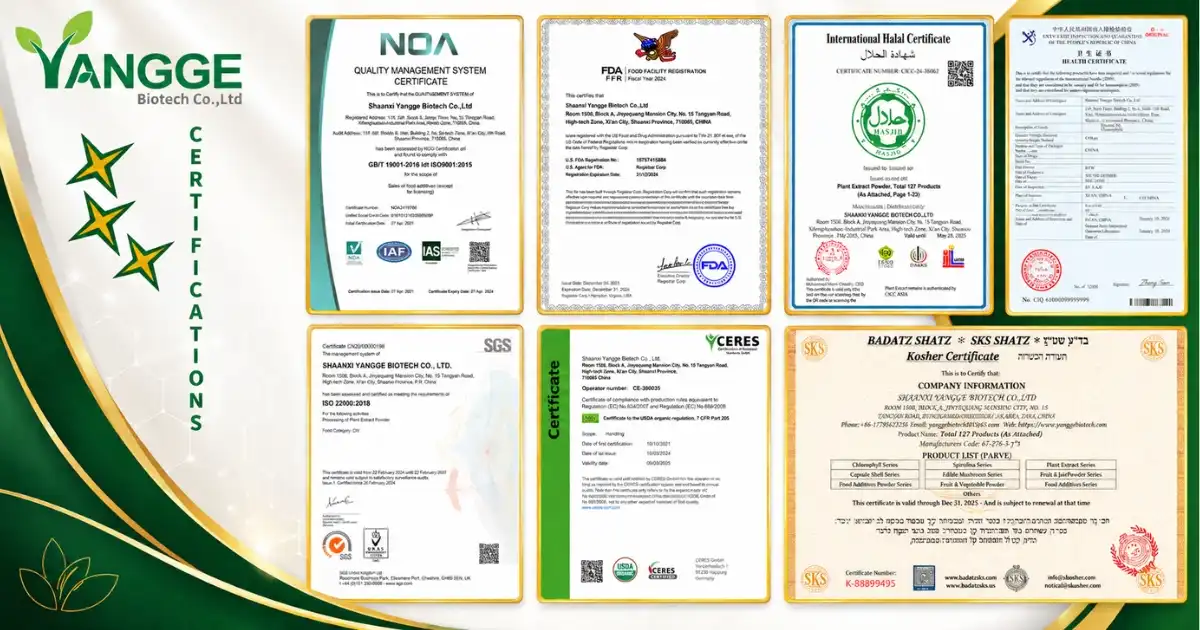
| Certifications | ISO, HACCP, Kosher, Halal |
| Packing | 1 kg foil bag / 25 kg fibre drum |
Dosage guidance from published research suggests 500 mg to 3,000 mg of extract per day for cognitive-related applications, though OEM developers should work with a qualified formulation specialist when establishing clinical dosing rationale for label claims.
Procurement and Supplier Insights for Bulk Lion's Mane Mushroom Purchases
Sourcing bulk mushroom extract involves more than price comparison. Authentication of species identity remains a persistent challenge a 2022 ConsumerLab investigation found that two out of eight commercially tested lion's mane products claiming to contain mushroom fruiting body were confirmed via DNA testing to contain mycelium only. For OEM buyers, this kind of discrepancy can compromise both product efficacy and label accuracy.
When qualifying a lion's mane supplier, prioritize the following criteria:
- Certified Documentation: ISO, HACCP, Kosher and Halal certifications are key markers of production consistency and regulatory compliance.
- Traceability & Transparency: Suppliers should be able to give traceability from farm to table, including the origin of cultivation, harvest records, and extraction documents.
- Third-party testing: CoA data should verify polysaccharide content, heavy metal limitations, microbiological counts and pesticide residual levels on a batch-by-batch basis.
- Sample availability: Pre-purchase samples are available from legit bulk providers. This feature enables your team to do sensory assessment and independent lab verification prior to making a purchase order.
Yangge Biotech operates under GMP-compliant production standards and maintains close collaboration with farming partners through a sustainable, community-based sourcing model ensuring supply chain reliability from cultivation through export.
Market Positioning and Application Ideas for Functional Food OEM Buyers
Where Consumer Demand Is Heading in North America and Europe
The worldwide functional mushroom market was assessed at USD 8.3 billion in 2023 and is expected to rise at a CAGR of more than 9% through 2030 (Grand View Research, 2023). The fastest expanding sub-categories in the US and EU market are nootropic and cognitive wellness items, such as mushroom coffee and adaptogenic supplements. Consumer research constantly demonstrates that "brain health" and "stress relief" are among the top buy motivators for 25-44 year old wellness customers, the key demographic for premium superfood products. This leads to a good product-market fit for lion's mane forward formulations.
Practical application formats that are gaining traction include:
- Mushroom coffee and cocoa blends: Hericium erinaceus extract has a gentle sweetness and neutral flavour that goes well with dark roast coffee or cacao, without overpowering base flavours great for the “functional morning ritual” stance.
- Nootropic protein powders. The combination of lion’s mane with plant proteins, ashwagandha and B-vitamins makes for an appealing cognitive-support sports nutrition product.
- Functional teas and instant drinks Water-soluble extract powder dissolves cleanly in hot and cold beverages, enabling RTM (ready-to-mix) product forms with little preparation.
For US market labeling, structure/function claims such as "supports cognitive function" or "promotes healthy brain function" are permissible under FDA guidelines when substantiated by credible evidence and accompanied by required disclaimers. EU Novel Food regulations require pre-market authorization for certain mushroom extracts consulting a regulatory affairs specialist early in your development timeline is advisable.
Conclusion
Lion's mane mushroom extract stands out as one of the most commercially viable and scientifically substantiated ingredients available to functional food brands right now. Its documented role in NGF stimulation, immune support, and mood regulation gives OEM buyers a credible foundation for product differentiation. Sourcing high-specification, certified extract powder with consistent polysaccharide content, verified species identity, and clean sensory performance — is the single most important step toward building a competitive product. Work with suppliers who can provide transparency, documentation, and consistent batch quality at scale.
FAQ
Q1: What polysaccharide specification should I choose for a functional food application?
A: For most functional food and beverage applications, a 20%–30% polysaccharide specification balances cost efficiency with functional potency. If you're targeting a premium nootropic supplement with specific dosage claims, a 50% polysaccharide extract provides a higher active compound concentration per serving — which may allow for smaller inclusion rates in your formula.
Q2: Can lion's mane extract be combined with other adaptogens?
A: Yes. Hericium erinaceus extract blends well with reishi, chaga, ashwagandha, and rhodiola. These combinations are widely used in adaptogenic supplement stacks. Ensure that your supplier provides individual CoA documentation for each ingredient to maintain traceability in multi-ingredient formulations.
Q3: How do I verify that a supplier's product is genuine fruiting body extract?
A: Request DNA barcoding test results or HPLC analysis from the supplier. These tests confirm species identity and active compound concentration. Reputable lion's mane manufacturers maintain batch-level testing records and can provide them upon request before you place a bulk order.
Q4: Is lion's mane extract safe for allergen-sensitive consumers?
A: Yangge's lion's mane mushroom extract powder is allergen-free and non-irradiated, making it suitable for formulations targeting sensitive consumer segments.
Partner with Yangge for Premium Lion's Mane Mushroom Extract
Lion's mane can be bought at Yangge Biotech because it is approved by ISO, HACCP, Kosher, and Halal. Our extract powder 100% pure, food-grade, available in 10%–50% polysaccharide specifications ships in 1 kg and 25 kg formats. Samples are available.Contact us or reach out to our team at info@yanggebiotech.com to request your sample or bulk quote today.
References
1. Mori, K., et al. — "Improving Effects of the Mushroom Yamabushitake (Hericium erinaceus) on Mild Cognitive Impairment." Phytotherapy Research, 2009.
2. Lai, P. L., et al. — "Neurotrophic Properties of the Lion's Mane Medicinal Mushroom, Hericium erinaceus." International Journal of Medicinal Mushrooms, 2013.
3. Chong, P. S., et al. — "Therapeutic Potential of Hericium erinaceus for Depressive Disorder." International Journal of Molecular Sciences, 2020.
4. Grand View Research — "Functional Mushroom Market Size, Share & Trends Analysis Report." Grand View Research, 2023.
5. ConsumerLab — "Mushroom Supplements Review." ConsumerLab.com, 2022.
6. Friedman, M. — "Chemistry, Nutrition, and Health-Promoting Properties of Hericium erinaceus." Journal of Agricultural and Food Chemistry, 2015.

Based on your location and order quantity, you will have the opportunity to receive a limited time free shipping promotion!
Who we are
Popular Blogs