5 Modern Applications of Vegetable Carbon E153 in Food and Drink
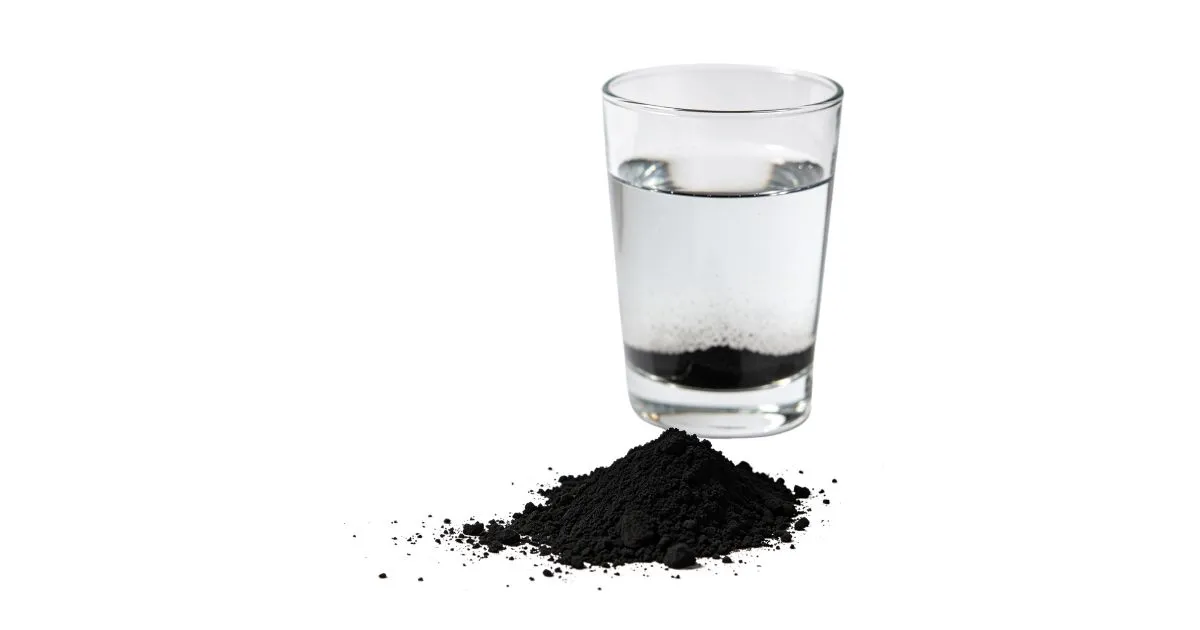
Vegetable carbon E153 derived from coconut shells and bamboo through high-temperature carbonization has become one of the most sought-after natural black colorants in the food and beverage industry. As a fine black powder that is odorless, tasteless, and insoluble in water or organic solvents, it delivers deep, consistent color across bakery, confectionery, beverage, and plant-based categories. Whether you're formulating a black burger bun or a striking charcoal latte, this plant-sourced pigment offers a clean-label path to bold visual impact. To find out more about our line of natural colorants, email us at info@yanggebiotech.com or go to blog.yanggebiotech.com.
Food Coloring and Visual Enhancement
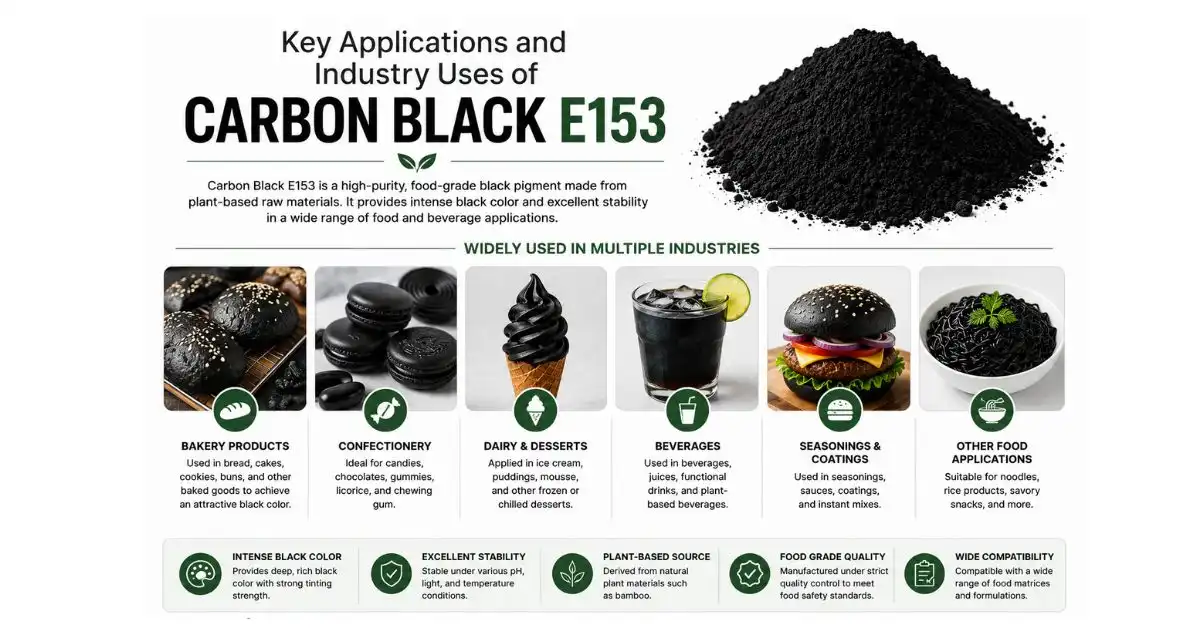
The trend of "black food" is no longer just a novelty. People are always interested in dark and dramatic looks, from black sesame croissants to activated charcoal ice cream. Most R&D teams use Vegetable carbon E153 (INS E153) when they need a reliable, deep black color on a large scale.
Why It Outperforms Synthetic Alternatives
Synthetic black colors like Brilliant Black BN (E151) are facing more and more opposition from consumers and regulators. The label claim "natural colorant" is directly related to the shelf appeal and placement of the brand. Vegetable carbon, which comes from carbonized plant matter, fits perfectly on this claim.
Color Intensity and Batch Consistency
One of the most common problems with black colorants in formulations is that they change the color from black to gray. This happens a lot in neutral-pH systems. If the particle size and dosage rate are right for the job, high-quality plant carbon black like Yangge's E153 will keep its depth and opacity across a pH range that is common in most baking and candy matrices.
Key Application Categories
The table below shows common food groups, the recommended use rates, and labeling notes for E153 on the U.S. market:
| Food Category | Typical Use Rate | Label Declaration |
|---|---|---|
| Bakery (buns, crackers) | 0.1%–0.5% | Vegetable carbon (E153) |
| Confectionery (candy shells) | 0.05%–0.3% | Vegetable carbon black |
| Ice cream / frozen desserts | 0.1%–0.4% | Natural black colorant |
| Sauces and condiments | 0.05%–0.2% | Vegetable carbon |
Note: Always check with your regulatory team to make sure that the use levels are right for the target market.
Culinary Uses: Enhancing Flavors and Textures
Plant-based carbon black has earned real credibility in professional kitchens and artisan food studios, not as a gimmick but as a useful tool for making recipes.
Texture Contrast in Baked Goods
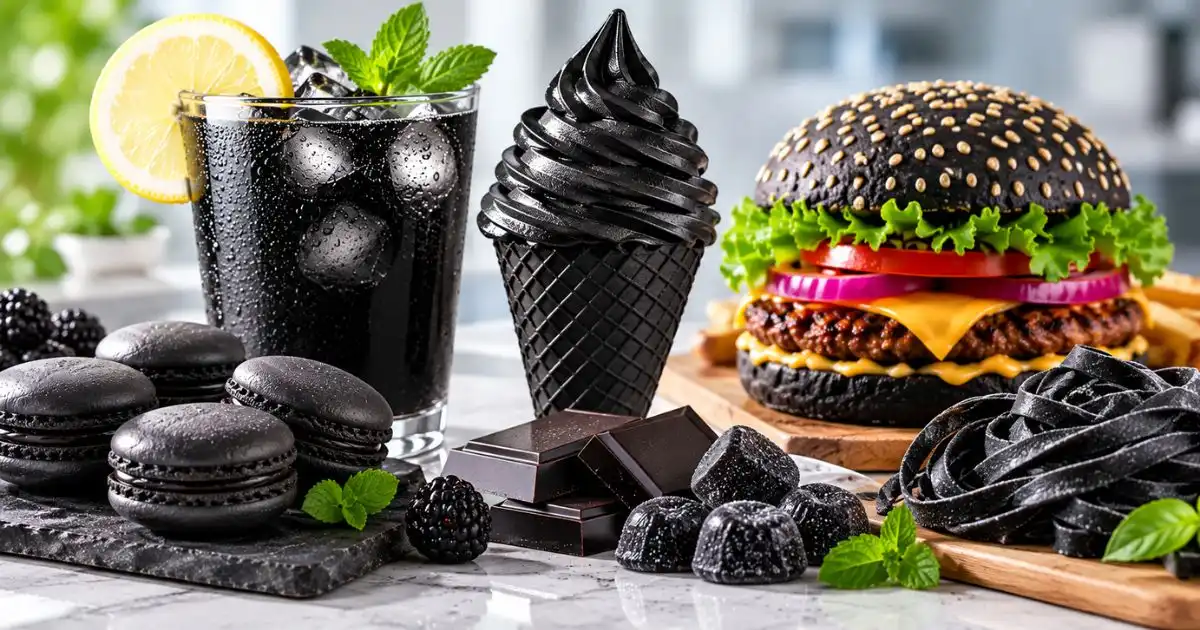
Black burger buns are now a standard in fast food places. Vegetable carbon E153 added to dough in small amounts makes a striking contrast with cheese, veggies, and sauces, but it doesn't change the taste or structure of the crumb. By mixing the powder with flour dry before adding the wet ingredients, it spreads out evenly.
Application in Artisan Confectionery
Dark black coloring is good for chocolate truffles, candies that taste like licorice, and dragée shells. E153 doesn't have a taste or smell, so it doesn't mess up the flavor of cocoa or other ingredients. This is a big advantage over black sesame paste, which has its own flavor.
Clean-Label Gastronomy
More and more, high-end food brands list where their ingredients come from on their packaging. People trust an ice cream label that says it was colored with "vegetable carbon from coconut shells" more than one that says it was colored with a synthetic dye. This openness directly supports higher prices and repeat purchases.
Beverage Industry Applications: From Cocktails to Health Drinks
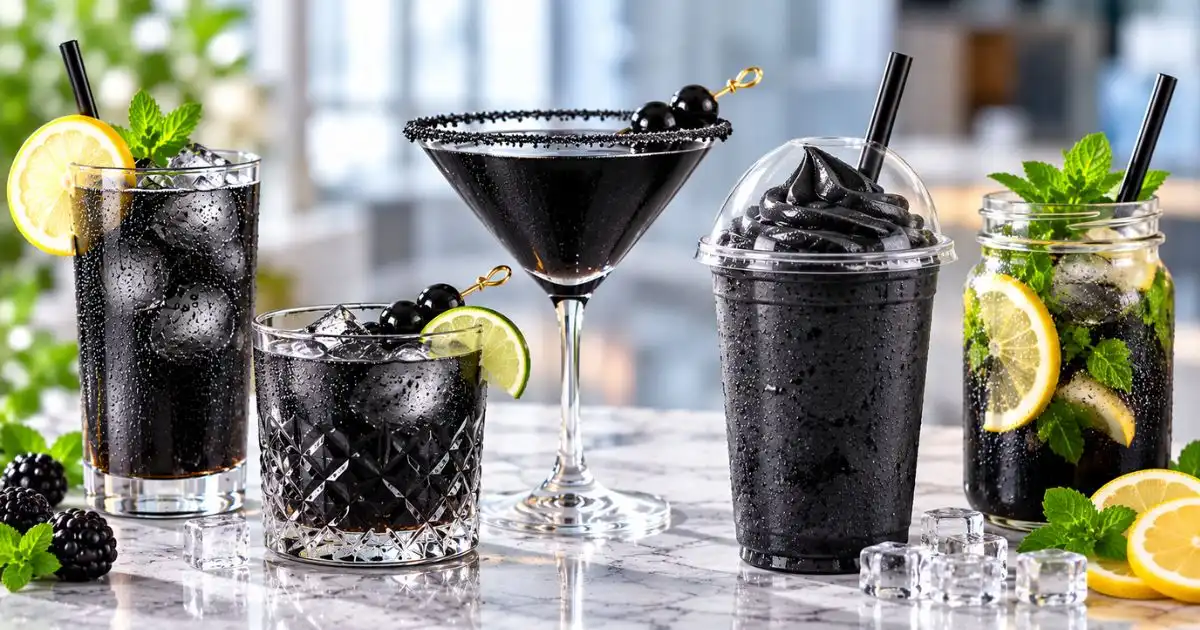
The beverage segment has adopted plant carbon black with particular enthusiasm. Black lemonades, charcoal lattes, and dark cocktails have generated millions of social media posts, creating real market pull for manufacturers.
Charcoal Beverages and Color Stability
In cold beverages, E153 can be pre-dispersed in a small amount of oil or an approved emulsifier before blending into the final formulation. This step improves uniform distribution and prevents settling. The resulting black color is photogenic and holds well across typical shelf-life windows.
Functional Beverage Positioning
Some brands position charcoal beverages around gut wellness or detox narratives. While regulatory claims require careful substantiation, the use of E153 as a colorant in these products is entirely separate from therapeutic claims. R&D teams should maintain a clear distinction between the colorant function and any wellness messaging.
Vegetable Carbon vs. Activated Charcoal in Beverages
| Property | Vegetable Carbon E153 | Activated Charcoal |
|---|---|---|
| Primary function | Colorant | Adsorption / supplement |
| Regulatory status | Food colorant (INS E153) | Supplement / pharmaceutical |
| Flavor impact | None | Slight mineral note possible |
| Drug interaction risk | Minimal at colorant doses | Documented at supplement doses |
This distinction matters for procurement teams navigating labeling and regulatory submissions.
Food Preservation and Packaging Innovations
Plant-based carbon products such as vegetable carbon are being looked at for use in active packaging as well as for coloring food directly. Packaging engineers who are working on ways to make products last longer are interested in the ability of carbon particles to absorb other substances.
Antimicrobial Properties in Packaging Research
Researchers in the field of food science have looked into adding carbon-based materials to biodegradable packaging films. The idea is that adsorptive carbon particles can bind ethylene and volatile organic compounds, which slows down the process of fresh food going bad.
Alignment With Sustainability Standards
More and more, brands that sell in the EU and North America are being pushed to use packaging that meets safety and environmental standards. One area of active commercial development is biopolymer films that contain carbon. However, procurement teams should ask for full technical specifications and safety dossiers before adopting these films.
Sourcing Quality for Long-Term Supply Chains
For procurement managers, the reliability of the supply chain is just as important as the quality of the product. There is always 5 tons of Vegetable carbon Black E153 in stock at Yangge, and each batch is checked and tested by international labs before it is shipped. You can choose between FOB and CIF delivery choices to help you plan your logistics for places around the world.
Sustainable and Organic Food Manufacturing
Sustainable and clean-label sources used to be marketing preferences, but now many mid-sized food brands have to buy things that meet these standards.
Plant-Sourced vs. Petroleum-Derived Carbon Black
The carbon black that is usually used in industry comes from petroleum. Vegetable carbon E153, on the other hand, comes from bamboo and coconut shells, which are both reusable sources of carbon. This makes it a much better ingredient for brands that want to build sustainable ingredient portfolios.
Certifications That Matter to Buyers
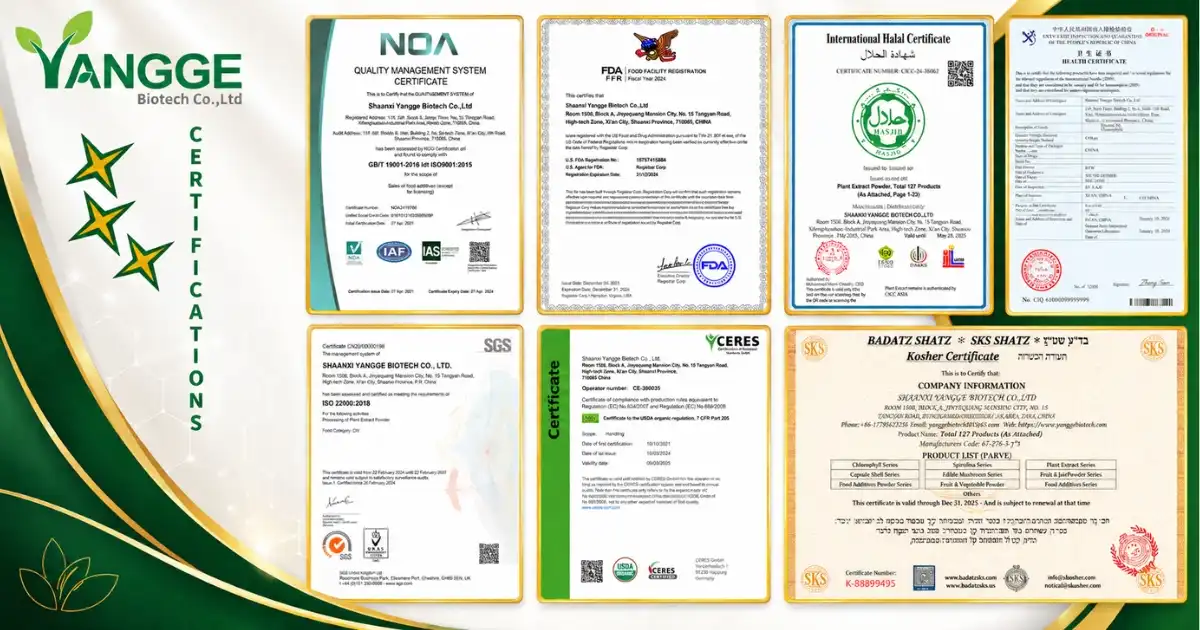
The main certifications that Yangge's Vegetable carbon Black E153 has are these:
- FDA-compliant — suitable for the U.S. food market
- Halal certified — supports formulation for Middle Eastern and global Muslim markets
- Kosher certified — meets requirements for Jewish dietary law compliance
- International laboratory testing before each shipment
These approvals directly cut down on the time it takes for regulators to review new products during their development processes. These papers are often asked for early on in the supplier approval process, and having them on file cuts down on the overall time it takes to find a seller.
Yangge also gives away 10–30g free samples for research and development. This way, development teams can check how the color works in their specific matrix before committing to a minimum order of 1 ton.
Conclusion
Carbon E153 that comes from plants, namely vegetable carbon, has found a home in modern food and drink recipes, from baked goods and sweets to craft drinks and plant-based foods. It comes from clean sources, has a neutral flavor, and always looks black. This makes it a good choice for brands that need to meet both consumer expectations and government regulations. Choosing a supplier with verified certifications, lab tests done on each batch, and a history of reliable stock availability lowers the risk of formulation errors and speeds up time to market. All of those conditions are met by Yangge's Vegetable carbon Black E153.
FAQ
What is Vegetable Carbon Black E153?
Vegetable Carbon Black E153 is a natural black colorant made from carbonized coconut shells or bamboo. It appears as a fine black powder, is odorless and tasteless, and does not dissolve in water or organic solvents. Its INS number is E153.
Is E153 approved for food use in the United States?
E153 regulatory status in the U.S. differs from the EU. Procurement and regulatory teams should verify current FDA status for their specific food category before proceeding with labeling. Yangge provides compliance documentation to support this review.
How does vegetable carbon differ from activated charcoal?
Activated charcoal is processed for maximum adsorption and is used as a supplement or pharmaceutical agent. Vegetable carbon E153 is a food-grade colorant used at much lower doses. At colorant-level dosages, the drug interaction concerns associated with supplement-dose activated charcoal do not apply.
What is the minimum order quantity?
The MOQ is 1 ton. Free samples of 10–30g are available for R&D evaluation prior to ordering.
How is color consistency maintained batch to batch?
Yangge tests each batch in international laboratories before shipment and provides a full COA. Consistent particle size and carbonization protocols support reliable color performance across production runs.
Request Your Free Sample From Yangge Vegetable Carbon Supplier
The colorant in your next black-label product should work the same way in the lab as it does on the production floor. Vegetable carbon Black E153 from Yangge Biotech has been certified by the FDA, Halal, and Kosher, and comes with full COA paperwork and batch-level international lab testing. Get a free sample of 10–30g today and compare it directly with what you're making. To find out more about our line of natural colorants, email us at info@yanggebiotech.com or go to blog.yanggebiotech.com.
References
1. Downham, A., & Collins, P. (2000). Colouring our foods in the last and next millennium. International Journal of Food Science & Technology, 35(1), 5–22.
2. Feás, X., Estevinho, M. L., & Pacheco, L. (2014). Natural colorants in the food and pharmaceutical industries. Food Chemistry, 145, 389–394.
3. European Food Safety Authority (EFSA). (2012). Re-evaluation of vegetable carbon (E 153) as a food additive. EFSA Journal, 10(3), 2592.
4. Carocho, M., Morales, P., & Ferreira, I. C. F. R. (2015). Natural food additives: Quo vadis? Trends in Food Science & Technology, 45(2), 284–295.
5. Martins, N., Roriz, C. L., Morales, P., Barros, L., & Ferreira, I. C. F. R. (2016). Food colorants: Challenges, opportunities and current desires of agro-industries. Food Chemistry, 197, 1077–1088.
6. Sigurdson, G. T., Tang, P., & Giusti, M. M. (2017). Natural colorants: Food colorants from natural sources. Annual Review of Food Science and Technology, 8, 261–280.

Based on your location and order quantity, you will have the opportunity to receive a limited time free shipping promotion!
Who we are
Popular Blogs