Top Oat Beta Glucan Uses for Heart-Healthy Food Formulation Strategies
Oat Beta Glucan Powder is a soluble dietary fiber naturally derived from oats and widely used in functional foods, beverages, nutritional supplements, and health-focused formulations. Known for its excellent nutritional profile and versatile formulation properties, oat beta glucan can be incorporated into products such as cereals, bakery foods, nutrition drinks, smoothies, and dietary supplements. Yangge Biotech supplies high-quality Oat Beta Glucan Powder for bulk and B2B applications, with customized specifications and packaging available. Contact Yangge Biotech at info@yanggebiotech.com for product specifications, COA, pricing, and bulk orders.
Oat beta glucan is rapidly becoming one of the most sought-after functional ingredients in heart-healthy food development. Derived from the cell walls of Avena sativa, this soluble dietary fiber carries FDA-recognized cholesterol-lowering benefits and EFSA-endorsed health claims. Whether you are developing meal replacements, energy bars, immune supplements, or clean-label cereals, understanding how to apply and source this ingredient strategically can meaningfully differentiate your product line in a competitive market.
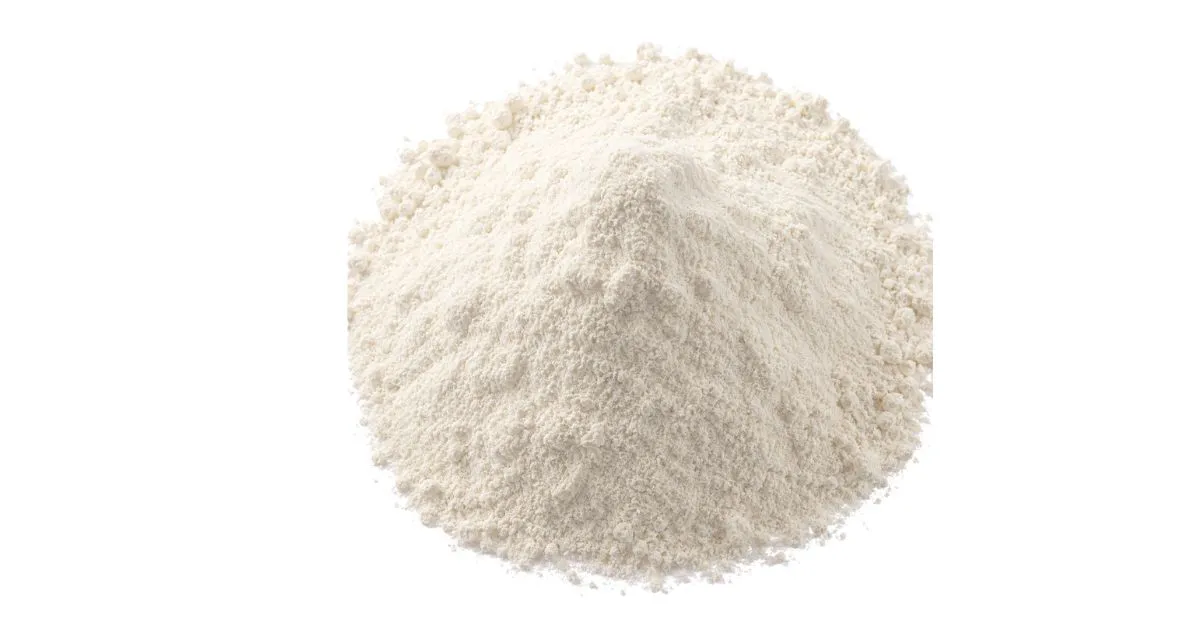
Understanding Oat Beta Glucan: Key Benefits and Mechanisms for Heart Health
How It Works Inside the Body?
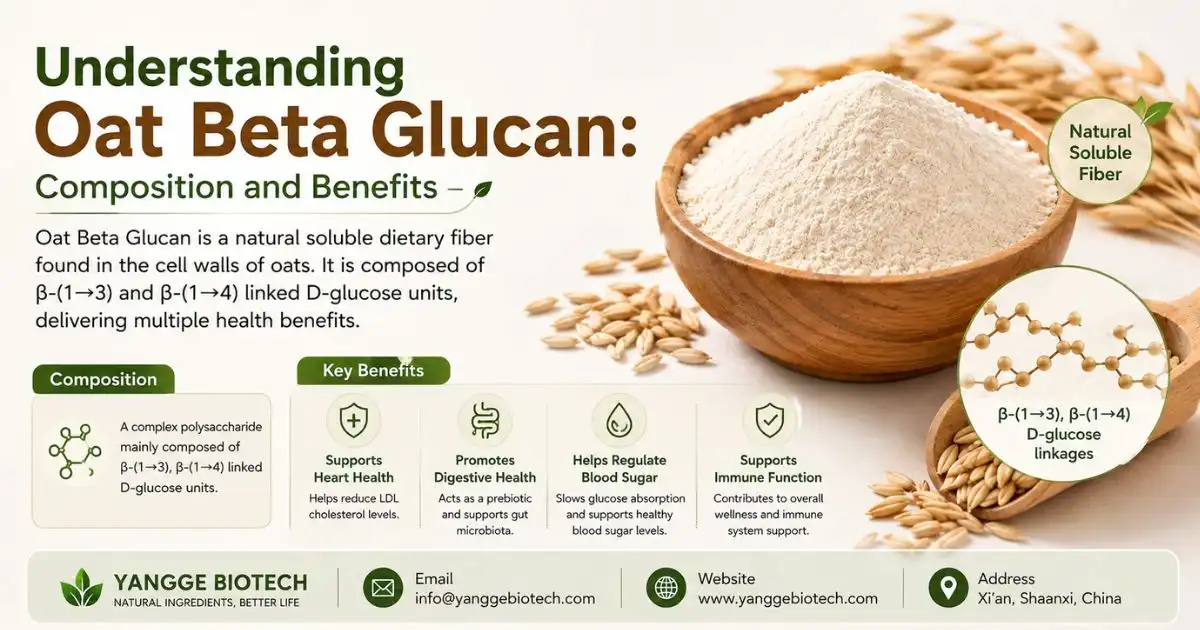
Oat beta glucan is a long chain of sugars made up of glucose units linked by β-(1→3) and β-(1→4) glycosidic bonds. It turns into a thick gel that binds to bile acids and cholesterol, making it harder for the body to absorb them again after being eaten. This process directly lowers LDL cholesterol, which is the main thing that makes you more likely to get heart disease.
There is a lot of proof from studies. In 1997, the FDA said that heart disease risk may be lowered by eating 3 grams of oat beta glucan every day as part of a low-saturated fat and cholesterol diet. The EFSA made the same choice and set the same limit of 3 g/day. These rules must be the basis of any strategy for making heart-healthy products. The thick fiber structure lowers glucose levels after a meal as well as cholesterol levels. Product makers who want to improve the health of both heart patients and diabetics can get two metabolic benefits from this.
Top 5 Uses of Oat Beta Glucan in Heart-Healthy Food Formulation
Adding oat beta glucan to a lot of different kinds of food is a great idea. To make heart-healthy goods, it is most useful for these five things, and we'll explain how each one works.
Here are the main ways that R&D teams always use applications:
- Cholesterol-Reducing Meal Replacements: If a meal replacement shake or cereal has 3 grams of oat beta glucan per dose, it can make a heart health claim that is okay with the FDA. The fine powder form mixes easily into liquids and doesn't leave a rough film, which makes it easier to put the label on without dirtying it.
- Functional Cereal and Granola Bars: Adding 1% to 2% by weight of oat beta glucan to functional cereals and granola bars makes the bars chewier and better able to hold their form. It also raises the amount of dietary fiber mentioned on the nutrition label, which is great for people who care about their health.
- Blood Glucose Management Foods: Eating foods that are high in dense fiber and low in glycemic index (GI) causes a glucose-balancing effect that lasts longer and backs up claims of insulin sensitivity when it's allowed.
- Natural Texture Enhancement: Soups, sauces, and drinks don't need man-made hydrocolloids because oat beta glucan naturally thickens and stabilizes them. Following clean-label rules, this is fine.
- Immunity and Digestive Wellness Supplements: A highly concentrated powder makes it possible to give the exact dose in pills or functional shots with little liquid.
Comparing Oat Beta Glucan with Other Soluble Fibers in Food Applications
To choose the right soluble fiber, you need to do more than just look at price or supply. Oat beta glucan, psyllium husk, and barley beta glucan are some of the ingredients that make up this product. Each one has its own set of functions that affect how it is processed, how it feels, and how it affects the body's systems.
When it comes to drinks, psyllium husk can be hard to use because it is very sticky. Even though the forms of barley beta glucan and oat beta glucan are similar, barley beta glucan is not as well known by health officials in North America. Flaxseed is good for you because it has omega-3s, but it doesn't always work well with viscosity. Soluble fiber from oats is still the best choice for businesses that want to make health claims that are okay with the FDA and get good taste scores.
| Attribute | Oat Beta Glucan | Psyllium Husk | Barley Beta Glucan |
|---|---|---|---|
| Cholesterol Reduction | FDA & EFSA approved | FDA approved | EFSA approved |
| Viscosity in Solution | High | Very high | High |
| Sensory Impact | Mild, neutral | Strong gel, mucilaginous | Mild |
| Gluten-Free Status | Yes (certified) | Yes | Typically yes |
| Application Fit | Beverages, bars, cereals | Capsules, fiber supplements | Cereals, breads |
Procurement Insights: How to Source High-Quality Oat Beta Glucan for Food Manufacturing
Quality Benchmarks That Matter
There are more things to think about when buying than just the price per kilogram. The things that directly affect both how well a product works and how well it can stand up to government scrutiny are:
To check the amount of oat beta glucan, AOAC 995.16 or AACC 32-23 enzymes were used. The molecular weight is spread out through SEC-MALLS, which manages the stickiness and how well it works in the body. The microbial controls show that TPC is less than 1,000 CFU/g and that Salmonella and E. coli are not present. The amount of lead and arsenic was less than 0.5 ppm, which is what the ICP-MS showed. The item meets European standards for PAH4 compliance and has a level of benzopyrene that is less than 10 parts per billion.
| Quality Parameter | Acceptable Benchmark | Test Method |
|---|---|---|
| Beta-Glucan Content | Per specification (e.g., 70%, 80%) | AOAC 995.16 / AACC 32-23 |
| Heavy Metals (Lead) | <0.5 ppm | ICP-MS |
| Benzopyrene (PAH4) | ≤10 ppb | EU Standard |
| Microbial (TPC) | <1,000 CFU/g | Standard plate count |
| Gluten | <20 ppm | ELISA |
When sellers give data from accredited labs that was tested by a third party instead of certificates they made themselves, the supply chain is much more open and simple to understand.
Best Practices for Formulating Heart-Healthy Foods with Oat Beta Glucan
Processing and Dosage Considerations
Pure soluble oat beta glucan is very sticky, which can make it hard to mix and make uniform on a large scale. When you mix the powder with cold water first, it is less likely to clump in water-based tools. When making baked goods, mixing the fibers with the dry ingredients first spreads them out so that gels don't form in one spot.
In the U.S. market, claims about heart health must be accompanied by a label that makes it clear that each serving has at least 0.75 g of oat beta glucan. When it comes to the EU, the EFSA says that the full amount recommendation should be 3 g per day. It is important to note these changes on the labels, and you should talk to your legal team about them as you make the product. It is safe for people who are allergic to gluten to eat oat beta glucan that is made from gluten-free oats. If there is an allergen, you should always check with the supplier and make sure you can find the source.

Conclusion
It has been shown that adding oat beta glucan powder to heart-healthy foods and supplements makes them work better. One of the best soluble fibers on the market right now because it lowers LDL cholesterol, keeps blood sugar levels normal, makes food taste better, and is backed by FDA and EFSA health claims. People who buy things and pay attention to things like confirmed purity, steady supply lines, and third-party quality documents will always do better than people who only look at price. This can be done on a large scale with the right source partner.
FAQ
Q1: What daily intake of soluble oat fiber is needed for a cardiovascular health claim?
A: The FDA and the EFSA both agree that 3 grams of oat beta glucan per day is the lowest amount that can lower cholesterol. The FDA says that each serving must have at least 0.75 g of carbohydrates in order for the label to say "heart healthy."
Q2: How does viscosity affect manufacturing?
A: Higher molecular weight oat beta glucan makes the viscosity higher. This makes it work better in the body, but it can make it harder to process. You can fix most surface issues by following the right pre-hydration steps and picking the right purity grades for your application grid.
Q3: What certifications should I verify when sourcing?
A: More weight should be given to buyers who are certified by ISO, HACCP, Kosher, or Halal. Ask for test results from a third party that prove the safety of the microbial, heavy metals, PAH4, and oat beta glucan content. That a product is non-GMO and gluten-free is proof that it is good for business.
Q4: Can oat beta glucan be used in capsule formats?
A: Yes. Some food supplements need to give a strong dose in a small area. A concentrated, high-purity powder is great for this.
Partner with Yangge Your Trusted Oat Beta Glucan Supplier
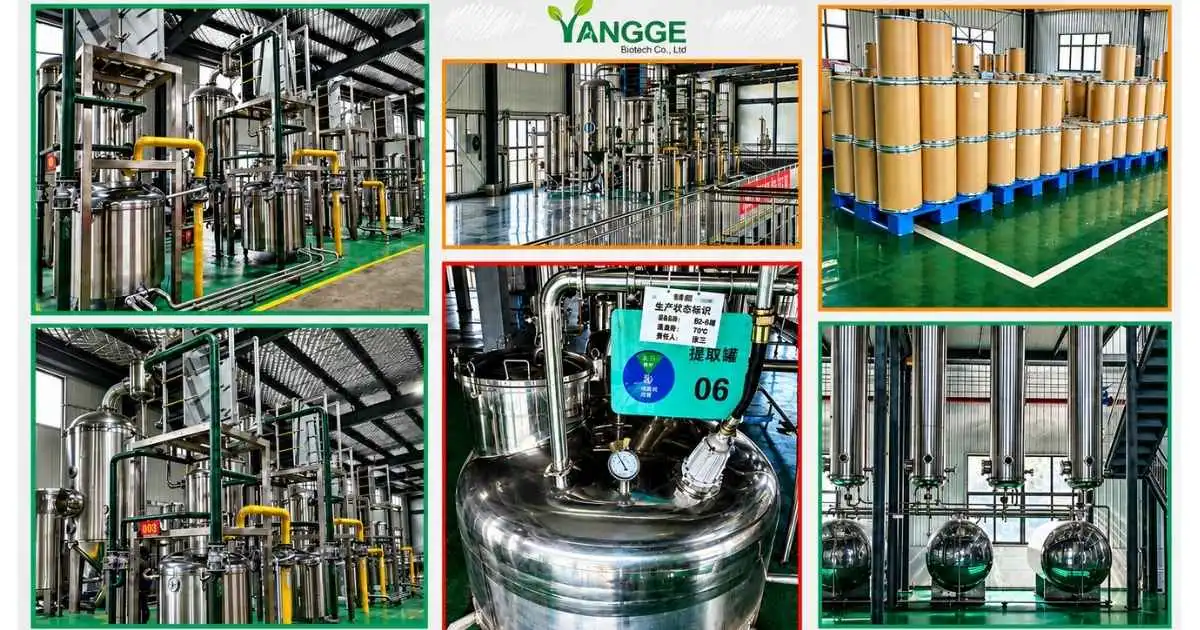
Yangge Biotech sells high-quality oat beta glucan powder that is tested for and approved by ISO, HACCP, Kosher, and Halal. It is also free of GMOs and allergens and doesn't contain PAH4. The smallest test order we can take is 1 kg, and we can do third-party retesting through approved labs. The research and development team at our company can help you quickly meet FDA and EFSA standards by giving you clear formulation advice.Contact us to get a sample right away, email us at info@yanggebiotech.com.
References
1. FDA. Health Claim Notification for Oat Soluble Fiber and Risk of Coronary Heart Disease. U.S. Food and Drug Administration, 1997.
2. EFSA Panel on Dietetic Products, Nutrition and Allergies. Scientific Opinion on the Substantiation of a Health Claim Related to Oat Beta-Glucan and Reduction of Blood Cholesterol. EFSA Journal, 2010.
3. Whitehead, A., Beck, E.J., Tosh, S., & Wolever, T.M.S. Cholesterol-Lowering Effects of Oat Beta-Glucan: A Meta-Analysis of Randomized Controlled Trials. American Journal of Clinical Nutrition, 2014.
4. Tosh, S.M. Review of Human Studies Investigating the Post-Prandial Blood-Glucose Lowering Ability of Oat and Barley Food Products. European Journal of Clinical Nutrition, 2013.
5. Wood, P.J. Oat and Rye Beta-Glucan: Properties and Function. Cereal Chemistry, 2010.
6. Grundy, M.M.L., et al. Re-evaluation of the Mechanisms of Dietary Fibre and Implications for Macronutrient Bioaccessibility, Digestion and Postprandial Metabolism. British Journal of Nutrition, 2016.

Based on your location and order quantity, you will have the opportunity to receive a limited time free shipping promotion!
Who we are
Popular Blogs