Top Lutein Benefits for Eye Health: A B2B Buyer’s Guide 2026
The eye health supplement industry is growing significantly due to ageing and screen time. B2B buyers purchasing managers, R&D directors, and OEM clients must comprehend marigold extract's scientific basis and procurement requirements. This carotenoid, particularly Lutein, targets baby formula, functional drinks, and dietary supplements.
With consumer demand for evidence-based vision protection growing exponentially, selecting the right supplier and product specifications directly impacts your brand's market positioning and regulatory compliance. This guide provides actionable insights to help you navigate sourcing decisions, quality evaluations, and formulation strategies in 2026.
Understanding Lutein and Its Role in Eye Health
What Makes Marigold Extract a Superior Source
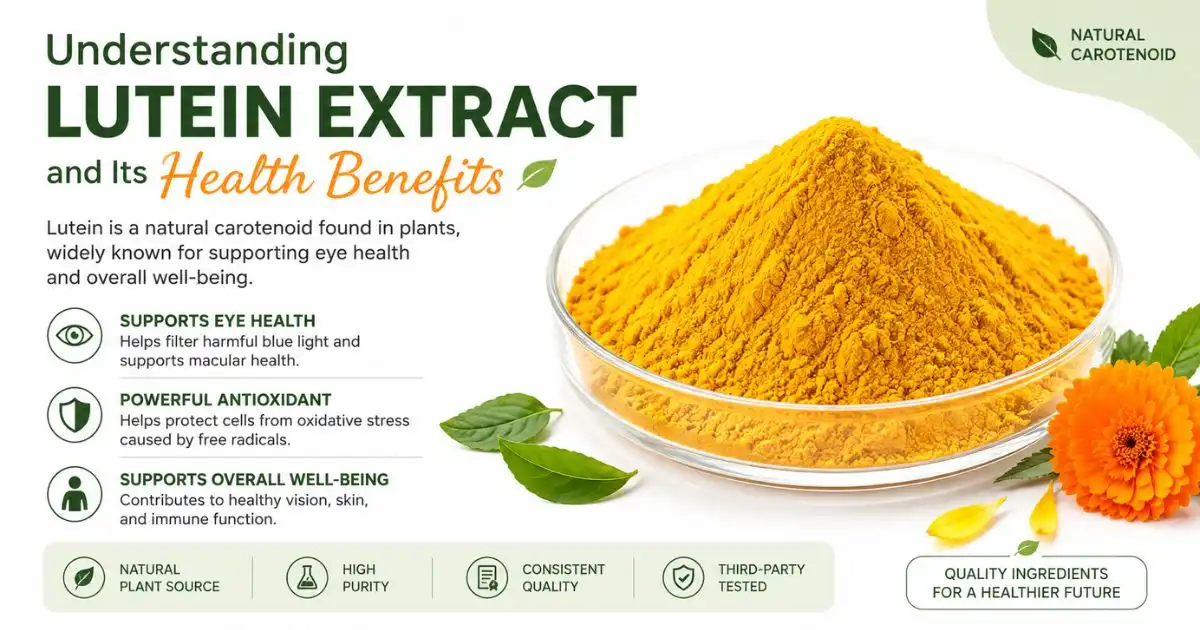
This xanthophyll carotenoid is naturally concentrated in marigold flowers at levels that are much higher than those found in other plants. The fine orange powder that is made from marigold leaves is a great colourant that also has strong antioxidant qualities. As a pigment that dissolves in fat, this carotenoid works well in a variety of supplement forms and stays stable when stored properly.
Powders with concentrations between 5% and 80% are made during the extraction process. This lets makers make mixtures that work best for certain uses. This adaptability allows for a wide range of product lines, from high-potency capsules to prevent age-related macular degeneration to lower-concentration gummies for kids' eye health. There are two uses for the natural pigment: it makes things look nice and it also has health benefits.
Biochemical Mechanisms Protecting Vision
This carotene builds up in the macula of the retina with zeaxanthin to make macular pigment, which blocks blue light that is bad for the eyes. The molecule's special shape two hydroxyl groups on either end—allows it to cross cell walls fully, protecting structures from both inside and outside the cell. This spot is very important for keeping photoreceptors safe from oxidative damage brought on by light and biological processes.
Research shows that getting enough is linked to a lower risk of age-related macular degeneration and cataracts. Reactive oxygen species are made when the eye works normally. Antioxidants neutralise these species, which stops cell harm that builds up over decades. Clinical studies have shown that supplements raise the optical density of macular pigment, which is a measure directly linked to better vision and avoiding disease.
Daily Intake Guidelines Across Demographics
Health officials say that a daily dose of 6.9 to 11.7 mg is safe, and clinical trials have shown that up to 20 mg from both food and supplements is also safe. The Age-Related Eye Disease Study II (AREDS II) used 10 mg of zeaxanthin every day along with 2 mg of Lutein, and subjects with intermediate AMD showed significant protective effects.³ These dose levels help with the development of products for both preventative and therapeutic uses.
When feeding an infant, there are some special things to keep in mind. This carotenoid is naturally found in human breast milk, which helps with visual development during important growth times. When manufacturers add it to baby formula, they have to deal with tighter rules and make sure that the bioavailability fits the profiles of breast milk. During pregnancy and breastfeeding, a woman's needs rise, but the best amounts of supplements are still being studied.
Top 5 Lutein Benefits for Eye Health: Evidence-Based Insights
Because of these benefits, marigold extract should be a top choice for formulators who want to make eye health products. Each benefit has a lot of clinical support, handling specific customer concerns while backing more than one therapeutic claim.
Macular Degeneration Prevention
The AREDS II study showed that taking supplements can slow the development of advanced AMD by 25% over five years in people who already have intermediate disease. This carotenoid and zeaxanthin were used instead of beta carotene in the formula, which eliminated the risk of lung cancer while keeping the effectiveness. This discovery changed the rules for dietary supplements and made xanthophylls the first choice for preventative nutrients.
As nature's sunglasses, macular pigment blocks short-wavelength visible light before it hurts photoreceptors. In older people, having a higher macular pigment density is linked to slower disease progression and better vision. For business-to-business buyers, this focus on prevention backs up marketing claims with high-quality research, appealing to health-conscious individuals wanting preventative eye care.
Cataract Risk Reduction
Observational studies show that higher levels in the food and blood are linked to a lower risk of getting cataracts. The antioxidants keep the lens proteins from oxidising and glycating, which are two processes that make the lens cloudy and hurt your vision. Compared to AMD studies, clinical trials have had mixed results. However, epidemiological data is still strong enough to back product positioning.
Cataract surgery is one of the most common procedures in healthcare, so there is a big need for ways to keep this from happening. Products that focus on both lens clarity and macular health make the market more appealing by solving more than one eye issue in a single recipe. This all-around method makes brands stand out in competitive markets and improves how valuable customers see them.
Comprehensive Antioxidant Eye Protection
This carotenoid protects cells against oxidative stress, which is linked to cataracts, diabetic vision, and general decline that comes with getting older. Because it can stop singlet oxygen and neutralise free radicals, it keeps tissue integrity in all parts of the eye. Getting rid of inflammation also helps long-term eye health by fixing multiple disease processes at the same time.
It is possible for the molecule to attach to cell membranes in the cornea, lens, and retina because it is lipophilic. This wide spread makes systemic defence possible instead of just protecting specific organs. For Lutein, this property is particularly relevant, as its distribution across ocular tissues enables broader antioxidant activity. Formulations that focus on full antioxidant defence are appealing to people who want to improve their overall health rather than just treating one disease.
Synergistic Effects with Zeaxanthin and Other Nutrients
In the macula, these two xanthophylls work together, with zeaxanthin gathering in the middle and the other carotene taking over the edges. Their combined spread makes the best use of light blocking and antioxidant defence for the whole macular area. When two carotenoids are mixed in amounts that have been supported by research (5:1 to 10:1), the biological effects are greater than when either nutrient is used alone.
When omega-3 fatty acids, zinc, vitamin C, and vitamin E are added, they work together even better (the full AREDS II formulation). These nutrients help with many parts of eye health, from immune system function to membrane fluidity. Together, they provide better safety than goods with only one ingredient. B2B buyers who are making high-end formulations should focus on multi-nutrient approaches that have been proven to work in clinical studies.
Broader Skin and Overall Wellness Contributions
Eye health gets most of the study attention, but new evidence shows that it may also be good for skin protection, brain health, and heart health. The antioxidants that protect eye cells also protect skin from damage caused by UV light and help keep brain tissue healthy. A healthy diet is linked to better brain function in older people, which means there are more ways this information could be used in the market.
These extra benefits make it possible to creatively position a product in categories other than traditional eye health. This carotene can be found in functional drinks that focus on brain health or beauty from within. It can also be used to show the extra benefits for vision. This makes ingredients more valuable for companies that make products for different health groups whose customer bases cross.
Lutein Supplementation: What B2B Buyers Need to Know
Comparing Supplement Forms and Applications
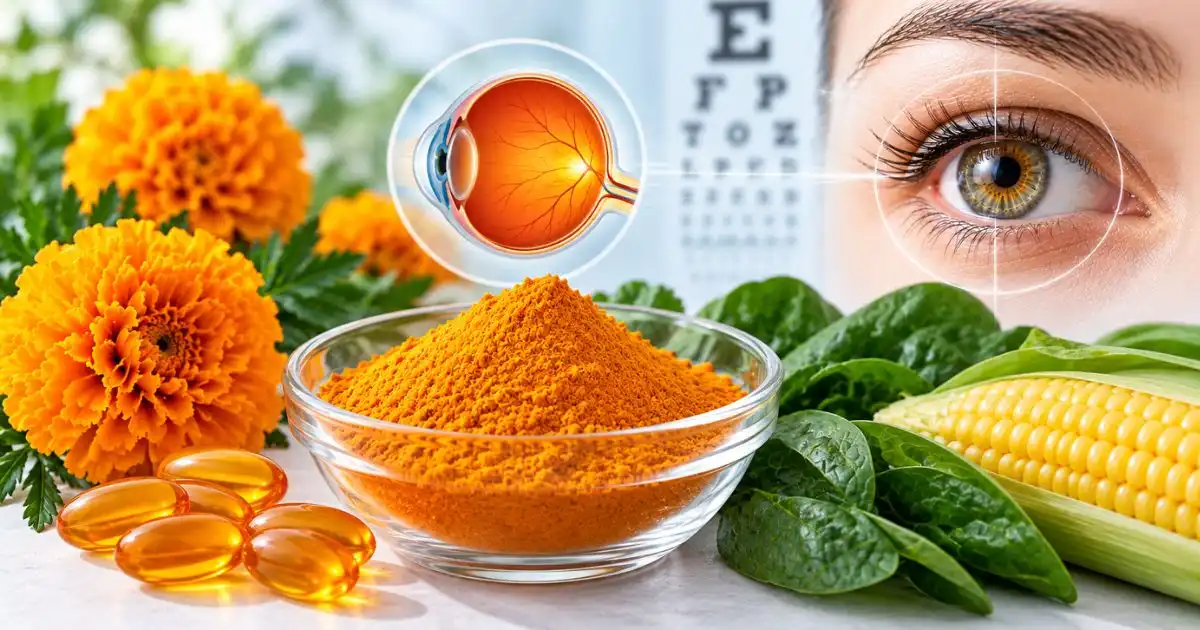
Capsules and softgels are still the most common ways to give high-potency products. Softgels made from oil improve bioavailability by putting the fat-soluble carotenoid in the best way for the body to absorb it. These forms work well for both single eye health goods and multivitamin combos aimed at adults. Powder-filled vegetarian capsules are appealing to plant-based markets while still working well.
Functional foods like protein powders, shake mixes, and drink bases can be made in a variety of powder forms. Beadlet types that are water-dispersible get around the natural lipophilic qualities, allowing them to be mixed with water-based systems. Microencapsulation technology keeps the carotene from oxidising and controls how it releases, which increases its shelf life in tough formulation environments.
People, especially kids, want choices that are easy to use and taste good, and liquid vitamins and gummies meet those needs. Because light and oxygen speed up decline, these forms need special solutions for stability. Amber bottles, nitrogen washing, and antioxidants added to the product all make it last longer. Gummy formulations need to carefully balance flavour, texture, and the stability of the active ingredients.
Which format to use depends on the target audience, dosage needs, manufacturing capabilities, and where the product fits in the market. When it comes to solubility, high-end products often use softgels, while mass-market products may choose cheaper pills. Knowing about these trade-offs helps make sure that product requirements are in line with business goals.
Free Lutein Versus Ester Forms
There are two main types of molecules that are sold commercially: free form and Lutein esters. The free form is the bioactive compound that is directly absorbed by cells in the gut. It is the same form that is found in most vegetables and retinal tissue. Naturally, marigold flowers have ester forms, which are made up of fatty acids attached to hydroxyl groups. These are usually palmitic, lauric, or myristic acid esters.
Saponification, a chemical method that gets rid of fatty acid chains, is used by manufacturers to change esters to free form. After being absorbed, both kinds have the same biological effect because digestive enzymes automatically break down ester links in the intestines. In some situations, the ester form is more stable than the free form because it doesn't oxidise as easily while being stored or processed.
Labelling dosages needs to take differences in molecular weight into account. The amount of active carotenoids in ester forms is about 50–60% by weight, with the rest being made up of fatty acid chains. Products that use esters should figure out "free equivalents" to make sure that customers get intake amounts that are backed up by study. Labels that make it clear the difference between total ester weight and free equivalent content are becoming more and more required by regulations.
Absorption Optimization and Bioavailability Factors
Carotenoids that dissolve in fat need dietary lipids to be absorbed properly. When compared to fasting, taking supplements with meals that have at least 5–10 grams of fat makes them much more bioavailable. Dosing instructions and materials for educating consumers are affected by this physiological need. Products made with oil structures or softgels help with this need some, but the time of meals is still important.
Variations in genetic polymorphisms affect carotenoid metabolism, gut health, and the nutrients that are taken in at the same time. A lack of zinc makes it harder to convert and move things, and taking a lot of beta carotene supplements makes it harder to absorb things. These things make it harder to standardise dosages, but they also show where personalised diet methods can be useful.
| Bioavailability Factor | Impact on Absorption | Formulation Consideration |
|---|---|---|
| Fat content in meal | 3-5x increase with adequate fat | Include dosing instructions |
| Particle size reduction | Smaller particles improve dispersion | Micronization technology |
| Emulsification technology | Enhanced aqueous dispersion | Beadlet or CWS forms |
| Co-antioxidants (Vitamin E) | Prevents oxidation, preserves potency | Stabilizer addition |
| Microencapsulation | Protects from degradation | Extended shelf stability |
Bioavailability problems are being solved by new, more advanced delivery technologies. Liposomal encapsulation acts like natural chylomicron transport, which might make absorption rates better. Nano-emulsion methods help the intestines absorb more of the mixture's surface area. These new ideas cost more than older ones, but they may help goods stand out in competitive markets by making claims about how well they work.
Safety Profile and Side Effect Considerations
Lutein has been shown in a lot of research to be very safe for people of all ages. Unlike Vitamin A, Lutein has no concerns about toxicity, even at supplement doses that are much higher than what is normally consumed. Carotenemia, or harmless skin yellowing, is the only known side effect associated with Lutein, and it only happens at very high doses and goes away when the supplement is stopped. This safety cushion gives formulators some freedom when using Lutein without worrying about the upper limit.
There aren't as many safety data on breastfeeding and pregnancy as there are on the general population. However, biological plausibility strongly supports safety because the substance is naturally found in breast milk and builds up in foetal tissue. Manufacturers who want to sell to women who are pregnant should look at existing studies and be aware of knowledge gaps. Different places have different rules about how to add things to baby formula, so you have to be careful when going through the approval steps.
Drug interactions are still very small, and there have been no reported bad effects when typical medicines are taken together. This clean interaction profile makes it easier for doctors to make suggestions and lowers worries about contraindications that can make some supplement categories harder to understand. The good safety profile makes risk-benefit studies for methods that use supplements to avoid disease stronger.
Market Landscape and Supplier Evaluation for Lutein Products
Global Manufacturing Standards and Certifications
Understanding the rules that guide dietary supplement ingredients is the first step in ensuring quality. FDA registration proves that factories follow the rules of Current Good Manufacturing Practice (CGMP), which makes sure that the quality of the products is always the same and that there is no contamination. The FDA doesn't approve food items before they go on sale, but facilities that follow the rules show they care about quality processes.
Kosher and Halal certifications make it easier for people who follow religious dietary rules to buy food. These people make up big groups of people in North America, Europe, and Asia. The sources of ingredients, processing methods, and building rules must be checked by a third party in order to get these certificates. Keeping multiple religious certifications along with standard quality documentation is very helpful for products that are sold to a wide range of people.
There are more things to think about when getting organic approval. Growing marigolds can be done in an organic way, but the solvents used for extraction and the tools used for processing must also be organic. European organic regulations (EC 834/2007) differ from USDA National Organic Program requirements, necessitating market-specific certifications. Organic products are more expensive, but they have a niche market of people who are willing to pay more for assurances about the farming method.
People are worried about genetic modification, so non-GMO certification helps ease their minds. However, the types of marigolds used for extraction are not usually genetically modified. Third-party Non-GMO Project verification helps with marketing, even though it's not very useful technically. Investing in paperwork and reviewing processes is better done when you know which certifications appeal to your target audience.
Critical Quality Parameters for Procurement
Purity and strength checks are the basis of evaluating suppliers. Specifications should list concentration levels (5–80%), and label claims should be backed up by reports of analysis from recognised labs. The best way to measure this carotene is with high-performance liquid chromatography (HPLC), which can tell it apart from zeaxanthin and other breakdown products. Reliable providers provide testing records for each batch that show uniformity.
Contaminant screening keeps people safe and protects a brand's reputation. Polycyclic aromatic hydrocarbons (PAH4 guidelines) in Europe limit benzopyrene to ≤10 ppb. This is done to protect against pollution from drying processes. Testing for heavy metals like lead, cadmium, mercury, and arsenic makes sure that the materials used in farming and the places where they are processed are safe. Testing for microbes confirms that there are no pathogens and that the total plate counts are good.
Stability testing tells you how long a product will last in different store circumstances. Products are put through accelerated stability studies that expose them to high temperatures and humidity to find out how quickly they break down. Expiration dates are confirmed by real-time stable data from managed storage. Suppliers should give you stability protocols and historical data that backs up the recommended storage conditions, which are usually dark, cool places in containers that are sealed.
The following requirements set the standard for quality in business procurement:
| Parameter | Specification | Testing Method |
|---|---|---|
| Lutein content | 5%, 10%, 20%, 80% (customizable) | HPLC-UV/Vis |
| Appearance | Orange fine powder, uniform | Visual inspection |
| Particle size | ≤80 mesh | Sieve analysis |
| Loss on drying | ≤5.0% | USP Method |
| Heavy metals (Pb) | ≤2.0 ppm | ICP-MS |
| Benzopyrene | ≤10 ppb | GC-MS (EC standard) |
| Total plate count | ≤1,000 CFU/g | USP Method |
| Allergen status | Non-allergen | Documentation |
| GMO status | Non-GMO | PCR testing |
| Shelf life | 24 months (proper storage) | Stability studies |
Pricing Dynamics and Supply Chain Considerations
Prices on the market are based on amounts of concentration, processing methods, and licensing portfolios. Lower amounts (5–10%) are used in functional drinks and children's products that need to be cost-effective, while high-potency extracts (20–80%) are used in high-end vitamins that need few fillers. Because they are easier to work with, ester forms usually cost less than free forms. However, as production volumes rise, the price differences become smaller.
Supply contracts should take into account how the timing of harvests affects the supply of raw materials. Marigolds are mostly grown in places with good weather; India, Mexico, and China produce most of the world's marigolds. Crop rates and prices are affected by changes in the weather, so multi-year supply deals help keep costs stable. Different suppliers have different minimum order amounts. When you make a bigger pledge, you can get bulk discounts.
Being open about where your products come from builds trust and backs up claims of sustainability. Suppliers who work directly with farming communities show that they are in charge of the supply chain and follow ethical standards. Farm-to-table traceability documentation confirms where an ingredient came from and how it was grown, which is good for customers who want to know more about the ingredients they eat. These connections also help keep quality consistent by ensuring the purity of the varietal and figuring out the best time to harvest.
How to Choose the Best Lutein Products for B2B Procurement in 2026
Matching Form to Application Requirements
Setting the delivery method and goal specs is the first step in making a product. It is necessary for softgel formulas to use ingredients that can dissolve in oils like olive, sunflower, or MCT oil. Incorporating lutein into such oil-based systems is a common practice due to its lipophilic nature, which ensures proper dissolution and absorption. Powder-filled capsules can handle lower bioavailability, but they make veggie formulas easier and lower the cost of making them. Knowing about these trade-offs ensures that technical specs match up with product ideas.
For beverage uses, water-dispersible shapes are needed, usually cold-water-soluble (CWS) beads made from gum arabic or modified starch. These preparations keep the suspension stable and keep it from settling while it's being stored on a shelf. When it comes to clear or light-colored drinks, colour intensity must strike a balance between how nice the colour looks and how easily it might stain. In clear wrapping, microencapsulation keeps things from oxidising when they are exposed to light.
When it comes to application environments, infant formula is the most difficult. Spray drying at high temperatures and the need for a longer shelf life both require higher stability. Antioxidant defence systems (tocopherols, ascorbyl palmitate) in microencapsulated powders keep their effectiveness even after being processed and stored. Regulatory applications need a lot of stable data and bioavailability studies that show how well the end formula works.
Evaluating Supplier Reliability and Technical Support
In addition to product specifications, operational skills and the possibility for a relationship play a role in choosing a seller. Reliability in order fulfilment depends on how much manufacturing capacity there is, especially when seasonal demand is high. Stockouts don't mess up production plans when suppliers keep enough goods on hand. Expectations for lead times should be in line with just-in-time inventory management or warehouse capacity limits.
Technical support is what sets strategic partners apart from commodity suppliers. Application scientists help solve formulation problems, suggest the best forms for different grids, and give advice on how to test for stability. Regulatory affairs support makes it easier to put together paperwork that needs to be sent to the FDA, EFSA, or regional authorities. These services cut down on the need for internal resources and speed up the time it takes to get new products to market.
Collaboration in quality assurance sets agreed standards that go above and beyond what is required. Suppliers who are ready to change the rules for testing, give samples to keep for future use, and take part in corrective action processes show they are committed to a quality relationship. Clear communication about changes to manufacturing, updates to specifications, and possible supply disruptions builds trust, which is important for relationships that last.
Building Strategic Long-Term Partnerships
Strategic alignment is an important part of successful buying that goes beyond simple purchases. When suppliers put money into building relationships, they often give information about the market, predictions about trends, and sneak peeks at new products. Getting early access to new processing technologies or better specifications gives companies that are making new products a competitive edge. Joint development deals make these partnerships official by outlining intellectual property rights and ways to make the products available to the public.
When negotiating prices, you should find a balance between lowering costs and making sure quality and supply security. Extremely low prices usually mean that quality control has been slacked, goods have been tampered with, or business practices are not sustainable and could cause supply problems. Total cost of ownership estimates that take into account problems with quality, the risk of not following regulations, and the reliability of the supply are better at figuring out value than unit price comparisons alone.
As business responsibility requirements grow, sustainability factors become more important in choosing suppliers. Suppliers that show they care about the environment by using green energy, cutting down on waste, and saving water are more likely to have brand values that conscious customers like. Community development programs that help farming partners have positive social effects that make brand stories and differentiation stronger.
Conclusion
The market for eye health supplements has a lot of possibilities for business-to-business buyers who know how to carefully find ingredients. Scientific studies have shown that marigold extract, particularly its key active component Lutein, can help avoid macular degeneration, lower the chance of cataracts, and provide overall antioxidant protection. Knowing the differences between free and ester forms, as well as absorption optimisation strategies and application-specific format needs, helps you make smart procurement decisions that balance effectiveness, cost, and market positioning.
Quality control through thorough testing, approval portfolios, and open communication with suppliers defends the reputation of the brand and meets the needs of regulations in all global markets. As consumers' need for eye protection grows through 2026 and beyond, forming strong relationships with dependable suppliers will help your product line continue to do well in this growing wellness area.
FAQ
What is the ideal daily dosage for eye health supplements?
Based on clinical research, 10 mg daily is recommended as the normal preventive dose. This is the same amount that was used in the AREDS II study and showed to be very effective at protecting against disease. Therapeutic doses for people who already have retinal degeneration can go up to 20 mg, but the effects stop above that amount. Infant formula usually has 100 to 250 mcg per litre, which is close to the amount found in breast milk and helps with eye development during important growth times.
Can lutein be combined with omega-3 and vitamin A?
Without a doubt, combination formulas often offer better benefits than single-ingredient goods. Omega-3 fatty acids help keep the membranes of retinal cells fluid and reduce swelling in a way that is different from how carotenoid antioxidants do it. Vitamin A helps with different parts of vision, especially adapting to low light. When mixed in the right way, these nutrients work together to protect the eyes without competing for absorption. This makes complete eye health products very effective.
How can buyers verify raw material authenticity?
Ask labs that are ISO-certified to give you certificates of analysis that show the results of HPLC tests that measure the amount of certain carotenoids present. By comparing absorption patterns to marigold reference standards, spectral fingerprinting proves that a botanical source is real. Independent proof of quality comes from third-party verification programs like NSF International or USP Dietary Supplement Verification. Audits of suppliers' sites show how products are made and the quality systems that back up what the paperwork says.
Partner with Yangge for Premium Marigold Extract Lutein
Yangge Biotech specialises in providing pharmaceutical-grade marigold extract powder that meets the strictest standards for business-to-business purchases. Our marigold extract Lutein powder comes in orange fine powder that is free of GMOs and irradiation and has a concentration range from 5% to 80%. It meets all European PAH4 standards. Our GMP-compliant facilities and dedicated quality control laboratories help us keep all of our certifications, such as ISO, HACCP, Kosher, and Halal.
Our plan for sustainable buying makes sure that you can track food from the farm to the table and helps farming communities all along the supply chain. Our technical team can help you with any formulation problem, whether you need oil-soluble powder for softgels, water-dispersible beadlets for drinks, or microencapsulated forms for infant formula.Contact us or get in touch with our Lutein supplier experts at info@yanggebiotech.com to ask for samples, talk about custom requirements, or look into relationship options that will help your 2026 eye health product line.
References
1. Bernstein PS, Li B, Vachali PP, et al. (2016). "Lutein, zeaxanthin, and meso-zeaxanthin: The basic and clinical science underlying carotenoid-based nutritional interventions against ocular disease." Progress in Retinal and Eye Research, 50: 34-66.
2. Stringham JM, Bovier ER, Wong JC, Hammond BR (2010). "The influence of dietary lutein and zeaxanthin on visual performance." Journal of Food Science, 75(1): R24-R29.
3. Age-Related Eye Disease Study 2 Research Group (2013). "Lutein + zeaxanthin and omega-3 fatty acids for age-related macular degeneration: the Age-Related Eye Disease Study 2 (AREDS2) randomized clinical trial." JAMA, 309(19): 2005-2015.
4. Ma L, Dou HL, Wu YQ, et al. (2012). "Lutein and zeaxanthin intake and the risk of age-related macular degeneration: a systematic review and meta-analysis." British Journal of Nutrition, 107(3): 350-359.
5. Johnson EJ (2014). "Role of lutein and zeaxanthin in visual and cognitive function throughout the lifespan." Nutrition Reviews, 72(9): 605-612.

Based on your location and order quantity, you will have the opportunity to receive a limited time free shipping promotion!
Who we are
Popular Blogs