Top FDA Blue Spirulina Suppliers for OEM Beverage Applications - Yangge
When sourcing FDA blue spirulina for OEM beverage production, compliance documentation comes before everything else. Phycocyanin the natural blue pigment extracted from Arthrospira platensis is the only natural blue colorant currently recognized by the FDA for use in food and beverages. For US-market importers and supplement brands, that distinction matters enormously. This article covers what separates compliant suppliers from risky ones, how to evaluate your options, and why Yangge Biotech consistently earns trust from procurement teams across North America. For more information on our products, please email us at info@yanggebiotech.com or go to blog.yanggebiotech.com.
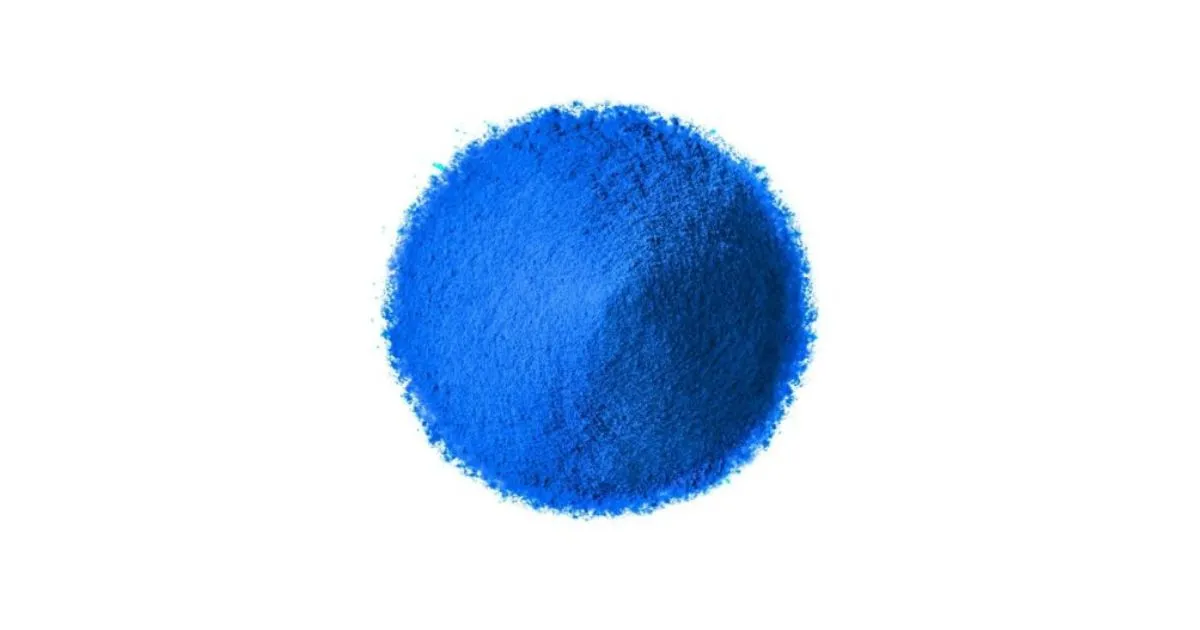
Understanding FDA Blue Spirulina and Its Significance for OEM Beverages
What FDA Recognition Actually Means for Blue Spirulina
There is no way for the FDA to "approve" color additives like it does drugs. According to 21 CFR Part 73, phycocyanin from spirulina is a color additive that does not need to be certified. This means that it can be used in food and drinks without having to go through batch certification as long as it meets safety and purity standards. This is a clear and limited permission. Buyers should make sure that the paperwork from the source clearly follows this legal path.
Nutrient Profile That Supports Functional Claims
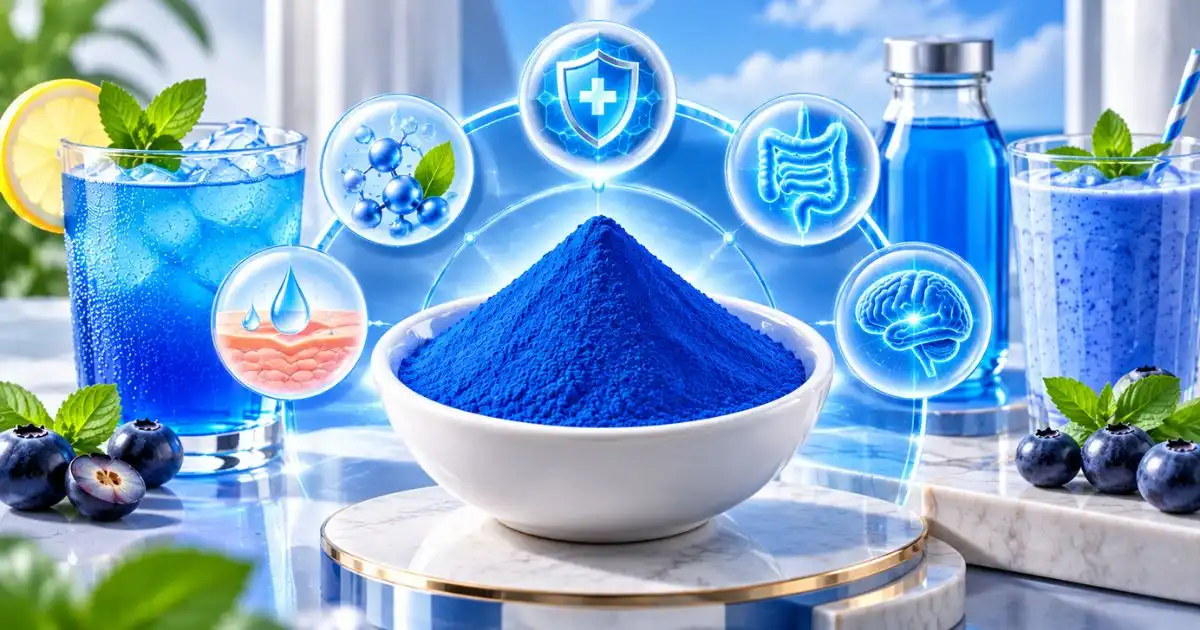
You can use blue spirulina powder for more than just color. It is made up of 60–70% protein and has antioxidant properties thanks to phycocyanin. Labeling statements in functional foods and dietary supplements are backed up by these factors. These are places where the US market continues to grow. The Global Wellness Institute reported in 2023 that the functional food and drink market in North America was worth more than $280 billion. This shows that consumers are still interested in knowing what's in the foods they buy.
Why OEM Beverage Manufacturers Cannot Skip Compliance
Non-compliant blue colorants that try to get into the US market could be detained, turned away, or have to be reformulated at a high cost. One import alert can mess up a whole line of drinks made by OEM companies that sell to national stores or health brands. It is required to use a phycocyanin ingredient that comes with the right paperwork, like a COA, an MSDS, or heavy metal tests done by a third party. It's the bare minimum for businesses to stay in business in this market.
How to Choose the Right FDA Blue Spirulina Supplier for OEM Beverage Applications
Define Your Compliance Checklist Before Contacting Suppliers
Managers in charge of buying things should make a written paper plan before they ask for samples of FDA blue spirulina. This should have a current COA that matches each lot, an MSDS, a specification sheet with the color value (E10, E18, or E25), proof that it dissolves in water, and third-party test results for lead, arsenic, mercury, and cadmium that follow USP standards. If you don't have these, you won't be able to correctly fill out the paperwork for entering the US market.
| Document Type | Purpose | US Market Requirement |
|---|---|---|
| Certificate of Analysis (COA) | Verifies lot-specific quality | Required per 21 CFR Part 111 |
| Third-Party Heavy Metal Test | Confirms lead/arsenic limits | USP <232> / California Prop 65 |
| MSDS / SDS | Handling and safety data | Needed for shipping |
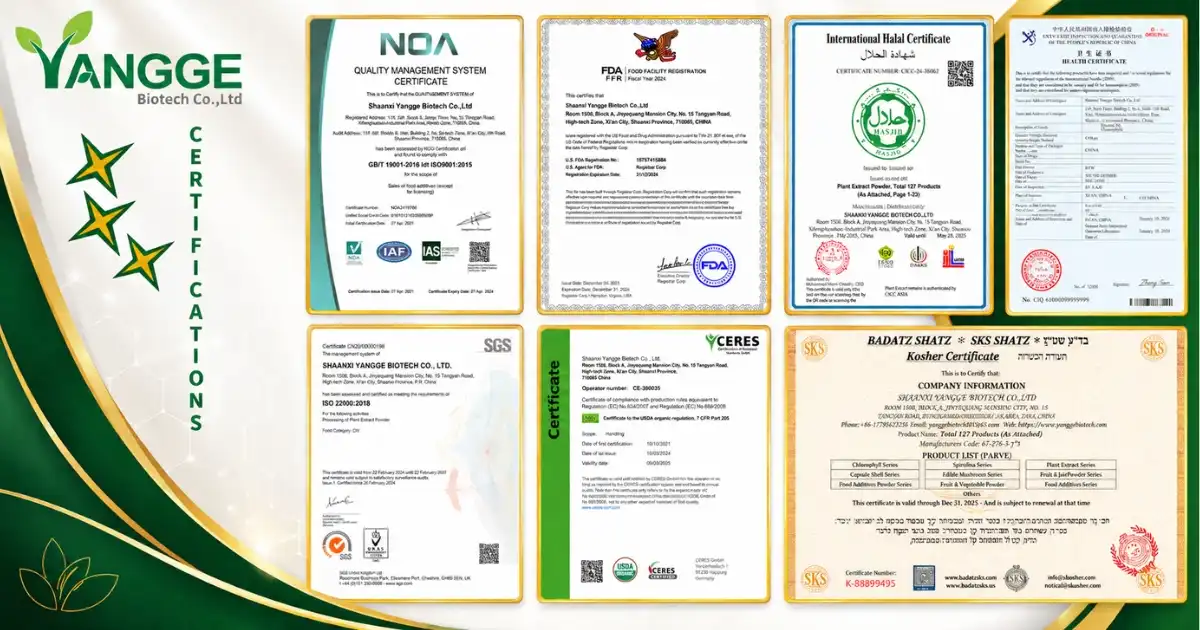
| KOSHER / HALAL Certificate | Market access (specialty retail) | Required for retailer-specific |
| FDA Facility Registration | Verifies manufacturer status | Required for food facility |
Evaluate Manufacturing Practices, Not Just Price
It doesn't matter how cheap a supplier's price per kilogram is if their plant doesn't have GMP certification or can't show output records that can be tracked. In the US, regulatory relations managers at supplement companies usually want to see proof of ISO certification, HACCP routines, and written recall procedures. In this business, it is common to look at output records from afar through audit reports or third-party facility audits.
FDA-Recognized Phycocyanin vs. Non-Compliant Alternatives
Some sellers of man-made blue pigments or pigments that aren't made from spirulina use similar language when selling their products. There is a real chance that ingredients with wrong labels will get to the US market. In 2021, the Journal of AOAC International released a study that said adulteration in natural pigment supply lines is a problem that quality assurance teams have to deal with all the time. The FDA only allows phycocyanin from spirulina as a color additive, and the only reliable way to be sure of this is to check the product documentation that has been HPLC-tested.
Top FDA Blue Spirulina Suppliers for OEM Beverage Applications: Spotlight on Yangge
Yangge Biotech's Product Specifications and Quality Standards
Yangge Biotech sells phycocyanin in three color grades: E10, E18, and E25. The company uses HPLC-verified ways to get the phycocyanin, and it meets both Kosher and USP standards. The product dissolves completely in water but not in ethanol or fat. It comes in the form of a fine blue powder or tablets. It has a protein level of 60–70%, so it can be used as both a colorant and a food marker. With 1 ton in stock, Yangge can quickly fill both trial orders and production orders.
| Specification | Detail |
|---|---|
| Product Name | Phycocyanin / Pure Blue Spirulina Powder |
| Color Value Options | E10, E18 (standard), E25 |
| Solubility | Completely water soluble; insoluble in ethanol and fat |
| Protein Content | 60–70% |
| Extraction Method | HPLC |
| Certifications | Kosher, USP Grade, ISO, HACCP, Halal |
| MOQ | 25 KG |
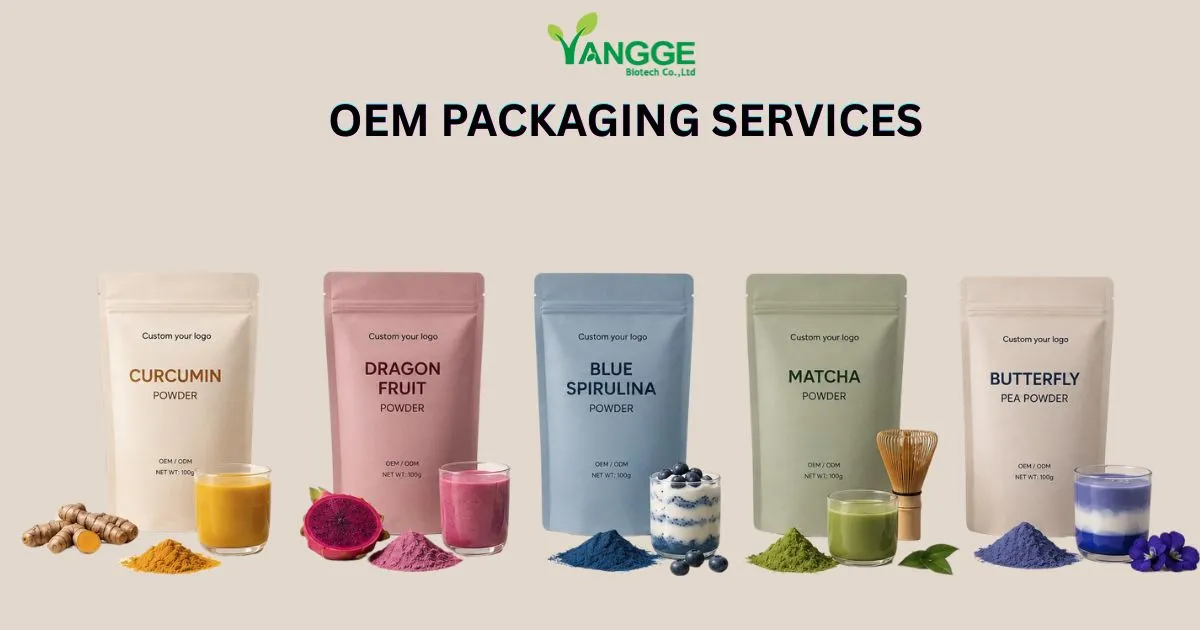
| OEM Bag Options | 60G, 100G, 8OZ (custom labeling available) |
| Shipping | DHL / FedEx / EMS / Sea / Air |
OEM and Private Label Support
Yangge helps OEMs make superfoods including FDA blue spirulina in a variety of forms, such as mix powders, pills, tablets, and sweets. For US beverage brands, this means that they only need one source for both raw materials and final products. Private label packaging comes in 60G, 100G, and 8OZ sizes and can be customized with branding. This shortens the wait time for brands releasing new SKUs in stores with a lot of competition.
Traceability and Documentation Readiness
Yangge's supply chain is based on a model that lets you track food from the farm to the table. The food is made according to GMP standards and is approved by ISO and HACCP groups. Their set of paperwork, which includes a COA, MSDS, specification sheets, and third-party test results, is made in a way that US regulatory affairs teams are used to seeing it. During the document review phase, which usually takes two to three weeks in a normal 6–12 week import cycle, this cuts down on the back and forth.
Application Insights: Maximizing Blue Spirulina in Beverage Formulations
Recommended Usage Rates and Stability Considerations
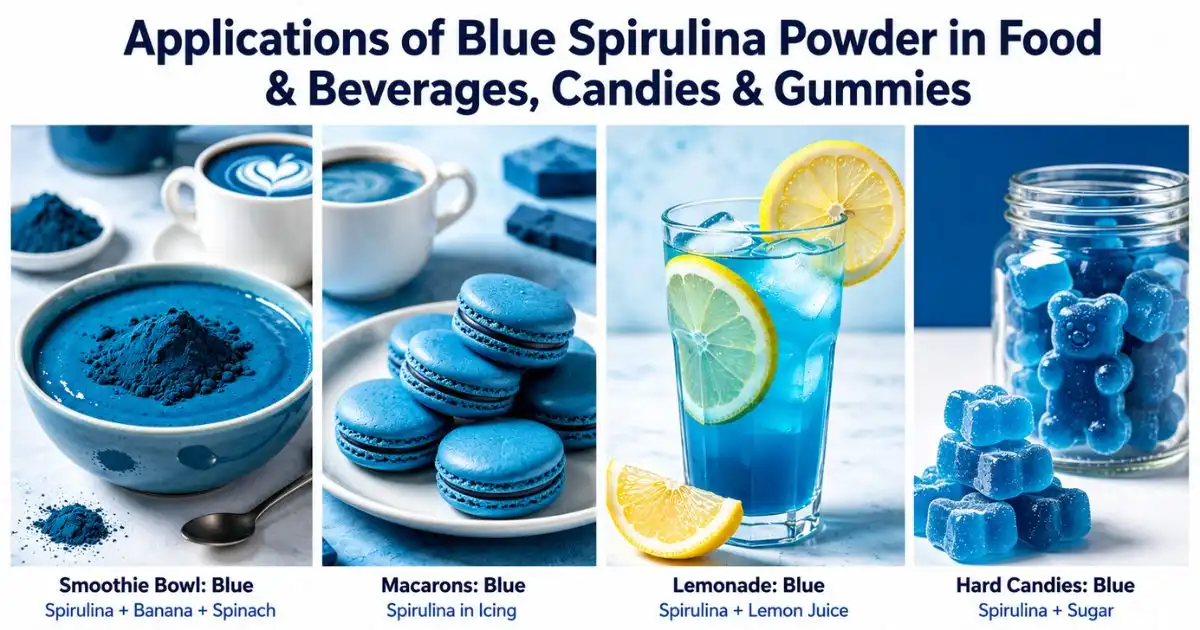
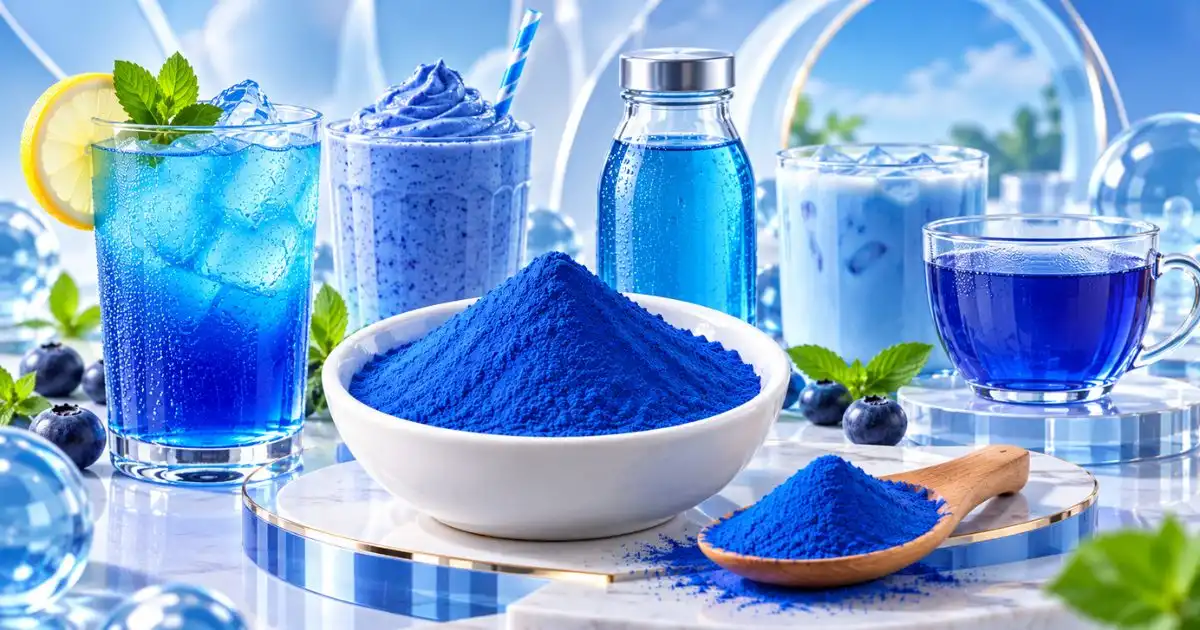
The best pH range for phycocyanin is between 4.5 and 8.0. When it is exposed to high heat, strong light, or acidic conditions below pH 4.5, it becomes less stable. For people who make drinks, this means that smoothies, cold brew additions, and room-temperature instant drink mixes with the cold process give the most consistent color results. Rates of use are usually between 0.1% and 0.5%, depending on the grade chosen (E10 for lighter tones, E25 for deeper blue saturation) and the level of color intensity that is wanted.
High-Growth Beverage Categories for Phycocyanin
Clean-label drinks are one of the shopping categories that is growing the fastest in the US. Here are the types of uses where blue spirulina makes the biggest difference in the market:
- Functional RTD beverages: Color value E18 or E25 gives bottled drinks aimed at health-conscious customers a stable visual effect, and the antioxidant association of phycocyanin is an added bonus.
- Smoothie and protein powder blends: E10 or E18 grades mix easily into white or neutral-base powders, keeping the label-friendly recipe purity.
- Gummies and confectionery: Yangge's phycocyanin can be mixed with gelatin and pectin without the need for many changes to the processes.
SPINS retail data from 2023 shows that these three groups together make up a big part of new products coming out in the US natural food channel. It is cheaper to avoid having to redo the formulation later if the right color value grade of FDA blue spirulina is chosen at the formulation stage.
Benefits of Partnering with FDA-Certified Blue Spirulina Suppliers Like Yangge
Consistent Quality Across Batches
One of the main problems that procurement teams have with overseas ingredient suppliers is that there is often inconsistency between batches. With Yangge's HPLC extraction and lot-level COA documentation, this is directly taken care of. Traceable production records are sent with every shipment. These records give QA managers the information they need for internal checks and store compliance reports.
Flexible Order Structure and Delivery Terms
Yangge can handle both test orders and full production runs. The minimum order quantity is 25 kg, and shipping options include DHL, FedEx, EMS, sea freight, and air freight. When US import teams use flexible Incoterms, they can choose the cost and risk structure that works best for their operations.
Regulatory Documentation Support for the US Market
Yangge's team knows what kinds of paperwork US makers of health supplements and functional foods want. They offer compliance document packages that are already prepared to meet 21 CFR Part 111 and state-level standards. This makes it easier for the buyer's regulatory affairs team to get ready.
Conclusion
To get phycocyanin for the US beverage market, you need to do more than just find a cheap blue powder. It needs a supplier that can provide verified paperwork, quality that is consistent across batches, and real-world knowledge of what US regulators expect.
Yangge Biotech's FDA blue spirulina phycocyanin meets the main requirements that US sourcing and regulatory teams look for. It comes in grades E10, E18, and E25, is confirmed Kosher and USP, and has been extracted using HPLC. Yangge is someone you should talk to directly if your brand is getting ready to launch in the US market or if you need a stable supply chain for items you already have.
FAQ
Is blue spirulina phycocyanin approved by the FDA?
Under 21 CFR Part 73, phycocyanin from spirulina is described as a color ingredient that does not need to be certified. This means that it can be used in food and drinks in the US, as long as it meets certain character and purity standards. It is the only natural blue pigment that has this specific FDA approval right now.
What documents should I request from a blue spirulina supplier before importing to the US?
Ask for at least a COA for a specific lot, an MSDS, an HPLC-verified specification sheet, heavy metal test results from a third party (for example, lead, arsenic, cadmium, and mercury), and proof that the facility is registered with the FDA. For supplement uses, your store partners may also need a GMP certificate and a Kosher or Halal certificate.
What is the difference between E10, E18, and E25 phycocyanin?
The color value (absorbance index) of the phycocyanin extract is shown by these numbers. E10 has less pigment and is better for using for lighter color jobs. In most cases, E18 is the standard for uses in drinks and supplements. When a deeper blue saturation is needed, E25 is chosen because it has a higher pigment density.
What is the minimum order quantity for Yangge's blue spirulina?
The minimum order quantity for Yangge is 25 kg. OEM bag configurations come in 60G, 100G, and 8OZ sizes, and you can name them however you want.
Can Yangge support private label beverage products?
Yes, Yangge can make powder, capsules, tablets, and gummies under both OEM and private label names. They can help brands with everything from formulating to packing.
Get a Sample and Document Package from Yangge's FDA Blue Spirulina Manufacturer Team
Yangge Biotech sells phycocyanin directly to supplement brands, importers, and original equipment manufacturers (OEMs) in the US. Our E10, E18, and E25 types of blue spirulina come with a full set of compliance documents, such as a COA, an MSDS, and test results from a third party. Contact us a sample right now, and we'll help you figure out what paperwork your regulatory affairs team needs. For more information on our products, please email us at info@yanggebiotech.com or go to blog.yanggebiotech.com.
References
1. U.S. Food and Drug Administration. Code of Federal Regulations, Title 21, Part 73: Listing of Color Additives Exempt from Certification. FDA, 2023.
2. Global Wellness Institute. Global Wellness Economy Monitor. GWI, 2023.
3. SPINS LLC. Natural Channel New Product Launch Trends in Functional Beverages. SPINS Retail Data Report, 2023.
4. Eriksen, N.T. "Production of phycocyanin — a pigment with applications in biology, biotechnology, foods and medicine." Applied Microbiology and Biotechnology, 2008.
5. Pleonsil, P., Soogarun, S., & Suwanwong, Y. "Anti-oxidant activity of holo- and apo-c-phycocyanin and their protective effects on human erythrocytes." International Journal of Biological Macromolecules, 2013.
6. Sullivan, D.M., et al. "Adulteration and authenticity testing of natural food colorants." Journal of AOAC International, 2021.

Based on your location and order quantity, you will have the opportunity to receive a limited time free shipping promotion!
Who we are
Popular Blogs