Top Berberine HCl Benefits and Uses for Private Label Products
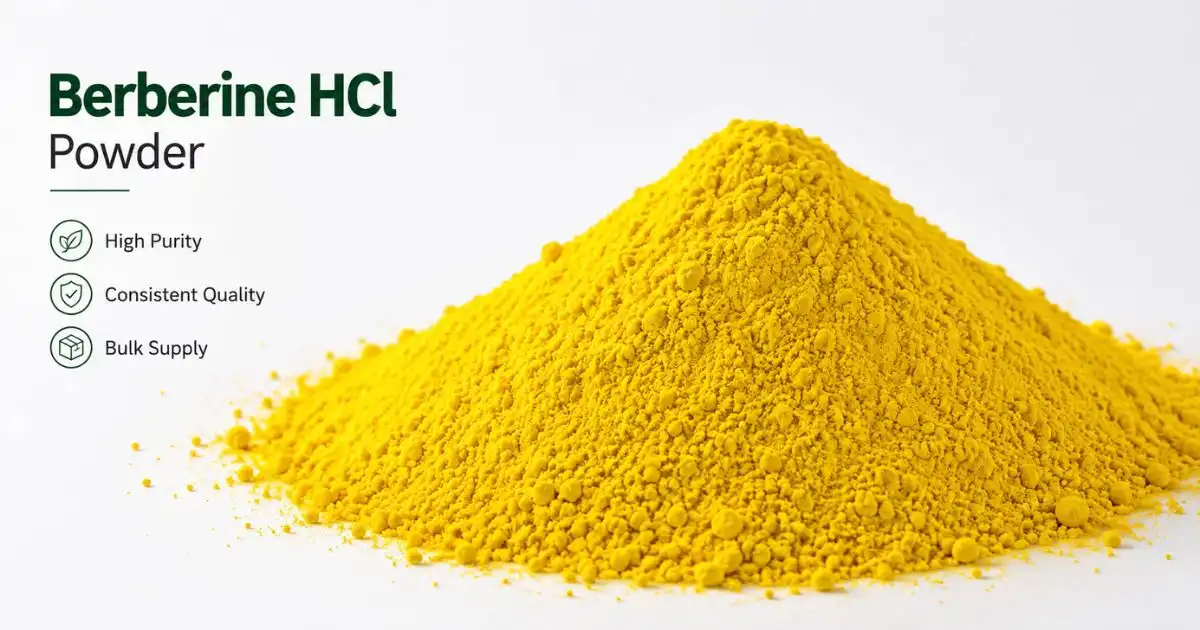
Berberine HCl Powder is a high-purity botanical ingredient widely used in dietary supplements, nutraceutical formulations, and private label health products. With its consistent quality and fine powder form, Berberine HCl is suitable for capsules, tablets, powders, and other supplement applications. Yangge Biotech supplies Berberine HCl Powder for B2B customers seeking reliable ingredient sourcing and bulk supply. Contact Yangge Biotech at info@yanggebiotech.com
Berberine HCl short for berberine hydrochloride has become one of the most strategically valuable active ingredients for private label supplement brands in North America and Europe. As a 97%-purity isoquinoline alkaloid extracted from botanical roots including Coptis chinensis and barberry, it delivers clinically validated support for blood sugar regulation, lipid management, and metabolic health. For B2B procurement teams developing capsule or tablet formulations, understanding its core benefits, sourcing standards, and formulation logic is essential to building a competitive product line in today's metabolic health market.
Understanding Berberine HCl Key Benefits and Scientific Insights
What Makes This Alkaloid Scientifically Credible?
Many metabolic researchers call AMPK (Adenosine Monophosphate-activated Protein Kinase) the "metabolic master switch." Berberine HCl turns it on. At the cellular level, this process controls how much glucose is taken in and how much fatty acids are burned. A major meta-analysis published in 2012 in the journal Metabolism showed that Berberine HCl lowered HbA1c levels in type 2 diabetic patients about as well as metformin. That much clinical weight means that purchasing managers can confidently base product claims on it, as long as they don't break any rules.
Core Health Benefits Relevant to Private Label Development
There are many high-demand health areas where Berberine HCl can be used. Here are the primary benefit areas that drive B2B product development decisions:
- Blood glucose regulation: By increasing GLUT4 receptors, Berberine HCl increases insulin sensitivity and lowers blood sugar spikes after meals. Taking 500 mg three times a day has been shown in multiple randomized controlled trials to lower fasting blood sugar by 20 to 30 percent.
- Lipid profile improvement: LDL cholesterol and triglycerides have been shown to go down significantly in clinical tests. When Berberine HCl is mixed with plant sterols or Red Yeast Rice in a lipid-lowering mixture, it works in several ways, one of which is by blocking PCSK9, to provide full heart support.
- Gut microbiome modulation: It can specifically kill harmful bacteria in the intestines because it is very antimicrobial. This makes it a good ingredient for managing SIBO and making gut balance recipes.
All of these uses put Berberine HCl in a multi-category ingredient position that makes it useful for both single-ingredient metabolic supplements and complex formulations with many ingredients.
Comparing Berberine HCl with Alternative Supplements
| Ingredient | Primary Mechanism | Key Benefit | Formulation Stability |
|---|---|---|---|
| Berberine HCl (97%) | AMPK activation | Blood glucose + lipid control | High (HCl salt form) |
| Cinnamon Extract | Insulin mimetic | Mild glucose support | Moderate |
| Alpha-Lipoic Acid | Antioxidant / insulin sensitizer | Neuropathy + glucose | Moderate |
| Metformin (Rx) | AMPK / hepatic glucose output | Type 2 diabetes (drug) | N/A — prescription only |
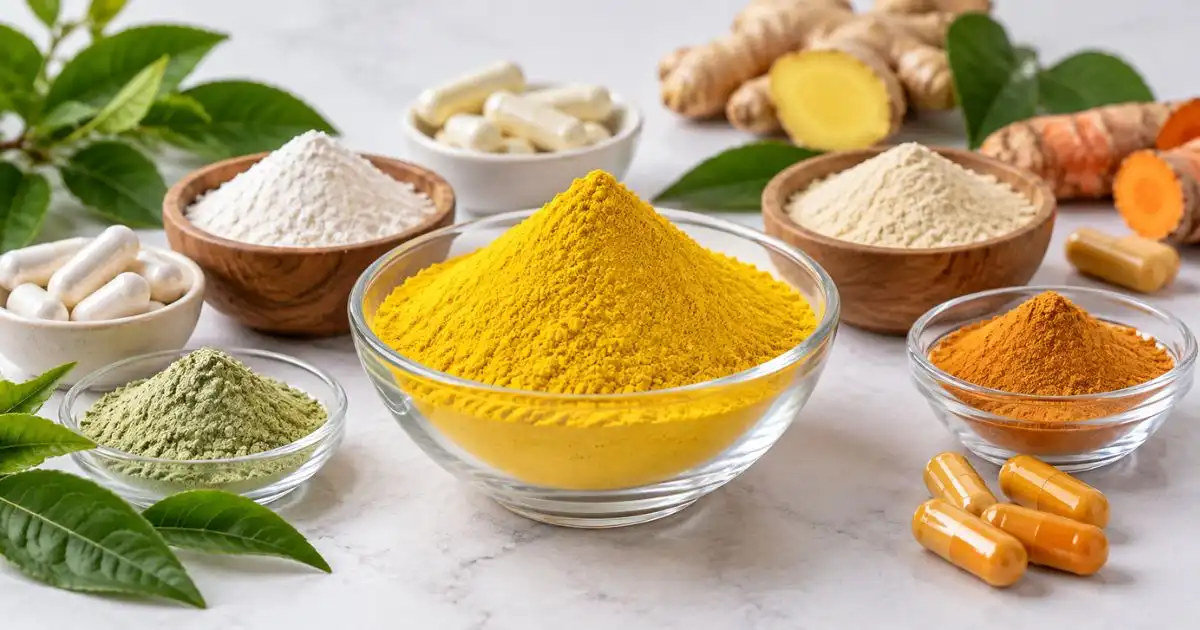
This comparison makes it clear why Berberine HCl has a big advantage: it comes from plants, doesn't need a prescription, and is backed by a lot of peer-reviewed evidence. It's hard for private label brands that want to target people with metabolic health to find a better mix of effectiveness and legal ease. When it comes to dosage forms, powder allows for custom encapsulation and tablet pressing, while brands that don't have a lot of manufacturing space can use pre-made capsules. The Berberine HCl Powder from Yangge has a bulk mass of 40–60 g/100 ml and can pass through 80 mesh completely. It is designed to work smoothly in the encapsulation line, which lowers the risk of sticking during high-speed filling.
Procurement Considerations for Private Label Berberine HCl Products
Quality Parameters Every Procurement Manager Should Verify
Sourcing at the right purity threshold is non-negotiable. Industry standards say that products must be at least 97% pure, which can be checked by HPLC, heavy metal screening, and C14 isotope tests to make sure they come from plants and not manufactured precursors. Any reliable supplier should have certifications like GMP, KOSHER, USP grade, and third-party lab validation. The following are some of the quality parameters for Yangge Berberine HCl:
| Quality Parameter | Yangge Berberine HCl Specification |
|---|---|
| Purity | ≥97% (HPLC) |
| Appearance | Bright yellow powder |
| Particle Size | 100% pass 80 mesh |
| Loss on Drying | ≤5.0% |
| Sulphated Ash | ≤5.0% |
| GMO Status | GMO-Free |
| Irradiation | Non-irradiated |
| Certifications | KOSHER / USP Grade / GMP |
Yangge maintains 1 TON of KOSHER/USP Grade Berberine HCl Powder in stock, which supports procurement cycles with reliable lead times, which is important for brands that have to meet 3–6 week decision-to-production timelines.
Navigating Supplier Selection and Bulk Purchasing Channels
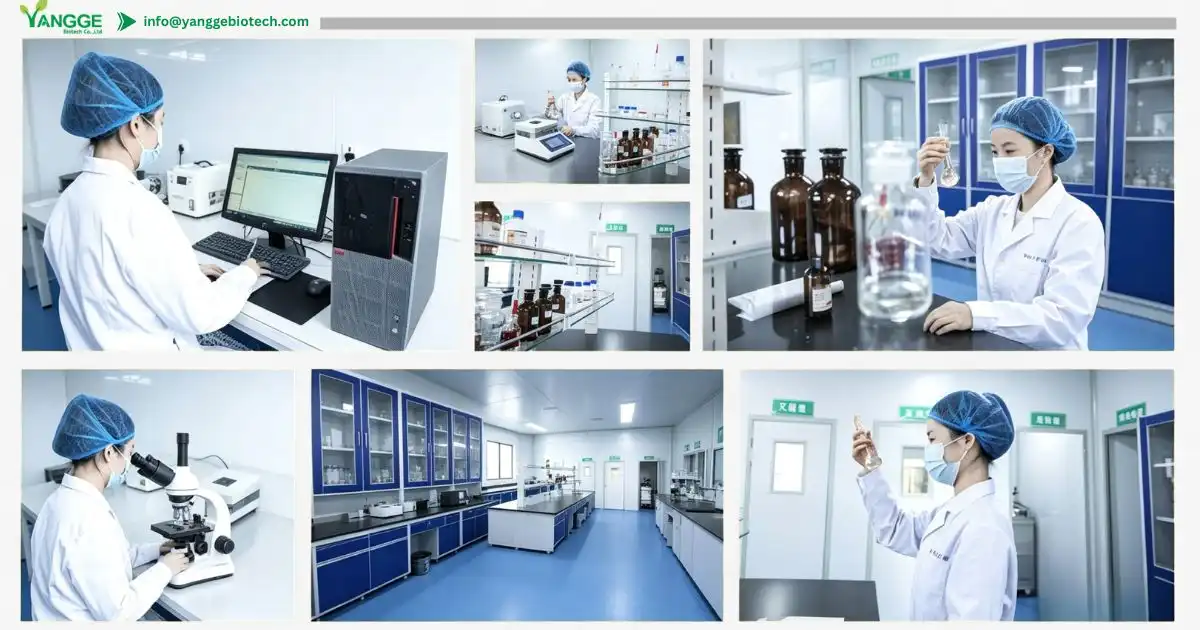
Before starting trial production, procurement workers who are sourcing through sites like Alibaba or at SupplySide West should compare paperwork from suppliers with results from their own lab tests. Suppliers you can trust will give you a full CoA (Certificate of Analysis), MSDS, and HPLC data that is specific to your batch. Yangge has dedicated R&D and quality teams that help with sample requests and technical documentation within short time frames. This cuts down on the time it takes from evaluation to first order.
Optimizing Berberine HCl Formulations for Private Label Success
Formulation decisions have a direct effect on how well a product works, how the customer feels about it, and how well it meets regulatory requirements. The Berberine HCl based products that are ready to sell in North America and Europe follow a number of tried-and-true methods.
When you mix Berberine HCl with digestive enzymes or probiotics like Lactobacillus acidophilus, you get metabolic formulas with multiple benefits that appeal to a growing group of people who want to control their blood sugar and gut health. Adding chromium picolinate or magnesium glycinate to it helps the insulin co-factor pathways and makes the formula more coherent as a whole. The usual therapeutic dose range is between 900 mg and 1500 mg per day, usually split into two or three doses. This can help you decide how many capsules to use and how much food to serve.
In terms of rules, U.S. brands must make sure that all structure/function claims are in line with 21 CFR Part 101.93 (FDA reporting requirements), while clients in the EU must follow EFSA health claim rules. This process goes a lot faster when you work with a provider that gives you technical dossiers and stable data.
Market Trends and Future Outlook
The number of people with type 2 diabetes is rising, and so is the market for Berberine HCl supplements. The International Diabetes Federation (IDF) says that 537 million adults will have diabetes in 2021, and that number will rise to 783 million by 2045. This change in demographics is changing how much people want evidence-based metabolic support that doesn't involve drugs. Nano-emulsification and sustained-release pellet forms are examples of new delivery technologies that are making Berberine HCl more bioavailable when taken by mouth (~5%). Brands that put money into formulas that improve absorption now will be ahead of the curve in a market that values bioavailability openness.
Conclusion
It is clear that Berberine HCl is one of the most flexible and well-researched ingredients for private label metabolic health goods. Its ability to activate AMPK, wide range of health benefits, and plant origin make it a solid base for product development in pill, tablet, and complex formula forms. Getting 97%+ pure products from GMP-certified, KOSHER/USP-grade suppliers makes sure that the product is safe and that the supplier is ready for regulatory requirements. As the number of people with diabetes and metabolic disorders continues to rise around the world, companies that make trustworthy Berberine HCl-based lines now will have a long-term advantage in the market.
FAQ
Q1: Is long-term use of Berberine HCl considered safe?
A: Based on recent clinical data, Berberine HCl seems to be safe to take in standard amounts (900–1500 mg/day) for up to 12 weeks. Some users say they have mild stomach problems. If you use it for more than three months, you should talk to a doctor, especially if you are taking prescription drugs to lower your blood sugar.
Q2: What are the advantages of powder over capsule form for private labeling?
A: The powder form gives you more options for custom formulations, dose changes, and mixed products. It is usually cheaper to use on a large scale, and it works well with high-speed packaging lines when the particle size meets standards like Yangge's 80-mesh standard.
Q3: Can Berberine HCl interact with prescription medications?
A: Yes, Berberine HCl can raise the blood levels of some drugs, like cyclosporine and some statins, because it blocks CYP3A4 and CYP2D6 enzymes. Before finalizing product claims or suggested use language, R&D teams that are making combination supplements should do a full drug-interaction review.
Q4: Why does batch color vary in Berberine HCl powder?
A: The yellow color can be stronger or weaker based on the plant source (Coptis chinensis vs. Berberis vulgaris) and the way it was extracted. No matter how the colors change, HPLC clarity is still the best way to measure quality.
Partner with Yangge for Your Private Label Berberine HCl Supplement Line
Yangge Biotech has high-quality Berberine HCl source options for supplement names that are about to grow. We offer KOSHER/USP Grade Berberine HCl Powder that is 97% pure (checked with HPLC), free of GMOs, and not irradiated. It comes with a full certificate of analysis (COA) and technical support. We can help you with the whole buying process, from asking for a sample to production, as we are certified by ISO, HACCP, Kosher, and Halal, and we have 1 TON of stock available. To get a sample right away, email us at info@yanggebiotech.com.
References
1. Yin, J., Xing, H., & Ye, J. (2008). Efficacy of berberine in patients with type 2 diabetes mellitus. Metabolism, 57(5), 712–717.
2. Zhang, H., Wei, J., Xue, R., et al. (2010). Berberine lowers blood glucose in type 2 diabetes mellitus patients through increasing insulin receptor expression. Metabolism, 59(2), 285–292.
3. Dong, H., Wang, N., Zhao, L., & Lu, F. (2012). Berberine in the treatment of type 2 diabetes mellitus: A systemic review and meta-analysis. Evidence-Based Complementary and Alternative Medicine, 2012.
4. Pirillo, A., & Catapano, A. L. (2015). Berberine, a plant alkaloid with lipid- and glucose-lowering properties: From in vitro evidence to clinical studies. Atherosclerosis, 243(2), 449–461.
5. International Diabetes Federation. (2021). IDF Diabetes Atlas, 10th Edition. International Diabetes Federation.
6. Neag, M. A., Mocan, A., Echeverría, J., et al. (2018). Berberine: Botanical occurrence, traditional uses, extraction methods, and relevance in cardiovascular, metabolic, hepatic, and renal disorders. Frontiers in Pharmacology, 9, 557.

Based on your location and order quantity, you will have the opportunity to receive a limited time free shipping promotion!
Who we are
Popular Blogs