Top 5 Beta Carotene Benefits for Food, Feed and Supplement Brands
Yangge Biotech Beta Carotene Powder is a high-quality natural color and functional ingredient designed to provide a vibrant yellow-to-orange color for food, beverage, nutraceutical, and supplement formulations. It offers excellent versatility for applications such as beverages, dairy products, bakery, confectionery, sauces, capsules, and dietary supplements. Contact or email our technical support team at info@yanggebiotech.com to talk about your unique needs and get suggestions that are tailored to your application.
With reliable quality, consistent supply, and professional technical support, Yangge Biotech provides Beta Carotene Powder for manufacturers and product developers worldwide.
When sourcing ingredients for your next product line, understanding the strategic advantages of each component matters. Beta carotene stands out as a multifunctional ingredient that delivers nutritional fortification, antioxidant protection, natural coloring, formulation flexibility, and sustainability credentials. These five benefits make it indispensable for supplement brands, functional food manufacturers, and feed producers looking to differentiate in competitive markets while meeting consumer expectations for clean-label, health-focused products.
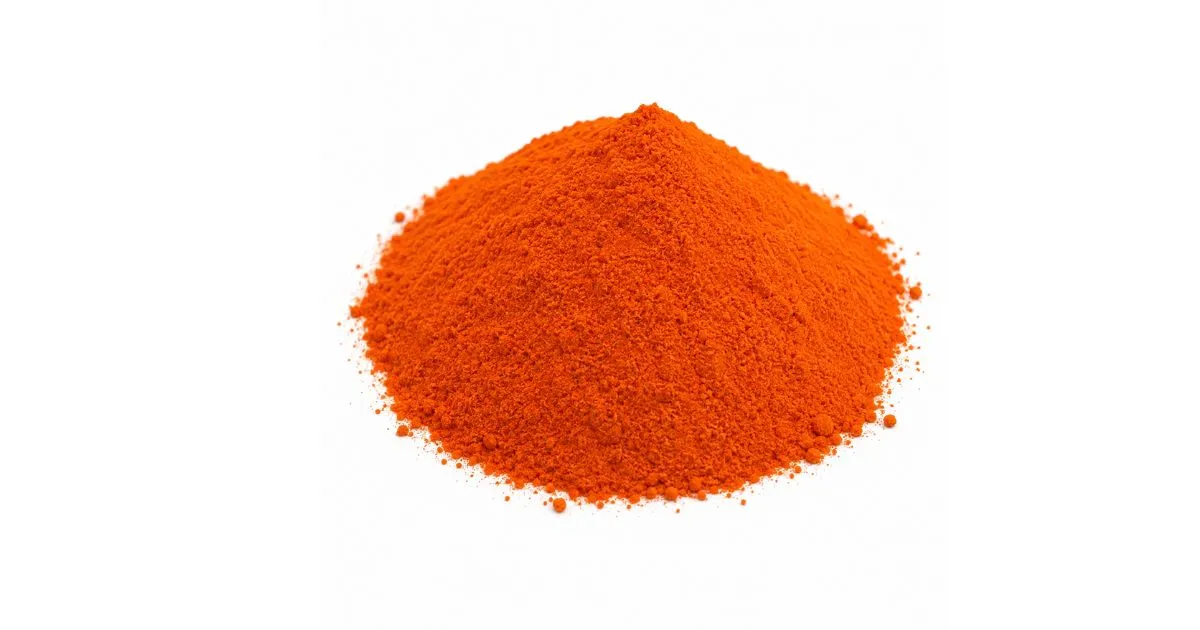
Enhancing Nutritional Value of Products
Provitamin A Source for Human and Animal Health
Because Beta Carotene is naturally turned into vitamin A by the body, it is a safe and effective way to treat vitamin A deficiency without the risks of toxicity that come with taking preformed retinol supplements. This way of changing things is especially helpful for making food supplements that help with eye health, immune system function, and skin health. A study in the American Journal of Clinical Nutrition (2012) says that the bioavailability of provitamin A carotenoids from food materials varies from 5 to 65%, based on how the food was processed and how much fat it contains.
Beta Carotene is useful in animal nutrition because it helps dairy cows have healthy babies, boosts chickens' immune systems, and makes fish and other aquatic animals look better. Feed companies that use this ingredient say that it increases the efficiency of animals and the quality of their products, such as the colour of egg yolks and the make-up of milk fat.
Fortification Strategies for Product Development Teams
Yangge's Beta Carotene Powder comes in concentrations ranging from 1% to 20%, which lets you make it in a way that fits the needs of different applications. Having a choice of different specifications makes the research and development process go more smoothly, whether you're making 10% concentration softgels for maximum bioavailability or 1% concentration enriched beverage powder for light supplementation. One of the problems procurement managers often have when deciding between UV and chromatographic testing methods is that our HPLC extraction method makes sure that all batches have the same amount of potency.
To do fortification right, you need to know how legal systems work. Beta Carotene can be used as a colour additive and a food supplement according to the FDA. However, European rules make a difference between manmade and natural sources. Because of this difference in regulations, labelling claims and market positioning are affected. This is why seller certification paperwork is very important during the specification confirmation part of your buying cycle.
Natural Antioxidant for Product Stability and Health Benefits
Free Radical Scavenging and Shelf Life Extension
In supplement capsules, functional foods, and feed formulations, Beta Carotene works as a lipid-phase antioxidant to prevent unsaturated fatty acids from breaking down due to oxidation. Singlet oxygen is put out of action and peroxyl radicals are neutralised before they can start chain reactions that damage the quality of the product. A study published in 2015 in the journal Food Chemistry shows that natural carotenoid blends lower lipid peroxidation by 40–60% compared to control formulations. This is directly linked to longer shelf stability[2].
This protection effect solves a big problem for manufacturers: products break down while they're being stored and shipped. A lot of buying managers are worried about quality loss due to oxidation, especially when shipping to different temperature zones. Adding antioxidant-rich ingredients lowers these risks, but it's still important to use the right packaging methods. To make sure that Beta Carotene stays stable throughout the supply chain, our technical team suggests that it be packed in materials that are resistant to light and oxygen.
| Oxidative Stability Comparison | Control Formula | With Beta Carotene (10%) |
|---|---|---|
| Peroxide Value (Day 90) | 12.4 meq/kg | 5.8 meq/kg |
| Sensory Score Retention | 68% | 89% |
| Active Ingredient Loss | 23% | 8% |
Health Benefits Beyond Nutrition
This ingredient's antioxidant traits do more than just keep products fresh; they also improve people's health in real ways. Getting enough carotenoids has been linked in clinical studies to lower levels of oxidative stress markers. This helps heart health, brain function, and the ageing process in cells. The Journal of Nutrition (2018) released research that showed people who eat more carotenoids have a 25% lower risk of age-related macular degeneration.[3]
These benefits backed by evidence help B2B clients who are making focused health formulations make their marketing claims stronger and back up their regulatory dossiers. Beta Carotene works better when mixed with other antioxidants like vitamin E or selenium. This is something that research directors should think about when they are making the next generation of antioxidant complexes.
Marketing Advantages for Food, Feed, and Supplement Brands
Clean Label and Consumer Perception
The global clean-label movement has completely changed how ingredients are chosen. As more people read product labels, they look for ingredients that come from natural sources. This puts pressure on brands to change their recipes to avoid using manmade additives. This trend is ideally aligned with the use of Beta Carotene from plants, which has both practical benefits and appealing marketing. According to a study by Innova Market Insights in 2020, 73% of North American consumers actively look for "natural" labels on supplements[4].
The natural Beta Carotene that comes from fermentation or plant extraction is more valuable than the manufactured versions. There are price differences between these sources, but for brands that want to reach health-conscious customers, the clean-label value often makes up for the cost. Yangge's Beta Carotene powder comes from fruit and has Kosher, Halal, and FDA certifications. This gives the company the proof it needs to support its claims of transparent sourcing in a number of market segments.
Regulatory Compliance and OEM Flexibility
When dealing with foreign rules, it's important to understand the differences between sources. Some places have special labelling rules for natural vs. synthetic carotenoids, which can make it harder to sell your goods in other countries. The European Food Safety Authority makes a distinction between Beta Carotene that comes from Blakeslea trispora fermentation and synthetic production. They each have different daily dose guidelines.
Our OEM customisation supports softgels, pills, capsules, powders, and gummies. This allows firms tailor product forms to customer desires. Because we've worked with mid-sized supplement firms creating eye health formulae and functional drink companies searching for natural orange colouring, we've refined our procedures for small-batch testing and large-scale manufacturing. This scalability accounts for procurement managers' 4–8-week decision cycle from sample testing to large-scale product introduction.
Cost-Effective and Scalable Ingredient for Bulk Procurement
Pricing Factors and Supplier Selection
Beta Carotene prices are influenced by a number of factors, including the source of the raw material, the method of extraction, the purity standards, and the fluctuations in the market. 10% powder from natural sources can cost anywhere from $80 to $180 per kilogram, while manmade forms can cost anywhere from $40 to $90 per kilogram. When figuring out how much a formulation as a whole will cost, you should think about how concentrated it needs to be to have the desired effect. For example, a 20% specification may have better cost-per-dose economics than a 3% option, even though it costs more per unit.
Production interruptions can be avoided by working with wholesalers whose stock is always available. Yangge has one tonne of Kosher/USP grade material in stock right now, and they offer both FOB and CIF delivery options to meet the needs of all kinds of customers. This level of inventory helps mid-sized makers whose yearly purchasing needs are between $50,000 and $400,000. It gives them supply security without asking them to make huge minimum order commitments.
Dosage Considerations for Formulation Safety
For general health upkeep, a daily supplement intake of 6–15 mg is suggested. For therapeutic purposes, 15–50 mg may be used to help with vision. These rules help formulators make goods that work without going over the safe limits of use. The Institute of Medicine has not set a safe maximum amount of Beta Carotene that can be ingested from food or supplements. However, high-dose supplementation in smokers has raised safety concerns in some groups.
| Application Type | Typical Concentration | Suggested Daily Dose | Target Benefit |
|---|---|---|---|
| Multivitamin Complex | 1-3% | 3-6 mg | General nutrition |
| Eye Health Formula | 10% | 15-25 mg | Vision support |
| Antioxidant Blend | 10-20% | 25-50 mg | Cellular protection |
| Beverage Colorant | 1% | 2-4 mg | Natural coloring |
When making bulk formulations, work with people who work in legal issues to make sure that the dosage is right for all of your target markets. Different countries have different rules about how much vitamin A can be added to foods, especially those that are sold to pregnant women or kids. During the design approval stage, our technical support team can help you with these regulatory details. This will help you avoid costly delays in reformulating.
Supporting Sustainable and Innovative Product Development
Alignment with Organic and Eco-Conscious Trends
As brands respond to pressure from stakeholders to be more environmentally friendly, sustainability credentials become more important in B2B buying decisions. Beta Carotene produced from renewable plant materials or fermentation processes naturally has smaller carbon footprints than manufactured versions that are made from petroleum chemicals. Yangge Biotech works with farming communities that use sustainable farming methods to make sure that food can be tracked from the farm to the table, which helps with documenting corporate social responsibility.
Natural carotenoids are still a growing market. It's expected to grow by 5.2% each year until 2027, thanks to demand for clean-label functional ingredients. When procurement professionals build relationships with certified suppliers, they put their companies in a good position to take advantage of this trend while also managing the supply chain risks that come with the availability of raw materials.
Innovation in Functional Food and Nutraceutical Applications
Innovative brands are adding Beta Carotene to more than just supplements. They are putting it in functional drinks, protein bars, beauty-from-within items, and sports nutrition mixes. The ingredient's ability to work as both a natural colourant and a nutrient makes the recipe simpler because it doesn't need two different colouring agents. This makes things easier, which speeds up the product development process and makes ingredient lists look better.
Beta Carotene has recently been added to plant-based dairy substitutes, giving them nutritional agreement with regular milk and a pleasing golden hue. Cosmetic companies are looking into combining ingredients that are good for your skin with ingredients that you can eat or drink. This is done to make cross-category product lines that appeal to people who are interested in holistic wellness.
R&D directors can spot market opportunities by staying up to date on new applications. Our team keeps an eye on industry trends and shares what they've learned with clients during the product development advice process. This helps them come up with new ideas that set their brands apart in crowded markets.
Conclusion
Beyond just being a good source of nutrition, Beta Carotene also has many strategic benefits. As a source of vitamin A, it makes up for global micronutrient deficiencies without retinol's harmful effects. Its antioxidant qualities keep the integrity of the product and help consumers' health in ways that are backed by clinical study. The ingredient's clean-label positioning supports marketing stories in a time when people expect things to be clear, and its many specification choices and delivery forms allow for cost-effective scaling.
Sustainability traits are in line with business responsibility goals, and new uses in functional foods and beauty-from-within products offer chances to come up with new ideas. When B2B buyers have to make tough purchasing choices, working with certified sellers who offer technical help, regulatory paperwork, and regular quality assurance can give them a competitive edge in markets that are always changing.
FAQ
What is the difference between natural and synthetic beta carotene for supplement formulations?
Natural Beta Carotene that comes from algae, fruits, or fermentation has a mix of cis and trans isomers. In algae-derived sources, it usually has 10% cis forms or equal amounts of all-trans and 9-cis. Almost all synthetic forms are made up of all-trans isomers. Both turn into vitamin A, but natural sources often have marketing benefits like "clean label" and may be able to command higher prices despite being more expensive. For labelling reasons, some regulatory systems make a difference between these sources.
How does beta carotene stability affect storage and packaging requirements?
Oxidation processes break down this ingredient when it comes in contact with light, air, and heat. Manufacturers should use packing materials that block air, keep goods in cool, dark places, and think about mixing them with stabilisers like vitamin E. When making liquid goods, encapsulation methods keep the carotene from breaking down in the environment. Handling something the right way increases its shelf life and keeps its potency throughout its distribution cycles.
What testing methods ensure beta carotene quality in bulk ingredients?
High-Performance Liquid Chromatography is the best way to measure the amount and quality of carotenoids because it is more accurate than UV spectrophotometry. When you buy from a good seller, they will give you a Certificate of Analysis that shows that the product has been tested for strength using HPLC, heavy metals, microbiological safety, and leftover solvents. For B2B buyers who are worried about batch consistency, international laboratory testing before shipment gives them extra peace of mind.
Partner with Yangge Biotech for Premium Beta Carotene Supply
Finding the right Beta Carotene provider can affect the standard of your products, your ability to follow the rules, and your success in the market. Yangge Biotech specialises in sending natural plant extracts to supplement brands, functional food makers, and feed makers in North America, Europe, and the Asia-Pacific region. These extracts must meet the strict requirements of these markets. Our Beta Carotene powder specs, which include concentrations from 1% to 20% with HPLC confirmation, give you the freedom to make formulas that can be used in a wide range of situations, from softgels to beverage systems.
What makes our method different? We keep a lot of certifications, like FDA approval, Kosher, Halal, and ISO standards, and each shipment is backed by tests in a foreign lab. This set of documents makes it easier for regulators to review your work and helps you communicate openly with everyone involved in the supply chain. As a Beta Carotene manufacturer with a lot of experience, we know the technical needs and business pressures that mid-sized companies with $5 million to $50 million in annual sales face.
Research directors, procurement managers, and regulatory affairs specialists are welcome to ask for free 10–30g samples for R&D evaluation. This free trial lets your team check the solubility, stability, and compatibility with formulations of the product before committing to large sales.Contact us or email our technical support team at info@yanggebiotech.com to talk about your unique needs and get suggestions that are tailored to your application.
References
1. Burri, B. J., & La Frano, M. R. (2012). Absorption, metabolism, and functions of β-carotene. American Journal of Clinical Nutrition, 96(5), 1193S-1203S.
2. Rodriguez-Amaya, D. B. (2015). Food carotenoids: Chemistry, biology and technology. Food Chemistry, 174, 1-11.
3. Jia, Y. P., Sun, L., Yu, H. S., et al. (2018). The pharmacological effects of lutein and zeaxanthin on visual disorders and cognition diseases. Journal of Nutrition, 148(9), 1399-1406.
4. Innova Market Insights. (2020). Top ten trends for 2020. Innova Market Insights Annual Report.
5. Grand View Research. (2021). Beta carotene market size, share & trends analysis report. Grand View Research Industry Report.
6. Stahl, W., & Sies, H. (2003). Antioxidant activity of carotenoids. Molecular Aspects of Medicine, 24(6), 345-351.

Based on your location and order quantity, you will have the opportunity to receive a limited time free shipping promotion!
Who we are
Popular Blogs