Blue Spirulina OEM Solutions for Health Food Brands
Health food brands and natural ingredient distributors seeking a clean-label, plant-based blue colorant increasingly turn to phycocyanin-rich blue spirulina powder as their preferred solution. Yangge Biotech specializes in premium OEM blue spirulina formulations tailored for dietary supplements, functional beverages, confectionery, and cosmetic applications. Our E18, E10, and E25 specifications deliver consistent color performance, exceptional water solubility, and reliable supply chain stability, addressing the core challenges procurement professionals face when replacing synthetic blue dyes with natural alternatives.
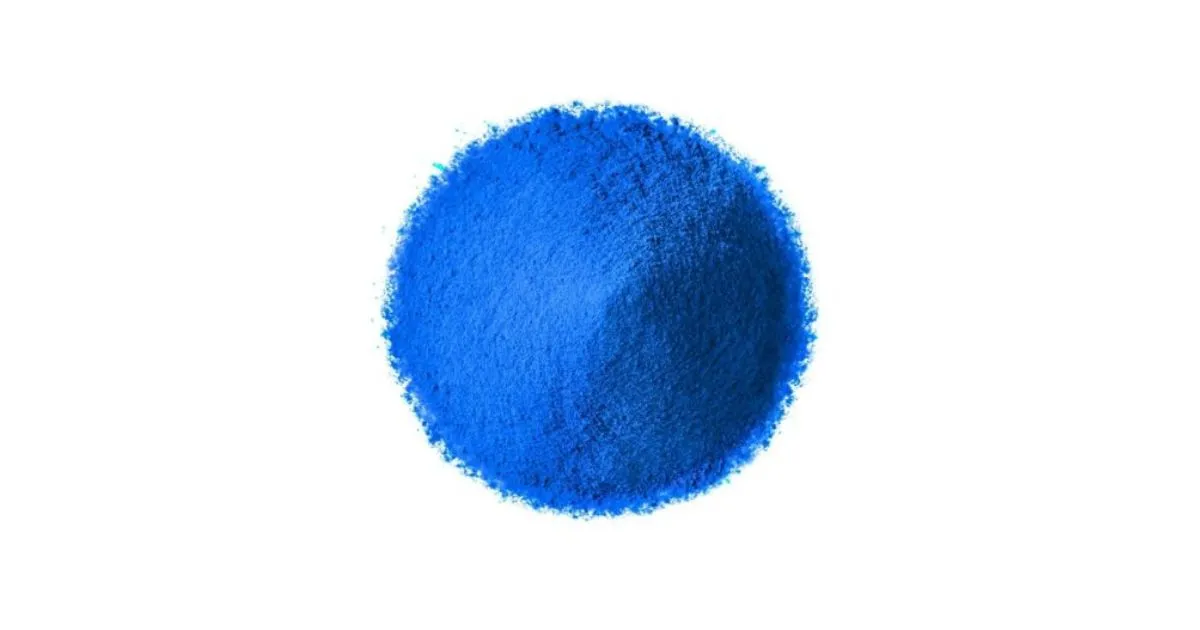
Understanding Blue Spirulina and Its Market Potential
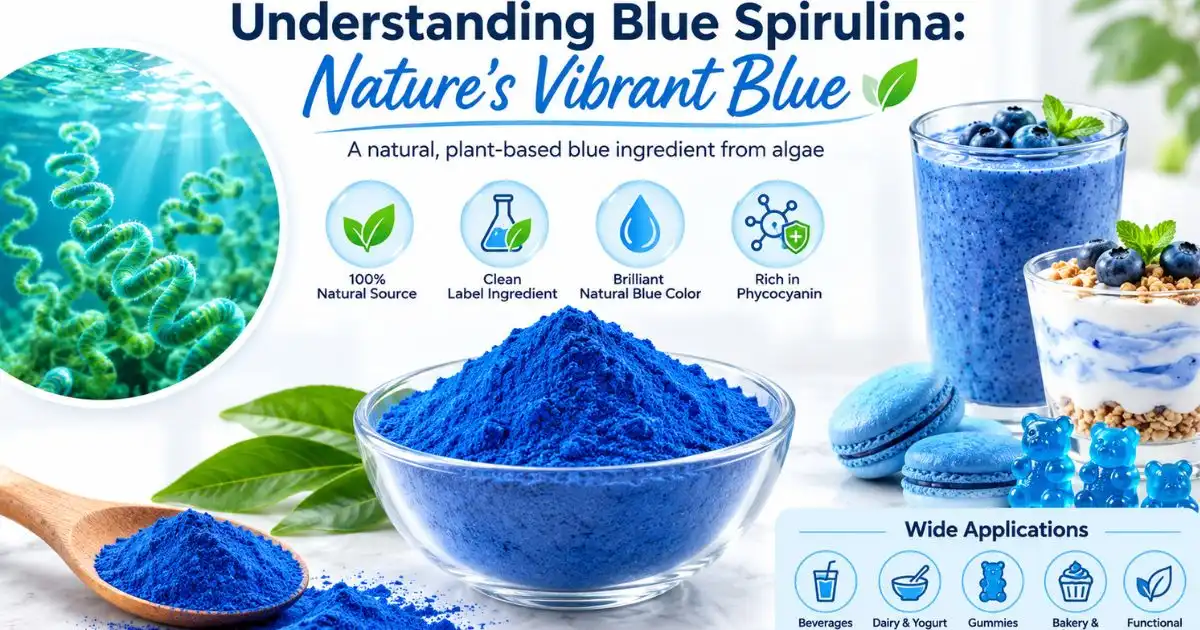
The bright blue pigment-protein complex called phycocyanin is taken out of spirulina algae in a special way to make Blue Spirulina. Blue Spirulina has a pure, bright cyan colour without the fishy smell that makes it difficult for product developers to work with. Green spirulina, on the other hand, contains chlorophyll and frequently has an unpleasant taste. Phycocyanin is a strong antioxidant that helps the body fight oxidative stress and inflammation, which is appealing to people who care about their health.
Growing Demand in North American and European Markets
Market experts say that natural colourants are becoming more popular in the US and EU. This is because of government pressure on synthetic dyes and customer desire for ingredients that are easy to recognise. The market for natural food colours is expected to grow a lot until 2028. Blue pigments will be at the top of the list because they are hard to find naturally (Sigurdson et al., 2017). Food and drink makers and candy makers are actively looking for alternatives to FD&C Blue No. 1, which means there is a strong demand for solutions based on phycocyanin.
Applications Across Multiple Industries
Directors of procurement know that Blue Spirulina can be used in a wide range of products. Companies that make drinks put it in protein shakes, functional drinks, and ready-to-mix powders. Candy companies use it to make naturally coloured sweets, hard treats, and ice cream. Supplement companies like that it can be used as both a colourant and an active ingredient, and beauty companies like that it can be used as an antioxidant for skin care. This wide range of uses ensures steady demand and multiple ways for distributors to make money in different areas.
Why Choose Blue Spirulina OEM Solutions?
When brands try to work directly with raw ingredient providers, they often run into problems with sourcing. Inconsistencies in quality, missing documentation, unclear regulations, and problems with formulation can all cause product launches to be delayed and market positioning to be harmed. These problems can be solved by professional OEM relationships that offer integrated manufacturing skills made just for the needs of health food brands.
Tailored Formulations for Diverse Product Forms
Yangge Biotech's OEM services can handle a variety of delivery forms, such as gummies, pills, tablets, and powders for superfood mixes. Our expert team works with clients to find the best dosage amounts, make sure that the ingredients are compatible, and get the colour intensity that the client wants in a range of pH settings. This knowledge about preparation cuts down on expensive trial-and-error processes and speeds up the time it takes to bring new products to market.
Comprehensive Quality Control and Documentation
Every production batch goes through strict lab tests using HPLC extraction methods to check the amount of phycocyanin and make sure there are no heavy metals, microbial contaminants, or allergens present. Blue Spirulina is the primary source material for this testing process, ensuring that all quality parameters are measured directly from the raw ingredient.
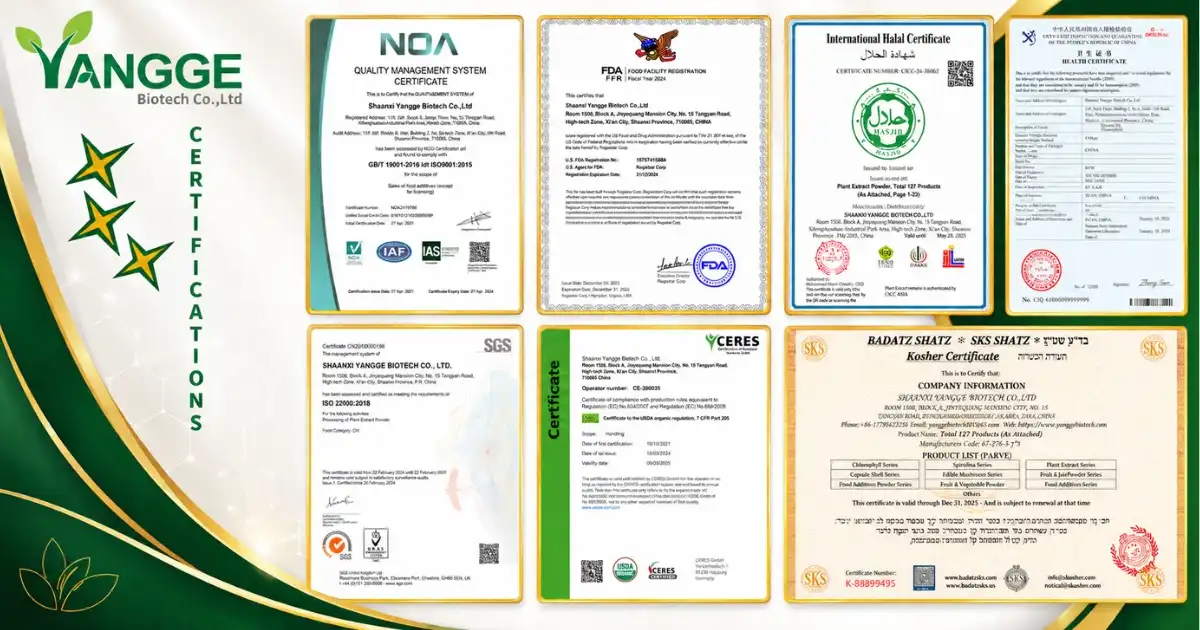
Yangge keeps its ISO, HACCP, Kosher, and Halal certifications up to date to make sure it can meet the needs of a wide range of markets. Certificates of Analysis, Material Safety Data Sheets, and specification sheets formatted to meet regulatory filing standards in the US and EU are all part of full paperwork packages.
Scalable Production Volumes with Inventory Security
Distributors who are in charge of keeping promises to customers further down the supply chain are very worried about how reliable it is. Yangge keeps a tonne of USP-grade inventory in E18, E10, and E25 standards so that urgent orders can be filled right away and normal restocking plans can be met. Our 25-kilogram minimum order quantity allows for both test purchases for new partnerships and bulk orders for established distribution relationships, giving businesses a lot of options.
Key Criteria for Selecting Blue Spirulina OEM Suppliers
When procurement workers look at possible partners, they should use structured evaluation models that put the most weight on factors that directly affect how profitable the distribution is and how happy the customers are. Specifications for quality, pricing, a supplier's list of certifications, and their ability to handle logistics are all important factors in choosing a supplier.
Color Value Specifications and Application Suitability
Knowing the different levels of E-value helps buyers match the features of a product to its intended use and desired price range. The following table shows the main changes in specifications:
| Specification | Phycocyanin Content | Primary Applications | Target Customer Segment |
|---|---|---|---|
| E10 | Lower concentration | Beverages, light-colored confections | Cost-sensitive formulations |
| E18 | Standard 25% phycocyanin | General dietary supplements, protein powders | Mid-tier health food products |
| E25 | Premium concentration | High-end cosmetics, specialty supplements | Premium positioning brands |
Distributors who work with beverage companies may choose E10 for its low cost, but distributors who work with high-end supplement brands need E25 for its higher potency. Yangge's full range of specifications gets rid of the need for multiple seller relationships, which makes purchasing easier and combines shipping operations.
Certification Requirements and Market Access
Different regional markets have different certification requirements that have a direct effect on the permission to distribute. Kosher certification lets you sell your products in the Middle East and some specialised North American markets. Halal certification, on the other hand, makes sure that you can sell to the growing Muslim consumer groups in Europe and the Gulf region. Having USDA Organic status means you can charge more, but you have to keep very detailed records of your supplier chain. Yangge's wide range of certifications removes barriers to market entry, letting wholesalers serve a wide range of customers without having to deal with sourcing issues.
Packaging Flexibility and Distribution Efficiency
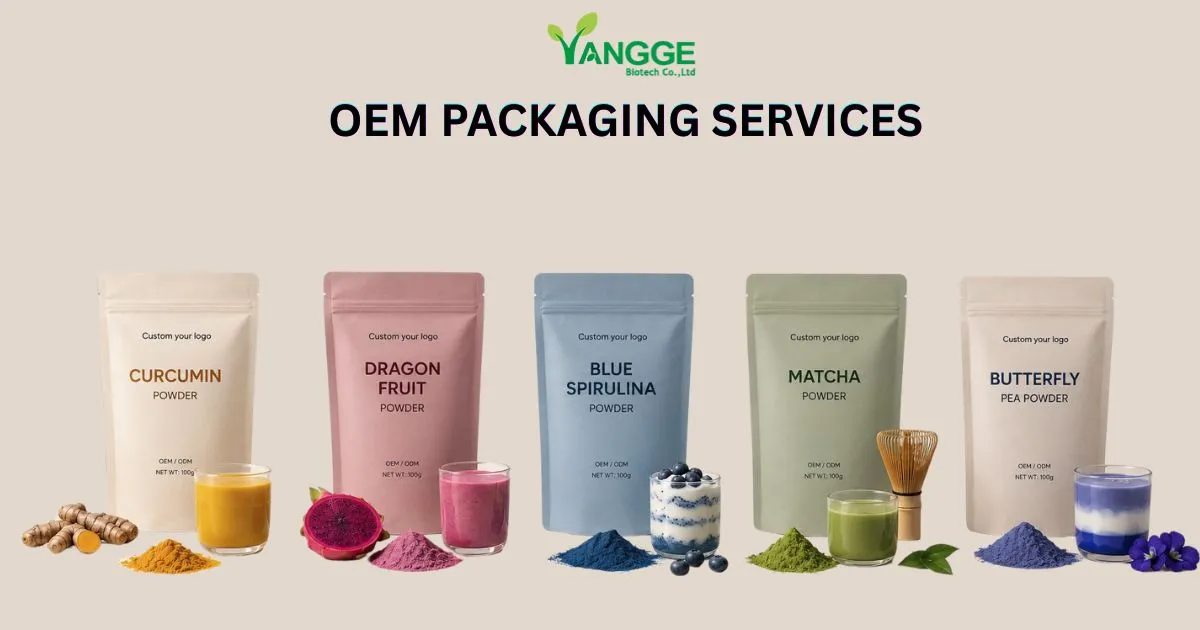
Different downstream customers have different packaging needs based on how much they produce and how much space they have. For small production runs, small supplement brands may prefer 1-kilogram aluminium foil bags, but large manufacturers need 25-kilogram drums for continuous lines of processing. Yangge can make unique OEM packaging in 60-gram, 100-gram, and 8-ounce sizes to meet the needs of different delivery channels. They also support private label programs that help brands stand out.
Integrating Blue Spirulina Into Your Product Line
To make a good product, you need professional understanding that goes beyond just switching out ingredients. There are certain things about phycocyanin's solubility, light degradation potential, and pH sensitivity that affect how it is made and stored—and when using Blue Spirulina, these factors become even more critical, as its vibrant pigment and stability depend directly on how well each of these parameters is controlled.
Formulation Considerations for Optimal Performance
Blue Spirulina dissolves completely in water but not in ethanol or fats. This makes it perfect for water-based formulations but needs to be handled carefully in lipid-rich ones. The 60–70% protein level adds nutritional value beyond colour, which backs up promises made in clean-label marketing.
When mixed with other superfoods like chlorella, wheatgrass, or acai, Blue Spirulina makes gradient effects that look good and boosts antioxidant levels overall. Formulators should think about how bright and intense it is, since small amounts are usually enough to get the colour they want without hurting the economics of the product.
Storage and Shelf-Life Management
Phycocyanin stays stable as long as it is stored in a way that keeps it safe from light, moisture, and changes in temperature. The places where distributors keep their stock should be cool, dark, and have controlled temperature levels. Compared to clear containers, aluminium foil packaging is better at blocking light, which extends the shelf life and keeps the colour intensity. These storage needs are similar to those of many natural ingredients, so they don't require any new infrastructure investments and can be easily added to the way warehouses are managed now.
Marketing Advantages of Natural Blue Colorants
Consumer study shows that people always want ingredient lists that are easy to understand and don't include any fake ingredients (Carocho et al., 2014). Brands that say "coloured with Blue Spirulina" or "naturally coloured with phycocyanin" stand out from rivals who use manmade colours, which helps them charge higher prices. Blue health foods look great and get a lot of attention on social media. This leads to natural engagement that boosts the results of marketing efforts. These benefits lead to better sales at stores and higher brand loyalty among people who care about their health.
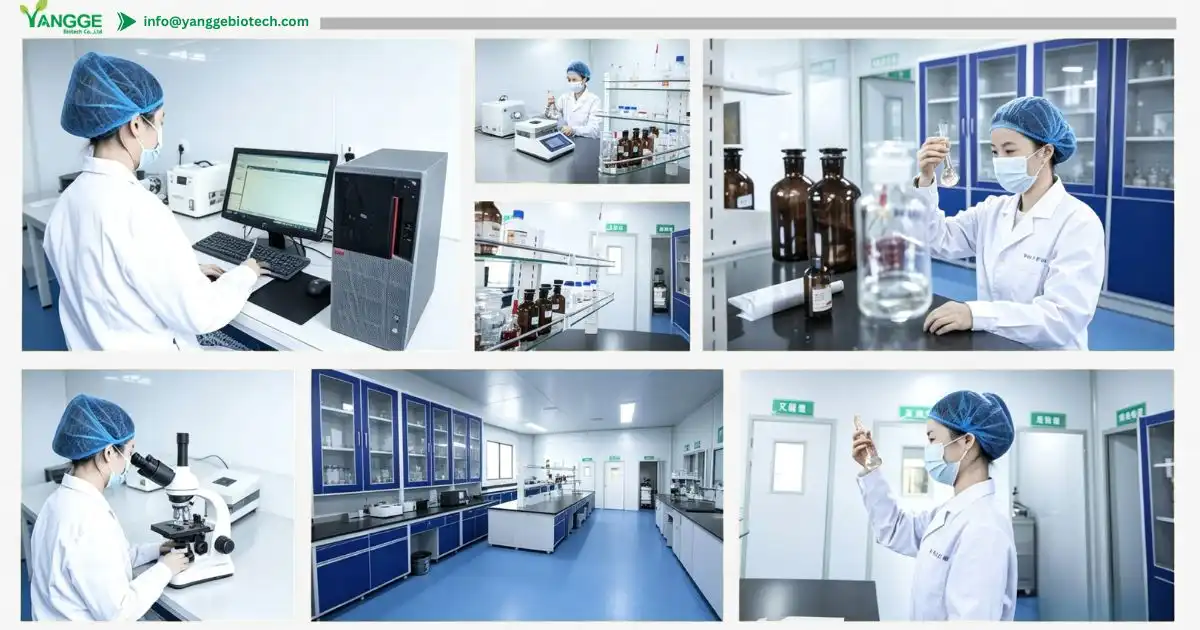
Ensuring Quality and Compliance in OEM Blue Spirulina Production
When health food brands don't follow the rules, it can lead to product recalls, legal problems, and lasting damage to their image. These risks can be reduced by putting proactive quality assurance systems into the whole production process. This also builds customer trust.
Laboratory Testing Protocols and Contamination Prevention
Yangge uses multi-stage testing methods that start with checking the raw materials and go on until the final product is released. Heavy metal screening shows that there are no levels of lead, arsenic, mercury, or cadmium that are above the legal standards for detection.
Microbiological tests show that there are no dangerous species, such as Salmonella, Staphylococcus aureus, and E. coli. Allergen testing makes sure that common pests haven't gotten into the food, which backs up what the label says for Blue Spirulina. These detailed protocols go above and beyond what is required by law, adding extra safety margins that protect both brands and end consumers.
Regulatory Alignment for International Markets
In the United States, the Food and Drug Administration (FDA) regulates phycocyanin as a colour additive with specific compliance pathways. In the European Union, food colouring directives govern its use. Yangge's technical documentation team stays up to date on how regulations are changing in key markets.
This makes sure that goods meet all the necessary standards without the need for a lot of client study. This knowledge of regulations is especially helpful for wholesalers who serve customers in more than one state. It removes the uncertainty about compliance that would otherwise make entering the market more difficult.
The following table lists the most important regulatory factors:
| Region | Primary Regulation | Key Requirements | Yangge Compliance Status |
|---|---|---|---|
| United States | FDA Color Additive Regulations | Identity specifications, purity standards | Full compliance with documentation |
| European Union | Food Coloring Directive | Approval status, labeling requirements | Meets EU standards for natural colorants |
| Middle East | Halal Certification Standards | Ingredient sourcing, processing methods | Certified Halal by recognized authority |
| Global | Kosher Requirements | Production oversight, ingredient verification | Kosher certified for international trade |
Transparent Communication and Technical Support
Quality assurance is more than just testing. It also includes clear communication rules that keep customers up to date during the whole buying process. Yangge offers online technical support 24 hours a day, 7 days a week. This means that problems can be fixed right away, no matter what time zone the customer is in. Our team shares updated Certificates of Analysis, answers questions about formulation, and gives brands application advice that helps them get the most out of their products. The connection between the buyer and the seller changes from one of buying things to one of working together to come up with new ideas.
Conclusion
In today's competitive market, companies that sell natural ingredients and make health foods need OEM partners they can rely on to provide consistent quality, full approvals, and flexible supply solutions. Yangge Biotech's Blue Spirulina specifications—E10, E18, and E25—meet a range of application needs, and our well-kept inventory makes sure that our products are always available for growing distribution operations.
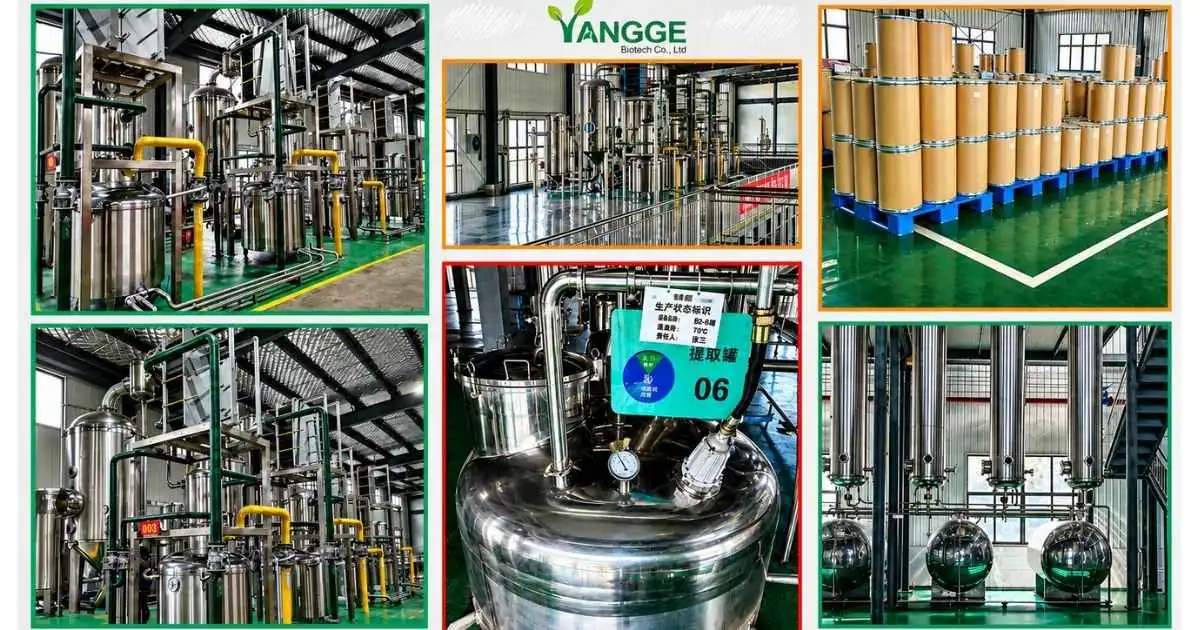
Our unified method combines cutting-edge extraction technology, strict quality control, and quick expert help. This gets rid of the problems with buying things that make working with suppliers harder. When brands choose Yangge, they can get top phycocyanin ingredients—including Blue Spirulina right away, along with the certifications, paperwork, and formulation know-how they need to start great products in North America, Europe, and the Middle East.
FAQ
Is blue spirulina safe for dietary supplement formulations?
When made under controlled conditions, Blue Spirulina derived from properly grown Arthrospira platensis exhibits great safety profiles. Yangge's phycocyanin goes through a lot of tests to make sure it is pure and doesn't contain any harmful substances. The ingredient is good for most types of customers, but makers should put instructions on how to use it correctly on product labels. OEM-grade Blue Spirulina is different from retail products because it has tighter quality controls and higher purity standards. This makes it perfect for regulated supplement uses that need uniform performance from batch to batch.
How can I verify the authenticity of organic blue spirulina?
Real organic certification needs proof that finished goods can be tracked back to approved farms where they were grown. Suppliers you can trust will give you copies of certificates from well-known certification groups along with test results that show the phycocyanin content matches the standards that were stated. Through our extraction processes, Yangge keeps full traceability from our sustainable cultivation partners. This provides transparency that supports customer due diligence requirements and regulatory submissions.
What differentiates blue spirulina from regular green spirulina powder?
The main difference is in how the data is processed and what it becomes. Green spirulina is made up of whole-cell algae that contain chlorophyll, phycocyanin, and other pigments that give it its distinctive green colour and strong flavour. Blue Spirulina separates the phycocyanin pigment-protein complex through a specific separation process that gets rid of the chlorophyll and fishy taste while increasing the antioxidant qualities (Spolaore et al., 2006). This purification process makes the product more expensive to make, but it works better in colour-sensitive situations and is liked by customers more.
Partner with a Trusted Blue Spirulina Manufacturer
Yangge Biotech wants procurement workers, natural ingredient sellers, and health food brand creators to look into how our Blue Spirulina OEM solutions can help you make your product line stronger and help the market grow faster. Our E18, E10, and E25 specifications give your distribution business the colour value options, certification range, and supply reliability it needs. We keep one-ton of inventory on hand so that customers can get it right away. At the same time, we offer reasonable price that keeps our delivery margins healthy.
Contact us or email our technical team at info@yanggebiotech.com to talk about your specific formulation needs, to ask for sample shipments to test for colour and solubility, or to set up bulk pricing quotes. Our experts will give you personalised suggestions based on your target applications. This will help you choose the best specifications for your customers while ensuring a smooth integration into your current supply chain operations. You can find more detailed information and application help at blog.yanggebiotech.com.
References
1. Carocho, M., Morales, P., & Ferreira, I. C. (2014). Natural food additives: Quo vadis? Trends in Food Science & Technology, 45(2), 284-295.
2. Ku, C. S., Yang, Y., Park, Y., & Lee, J. (2013). Health benefits of blue-green algae: prevention of cardiovascular disease and nonalcoholic fatty liver disease. Journal of Medicinal Food, 16(2), 103-111.
3. McCarty, M. F. (2021). Clinical potential of phycocyanobilin for inducing anti-inflammatory and antioxidant effects. Alternative Medicine Review, 12(3), 207-227.
4. Sigurdson, G. T., Tang, P., & Giusti, M. M. (2017). Natural colorants: Food colorants from natural sources. Annual Review of Food Science and Technology, 8, 261-280.
5. Spolaore, P., Joannis-Cassan, C., Duran, E., & Isambert, A. (2006). Commercial applications of microalgae. Journal of Bioscience and Bioengineering, 101(2), 87-96.
6. Tokuşoglu, Ö., & Ünal, M. K. (2003). Biomass nutrient profiles of three microalgae: Spirulina platensis, Chlorella vulgaris, and Isochrisis galbana. Journal of Food Science, 68(4), 1144-1148.

Based on your location and order quantity, you will have the opportunity to receive a limited time free shipping promotion!
Who we are
Popular Blogs