How Does Oat Beta Glucan Compare with Other Fiber Ingredients?
Due to its unique molecular structure, FDA-approved health claims, and excellent solubility, oat beta glucan is the best fibre ingredient for functional food formulation or dietary supplement creation. Over three decades of clinical study have shown that this soluble fibre generates viscous solutions that effectively bind bile acids and cholesterol in the digestive tract, providing cardiovascular benefits. Unlike yeast-derived or mushroom glucans, its linear polysaccharide chain with β-(1→3) and β-(1→4) glycosidic connections provides a predictable viscosity range and neutral organoleptic character for clean-label goods.
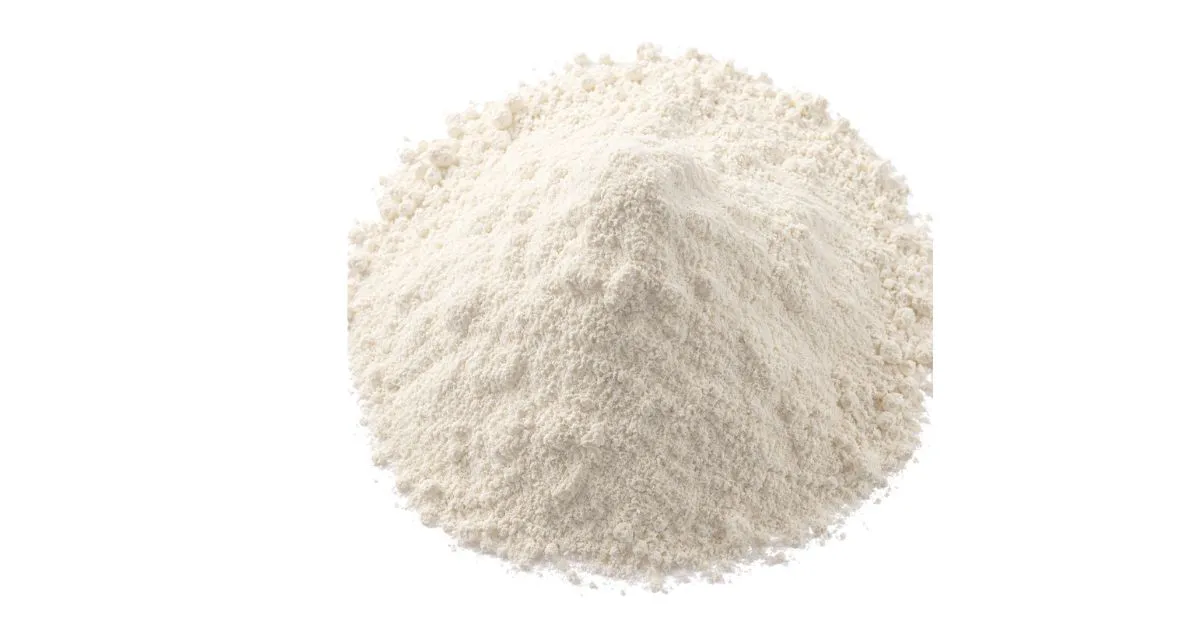
Understanding Oat Beta Glucan: Key Characteristics and Benefits
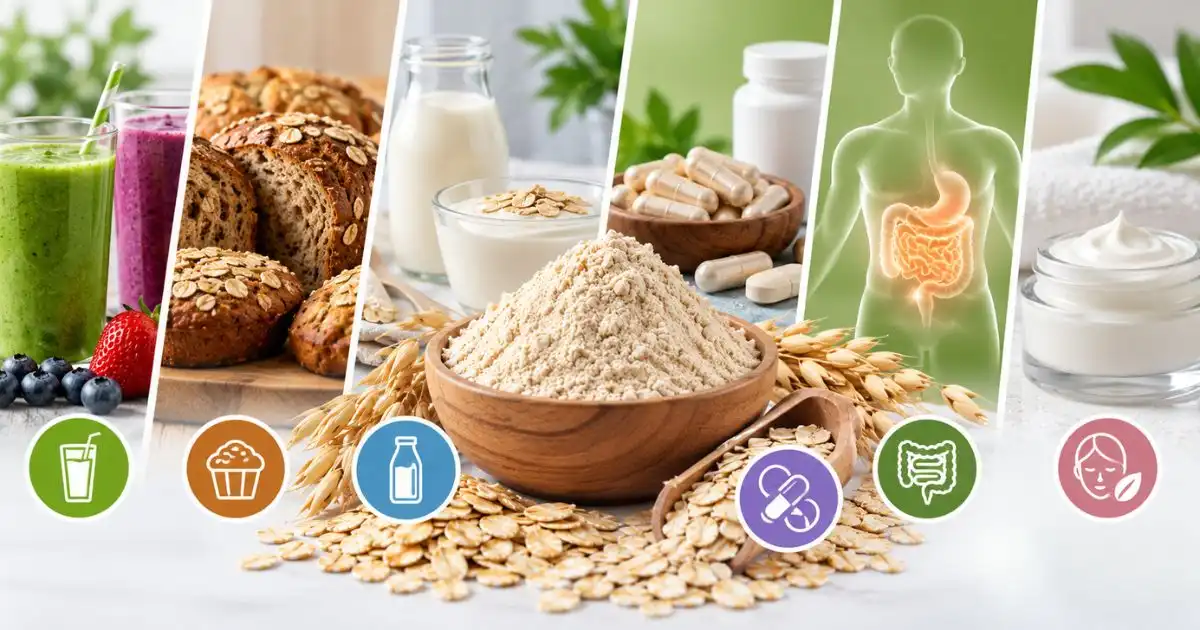
Oat Beta Glucan powder is made from the endosperm and bran layers of oat kernels (Avena sativa). It is a non-starch polysaccharide. The ingredient has a high concentration of water-soluble fibre, with purity levels ranging from 70% to 95%, depending on how it was processed. This fine, off-white powder works the same way in a lot of different situations, which makes it a valuable raw material for procurement teams working on cardiovascular health, glycaemic control, and immune wellness product lines.
Cholesterol Management and Cardiovascular Support
The process that lowers cholesterol works by removing bile acid through stiffness. Oat Beta Glucan lowers LDL cholesterol by 5–10% in four to six weeks when taken in at a daily dose of 3 grams, which is the limit set by the FDA for health claims. This bioactive reaction happens because the body gets rid of more bile acids through faeces. This makes the liver change cholesterol in the blood into new bile salts. The effect is still dose-dependent and reversible, so you have to keep taking it to keep getting the benefits.
Glycemic Control and Metabolic Health
In addition to helping the heart, this soluble fibre lowers blood sugar levels after a meal by slowing down the emptying of the stomach and lowering the rate at which carbohydrates are absorbed. Studies show that adding 4 to 6 grams to breakfast cereals or meal replacement bars can lower the glycaemic index by 20 to 30 percent compared to controls that were not enriched. Manufacturers who are making products for metabolic syndrome management, weight control programs, and diabetic-friendly food lines like this feature.
Immune Modulation Properties
New study shows that relationships between gut microbiome can boost the immune system. As a prebiotic source, the fibre specifically boosts the growth of good Lactobacilli and Bifidobacteria populations while also increasing the production of short-chain fatty acids. These molecules help keep the gut barrier strong and the immune system working properly, which means they could be used in more immune-boosting supplements.
Cosmetic and Topical Applications
Oat Beta Glucan can be used for more than just oral applications because it can hold water and form a film. Cosmetic-grade powder is great for skincare serums, moisturisers, and formulations for sensitive skin because it keeps moisture in and reduces inflammation. The molecular weight distribution of the ingredient affects its texture and penetration, and hydrolysed forms are better at getting into the skin.
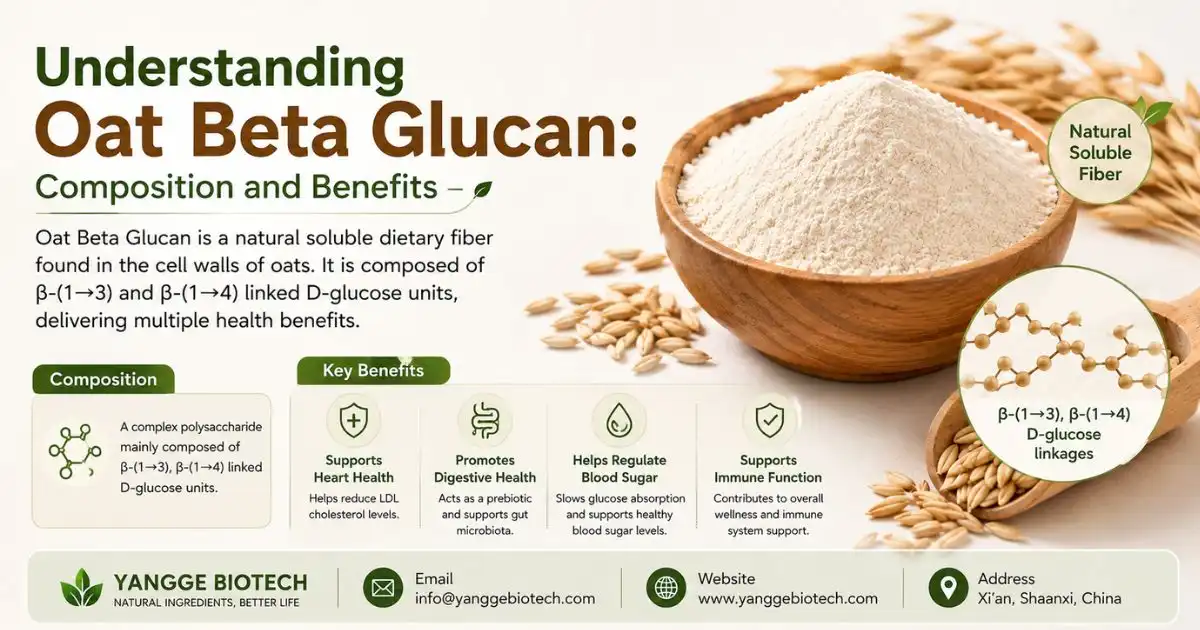
Comparing Oat Beta Glucan with Other Fiber Ingredients: Key Dimensions
When choosing fibre ingredients, procurement workers have to make hard choices that balance functional performance, regulatory status, cost structures, and the stability of the supply chain. The next section looks at how Oat Beta Glucan compares to other fibre sources across a number of important rating criteria.
Solubility and Viscosity Profiles
Solubility has a direct effect on the bioactivity and flexibility of a product. Oat Beta Glucan dissolves easily in water at concentrations as low as 2% to 3%, producing viscosities of 50 to 500 mPa·s (measured at a 0.5% solution at 20°C). This range of moderate viscosities works well for beverage applications without making the mixture too thick. This is different from psyllium husk, which at lower concentrations forms a gel-like consistency. Inulin dissolves better in cold water but doesn't have any health effects that depend on viscosity. It mostly works as a prebiotic and not as a metabolic regulator.
Barley beta glucan is structurally similar to the oat version; it has the same β-linkage patterns. The range of molecular weights is wider (300–700 kDa vs. 200–400 kDa for oat sources), which makes the liquids thicker. According to EFSA rules, barley sources can make similar health claims, but procurement teams usually choose oat-derived choices because they are better known by consumers and have more established supply lines.
Regulatory Status and Health Claim Eligibility
Regulatory approval has a big effect on how the market is accessed and how labels are placed. In 1997, the U.S. Food and Drug Administration (FDA) approved health claims for Oat Beta Glucan. This meant that companies could say that "soluble fibre from oats, as part of a diet low in saturated fat and cholesterol, may lower the risk of heart disease." In 2010, the European Food Safety Authority (EFSA) did the same thing, but set daily intake requirements of 3 grams for cholesterol reduction claims. These licenses give businesses clear benefits over fibre ingredients that haven't been checked out.
The FDA has approved the same cardiovascular health claims for psyllium, but you have to eat 7 grams of it every day, which is more than double the Oat Beta Glucan threshold. This difference in quantity affects the cost of formulation and the practicality of serving size. Even though flaxseed fibre has lignans and omega-3s, the FDA has not approved any specific health claims about it. This means that marketers and consumers can't use as much specific language when talking about it.
Nutritional and Functional Comparison Table
| Fiber Type | Solubility | Viscosity Level | FDA Health Claim | Typical Cost Range | Primary Bioactive Mechanism |
|---|---|---|---|---|---|
| Oat Beta Glucan | High | Moderate (50-500 mPa·s) | Approved (3g/day) | $25-$45/kg | Bile acid sequestration |
| Barley Beta Glucan | High | High (100-800 mPa·s) | Approved (3g/day) | $30-$50/kg | Cholesterol binding |
| Psyllium Husk | Moderate | Very High (gel-forming) | Approved (7g/day) | $15-$30/kg | Bulking/cholesterol binding |
| Inulin | Very High | Low (non-viscous) | None | $8-$18/kg | Prebiotic fermentation |
| Flaxseed Fiber | Low | Low | None | $12-$22/kg | Lignan/omega-3 delivery |
This comparison tool shows that Oat Beta Glucan has a balanced profile, with a moderate price point, strong regulatory support, and proven bioactivity. The ingredient solves the problems that come up when using higher-viscosity fibres in formulations while still providing therapeutic benefits at lower doses than other options.
Microbiological and Safety Parameters
Quality control standards decide if an ingredient can be used in industries that are regulated. Yangge's Oat Beta Glucan powder meets European PAH4 standards (total PAH4 <50 ppb, Benzopyrene ≤10 ppb), which are higher than the basic rules for food safety. The non-GMO, non-irradiated specification with a total plate count of less than 1,000 CFU/g meets pharmaceutical-grade standards and can be used for functional foods and dietary supplements that need strict microbiological controls.
ICP-MS testing confirms that heavy metal limits (Lead <0.5 ppm, Arsenic <0.5 ppm) are met, which is required by California Proposition 65 and EU rules. ELISA testing for gluten proves that a product is allergen-free, which is very important for companies that want to sell to coeliac or gluten-sensitive customers. These tested safety parameters lower the risk of procurement and speed up the regulatory approval process in many places.
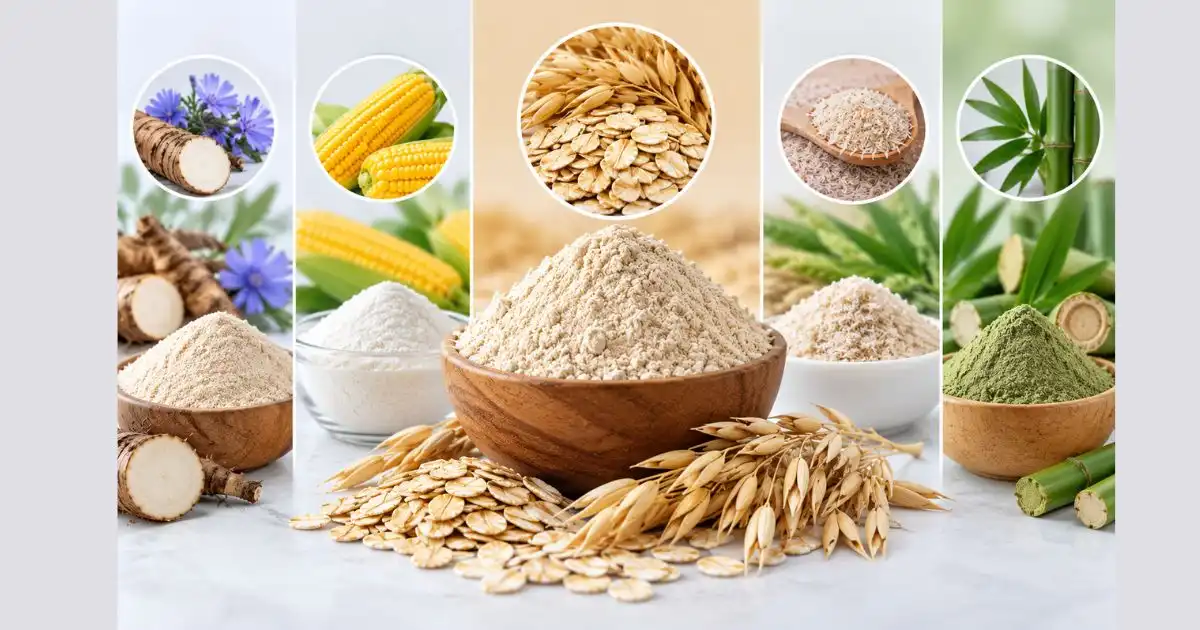
Procurement Considerations for Oat Beta Glucan and Alternative Fibers
To do strategic buying, you need to know what your suppliers can do, how they make sure quality, and how their processes work. The global Oat Beta Glucan market is still mostly made up of specialised processors that can make sure that all of their batches have the same molecular weight and purity standards.
Supplier Evaluation Criteria
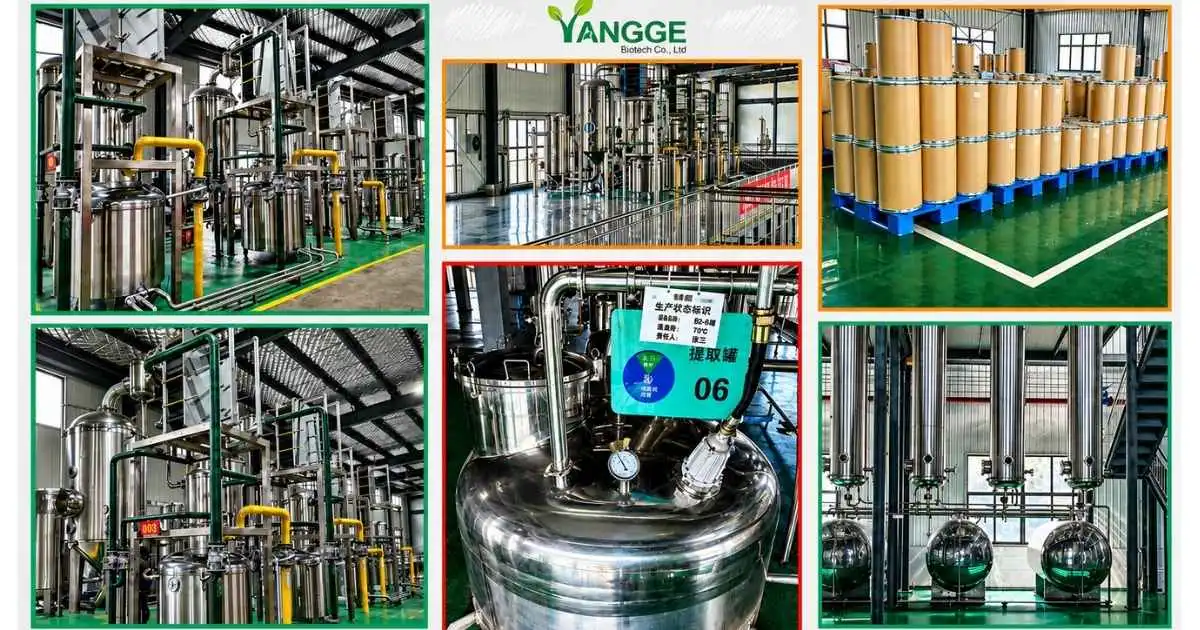
Quality certifications are the basis for judging a supplier. ISO 9001, HACCP, and GMP certifications show that quality management is done in a planned way. Kosher and Halal certifications help brands that serve a wide range of customers get into new markets. In addition to these accreditations, Yangge Biotech also has third-party labs check their work on a regular basis. This gives procurement teams the quality records they need for customer surveys and regulatory files.
Strategies for managing cash flow and inventory are affected by minimum order quantities. Bulk commodity suppliers need 500-kilogram minimum commitments, but Yangge's 1-kilogram MOQ allows for initial sampling and pilot production runs. This adaptability supports the quick product development processes that are common in functional food creation. It lets R&D teams test different formulations before starting mass production.
Packaging and Stability Considerations
Presentation affects how easily the product can be handled and how stable it is on the shelf. Standard 1-kilogram aluminium foil bags with moisture-proof seals keep hygroscopic powder from clumping and losing its viscosity when exposed to humidity in the air. Custom packaging options allow for larger production runs, and 10-kilogram or 25-kilogram configurations lower the cost per unit for well-known product lines.
The temperature and amount of light must be taken into account when storing things. The ingredient stays safe for 24 months if it is kept in sealed packages below 25°C and out of direct sunlight. This shelf life helps keep supplies low while keeping the molecular weight distribution that is needed for reliable viscosity performance. During the qualification process for suppliers, procurement teams should check the storage infrastructure's abilities to make sure that materials stay safe throughout the distribution chain.
Cost-Performance Analysis Framework
When judging fibre ingredients, you need to look at more than just the unit price. You also need to figure out the useful cost per dose. When making products that meet FDA health claim requirements, Oat Beta Glucan provides 3-gram doses of effectiveness for $0.08 to $0.14 per serving, based on prices of $25 to $45/kg. Psyllium needs 7-gram doses, which earns $0.11 to $0.22 per serve even though the raw materials cost less. This metric shows how Oat Beta Glucan stacks up against names that focus on clean labels and small serving amounts.
The total costs of formulation are shown in the table below for common use cases:
| Application Category | Target Fiber Dose | Oat Beta Glucan Cost/Serving | Psyllium Cost/Serving | Inulin Cost/Serving | Regulatory Claim Eligible |
|---|---|---|---|---|---|
| Cholesterol Management Supplement | 3-5g | $0.08-$0.14 | $0.11-$0.21 | N/A | Yes (FDA/EFSA) |
| Meal Replacement Shake | 4-6g | $0.10-$0.18 | $0.14-$0.26 | N/A | Yes (FDA/EFSA) |
| Breakfast Cereal Bar | 2-3g | $0.05-$0.09 | $0.07-$0.13 | N/A | Partial (structure-function) |
| Prebiotic Beverage | 5-8g | $0.13-$0.22 | N/A | $0.04-$0.10 | No (prebiotic claims vary) |
This study shows that higher per-kilogram costs can be balanced out by health claims that have been allowed by the government. This is especially true for high-end supplement categories where customers are willing to pay more for benefits that have been proven by science.
OEM and Customization Services
Contract manufacturing partnerships include more than just providing raw materials. They also include helping with formulations, testing for stability, and giving regulatory advice. Yangge Biotech's technical team works with clients to find the best beta glucan concentration, particle size distribution, and compatibility with other ingredients. These services are helpful when making complicated mixtures like protein bars, functional drinks, or encapsulated supplements that need specific understanding about how fibre and protein combine or how pH affects these mixtures.
Molecular weight choosing is part of customisation. Standard products are between 200 and 400 kDa and can be used in a wide range of situations. Variants that have been hydrolysed and have a molecular weight of 50–150 kDa have less stickiness for clear drinking systems while still having prebiotic effects. High-molecular-weight parts (400–700 kDa) make meal substitutes or foods with changed textures more viscous. By knowing these details, buying teams can match different types of ingredients to specific recipe goals.
Application & Performance Insights: How Oat Beta Glucan Stands Out
Validation of success in the real world separates academic benefits from usefulness in real life. Oat Beta Glucan can be used in a lot of different types of products because its molecular structure gives it a lot of useful properties.
Functional Food Applications
The fiber's neutral flavour and controlled thickening properties are good for beverage systems. Ready-to-drink smoothies with 1.5 to 2.5% Oat Beta Glucan have a better mouthfeel and better stability in suspension without getting crunchy like smoothies with insoluble fibres do. The element fully absorbs water during production, so there is no settling after production that can happen with fibre sources that aren't very soluble.
Applications in bakeries use both the ability to add nutrients and the ability to keep wetness in. Adding 2-4% beta glucan to bread recipes makes the crumb structure better and the bread last longer because it binds water molecules and slows down the breakdown of starch. The fibre doesn't get in the way of the growth of the gluten network, so the loaf keeps its volume and structure, which are important for consumers to like. These performance traits help clean-label reformulations that get rid of fake emulsifiers or dough conditioners.
Dietary Supplement Formulations
When working with hygroscopic powders, encapsulation can be hard. When properly prepared, Yangge's Oat Beta Glucan flows smoothly through equipment used to fill capsules, achieving 500–750 mg fill weights in size 0 vegetarian capsules. This format allows for four capsules per day to meet the 3-gram health claim standards, which strikes a balance between consumer ease and compliance requirements.
To crush a tablet, you have to look at how the particles are distributed and how much water is in them. Direct compression grades with D50 values between 80 and 150 microns have the best flowability and compaction properties. They make tablets with 1,200 to 1,500 Newton hardness values that are good for film coating. These technical details are important during scale-up stages, when small changes in the recipe can have a big effect on how efficiently and cheaply the product is made.
Cosmetic Formulation Benefits
Topical uses take advantage of the ingredient's ability to form a film and keep moisture in the skin. Oat Beta Glucan that is used in cosmetics can hold more than 20 times its own weight in water, making walls that stop transepidermal water loss. After 28 days of use, clinical tests show that the skin is 15–25% more hydrated than in the dummy groups (Kurtz & Wallo, 2007).
Immune cell receptor interactions are what cause anti-inflammatory effects. The β-glucan molecule attaches to macrophage surface receptors (CR3, dectin-1), which changes how cytokines are released and lowers markers of inflammation in skin that is irritated. This process backs up claims for products for sensitive skin, treatments for healing after surgery, and anti-aging serums that target pathways of ageing caused by inflammation.
Making the Right Fiber Ingredient Choice: Strategic Recommendations for B2B Buyers
Using decision models that combine technical, commercial, and strategy factors lets you make sure that your purchases are in line with your long-term business goals. These suggestions will help you figure out how to evaluate things in a way that fits the priorities of your organization.
Matching Fiber Types to Product Categories
Cardiovascular health goods need chemicals that have been clinically proven and approved by the government. The health claim made by Oat Beta Glucan is approved by the FDA, giving it a competitive edge over other products. Brands that are new to or growing in the heart health category should put this fibre at the top of their list of priorities to get the most out of their marketing language and trust signals from customers.
When making digestive health products, you can use a wider range of ingredients because structure-function claims are more flexible than disease risk reduction statements. Inulin, psyllium, and Oat Beta Glucan can all be used in these ways, and the choice should be based on the desired viscosity profiles, flavour effects, and cost savings. When regulations allow it, multi-fiber blends that use mechanisms that work well together (like soluble viscosity and prebiotic fermentation) can help with formulation.
High-molecular-weight types make the viscosity the highest at the lowest concentrations, which is good for weight control and satiety products. The effects of stomach distension and delayed emptying support processes that control hunger that are important to these product positionings. Texture problems need careful formulation work because too much viscosity makes things taste bad, which happens a lot when formulators who aren't experienced over-dose thick fibres.
Quality Verification Protocols
Setting up processes for checking arriving materials guards against specification drift and source inconsistency. Important quality factors for Oat Beta Glucan include measuring the amount of beta glucan (AOAC 995.16 method), figuring out the molecular weight distribution using size-exclusion chromatography, and checking the viscosity under standard conditions. When materials heavier than 100 kilograms are received or when supporting production runs that are crucial for launch, these measurements should be made.
Independent labs that do third-party verification give you more credibility during customer audits or regulatory enquiries. Yangge gives out certificates of analysis from approved labs that show they've met certain safety standards and conditions. This paper trail helps meet the requirements for tracking set by modernisation rules for food safety and volunteer quality standards such as BRC or SQF certifications.
Building Strategic Supplier Relationships
Long-term partnerships have benefits that go beyond transactional pricing. Suppliers who care about their customers' success offer technical training, help with recipe problems, and market information about new ingredients or changes to regulations. Yangge's dedicated R&D collaboration and expert help available 24 hours a day make it possible to solve problems quickly during the product development stages, when delays cost a lot of time and money.
After recent world problems, supply chain stability became more important. Assessing the depth of a supplier's inventory, their production capacity, and their geographical redundancy can help lower the risk of shortages that could delay or ruin product launches. Yangge keeps an inventory of 50 to 100 kilograms and can adjust production to meet sudden demand spikes. This gives buying teams faith in the delivery reliability during busy times or when order volumes go up without warning.
As brands react to customer preferences and business responsibility commitments, sustainability factors become more important when choosing suppliers. Yangge's renewable energy projects and farm-to-table traceability through community-based sourcing models are in line with ESG priorities without lowering quality or availability. These practices help with brand storytelling and meeting reporting needs for stakeholders that go beyond the usual cost-quality-delivery metrics.
Conclusion
When choosing fibre ingredients for functional food and supplement uses, you have to think about how well they work scientifically, how they will work in formulations, and how well they will sell commercially. Oat Beta Glucan is a flexible option that has been cleared by the FDA to help the heart. It can also be used in a wide range of products, from drinks to cosmetics.
The chemical structure of the ingredient, which includes both β-(1→3) and β-(1→4) links, gives it special qualities that other fibres can't copy. When purchasing managers have comparative data on solubility characteristics, health claim eligibility, and cost-performance metrics, they can confidently choose this soluble fibre to meet a range of formulation goals, as well as meet regulatory requirements and meet consumer expectations for science-backed, clean-label products.
FAQ
What is the recommended daily intake for cholesterol management?
The FDA says that you need to eat 3 grams of Oat Beta Glucan every day, which is usually spread out over three to four servings. If you stick to this level of intake for four to six weeks as part of a low-saturated fat diet, clinical studies show that your LDL cholesterol will drop by 5 to 10% (Whitehead et al., 2014). For dosing schedules to work, product formulations should aim for 0.75 to 1 gram per serving.
How does molecular weight affect functionality?
Higher molecular weight parts (400–700 kDa) make the mixture thicker and better at binding cholesterol, making it perfect for health products and uses that help you feel full. Low molecular weight versions (50–150 kDa) make clear drinking systems less viscous while keeping the prebiotic benefits. Choosing the right molecular weight ranges for a program improves both practical performance and the user experience.
Can oat beta glucan be used in cosmetic formulations?
Cosmetic-grade Oat Beta Glucan is great for keeping skin hydrated and reducing inflammation. The ingredient creates protection layers that stop water loss through the skin's surface and change immune reactions in skin that is irritated. It is usually found in serums, creams, and products for sensitive skin at amounts between 0.5% and 2.0%. It helps with claims of moisturising and soothing the skin, which are backed up by clinical evidence (Kurtz & Wallo, 2007).
Partner with a Trusted Oat Beta Glucan Supplier
Yangge Biotech provides pharmaceutical-grade Oat Beta Glucan powder that meets the high quality standards needed by functional food companies and dietary supplement names around the world. Our ingredient is non-GMO and has not been irradiated. It meets European PAH4 standards and has ISO, HACCP, Kosher, and Halal certifications, as well as full certificates of analysis from recognised third-party laboratories. We keep ready-to-ship stock (50–100 kg), and our flexible minimum order size starts at just 1 kg.
This means that we can do both small-scale production runs and large-scale business production. Our expert team can help you speed up the time it takes to make your product by helping with formulation, stability testing, and regulation paperwork. If you email info@yanggebiotech.com, you can ask for product specifications, price quotes, or free samples that show how well our ingredient dissolves and flows in your specific application.
References
1. Kurtz, E. S., & Wallo, W. (2007). Colloidal oatmeal: history, chemistry and clinical properties. Journal of Drugs in Dermatology, 6(2), 167-170.
2. Tiwari, U., & Cummins, E. (2011). Meta-analysis of the effect of β-glucan intake on blood cholesterol and glucose levels. Nutrition, 27(10), 1008-1016.
3. U.S. Food and Drug Administration. (1997). Food labeling: health claims; oats and coronary heart disease. Federal Register, 62(15), 3584-3681.
4. Whitehead, A., Beck, E. J., Tosh, S., & Wolever, T. M. (2014). Cholesterol-lowering effects of oat β-glucan: a meta-analysis of randomized controlled trials. American Journal of Clinical Nutrition, 100(6), 1413-1421.
5. Wolever, T. M., Tosh, S. M., Gibbs, A. L., Brand-Miller, J., Duncan, A. M., Hart, V., ... & Wood, P. J. (2010). Physicochemical properties of oat β-glucan influence its ability to reduce serum LDL cholesterol in humans: a randomized clinical trial. American Journal of Clinical Nutrition, 92(4), 723-732.
6. Wood, P. J. (2007). Cereal β-glucans in diet and health. Journal of Cereal Science, 46(3), 230-238.

Based on your location and order quantity, you will have the opportunity to receive a limited time free shipping promotion!
Who we are
Popular Blogs