Carbon Black E153 vs Other Food Colors: Which Is Best for Buyers?
When evaluating black food colorants for industrial applications, Carbon Black E153 stands out as the preferred solution for manufacturers prioritizing color intensity, regulatory compliance, and process stability. Unlike synthetic alternatives or activated charcoal, vegetable-derived E153 delivers consistent deep black tones without compromising clean-label requirements or introducing flavor interference. This makes it particularly valuable for confectionery, bakery innovations, and emerging pet food applications where visual appeal directly influences consumer purchasing decisions.
Understanding Carbon Black E153: Properties and Applications
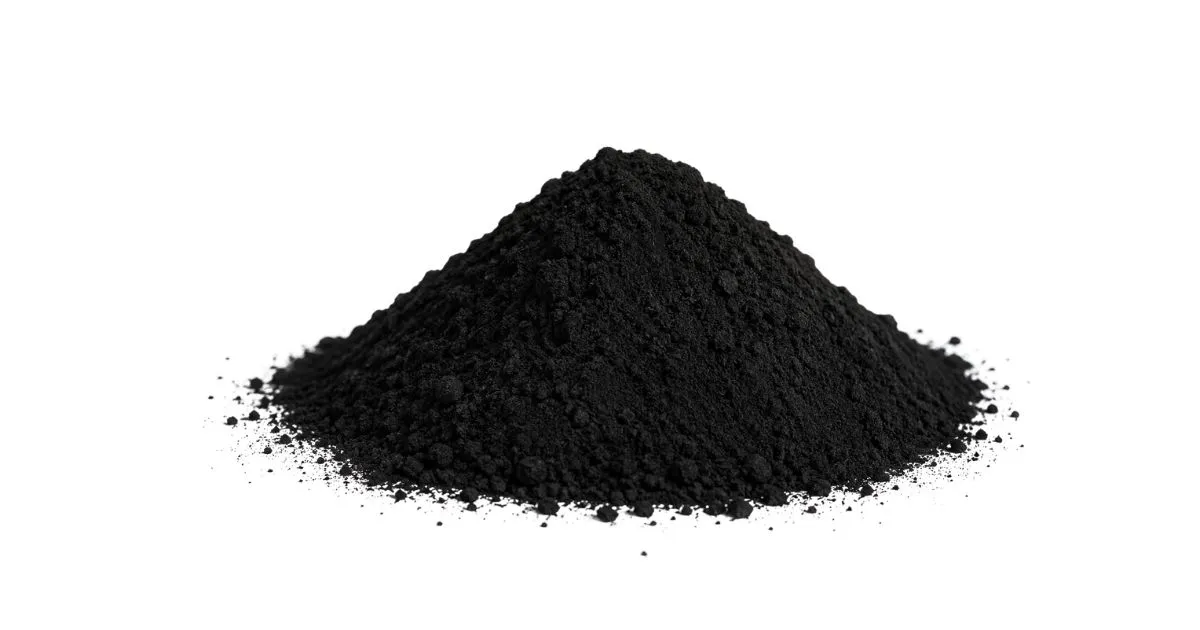
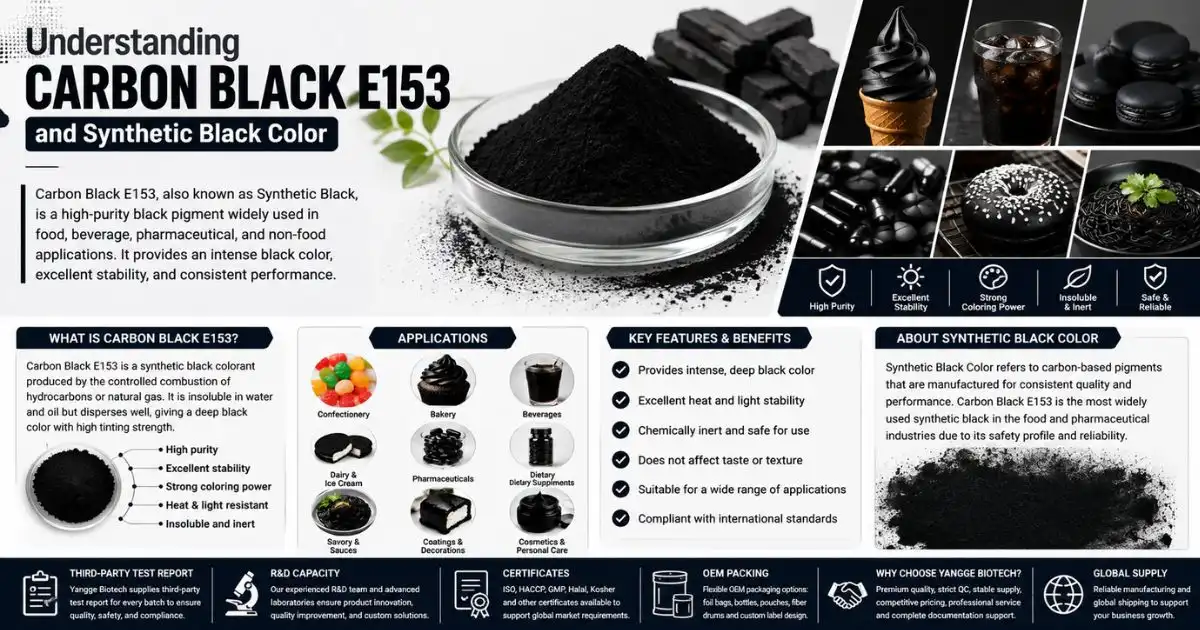
Vegetable Carbon Black E153 is a big step forward in the science of natural food colouring. This food-grade pigment is made by controlled carbonisation of plant materials, mostly coconut shells. It gives producers a very steady and inert black colourant. In order to make it, plant matter is heated in places with little oxygen. This produces pure carbon with micro-crystalline structures that are best for spreading out evenly.
Chemical Composition and Physical Characteristics
E153 is made up of more than 95% pure carbon atoms in a dry form. It looks like a fine black powder with no smell or taste. With an average particle diameter of less than 5 micrometres, the micronised form gives the best coverage and keeps the particles from sticking together while they're in suspension. This colour doesn't dissolve in water like water-soluble dyes do; it works by mechanical dispersion instead of chemical breakdown in food (EFSA, 2012).
Thermal and pH Stability Profile
Processing factors have a big effect on how well colourants work. The structure and colour strength of E153 stay the same at temperatures above 200°C, which makes it ideal for short-term pasteurisation and baking at high temperatures. The colour doesn't break down in acidic or alkaline conditions like anthocyanins or carotenoids do, even when the pH level is between 2.5 and 9.0. This steadiness is very important for fizzy drinks, pickled foods, and alkaline noodle recipes.
Approved Industrial Applications
Besides its common use in food, veggie carbon is also used a lot in cosmetics, medicinal pill coatings, and speciality inks. When making sweets, E153 gives the shiny black finish that is needed for high-quality liquorice and Halloween treats. Pet food companies are using this colourant more and more to make black kibble that stands out visually. This helps manufacturers meet consumer demands for natural ingredient claims while keeping the look of the products consistent.
Comparing Carbon Black E153 with Other Food Colors
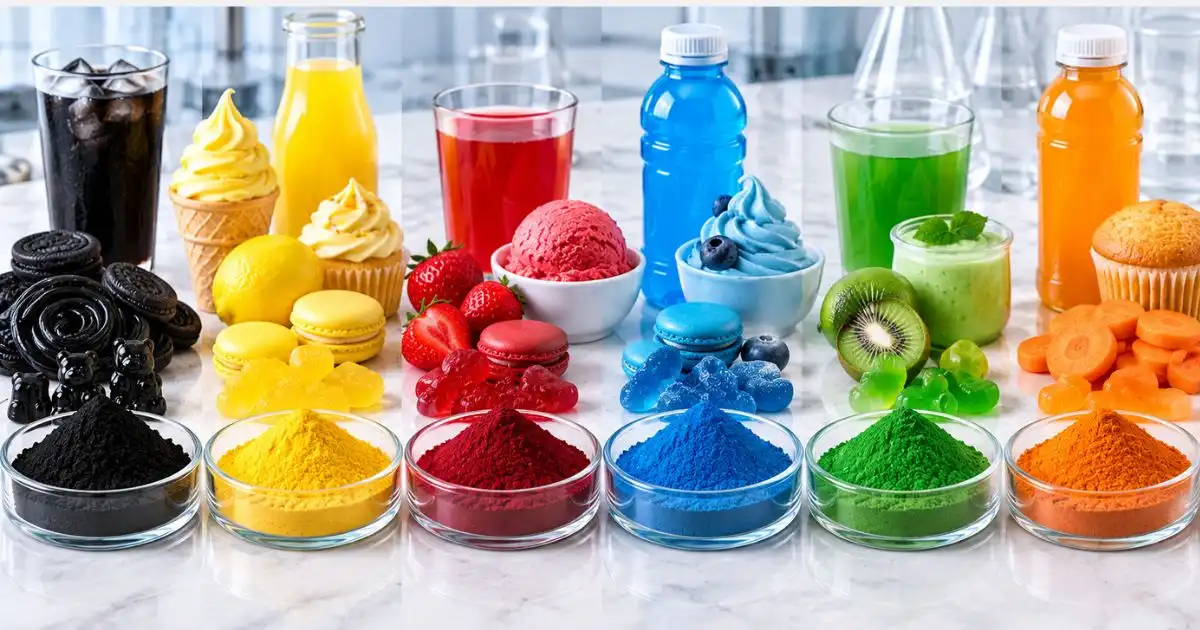
Knowing the differences in performance between black colourants helps you make smart decisions about what to buy. The table below shows the main differences between some widely thought-about options:
| Colorant Type | Source | Color Intensity | Heat Stability (>180°C) | Clean Label Status | Primary Limitations |
|---|---|---|---|---|---|
| Vegetable Carbon E153 | Plant carbonization | Excellent | Excellent | Yes | Insoluble, potential dusting |
| Caramel Color E150 | Sugar caramelization | Moderate | Good | Partially | Brown undertones, not true black |
| Activated Charcoal | Controlled combustion | Variable | Excellent | Yes | May adsorb nutrients/flavors |
| Synthetic Carbon Black | Petroleum derivatives | Excellent | Excellent | No | Regulatory restrictions, clean-label concerns |
| Mixed Dye Systems | Synthetic Blue+Red+Yellow | Good | Poor | No | Color migration, fading issues |
Manufacturing Process Impact on Purity
To address the safety concerns associated with Carbon Black E153, it is important to note that polycyclic aromatic hydrocarbons (PAHs), which are a major safety concern with carbon-based pigments, are removed from E153 that comes from plants through a series of strict purification steps.
Benzo(a)pyrene levels stay below 50 µg/kg in high-quality E153, which is a lot lower than levels found in raw charcoal goods. On the other hand, manufactured carbon blacks made from petroleum feedstocks are getting more and more attention from regulators in North America and Europe because they might be contaminated (JECFA, 2018).
Performance in Real-World Applications
It is used in bakeries because E153 stays a deep black colour during the Maillard reaction, while organic dyes break down at temperatures above 180°C. Manufacturers of sweets say that E153 works better in multi-layered goods because it doesn't dissolve in water, which is a problem that often happens with water-soluble manufactured dyes. Pet food makers like E153 because it can hide differences in ingredients and stay the same colour during compression at 150–160°C.
Procurement Considerations for Carbon Black E153 and Alternatives
Decisions about strategic buying go beyond just unit price. The following method for research helps procurement managers figure out what the total costs will be:
Price Benchmarking and Volume Economics
On the market right now, food-grade vegetable carbon E153 costs between $15 and $28 per kilogram for bulk orders bigger than one metric tonne. The price range depends on the level of certification and purity requirements. At first glance, E153 colours ($8–$12/kg) seem more expensive than caramel colours, but their higher tinctorial strength means that 40–60% lower dosage rates are needed. This effectively closes the cost difference when calculated per finished product unit.
Supply Chain Reliability Metrics
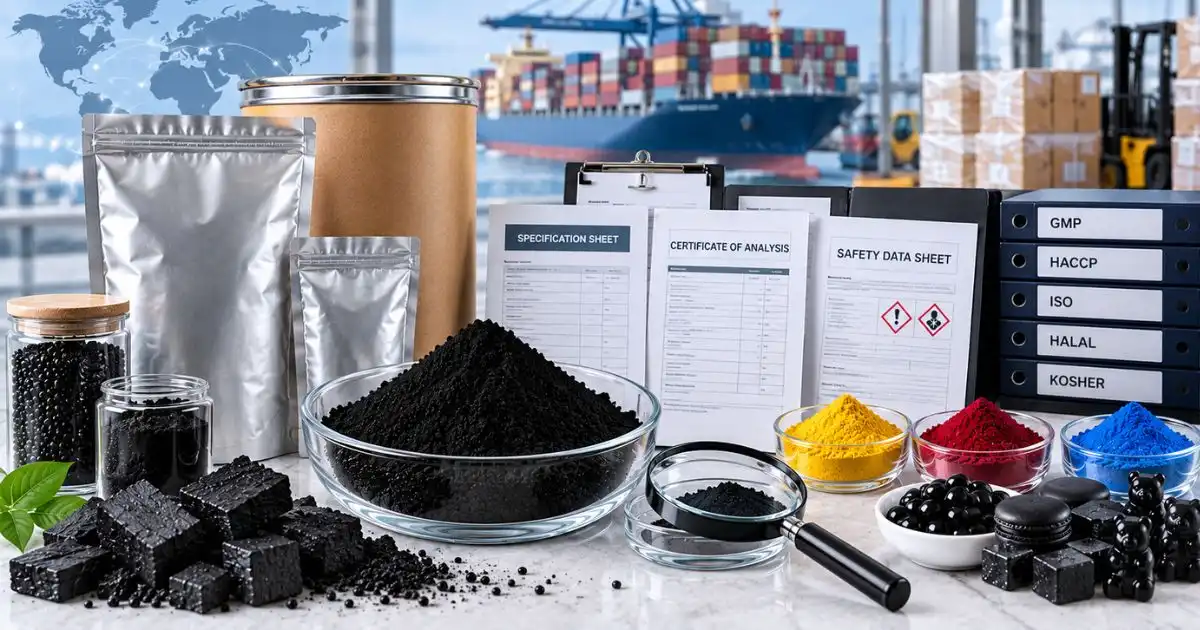
Setting up relationships with suppliers requires checking a number of important factors. Manufacturers should ask for Certificates of Analysis that show PAH testing was done using approved methods, heavy metal screening that shows compliance with Codex Alimentarius standards (Asbestos <3 mg/kg, Lead <2 mg/kg), and batch tracking paperwork that shows which plant materials were used. Yangge Biotech keeps its ISO 22000, HACCP, Kosher, and Halal certifications up to date. This gives them the full compliance documentation they need for strategies that involve distributing products in more than one market.
Logistics and Minimum Order Quantities
Lead times for buying E153 depend on how busy the seller is and what certifications they need. Well-known companies like Yangge keep 5-ton lots of goods in stock all the time, so they can quickly fill orders with FOB or CIF shipping terms. For stock items, the minimum order quantity is usually 500 kilograms. For custom specifications, you have to commit to a 1-ton order. Warehouse costs should be taken into account by procurement managers, since E153 is stable and can be stored for 24 months in controlled conditions (20°C, <60% relative humidity).
Key Factors for Buyers to Determine the Best Food Color
To choose the best colourants, you need to carefully look at them in a number of different areas:
Application-Specific Compatibility Requirements
The features of the product grid determine which colourant to use. E153's insolubility helps high-moisture systems like ice cream because it stops weeping and colour separation during freeze-thaw cycles. Insoluble pigments, on the other hand, can't be used in clear beverage applications, so other methods are needed. For pet food extruder methods that create shear forces above 100 s⁻³, colourants that don't break down mechanically are needed. Crystalline carbon structures are good at this. In this context, Carbon Black E153 is a relevant choice due to its stable crystalline nature.
The following table shows the current state of government approvals in the world's biggest markets:
| Market | E153 Approval Status | Permitted Categories | Quantum Satis | Special Restrictions |
|---|---|---|---|---|
| European Union | Approved (E153) | Confectionery, bakery, decorations | Yes (Group II) | Not approved for beverages |
| United States | Not approved | N/A | N/A | Prohibited as color additive |
| Canada | Approved | Most categories | Yes | Labeling as "vegetable carbon" required |
| Australia/NZ | Approved (153) | General foods | Yes | None |
Safety and Environmental Considerations
The EFSA did toxicological tests on E153 and gave it an ADI "not specified" classification, which means there are no safety concerns at normal usage levels. Environmental profiles prefer E153 that comes from plants over alternatives that come from oil, especially when it comes from sustainable coconut shell waste streams. Using agricultural byproducts in Yangge's production model lowers the company's impact on the environment and helps farming communities through circular economy principles (EFSA, 2012).
Impact on Sensory and Shelf-Life Attributes
E153 is chemically inert, so it doesn't mix with flavour molecules like reactive dyes do. This means that the taste qualities of the products stay the same. Texture changes are still not noticeable at the suggested doses (0.1-0.5%), but too much of it may make smooth goods like mousses a little gritty. Studies on the shelf life of E153 show that it protects against photodegradation because the thick black pigment keeps light-sensitive flavours and vitamins from being exposed to UV light.

Why Choose Carbon Black E153? Advantages for B2B Buyers
Industrial buyers who choose E153 get a number of strategic benefits that go beyond just needing a different colour. Because it has so many benefits, this ingredient is more of a value-added part than a commodity input. Among these options, Carbon Black E153 stands out as a particularly reliable choice for large-scale production.
Superior Processing Performance
E153's thermal resistance gets rid of worries about colour drift between production runs, making sure that named goods are always the same from batch to batch. In contrast to caramel colours, which turn red when exposed to alkaline conditions or high temperatures, veggie carbon keeps its neutral black tones throughout the processes. This consistency cuts down on the cost of quality control and the number of products that are rejected because they don't meet colour requirements. Because E153 doesn't caramelise on heat exchangers or production equipment surfaces, factories have less downtime.
Comprehensive Certification Support
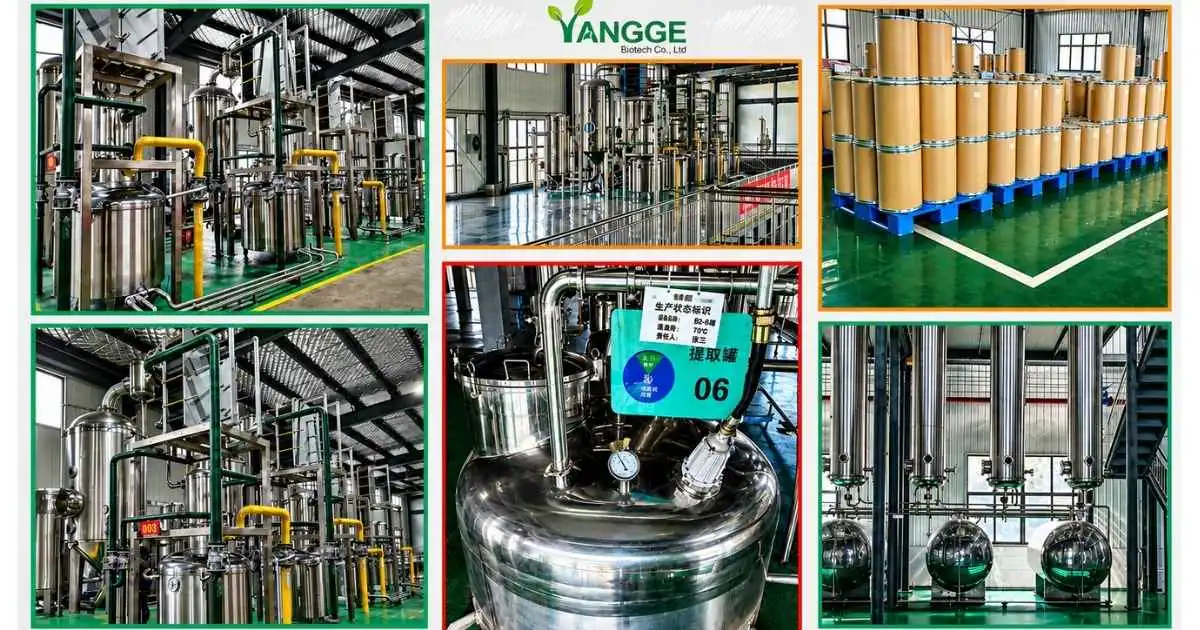
Yangge Biotech's E153 comes with a lot of paperwork that meets the needs of a wide range of markets. Each package comes with proof that it is registered with the FDA, Kosher certification from a recognised organization, Halal certification that follows Islamic dietary laws, and allergen-free statements.
These certifications speed up the approval process by regulators when a product is released in more than one country. This is especially helpful for multinational food companies that have to deal with complicated compliance systems. R&D teams can do distribution testing and trial production runs before committing to full-scale buying because they can get free samples weighing 10 to 30 grams.
Scalable Bulk Supply Infrastructure
By keeping a 5-ton collection at warehouses, Yangge solves the problem of supply consistency, which is a pain point for buyers. Flexible delivery terms allow both FOB and CIF options, so buyers with established logistics networks can get what they need. CIF options make figuring out the landed cost easier. The established supply chain cuts down on the time it takes to get an item from being ordered to being delivered, usually between two and three weeks for stock items. This dependability is very important for just-in-time manufacturing, because when ingredients run out, it directly affects production plans.
Conclusion
Vegetable Carbon Black E153 is the best black food colourant for companies that care about following the rules, keeping the colour stable during processing, and having a clean label. It works well in a wide range of challenging situations, from making sweets to making food for pets. This is because it is highly resistant to heat, keeps its pH level, and doesn't react with chemicals.
While different regions have different rules that need to be carefully followed, especially the US ban, E153's approval in the EU, Canada, and the Asia-Pacific markets makes it possible for businesses to operate in these areas. E153 is a good choice for buying things that are high quality because it comes from sustainable sources, has many certifications, and can be reliably sourced in bulk from well-known companies like Yangge Biotech.
FAQ
Is vegetable carbon E153 safe for long-term consumption?
The European Food Safety Authority did thorough toxicological tests and came up with an ADI (Acceptable Daily Intake) of "not specified," which means that normal use levels are safe for health. This study looks at long-term exposure situations and confirms that E153 is safe for normal eating in approved food groups (EFSA, 2012).
How does E153 compare to activated charcoal in food applications?
Both E153 and activated charcoal come from carbonised plant materials, but E153 goes through specific particle sizing and cleaning to improve colour spread, while activated charcoal increases the surface area for better adsorption. If you use medical-grade activated charcoal as a colourant, it might absorb flavours, nutrients, or medications by accident. For colouring purposes, certified food-grade E153 is the better choice.
What precautions prevent dusting issues during handling?
Because E153 has a low bulk density, it can produce dust when dry powder is handled. Manufacturers should use water, glycerin, or syrup as carriers in paste or pre-dispersion formulations. This method gets rid of worries about floating particles, stops cross-contamination, and makes doses more accurate during production. Yangge can help you with the technical side of making special dispersion systems that work with certain industrial equipment.
Can E153 cause staining of consumer mouths or teeth?
As an insoluble colour, E153 may stick to the tongue or teeth for a short time when they come into direct touch with them. But unlike synthetic colours, which physically stick to tissues, carbon particles are easy to wash off with water or saliva and don't leave behind any lasting marks. This feature sets E153 apart from synthetic colourants that are problematic and need to be cleaned for a long time.
Partner with Yangge for Premium Vegetable Carbon Black E153 Supply
To get consistent access to approved food-grade colourants, you need to work with makers who can show they have great technical knowledge and supply chain skills. Yangge Biotech is an expert in making veggie carbon E153 and keeps KOSHER and USP-grade stock on hand for quick shipping. Our facilities are Kosher, Halal, and ISO-certified, and they make sure that every batch meets international safety standards.
Before they are sent out, accredited laboratories test them for PAHs and heavy metals. Whether we're making new black burger buns, high-end Halloween treats, or unique pet food recipes, our technical team helps with the preparation by figuring out problems with dispersion and making the best use of doses.Contact us or you can email our sourcing experts at info@yanggebiotech.com to get free samples, talk about setting up a bulk Carbon Black E153 provider, or get detailed Certificates of Analysis that show our dedication to quality and compliance.
References
1. European Food Safety Authority (EFSA). (2012). Scientific Opinion on the re-evaluation of vegetable carbon (E 153) as a food additive. EFSA Journal, 10(4), 2592.
2. Joint FAO/WHO Expert Committee on Food Additives (JECFA). (2018). Evaluation of certain food additives and contaminants: Eightieth report of the Joint FAO/WHO Expert Committee on Food Additives. WHO Technical Report Series, No. 1007.
3. U.S. Food and Drug Administration (FDA). (2021). Color Additives Permitted for Use in Foods. Code of Federal Regulations Title 21.
4. Codex Alimentarius Commission. (2019). General Standard for Food Additives (GSFA) – Codex Stan 192-1995.
5. European Commission. (2012). Commission Regulation (EU) No 231/2012 laying down specifications for food additives listed in Annexes II and III to Regulation (EC) No 1333/2008. Official Journal of the European Union.
6. Food Standards Australia New Zealand (FSANZ). (2020). Australia New Zealand Food Standards Code – Standard 1.3.1 – Food Additives.

Based on your location and order quantity, you will have the opportunity to receive a limited time free shipping promotion!
Who we are
Popular Blogs