Is Carbon Black E153 Safe for Food Contact and Cosmetic Products?
When purchased from conforming producers and used within limitations, Vegetable Carbon Black E153 is safe for food contact and cosmetics. This natural black pigment, made from coconut shells by controlled carbonisation, fulfils EU (E153), Kosher, and Halal safety criteria. Safety depends on quality characteristics such as low PAH levels (below 50 µg/kg), heavy metal limits, and certified vegetable sources over petroleum derivatives.
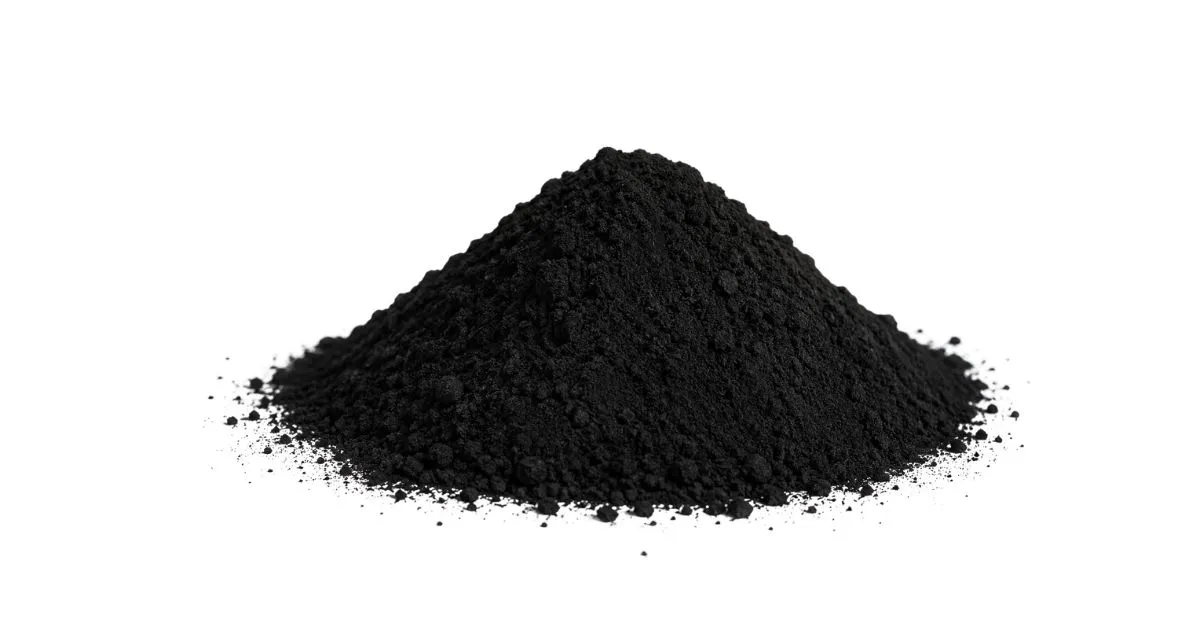
Understanding Carbon Black E153: Properties and Applications
What Exactly Is Vegetable Carbon Black E153?
Carbon Black E153 is a high-quality natural black colourant that is made from only plant-based ingredients. Unlike industrial carbon black, which comes from oil, this food-grade version is made by carbonising coconut shells, bamboo, or wood that has been taken in a way that doesn't harm the environment. The end product is a black powder that has no smell or taste and is very pure, usually having more than 95% carbon content on a dry base. This addition is labelled as Carbon Black E153 by the International Numbering System (INS), which means it is okay to use in food in many places.
As a result of its physical properties, it is especially useful for manufacturing. Because the particles are micronised and most of them are less than 5 micrometres in size, it covers better and mixes better than colours with bigger particles. This substance doesn't dissolve chemically in water, ethanol, or oil-based solutions, so it works as a floating colour instead of a dissolved dye.
Core Applications Across Food and Cosmetic Industries
This black pigment can be used in a wide range of high-value products that need to be safe and maintain their colour. In the candy industry, it gives trendy items like Halloween-themed candies, liquorice, and luxury dragees the intense black look that they need. The colour doesn't break down or change colour when it's heated up to over 150°C during the hard candy making process.
Because people are interested in how activated charcoal looks, its uses in bakeries have grown a lot. Because Carbon Black E153 can handle the Maillard reaction and core temperatures up to 200°C, black burger buns, pizza crusts, and artisanal breads keep their dramatic look during the baking cycle. Manufacturers of drinks use it in speciality drinks and boozy drinks because it stays stable in acidic environments (pH 2.5–7.0) and doesn't bleed colour like manmade dyes do.
More and more, pet food companies are using this colourant in their premium dog and cat foods. The black colour in kibble bits makes them look nice and meets the needs of consumers who want clean labels. In cosmetics like eyeliner, mascara, and decorative makeup, the inert nature keeps the active ingredients from reacting with each other or irritating the skin.
Regulatory Compliance Framework
Under the quantum satis principle, European Union rules allow Carbon Black E153 to be used in most types of food (Annex II, Part B). This means that producers can use as much as they need to get the desired result, with no set upper limits. In 2012, the European Food Safety Authority (EFSA) looked at Carbon Black E153 again and found that it is safe as long as manufacturing controls keep PAH poisoning to a minimum.
Acceptance by regulators varies by region. Canada lets it be used in certain types of food as long as the right labels are on them. Some Asian markets, like Singapore, Malaysia, and Thailand, allow Carbon Black E153 to be used as a food additive. Notably, the US Food and Drug Administration (FDA) does not officially allow Carbon Black E153 as a food colour additive. This means that companies that want to sell their products in the US must change their recipes to use something else, like grape skin extract or iron oxides.
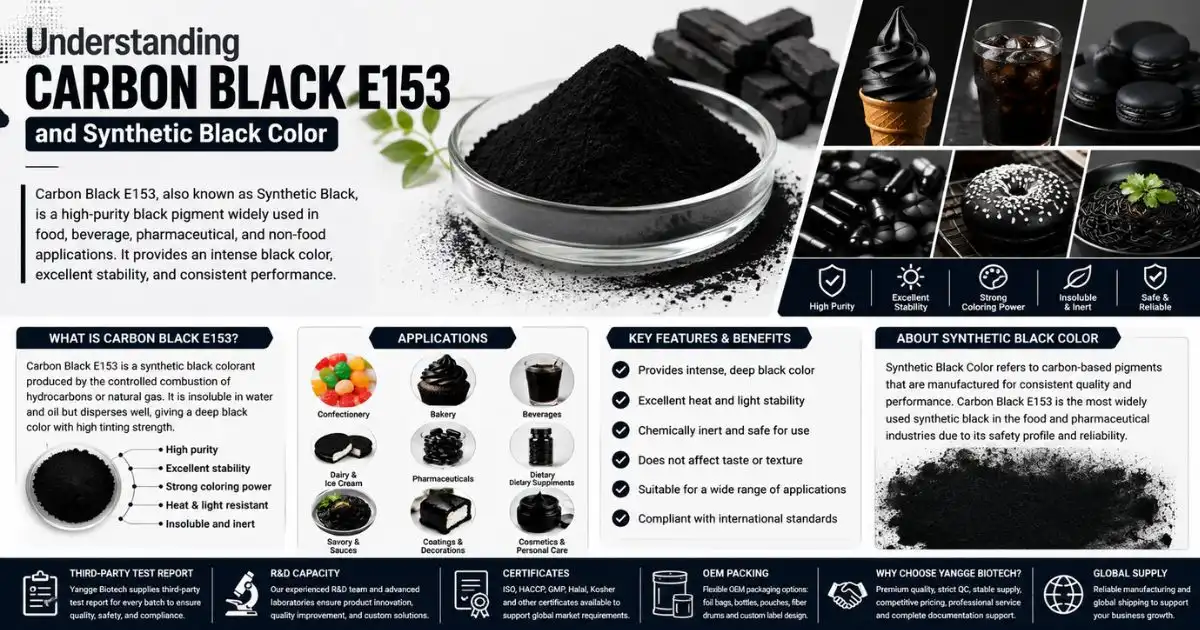
Evaluating the Safety of Carbon Black E153 for Food and Cosmetic Use
Critical Safety Parameters and Testing Protocols
Controlling process toxins very carefully is the first step in making sure safety. Polycyclic aromatic hydrocarbons (PAHs) are the main safety concern because they can be made by incorrect carbonisation and are known to cause cancer. According to EU Commission Regulation 231/2012, high-quality Carbon Black E153 must have amounts of benzo(a)pyrene that are less than 50 µg/kg. Gas chromatography-mass spectrometry (GC-MS) is used by reliable providers to measure the four marker PAHs: benzo(a)pyrene, benzo(a)anthracene, benzo(b)fluoranthene, and chrysene in every production run.
The same level of care must be taken with heavy metal contamination. For food-grade materials, the limits for arsenic are less than 3 mg/kg, lead is less than 2 mg/kg, and mercury is less than 1 mg/kg. ICP-MS, or inductively coupled plasma mass spectrometry, gives us the scientific accuracy we need to make sure compliance. The amount of ash and moisture (sulfated ash less than 4% and moisture loss during drying less than 12%) make sure that there are a lot of pigments and that microbes don't grow during storage.
Toxicological Assessment and Health Impact Studies
As part of its thorough review, the European Food Safety Authority looked at all the toxicological data that was available. This included studies on absorption, distribution, metabolism, and excretion. Since Carbon Black E153 is made up of insoluble carbon particles, it is not absorbed very well by the digestive system. There are no worries about bioaccumulation or organ poisoning because the particles pass through the digestive system without being taken up by the body as a whole.
Studies on dermal application for cosmetic use show that it is very compatible with the skin. The neutral chemical nature keeps allergy reactions from happening, and patch testing shows that it has almost no irritation potential. Ophthalmologic tests on eye cosmetics show that they are safe as long as they are made according to the right quality standards.
Studies that put lab animals through long-term exposure to doses many times higher than what humans normally eat showed that the material meets PAH purity standards and does not harm reproductive function, organ histology, or the potential to cause cancer. The quantum satis approval in European food laws is based on this data.
Comparison With Alternative Black Pigments
Knowing how Carbon Black E153 stacks up against other black dyes helps people who work in buying make smart choices:
| Pigment Type | Regulatory Status (EU) | Heat Stability | pH Stability | Primary Safety Concern | Typical Cost |
|---|---|---|---|---|---|
| Carbon Black E153 | Okayed (quantum satis) | Excellent (above 200°C) | Very good (pH 2–12) | PAH pollution if the source isn't good | Moderate |
| Iron Oxide E172 | OK with some restrictions | Good (up to 180°C) | Very good | Heavy metals in the water | Low |
| Activated Charcoal | Not okay to use as a colourant | Very good | Very good | Adsorption of medicines and nutrients | Different |
| Synthetic Carbon Black | Not okay to use for food | Very good | Very good | derived from petroleum, consumer rejection | Low |
Iron oxide (E172) gives off brownish-black tones but not the pure black intensity that modern uses need. Even though activated charcoal is chemically similar, it is processed in a way that increases its surface area for adsorption rather than its ability to hold colour. This ability to absorb causes risks in food applications, as it could link vitamins, minerals, or medicines if they are taken for medical reasons. Using medical-grade activated charcoal as a colourant could also change the feel of the product by letting it soak up water.
Even though it works better technically, synthetic carbon black made from petroleum feedstocks is not allowed to be used in food and is becoming less popular among consumers in cosmetics. The clean-label trend has sped up the switch to options made from vegetables.
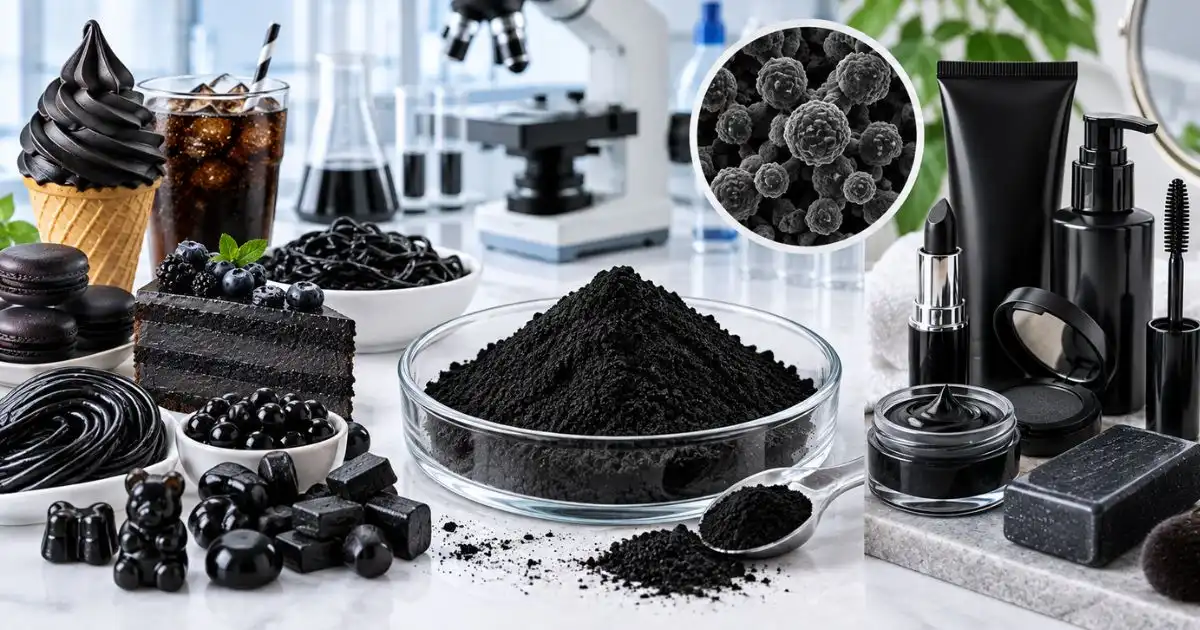
Addressing Procurement Challenges: Sourcing and Specifications
Identifying Qualified Suppliers and Certification Requirements
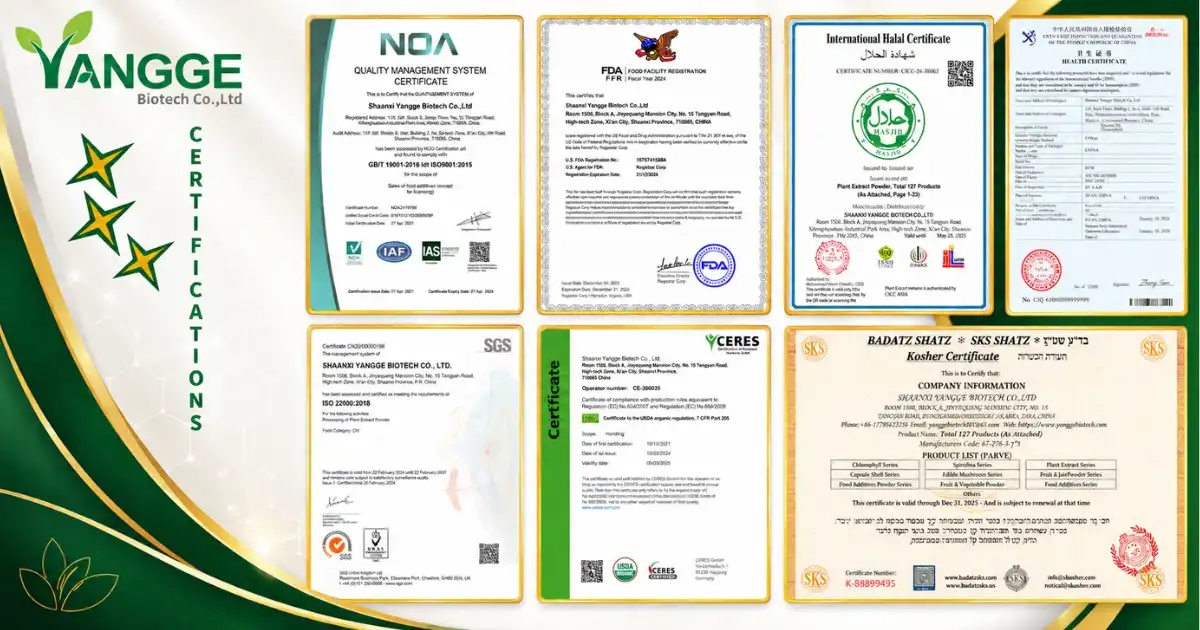
When purchasing managers look at Carbon Black E153 suppliers, they should give more weight to those with internationally recognised certifications that show they are committed to quality systems and traceability. Getting ISO 22000 approval means that food safety management systems are in place all along the supply chain. The HACCP (Hazard Analysis Critical Control Points) verification shows that food safety hazards are identified and controlled in a planned way during production.
Religious certificates are useful for both functionality and getting into a market. Kosher certification from a recognised organization makes sure that the carbonisation method and tools meet the standards set by rabbis. This opens up markets in Israel and around the world for religious Jewish customers. Halal approval also makes sure that food follows Islamic nutritional rules, which is important for companies that want to sell to Muslim-majority markets in Southeast Asia, the Middle East, and other places.
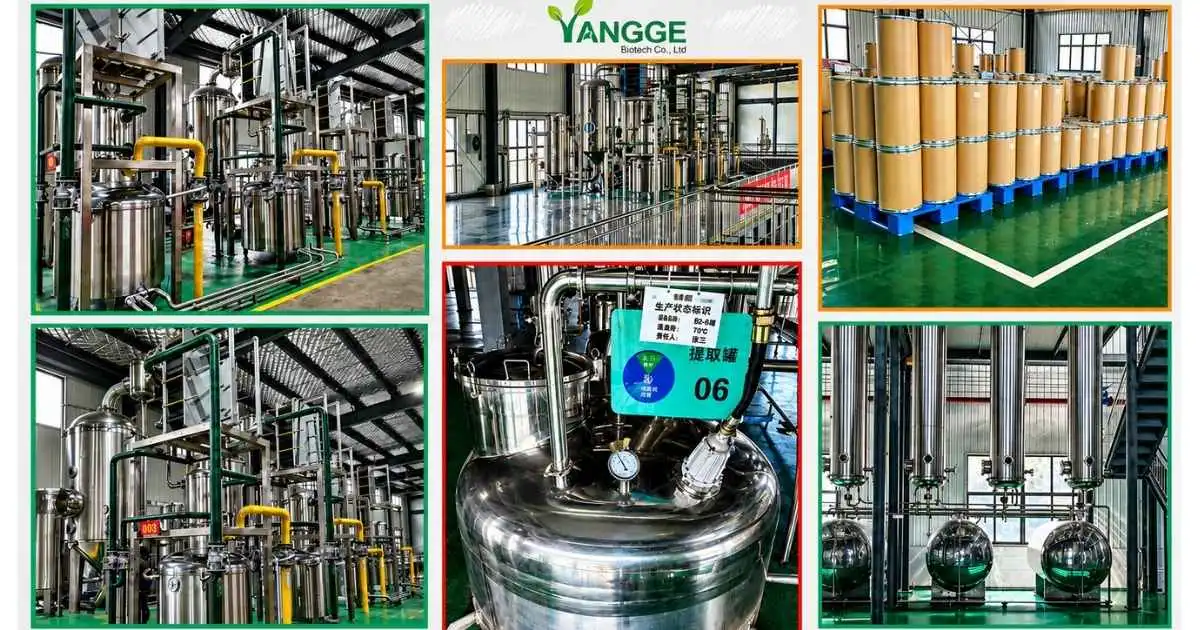
Yangge Biotech is a good example of this method to certification because it has ISO and HACCP records as well as FDA registration, Kosher certification, and Halal approval. The company's promise to have each shipment tested by a third-party lab adds to the quality control that comes from internal controls.
Key Specifications for Purchase Orders
To make sure consistency from batch to batch, technical specifications should clearly spell out quality parameters:
- Carbon content: At least 95% of the dry weight should be carbon.
- Particle size distribution: D50 < 5 micrometres for best spreading.
- PAH markers: Benzo(a)pyrene < 50 µg/kg; four PAHs added together < 50 µg/kg.
- Heavy metals: Too much arsenic (3 mg/kg), too much lead (2 mg/kg), too much mercury (1 mg/kg), and too much cadmium (1 mg/kg).
- Microbial limits: Negative for Coliforms and Salmonella, with a total plate count of less than 1000 CFU/g and yeast and mould counts of less than 100 CFU/g.
- Physical properties: Loss on drying is less than 12%, and sulfated ash is less than 4%.
- Traceability: Proven plant source material origin (coconut shell, bamboo, or certain types of wood).
Market Dynamics and Procurement Logistics
In the Carbon Black E153 market, the smallest amount that can be ordered is usually 100 kg for test orders and full container loads (about 5–10 metric tonnes) for long-term relationships. Yangge Biotech keeps 5 tonnes of USP/Kosher grade in stock, which lets them quickly fulfill orders for product launches that need to happen quickly.
The price is directly related to the level of purity and certification. Food-grade Carbon Black E153 that has been through a lot of PAH testing and has been certified by a lot of different religions costs more than technical-grade material. People who are watching their budgets shouldn't give in to the urge to buy cheap alternatives from suppliers who aren't approved. The risks of not following the rules, product recalls, and damage to the brand far outweigh any short-term savings.
Getting samples is an important part of the buying process. Reliable providers offer free 10- to 30-gram samples for research and development. This lets formulation teams check the dispersion, colour strength, and processing compatibility of the product before placing large orders. To find any surprising interactions, testing methods should copy production conditions like temperature exposure, pH levels, and storage times.
Choosing the right hazard classification is an important part of international shipping. Transporting Carbon Black E153 is usually safe, but the paperwork needs to properly show that it is food-grade to avoid delays at customs. The terms FOB (Free On Board) and CIF (Cost, Insurance, and Freight) give buyers options based on their ability to handle logistics and imports.
Making Informed Decisions: Comparing Carbon Black E153 with Alternatives
Performance Attributes in Product Formulations
Using spectrophotometry to measure colour intensity shows that Carbon Black E153 absorbs more light across the visible spectrum than iron oxides. Carbon Black E153 has L values (lightness) below 20 on the CIELAB scale at equivalent loading levels of 0.1-0.5% by weight, which is close to true black. Iron oxide mixtures usually reach a plateau between L 25 and 30, where they look dark grey instead of black.
Carbon Black E153 is resistant to photodegradation, as shown by tests that put it through rapid ageing. Samples that were subjected to 5000 lux for 720 hours don't show any change in colour (ΔE < 1.0), but fake lake colours may have ΔE values above 3.0, which means they fade. Tests of thermal stability at 180°C for 4 hours confirm that the colour properties are kept, which is important for baked goods and pet foods that are extruded.
Dispersion consistency affects how the end product looks and how well it is received by customers. The small particles of Carbon Black E153 make it easy to mix into systems that are based on water, oil, or alcohol, as long as the right pre-dispersion methods are used. Manufacturers say that the insoluble particles don't damage equipment as much as manmade colours do because they don't get into the working surfaces. Cleaning cycles after production that use alkaline detergents are good at getting rid of leftover pigment.
Economic Analysis and Total Cost of Ownership
Even though the cost of the raw materials for Carbon Black E153 is higher than those for synthetic carbon, a total cost analysis shows that there may be savings to be made. When artificial additives are taken off of labels, it's possible to charge more for products, especially those with organic, natural, or clean labels, where customers are willing to pay 15–30% more. The cost of following the rules goes down because Carbon Black E153 doesn't need to be strictly tracked at the amount that is added like additives with specific ADI (Acceptable Daily Intake) limits do in the EU.
Formulators don't have to deal with the hassle of matching colours in synthetic dye blends, which speeds up the product development process. To get consistent black colour with red, blue, and yellow lakes, you need to carefully control the ratios and do a lot of batch testing. Formulations with only one ingredient of Carbon Black E153 make quality control easier and lower the number of formulation failures.

Best Practices for Using Carbon Black E153 Safely and Effectively
Handling Procedures and Workplace Safety
Material Safety Data Sheets (MSDS) say that Carbon Black E153 is an annoying dust that needs to be handled with normal care. When the fine powder is moved or weighed, it creates dust in the air, so processing areas need to have local exhaust ventilation. When working bulk materials, workers should wear P95 or P100 respirators that have been cleared by NIOSH to protect their lungs from getting irritated by dust.
An analysis of the explosion risk shows that fine carbon powders can create flammable dust clouds in certain situations. In processing areas, facilities should put in place fire source controls, keep the humidity above 40% to stop static electricity from building up, and add explosion vents to their dust collection systems. Using electrical containers and making sure that moving equipment is properly grounded can lower the risk of static electricity.
Changing powder to paste or liquid dispersion forms gets rid of the risk of dust and makes production integration easier. A lot of companies make master batches that are 10–20% concentrated in glycerin, propylene glycol, or syrup carriers. Handling these pre-dispersions without dust, better flow features, and more accurate micro-dosing in continuous production lines are all benefits.
Quality Control Protocols and Batch Verification
Specification shift and contamination can be avoided by using receiving review procedures. Fourier-transform infrared spectroscopy (FTIR) should be used to check the identity of every shipment that comes in to make sure that the chemical fingerprints match reference standards. A visual review checks that the powder has the right texture, is a uniform black colour without any grey areas, and doesn't have any alien particles.
The review of the Certificate of Analysis (CoA) must confirm that the PAH tests accurately measures the amount of benzo(a)pyrene and the four marker PAHs using approved analytical techniques. It's not enough to say that something was "PAH tested" without giving any specific numbers or scientific methods. There should be more than just "pass" statements in heavy metal tests. Results should be shown using ICP-MS and be well below the limits set by the manufacturer.
In-process quality checks keep an eye on how colours change while the product is being made. Spectrophotometric testing of finished goods at specific stages of the process sets acceptable colour ranges (L, a, and b* values) that are used as criteria for release. Keeping samples from every production run lets you look back and figure out what went wrong if customers complain or the government has questions.
Stability studies at accelerated conditions (40°C/75% RH for 3–6 months) and real-time storage at room temperature back up claims about shelf life. Colour stability (ΔE measurement), microbial growth, moisture uptake, and physical properties like flowability or viscosity for liquid formulations should all be monitored.
Real-World Application Insights
Leading candy companies say that adding Carbon Black E153 to liquorice products at levels between 0.2 and 0.4% worked well, giving them the jet-black look they wanted without changing the anise flavour. Because it is insoluble, it doesn't cause "tongue staining" problems that can happen with synthetic dyes that stick to oral tissues for a short time. However, it does cause some mechanical transfer to teeth surfaces during consumption, which is easy to rinse off.
Bakeries that make activated charcoal bread have found that adding Carbon Black E153 at a level of 0.5 to 1.0% makes the bread look amazing while keeping the dough's handling qualities. Making changes to the humidity levels (by adding 2 to 3 percent more water) makes up for the pigment's small ability to absorb water, which keeps the end product from being dry. The crumbs' structure stays the same compared to controls that aren't coloured even when mixing times are slightly longer to make sure everything is mixed well.
The colour works well with extrusion methods, which is why pet food companies like it. Because it is thermally stable, it can be added before the cooking zones of an extruder hit 150–180°C without losing its colour. Multicoloured black kibble pieces give pet owners a visual treat that appeals to their senses while still meeting clean-label requirements. The colour doesn't move into the cooking water when the canned food is processed in a retort, so products with a mix of textures still look different.
Conclusion
Carbon Black E153 is a safe and effective way for food and skincare companies that work in markets that require natural ingredients and follow the rules to colour their products black. Safety depends a lot on the quality of the seller, especially when it comes to controlling PAHs, heavy metals, and making sure the vegetables come from a recognised source. Professionals in charge of buying things should give top priority to certified suppliers who offer complete documentation, testing before shipping, and sample programs that let buyers fully evaluate products before committing to large orders.
The better performance in terms of heat stability, pH tolerance, and colour strength makes the higher cost worth it compared to cheaper options, especially when you consider the clean-label market positioning and easier regulatory compliance. Handling guidelines and quality checks make sure that results are the same from batch to batch, which is good for the brand's image and customer trust.
FAQ
What distinguishes vegetable carbon from activated charcoal in food applications?
Both come from plants becoming carbonised, but the process is very different. Controlled carbonisation of Carbon Black E153 improves its pigmentary qualities, especially the particle size and clarity for colour dispersion. Activated charcoal is heated or chemically activated to increase its surface area and ability to absorb things for medical or cleaning uses.
Because it absorbs water, using activated charcoal as a food colourant can cause unexpected changes in texture, flavour compounds, and the binding of nutrients. Regulatory classifications are also different. For example, Carbon Black E153 specifically names the colourant version, while in some places, adding activated charcoal to food is limited or not allowed at all. To keep things clear, the specs for buying things should clearly mention Carbon Black E153, which stands for "vegetable carbon for food use."
Can vegetable carbon cause visible staining on consumer teeth or processing equipment?
The insoluble particles can stick to tooth enamel temporarily because they can get stuck in microscopic surface flaws. Synthetic dyes chemically link to tooth proteins, but Carbon Black E153 is easily removed by brushing and does not stain teeth permanently.
Because the particles don't go through metal or plastic, they don't stain equipment as much as soluble dyes do. Standard alkaline cleaning methods (sodium hydroxide liquids at concentrations of 1% to 2% and temperatures of 60 to 80°C) get rid of leftovers well. Some companies set up separate production lines for black-pigmented goods so that there aren't any concerns about cross-contamination in shared facilities where light-colored goods are made.
Partner With Yangge Biotech for Certified Vegetable Carbon Black E153
Yangge Biotech has Kosher and Halal approved Carbon Black E153 ready to help you with your formulation problems. This black substance is made to strict international standards. We have 5 tonnes of USP-grade material in stock right now that can be shipped right away via FOB or CIF arrangements. As an open and honest Carbon Black E153 manufacturer, we offer thorough Certificates of Analysis that show that our products have been tested for PAHs, heavy metals, and microbes by recognised international labs.
Our free 10–30g sample program helps procurement managers do thorough R&D tests before going to full production levels. For your unique application needs, our expert support team can help you with formulation issues such as dispersion optimisation, dosage suggestions, and processing compatibility.
Yangge's certifications, such as FDA registration, ISO, HACCP, and Kosher and Halal approval, show that we are committed to quality systems that protect the reputation of your brand.Contact us or you can email our team at info@yanggebiotech.com to talk about your unique needs, ask for technical paperwork, or set up shipping of samples for your next product development project.
References
1. European Food Safety Authority (EFSA). (2012). Scientific Opinion on the re-evaluation of vegetable carbon (E 153) as a food additive. EFSA Journal, 10(4):2592.
2. Commission Regulation (EU) No 231/2012. (2012). Laying down specifications for food additives listed in Annexes II and III to Regulation (EC) No 1333/2008. Official Journal of the European Union.
3. Joint FAO/WHO Expert Committee on Food Additives (JECFA). (2021). Compendium of Food Additive Specifications. Food and Agriculture Organization of the United Nations.
4. U.S. Food and Drug Administration (FDA). (2023). Color Additives Permitted for Use in Foods. Code of Federal Regulations Title 21.
5. Burrows, A. (2019). Palette of Our Palates: A Brief History of Food Coloring and Its Regulation. Comprehensive Reviews in Food Science and Food Safety, 8(4):394-408.
6. Sharma, R. (2015). Natural Food Colors: Safety Considerations and Regulatory Aspects. International Journal of Food Sciences and Nutrition, 66(6):633-640.

Based on your location and order quantity, you will have the opportunity to receive a limited time free shipping promotion!
Who we are
Popular Blogs