Sweet Potato Red vs Orange: Which Variety Fits Commercial Buyers?
If you are sourcing natural colorants for food and beverage production, the choice between Sweet Potato Red and orange sweet potato varieties is more than a color preference it is a supply chain decision. Sweet Potato Red, rich in acylated anthocyanins, delivers a stable red-to-violet hue that performs well in acidic applications. Orange varieties, known for their beta-carotene content, suit warm-tone products. Understanding which fits your formulation needs can save time, reduce reformulation costs, and help you meet clean-label market demands.For more details you may contact us or email at info@yanggebiotech.com.
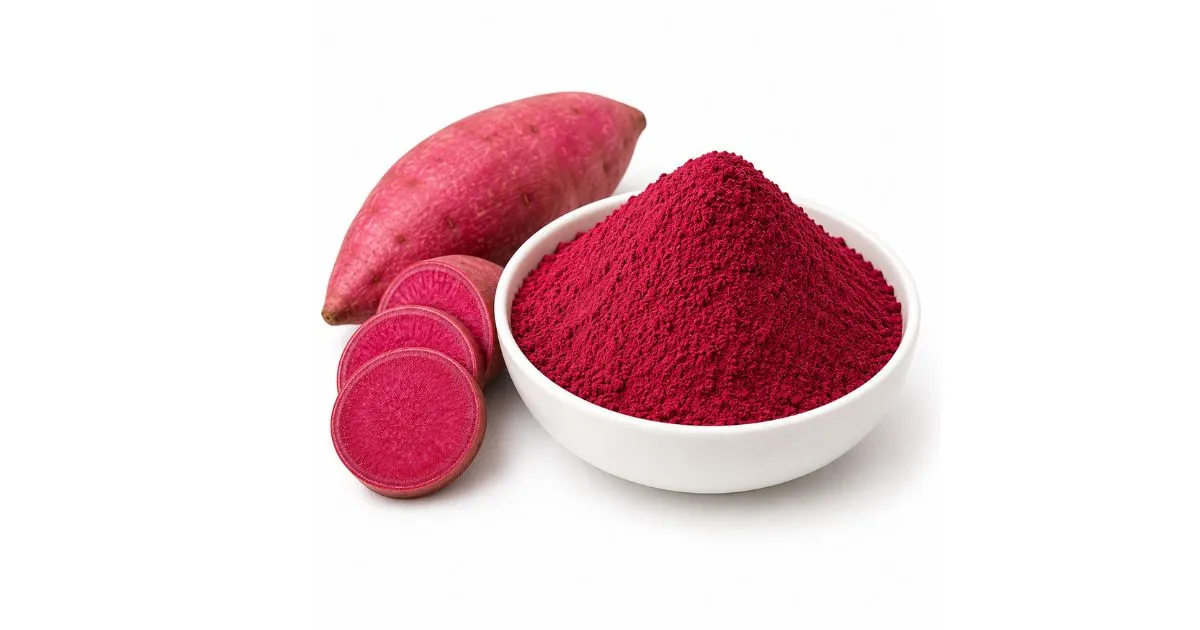
Understanding Sweet Potato Red and Orange Varieties
Botanical Differences at a Glance
Though they are both Ipomoea batatas, they are not the same color. They are made up of cyanidin and peonidin, which give Sweet Potato Red its color. They change when the pH changes and break down in water. The color of orange types comes from beta-carotene. It is a carotenoid that dissolves in fat and stays stable across a wider pH range. Each type can only color some things well because they are unique.
Regional Cultivation and Sourcing
East Asia, especially China and Japan, has the most acylated anthocyanin. This is where most kinds of Sweet Potato Red are grown. There are many kinds of orange potatoes grown in North America, West Africa, and Southeast Asia. People in Japan, South Korea, or Southeast Asia can use farming networks in their area to get red-fleshed types. Lead times and availability change throughout the year because of where it is.
Flesh, Skin, and Texture Profiles
More sweet and juicy is the meat inside orange sweet potatoes, while more full and dry is the meat inside red ones. When red types are ground into a powder, their dry meat makes it easier to make a concentrated anthocyanin extract. They make tasty mixes, purees, and flakes that are high in beta-carotene when grown in orange varieties. Because of this, they work better in restaurants and dairy plants with bright colors.
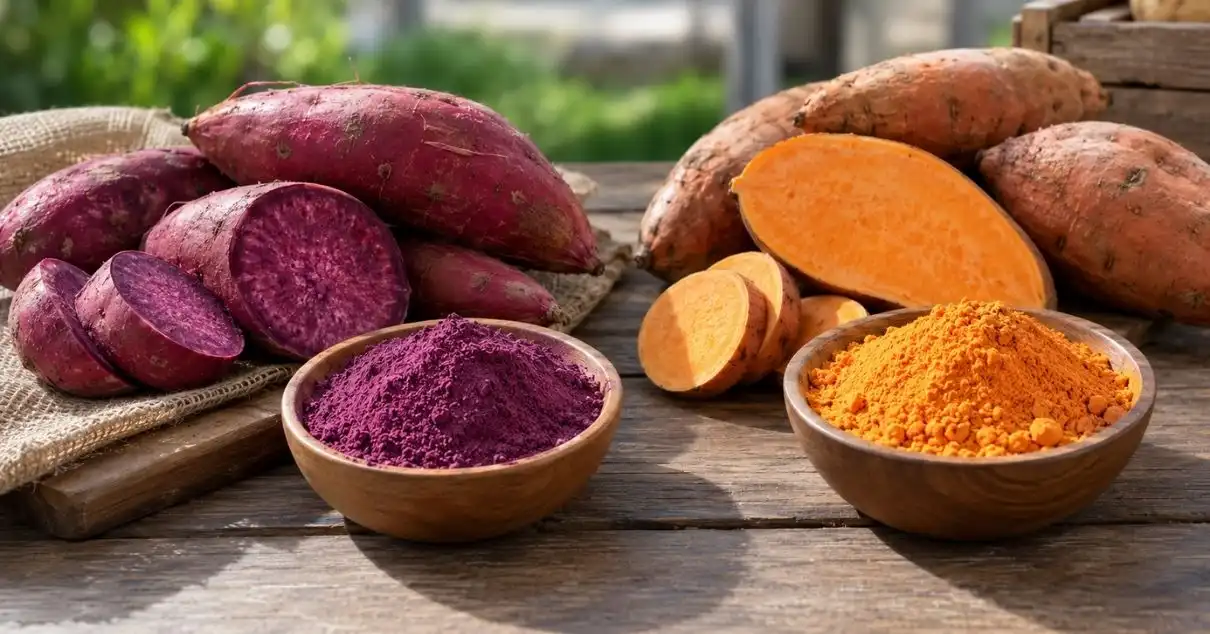
Key Factors for Commercial Buyers: Comparing Sweet Potato Red vs Orange
| Feature | Sweet Potato Red | Orange Sweet Potato |
|---|---|---|
| Primary Pigment | Anthocyanins (cyanidin, peonidin) | Beta-carotene |
| Solubility | Water-soluble | Fat-soluble |
| pH Stable Color Range | pH < 4.5 (red/pink) | Broad pH range |
| Heat Stability | Moderate to good (acylated) | Good |
| Clean-Label Claim | Yes | Yes |
Taste Profile and Processing Suitability
Because orange sweet potatoes taste sweeter and creamier on their own, they are often used to fill candies, bake goods, and feed babies. When you take it off, Sweet Potato Red tastes less strong. In other words, it won't change taste when added to drinks, sweets, or hard candies. Red extract powder doesn't have a strong taste, which helps research and development teams that are making acidic snacks or drinks with clean labels.
Seasonal Availability and Inventory Planning
In the U.S., the best times to pick orange sweet potatoes are in late summer or early fall. In China, red-fleshed types are picked from September to November, but powder made from them is sold all year. Powder form is better for people who want a steady supply all year because they don't have to buy it at certain times of the year.
Wholesale Pricing Trends
There are several places where you can buy orange sweet potatoes. Prices change based on when they are grown. The price of sweet potato anthocyanin extract, on the other hand, is based on its E-value at 530 nm color value. Red pigment powder ranges in price from $30 to $150 per kilogram when bought in bulk, with 1% to 25% anthocyanin being the sweetest. If you buy between $10,000 and $100,000 a year, extract powder is cheaper per unit of color power.
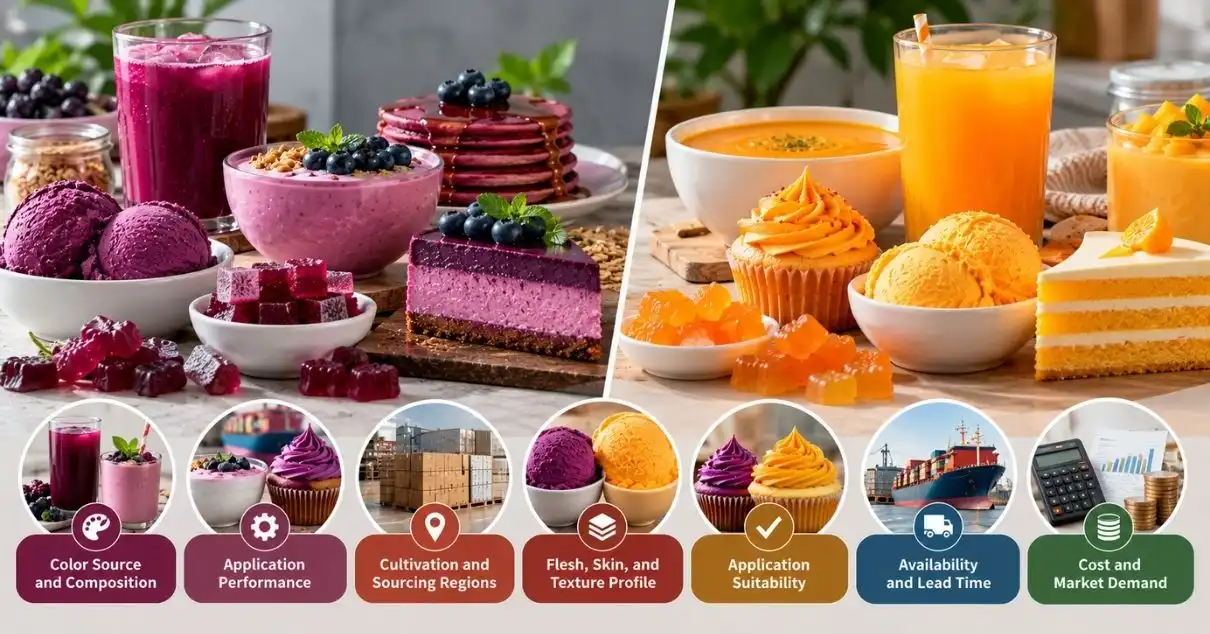
Procurement Considerations for Sweet Potato Red and Orange
Certifications That Matter to B2B Buyers
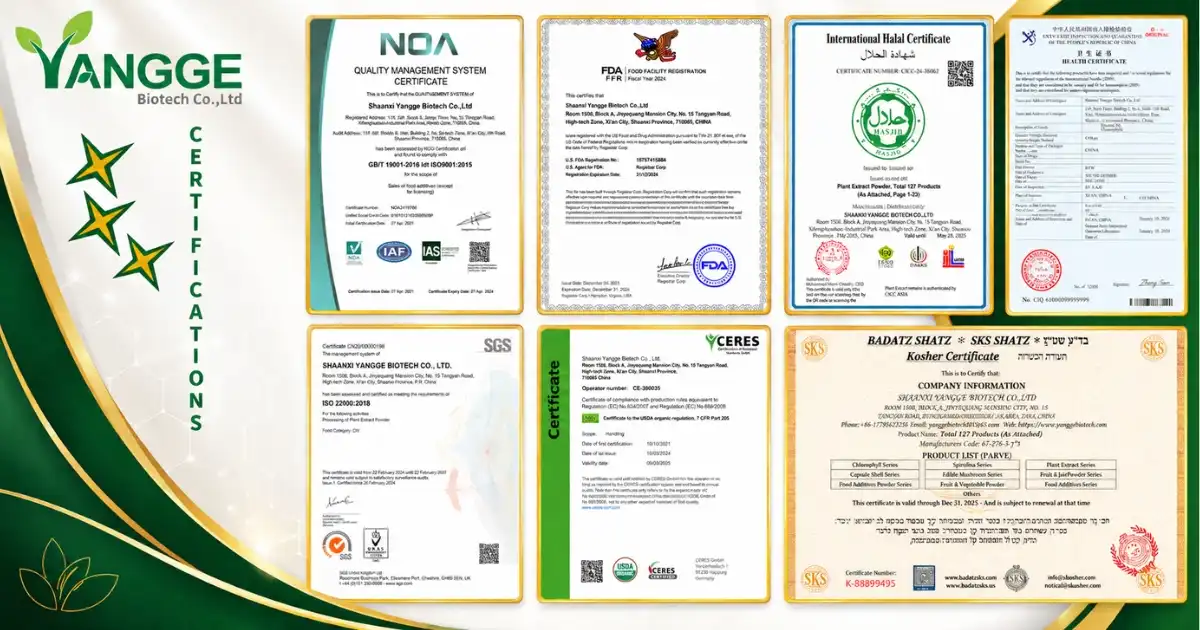
This is something you need to be able to do before you buy food. People who want to buy finished foods should make sure that the Sweet Potato Red extract they use is certified as at least ISO, HACCP, Kosher, or Halal. People who buy things in the EU have to follow the E163 classification. Because Yangge is "Exempt from Certification" by the FDA, signs in the U.S. say "Purple Sweet Potato Juice (Color)". Yangge is also certified in ISO, HACCP, Kosher, and Halal, which helps them sell their products in markets around the world.
| Certification | Relevance |
|---|---|
| ISO / HACCP | Manufacturing quality assurance |
| Kosher / Halal | Access to Jewish and Muslim consumer markets |
| E163 (EU) | European regulatory compliance |
| FDA Exempt Color | U.S. clean-label "no artificial color" claim |
Quality Control Protocols
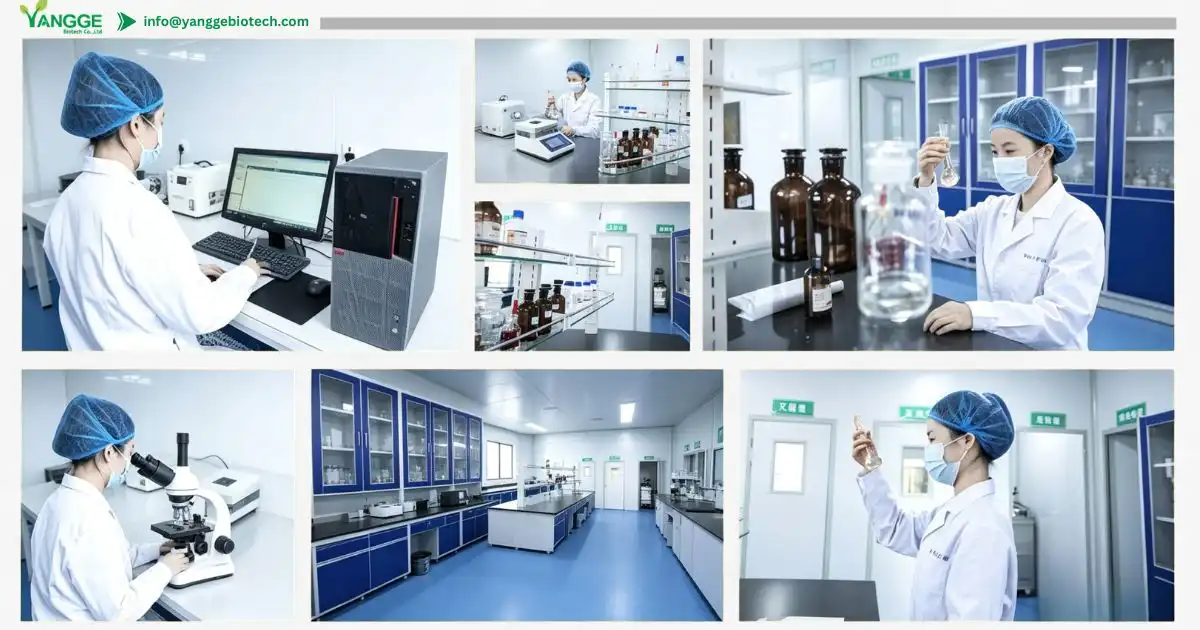
A reliable source uses UV/TLC to find out how much anthocyanin is present and any heavy metals (usually less than 1 mg for arsenic and lead). They also use HPLC fingerprints to make sure the color is real. The anthocyanin that makes Yangge's Powder Sweet Potato extract work is tested with UV/TLC and comes out as a fine powder that is violet-red to violet. It dissolves completely in water, and the ratios range from 4:1 to 50:1.
Packaging and Logistics
If you handle the color the right way, it will keep its quality while it's being shipped. Yangge sells in 25 kg paper drums with two plastic bags inside, 10 kg drums, and 1 to 5 kg metal foil bags with boxes around the outside. To store things, you need a cool, dry spot that is out of direct sunlight and heat. When the goods go from the warehouse to the plant floor, these rules make sure they stay stable. When making plans, this is important because the color needs to work the same way every time.
Decision-Making Framework for Commercial Buyers
Matching Variety to Application
Sweet Potato Red extract works best in sports drinks, desserts, hard candies, and other drinks that are acidic (pH 2.5–3.5). Anthocyanins that are acylated make it better able to handle heat damage than alternatives like grape skin or black carrot extract that aren't acylated. Orange sweet potato powder gives dairy drinks stable warm tones and nutrients. It can also be used to add extra beta-carotene to baked goods or make cake glazes.
Risk Management in Sourcing
It is possible that some plant-based goods won't be available. To lower their risk, buyers should only deal with companies that keep extra stock on hand, send COAs with every shipment, and can prove that their goods are the same from batch to batch. A 10–20 g free sample can be used by R&D teams to see how stable and useful it is before they place a big order. This way, they can do it before the two- to three-week window for deciding to buy stops.
Aligning with Consumer Health Trends
Grand View Research predicts that the market for food colorants will grow at a rate of about 7% per year until 2030. The natural color group will be a big part of this growth. People are shifting their attention from lab-made colors to colorants based on anthocyanins, such as those made from purple sweet potatoes. There are more and more useful drinks and snacks with clean labels that come in these. People who purchase red types are ahead of the trend.
Future Trends Impacting Sweet Potato Varietal Choices
Advances in Extraction and Standardization
The red sweet potato anthocyanin powder is now more uniform after being sprayed dry. This means that the color changes less from one lot to the next. When specs are standardized, like color values E30 to E90 recorded at 530 nm, it's easier for buying teams to write the right purchase orders. Lack of quality is less likely to happen because of this.
Diabetic-Friendly and Functional Positioning
But purple-red sweet potato juice makes a health claim because it has vitamins. There is not much sugar in both the Sweet Potato Red and orange types. A study published in 2021 in the journal Food Chemistry found that acylated anthocyanins, which are found in purple sweet potatoes, are very good at getting rid of free radicals. This backs up what health product and functional drink boxes say about antioxidants.
Sustainability and Traceability
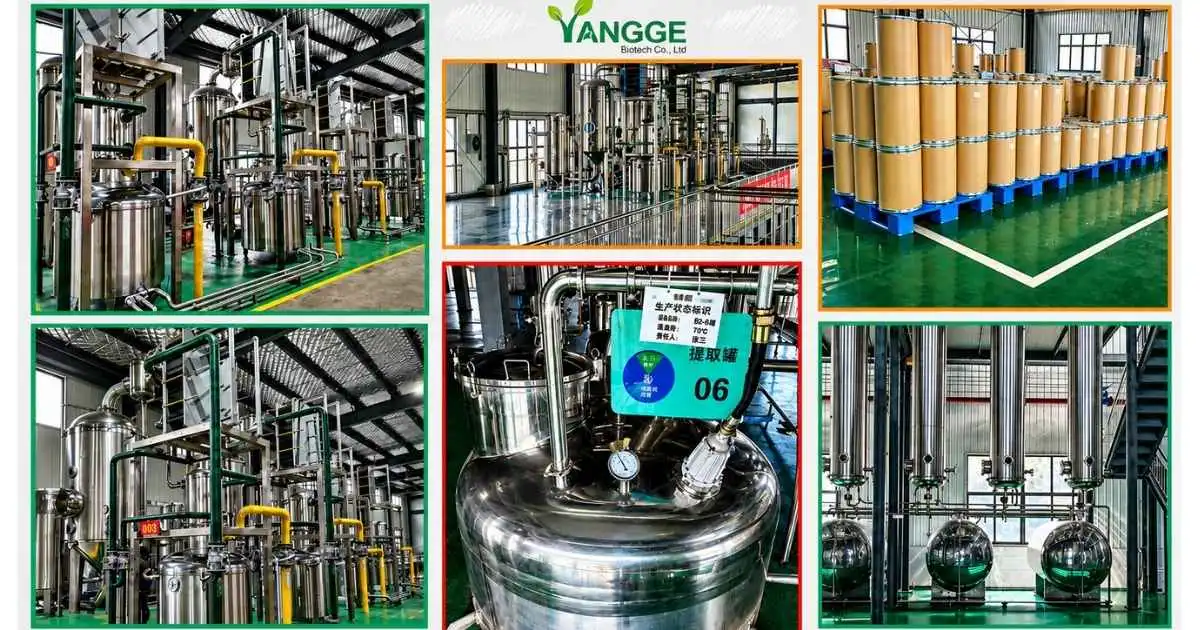
More and more buyers want papers that show how the goods got from the farm to the plant. To get goods, Yangge Biotech works directly with farming groups in China. They use green energy at their factory and keep records that can be used to find out where the goods came from as part of their plan for sustainable buying. This supports the ESG reporting rules that more and more ingredient providers are being asked to follow by big food companies.
Conclusion
Based on your clean-label goals, supply management, and scientific use, you can choose between Sweet Potato Red and orange sweet potato. You can make red-fleshed types of anthocyanin powder that can be used in sour drinks, sweets, and healthy snacks that need to keep their red color. For some reason, orange types look good in warm-colored rooms. You can help procurement teams make decisions more quickly and with less risk if they know about these differences before the trials begin.
FAQ
What is the main difference between Sweet Potato Red and orange sweet potato extract?
Acidic and water-based solutions turn red to purple when they mix with anthocyanins found in Sweet Potato Red extract. You can find cyanidin and peonidin as the main types of these drugs. Beta-carotene, which breaks down in fat, gives orange sweet potatoes their yellow-orange color. Each one is used for a different task when cooking.
Is sweet potato anthocyanin extract stable during pasteurization?
When heated, anthocyanins from red-fleshed sweet potatoes stay more stable than anthocyanins from other sources. Scientists who study food have found that when the pH level is below 4.0, the color stays the same during standard pasteurization (85–95°C). But you should always make sure that your product is safe before it goes into full production.
What certifications should I verify before purchasing?
At the very least, check to see if the product has ISO, HACCP, Kosher, Halal, and any other regional approvals that are needed (E163 for the EU, FDA Exempt Color status for the US). You should look for sellers who can give you valid Certificates of Analysis and test reports from a third party that check for heavy metals and bacteria.
Does Yangge offer samples before bulk purchase?
Yes, Yangge does give free samples of 10–20 g of Powder Sweet Potato extract to people who work in the food and drink business. Before putting in big orders, this helps make sure the system is stable and works.
Request a Sample from Yangge Your Trusted Sweet Potato Red Supplier
Yangge Biotech sells pink Powder Sweet Potato extract that is certified by ISO, HACCP, Kosher, and Halal. It has UV/TLC tests and has between 1% and 25% anthocyanin. It also dissolves totally in water. We can send a 10–20 g free sample straight to your R&D team if you need Sweet Potato Red for clean-label drinks or a natural red colorant for candy. To begin the sourcing process right away, email us at info@yanggebiotech.com.
References
1. Grand View Research. (2023). Natural Food Colors Market Size, Share & Trends Analysis Report.
2. Jing, P., & Giusti, M. M. (2005). Characterization of Anthocyanin-Rich Waste from Purple Corncobs and Its Application to Colorant Formulation. Journal of Agricultural and Food Chemistry.
3. Montilla, E. C., Arzaba, M. R., Hillebrand, S., & Winterhalter, P. (2011). Anthocyanin Composition of Black Carrot (Daucus carota ssp. sativus var. atrorubens). Journal of Agricultural and Food Chemistry.
4. Zhao, C., et al. (2021). Stability and Antioxidant Activity of Acylated Anthocyanins from Purple Sweet Potato. Food Chemistry.
5. Stintzing, F. C., & Carle, R. (2004). Functional Properties of Anthocyanins and Betalains in Plants, Food, and in Human Nutrition. Trends in Food Science & Technology.
6. Uchimura, Y., et al. (2008). Commercial Production and Quality Control of Purple Sweet Potato Pigment in Japan. Food Science and Technology Research.

Based on your location and order quantity, you will have the opportunity to receive a limited time free shipping promotion!
Who we are
Popular Blogs