Gardenia Yellow Pigment vs Safflower: Which Colorant Fits Best?
When food and beverage businesses move to natural colors, gardenia yellow pigment and safflower yellow are typically mentioned. Both produce yellow tones without additions, but varied uses affect them. Gardenia yellow pigment, especially Yangge's Gardenia Yellow Powder E60, filled with crocin and available in E60, E300, and E500 grades, offers water solubility, warmth resilience, and clean-label compliance who safflower yellow cannot match at scale. The guide explains both possibilities so procurement teams may pick confidently.
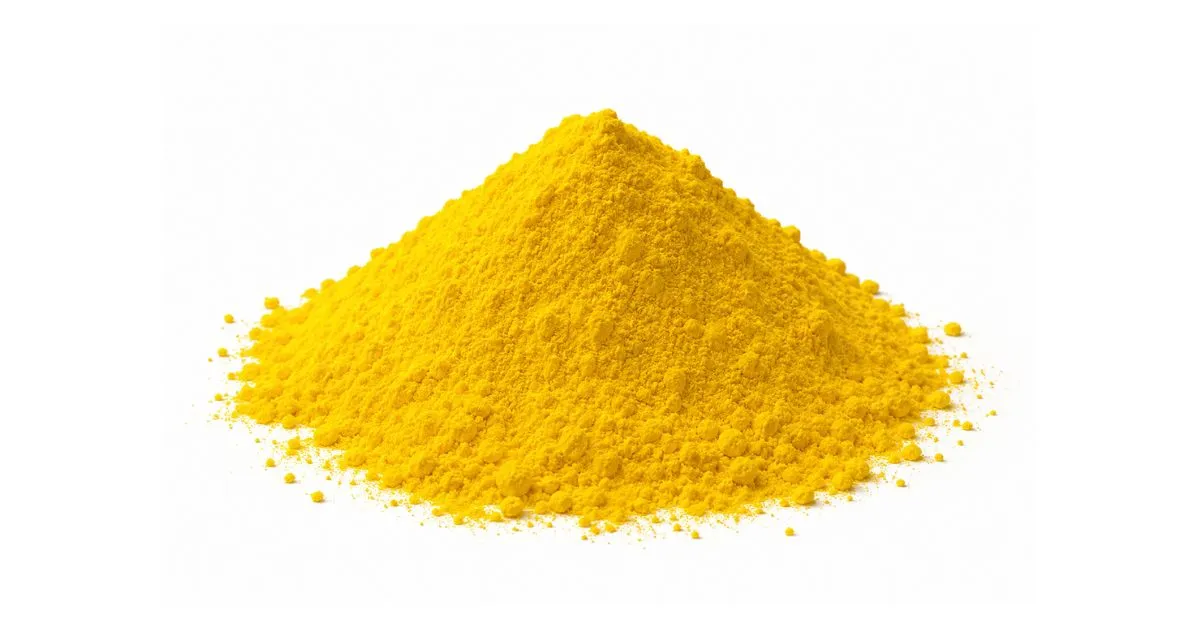
Understanding Gardenia Yellow Pigment and Safflower: Chemical and Functional Properties
Key Active Compounds
Gardenia yellow pigment comes from the fruit of the plant Gardenia jasminoides. Its color comes from crocin, a carotenoid glucoside that dissolves in water and has a main absorption peak at 440 nm. An advanced extraction and spray-drying process makes Yangge's Gardenia Yellow Powder E60, an orange-yellow powder that dissolves easily in water and mixes of ethanol and water. Safflower yellow, on the other hand, comes from the flowers of the Carthamus tinctorius plant and has chalcone glycosides like safflomin A in it. These also dissolve in water, but the color they give is paler and cooler, and there is less color strength per gram.
Color Performance Under Real Conditions
| Property | Gardenia Yellow (E60) | Safflower Yellow |
|---|---|---|
| Absorption Peak | 440 nm | ~400 nm |
| Heat Stability | Stable at 80–120°C | Degrades above 80°C |
| pH Range | 3.0–10.0 (optimal 7–10) | 4.0–8.0 |
| Water Solubility | Excellent | Good |
| Light Stability | Moderate | Low |
Gardenia Yellow (E60) or Safflower Yellow is the property. The absorption peak is at 440 nm or ~400 nm. The heat stability is stable at 80–120°C but decreases above 80°C. The pH range is 3.0–10.0 (optimal 7–10) or 4.0–8.0. The water solubility is excellent or good. The light stability is moderate or low.
Regulatory Standing and Safety
Through refrigeration and reaction processes, gardenia yellow pigment keeps its color. Some precipitation may happen at pH levels below 3, which is important to know for fizzy drinks with a lot of acid. Safflower yellow fades more quickly in both heat and UV light, which means that clear-packaged goods have a shorter shelf life.
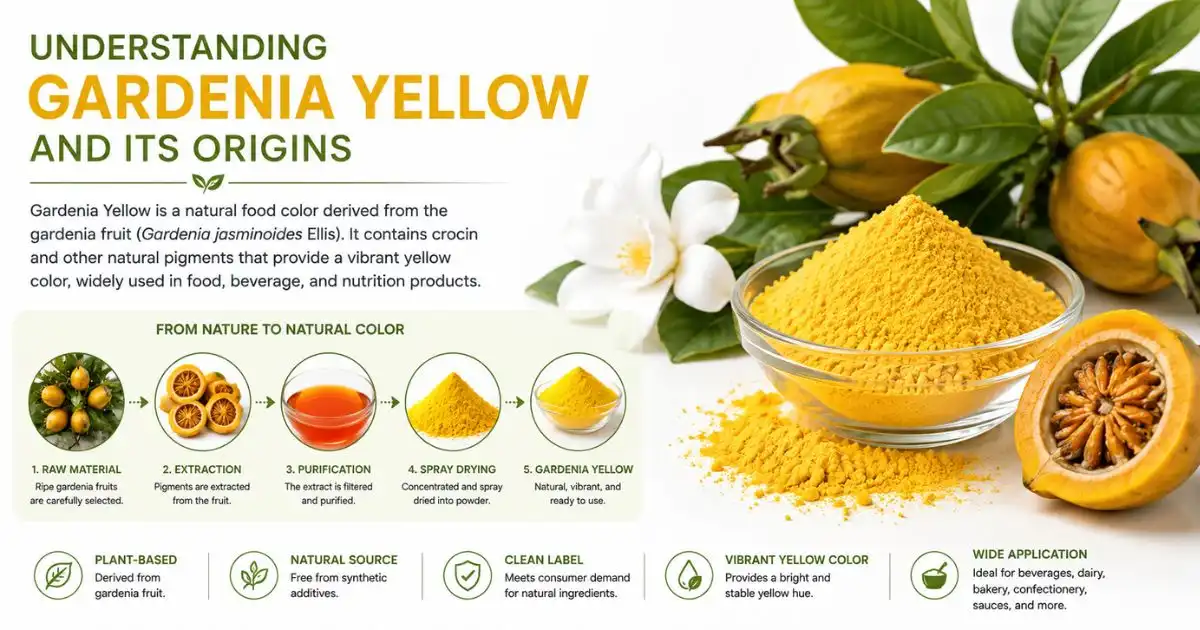
Comparative Benefits and Drawbacks for B2B Applications
Where Gardenia Yellow Excels
Beyond its color, gardenia yellow pigment has many useful properties. Here are the most important success traits for B2B formulators:
- Color value and potency: Yangge's E60 grade delivers a color value (E1%1cm at 440 nm) of 60, while E300 and E500 grades reach up to 500, giving formulators precise dose control and cost-per-unit-color efficiency across high-volume runs.
- Antioxidant activity: Crocin contributes antioxidant properties that can benefit functional food positioning, supporting clean-label claims beyond simple coloring.
- Protein affinity: Gardenia yellow binds well to proteins and carbohydrates, producing a uniform, streak-free appearance in dairy matrices and bakery crumb—a trait safflower yellow does not replicate consistently.
The three most common requests we get from beverage, dairy, and bakery R&D teams are for consistent color, process stability, and simple ingredients. These performance traits address all three of those needs.
Where Safflower Yellow Has Ground
If you need a soft, pale lemon tone instead of a warm amber tone, safflower yellow is a good choice. Due to its lower tinctorial strength, formulators have to use higher doses to get the same results, which drives up the cost per batch when used on a large scale. For markets with stricter rules on gardenia yellow, safflower can be used instead, but it needs special formulations to protect itself from heat and light.
Sustainability and Supply Chain Factors
| Factor | Gardenia Yellow | Safflower Yellow |
|---|---|---|
| Primary Source Region | China (Gardenia fruit) | Asia, Middle East, Americas |
| Traceability | Farm-to-table (Yangge) | Variable by supplier |
| Certifications | ISO, HACCP, Kosher, Halal | Varies |
| Batch Consistency | High (HPLC-verified) | Moderate |
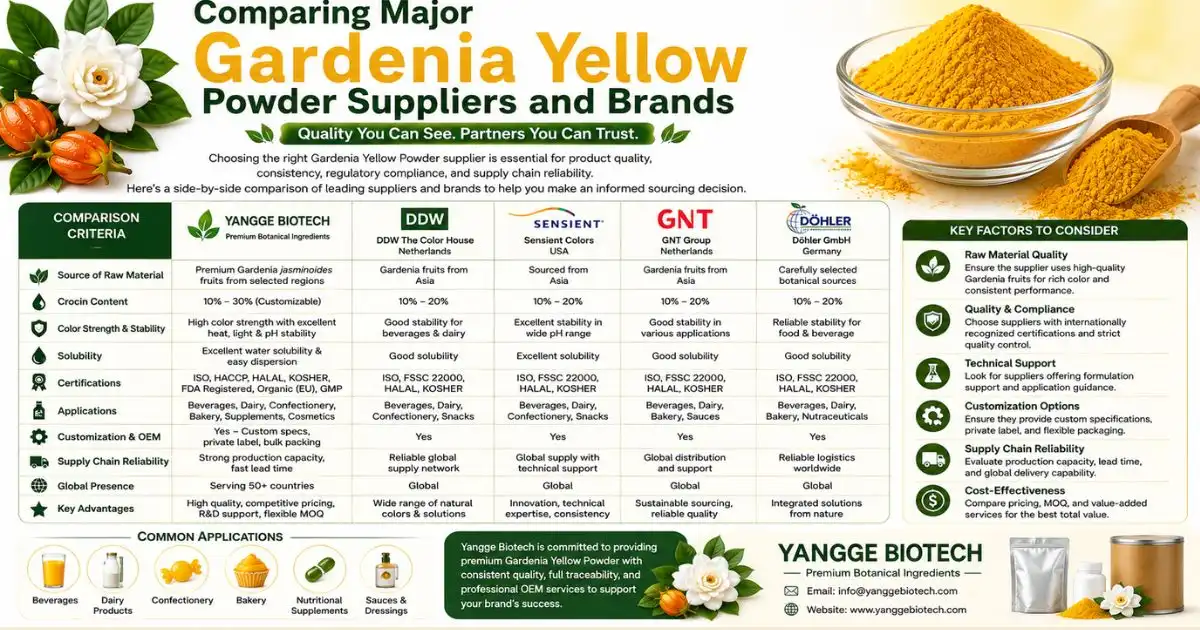
How to Choose Between Gardenia Yellow Pigment and Safflower for Your Business Needs
Match the Pigment to the Application
What your product needs will tell you which option is best. Manufacturers of drinks with normal to slightly acidic pH levels can use gardenia yellow pigment because it is clear and bright without causing sedimentation. Its ability to bind proteins and keep its color when frozen and thawed is useful for companies that make dairy and frozen desserts. When baking or making sweets with high-temperature steps like boiling sugar or baking above 100°C, gardenia yellow's thermal profile is better than safflower yellow's at the same dose levels.
Evaluate Grade Against Cost-in-Use
A common mistake in purchasing is comparing the price of raw materials per kilogram without figuring out the cost-in-use. The amount of dye needed for each batch goes down by the same amount for Yangge's E300 and E500 grades, which have three to five times the color value of E60. Before settling on a supplier, buyers should ask for technical data sheets and do a dose-response calculation.
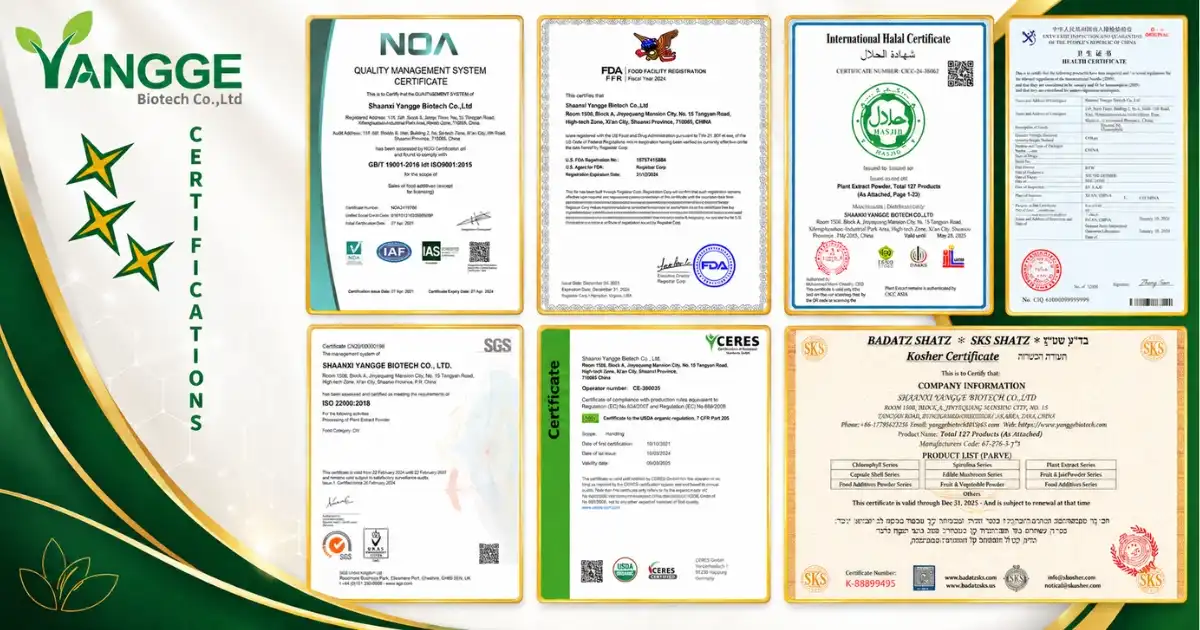
Verify Supplier Credentials Before Sampling
You should give more weight to suppliers who can provide certificates of analysis that include geniposide content data, heavy metal results (Pb ≤ 2.0 mg/kg, As ≤ 1.0 mg/kg), and microbiological testing. A low geniposide content is very important because a high geniposide content mixes with amino groups in protein-rich systems to cause blue-green discoloration, which is a quality problem that is always brought up by QA teams during trial production.
Case Studies and Performance Validation in Commercial Use
Beverage Application: Fruit Drink at Scale
A medium-sized beverage company in Southeast Asia switched all of its mango-flavored still drinks from tartrazine to gardenia yellow pigment. After being heated at 85°C for 20 minutes and pH 4.5, the color retention was more than 92% of the initial absorbance. The switch allowed a clean-label claim on the front of the package and got through regional regulatory review without having to be reformulated.
Frozen Dairy Application: Ice Cream Line
Gardensia yellow color was added at a rate of 0.05% (E300 grade) to a vanilla ice cream base that had egg yolk added as part of a frozen dairy test. After three freeze-thaw cycles, the color was a uniform bright yellow with no streaks. After the second freeze-thaw cycle, safflower yellow tried in the same matrix at the same amount had a much paler color and some tone unevenness.
Confectionery Application: Hard Candy and Jelly
Since gardenia yellow pigment doesn't break down much at temperatures up to 120°C, it can be easily added to the cooking steps of hard candy. A company that makes candies said that Yangge's E60 grade gave consistent color in 12 consecutive batches, with no batch color deviation exceeding ΔE 1.5 when tested in a standard light booth.
Procurement Trends and Market Insights for Natural Yellow Pigments
Pricing Dynamics and Bulk Strategy
According to MarketsandMarkets (2023), the natural food color market will grow at a rate of about 7% per year and reach USD 3.5 billion by 2028. The price of gardenia yellow pigment is determined by the season in southern China when the fruit is harvested, the quality of the extraction, and the requirements for certification. Tiered pricing is usually available to buyers who buy more than 500 kg of grain per year. Locking in quarterly or semi-annual contracts during post-harvest periods (October–December) can lower costs per kilogram.
Regulatory and Clean-Label Momentum
There is more and more pressure from customers in the US, EU, and Middle East markets to get rid of synthetic colors. As part of its ongoing review of approved synthetic dyes, the FDA has recently taken action on Red No. 3, which shortens the time it takes for producers to make new formulas. Gardenia yellow pigment can be used in ways that are allowed by both Asian and Western regulatory systems. This makes it a good choice for brands that want to sell their products in more than one area.
Conclusion
Gardenia yellow pigment is better than safflower yellow when it comes to color value, stability at high temperatures, compatibility with proteins, and regulatory coverage across multiple regions. For companies that make a lot of drinks, dairy products, baked goods, or sweets, the crocin-based pigment from gardenia fruit gives them the brightness and process stability that safflower yellow can't always provide.
Safflower is still a good choice when a pale, cool yellow color is wanted and heat exposure is limited. However, gardenia yellow pigment is the better technical and business choice for most B2B procurement situations that need a reliable, clean-label yellow with consistent batch quality.
FAQ
Does gardenia yellow pigment cause blue-green discoloration?
Yes, but only if there are a lot of geniposides in the recipe and it has main amino groups like proteins or free amino acids. This reaction can be stopped by asking for a low-geniposide refined grade.
How does light stability compare between the two pigments?
Both colors are moderately to poorly stable in light. In opaque or UV-protected packing, gardenia yellow pigment works better. Adding ascorbic acid (Vitamin C) at a level of 0.05 to 0.1% can help clear-packaged drinks keep their color longer.
What is the minimum order quantity for Yangge's Gardenia Yellow Powder E60?
Before committing to full production, Yangge is happy to take samples for trial and stability testing. For the most up-to-date MOQ and sample rules, email the sales team at info@yanggebiotech.com.
Is safflower yellow approved in the United States?
At this time, the FDA has not approved safflower yellow as a food color ingredient in the US. Gardenia yellow pigment is used in accordance with natural color rules; buyers should check with their regulatory counsel to make sure they are in line with these rules for their specific use.
Can gardenia yellow be combined with gardenia blue to achieve green tones?
Yes. Gardenia yellow and blue, which come from the gardenia fruit, can be mixed to make a stable natural green color that doesn't use artificial dyes. Yangge sells both colors and can help with blending for certain recipes.
Ready to Source Certified Gardenia Yellow Pigment? Contact Yangge Today
Yangge Biotech sells Gardenia Yellow Powder E60, which is a manufacturer-grade form of gardenia yellow pigment. It comes in three different specifications: E60, E300, and E500. All of these have been HPLC-verified and certified to ISO, HACCP, Kosher, and Halal standards. You can ask for a sample, get a detailed data sheet, or talk to our product team about your recipe needs. To find out more about our line of natural colorants, email us at info@yanggebiotech.com or go to blog.yanggebiotech.com.
References
1. Liang, Y., et al. — Food Chemistry, 2019. Stability of gardenia yellow pigment under various processing conditions.
2. MarketsandMarkets — Natural Food Colors Market Report, 2023.
3. Tsimidou, M., & Biliaderis, C.G. — Food and Bioprocess Technology, 2015. Carotenoid stability in food systems.
4. Clydesdale, F.M. — Critical Reviews in Food Science and Nutrition, 1993. Color measurement and perception in foods.
5. Downham, A., & Collins, P. — International Journal of Food Science & Technology, 2000. Colouring our foods in the last and next millennium.
6. Yamamoto, H., et al. — Journal of Agricultural and Food Chemistry, 2010. Chalcone glycosides from safflower and their antioxidant activities.

Based on your location and order quantity, you will have the opportunity to receive a limited time free shipping promotion!
Who we are
Popular Blogs