Sweet Potato Red vs Beet Betanin: Which Is Better?
Sweet Potato Red Powder is a natural red color ingredient derived from red-fleshed sweet potatoes, offering a vibrant reddish-purple to red shade for food, beverage, and nutraceutical applications. It is suitable for formulations where clean-label, plant-based coloring is preferred. Yangge Biotech supplies Sweet Potato Red Powder with a focus on consistent color quality and B2B bulk supply. For product specifications, samples, pricing, and customized requirements, please contact Yangge Biotech at info@yanggebiotech.com.
When choosing between natural red pigments for food manufacturing, Sweet Potato Red often emerges as the superior option for applications requiring thermal stability and pH versatility. While beet betanin offers vibrant color intensity, purple sweet potato extract demonstrates exceptional resilience during pasteurization and extended shelf life critical factors for beverage and confectionery production. The acylated anthocyanin structure in Sweet Potato Red provides enhanced protection against oxidation and light degradation, making it particularly valuable for clean-label formulations targeting health-conscious consumers across global markets.
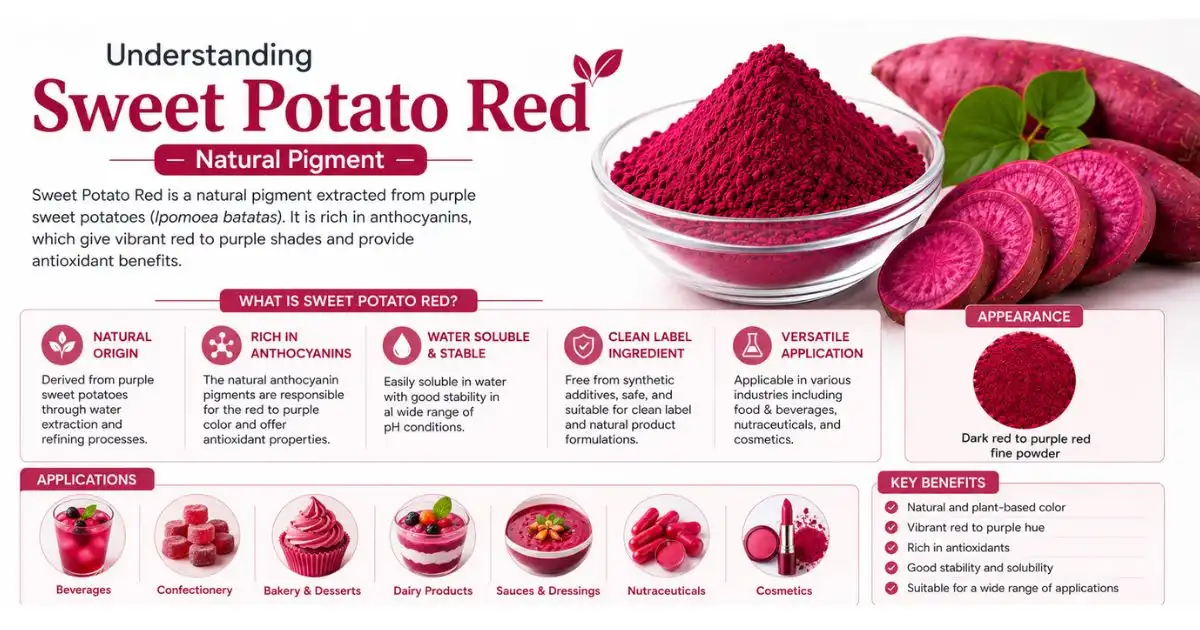
Understanding Sweet Potato Red and Beet Betanin
As more people want clean-label goods, natural colorants have become an important part of making modern food. Both Sweet Potato Red and beet betanin are plant-based options to synthetic colors, but their chemical structures and how they work are very different.
What Makes Sweet Potato Red Unique?
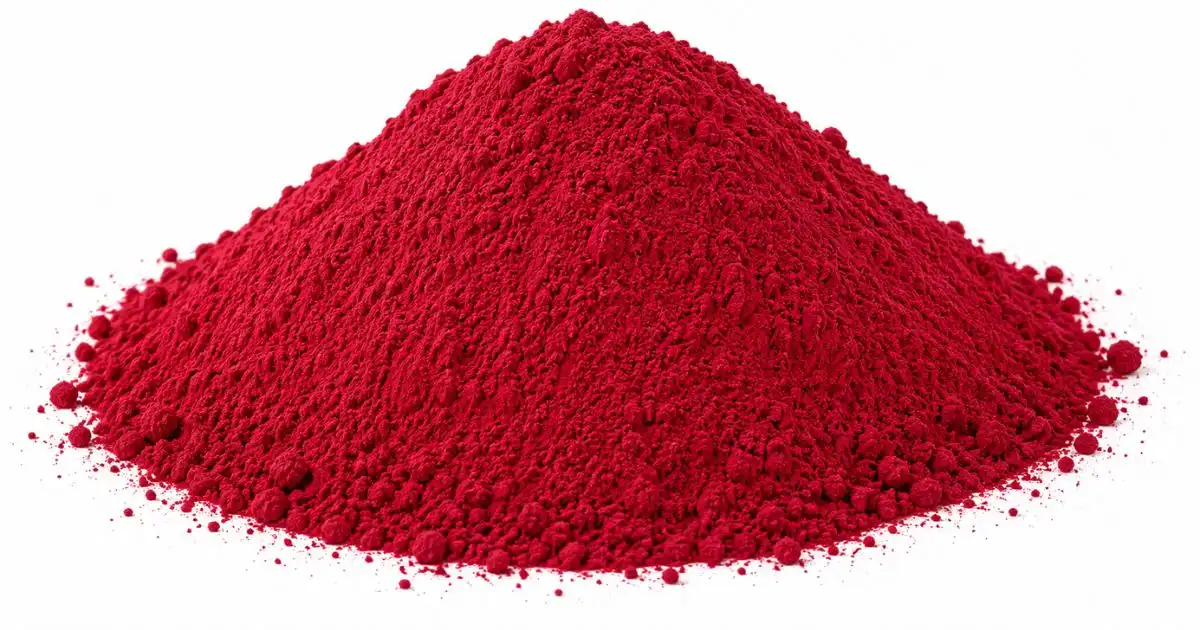
The purple sweet potato extract comes from the plant Ipomoea batatas. It has acylated anthocyanins, which are cyanidin and peonidin glycosides changed with phenolic acids such as caffeic and ferulic acid. This plant source makes a fine powder that is violet-red to purple and very easy to dissolve in water. The amount of active anthocyanin usually varies from 1% to 25%, depending on how it was extracted.
At 530nm, the color values reach E30 to E90. In contrast to most anthocyanins found in fruits, the acylation creates steric resistance that protects the chromophore from becoming wet and breaking down at high temperatures. This structural advantage makes it very stable during high-temperature processing, which is always a problem with natural reds that aren't made this way.
The Science Behind Beet Betanin
Betanin is a betalain color that is taken from the seeds of Beta vulgaris. This nitrogen-based compound gives watery solutions bright magenta-red colors and is commonly used in dairy products, frozen desserts, and dry mixes. At normal pH levels, the pigment has strong tinctorial power, and only a small amount is needed to get the color strength you want. However, betanin's molecular weakness becomes clear when it is exposed to heat, as breakdown speeds up a lot above 60°C. Additionally, the color is easily damaged by oxygen and light, which calls for safe packing and careful formulation methods.
Nutritional Profiles and Functional Benefits
In addition to being colorants, these pigments have clear health benefits. Naturally, purple sweet potato powder has anthocyanidins in it, which are known to be antioxidants and back claims for functional food growth. The extract doesn't add many calories, but it might have chemicals that are good for you, which fits with a product that is marketed as healthy.
Beet betanin also comes from beet and has antioxidants and trace minerals in it. However, the earthy flavor can change how it tastes in sensitive situations. When making supplement mixes or drinks with added vitamins, procurement managers should check to see if the nutritional information of each color matches the claims and stories that will be used on the labels and in marketing.
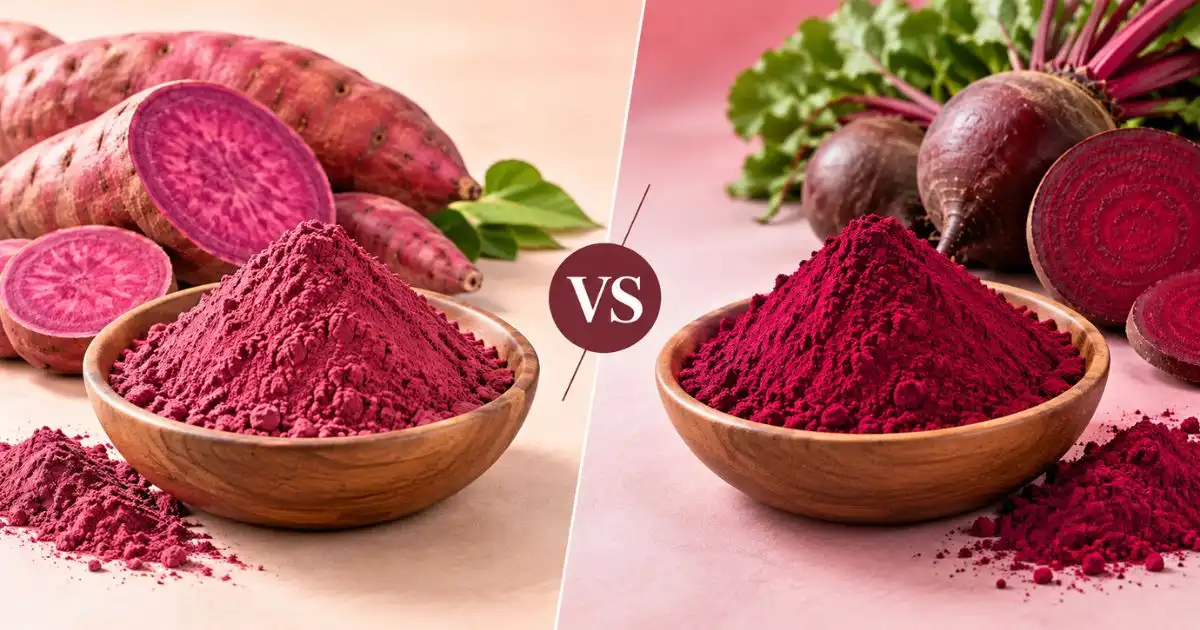
Comparative Analysis: Sweet Potato Red vs Beet Betanin
When you look at stability factors and sensory effects under industrial processing settings, you can see that these natural colorants don't work the same way. Sweet Potato Red pigment retains its color for long periods of time at temperatures above 95°C, in contrast to beet betanin, which degrades quickly under similar conditions.
Thermal Stability Under Processing Stress
Manufacturers who use pasteurization, UHT treatment, or baking must carefully consider how much heat their products can handle. During the pasteurization process, Sweet Potato Red keeps about 85–90% of its original color value. On the other hand, betanin may lose 40–60% of its strength, based on the contact time and pH level. This stable benefit cuts down on the need for color overages and batch-to-batch differences, which is a useful benefit that has a direct effect on production costs and quality uniformity.
pH Stability and Color Expression
Because anthocyanins' color changes depending on pH, they need to be carefully thought out when they are being made. Sweet Potato Red is most stable below pH 3.0 and has bright strawberry-red to ruby tones that work well in carbonated drinks and vitamin waters. Between pH 4.0 and 6.0, the color changes to purple shades that can be used in yogurt and fruit mixtures.
This ability to respond to pH lets you change colors in creative ways, but it becomes a problem in alkaline systems above pH 7.0, where the colors become unstable and fade quickly. Beet betanin stays the same magenta-red color over a wider pH range (pH 3.5–7.0), so it can be used in neutral and slightly acidic goods. The choice depends on the pH profile of the product and the color characteristics that are wanted.
| Parameter | Sweet Potato Red | Beet Betanin |
|---|---|---|
| Heat Stability (95°C) | Retains 85-90% color after pasteurization | Loses 40-60% intensity at high temperatures |
| Optimal pH Range | 2.5-3.5 (bright red); 4.0-6.0 (purple) | 3.5-7.0 (consistent magenta-red) |
| Light Resistance | High (acylated structure provides UV protection) | Moderate (requires protective packaging) |
| Flavor Impact | Mild, minimal taste interference | Earthy notes may affect delicate formulations |
Light Sensitivity and Shelf Life Implications
Photostability has a direct effect on how long a product will last, especially if it comes in clear or see-through packaging. The acylated anthocyanins in purple sweet potato extract are better at protecting against UV damage than pigments that are not acylated.
When products are colored with Sweet Potato Red, they keep their color longer when they are displayed in stores with fluorescent lighting, which is very helpful for candy wrappers and drink bottles. To keep it from fading too quickly, beet betanin needs to be stored in light-resistant containers or opaque packaging. This could limit the design options for the packaging and raise the cost of the materials.
Flavor Contributions and Sensory Compatibility
When making goods where color shouldn't affect how people taste them, flavor balance is very important. When properly refined, purple Sweet Potato Red pigment doesn't have much of an off-odor or veggie aftertaste. This means it can work with delicate flavors in sports drinks and hard sweets. It is said that beet betanin has earthy notes that can go well with berry-flavored goods but might not work well with citrus or tropical fruit flavors. Before committing to large-scale production, sensory evaluation during the sample phase helps find problems that might arise.
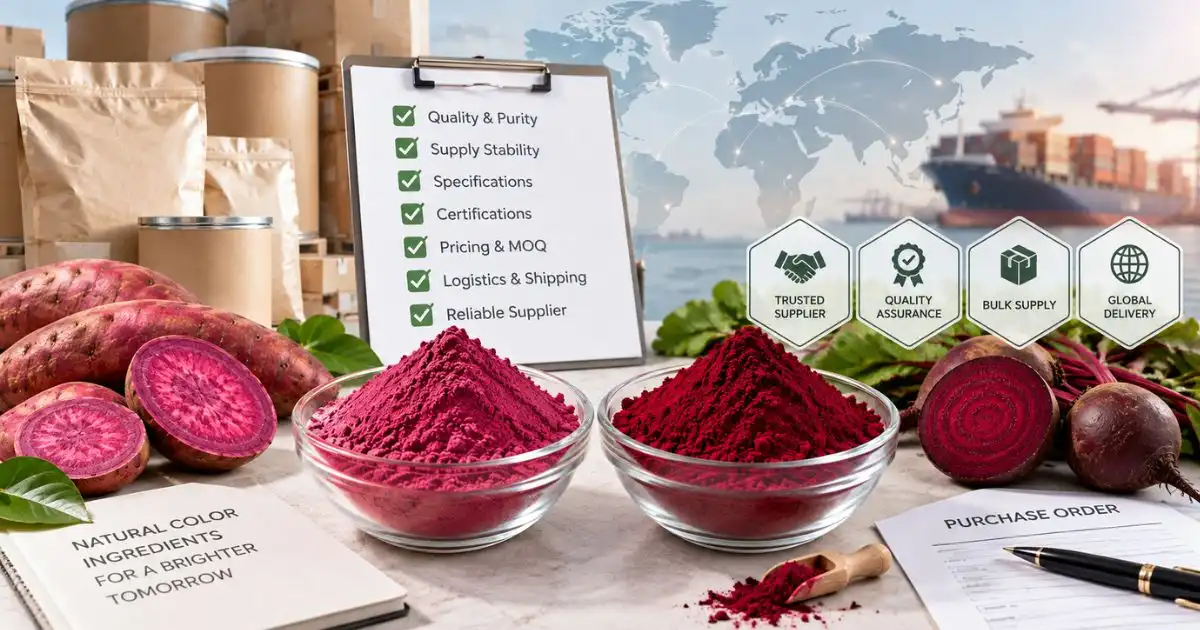
Procurement Considerations for B2B Buyers
Strategic sourcing decisions include more than just the performance of the pigment. They also include the dependability of the supply chain, the need for certification, and the terms of the deal. The production of Sweet Potato Red extract solutions is mostly concentrated in Asian areas, especially where Ipomoea batatas plants are grown.
Global Sourcing Landscape and Supply Models
Most suppliers offer both regular versions and versions that have been certified as organic. The organic versions cost more, but they help natural product lines sell better. Beet betanin production is still spread out more across Europe and North America, which could mean shorter lead times for producers in those areas. Knowing your suppliers' capacity, regular availability, and other ways to get what you need can help you avoid supply problems that could stop production lines.
Certifications and Quality Assurance Protocols
Following the rules is the basis of buying pigments in a sensible way. Reliable sellers give a lot of paperwork, like ISO 9001 quality management, HACCP food safety routines, and certifications relevant to the area, like Kosher and Halal verification. Purple sweet potato powder from well-known brands comes with batch-specific Certificates of Analysis that show the amount of anthocyanin, microbiological testing, heavy metal screening, and pesticide residue analysis.
UV spectroscopy and thin layer chromatography (TLC) are two tests that check the purity and quantity of pigments. This makes sure that all products are the same. To support audit requirements and brand integrity commitments, procurement managers should make sure that suppliers keep traceability systems in place from the farm to the finished extract.
Pricing Structures and Order Thresholds
The commercial terms have a big effect on the total cost of purchase and the handling of inventory. Powdered sweet potato providers usually set their prices based on how much you order, with better rates for larger orders. For first tries, the minimum order quantity is usually between 25 kg and 100 kg. Bulk packing is offered in 10 kg or 25 kg paper drums with two plastic liner bags to keep moisture out.
Sample programs that offer 10–30g amounts let you test the recipe before committing to a full purchase, which is a common practice that lowers the risk of the purchase. When comparing quotes from suppliers, you should think about how much logistics will cost, how long the payment terms are, and how currency changes could affect landed prices.
Practical Applications: Which Pigment Is Best for Your Needs?
Matching the properties of a pigment to a specific type of product improves both the look and the efficiency of operations. Sweet Potato Red is especially suited for acidic beverage recipes where color stays stable during processing.
Beverage Manufacturing Applications
The color stays stable during processing and doesn't break down when mixed with vitamin C, which can happen with other natural reds. This makes it great for sports drinks, vitamin-enhanced waters, and fizzy soft drinks with pH levels between 2.5 and 3.5.
The pigment keeps the color bright during distribution cycles and stops the sedimentation problems that happen with grape skin extracts. Purple sweet potato extract is a good ingredient for functional drinks that want to have clean labels because it looks good and has health-friendly claims about its ingredients that people care about.
Confectionery and Snack Food Solutions
Using purple Sweet Potato Red pigment in gummy candies, pectin-based sweets, and gelatin products that have been acidified with citric or malic acid makes the color last longer. The extract can handle the high-temperature slurry steps that are necessary to make gummies without losing its color or spilling, which would make the product look bad.
Hard sweets also benefit from being able to handle heat when they are cooked and cooling. Beet betanin is used in sugary candies and covered goods where processing temperatures stay low and products are eaten quickly, so there aren't many worries about shelf life.
| Application Category | Recommended Pigment | Key Advantages |
|---|---|---|
| Acidic Beverages (pH 2.5-3.5) | Sweet Potato Red | Heat stability, vitamin C compatibility, no sedimentation |
| Dairy Products & Ice Cream | Beet Betanin | Neutral pH compatibility, intense color at low dosage |
| Gummy Confectionery | Sweet Potato Red | High-temperature tolerance, minimal bleeding |
| Bakery Fillings | Sweet Potato Red | Thermal processing stability, fresh appearance after baking |
| Dry Beverage Mixes | Beet Betanin | Color intensity, ease of reconstitution |
Nutraceutical and Functional Food Development
More and more, companies that make health supplements are looking for natural colorants that have uses other than just looking good. Anthocyanidins in purple sweet potato powder are antioxidants that back up claims on the labels of antioxidant-rich capsules, tablets, and powdered drink supplements.
The extract is in line with trends toward clean labels and non-GMO proof standards that are common in the nutraceutical market. In the same way, beet betanin has antioxidant qualities and nitrate compounds that have been shown to help the heart. This means that sports nutrition products and wellness-focused formulations aimed at people with busy lifestyles have new possibilities.
Considerations for Bakery and Prepared Foods
Because baked goods are exposed to heat for a long time and may have pH changes from leavening agents, they pose special problems. For fruit sauces, pastry glazes, and cookie recipes that need to keep their bright color after being baked, Sweet Potato Red works better than other colors.
The color stops the food from turning dark and keeps it looking fresh for a longer time. Betanin from beets works well in baked goods that need to be kept cool, cream fillings, and other uses with short temperature contact where earthy notes go well with other flavors.
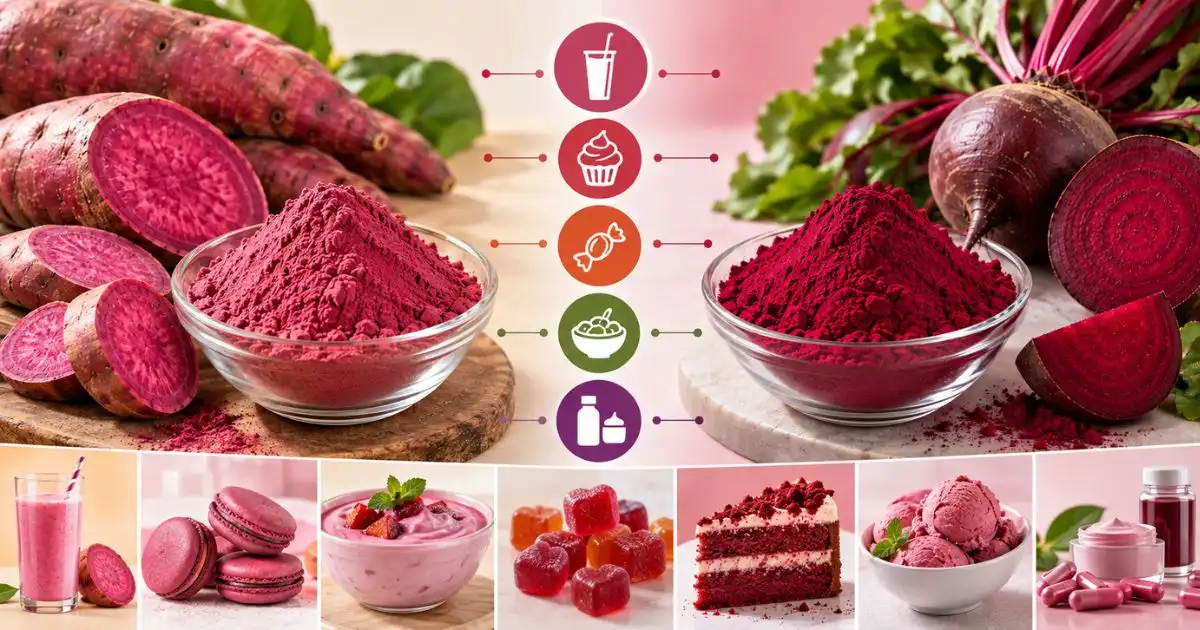
Storage, Handling, and Optimization Tips
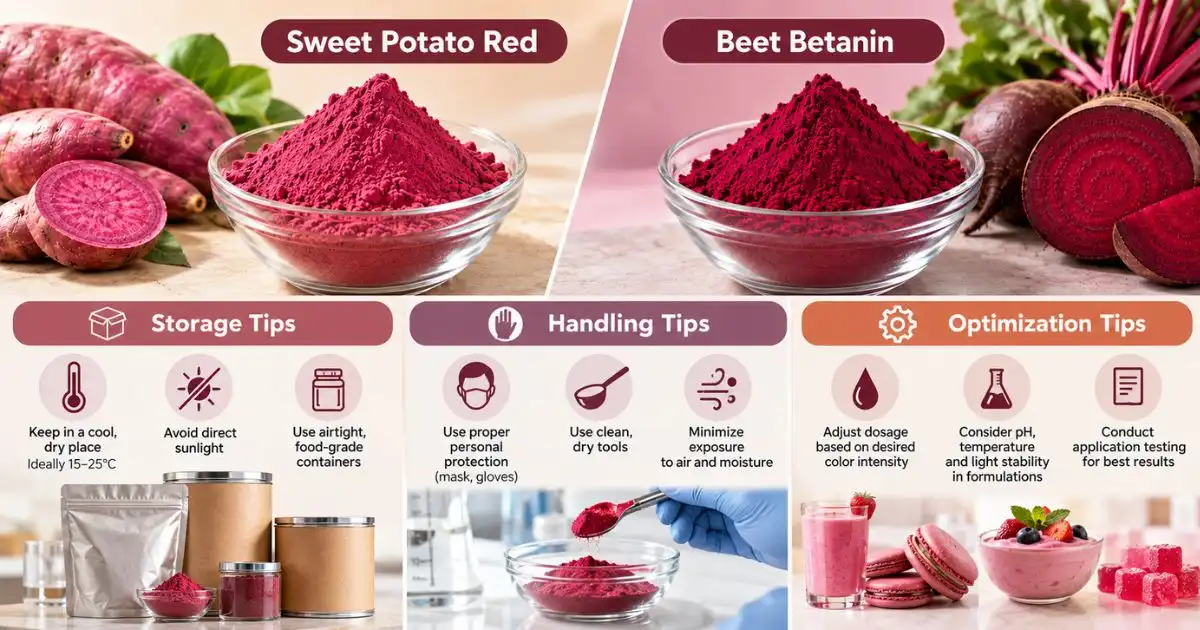
To keep the quality of the pigment from the time it is received until it is used in the end product, care must be taken with the surroundings and the way it is handled. The best way to keep Sweet Potato Red powder fresh is to store it in a cool, dry place.
Best Practices for Sweet Potato Red Storage
Purple sweet potato powder maintains optimal quality when stored away from direct heat and light. To keep things from absorbing water and clumping, it's best to store them between 15°C and 25°C with a relative humidity below 60%. The integrity of the packaging is very important.
Sealed aluminum foil bags inside protective cartons work well to keep oxygen and light out. Once it's opened, put any leftovers in sealed containers and eat them within three months to get the most color retention. Using first-in, first-out rules to properly rotate your goods lowers the risks of degradation caused by age.
Protecting Beet Betanin During Transit and Storage
Because beet betanin is easily damaged by oxygen and changes in temperature, it is important to plan logistics carefully. Keeping things in the fridge for a long time increases their shelf life, especially for liquid concentrates. To keep powders from caking and losing their color, they need to be stored in climate-controlled facilities and packaged in a way that keeps moisture out.
Temperature monitoring systems help find harmful conditions that could lower the quality of pigments before they are used in production while they are being shipped. Setting up orders to coincide with production plans cuts down on the time things are stored and the risks of degradation that come with it.
Formulation Strategies for Color Consistency
Standardized dosage protocols and compatibility testing are needed to get color results that are the same from one production batch to the next. When adding purple Sweet Potato Red coloring, mix the powder well in water before heating to make sure it is evenly distributed and that the color develops fully. Pre-hydrating the pigment speeds up the rate at which it dissolves and stops concentrations from forming in one place, which can lead to color differences.
Keep the pH levels stable and in the right ranges for the chosen pigment, and use buffering systems if needed. To predict how long something will last and set the right end date, test its safety under accelerated conditions like high temperature and light exposure.
By keeping in touch with pigment providers on a regular basis, you can get expert help to solve color problems and get the most out of your pigment usage. Some makers offer customizable extraction specs that are made to fit the needs of a specific application. This provides more value by improving performance in a way that fits the needs of the specific product.
Conclusion
When you compare Sweet Potato Red and beet betanin, you can see that they have different performance profiles that work best in different manufacturing settings. Purple sweet potato extract works great in situations where the product needs to be stable at high temperatures, keep its pH in acidic settings, and last longer on the shelf in tough conditions.
Betanin from beets is good for neutral pH products because it gives them more color with less dose and works better with a wider range of pH levels. When making a procurement choice, it's important to think about the specific product formulation goals along with the needs for stability, taste compatibility, approval, and business terms. By knowing these subtle differences, manufacturers can choose natural colorants that improve both the quality of their products and the efficiency of their operations.
FAQ
Can Sweet Potato Red replace synthetic red dyes completely?
Purple Sweet Potato Red color can be used instead of many manufactured dyes in acidic foods and drinks, like candy and drinks. This gives products the clean-label benefits that people want more and more. The color stays stable at high temperatures and doesn't absorb light, which is the same as or better than what is expected for goods with a pH below 6.0. However, applications above pH 7.0 are hard to do with anthocyanin because it is unstable. This means that other natural colorants or changes to the formulation are needed.
What color value should I specify when ordering purple sweet potato extract?
Color value standards rely on what you want to use the color for and how intense you want it to be. Extracts with E1% values between 30 and 50 are good for coloring drinks and dairy products in a modest way. On the other hand, extracts with E1% values between 70 and 90 are better for high-intensity uses like candy and vitamins. Talking about unique needs with providers makes sure that the right concentration is chosen.
How does Sweet Potato Red perform compared to radish or purple carrot extracts?
Purple Sweet Potato Red Pigment offers more vivid red tones in acidic conditions than purple carrot extracts and exhibits superior heat stability compared to radish anthocyanins. The acylated structure makes it more resistant to light, which extends the shelf life. Also, flavor balance is better than radish extracts, which can add unpleasant veggie notes.
Partner with Yangge for Premium Sweet Potato Red Supplier Solutions
Yangge Biotech Co., Ltd. specializes in providing high-quality purple sweet potato powder to companies that make food and drinks and are looking for natural colorants they can trust. The anthocyanin levels in our powdered Sweet Potato Red extract can be adjusted from 4:1 to 50:1, and the amounts can be changed from 1% to 25% to fit your exact recipe needs. We keep a lot of certifications, like ISO, HACCP, Kosher, and Halal, which makes sure we follow global food safety standards and makes it easy to get into markets around the world.
Our dedication to quality starts with being able to track food from the farm to the table by building long-term relationships with farming communities that ensure the quality of our raw materials. Using advanced extraction methods and TLC/UV testing, we can make a fine powder that is violet-red to violet and dissolves easily in water while keeping its color. We offer free 10–30g samples so that you can fully evaluate our products before buying large amounts. We can also help you meet your development deadlines by providing expert support during the formulation process.
Yangge can handle both small orders and large amounts of production. Their packing choices range from 1 kg aluminum foil bags to 25 kg paper drums with two plastic liners. Our customer service team is available 24 hours a day, 7 days a week. They help with technology problems and coordinating the supply chain.Contact us or email our team at info@yanggebiotech.com to talk about your unique needs and get suggestions from our R&D experts that are made just for you. Find out how working with an experienced Sweet Potato Red manufacturer can help your product stand out while still meeting your clean-label goals.
References
1. Giusti, M. M., & Wrolstad, R. E. (2003). "Acylated anthocyanins from edible sources and their applications in food systems." Biochemical Engineering Journal, 14(3), 217-225.
2. Terahara, N., Konczak, I., Ono, H., Yoshimoto, M., & Yamakawa, O. (2004). "Characterization of acylated anthocyanins in callus induced from storage root of purple-fleshed sweet potato." Journal of Biomedicine and Biotechnology, 2004(5), 279-286.
3. Stintzing, F. C., & Carle, R. (2004). "Functional properties of anthocyanins and betalains in plants, food, and in human nutrition." Trends in Food Science & Technology, 15(1), 19-38.
4. Escribano, J., Pedreño, M. A., García-Carmona, F., & Muñoz, R. (1998). "Characterization of the antiradical activity of betalains from Beta vulgaris L. roots." Phytochemical Analysis, 9(3), 124-127.
5. Rodriguez-Amaya, D. B. (2016). "Natural food pigments and colorants." Current Opinion in Food Science, 7, 20-26.
6. Delgado-Vargas, F., Jiménez, A. R., & Paredes-López, O. (2000). "Natural pigments: carotenoids, anthocyanins, and betalains—characteristics, biosynthesis, processing, and stability." Critical Reviews in Food Science and Nutrition, 40(3), 173-289.

Based on your location and order quantity, you will have the opportunity to receive a limited time free shipping promotion!
Who we are
Popular Blogs