Berberine HCl Manufacturing Process Explained
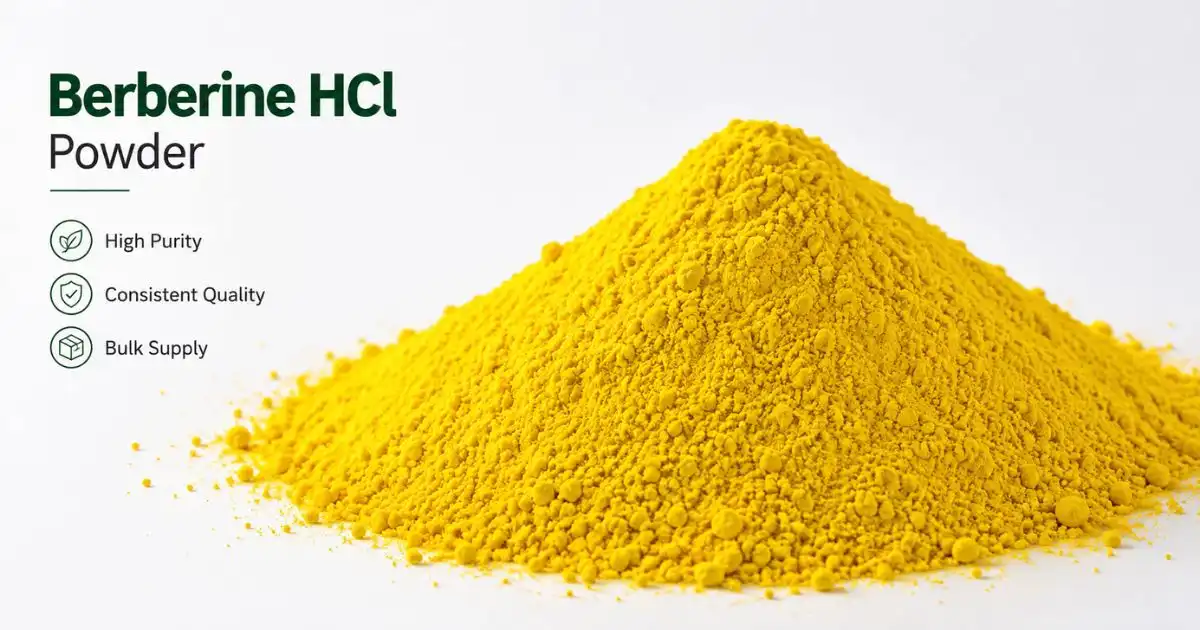
Berberine HCl Powder is a high-purity berberine hydrochloride ingredient commonly used in dietary supplements, nutraceutical formulations, and research applications. It is supplied as a fine yellow powder and is suitable for B2B bulk manufacturing and formulation needs. Yangge Biotech provides Berberine HCl Powder with consistent quality and reliable bulk supply. For specifications, samples, pricing, and customized requirements, please contact us at info@yanggebiotech.com.
Berberine HCl manufacturing has transformed from traditional extraction methods into a sophisticated pharmaceutical process that delivers consistent 97%-99% purity levels. This guide walks procurement managers and R&D engineers through the complete production workflow from botanical sourcing to final quality verification enabling informed decisions when developing metabolic health supplements or glucose management formulas.
Understanding the manufacturing process helps you evaluate supplier capabilities, anticipate lead times during your 3-6 week decision cycle, and ensure your finished products meet North American and European regulatory standards. Whether you're formulating standalone berberine capsules or incorporating this isoquinoline alkaloid into complex metabolic blends, the manufacturing details directly influence product efficacy, regulatory approval, and market competitiveness.
Understanding Berberine HCl: Basics and Market Relevance
Berberine is a quaternary ammonium alkaloid that is found naturally in Berberis aristata, Coptis chinensis, and Phellodendron amurense. Berberine HCl is the most stable and accessible salt form of berberine. The hydrochloride formulation solves a major problem in the industry: berberine base doesn't dissolve well in water (about 2 mg/mL at room temperature), which slows down absorption rates. Changing to the HCl salt makes it easier to dissolve and keeps the chemicals stable while they are stored. This is especially important for finished goods that are meant to last 24 months.
Molecular Properties and Therapeutic Applications
In its Berberine HCl form, the compound has a molecular weight of 371.81 g/mol and looks like a bright yellow crystalline powder. Its therapeutic worth depends on activating the AMPK pathway, which is often called the body's metabolic master switch. This is why it is used to change blood sugar levels and control lipid profiles.
Berberine has been shown in clinical studies to lower fasting blood glucose levels and improve insulin sensitivity. This makes it a natural option for metabolic health. This process drives demand from product brands that want to reach people who are at risk of diabetes and people who want to improve their heart health.
Supply Chain Dynamics
The majority of the world's production is concentrated in areas that already have the infrastructure to grow plants. Seasonal changes affect the abundance of raw materials, especially for species that are caught in the wild. This makes supplier ties very important for maintaining a steady supply chain.
The market has moved toward cultivated sources that can be tracked and have consistent alkaloid profiles. This meets the regulatory need for consistency from batch to batch. Buying between $30,000 and $250,000 a year usually gets you better prices and faster service during times of high demand, especially if the OEM's production schedules line up with your product launch dates.
Berberine HCl Manufacturing Process Explained
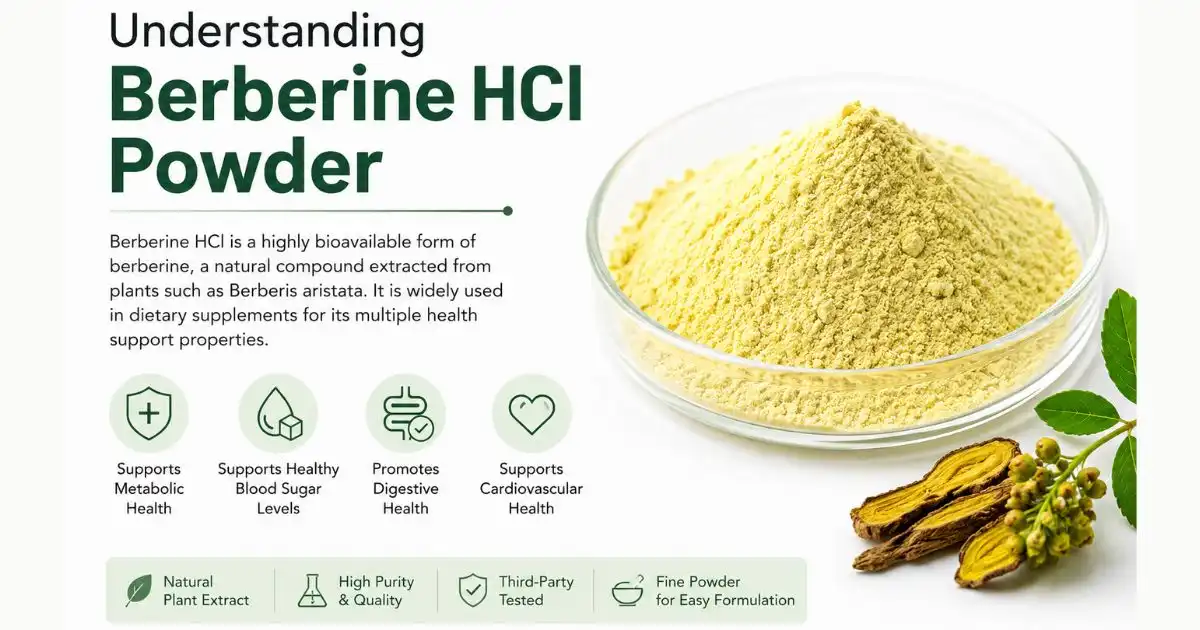
Today, Berberine HCl is made by extracting it from plants and then purifying it to pharmaceutical standards. This solves the problems that were caused by the volatile alkaloid content and contamination in the past. The change in the process is due to the need for GMP compliance and pure standards that can be repeated. These standards must meet FDA rules for food supplements and European Novel Food requirements.
Raw Material Selection and Preparation
The process of making something starts with verifying the plants' identity through microscope examination and DNA barcoding to make sure they are the right type. Source choice is a cost-quality trade-off because Berberis aristata roots usually have 4–6% total alkaloids and Coptis chinensis rhizomes have 6–8%.
Materials that have been checked out are hammer milled until they are 40 to 60 mesh, which increases their surface area and makes extraction more efficient. Heavy metal screening is done at this stage by quality sellers who reject batches that are higher than the USP standards for lead (<2 ppm), cadmium (<1 ppm), and arsenic (<2 ppm). This is a preventative step that stops costly batch failures later on.
Extraction and Isolation
In the extraction phase, systems that use acidified water or ethanol and work at controlled temperatures (50–70°C) specifically breakdown alkaloids while minimizing the extraction of tannins and polysaccharides at the same time. With multiple extraction processes, counter-current extraction devices can recover 85–92% of the alkaloids that were extracted.
The pH of the resulting crude extract is changed to produce berberine base, which separates as a yellow solid and needs to be refined further. This middle part usually has between 60 and 75% berberine in it, along with related alkaloids like palmatine and jatrorrhizine, which means it needs to be separated using chromatography.
Purification and Salt Formation
To separate pure berberine base, advanced makers use preparative HPLC or macroporous resin chromatography. Resin-based systems are better for large-scale use because they can process 50–100 kg of crude extract per cycle and get 95% purity or higher. Under controlled stoichiometric ratios, the pure base dissolves in diluted hydrochloric acid to make Berberine HCl in solution.
Lowering the temperature and adding an anti-solvent cause crystallization, which makes uniform crystals that make further processing easier. Crystals are separated from the mother liquor by centrifugation. Then, they are washed with cold ethanol to get rid of any remaining toxins. In the last step, drying, vacuum ovens at 45–55°C keep the temperature below berberine's breaking point and lower the moisture level to ≤5%, which meets the requirements of pharmacy compendia.
Quality Control Integration
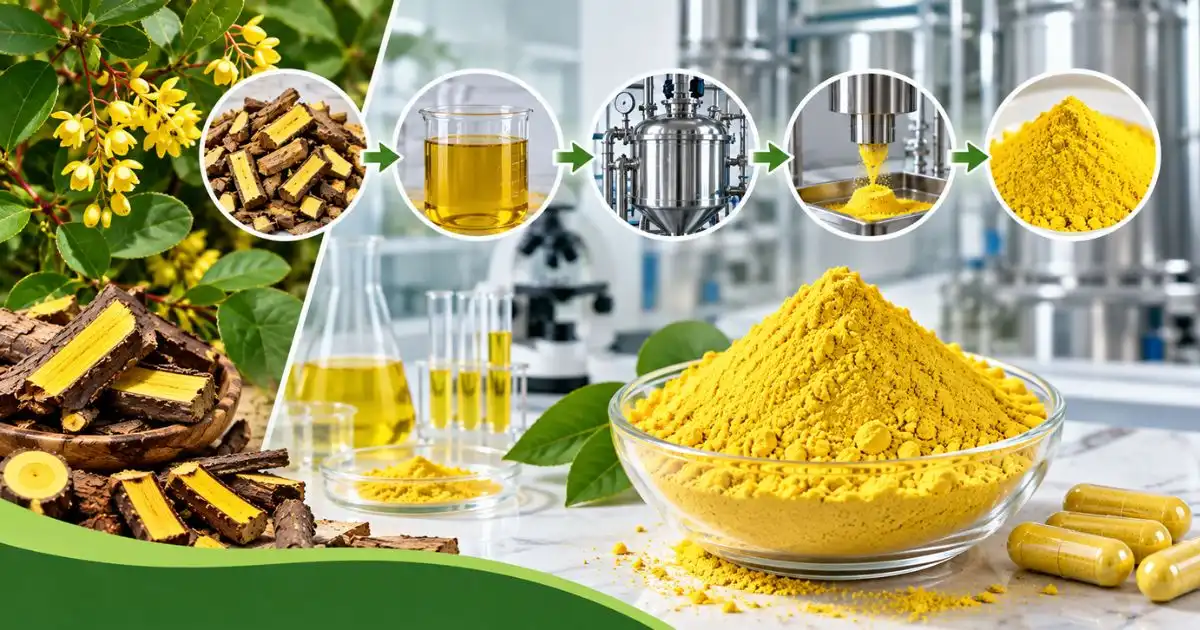
Process analytical technology (PAT) keeps an eye on important factors during production. HPLC research is done after the extraction, after the purification, and after the end product is made. It checks the change in berberine content and finds linked substances. At the pre-drying and final packaging stages, microbiological testing makes sure that the total plate counts stay below 1,000 CFU/g and that Salmonella and E. coli are absent.
GMP-certified facilities keep environmental monitoring programs that keep an eye on the amount of particles in the processing areas. This keeps products from getting contaminated during campaigns that use more than one product, and Berberine HCl is consistently produced under these same rigorous conditions to ensure its purity. This unified method gives customers pharmaceutical-grade material that can be used in food supplements without needing any extra processing.
Quality Assurance and Testing in Berberine HCl Production
In a market where purity claims need to be checked, comprehensive quality procedures set reliable providers apart. B2B buyers should set clear acceptance criteria that are in line with the regulatory pathways for finished products. They should also know that investing in quality at the raw material stage saves a lot of money on recalls and re-designing efforts.
Critical Quality Parameters
The following table shows the pharmaceutical-grade requirements that buying teams should include in quality agreements with suppliers:
| Parameter | USP/Ph.Eur. Specification | Testing Method | Procurement Significance |
|---|---|---|---|
| Berberine Content | 97.0% - 102.0% (dried basis) | HPLC with UV detection at 345nm | Checks the accuracy of doses in finished formulations |
| Related Substances | Total < 2.0%; Individual < 1.0% | HPLC gradient separation | Changes the safety profile and the acceptance by regulators |
| Heavy Metals | As < 2ppm, Pb < 1ppm, Cd < 1ppm, Hg < 0.1ppm | ICP-MS | California Prop 65 rules must be followed |
| Microbial Limits | TPC < 1,000 CFU/g; Yeast/Mold < 100 CFU/g | USP <61>/<62> methods | Increases the shelf life of finished goods |
| Particle Size | 100% pass 80 mesh | Laser diffraction | Critical for capsule fill weight uniformity |
These factors have a direct effect on your ability to make proper structure-function claims and get through the import clearance process. When a supplier gives you a Certificate of Analysis with third-party lab verification, you don't have to do as many tests yourself, and the time it takes to go from sample to production is shortened.
Certification and Regulatory Documentation
While ISO 22000 and GMP standards show that quality management is being done in a planned way, they don't guarantee batch quality by themselves. Ask for audit rights in supply agreements so that manufacturing controls can be checked on-site on a regular basis. Kosher and Halal certifications help brands reach new customers in certain groups.
On the other hand, organic certification (USDA/EU) comes with higher costs and needs separate handling to keep regular materials from coming into touch with organic materials. When you buy from certified sellers, your product liability insurance costs usually go down, and answers to customer due diligence surveys during store qualification processes get better. Berberine HCl producers must maintain traceability back to the harvest.
Comparing Berberine HCl to Other Forms and Alternatives
Understanding the different types of berberine salts and how formulation decisions affect the efficiency of production and the effectiveness of therapy is important for strategic buying. This comparison helps you decide where to place your products and how much to charge for them with your sales teams.
Salt Form Comparison
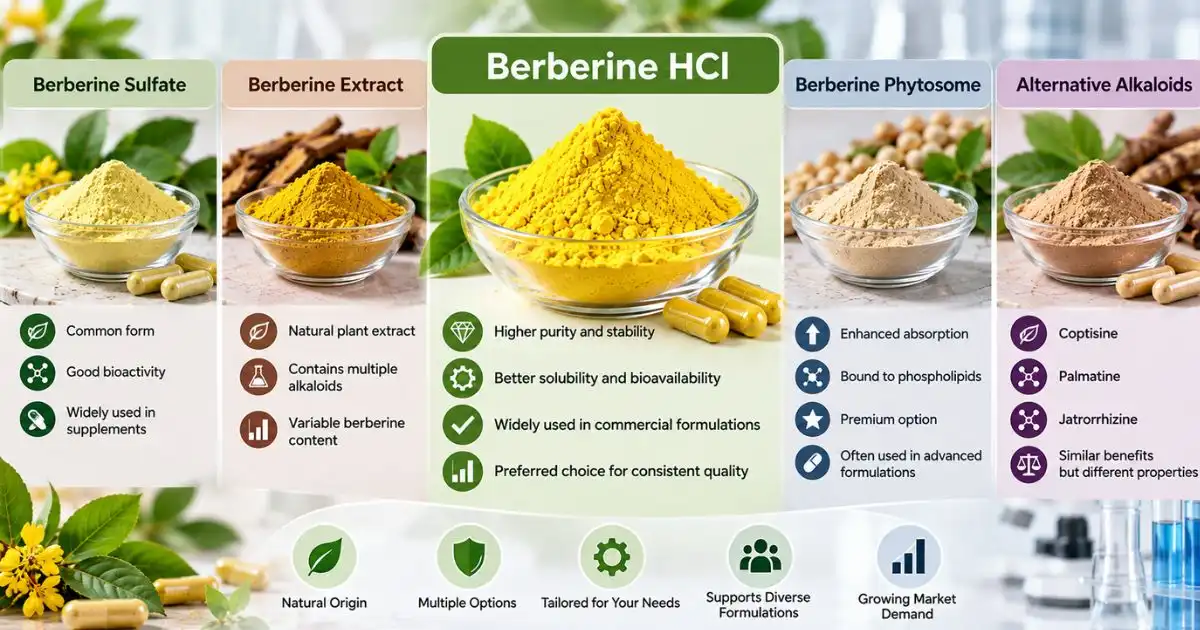
There are different salt forms of berberine, and each one has its own working properties. Berberine HCl is used more in dietary supplements than berberine sulfate because it is more stable chemically. Studies show that it breaks down less than 2% after 24 months at 25°C/60% RH, while berberine sulfate breaks down 8–12% under the same conditions. Its resistance to moisture keeps the hydrochloride form from clumping during encapsulation, which is important for high-speed capsule fillers that work at over 100,000 units per hour.
Sulfate forms dissolve better in water (about 5 mg/mL), which makes them good for liquid delivery methods. However, they are harder to mix because they are sensitive to pH and tend to precipitate. Berberine base is the pure alkaloid that doesn't have any counterions. It's hard to work with because it has qualities like static charge buildup and hygroscopic behavior that make it hard to get accurate weights during small-batch R&D work.
Bioavailability Considerations
Studies on absorption show that berberine has a problem with being bioavailable: oral doses only bind 5% of the body's P-glycoproteins and are broken down quickly in the first pass. Picking the right salt form doesn't change this limitation much; to improve absorption, you need formulation strategies like phospholipid complexation or nanoemulsion technology.
When looking at providers that offer "enhanced bioavailability" berberine, make sure they have pharmacokinetic data that shows improvements in AUC or Cmax that are statistically significant. If your brand positioning stresses advanced delivery systems, you may be able to charge more for these technologies. This is especially true if you're competing with generic berberine supplements in markets that are already full.
Product Format Options
For high-volume OEM production, raw powder is still the most cost-effective version. At a minimum order quantity of 100 kg, it costs between $85 and $125 per kilogram. Pre-encapsulated or tableted formats require less capital equipment, but they cost 40–60% more because of the work and packaging needed to handle and package them.
Private label makers can use powder forms to make different SKUs with different berberine ratios (500mg, 1000mg, and 1500mg capsules), which lets them keep their formulation options open without having to keep a lot of extra ingredients on hand. Berberine that is microencapsulated can be used to hide the taste of foods or drinks that are chewable or powdered, but the wrapping materials add more allergen concerns that need to be listed on the label.
Sourcing Berberine HCl: Tips for B2B Buyers and OEMs
A good supplier selection process strikes a balance between quality assurance, cost competitiveness, and operational flexibility. This is especially important when you consider that the typical procurement decision cycle lasts between 3 and 6 weeks, from sampling to issuing a purchase order for Berberine HCl.
Supplier Evaluation Framework
To start the qualification process, ask for up-to-date ISO certificates, recent audit reports from a third party, and customer references from well-known supplement brands. Reliable producers keep quality recording systems that make it possible to track finished products all the way back to the batches of plants that were harvested, which is required by FDA 21 CFR Part 111. Another important factor is production capacity. Suppliers with dedicated berberine production lines have lower cross-contamination risks than facilities that make more than one product.
Ask about the yearly production volume (reliable makers handle 50–200 metric tons per year) and normal lead times, keeping in mind that 4-6 week delivery windows need to be planned for ahead of time to work with your product launch plans. Yangge Biotech keeps a 1-metric-ton stock of KOSHER/USP grade material, which lets them take quick samples and get urgent formulation projects to market faster.
Pricing Dynamics and Contract Considerations
Prices on the market change based on the costs of raw materials, which are linked to the yields of plants that are harvested. Setting up annual supply deals with price changes every three months guards against spot market volatility and ensures allocation priority. When you commit to buying more than 500 kg of a product every year, you can usually get 12–18% lower prices than if you bought it on the spot. This will directly increase your finished product earnings. In addition to unit prices, you should also look at the total landed costs, which include freight, insurance, and customs fees.
For North American buyers, CIF pricing terms make planning easier. Payment terms depend on how creditworthy a supplier is; once a relationship is established, terms may change from initial LC requirements to net-30 or net-60, which makes managing cash flow easier. Include quality retention terms in contracts so that you can hold back some of the payment until your internal testing is complete. This will lower your financial risk when working with new suppliers at the beginning.
OEM Partnership Optimization
Because of these benefits, specific berberine providers are more like strategic partners than transactional vendors:
OEM-focused providers can help with formulation development, which means they can translate your clinical setting into specs that can be manufactured. Technical teams with a lot of experience suggest the right fillers to keep the formula dry, the right capsule sizes to get the right doses with the least amount of fill weight change, and how berberine might interact with other metabolic health ingredients like chromium or alpha-lipoic acid.
This consultative method cuts down on the number of times you have to do research and development, and Berberine HCl benefits from this streamlined approach by reducing unnecessary trial phases. This is especially helpful when making complicated recipes with many ingredients that treat metabolic syndrome.
Different production sizes can be accommodated by flexible packing setups. For example, 1 kg foil bags are best for initial stability studies and making materials for clinical trials, while 25 kg fiber drums are best for high-volume commercial production.
When suppliers offer different levels of packing, minimum order numbers aren't met, so there isn't extra inventory during the launch phase of a product, when it's harder to predict how much demand there will be. Regulatory support services, such as ingredient specification sheets formatted for NDI notifications and help putting together Generally Recognized as Safe (GRAS) paperwork, can also speed up the regulatory process. This is especially true when putting berberine into new delivery forms.
Transparency in quality assurance builds trust when making choices about purchases. Suppliers who send pre-shipment samples from the exact production lot that is assigned to your order avoid surprises that come from differences between batches. If you have access to stability data showing that berberine content stays the same under accelerated conditions (40°C/75% RH), it can help you with your finished product shelf life studies, which could mean that you don't need as many expensive bridging studies. Testing labs that meet ISO 17025 standards make sure that data is correct, which helps you answer better on customer surveys and store audits.
Supply Chain Risk Management
Diversification tactics lower the risks of being dependent on a single source. When you qualify two suppliers for the same specification, you can quickly switch sources when one source goes down. However, keeping two relationships going requires enough volume to keep minimum order quantities at both sources. Combining manufacturing in Asia with secondary sources in North America or Europe reduces global risks and price exposure.
This is especially important now that trade policies are changing so quickly. Inventory planning that weighs the costs of keeping goods in stock against the risk of running out of stock usually recommends keeping 60 to 90 days' worth of finished goods in stock for core SKUs, which means placing orders for raw materials every three months. Create supplier scorecards that keep track of things like on-time delivery, correct certificates, and technical response. Review these cards yearly to help you make decisions about how to allocate work among your approved supplier network.
Conclusion
Expertise in making Berberine HCl depends on making sure the botanicals are real, that the product is purified to pharmaceutical standards, and that the quality is checked carefully. When procurement professionals get reliable 97%+ pure material from certified suppliers, they lower the risks of formulation and stay competitive in the growing metabolic health market.
The manufacturing ideas in this paper help with talks with suppliers, making realistic plans for timelines, and creating quality specifications that meet the needs of both North American and European markets. Strategic partnerships with technically skilled suppliers turn buying raw materials from a transactional task into a competitive advantage that helps set products apart and build brand reputation.
FAQ
What purity level should I specify for dietary supplement applications?
Pharmaceutical-grade Berberine HCl with 97–99% berberine (based on HPLC measurement) meets the standards for food supplements in the EU and the US. This guideline makes sure that the dose is correct and that the amount of alkaloid content that doesn't help with healing effects is kept to a minimum. Specifications below 95% purity usually mean that the product hasn't been fully purified, which raises the risk of batch-to-batch difference that makes it harder to test the final product and confirm the label claim.
How do I verify a supplier's claimed certifications?
Ask suppliers for pictures of the certificates and check their authenticity in the public register of the giving certification body. ISO certificates have unique registration numbers that can be found on the website of the group that issued the certificate. For high-volume relationships, set up pre-qualification audits that look at real batch records, laboratory equipment calibration logs, and data from environmental tracking. When internal resources make it impossible to do a review on-site, third-party audit services offer an independent check.
What manufacturing certifications matter most for US market entry?
The manufacturing facility's FDA registration, which is not based on approval, shows that the company is aware of the rules. GMP compliance according to 21 CFR Part 111 controls the production of food supplements in particular. Third-party GMP certifications from UL or NSF International give you even more peace of mind. Kosher (Orthodox Union, OK Kosher) and Halal certifications make it easier for certain types of products to reach more customers. Organic certification (USDA NOP) is needed to get materials for finished goods that are labeled as organic. These materials must come from certified organic botanical sources and be processed separately.
Why does berberine color intensity vary between shipments?
Differences in botanical sources and particle size affect the color, which ranges from bright yellow to deeper golden tones. Because they have different flavonoid co-extractives, Coptis chinensis extracts usually have a stronger yellow color than Berberis aristata sources. The apparent color is affected by the mesh size. Because they scatter light more, finer particles (100 mesh) show more intense color than coarser grades (80 mesh). HPLC clarity is still the best way to tell if something is of high quality; color changes that are within normal limits don't show any difference in quality when analysis requirements are met.
Partner with Yangge: Your Trusted Berberine HCl Supplier for Metabolic Health Innovation
Yangge Biotech has a metric ton of 97% pure KOSHER/USP grade Berberine HCl Powder that can be ordered right away. This powder comes from real plants and was extracted using GMP-compliant methods. Our ISO, HACCP, Kosher, and Halal certifications help you meet the regulatory needs of North American and European markets. Our technical support team is available 24 hours a day to help you with developing new recipes and creating regulatory paperwork.
We offer OEM production partnerships that are flexible and can include custom encapsulation, private label packing, and the development of analytical methods that are specific to your metabolic health product line. Sustainability is still very important to us. We do this by working directly with farms to make sure that our products can be tracked and by using renewable energy sources that are known for being good for the environment.
Contact us for your next berberine supplement project, email info@yanggebiotech.com to get certificates of analysis, stability data, and pricing. Our experienced team provides reliable supply chain solutions that will help your brand grow in the growing glucose management and cardiovascular health markets.
References
1. Zhang, Y., Li, X., Zou, D., Liu, W., Yang, J., Zhu, N., Huo, L., Wang, M., Hong, J., Wu, P., Ren, G., & Ning, G. (2008). Treatment of type 2 diabetes and dyslipidemia with the natural plant alkaloid berberine. Journal of Clinical Endocrinology & Metabolism, 93(7), 2559-2565.
2. Neag, M. A., Mocan, A., Echeverría, J., Pop, R. M., Bocsan, C. I., Crisan, G., & Buzoianu, A. D. (2018). Berberine: Botanical occurrence, traditional uses, extraction methods, and relevance in cardiovascular, metabolic, hepatic, and renal disorders. Frontiers in Pharmacology, 9, 557.
3. United States Pharmacopeial Convention. (2023). Berberine Hydrochloride Monograph. United States Pharmacopeia (USP-NF 2023), 1247-1249.
4. European Medicines Agency. (2020). Assessment report on Berberis vulgaris L. and Berberis aristata DC., cortex. Committee on Herbal Medicinal Products, EMA/HMPC/244315/2016.
5. Liu, Y. T., Hao, H. P., Xie, H. G., Lai, L., Wang, Q., Liu, C. X., & Wang, G. J. (2010). Extensive intestinal first-pass elimination and predominant hepatic distribution of berberine explain its low plasma levels in rats. Drug Metabolism and Disposition, 38(10), 1779-1784.
6. Feng, X., Sureda, A., Jafari, S., Memariani, Z., Tewari, D., Annunziata, G., Barrea, L., Hassan, S. T. S., Smejkal, K., Malaník, M., Sychrová, A., Barreca, D., Ziberna, L., Mahomoodally, M. F., Zengin, G., Xu, S., Nabavi, S. M., & Sureda, A. (2019). Berberine in cardiovascular and metabolic diseases: From mechanisms to therapeutics. Theranostics, 9(7), 1923-1951.

Based on your location and order quantity, you will have the opportunity to receive a limited time free shipping promotion!
Who we are
Popular Blogs