Sweet Potato Red Pigment: Natural Color Supplier Guide
Sweet Potato Red Pigment, also known as Purple Sweet Potato Red Pigment E163, is a natural plant-based colorant supplied by Yangge Biotech. Rich in anthocyanins, it provides attractive red, pink, fuchsia, and purple shades and is suitable for a variety of food and beverage applications. Yangge Biotech offers water-soluble Sweet Potato Red Pigment designed for manufacturers seeking natural, clean-label coloring solutions, with quality control and OEM packaging options available. For product specifications, samples, COA, pricing, or bulk orders, please contact us at info@yanggebiotech.com.
When you're searching for a natural alternative to synthetic red dyes, Sweet Potato Red pigment offers a compelling solution backed by clean-label credentials and proven stability. Extracted from purple sweet potato tubers rich in anthocyanins, this colorant addresses the dual challenge of delivering vibrant red hues while meeting consumer demand for recognizable, plant-based ingredients in beverages, confectionery, and baked goods.
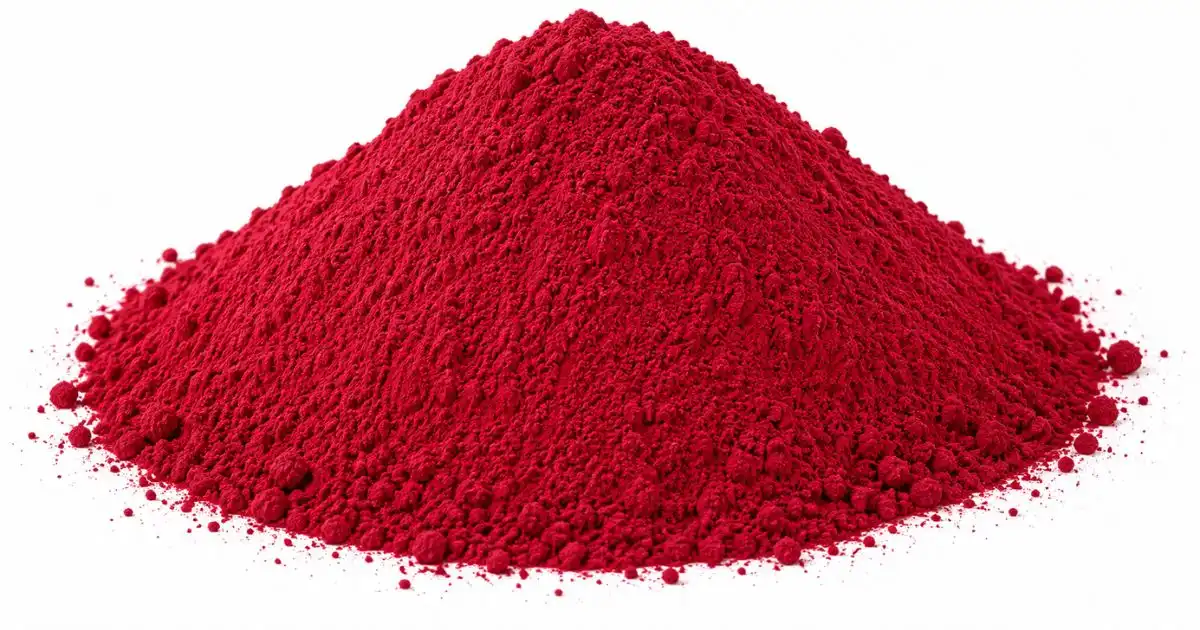
Understanding Sweet Potato Red Pigment: Origins and Nutritional Profile
Sweet Potato Red comes from certain types of purple-fleshed sweet potatoes (Ipomoea batatas), which are botanically different from orange sweet potatoes and real yams. Anthocyanins, mostly cyanidin and peonidin derivatives, are what give the pigment its color. They build up in the tuber meat as it grows.
Botanical Classification and Pigment Chemistry
Purple sweet potatoes make acylated anthocyanins, which are more stable than carotenoid-based orange sweet potatoes. The phenolic acid attachments on these molecules (caffeic and ferulic acid) create steric hindrance that keeps the chromophore from oxidizing. The level of acylation is closely related to heat resistance. This pigment is very useful for prepared foods that are being baked or pasteurized.
Nutritional Advantages Beyond Color
The extract has practical uses in addition to its good looks. The purple sweet potato has fiber, vitamins A and C, and powerful antioxidants that fight free radicals. New research in the Journal of Agricultural and Food Chemistry shows that products high in anthocyanins can help reduce inflammation and keep your heart healthy. More and more, beverage companies are putting these qualities on the labels of their products, marketing them as functional wellness drinks instead of just snacks.
Flavor Profile and Application Flexibility
If you improve extracts the right way, they keep their bland flavor and don't have the earthy notes that some beet red or radish extracts do. Because it doesn't change the taste, it can be used for more things, like fruit-flavored gummies or sports drinks with added vitamins, without the need for masking agents. Because sweet potatoes naturally have a slight sweetness that goes well with fruit, some recipes don't need to add sugar.
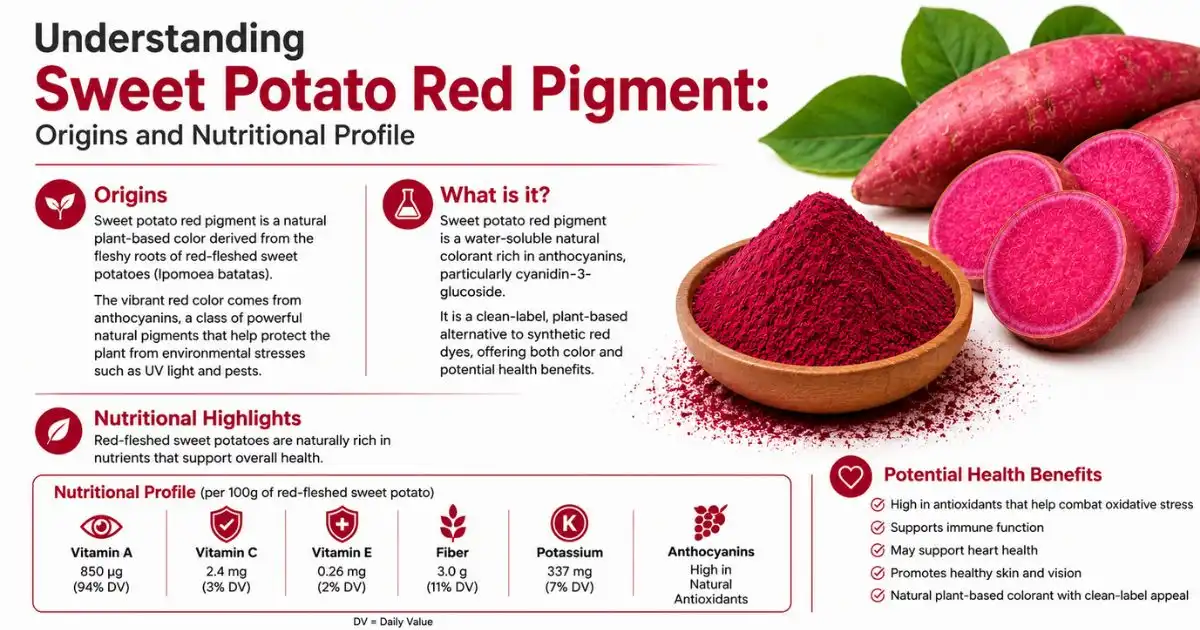
Sourcing Sweet Potato Red Pigment: Market Comparison and Procurement Insights
When choosing natural red colorants, procurement managers have to make very important choices. Understanding how markets work and how they compare to other markets can help you get the best quality and lowest prices.
Pigment Potency and Varietal Differences
Color Value (E1% 1cm at 530nm) ranges from E30 to E90 for commercial extracts, depending on the concentration and how they were processed. Higher Color Values mean stronger tinctures, which means less use and better cost-effectiveness. The market is mostly made up of Chinese and Japanese cultivars. Japanese varieties often fetch higher prices because they are thought to be more consistent in quality.
| Specification | Standard Grade | Premium Grade |
|---|---|---|
| Value of Color | E30 to E50 | E60 to E90 |
| Amount of anthocyanin | 5% to 15% | 18% to 25% |
| How Water Dissolves | 95% | 100% |
| Application Most Common | Bakery and dairy | Drinks and sweets |
Organic vs. Conventional Sourcing
Organic approval raises the prices of raw materials by 20 to 40 percent, but it gives you access to higher-end product lines. Label claims must be backed by either USDA Organic or EU Organic approval in order to be accepted in European markets. Sweet Potato Red can serve as a premium ingredient option within this organic framework, while conventional sources offer a steady supply and lower starting costs, making them a good choice for mid-market items where price awareness is more important than organic placement.
Competitive Analysis: Sweet Potato vs. Alternative Reds
When compared to beetroot red (E162), sweet potato pigment is more heat stable, keeping its color through pasteurization cycles that break down beet pigments. When compared to purple carrot extract, sweet potato has brighter red tones at acidic pH levels (2.5–3.5), which are great for carbonated drinks. Radish red is about as stable, but it often has veggie notes that need to be balanced out with other flavors.
Knowing about these trade-offs helps buying teams choose colorants that meet the needs of the product and stay within the budget. When compared to distributor networks, buying in bulk directly from certified makers usually saves you 15 to 30 percent on costs. However, for fair pricing, the minimum order quantity is usually set at 100 kg.
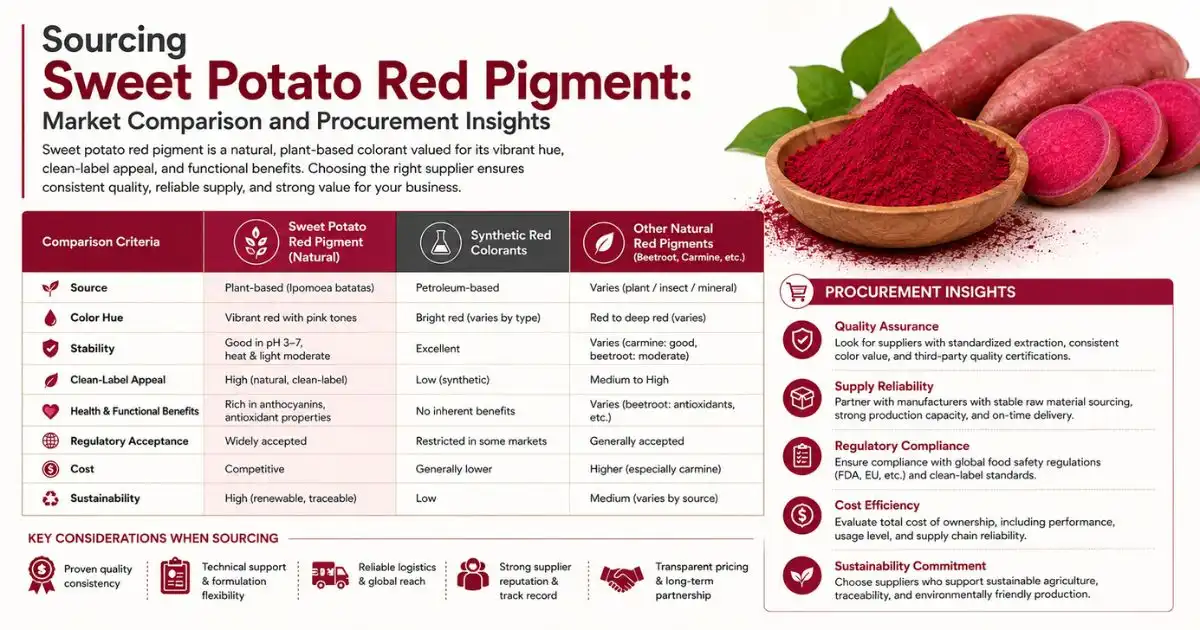
How to Grow and Store Sweet Potato Red for Optimal Pigment Yield
Quality of the pigment starts with how it is grown. The farming methods used have a direct effect on the amount of anthocyanin present, which changes both the color strength and the yield of the extract when it is processed.
Cultivation Conditions for Maximum Anthocyanin Development
In order to grow well, purple sweet potatoes need temperatures between 20°C and 30°C during the growing season. A pH range of 5.5 to 6.5 is best for nutrient uptake, and well-drained sandy soil stops root rot that lowers the quality of the tubers. Anthocyanin production goes up when there is mild water stress during tuber maturation. This is the time when managed watering increases the percentage of pigments by up to 25% compared to when the soil is always wet.
Agronomic Techniques Enhancing Pigment Stability
Rotating crops with legumes naturally adds nitrogen to the soil, which helps vines grow quickly without using too many chemicals. Adding potassium-rich fertilizer during the bulking phase makes anthocyanins more stable by making the cell walls stronger, which protects the pigments while they are being stored and extracted. When you harvest is very important. Tubers that are picked when they are fully mature (about 120 to 150 days after planting) have the highest levels of anthocyanins. Tubers that are picked too early have lower Color Values.
Post-Harvest Storage Best Practices
Enzymatic breakdown, which lowers the quality of pigments, can be stopped by storing them correctly. Keeping the temperature between 13°C and 16°C and the relative humidity between 85 and 90% lowers the rate of respiration and prevents chilling injury, which happens when the temperature drops below 10°C. Anthocyanins don't break down in light, so they stay potent for 4 to 6 months after harvest when stored in the dark. Industrial sellers usually handle tubers within two to three weeks of harvesting to get the most anthocyanin out of them before they break down naturally.
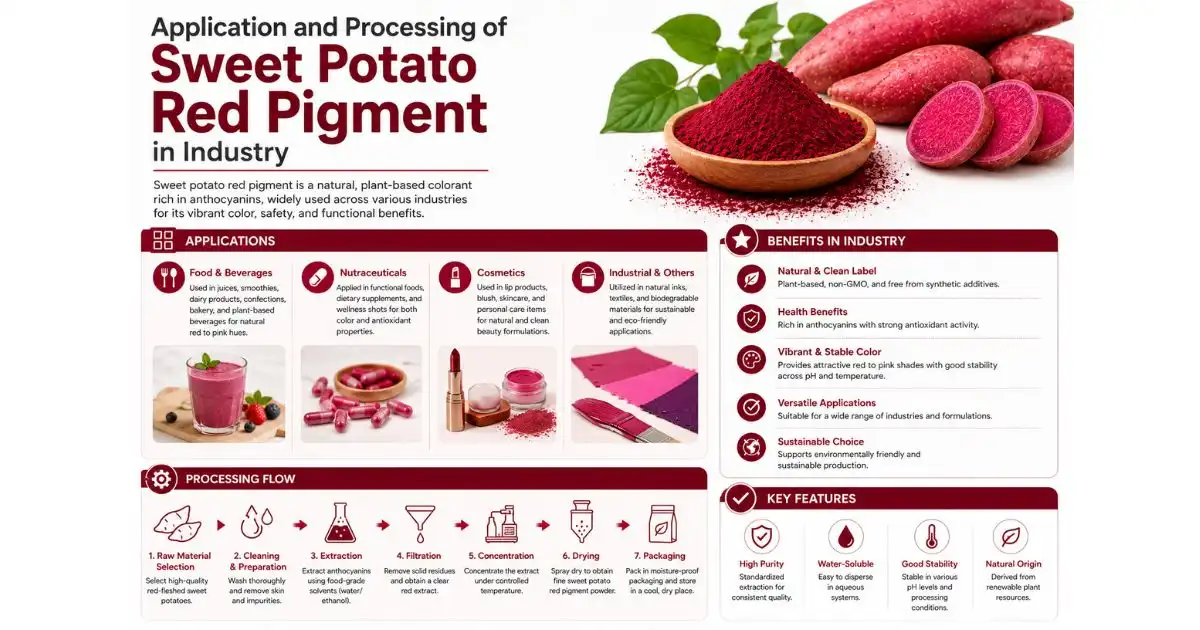
Application and Processing of Sweet Potato Red Pigment in Industry
To turn raw tubers into standardized extracts, you need to use special methods that balance pigment stability with yield efficiency.
Extraction Methods and Quality Control
Pectinase and cellulase are used in enzyme extraction to gently break down cell walls and release anthocyanins without using harsh solvents. This method makes better extracts with less protein and starch pollution, which is important for making drinks clear. On the other hand, acidified ethanol extraction gives higher yields, but it needs more steps of cleaning to get rid of alcohol leftovers before it can be used in food. Yangge uses a special water-based extraction method that keeps the anthocyanin's integrity and makes sure that it dissolves completely in water.
The Sweet Potato Red extract powder that is made is put through a lot of tests using UV and TLC to make sure it has an anthocyanin content between 1% and 25%, based on what the customer wants. Extracts are standardized to have consistent color values, which is important for commercial production because it means that each batch will be reliable.
pH-Dependent Color Performance
To make a good recipe, you need to know how pH affects things. Various pH levels cause noticeable color changes in the Sweet Potato Red pigment:
- pH 2.0-3.5: Bright strawberry-red to ruby-red (flavylium cation structure)
- pH 4.0-6.0: Tones of purple to violet (quinonoidal base creation)
- pH >7.0: Blue-green color that isn't stable (chalcone formation, not a good idea)
Because of this, the pigment works well in acidic foods and drinks like fruit drinks, yogurt, and gummy sweets, where it gives stable, appealing reds. Some baked goods and other alkaline foods need pH buffering or different colorants.
Formulation Integration and Regulatory Compliance
Depending on the desired intensity and the product matrix, incorporation rates are usually between 0.05% and 0.3%. Dosing needs to be lower for drinks than for opaque systems like ice cream or fruit spreads. The color dissolves easily in cold water, but in high-sugar mixtures, gentle cooking (40–60°C) speeds up the process. Regulatory status is different in each area. When it comes to the EU, purple sweet potato extract is classified as E163 (anthocyanins), but the FDA doesn't certify it because it is just a color additive. A lot of Asian markets accept it as a natural colorant. Suppliers like Yangge keep their ISO, HACCP, Kosher, and Halal certifications up to date, which makes it easier for global brands to follow the rules.
Case Studies: Functional Beverage Applications
To get a clean label, a Japanese company that makes sports drinks switched out Allura Red for sweet potato extract. After being reformulated, the color stayed stable for 12 months at 25°C, passing both UV exposure and heat cycle tests. Consumer tests showed that the color had no effect on the taste, proving that it is neutral. Similarly, a Brazilian candy maker used the extract in pectin sweets that were made acidic with citric acid. The pigment didn't lose much of its color during the 95°C cooking stage, so the red shades were the same from batch to batch. The product's package successfully said "colored with vegetable juice," which made it more appealing to the premium market.
Making Smart Procurement Decisions: Choosing the Right Sweet Potato Red Supplier
Long-term success in natural color sourcing depends on choosing a supplier you can trust. Besides price, there are a few other important factors that should be looked at.
Certification and Quality Assurance Protocols
Reliable suppliers keep a lot of certifications that show they care about quality and safety. International standards for food safety management systems are met by ISO 22000, and HACCP approval shows that danger analysis methods are followed at every stage of production. Kosher and Halal licenses make it easier for shops with religious dietary needs to follow the rules. Quality control is more than just getting certifications.
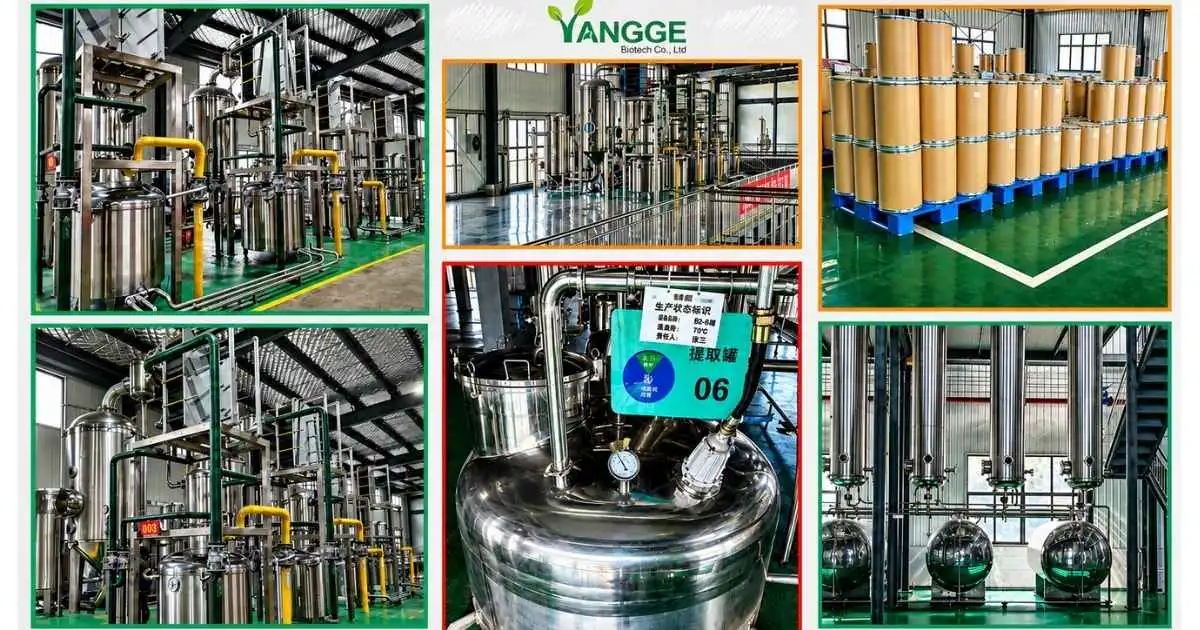
Leading providers test each batch for heavy metals, chemical leftovers, anthocyanin levels, and microbial pollution. Every shipment should come with a Certificate of Analysis (COA), which shows where the food came from and how it was processed. Yangge's model of vertical integration makes sure that the whole supply chain is visible and that quality is controlled at all times, from working with farms to making the finished extract.
Supplier Reliability and Scalability Assessment
Managers of procurement should look at how much can be produced and how to manage inventory. Can the provider handle changes in orders during busy times? What other sources of supply are there if bad weather affects harvests? Suppliers with more than one sourcing area are better able to handle supply problems caused by bad weather than those with only one base.
Being quick to communication shows that you are skilled in your work. Suppliers who give technical help 24 hours a day and English-language communication make working together easier, especially when formulating problems need to be solved. Sweet Potato Red is one such ingredient that benefits from this responsive support, and Yangge's dedicated research and development (R&D) team helps customers improve usage rates and stability in certain product matrices by supporting applications.
Evaluating Sample Programs and Trial Procedures
Suppliers who are serious about their business will give you free samples (10–30g) to try out before you decide to buy in bulk. In this way, R&D teams can test how well colors work, how well they dissolve, and how well flavors work with current formulas. The normal trial period of two to three weeks in the business fits with standard product development schedules, which makes it easy to make a choice.
Ask for samples at the concentrations you plan to use to get an idea of the real cost-in-use. It may be more cost-effective to use a more expensive extract with better Color Value than a cheaper one that needs to be taken in twice as much. Instead of just comparing prices per kilogram, figure out the total cost of each production batch.
Sustainability and Traceability Commitments
Sustainability is becoming a bigger factor in purchasing decisions. Fair-trade models allow suppliers to work directly with farming communities to make sure they have a steady supply of raw materials and help rural areas grow. Yangge's farm-to-table traceability program keeps track of every step of the supply chain. This meets both the requirements for business social responsibility and the demands of consumers for openness.
Environmental habits are also important. Suppliers who put money into waste reduction and renewable energy show that they are committed to long-term success and are in line with global sustainability trends. Good quality is often linked to these ways of running a business; companies that care about the environment usually treat product quality with the same level of strictness.
| Evaluation Criteria | Weight | Assessment Method |
|---|---|---|
| Portfolio of Certifications | 20% | Check for ISO, HACCP, Kosher, and Halal certifications. |
| Value and consistency of color | 25% | Review of COA and batch testing |
| How Well pH Stability Works | 20% | Tests of the application at the goal pH |
| How Competitive Prices Are | 15% | Figuring out the cost per batch |
| Availability of the Supply Chain | 10% | Checks of references and a capacity audit |
| Help with Technology | 10% | Time to respond and R&D available |
Conclusion
To buy Sweet Potato Red pigment, you have to find a balance between technical performance, following the rules, and supplier reliability. This natural colorant gives food and drink companies a way to make clean-label products that don't lose their stability or look good. The pH-dependent color behavior works especially well in acidic environments, like sports drinks and gummy sweets, where synthetic replacements are facing more and more opposition from regulators and customers.
To do a good job of buying, you need to know about extraction methods, look at Color Value economics, and work with certified sellers who follow strict quality standards. This guide gives procurement managers and R&D professionals useful information to help them make smart decisions about where to buy things that will help them come up with new products and keep supply chain risks under control.
FAQ
What anthocyanin concentration should I specify for beverage applications?
Extracts with 10% to 25% anthocyanin, which corresponds to color values of E50 to E90, are usually needed for beverage applications. Higher amounts lower the rate of use, which lowers the cost per unit and lessens the effect on taste that might happen. Standardized extracts make sure that the color is the same from batch to batch, which is important for keeping the brand's character.
How does sweet potato red compare to synthetic alternatives in heat stability?
Many natural colors don't hold up as well to pasteurization (95°C for 15–30 minutes) and UHT processing as well as Sweet Potato Red pigment. However, manufactured dyes like Allura Red still hold up a little better. The acylated anthocyanin structure is a good compromise because it is stable enough for most thermal processes and offers clean-label benefits that synthetic colors can't.
Can this pigment function in alkaline food systems?
Chalcone formation, which creates unstable blue-green tones, means that applications above pH 7.0 are not a good idea. Different colorants are needed for things like some protein bars or alkalized cocoa products. On the other hand, sweet potato extract works great in most snack foods, drinks, and sweets that have a pH between acidic and neutral.
Partner with Yangge for Premium Sweet Potato Red Supplier Solutions
Yangge Biotech specializes in making natural plant products that can be used in food, drinks, and supplements. Our powdered sweet potato extract has great Color Values from E30 to E90 and anthocyanin amounts of up to 25%, so your product recipes will have bright, stable reds. Our ISO, HACCP, Kosher, and Halal licenses give regulators around the world faith in our business. From sustainable farm partnerships to advanced extraction facilities, our supply chain is fully integrated from start to finish. This means that we can guarantee consistent quality and on-time delivery for orders of any size, from 100 kg to several tons. We offer 10–30g free samples to help with your R&D trials, and our expert support team is open 24 hours a day, seven days a week.
Whether you're changing the way existing products are made or coming up with new clean-label options, our knowledge can help you get the best color performance at the best price.Contact us or email our team at info@yanggebiotech.com to talk about your needs and ask for examples. Find out how working with a reliable Sweet Potato Red pigment maker can help your goods stand out by giving them a natural color that customers love.
References
1. Oki, T., et al. "Anthocyanin Composition and Antioxidant Activity of Purple-Fleshed Sweet Potato (Ipomoea batatas)." Journal of Agricultural and Food Chemistry, vol. 50, no. 18, 2002, pp. 5286-5290.
2. Zhao, J., et al. "Stability of Anthocyanins from Purple Sweet Potato Under Different pH and Temperature Conditions." Food Chemistry, vol. 185, 2015, pp. 107-115.
3. Rodriguez-Saona, L.E., and Wrolstad, R.E. "Extraction, Isolation, and Purification of Anthocyanins." Current Protocols in Food Analytical Chemistry, 2001, pp. F1.1.1-F1.1.11.
4. Terahara, N., et al. "Five New Anthocyanins, Ternatins A3, B4, B3, B2, and D2, from Ipomoea batatas." Journal of Natural Products, vol. 59, no. 2, 1996, pp. 139-144.
5. Giusti, M.M., and Wrolstad, R.E. "Acylated Anthocyanins from Edible Sources and Their Applications in Food Systems." Biochemical Engineering Journal, vol. 14, no. 3, 2003, pp. 217-225.
6. Delgado-Vargas, F., et al. "Natural Pigments: Carotenoids, Anthocyanins, and Betalains—Characteristics, Biosynthesis, Processing, and Stability." Critical Reviews in Food Science and Nutrition, vol. 40, no. 3, 2000, pp. 173-289.

Based on your location and order quantity, you will have the opportunity to receive a limited time free shipping promotion!
Who we are
Popular Blogs