Sweet Potato Red Color as a Better Natural Alternative to Carmine
Sweet potato red color is a plant-based anthocyanin pigment extracted from purple and red sweet potato tubers (Ipomoea batatas). It delivers a natural red-to-purple hue that performs comparably to carmine across a wide range of food and beverage applications. Unlike carmine, which is derived from cochineal insects, this pigment is fully vegan, allergen-free, and carries clean-label appeal. For procurement teams in confectionery, beverage, bakery, and jam manufacturing, it offers a traceable, scalable, and cost-effective route to achieving natural red coloration without synthetic additives. Contact us or email us at info@yanggebiotech.com to get a sample or talk about what you need help with.
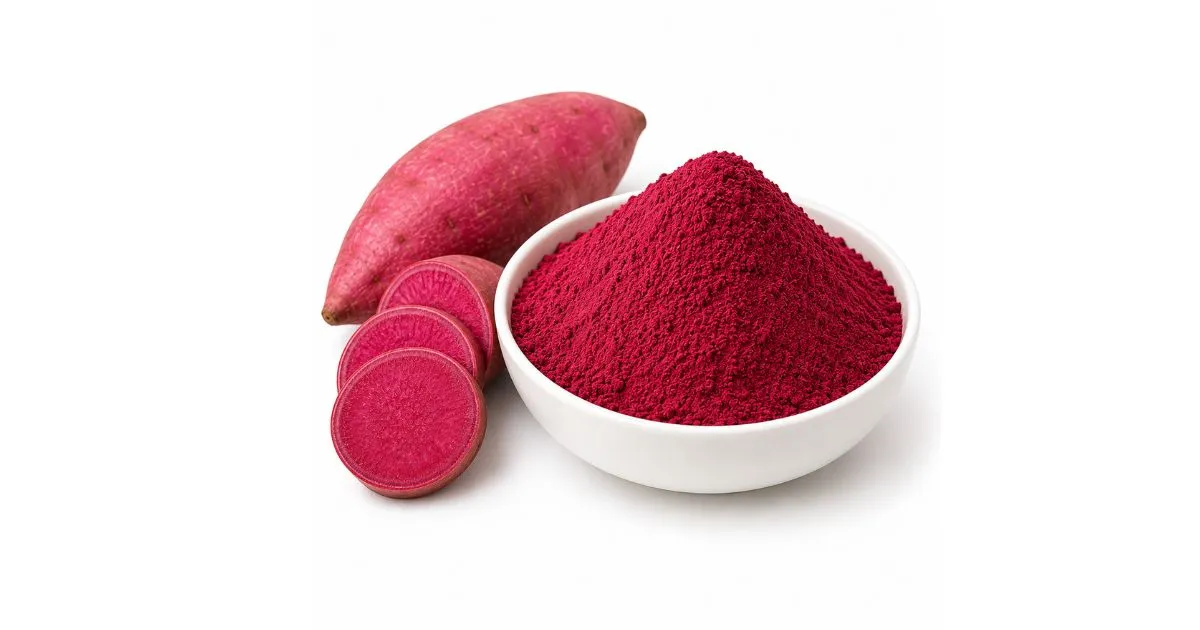
Understanding the Sweet Potato Red Color: Nature and Benefits
What Gives Sweet Potatoes Their Red-Purple Hue?
Flavonoids called anthocyanins give purple and red sweet potatoes their color. These molecules are mostly found in the meat of the potatoes. Like caffeic acid, anthocyanins in grapes and black carrots are not linked to phenolic acids. Anthocyanins in sweet potatoes are. This red pigment is stronger against heat and light than most other plant-based reds because of the acylation, which forms steric protection around the chromophore.
Nutritional and Functional Value Beyond Color
The anthocyanins in sweet potatoes are good for you and give them their color. This was proven by new research in the journal Food Chemistry. They are antioxidants, can lower inflammation, and may help keep blood sugar levels in check. When food brands say they are "natural and nutritious," this double function adds real marketing value that man-made dyes can't match.
Pigment Differences Across Varieties
These are the different types of sweet potatoes: purple sweet potato has cyanidin/peonidin acylated, which is a reddish-violet color at low pH that goes well with drinks and sweets; red sweet potato has cyanidin derivatives, which is a reddish-pink color that goes well with jams and dairy alternatives; orange sweet potato has beta-carotene, which is a yellow-orange color that goes well with baked goods and soups. For procurement professionals to pick the best pigment profile for their goal matrix, they need to know how the different types are different.
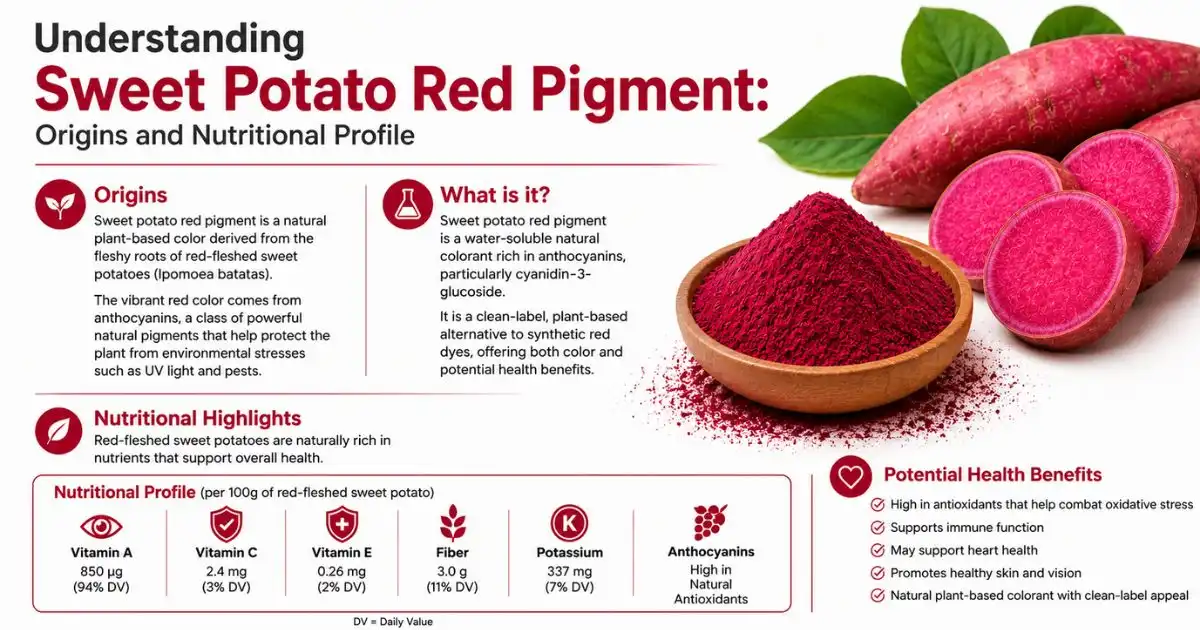
Why Sweet Potato Red Color Is a Superior Natural Alternative to Carmine
The Problem With Carmine in Modern Food Markets
To make carmine (E120), crushed and dried cochineal bugs are used. There has to be an allergic statement on goods sold in the EU and the US. Items with this statement can't be recognized as vegan, Kosher, or Halal. A lot of people want clean labels on foods, so food companies are under a lot of pressure to get rid of carmine from their lists of ingredients. They did a study in 2021 and found that 68% of US customers regularly check ingredient labels to see if they have any additives that were made in a lab or from animals.
Why Sweet Potato Anthocyanins Win the Comparison
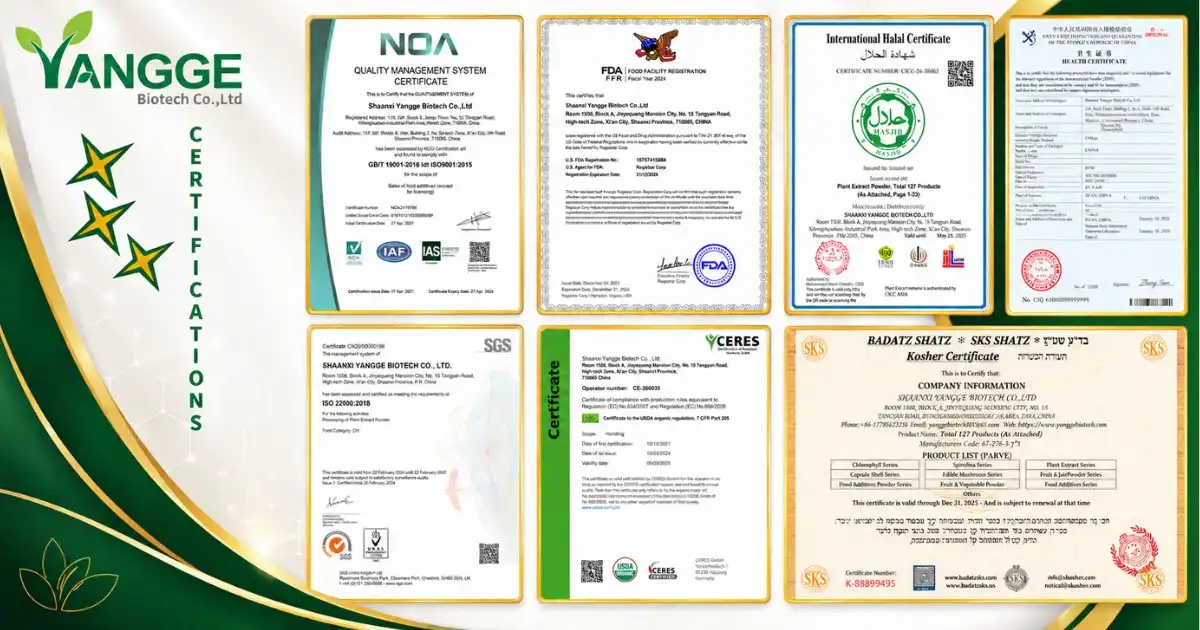
Sweet potato red color fixes all of the problems that come up with carmine. The supply lines are vegan, Kosher, or Halal, and the food comes from plants. It doesn't need to list toxins. One example is Yangge's Powder Sweet Potato extract, which is ISO, HACCP, Kosher, and Halal certified. This means it can be sold anywhere in the world. The color is easy to add to both liquid and powder foods because it mixes fully with water.
Real Application Evidence
When the pH level is less than 4.0, acylated sweet potato anthocyanins can be used to add color to alcoholic drinks, yogurt drinks, and fizzy drinks. This gives the drinks a steady shade of strawberry red to ruby red. People who make candy have used it instead of carmine and synthetic Allura Red (FD&C Red No. 40) to color gummy candies and hard-shell coats. Because the pigment is acylated, it keeps its color even when heated above 95°C.
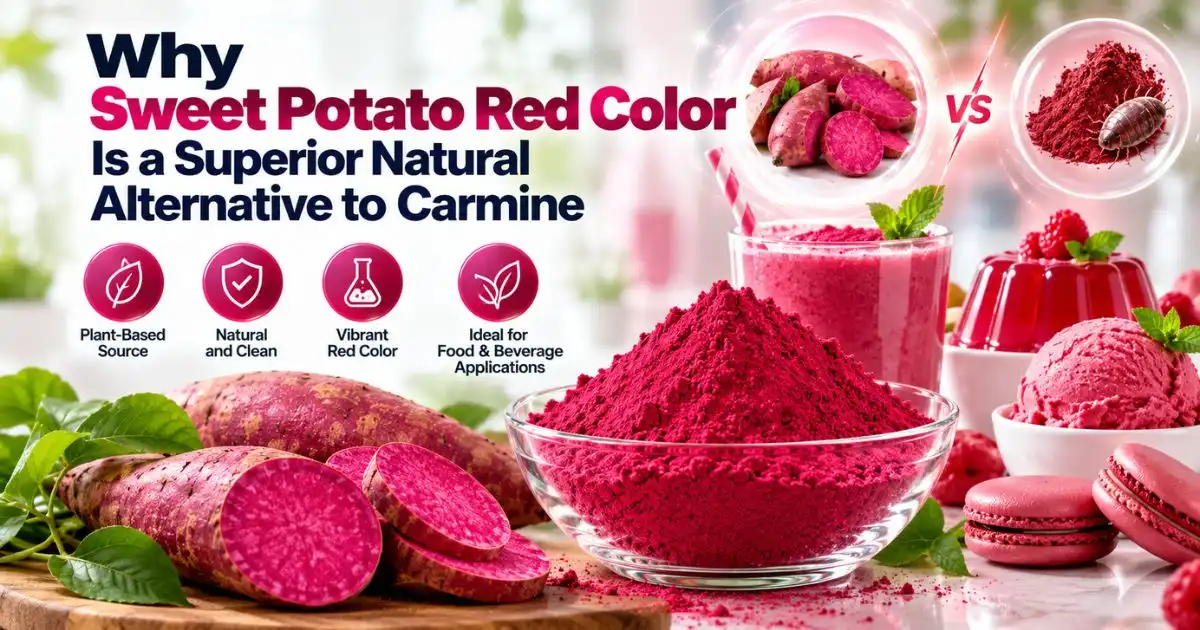
Practical Applications and Procurement Considerations for B2B Clients
pH and Heat: The Two Variables That Matter Most
The anthocyanins in sweet potatoes always act the same way when the pH level changes:
- pH below 3.0: It turns a bright strawberry red that works well for bubble drinks and sweets that are acidic.
- pH 4.0–6.0: Violet-purple tones (good for jams and drinks with added sugar).
- pH above 7.0: The color changes, and treatments that are alkaline are not recommended.
Acylated sweet potato pigments keep their color well after 30 minutes at 95°C, according to tests that used heat. Non-acylated anthocyanins from elderberries or strawberries can't always meet this standard.
Product Forms and Selection Guidance
Yangge has a number of different types of Powdered Sweet Potato Extract including sweet potato red color to meet the needs of different producers. For dry mixes and candy coatings, a 4:1 to 50:1 ratio of straight powder is used. For drinks and health foods, standardized extract with 1% to 25% anthocyanins is used. It is used for liquid systems and emulsified products. The powder is 100% water-soluble and has been checked by UV/TLC.
Evaluating Suppliers on the Right Criteria
People who want to buy a lot of something should make sure that the supplier has four things: certifications (ISO, HACCP, Halal, or Kosher); consistent color values from batch to batch (measured as E1% at 530nm); heavy metal testing compliance (Lead and Arsenic below 1ppm per JECFA standards); and information on how the product will be used in the food matrix. Costs of trial and error are cut down by a lot when sellers write down information about how stable their products are in your plan.
Instead of a one-time deal, these standards set the tone for a dependable supply chain that can be checked.
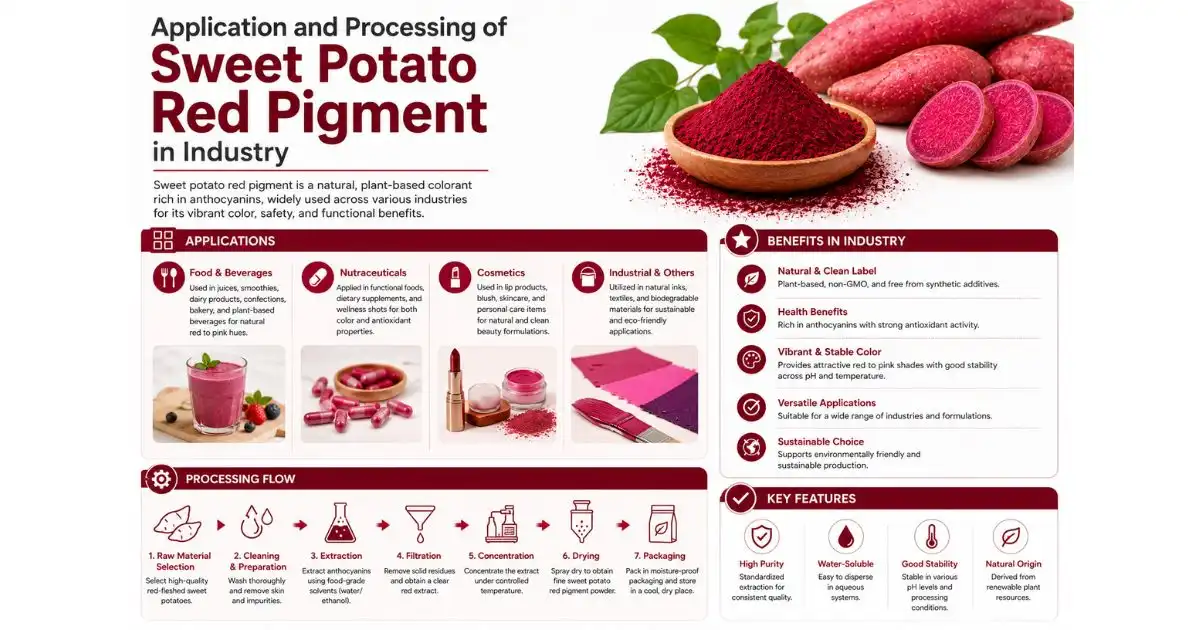
Procurement Guide: Where and How to Buy Sweet Potato Red Color at Scale
Sourcing Options and Minimum Order Quantities
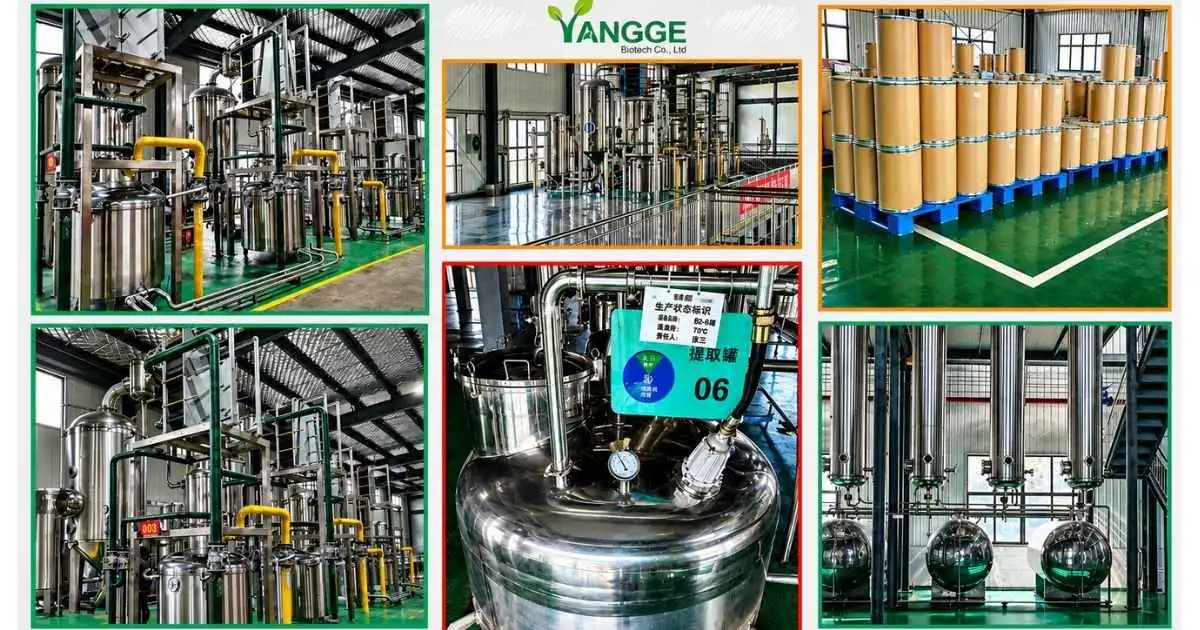
Yangge makes it easy for people to buy things at different times. The company gives away 10–20g pieces for free so that people can try out the new formulas. This is enough to test drinks, candy, or jam in the lab. Boxes for business use come in sizes like 1–5 kg aluminum foil bags, 10 kg paper drums, and 25 kg paper drums with two plastic liners inside. These can be used for both testing in small groups and making a lot of things at once.
Compliance and Quality Assurance
In the US, purple sweet potato red color is FDA-compliant as an "Exempt from Certification" color additive, labeled as "Purple Sweet Potato Juice (Color)" or "Vegetable Juice (Color)." This designation permits clean-label marketing on finished product packaging. In the EU, it falls under E163 (Anthocyanins). Buyers should request a full Certificate of Analysis (CoA) with each batch, including HPLC identification data to verify anthocyanin identity and detect potential adulteration.
Storage and Logistics Best Practices
Keep powdered sweet potato extract somewhere cool and dry, away from direct heat and light. It is very important to keep the powder dry while transporting it because it soaks up water. This is taken care of by Yangge's double-layer packing method, which uses sealed paper drums with plastic bags inside them. For orders made in the summer, if you are in Southeast Asia, the Middle East, or Europe, ask for temperature-controlled freight. This will keep your goods stable on the shelf longer and protect the color value when they arrive.
Red Sweet Potato Color in Comparison: Making Informed Product Decisions
Side-by-Side: Sweet Potato vs. Carmine
| Factor | Sweet Potato Anthocyanin | Carmine (E120) |
|---|---|---|
| Source | Plant-based (vegan) | Insect-derived |
| Allergen declaration | Not required | Required (EU/US) |
| Halal/Kosher | Yes | Restricted |
| Heat stability (>90°C) | Good (acylated) | Moderate |
| Clean label claim | Yes | No |
| pH sensitivity | Yes (managed by formulation) | Lower sensitivity |
Market Trend Context
Grand View Research says sweet potato red color will keep growing at a rate of 7.2% CAGR until 2030. In 2022, it was worth USD 2.1 billion. Clean label rules in North America and Europe are pushing colors that are based on anthocyanins to make this rise even bigger. When the rules for labels get tighter, brands that change their recipes now to use plant-based reds will be ahead of the game.
Conclusion
Thanks to sweet potato red color, food and drink makers now have a safe plant-based option to insect-based carmine. It stays more stable at high temperatures than most natural reds because of the way the acylated anthocyanin is structured. It also has a clean label and is allergen-free, which is what people want and what the government requires.
Scientists have found a way to switch from man-made or animal-based red to natural red. It also makes business sense to do so, as long as the pH is kept in check and the seller gives information on how to use the material consistently across batches. For teams that are ready to test and grow, Yangge's Powder Sweet Potato extract is a good place to start.
FAQ
Is sweet potato red colorant stable during high-temperature processing?
Yes, the color of purple sweet potatoes that have been heated above 95°C does not change much. The heat can't break down the chromophore because it has acyl groups on it. If you want to use it for UHT or baking, you should first do a test run with your recipe to make sure the final color values are right.
Can Yangge's Powder Sweet Potato extract achieve organic certification?
To get an organic label, you have to show how the crop was grown and what solvents were used to process it. People who need materials that are recognized as organic should ask Yangge for source papers and make sure they understand the solvent standards before making an order.
Does purple sweet potato pigment pose allergen risks like carmine?
As long as they don't list sweet potato anthocyanins as a risk, they don't have to follow the rules set by the US FDA or the EU. An important thing that makes it better than carmine is that it doesn't need to be clearly labeled in both markets.
What is the typical dosage range in food applications?
Most of the time, 0.05% to 0.2% of the extract doesn't change the taste of the end product. When extracts are purified, any starch, proteins, or sugars that might change the taste of good extracts are removed.
What is the minimum order for sampling?
People who work in the food and drink business and meet certain conditions can get free samples of 10–20g from Yangge. This much is enough for the first tests in the lab before buying more.
Start Sourcing Purple Sweet Potato Colorant With Yangge
People in North America, Europe, and Asia who make food and drinks trust Yangge Biotech to give them sweet potato red color. Our sweet potato powder extract is ISO, HACCP, Kosher, and Halal-approved, and you can see where it comes from—from the farm to the plant. We can help you meet your goals for growth by giving you free samples (10–20g) and flexible packing in drums of 1 kg to 25 kg. Email us at info@yanggebiotech.com or visit blog.yanggebiotech.com to get a sample or talk about what you need help with.
References
1. Zhao, C. et al. "Antioxidant and Anti-inflammatory Activities of Anthocyanins from Purple Sweet Potato." Food Chemistry, 2019.
2. Grand View Research. "Natural Food Colors Market Size, Share & Trends Analysis Report." Grand View Research, 2023.
3. FMCG Gurus. "Clean Label Trends: Consumer Attitudes Toward Ingredients." FMCG Gurus Global Survey Report, 2021.
4. Stintzing, F. C., & Carle, R. "Functional Properties of Anthocyanins and Betalains in Plants, Food, and Human Nutrition." Trends in Food Science & Technology, 2004.
5. Cevallos-Casals, B. A., & Cisneros-Zevallos, L. "Stability of Anthocyanin-Based Aqueous Extracts of Andean Purple Corn and Red-Fleshed Sweet Potato Compared to Synthetic and Natural Colorants." Food Chemistry, 2004.
6. European Food Safety Authority (EFSA). "Re-evaluation of Anthocyanins (E 163) as a Food Additive." EFSA Journal, 2013.

Based on your location and order quantity, you will have the opportunity to receive a limited time free shipping promotion!
Who we are
Popular Blogs